The 3 Most Amazing Peaks around Oristà
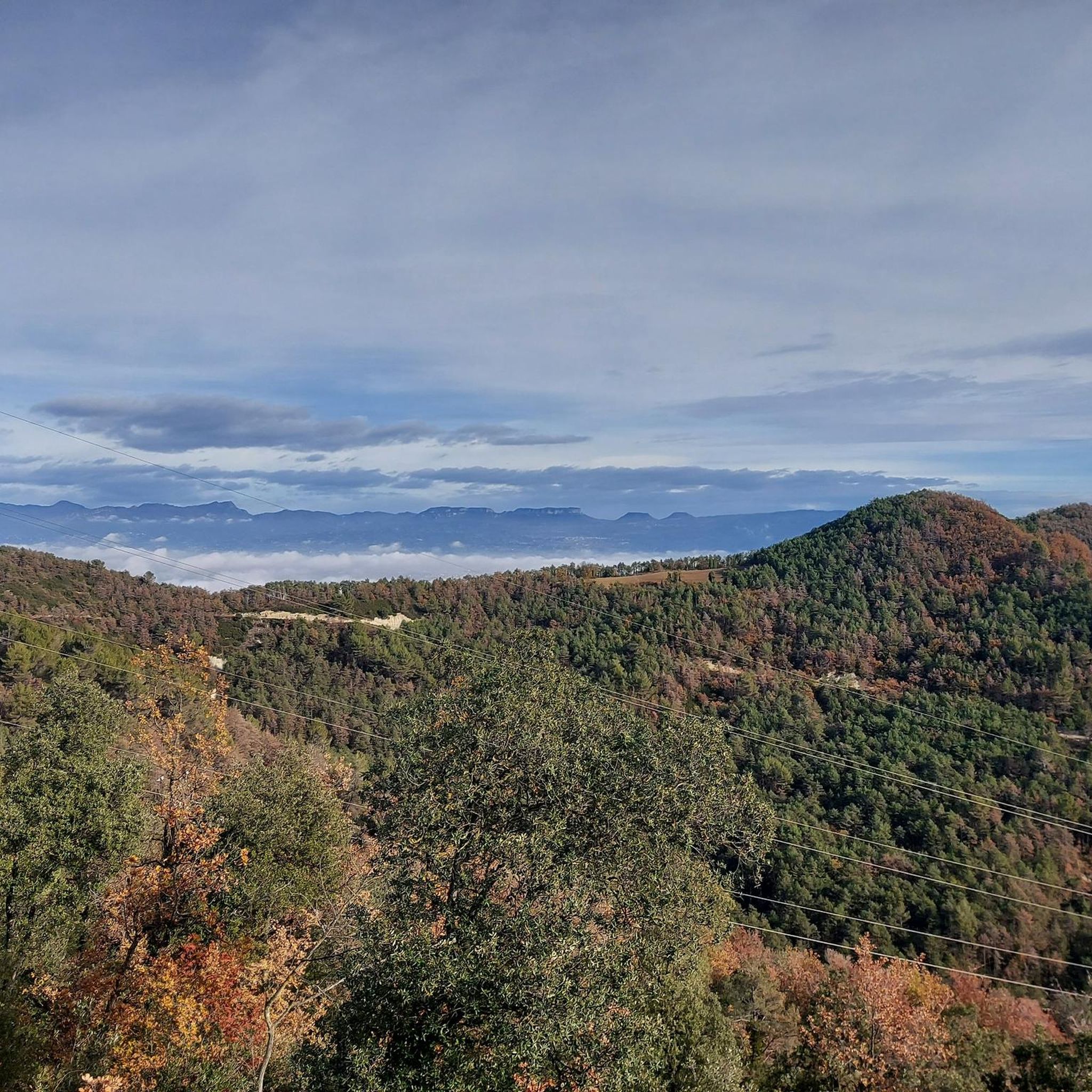
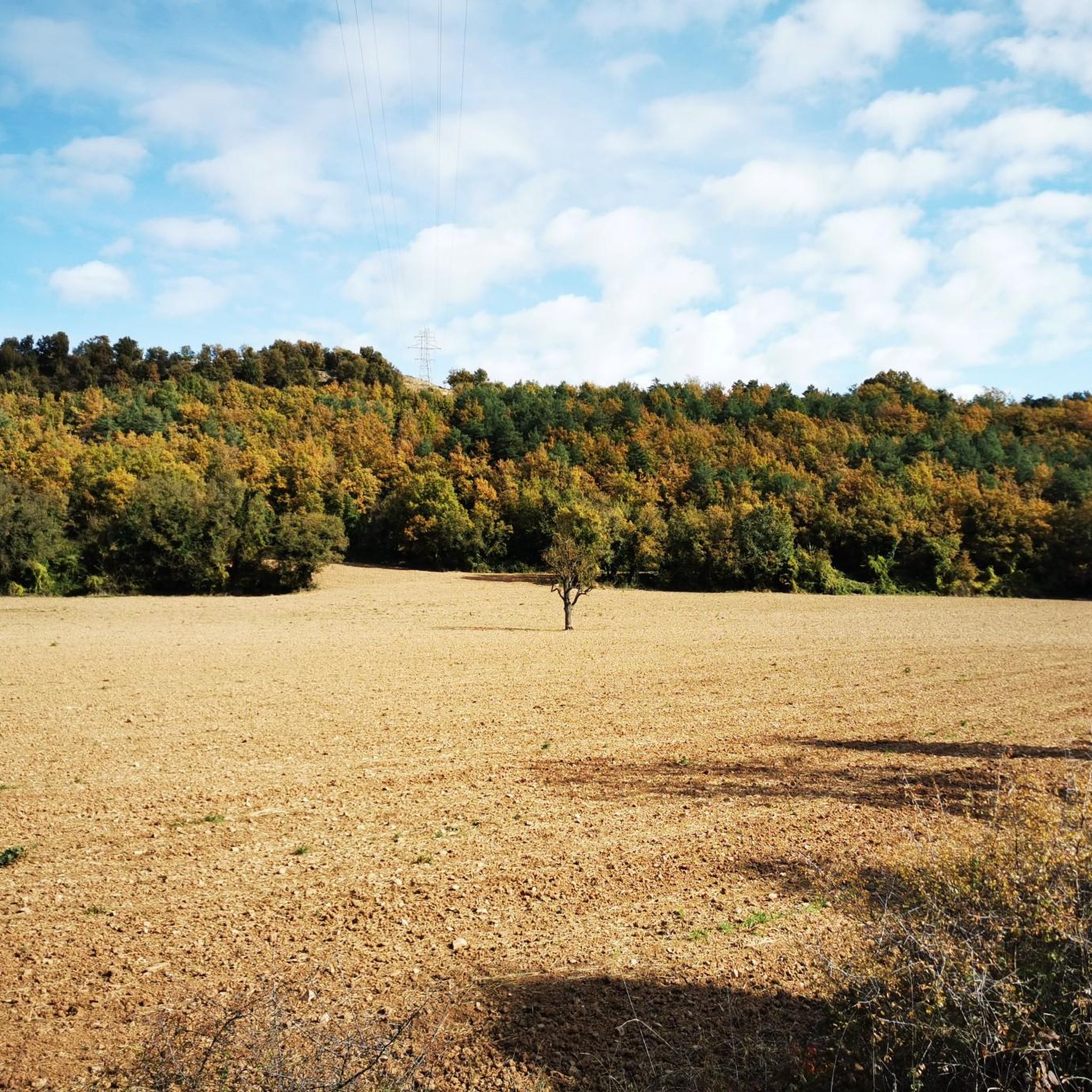
Mountain peaks around Oristà are characterized by a rich rural landscape of forests, agriculture, and livestock in the Lluçanès region of Catalonia, Spain. The area, part of the Pre-Pyrenees, features elevated terrain offering scenic views rather than distinct, towering mountains. This geography provides opportunities for exploring natural features and historical sites on elevated ground.
Best mountain peaks around Oristà
- The most popular mountain peaks is Ermita de Sant Sebastià, a religious building and viewpoint on a hill. It offers…
Last updated: May 1, 2026
Santa Llúcia Hermitage, Sobremunt
Highlight • Religious Site
Translated by Google •
Tip by

Ermita de Sant Sebastià
Highlight • Religious Site
Translated by Google •
Tip by

Sign up now to discover places like this
Get recommendations on the best single tracks, peaks, & plenty of other exciting outdoor places.
Sign up for free
Collet de Sant Pere and Ruins of Sant Pere del Coll de la Crossa
Highlight • Mountain Pass
Tip by

Gurb Cross
Highlight • Monument
Translated by Google •
Tip by

Turó de Sant Andreu
Highlight • Summit
Translated by Google •
Tip by

Start today with a free account
Your next adventure awaits.
Login or Signup
Tips from the Community

Religious building facing west and located at the highest point of the Sobremunt mountain range (957 meters above sea level). It was erected in 1407, under the patronage of Saint Lucia and St. Quiteria.[1] It is surrounded by a stone wall and is accessed through a porch with a rounded vault. Above the portal, there is a stone engraving and the date 1720, the year in which it was completely renovated.[1] The Bell Tower is a tower with a hipped roof and the bell is preserved. The chapel is completely renovated and a large millstone forms the altar. In the left corner there is a body formed by three successive extensions. On the lintel of the portal it reads: SANTA LLUCIA ORA PRO NOBIS YEAR 1718
0
0

Cozy little medieval church, located on a nice spot with views
1
0

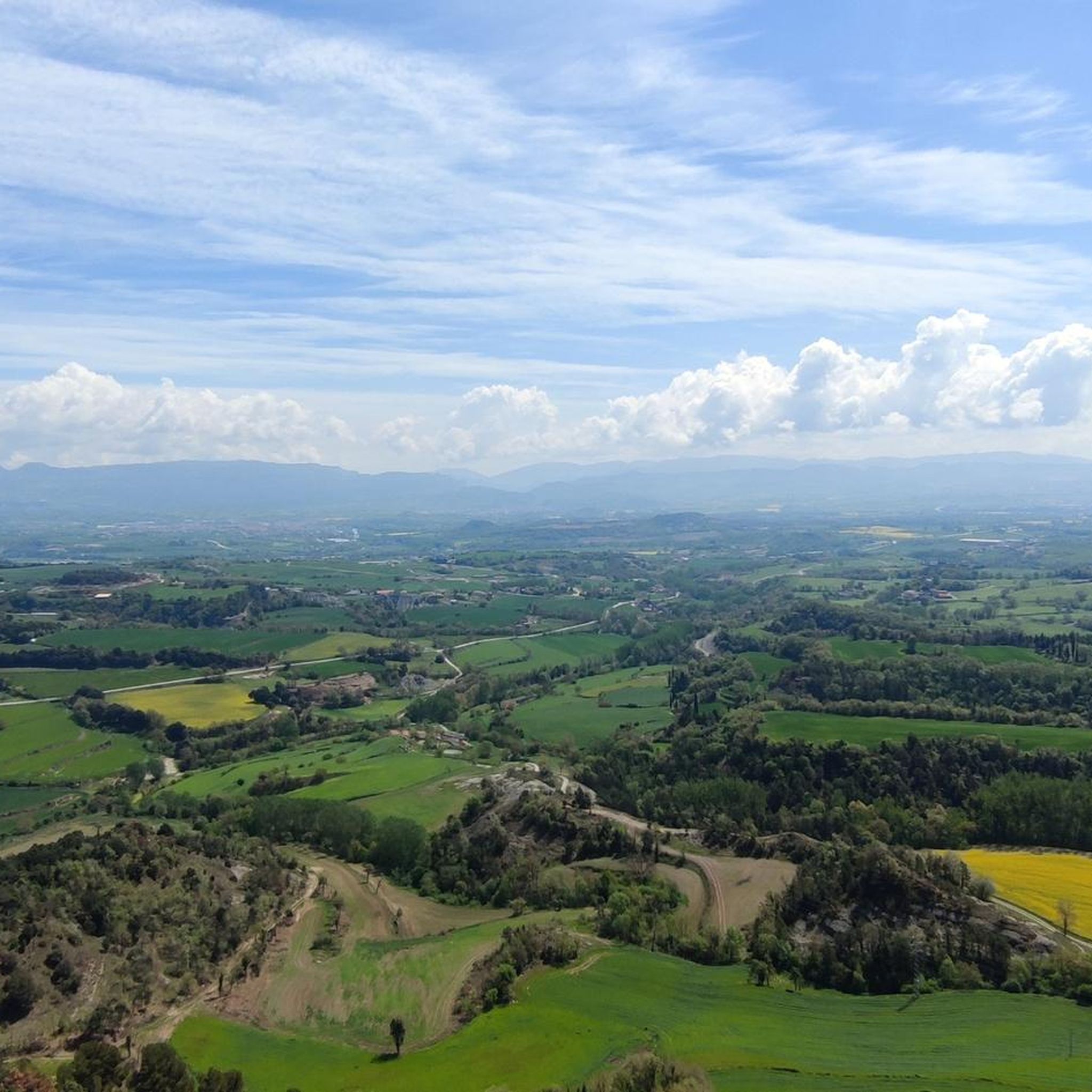
The cross is from the year 1900. There are great views from here over the Plana de Vic and its surroundings. Gurb preserves an agricultural and livestock tradition with a significant number of farmhouses and farms.
2
1

Recommended in addition to its history for its views across the plain of Vic
1
0
Santa Llúcia de Sobremunt is located at the north-eastern end of the municipal district, dominating a wide panorama of the Plana de Vic and the Pyrenees. The church, documented in the 14th century, preserves Romanesque remains at the base of the temple. The current church (18th century) has a rectangular floor plan; it consists of a single nave, separated from the presbytery by a grate, and simply decorated in Baroque style. It has a bell tower with a gabled roof, and the west façade consists of a terraced atrium with two large semicircular arch openings (west and south). The access portal is interesting, framed with jambs and a molded stone lintel and has the date 1720, with an ashlar where a cross is inscribed. Above the cross is a rather damaged Gothic ashlar with a scene of the crucifixion, sculpted in bas-relief, in which four characters are distinguished and the crucified Christ, quite mutilated. The hermitage of Santa Llúcia, initially dedicated to Santa Llúcia and Santa Quitèria, was not documented until 1370; the Romanesque remains at the base of the temple, but indicate that either the chapel existed long before or there may have been a military watchtower in this place. The devotion to Santa Quiteria disappeared in modern times, leaving Santa Llúcia, the lawyer of the sight, as the only patron saint. It was formerly known as Santa Llúcia de Dalt in contrast to Santa Llúcia de Baix, located in Taradell, which was the focus of devotion in the southern sector of the Plana de Vic. we; in 1720 it was already done. In 1748 the house of the hermits was extended, attached to the temple. https://turisme.llucanes.cat/visiteu/esglesia-santa-llucia-sobremunt/
1
0

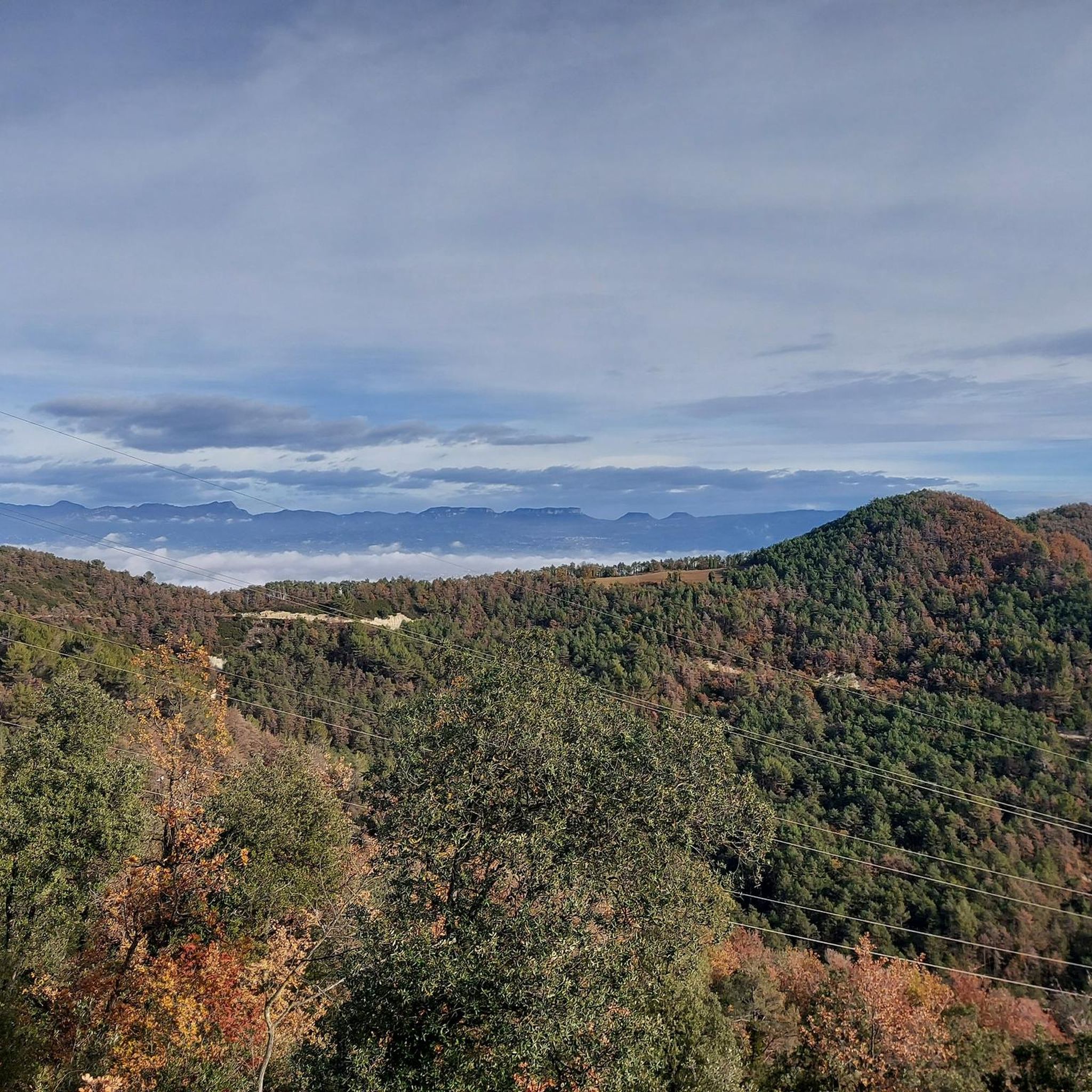
It is private property, but it is not closed ... there are good views over the Moianès and also Montserrat, especially with the sunset
0
1

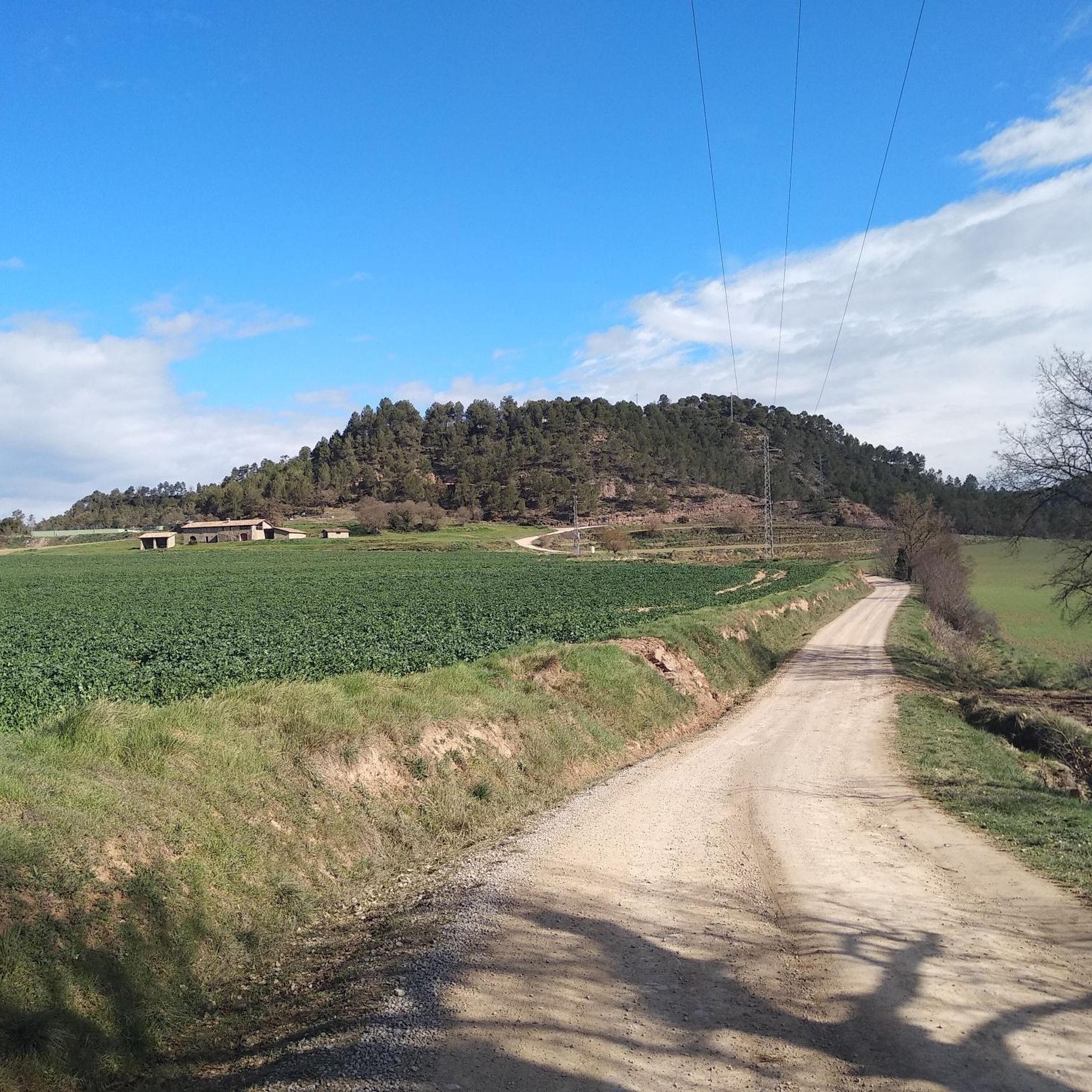
Any good time, the route can be classified as easy, and if you like history, you will be able to soak up what happened in 1715 and the repercussions to this day.
0
0

Collet de Sant Pere, or Coll de la Crossa, is a pass at 930m. On the north-east side of the pass are the remains of the church of Sant Pere del Coll de la Crossa. It is the access point to the Puig de la Caritat with the cross over L'Estany.
1
0
Frequently Asked Questions
What kind of mountain peaks can I expect to find around Oristà?
The Oristà region, part of the Pre-Pyrenees, features elevated terrain that offers scenic views rather than towering mountains. You'll find a rich rural landscape of forests, agriculture, and livestock, with prominent viewpoints and historical sites on elevated ground. These spots provide picturesque scenery and a sense of the region's elevated landscape.
Are there family-friendly elevated spots or viewpoints to visit in Oristà?
Yes, the Ermita de Sant Sebastià is considered family-friendly. It's a beautiful hermitage on top of a hill offering expansive views over the plain of Vic, and the route to it is generally classified as easy, making it suitable for families.
What historical sites can be found on the elevated terrain near Oristà?
Several elevated spots in the region are rich in history. The Ermita de Sant Sebastià is a significant historical site. Additionally, the Collet de Sant Pere and Ruins of Sant Pere del Coll de la Crossa features the remains of a church at a mountain pass. Further afield, the Santa Llúcia Hermitage, Sobremunt, preserves Romanesque remains and offers a wide panorama.
What are some of the best viewpoints around Oristà?
For stunning vistas, consider visiting the Ermita de Sant Sebastià, which provides views over the entire plain of Vic. The Gurb Cross also offers great views over the Plana de Vic and its surroundings. The Santa Llúcia Hermitage, Sobremunt, is known for its wide panorama of the Plana de Vic and the Pyrenees.
Are there hiking trails near the elevated areas of Oristà?
While specific hiking trails directly to every 'peak' aren't detailed, the region's elevated terrain and wooded landscapes are ideal for walking. The route to Ermita de Sant Sebastià is described as easy. For more structured outdoor activities, you can explore various cycling and mountain biking routes in the area, which often traverse scenic, elevated paths. Check out the MTB Trails around Oristà guide for options.
What outdoor activities can I do near the elevated areas of Oristà?
Beyond exploring the viewpoints and historical sites, the Oristà region is well-suited for cycling and mountain biking. There are several guides available, such as Cycling around Oristà, Road Cycling Routes around Oristà, and MTB Trails around Oristà, which offer routes of varying difficulties through the scenic rural landscape.
What do visitors enjoy most about the elevated spots around Oristà?
Visitors particularly appreciate the expansive views over the Plana de Vic and the surrounding natural environment. The historical significance of sites like the Ermita de Sant Sebastià and the peaceful, rural atmosphere are also highly valued. The opportunity to combine easy walks with cultural exploration is a major draw.
Is there a 'hidden gem' among the elevated spots in Oristà?
While not widely publicized, Turó de Sant Andreu offers good views over the Moianès and Montserrat, especially at sunset. Although it's private property, it's generally accessible and provides a less crowded experience.
What is the geography of Oristà like, particularly regarding its 'mountain peaks'?
Oristà is situated in the Lluçanès region of Catalonia, characterized by a rural landscape of forests, agriculture, and livestock. Its 'mountain peaks' are more accurately described as elevated terrain and hills, part of the Pre-Pyrenees, offering significant viewpoints rather than towering, rugged mountains. The area is defined by its scenic beauty and elevated natural features.
Can I find circular walks around the elevated areas of Oristà?
While specific circular walks for each 'peak' are not detailed, the network of rural roads and trails in the Oristà region lends itself well to creating circular routes. Many of the cycling and MTB routes mentioned in the nearby guides are circular, and these often pass by or near the elevated viewpoints and historical sites, allowing for scenic walks.
What is the best time to visit the elevated areas and viewpoints around Oristà?
The region can be enjoyed throughout the year. Spring and autumn offer pleasant temperatures for outdoor activities and clear views. Summer is also suitable, especially in the mornings or late afternoons. The route to Ermita de Sant Sebastià is considered easy and enjoyable at any good time.
Most popular attractions around Oristà

Get inspired with the komoot mobile app


Explore more
See even more amazing summits around Oristà with these guides:
