The best traffic-free bike rides around Oristà
4.5
(20)
913
riders
51
rides
No traffic touring cycling routes around Oristà traverse a landscape characterized by extensive forested areas, agricultural lands, and rolling hills. The region offers views of the Pyrenees and features natural elements like the Cingle de Sant Sebastià and the Riera Gavarresa. Cyclists can explore routes that wind through these varied terrains, providing a scenic backdrop for rides.
Best no traffic touring cycling routes around Oristà
- The most popular no traffic touring cycling route is Sant Feliu Church – Quer Castle…
Last updated: July 15, 2026
29
riders
39.4km
02:42
640m
640m
Hard bike ride. Very good fitness required. Mostly paved surfaces. Suitable for all skill levels.
5.0
(1)
23
riders
46.7km
03:14
790m
780m
Hard bike ride. Very good fitness required. Mostly paved surfaces. Suitable for all skill levels.

Sign up for free
8
riders
Hard bike ride. Very good fitness required. Mostly paved surfaces. Suitable for all skill levels.
5
riders
33.6km
02:17
520m
520m
Hard bike ride. Very good fitness required. Mostly paved surfaces. Suitable for all skill levels.
6
riders
Hard bike ride. Very good fitness required. Mostly paved surfaces. Suitable for all skill levels.
Get access to more routes and recommendations from other explorers.
Sign up for free
Already have an account?
Our route recommendations are based on thousands of hikes, rides, and runs completed by other people on komoot.
Start today with a free account
Your next adventure awaits.
Login or Signup
Popular around Oristà
Tips from the Community

Sanctuary of the Munts, viewpoint of Osona and Lluçanés, spectacular views.
0
0

Beautiful views of the Pyrenees, and some old houses (17th century)
0
0

The center of Santa Eulàlia de Puig-Oriol belongs to the municipality of Lluçà and is located on the ridge that separates the valley of the Gavarresa river from the valley of the Lluçanès river. The town grew from the first constructions in the 18th century, due to the importance of the transhumance route that connected Sant Feliu Sasserra with Alpens. In many of its houses built between the 18th and 19th centuries you can still read the inscriptions and dates engraved in the stone. At the northern end of the town there is a small parish church in the popular baroque style.
0
0

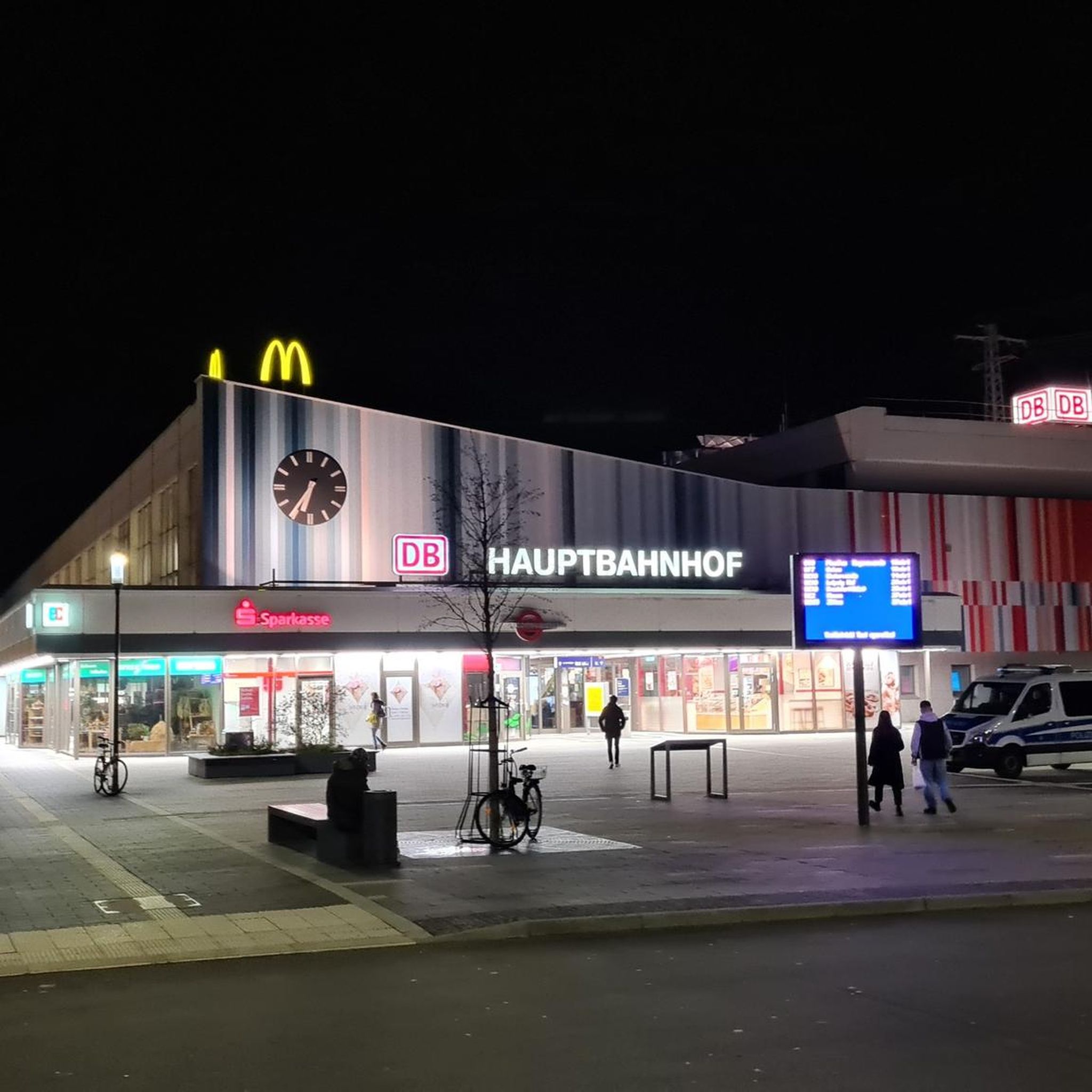
Olost is a municipality in the province of Barcelona, in the county of Osona, in the sub-county of Lluçanés. It also includes the town of Santa Creu de Jutglar. The parish of Santa María de Olost has been documented since 908 and that of Santa Creu de Jotglar since 984. From 1966 to 1991 Mosén Ramon Vila i Pujol was rector of the church of Santa María de Olost.
14
0

This doesn't look much like a castle even though that's what it's called. It looks more like a country house and is probably used that way today. It's a wonderful area and this is an interesting building.
2
0
This trail is part of the Osona BTT series of trails.
1
0

Olost is a beautiful town that can be recognized from afar by the two bell towers of the Santa Maria church. Olost is a beautiful town, located in a small valley cut by the stream of Olost, with small shops that can be recognized from afar by the two bell towers of the church of Santa Maria. According to the legend, a couple promised a new bell tower if the virgin gave them a child; and they had a twin! It is a large nucleus, in relation to those surrounding it in the Lluçanès area, which already extended from the Sant Adjutori mountain range to the Olost stream already in modern times (17th and 18th centuries). The nerve center of Olost is Plaça Major, where the parish church and the town house are located. From this point the core is structured, both old and now. Among the streets built over the course of the 17th and 18th centuries, to the west of Plaça Major, you can count Carrer Berga, one of the longest in the town, Carrer Gelada, Carrer Nou and Carrer de Sant Adjutori, located in the ridge It also has the Raval del d'Olost, with preserved houses in Raval del Mig and Raval de Baix streets. In these older streets you can see houses framed with stone masonry walls that retain dated lintels indicating construction dates of the 17th and 18th centuries. We recommend going up to the viewpoint of Sant Adjutori, where there is the hermitage and hill from where you can observe beautiful panoramic views of the town and the mountains on the horizon that enclose the Lluçanès plateau: from the agricultural and forest landscape from Lluçanès to Montserrat, passing through the eastern Pyrenees in the north. https://turisme.llucanes.cat/municipi/olost/ https://turisme.llucanes.cat/visiteu/esglesia-santa-maria-olost/
4
0
La Riera de Sorreigs is a watercourse in the province of Barcelona; belongs to the judicial parties of Berga and Vic. It is born in the municipality of Sant Boi de Lluçanès, in the sub-region of Lluçanès and forms two waterfalls, one of which gives its name to the Gorg Negre; advances through the valley of the municipality of Santa Cecília de Voltregà, The beginning of the valley, in its western sector is nestled between the peaks of La Tuta and Santa Perpètua (795 m) and the Sierra de Sant Martí Xic or Voltregà castle (854 m); as the river moves east, its valley widens, until it meets the road from Barcelona to Puigcerdà, then continues east and flows right into the river Ter, around Manlleu. [1 ] A large part of the valley of the stream is protected as an area of natural interest and is part of the Natura 2000 network. [2] https://ca.wikipedia.org/wiki/Riera_de_Sorreigs https://fontsaigua.wordpress.com/2016/05/11/el-panta-de-la-riera-de-sorreigs-a-sant-bartomeu-del-grau/
0
0
Frequently Asked Questions
How many no-traffic touring cycling routes are available around Oristà?
There are over 50 dedicated no-traffic touring cycling routes around Oristà. While many are challenging, offering significant elevation gains, there are also moderate options for those seeking a less strenuous ride.
What kind of landscapes can I expect on these routes?
The routes around Oristà traverse diverse landscapes, including extensive forested areas, agricultural fields, and livestock pastures. You can enjoy views of the Pyrenees, cycle along hills and ridges, and experience vistas of Oristà village itself. Key natural features like the Cingle de Sant Sebastià and the Riera Gavarresa are often part of the scenic backdrop.
Are there any family-friendly no-traffic cycling routes in Oristà?
While many of the touring cycling routes around Oristà are rated as 'difficult' due to elevation and distance, the region does offer varied terrain. For families, it's advisable to look for routes specifically designed for easier cycling, which might be shorter or have less elevation gain. The area is generally accommodating for e-bikes, which can make more challenging routes accessible for a wider range of fitness levels.
What are some interesting landmarks or attractions I can see along the routes?
Many routes pass by historical and natural points of interest. You could encounter the Sant Martí Xic Chapel, the serene Riera de Sorreigs Reservoir, or the Olost and Church of Santa Maria. For natural beauty, keep an eye out for the ancient The Lady's Oak or the Mig Prat Spring. The Mirador de Sant Sebastià also offers beautiful panoramic views.
Are there any circular no-traffic touring cycling routes?
Yes, many of the touring cycling routes around Oristà are designed as circular loops, allowing you to start and end at the same point. An example is the challenging Sant Feliu Church – Quer Castle loop from Olost, which covers nearly 40 km with significant climbing.
What is the best time of year to go touring cycling in Oristà?
Oristà offers pleasant cycling conditions for much of the year. Spring and autumn generally provide the most comfortable temperatures for touring cycling, with lush landscapes in spring and vibrant colors in autumn. Summers can be warm, so early morning or late afternoon rides are recommended, while winters are milder but can be chilly, especially at higher elevations.
What do other touring cyclists enjoy most about cycling in Oristà?
The area is highly rated by the komoot community, with an average score of 4.42 stars from 19 ratings. Reviewers often praise the quiet, traffic-free nature of the routes, the diverse and scenic landscapes, and the challenging yet rewarding climbs that offer spectacular views.
Are there routes that offer views of the Pyrenees?
Yes, several touring cycling routes in the Oristà region are designed to provide stunning views of the Pyrenees mountains, especially from higher vantage points and ridges. These routes often combine challenging climbs with panoramic rewards.
Can I find routes that include historical sites?
Absolutely. The region around Oristà is rich in history. You can find routes that pass by historical elements within the village, such as its Romanesque crypt and medieval streets. The Puig Ciutat Roman site is another historical attraction that can be incorporated into your cycling itinerary.
Are there any routes that pass by a reservoir?
Yes, some routes will take you past water features. For example, the challenging Sant Bartomeu del Grau Church – Riera de Sorreigs Reservoir loop from Olost includes the Riera de Sorreigs Reservoir, offering a scenic break during your ride.
What is the typical difficulty level for no-traffic touring cycling routes in Oristà?
Most of the no-traffic touring cycling routes around Oristà are classified as 'difficult' due to their significant distance and elevation gain. These routes are best suited for cyclists with good or very good fitness. However, there are also 'moderate' options available for those looking for a less demanding experience.
Where do many of these touring cycling routes typically start from?
Many of the touring cycling routes in the Oristà area, including several of the longer and more challenging loops, often start from nearby towns like Olost. Examples include the Santa Eulàlia de Puig-Oriol – Campos de Olost loop from Olost and the Sant Bartomeu del Grau Church – Rural Road to Sant Sebastià loop from Olost.
Most popular attractions around Oristà

Get inspired with the komoot mobile app


Explore more
Browse the best Cycling routes in other regions.
