Top 20 Natural Monuments around Steinbach-Hallenberg
Natural monuments around Steinbach-Hallenberg are characterized by a landscape shaped by ancient volcanic activity, making it part of the Geopark Thuringia Inselsberg - Drei Gleichen. The region features distinct porphyry rock formations, which are evidence of its geological past. Visitors can explore a variety of natural landmarks, including high summits and unique wetland ecosystems. These sites offer insights into the area's natural history and provide opportunities for outdoor exploration.
Best natural monuments around Steinbach-Hallenberg
- The most popular natural monuments is…
Last updated: October 13, 2026
Schneekopf Summit and Observation Tower (Thuringia Stamp Point No. 68)
Highlight • Summit
Translated by Google •
Tip by

Highest Point of the Rennsteig
Highlight • Summit
Translated by Google •
Tip by

Sign up now to discover places like this
Get recommendations on the best single tracks, peaks, & plenty of other exciting outdoor places.
Plänckner's viewpoint (Großer Beerberg)
Highlight • Viewpoint
Translated by Google •
Tip by

Violet fountain
Highlight • Natural Monument
Translated by Google •
Tip by

Burnt Stone Tunnel
Highlight • Cave
A tunnel steeped in history, after which an incredibly beautiful view opens up. Be sure to take a break and enjoy the view.🥰
Translated by Google •
Tip by

Sign up for free to discover even more natural monuments around Steinbach-Hallenberg.
Already have an account?
Start today with a free account
Your next adventure awaits.
Popular around Steinbach-Hallenberg
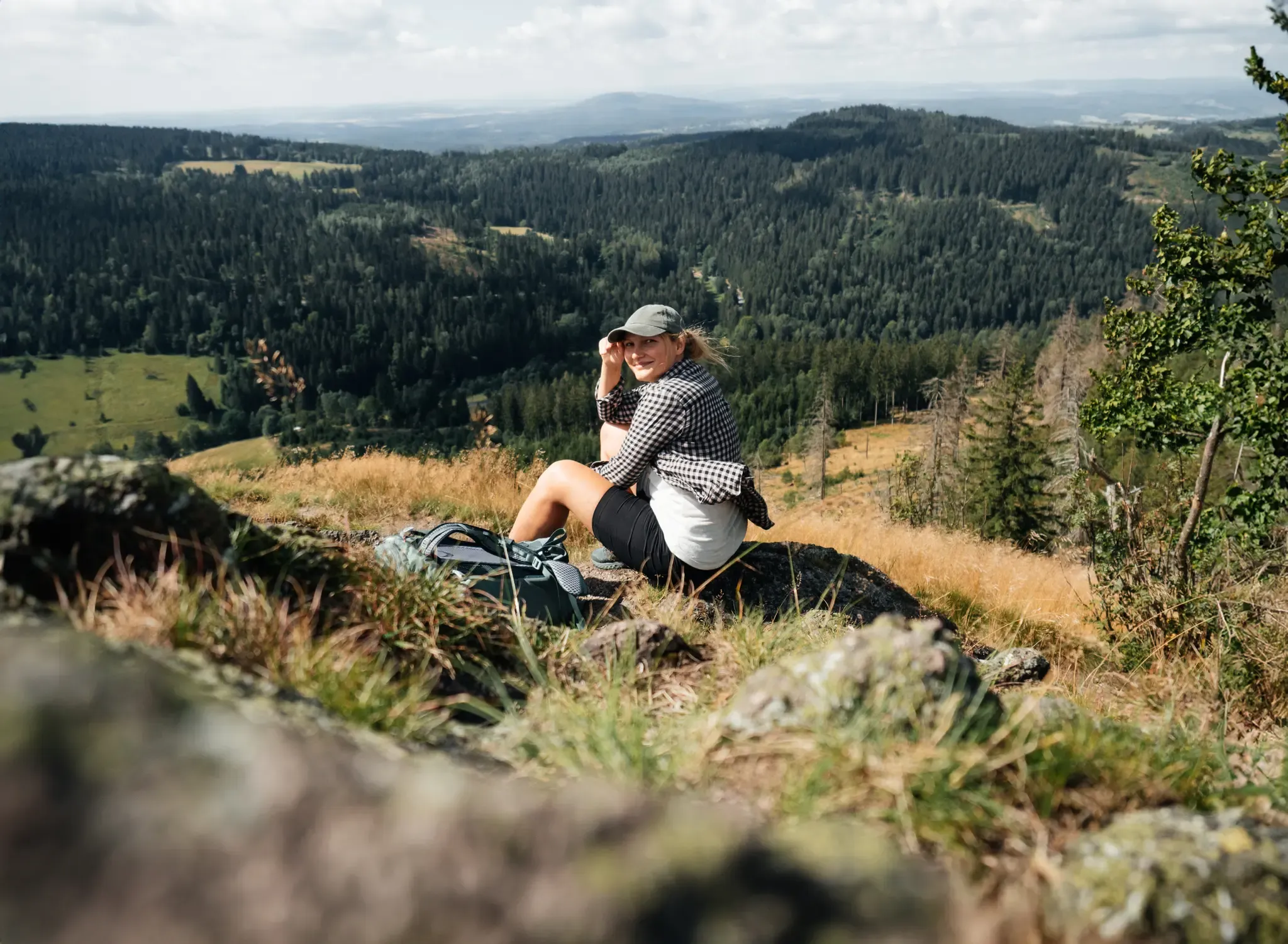
More than 'just' trees – Draußen in the Thuringian Forest
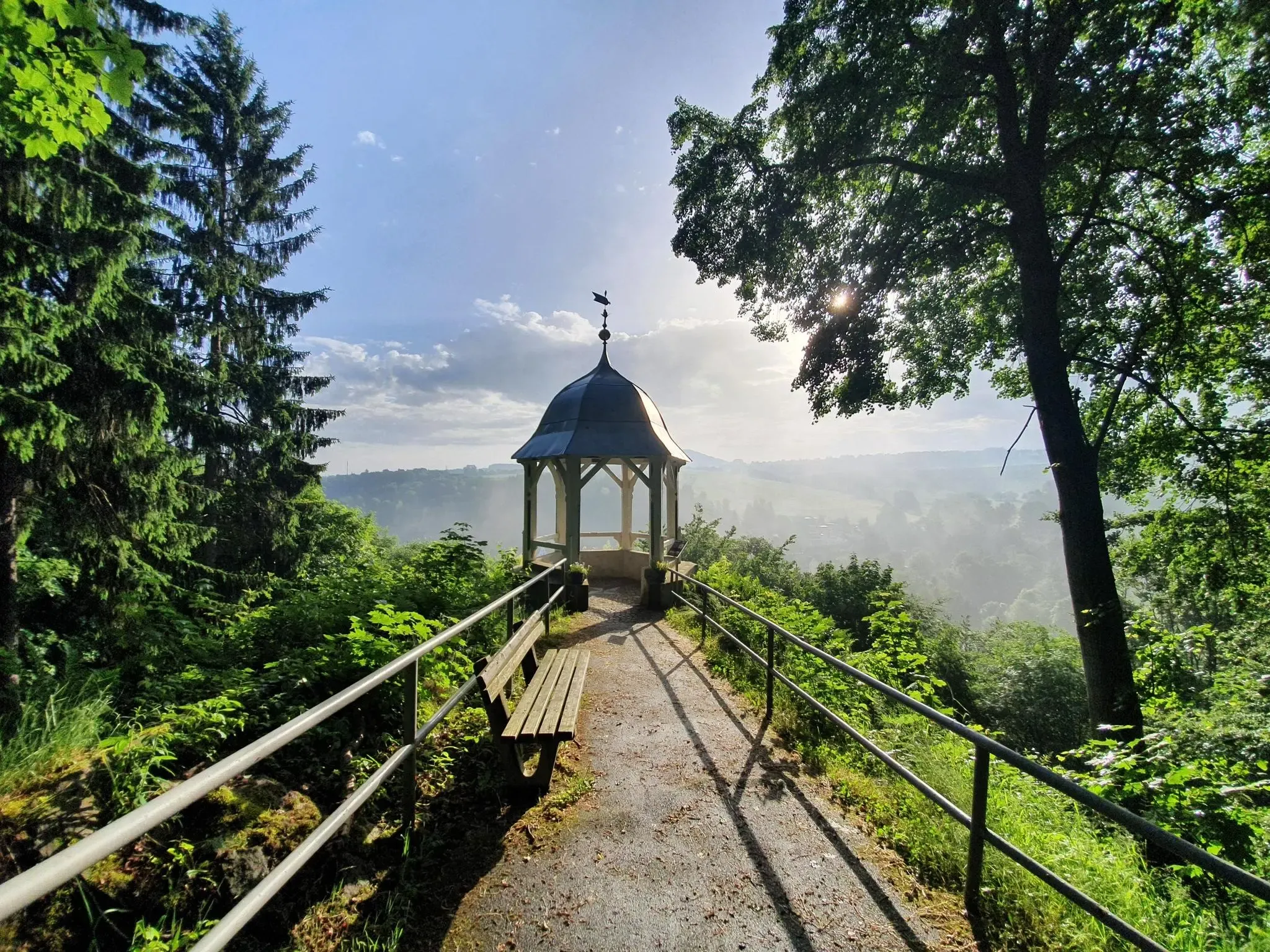
#GoFurther – discover the views of Germany!
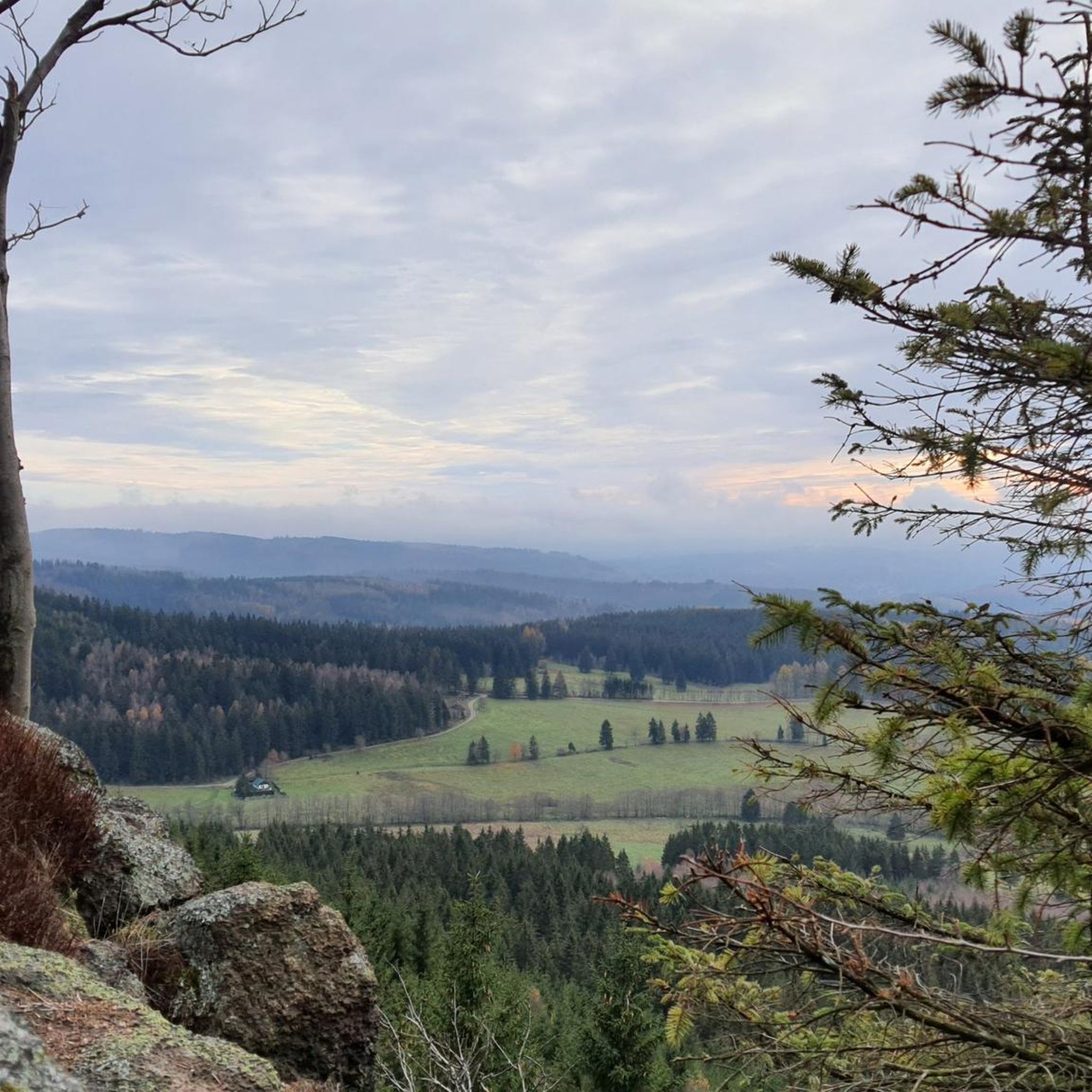
Hiking around Steinbach-Hallenberg
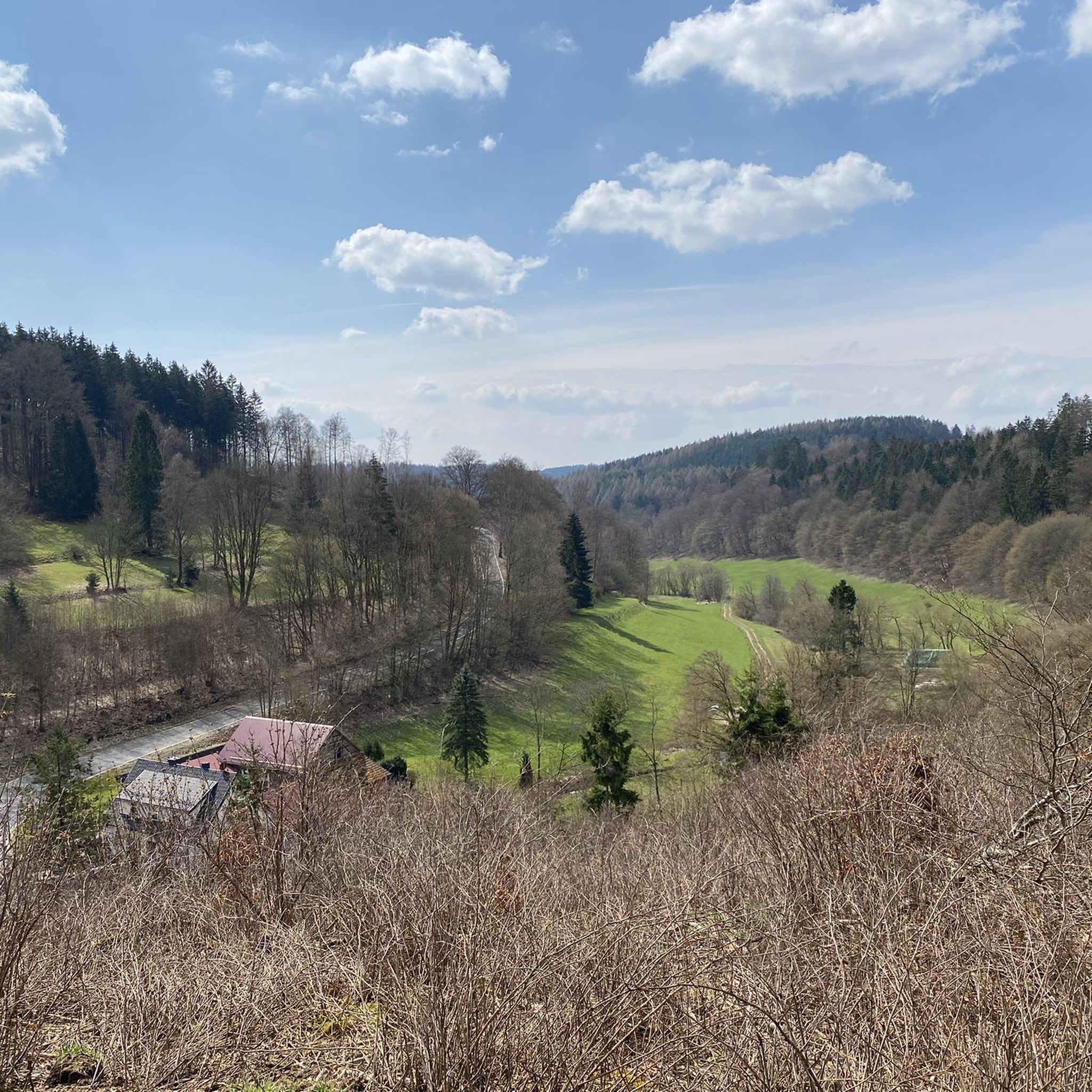
MTB Trails around Steinbach-Hallenberg
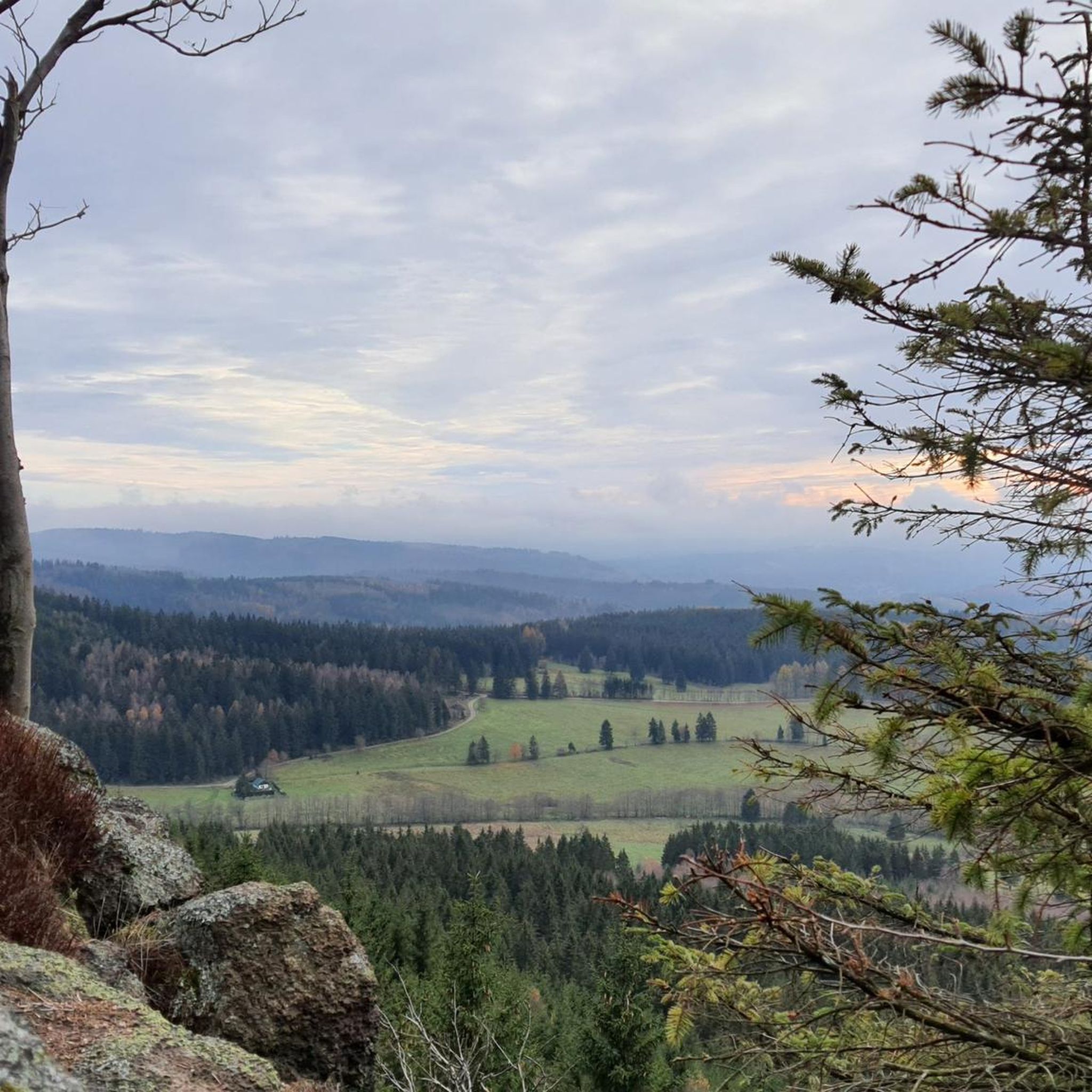
Cycling around Steinbach-Hallenberg
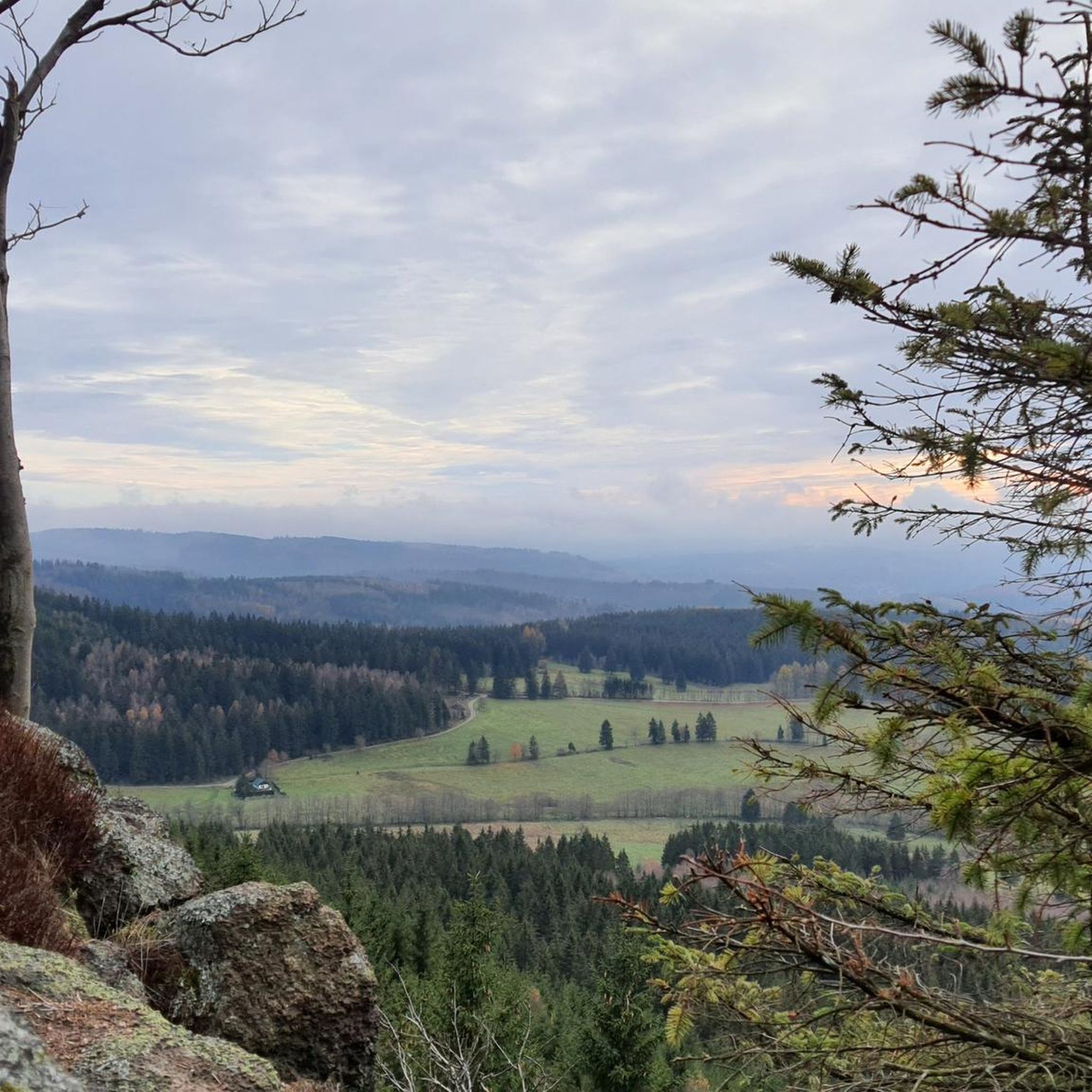
Road Cycling Routes around Steinbach-Hallenberg
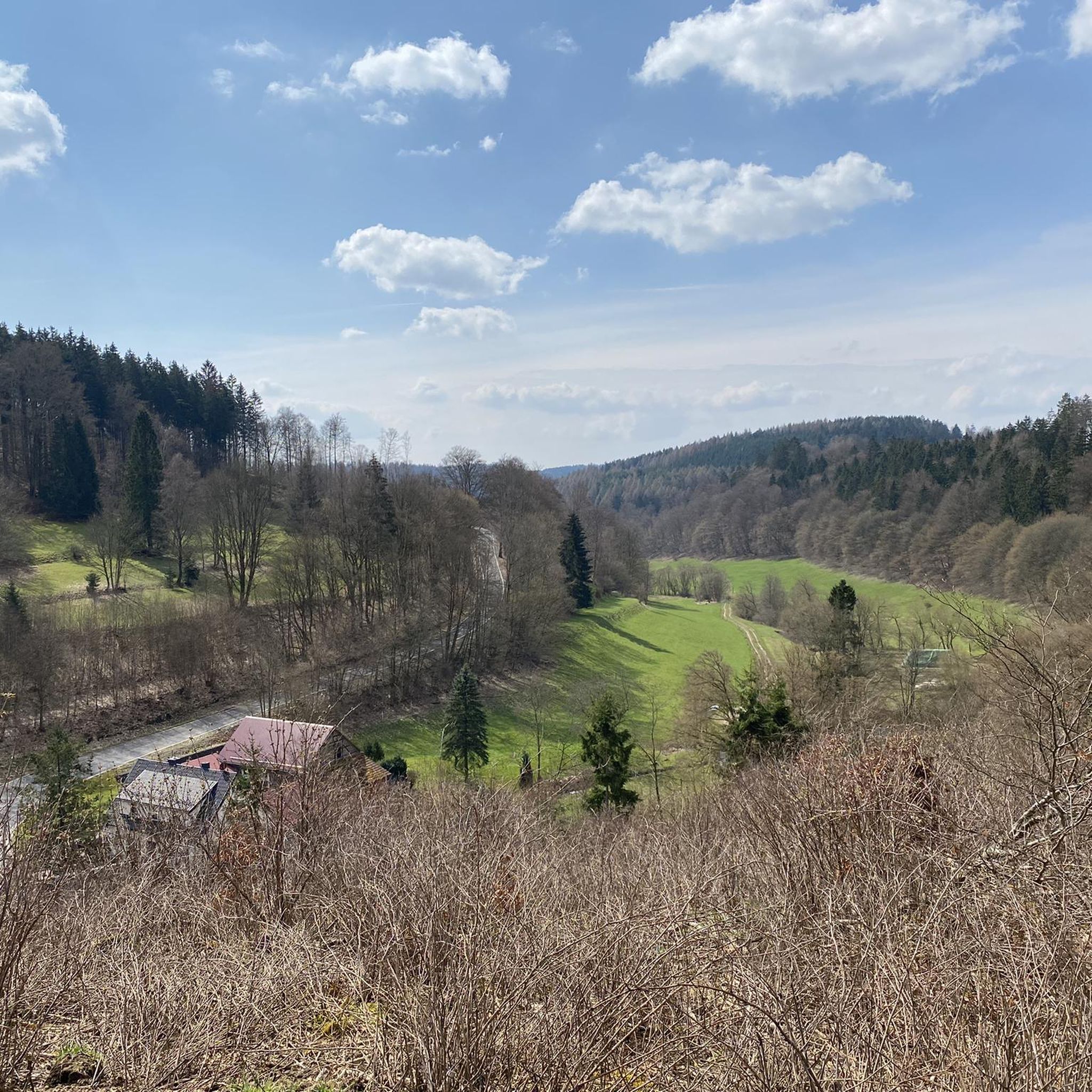
Running Trails around Steinbach-Hallenberg

Gravel biking around Steinbach-Hallenberg
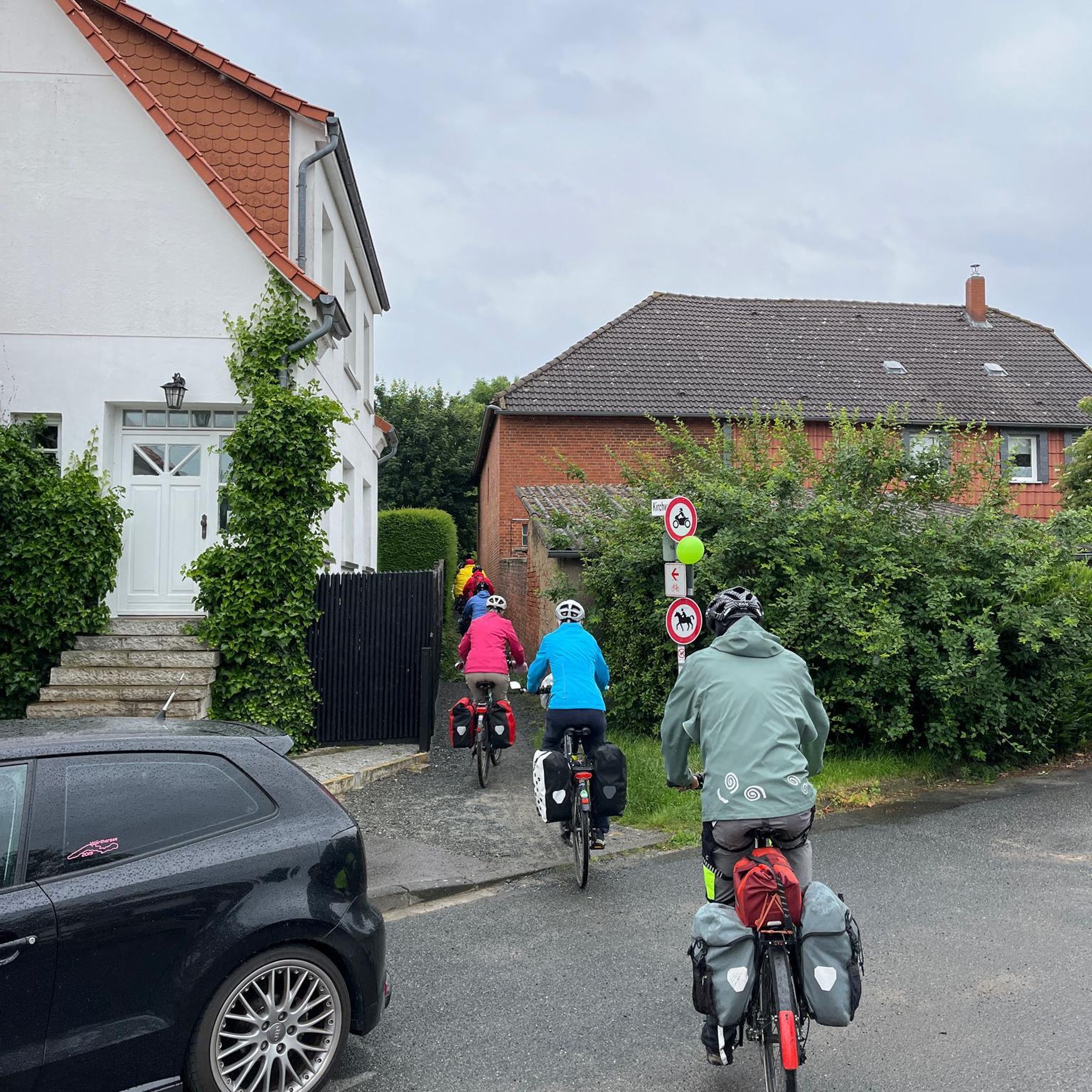
Mountain Hikes around Steinbach-Hallenberg
Other adventures around Steinbach-Hallenberg


Tips from the Community

The 'ausgebrannter Stein' (burnt-out stone) near Oberhof is an artificially created breakthrough through the rock. It was important for the Lütsche Flößgraben at the time of its construction. The alternation of fire and ice-cold water made the stone brittle and workable with mining tools. This created a tunnel 38 m long, 2.3 m high, and 2.2 m wide. If you continue along the path, you will reach the 'Hoher Stein' (high stone) with a magnificent view. The way back to Oberhof leads past the upper Sieglitzteich. Source: http://www.wandern-im-thueringer-wald.de/ausgebrannter-stein-luetsche-floessgraben
13
0

Beautifully designed fountain surround, of course with painted violets
13
2

Explorer of the Thuringian Forest. In 1829 he undertook the first continuous hike along the Rennsteig.
22
0
You can't get more nature than on the 170km long Rennsteig. There are also a number of raised bogs to see.
18
0

Beautiful views of several valleys. Here you can see the railway line winding through the area.
7
0

Here at 978 m you have a really great all-round view of other peaks in the Thuringian Forest and the Rhön, up to the Ettersberg near Weimar and Oberhof. With very good visibility, such as winter inversion weather conditions, the view extends to the Brocken in the Harz Mountains, to the Schneeberg (Fichtelgebirge) and to the western Ore Mountains. You can also see the “Wilde Gera” (A 71) motorway bridge, the largest arched bridge in Germany with a span of 252 m. https://schneekopf.eu/ And if you want, you can crack the 1000 meter mark here on the observation tower for three euros. Diligence also has its price.
57
2

The tunnel was built by miners in 1704. You can easily walk through it without a lamp. In winter there are wonderful icicles. A nice highlight on the hike.
14
0

we didn't have any water
11
1
Frequently Asked Questions
What are some unique natural attractions in Steinbach-Hallenberg?
Steinbach-Hallenberg is part of the Geopark Thuringia Inselsberg - Drei Gleichen, known for its ancient volcanic activity. You can explore distinct porphyry rock formations, which are evidence of its geological past. A notable example is the historic Hallenburg castle, which stands atop an 80-meter-high porphyry rock. The region also features unique wetland ecosystems like the Schützenbergmoor, a 5.21-hectare raised bog designated as a nature reserve, offering boardwalks for exploration.
What are the most popular natural monuments around Steinbach-Hallenberg?
Visitors frequently enjoy the Schneekopf Summit and Observation Tower, which is the second highest elevation in Thuringia and offers extensive views. Another popular spot is the Highest Point of the Rennsteig, a significant trail highlight marked by a hollow pole. The Burnt Stone Tunnel, a medieval passage leading to a notable viewpoint, is also highly rated by the community.
Are there any historical natural monuments in the area?
Yes, the Burnt Stone Tunnel is a natural monument with significant historical context. It's not a natural cave but a medieval tunnel, approximately 20 meters long, created to facilitate wood removal. This unique passage offers a blend of natural rock formation and human history, leading to an incredibly beautiful view.
What kind of views can I expect from the natural monuments?
Many natural monuments in the region offer impressive panoramic views. From the Schneekopf Summit and Observation Tower, you can enjoy magnificent views all around, and from the top of the tower, you can exceed 1,000 meters in the Thuringian Forest. The Plänckner's viewpoint (Großer Beerberg) provides a fantastic vista of Suhl and, on clear days, as far as the Rhön and towards Coburg.
Are there family-friendly natural monuments around Steinbach-Hallenberg?
Absolutely. Several natural monuments are suitable for families. The Schneekopf Summit and Observation Tower, the Highest Point of the Rennsteig, and the Burnt Stone Tunnel are all categorized as family-friendly. The Violet fountain is also a nice spot for families, with crystal clear spring water and a bench for lingering.
Can I bring my dog to the natural monuments and trails?
Many trails and natural areas around Steinbach-Hallenberg are dog-friendly, allowing you to enjoy the outdoors with your canine companion. However, it's always recommended to keep dogs on a leash, especially in nature reserves like the Schützenbergmoor, and to be mindful of local regulations and other visitors.
What is the best time of year to visit the natural monuments in Steinbach-Hallenberg?
The natural monuments can be enjoyed throughout the year, each season offering a different experience. Spring brings blooming flora, while summer is ideal for longer hikes. Autumn provides stunning foliage, and winter transforms the landscape into a snowy wonderland, suitable for winter hiking. The best time depends on your preferred activities and scenery.
Are there opportunities for winter hiking around the natural monuments?
Yes, the region around Steinbach-Hallenberg offers opportunities for winter hiking. The snowy landscapes around the natural monuments, especially at higher elevations like the Schneekopf, can be quite beautiful. Always check weather conditions and trail accessibility before heading out in winter, and ensure you have appropriate gear.
How can I reach the natural monuments using public transport?
While some natural monuments might be accessible via local bus routes, direct public transport to all specific sites can be limited. It's advisable to check local bus schedules for connections to Steinbach-Hallenberg and then plan your route, possibly combining with a short walk or taxi ride to reach more remote natural monuments. Information on bus routes to hiking trails can be found through local transport providers.
Are there parking options available near the natural monuments?
Yes, many natural monuments and trailheads in the Steinbach-Hallenberg area have designated parking facilities. For instance, the Highest Point of the Rennsteig is easily reachable from two parking lots: Suhler Hütte (1.2 km) or Suhler Ausspanne (1.1 km). Look for signs indicating parking for hikers and visitors when planning your trip.
What outdoor activities can I do near these natural monuments?
The area around Steinbach-Hallenberg is excellent for various outdoor activities. You can find numerous routes for mountain biking, such as the 'Grenzadler Biathlon Arena – Rupprasen Meadow loop' or the 'Spitterfall – Ebertswiese Mountain Lake loop'. There are also mountain hikes, including the 'Highest Point of the Rennsteig – Schmücke Lodge and Beer Garden loop', and road cycling routes like the 'Ski lift at Bikepark Oberhof – Oberhof Cycle Path loop'. For more details on these activities, you can explore the MTB Trails around Steinbach-Hallenberg, Mountain Hikes around Steinbach-Hallenberg, and Road Cycling Routes around Steinbach-Hallenberg guides.
Are there specific hiking trails that lead to or connect natural monuments?
Many hiking trails in the region are designed to showcase the natural monuments. For example, the Rennsteig trail passes directly by the Highest Point of the Rennsteig and near Plänckner's viewpoint. The Oberschönau Rock Hike is also recognized for its impressive views and is slated for development as a 'GeoRoute,' indicating its significance for geotourism and connecting natural rock formations.
What do visitors enjoy most about the natural monuments in Steinbach-Hallenberg?
Visitors particularly appreciate the stunning views, the historical significance of sites like the Burnt Stone Tunnel, and the unique geological features. Many enjoy the opportunity to combine hiking with exploring these natural landmarks, often finding cozy huts or benches along the way for a break. The sense of discovery and the natural beauty of the Thuringian Forest are frequently highlighted.
Most popular routes around Steinbach-Hallenberg
Most popular attractions around Steinbach-Hallenberg

Get inspired with the komoot mobile app


Explore more
Extend your search for the best caves by checking out these guides of the top ones around Steinbach-Hallenberg:
