Top 20 Natural Monuments in Naturpark Südharz
Best natural monuments in Naturpark Südharz are characterized by a unique karst landscape, primarily shaped by soluble gypsum rock. Located in northern Thuringia, this region is part of the larger Harz - Braunschweiger Land - Ostfalen UNESCO Global Geopark, highlighting its significant geological heritage. The park features a diverse array of natural formations, including sinkholes, caves, and springs, resulting from the interaction of water with gypsum. This dynamic environment offers numerous natural landmarks and features for exploration.
Best natural monuments…
Last updated: July 10, 2026
Reversible oak (HWN 165)
Highlight • Natural Monument
Translated by Google •
Tip by

Poppenberg Tower (HWN 92)
Highlight • Viewpoint
Translated by Google •
Tip by

Sign up now to discover places like this
Get recommendations on the best single tracks, peaks, & plenty of other exciting outdoor places.
Sign up for free
Stierberg Pond (HWN 048)
Highlight • Lake
Translated by Google •
Tip by

Ilfelder Weather Vane (HWN 095)
Highlight • Viewpoint
Translated by Google •
Tip by

Two-Country Oak (Zweiländereiche) and Harz Border Trail marker
Highlight • Historical Site
Translated by Google •
Tip by

Sign up for free to discover even more natural monuments in Naturpark Südharz.
Sign up for free
Already have an account?
Start today with a free account
Your next adventure awaits.
Login or Signup
Popular around Naturpark Südharz
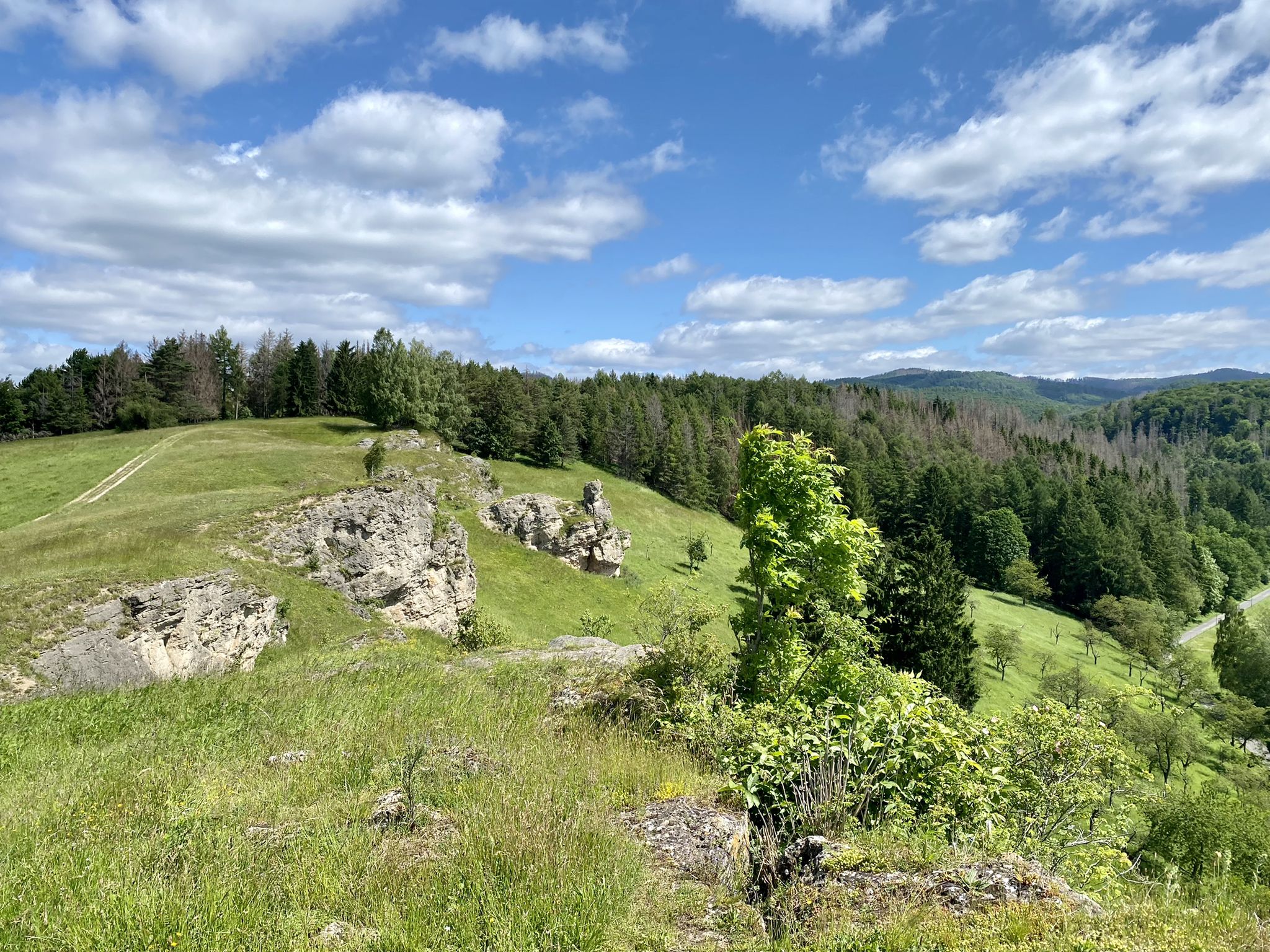
Karst Trail in Germany's Southern Harz Mountains – Where Water Meets Limestone
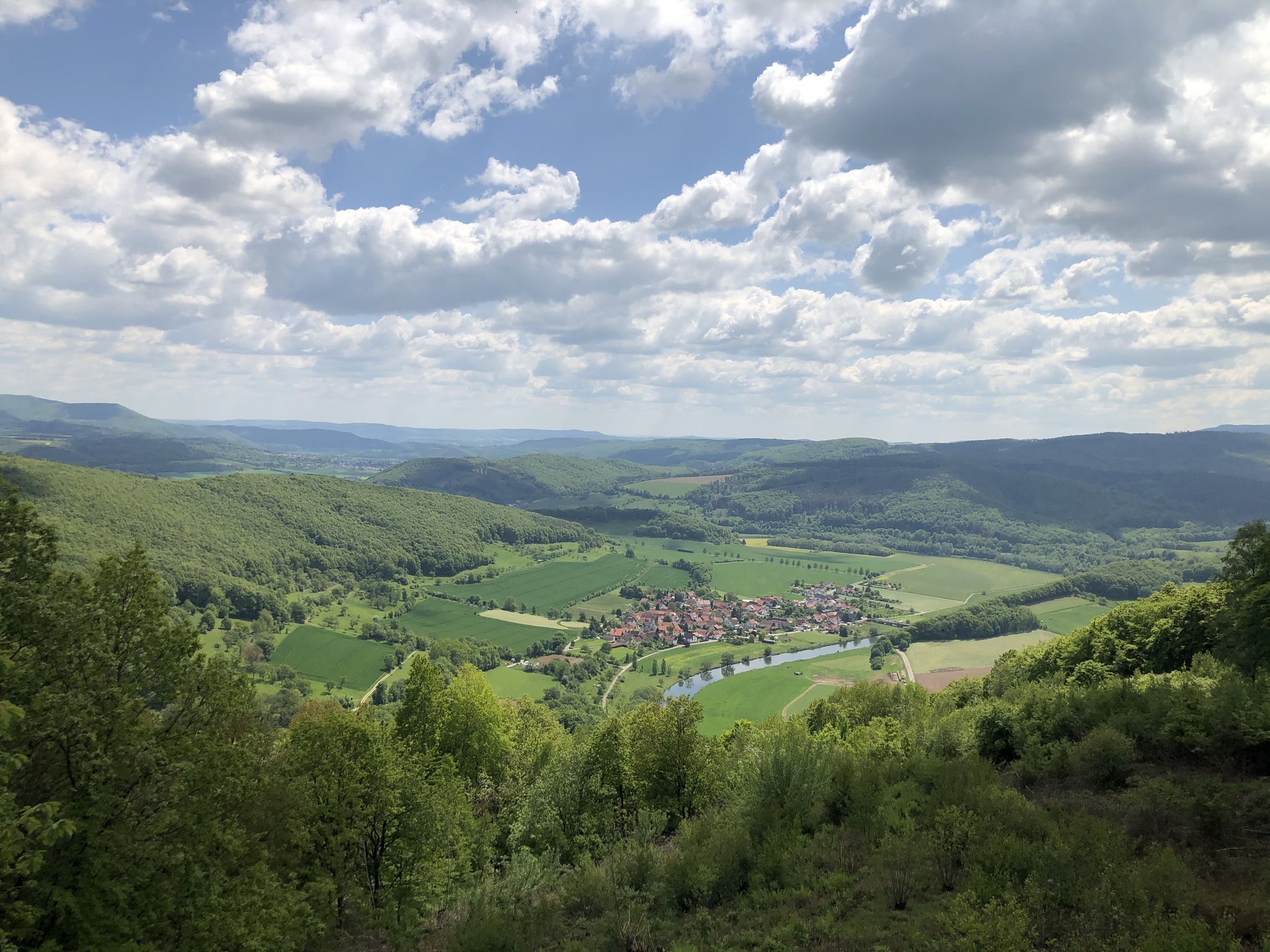
Wonderful Green Band
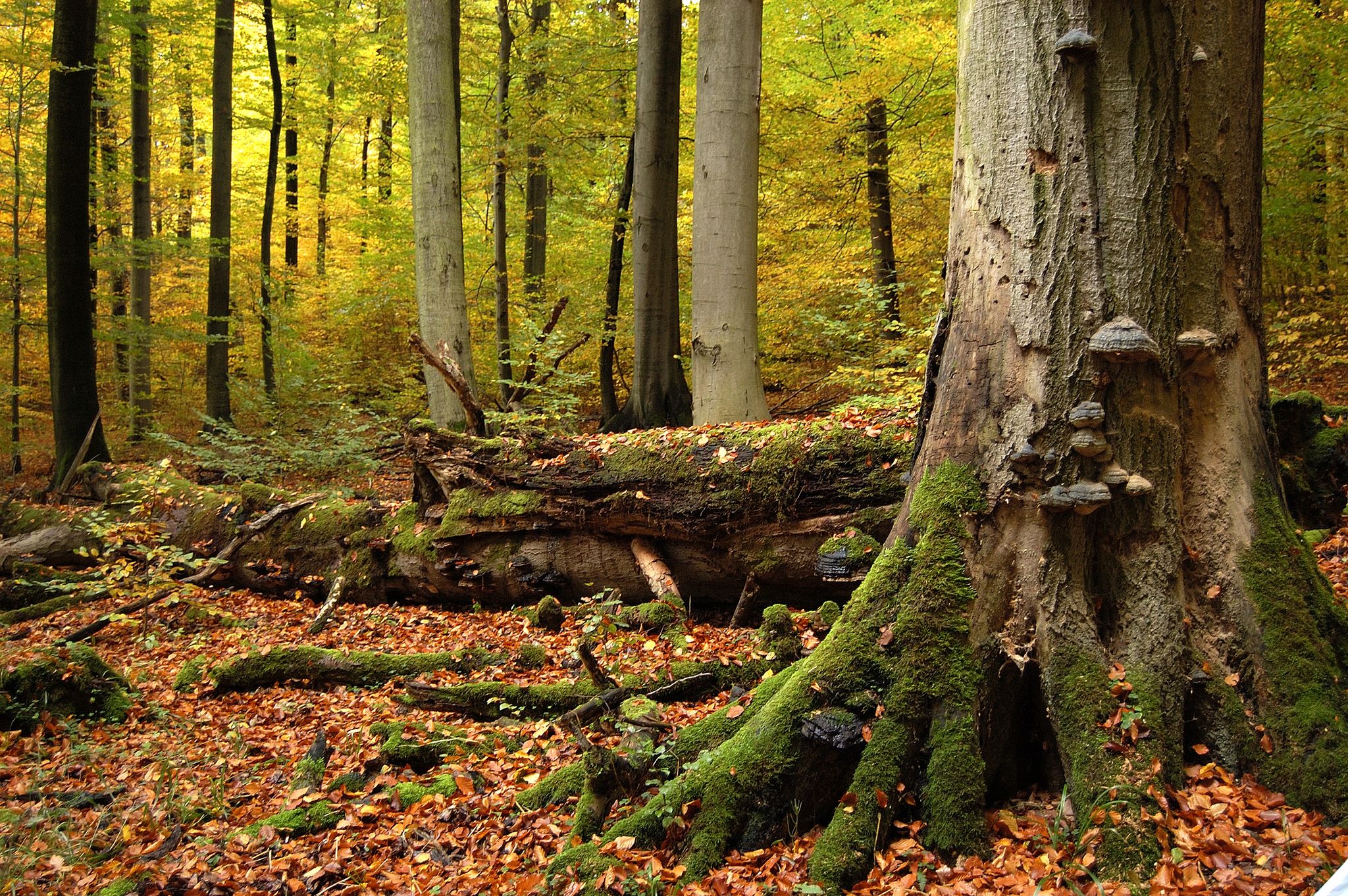
Thuringia's Primeval Forests of Tomorrow
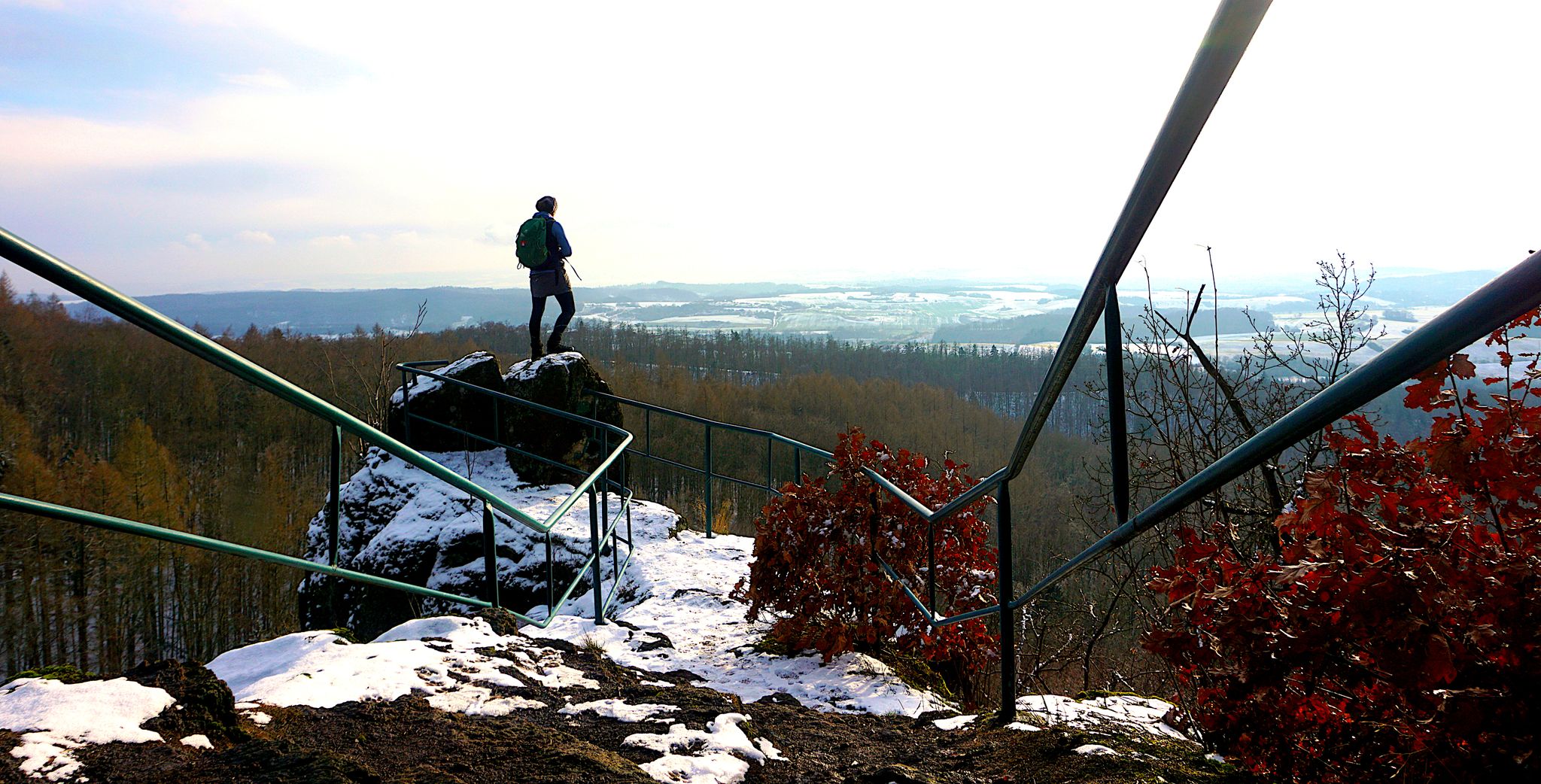
My 25 most beautiful Highlights in the Harz
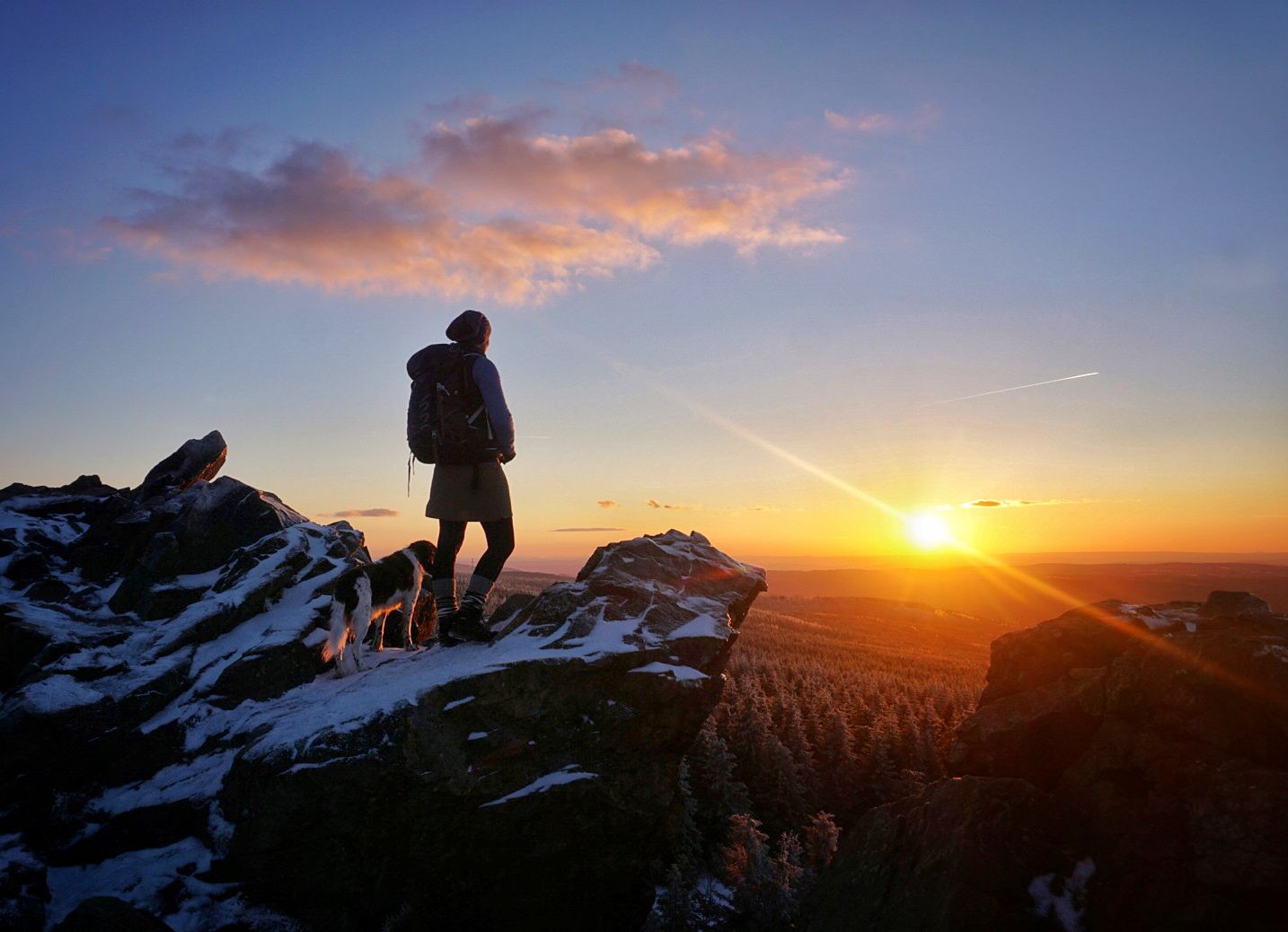
Explore beautiful winter hikes in Germany’s Harz Mountains
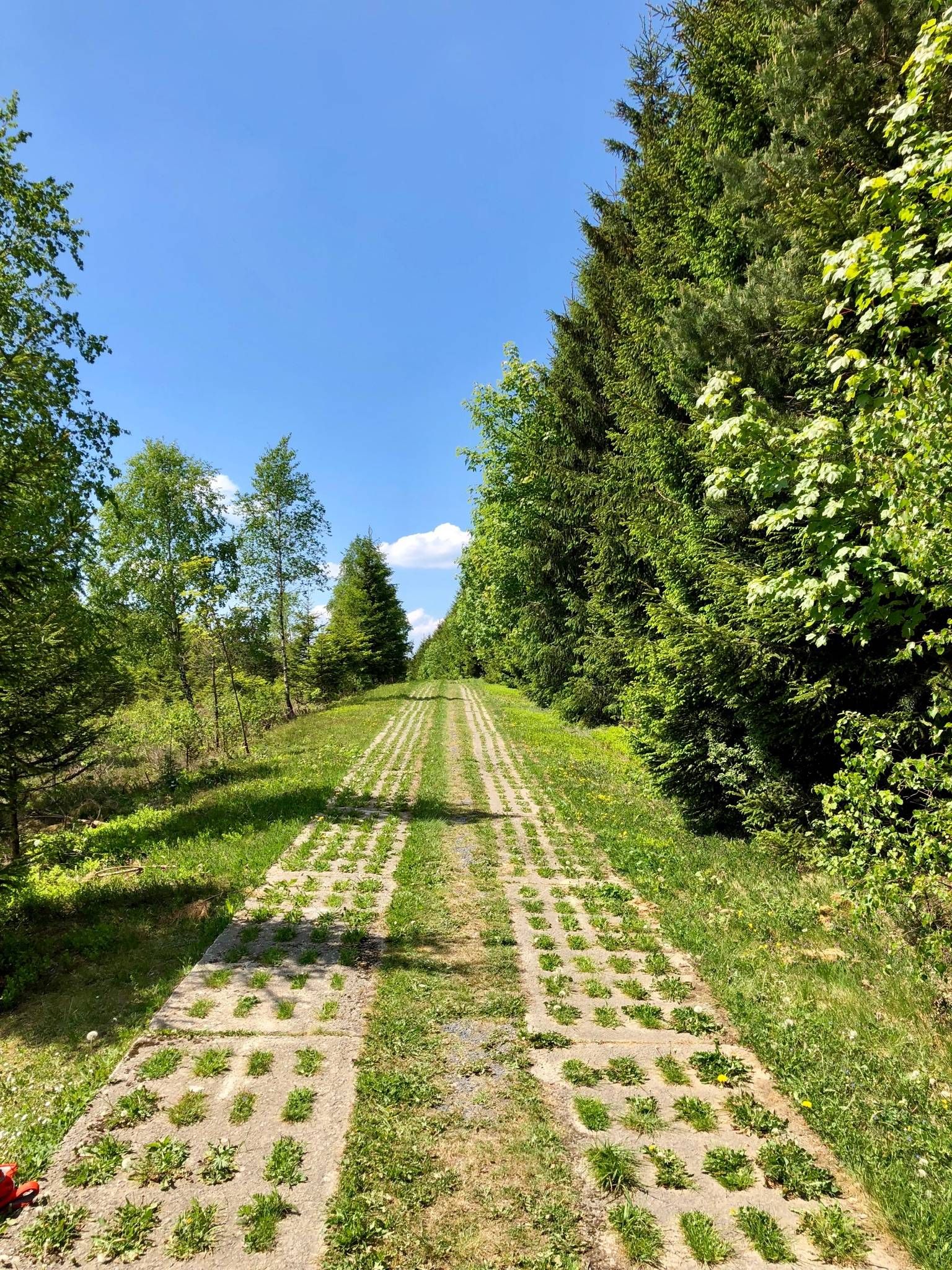
Experience history – day Tours at the Green Belt in Thuringia
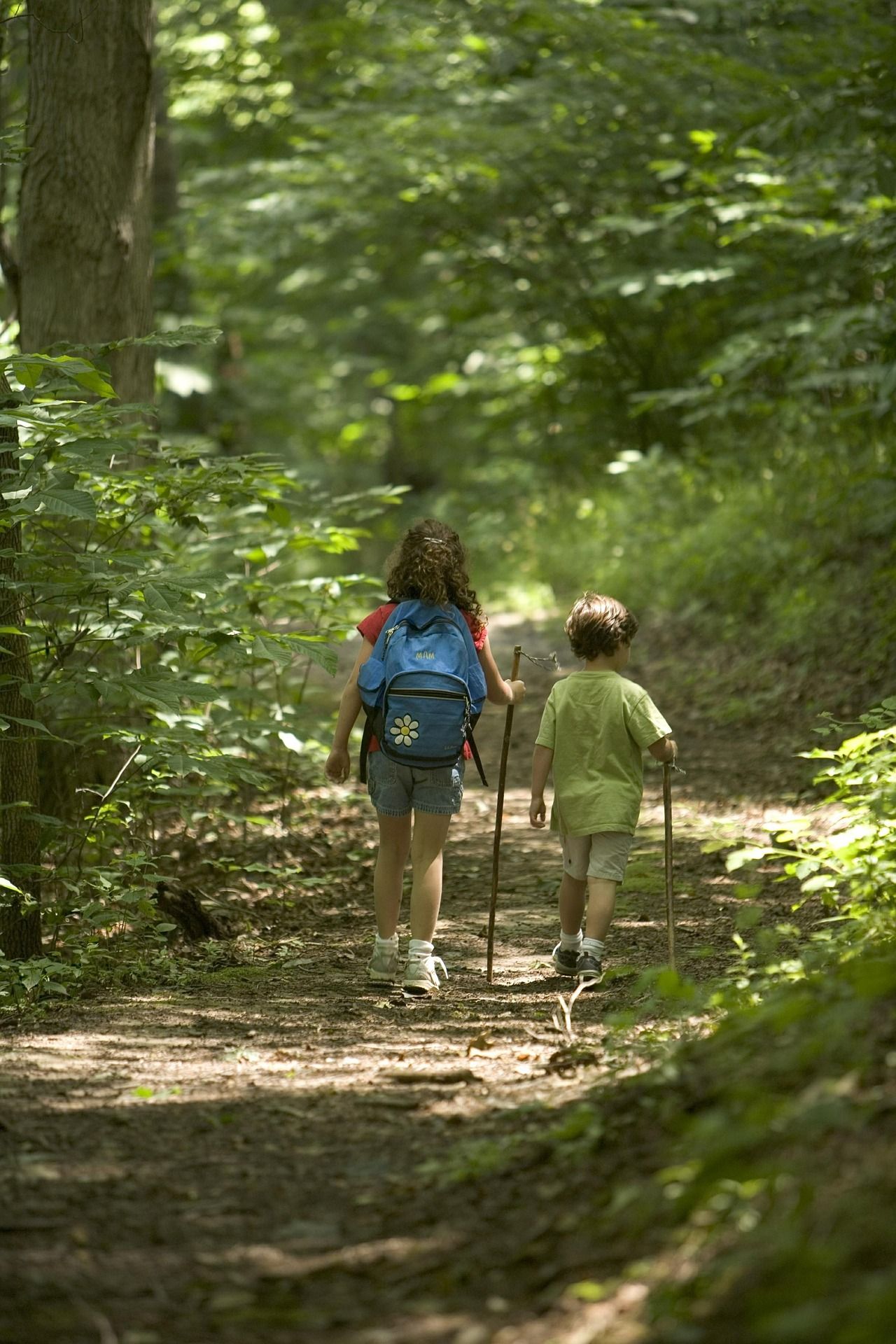
Family adventures in the Harz
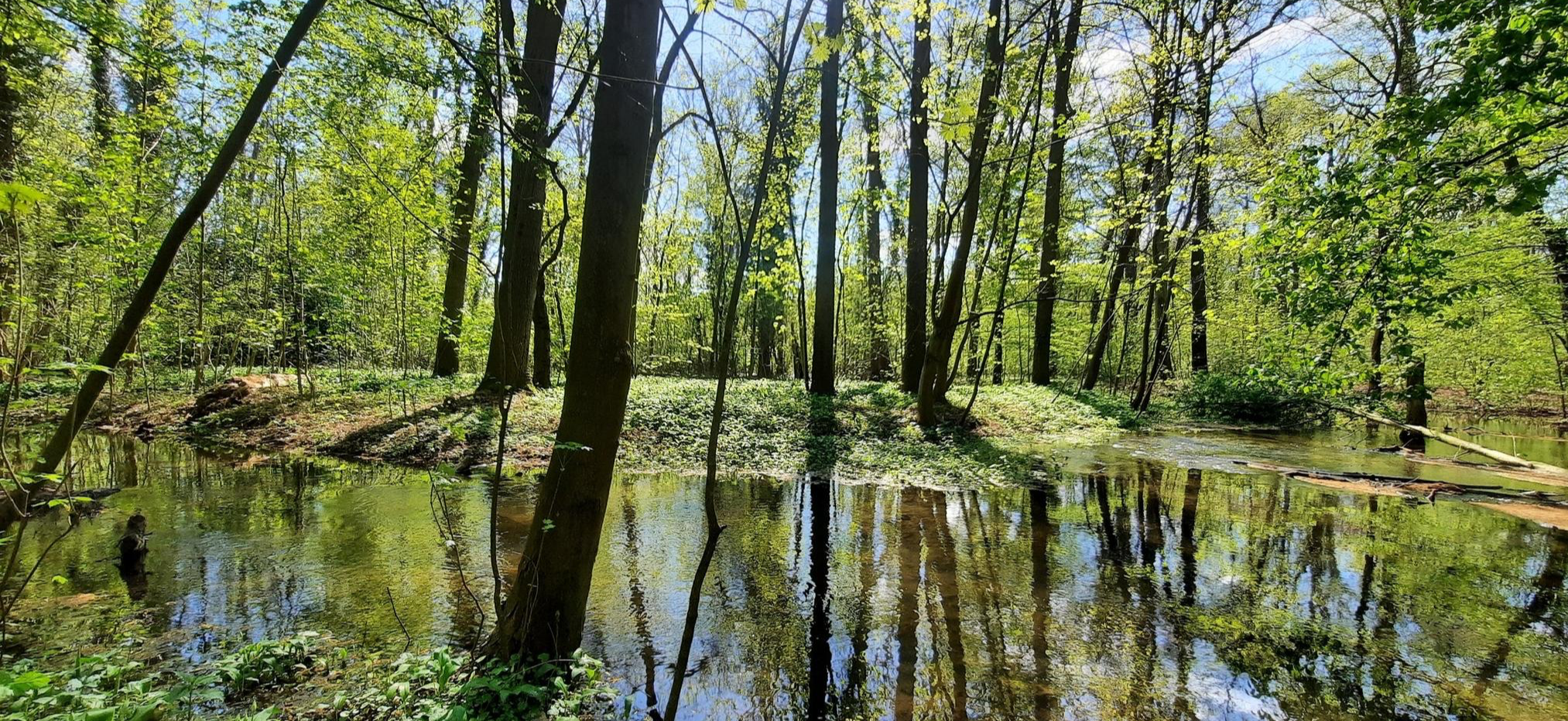
Mindful Hiking 2.0 – Runterfahren & zur Ruhe kommen
Mindful Hiking 2.1 – Abstand gewinnen
Die Nationalen Naturlandschaften in Thüringen


Tips from the Community

The former inner-German border ran right through the two tribes of the Two-Country Empire and thus gave its name
3
0

This shelter no longer exists and the stamp box has been moved slightly.
10
0

Then the sole was gone.😂
3
0

Since 1894, the wooded Poppenberg has had a 33.5 m high observation tower in steel framework construction built by the Nordhausen branch of the Harz Club, which was named after Prince Otto zu Stolberg-Wernigerode. On the occasion of the dedication of the tower on July 12, 1894, the mountain peak was christened Fürst-Otto-Höhe in honor of the forest owner. The tower was renovated in 1994.[2] When visibility is good, it offers a comprehensive view of the southern Harz, the Lower Harz with the Joseph Cross on the Großer Auerberg, the Goldene Aue and the Kyffhäuser. (Source: Wikipedia)
15
1

A very beautiful place that you should visit. Also not too crowded. There is also a special stamp point for the Harz hiking badge here. The two-country oak. (Does not count towards the Kaiser)
4
1

The old turning body has fallen over in the meantime. You can still see the remains of the old spiral staircase that long ago allowed visitors to climb to the platform in the treetop.
12
1

I've been here so many times now, in every season. The first time was an absolute challenge for me with my fear of heights. But now it gets better with every climb. And the view is sensational anyway.
11
0

This oak tree divided Germany ;-) Special postmark of the HWN and a great photo opportunity
10
3
Frequently Asked Questions
What unique geological features can I explore in Naturpark Südharz?
Naturpark Südharz is renowned for its distinctive karst landscape, shaped by soluble gypsum rock. You can explore fascinating geological features such as sinkholes (Erdfälle), disappearing streams (Bachschwinden), karst springs like the Stierberg Pond (HWN 048), and gypsum caves. This dynamic environment offers a unique opportunity to witness how water interacts with gypsum, leading to constant transformation.
Which natural monuments offer the best panoramic views?
For breathtaking panoramic views, consider visiting the Poppenberg Tower (HWN 92). This 33.5-meter-high observation tower provides clear vistas over the Harz National Park, including the Brocken and the Kyffhäuser mountains. Another excellent spot is the Roter Schuss, a mountain composed of red porphyrite, which offers wonderful views over the southern Harz foreland and the karst landscape.
Are there family-friendly natural monuments in Naturpark Südharz?
Yes, several natural monuments are suitable for families. The Stierberg Pond (HWN 048) is a beautiful, quiet spot in the forest with facilities, making it a good destination for a family outing. Additionally, the picturesque Erdfallseen (sinkhole lakes) offer serene environments for nature observation that families can enjoy.
What outdoor activities can I do near these natural monuments?
The Naturpark Südharz offers a variety of outdoor activities. You can explore numerous hiking trails, including those that are part of the Harzer Wandernadel. For cycling enthusiasts, there are options for gravel biking and mountain biking. For example, you can find routes like the 'N1 Rabenstein mountain and valley tour' for MTB or 'Rittertor Stolberg – Stolberg Historic Old Town loop' for gravel biking. You can find more details on these activities in the Gravel biking in Naturpark Südharz, MTB Trails in Naturpark Südharz, and Running Trails in Naturpark Südharz guides.
Are there any natural monuments with historical significance?
Absolutely. The Two-Country Oak (Zweiländereiche) and Harz Border Trail marker is a significant historical site. This location marks the former inner-German border, with boundary stones explaining the historical divisions. Another site, the Reversible oak (HWN 165), was once an impressive tree with a viewing platform and marks a significant point on the Grenzweg, with remains of a spiral staircase still visible.
What is the best time to visit the natural monuments in Naturpark Südharz?
The natural monuments in Naturpark Südharz can be enjoyed throughout the year, with each season offering a different experience. Spring brings blooming orchids to areas like Alter Stolberg, while summer is ideal for hiking and exploring the karst landscape. Autumn offers vibrant foliage, and winter provides a serene, often snow-covered landscape for quiet walks. The Karstwanderweg is accessible for immersive exploration in most seasons.
What do visitors enjoy most about the natural monuments in Naturpark Südharz?
Visitors frequently praise the unique geological formations and the tranquility of the natural settings. Many appreciate the panoramic views from spots like the Poppenberg Tower (HWN 92) and the historical context of sites like the Two-Country Oak. The opportunity to collect stamps for the Harzer Wandernadel at various points, such as the Stiefmutter Shelter (HWN 164), is also a popular highlight for many.
Are there any notable caves to explore in the region?
Yes, the Gipshöhle Kelle (Kelle Gypsum Cave) near Appenrode is a notable gypsum cave within the fascinating karst landscape. Caves like Kelle offer a glimpse into the underground world shaped by soluble gypsum and are important habitats for protected species, including numerous bat species.
Where can I see impressive rock formations?
The Naturpark Südharz features several impressive rock formations with evocative names such as 'Gänseschnabel' (Goose Beak), 'Mönch' (Monk), and 'Nadelöhr' (Needle's Eye). These formations add a dramatic and aesthetic element to the landscape, providing interesting visual points and photo opportunities for hikers along the trails.
What is the significance of the Salzaquelle (Salza Spring)?
The Salzaquelle is the largest karst spring in Thuringia, where a significant amount of water emerges from the gypsum rock. It is a prime example of the park's karst phenomena, showcasing the impressive hydrological processes at play in the region.
Are there areas known for rich biodiversity within the natural monuments?
Yes, areas like Alter Stolberg and the 'Rüdigsdorfer Schweiz' Nature Reserve are hotspots for biodiversity. Alter Stolberg, for instance, is known for its dry grasslands where orchids bloom and valuable karst beech forests. These reserves provide habitats for rare animals like the wildcat, lynx, and various bat species, making them excellent for nature observation.
How can I experience the unique karst landscape more deeply?
The Karstwanderweg (Karst Hiking Trail) is an excellent way to experience the unique karst landscape firsthand. This trail allows for immersive exploration of the region's distinctive features, including sinkholes, dolines, disappearing streams, and karst springs, providing a dynamic and educational experience.
Most popular routes in Naturpark Südharz
Most popular attractions in Naturpark Südharz

Get inspired with the komoot mobile app


Explore more
Extend your search for the best caves by checking out these guides of the top ones in Naturpark Südharz:
