Top 6 Castles around Pölstal
Castles around Pölstal offer a glimpse into the region's historical architectural heritage. The Pölstal region in Styria, Austria, features 6 castles, providing diverse historical sites for exploration. This area is characterized by its historical significance, with structures like Hanfelden Castle preserving centuries of history.
Best castles around Pölstal
- The most popular castles is Hanfelden Castle, a castle building that essentially dates back to the 15th century. It is a listed building and, due to its unadulterated, authentic preservation, is…
Last updated: June 29, 2026
Hanfelden Castle
Highlight • Castle
Translated by Google •
Tip by

Frauenburg Castle Ruins
Highlight • Castle
Translated by Google •
Tip by

Sign up now to discover places like this
Get recommendations on the best single tracks, peaks, & plenty of other exciting outdoor places.
Sign up for free
Oberwölz
Highlight • Settlement
Translated by Google •
Tip by

View of Schrattenberg Castle Ruins
Highlight • Castle
Translated by Google •
Tip by

Reifenstein Castle Ruins
Highlight • Castle
Translated by Google •
Tip by
Sign up for free to discover even more castles around Pölstal.
Sign up for free
Already have an account?
Start today with a free account
Your next adventure awaits.
Login or Signup
Popular around Pölstal
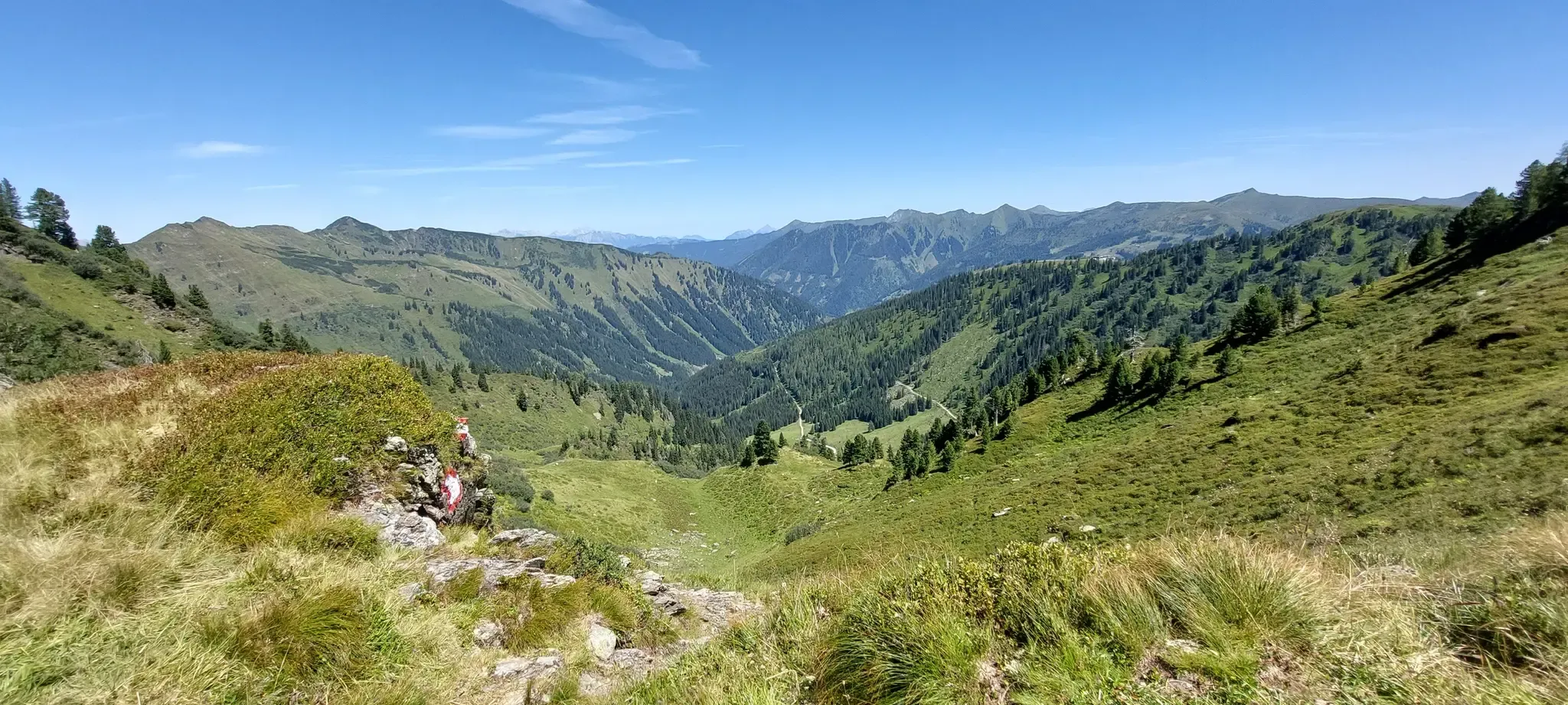
Central Alps Trail Eastern Section – Discover Austria
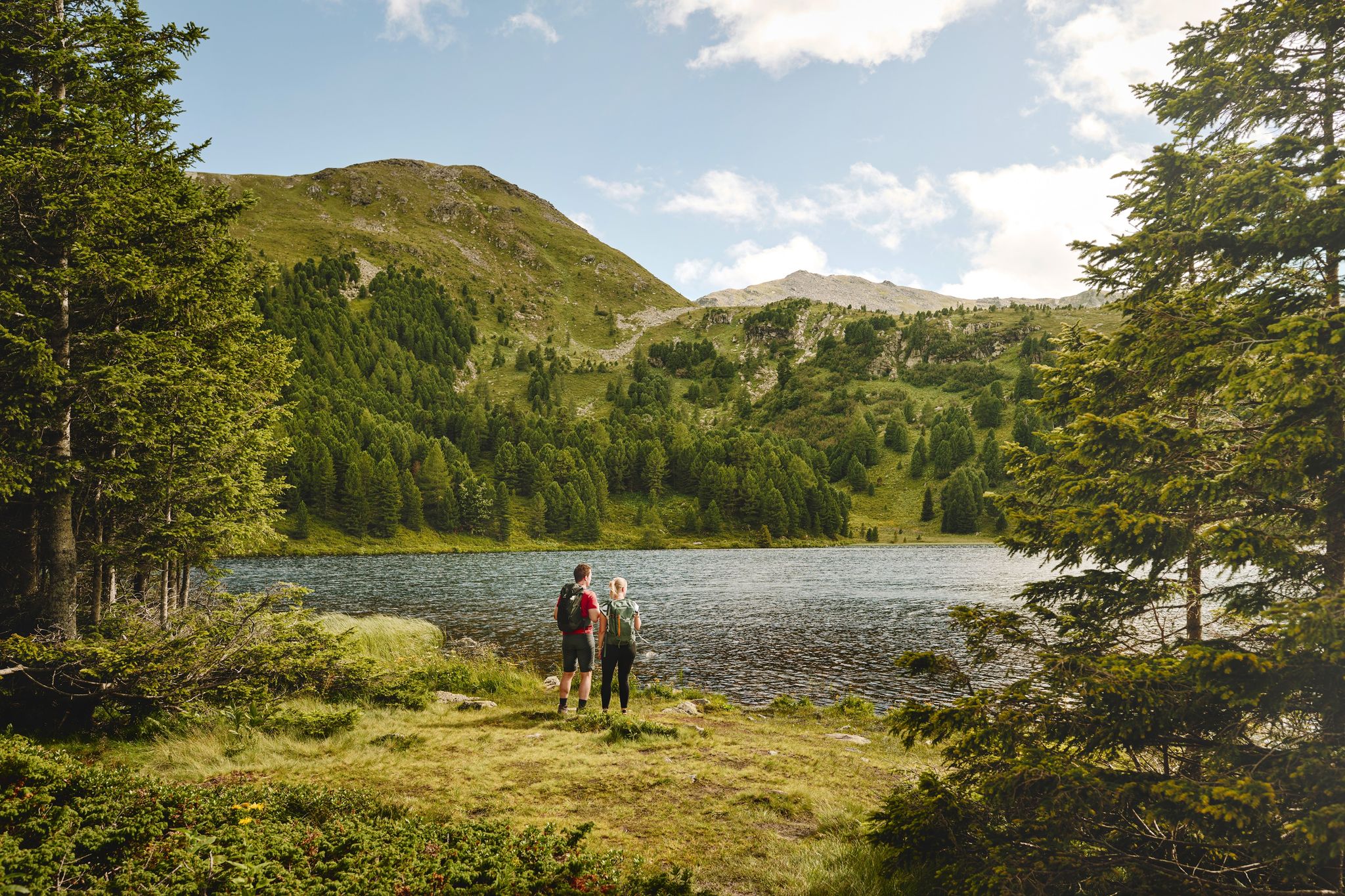
The sound of Swiss pines in the Murtal region
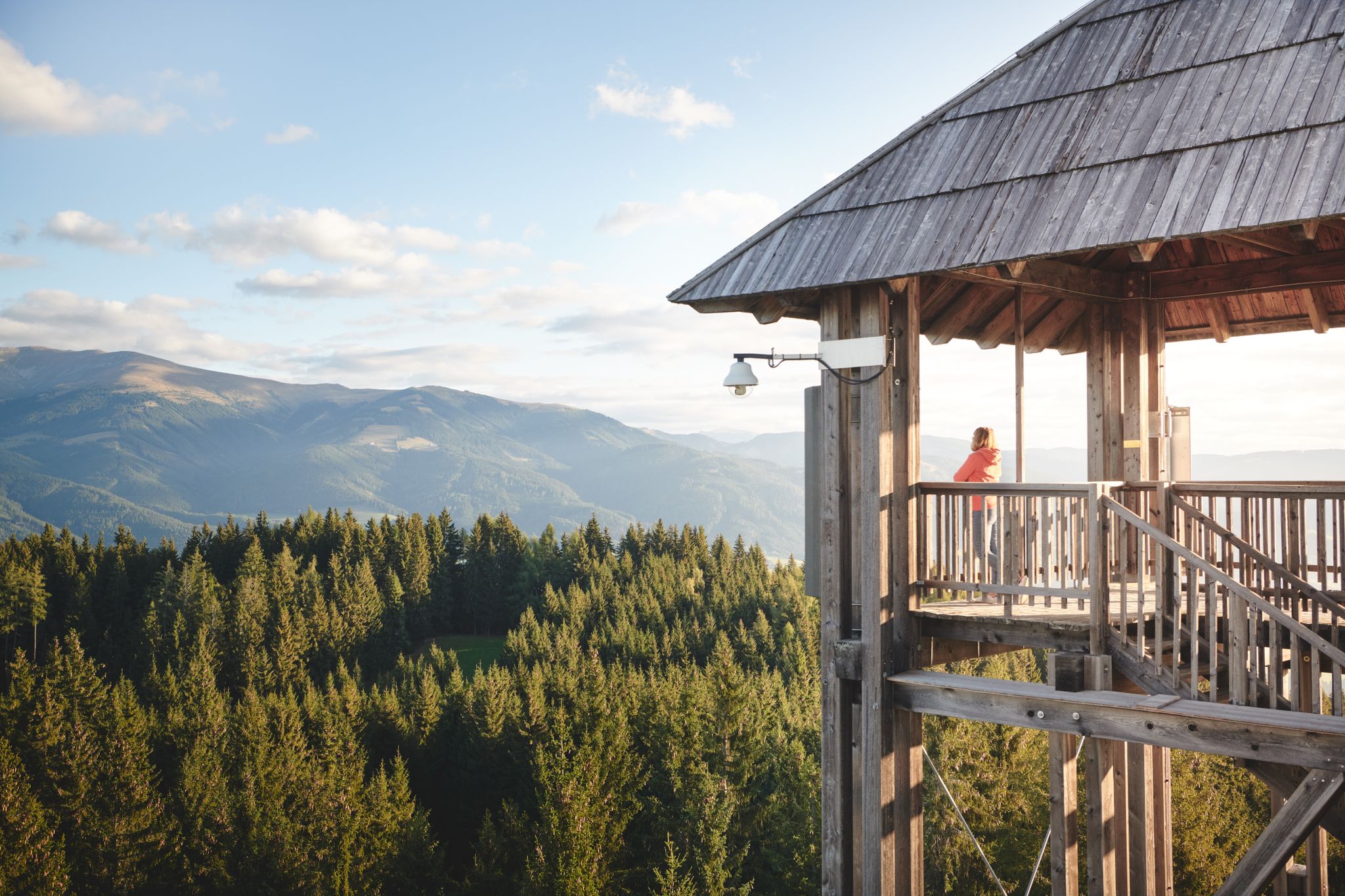
Feel the heartbeat — 12 hikes in the Murtal adventure region

Boundless Austrian winterlust — snowshoeing in the Mur Valley
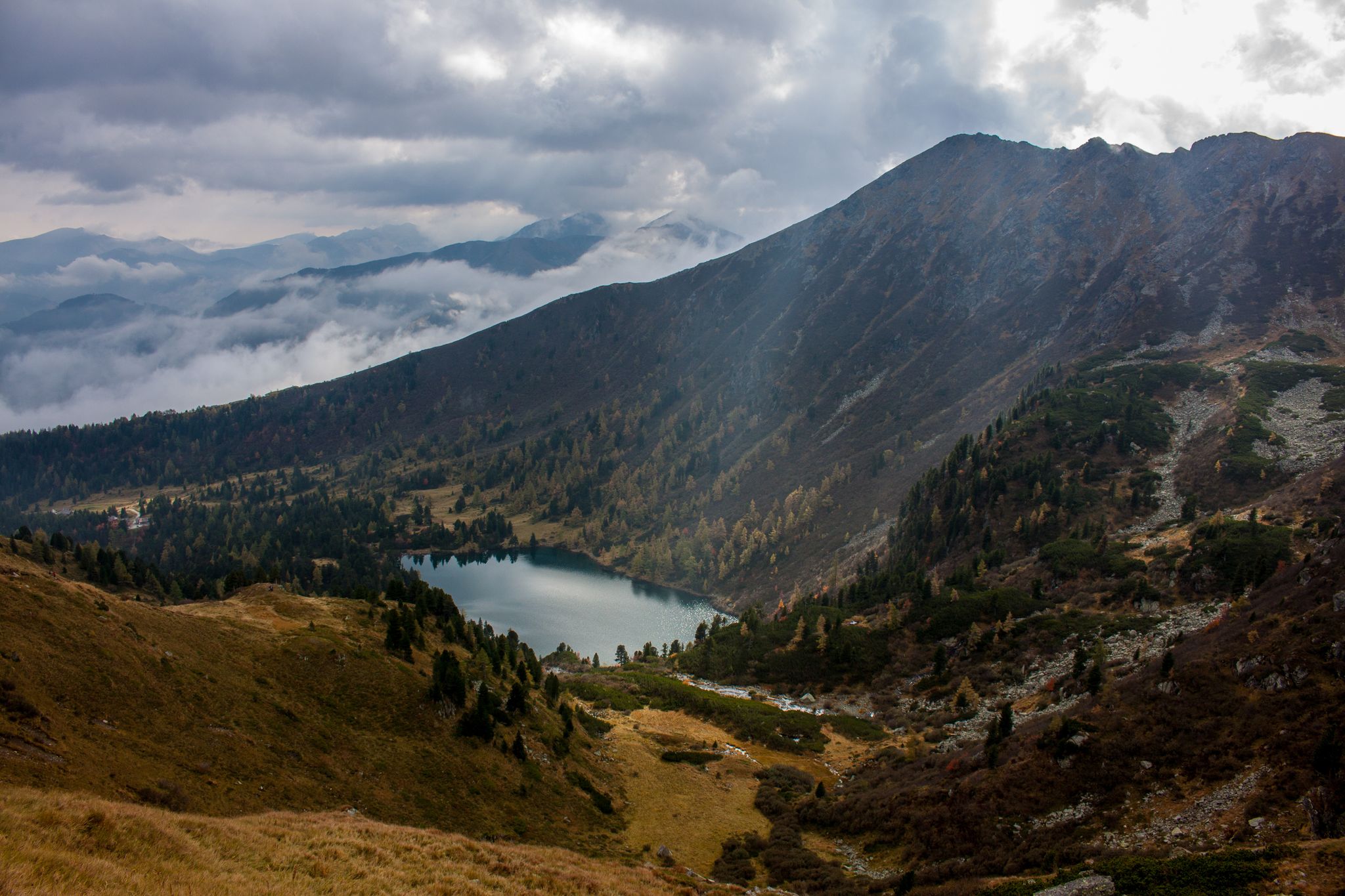
Berge mit unglaublichen Namen
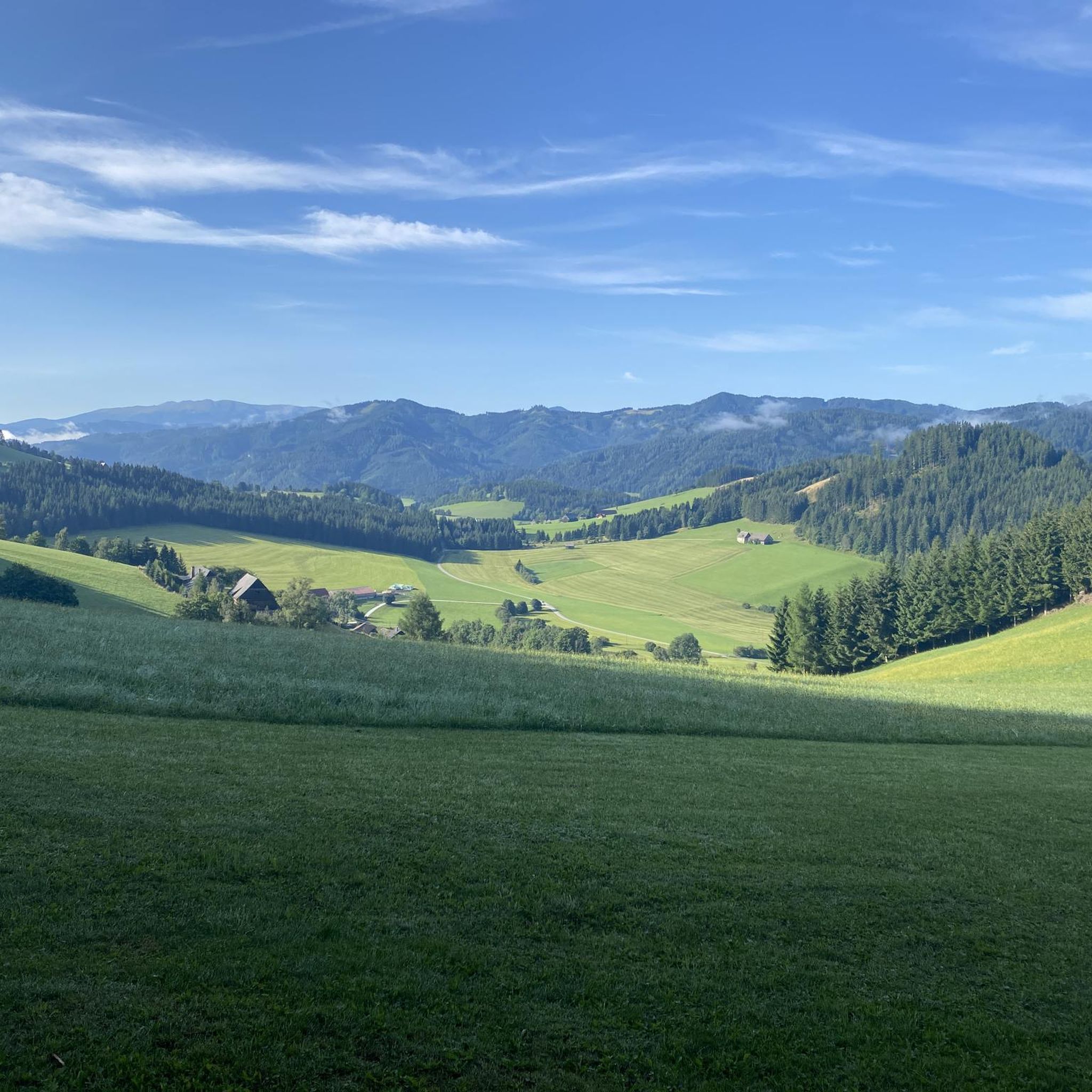
Hiking around Pölstal
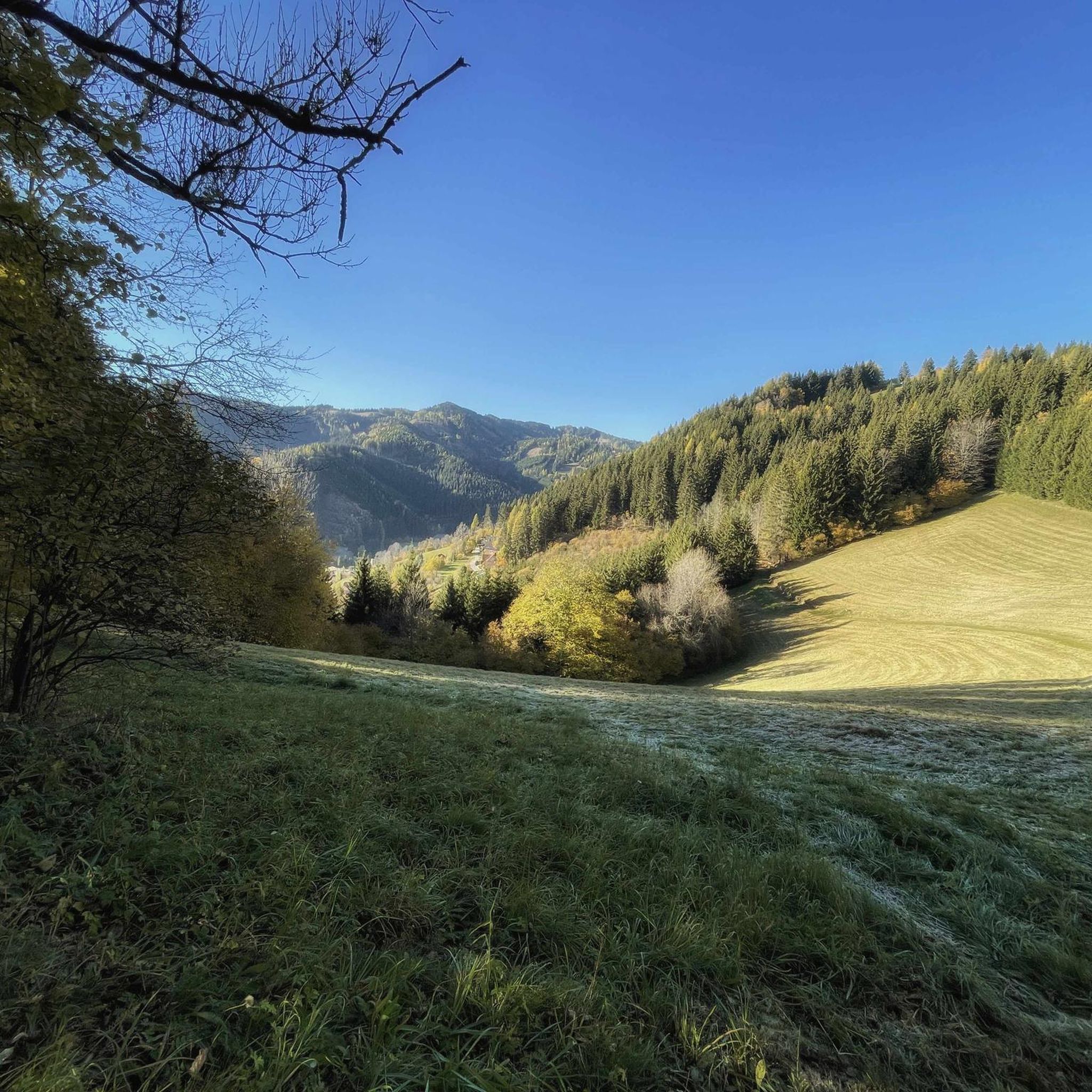
Cycling around Pölstal
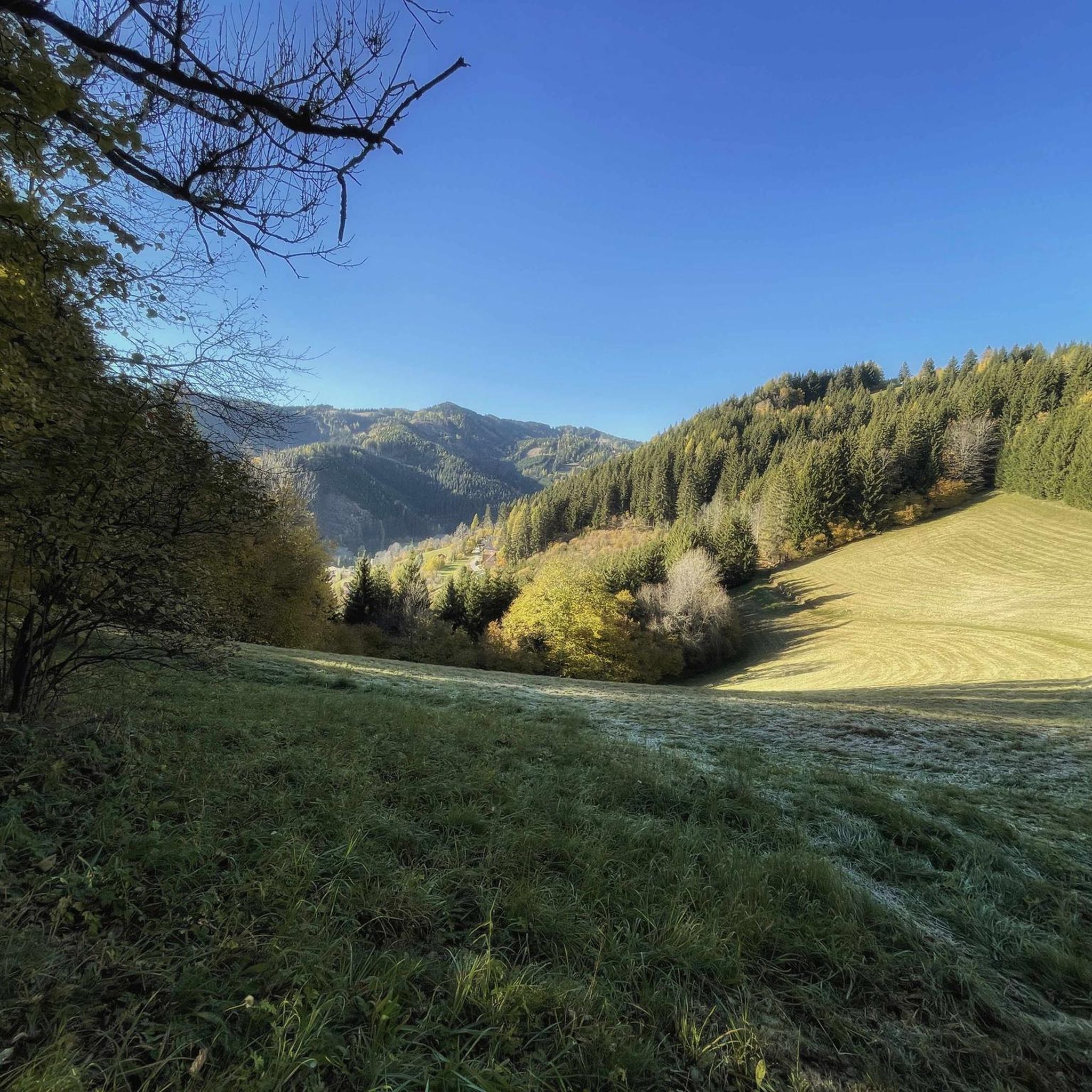
MTB Trails around Pölstal
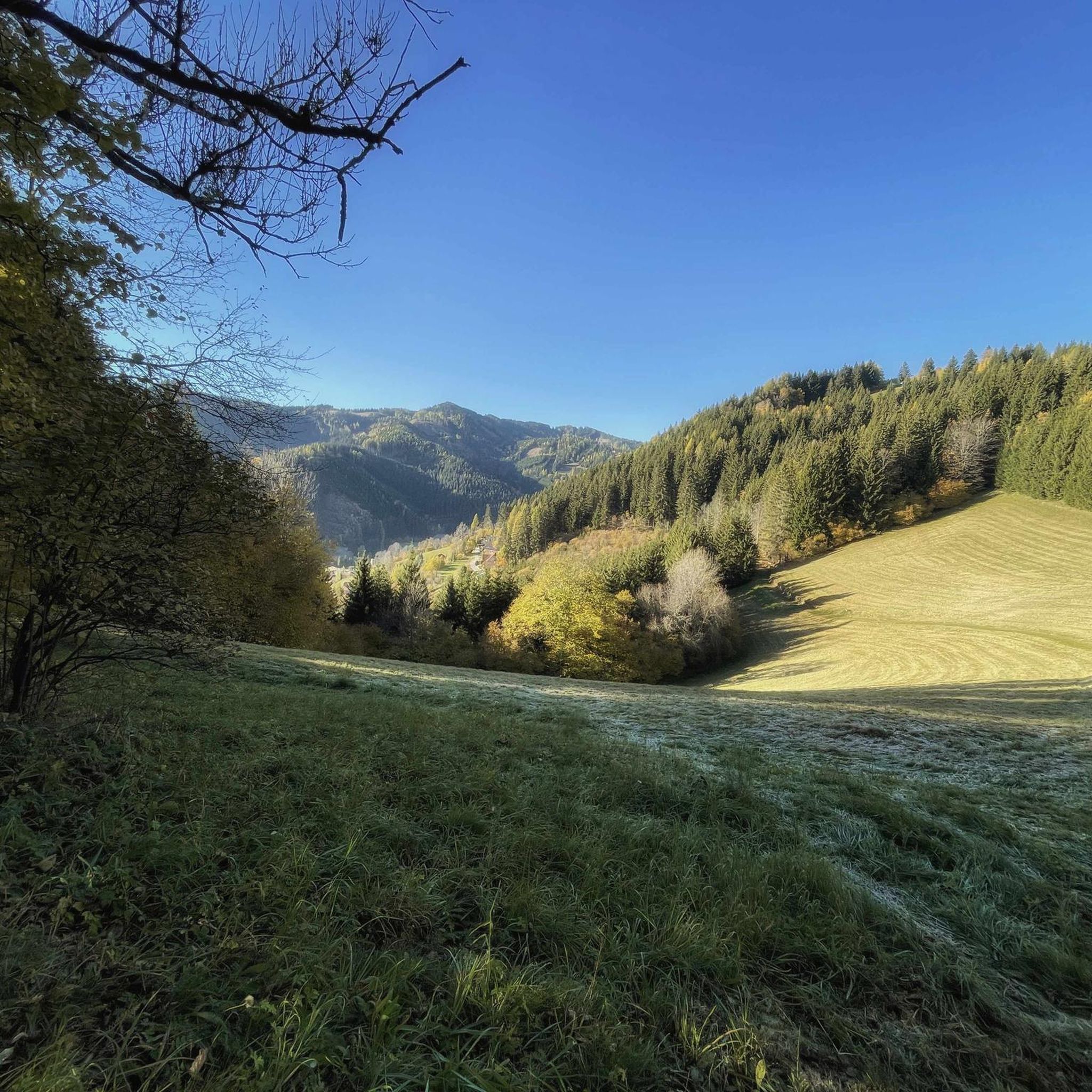
Road Cycling Routes around Pölstal
Mountain Hikes around Pölstal
Other adventures around Pölstal


Tips from the Community


From the castle ruins you can enjoy a beautiful view down into the valley with the town of Unzmarkt. A few meters below the castle there is a church worth seeing. The Frauenburg was built in the 13th century, burned down in 1861 and was not rebuilt after that. Today the complex is a listed building.
1
0

The castle, which dates back to the 15th century, is something very special because it still looks architecturally the same as it did over 300 years ago. It has neither been rebuilt nor destroyed in its long history. The castle is now a listed monument. You can also visit it on Monument Day.
1
0

Unfortunately not accessible. Inside everything is overgrown. The best view is from a distance
0
0

Dilapidated castle that cannot be visited!
1
0

The medieval Frauenburg castle shines high above the town of Unzmarkt-Frauenburg. From here you have a wonderful view down into the valley. The church of Frauenburg is very close by (just a few meters lower). This castle was built in the 13th century by the minstrel Ulrich von Liechtenstein. After his family line died out, two other families came into possession of the Frauenburg castle. In 1861 there was a fire at the castle that turned the castle into what it is today: a ruin. A century later the castle was restored and is now a listed building. Nevertheless, you can visit this castle, take a close look at the old buildings and enjoy the view. https://de.wikipedia.org/wiki/Burgruine_Frauenburg_(Unzmarkt-Frauenburg)
2
1

Hanfelden Castle is a castle building that essentially dates back to the 15th century. It is a listed building and, due to its unadulterated, authentic preservation, is a special architectural and monument-preserving jewel. The Institute for Prehistory and Historical Archeology (University of Vienna) has carried out archaeological and architectural studies since 2016.
1
0
The castle was probably built in the 12th century by the Reifensteiners, a branch of the Liechtenstein family. Extensions took place in the 13th and 14th centuries. In 1521 the castle was sold to Sebald Pögl from Thörl and rebuilt in the Renaissance style. In 1698 the castle came into the possession of the Schwarzenberg family, who own it and the surrounding forests to this day. The castle was inhabited until 1809. To prevent the French from billeting during the war against Napoleon, the roof of the castle was removed. This accelerated the decay of the castle, so that it is now closed and in great danger of collapsing.
0
0
Frequently Asked Questions
What makes Hanfelden Castle a unique historical site in Pölstal?
Hanfelden Castle, dating back to the 15th century, is remarkable for its largely unaltered Renaissance architecture. It offers a rare glimpse into the past, preserving its original character as depicted in 1681. The castle also features the 'Maximiliansstube,' commemorating a visit by King Maximilian I in 1506, and highlights its strategic location at an alpine pass. You can find more details about this architectural jewel on its highlight page: Hanfelden Castle.
Can I visit Hanfelden Castle?
Hanfelden Castle is privately owned. However, guided tours are available for interested visitors by prior arrangement. While specific booking details are not provided here, you may be able to find more information on its history via Wikipedia.
What is the Propstei Zeiring and can I visit it?
The Propstei Zeiring (Zeiring Provostry) in Möderbrugg is a former monastic complex with ancient origins, established in the 11th century. It features fortified architecture, including defensive walls and an octagonal corner turret, and a Gothic chapel dedicated to St. Agatha. Like Hanfelden Castle, Propstei Zeiring has been in private hands since the 19th century. While specific visitor information is not widely advertised, its historical and architectural significance makes it a compelling site to explore, even if only from the exterior. You can learn more about its history on Wikipedia.
Are there any family-friendly historical sites in the Pölstal region?
Yes, the town of Oberwölz is considered family-friendly. It's the smallest town in Styria but boasts a well-preserved medieval city wall, three city gates, and fortifications that give it a historic charm. Exploring its streets and ancient structures can be an engaging experience for all ages.
What kind of views can I expect from the castle ruins in Pölstal?
From Frauenburg Castle Ruins, you can enjoy a beautiful view down into the valley with the town of Unzmarkt. This medieval castle ruin offers a scenic panorama of the surrounding landscape.
Are there hiking trails near the castles in Pölstal?
Yes, the Pölstal region offers various hiking opportunities. For easy walks, you can explore routes like the 'Dragon Watermill – Lachtal Chapel loop' or the 'Calvary Hill Church, Kindberg loop from Oberzeiring.' You can find more details and routes in the Easy hikes around Pölstal guide.
What other outdoor activities are available near the castles in Pölstal?
Beyond hiking, the Pölstal region provides options for running and mountain biking. For runners, there are routes like the 'Hanfelden Castle loop from Oberzeiring.' Mountain bikers can tackle trails such as the 'Hanfelden Castle – Mur Trail loop from Oberzeiring.' Explore more options in the Running Trails around Pölstal and MTB Trails around Pölstal guides.
What do visitors particularly enjoy about the castles around Pölstal?
Visitors appreciate the authentic preservation of sites like Hanfelden Castle, which has remained architecturally unchanged for centuries. The scenic views from castle ruins, such as Frauenburg Castle Ruins, are also highly valued. The komoot community has shared over 20 photos and given more than 40 upvotes across these historical highlights, indicating a strong appreciation for the region's rich history and picturesque settings.
What is the best time of year to visit the castles in Pölstal?
The Pölstal region is generally pleasant for exploring castles during the warmer months, from spring through autumn, when the weather is mild and conducive to outdoor activities like hiking and cycling around the historical sites. Winter can offer a different, often snowy, perspective, but accessibility to some ruins or private tours might be more limited.
Are there any castles that are not open to the public but can still be appreciated?
Yes, the View of Schrattenberg Castle Ruins is an example. Once considered one of Styria's most beautiful baroque castles, it burned down in 1915 and is not open to the public. However, it can still be viewed and appreciated from the outside, offering a poignant glimpse into its past grandeur.
What is the history behind Frauenburg Castle Ruins?
The Frauenburg Castle Ruins were originally built in the 13th century by the minstrel Ulrich von Liechtenstein. After a fire in 1861, the castle was not rebuilt, leading to its current state as a ruin. It was later restored and is now a listed building, offering visitors a chance to explore its ancient structures and enjoy views of the valley.
What should I pack for a day trip to the Pölstal castles?
For a day trip to the Pölstal castles, especially if you plan to explore the surrounding areas or nearby trails, it's advisable to pack comfortable walking shoes, weather-appropriate clothing (layers are often best), water, and snacks. A camera is also recommended to capture the historical architecture and scenic views. If you plan to visit privately owned castles like Hanfelden, confirm any specific requirements with your tour arrangements.
Most popular routes around Pölstal
Most popular attractions around Pölstal

Get inspired with the komoot mobile app


Explore more
Looking for the best castles somewhere else? Discover other guides around Pölstal:
