Top 4 Castles around Streat
Best castles near Streat provide insights into historical architecture and strategic locations within East Sussex. The area features a collection of historical sites, including castles and former royal residences. These landmarks offer opportunities to explore centuries of history and enjoy panoramic views.
Best castles around Streat
- The most popular castles is Royal Pavilion Brighton, a man-made monument that features extraordinary architecture reminiscent of Indian Mughal palaces. This impressive palace was built between 1815 and 1822 by King George IV…
Last updated: June 24, 2026
Royal Pavilion Brighton
Highlight • Monument
Translated by Google •
Tip by

Lewes Castle
Highlight • Historical Site
Tip by

Sign up now to discover places like this
Get recommendations on the best single tracks, peaks, & plenty of other exciting outdoor places.
Sign up for free
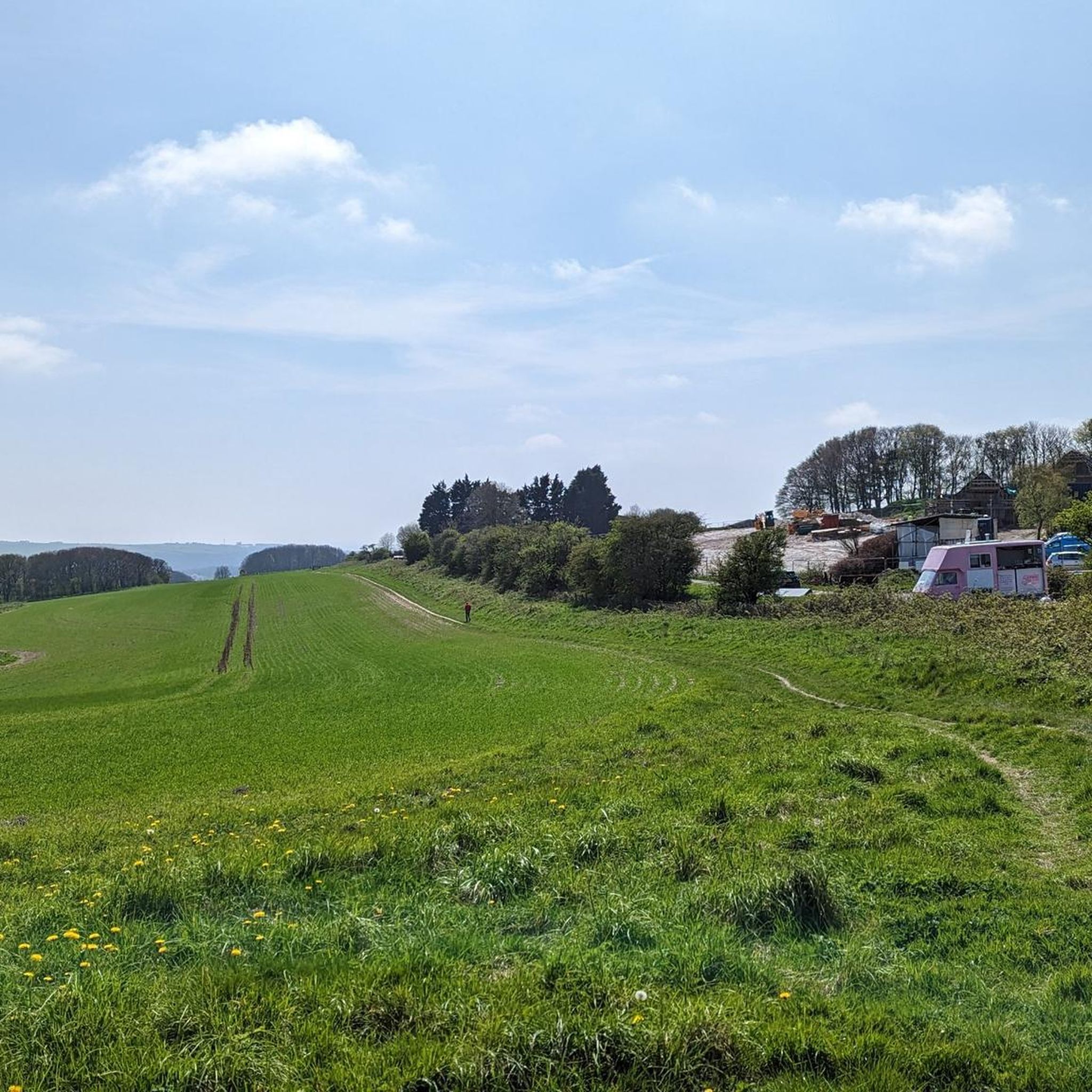
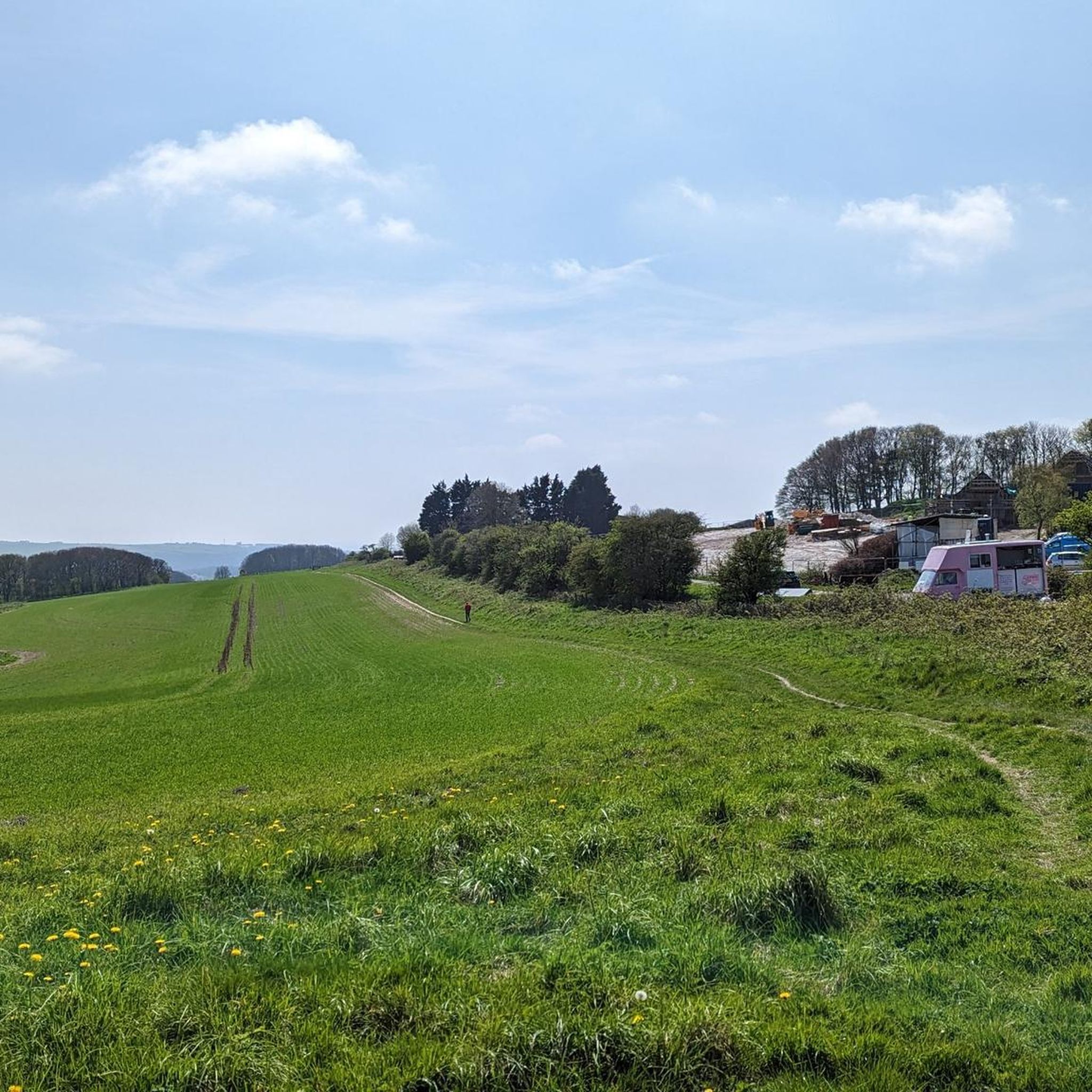
View of Pevensey Castle Earthworks
Highlight • Viewpoint
Tip by

Start today with a free account
Your next adventure awaits.
Login or Signup
Other adventures around Streat

Tips from the Community

Beautiful and unusual building. It is also worth to take the time to walk through the gardesns surrounding it.
0
0

The Royal Pavilion in Brighton seems somewhat unreal with its extraordinary architecture. The impressive palace immediately catches the eye and is reminiscent of the well-known Indian Mughal palaces. The Royal Pavilion was built between 1815 and 1822 by King George IV during his time as Prince of Wales. After the Second World War, the Royal Pavilion was extensively restored.
7
0

Lewes Castle is a medieval fortress originally known as Bray Castle. Positioned strategically, it commands a prominent location, overseeing the gap in the South Downs shaped by the River Ouse and surrounded by the towns of Lewes and Cliffe. The castle is perched on a man-made mound located just north of Lewes' high street, crafted from locally sourced limestone and flint blocks.
0
0

East Sussex's historic county town, Lewes is a lovely place to explore. There are many interesting old buildings, from the 16th-century timber-framed Anne of Cleves House to the impressive Lewes Castle, and many quirky boutiques, pubs and eateries. There are plenty of excellent walking options in the surrounding countryside, from river rambles along the Ouse to more hilly affairs on the South Downs.
0
0

Visit Lewes Castle, a Norman Castle built after the Battle of Hastings by supporters of William the Conqueror. Climb the steps to the top of The Keep for stunning panoramic views across Sussex. As you ascend, explore the history of this 950-year-old fortress and how it played a key role in the development of the town. Visit the adjoining Museum of Sussex Archaeology to view artefacts from prehistoric to medieval Sussex, plus temporary exhibitions that showcase treasures from our collections. https://sussexpast.co.uk/attraction/lewes-castle/
1
0

This beautiful sight is more likely to be found in the Orient than in England. A great building with a nice little park that's great for a picnic or just relaxing.
3
0
Lewes is worth a visit and invites you to take a break with its cafes and restaurants. Nice castle.
0
0

Brighton's finest and most glamorous architecture - no visit to Brighton would be complete without taking in the Pavillion.
0
0
Frequently Asked Questions
What types of castles can I explore around Streat?
The area around Streat offers a mix of historical sites, including the unique Royal Pavilion Brighton, which is more of a palace with Indian Mughal architecture, and traditional Norman fortresses like Lewes Castle. You can also see the ancient earthworks of Pevensey Castle, which predate the Norman conquest.
Are there family-friendly castles to visit near Streat?
Yes, both the Royal Pavilion Brighton and Lewes Castle are considered family-friendly. The Royal Pavilion offers a unique architectural experience, while Lewes Castle provides opportunities to climb to the top of The Keep for panoramic views, which can be engaging for children.
Which castles offer the best views around Streat?
For breathtaking panoramic views across Sussex, Lewes Castle is an excellent choice. You can climb the steps to the top of The Keep for stunning vistas. Additionally, the View of Pevensey Castle Earthworks offers a historical viewpoint, showcasing the ancient defensive structures.
What historical periods do the castles around Streat represent?
The castles around Streat cover a broad historical spectrum. Pevensey Castle Earthworks have origins dating back to before the Norman conquest. Lewes Castle is a Norman castle built after the Battle of Hastings, around 950 years ago. The Royal Pavilion Brighton, while resembling a castle, is a more recent royal residence built between 1815 and 1822 for King George IV.
Can I combine a castle visit with outdoor activities near Streat?
Absolutely. The area around Streat offers various outdoor activities. You can find easy hiking trails, running trails, and cycling routes that allow you to explore the natural surroundings while visiting historical sites.
Are there hiking trails near the castles around Streat?
Yes, there are several hiking opportunities. For example, you can find easy hikes around Streat, including loops like the East Chiltington Church loop or the Plumpton Village loop, which can be combined with visits to nearby historical sites.
What do visitors enjoy most about the Royal Pavilion Brighton?
Visitors are often captivated by the Royal Pavilion Brighton's extraordinary architecture, which is reminiscent of Indian Mughal palaces. Its unique design and the surrounding park make it a popular spot for sightseeing and relaxation.
What makes Lewes Castle a significant historical site?
Lewes Castle is a significant Norman fortress built after the Battle of Hastings. It played a key role in the development of the town and offers insights into medieval Sussex. The adjoining Museum of Sussex Archaeology also showcases artifacts from prehistoric to medieval times.
What should I know about Pevensey Castle Earthworks?
The View of Pevensey Castle Earthworks highlights structures that existed even before the Norman conquest. The castle itself was built later, relying on surrounding waterways for defense. It's a site with deep historical roots, rumored to have hosted Harold Godwinson before the Battle of Hastings.
Are there any pubs or cafes near the castles around Streat?
While specific establishments are not detailed in the guide, historical towns like Lewes, where Lewes Castle is located, typically offer a range of pubs and cafes. Brighton, home to the Royal Pavilion, also has numerous dining options.
What is the best time of year to visit castles around Streat?
Visiting during spring or autumn often provides pleasant weather for exploring both indoor and outdoor castle areas, and for enjoying any nearby walks. Summer can also be ideal, though popular sites like the Royal Pavilion and Lewes Castle may be busier.
How long should I allocate for visiting a castle near Streat?
The time needed varies by castle. For a comprehensive visit to Lewes Castle, including climbing The Keep and exploring the museum, you might want to allocate 2-3 hours. The Royal Pavilion Brighton could also take 2-3 hours to fully appreciate its architecture and interiors. The Pevensey Castle Earthworks can be explored more quickly, perhaps in 30 minutes to an hour, depending on your interest in the historical context.
Most popular attractions around Streat

Get inspired with the komoot mobile app


Explore more
Looking for the best castles somewhere else? Discover other guides around Streat:
