Top 20 Lakes around Zaltbommel
Best lakes around Zaltbommel are found in a region characterized by its riverine landscape, situated within a "river island" bordered by the Waal, Maas, and Afgedamde Maas rivers. This area offers diverse water-based activities and recreational opportunities. The most prominent lake-like destination is De Zandmeren, known for its sandy beaches and water sports. The wider region provides various outdoor activities such as walking and cycling along the dikes.
Best lakes around Zaltbommel
- The most popular lakes is Haarsteegse Wiel,…
Last updated: October 11, 2026
Haarsteegse Wiel
Highlight • Lake
Translated by Google •
Tip by

Lange Wiel
Highlight (Segment) • Lake
"Lange Wiel".
Here the hiker can relax and rest almost alone on benches, enjoy the silence, listen to the wonderful bird concerts and that …
Translated by Google •
Tip by

Sign up now to discover places like this
Get recommendations on the best single tracks, peaks, & plenty of other exciting outdoor places.
Engelermeer
Highlight (Segment) • Lake
Now in 🍂 autumn the lake will be hiked around.
In summer there is a beautiful and large …
Translated by Google •
Tip by
De Zandmeren Recreation Area
Highlight • Lake
Translated by Google •
Tip by

‘t Gat van Sientje
Highlight • River
Translated by Google •
Tip by
Sign up for free to discover even more lakes around Zaltbommel.
Already have an account?
Start today with a free account
Your next adventure awaits.
Popular around Zaltbommel
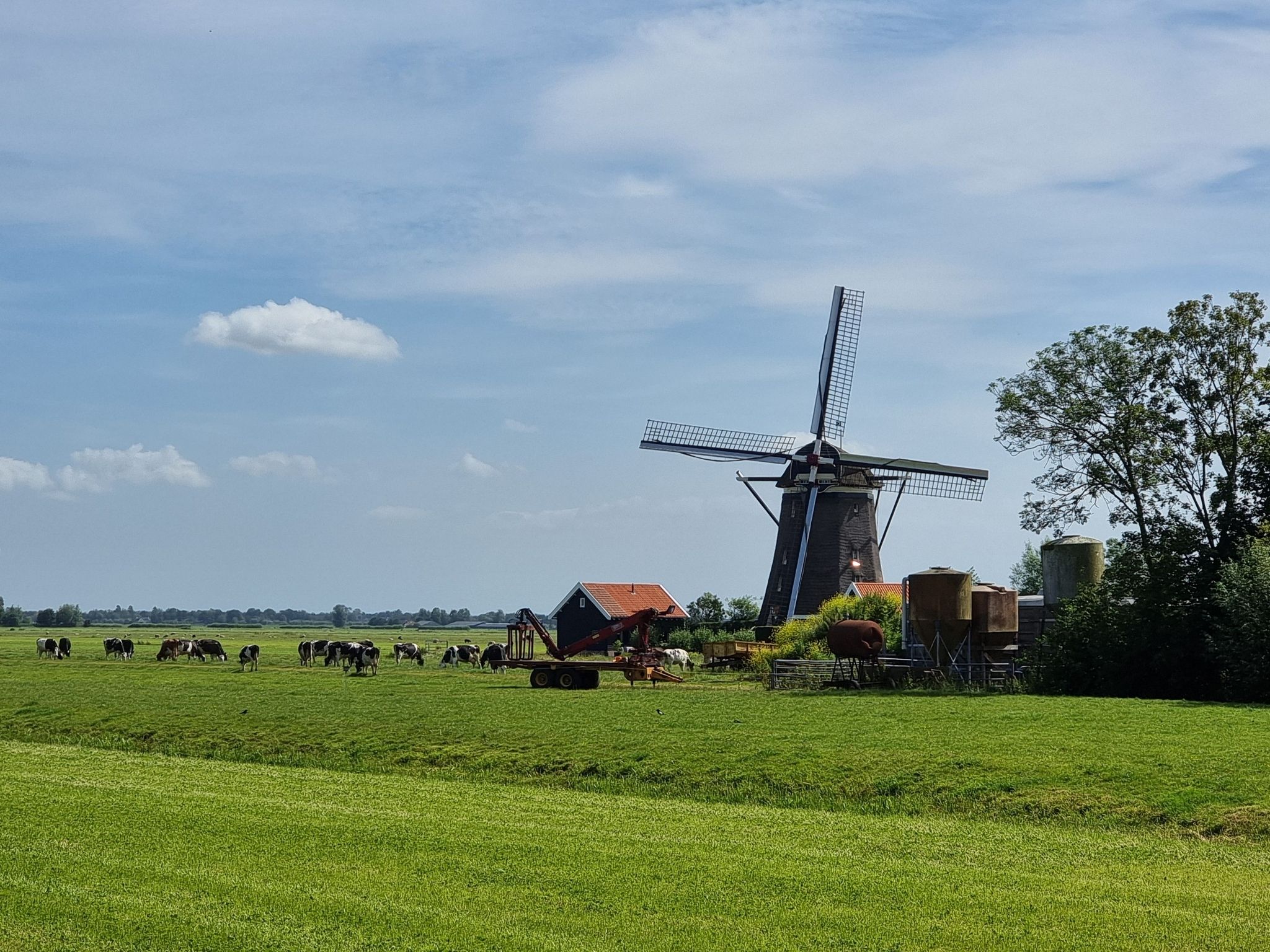
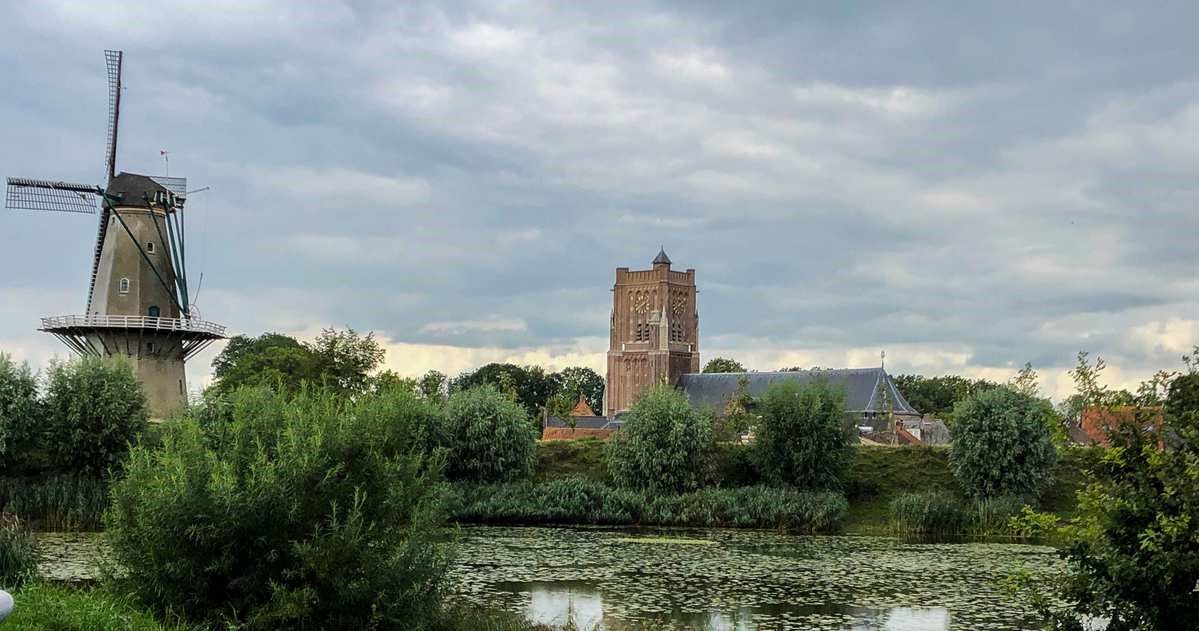
Pilgrim Trail (LAW 7-1) - Through idyllic villages and vast polders
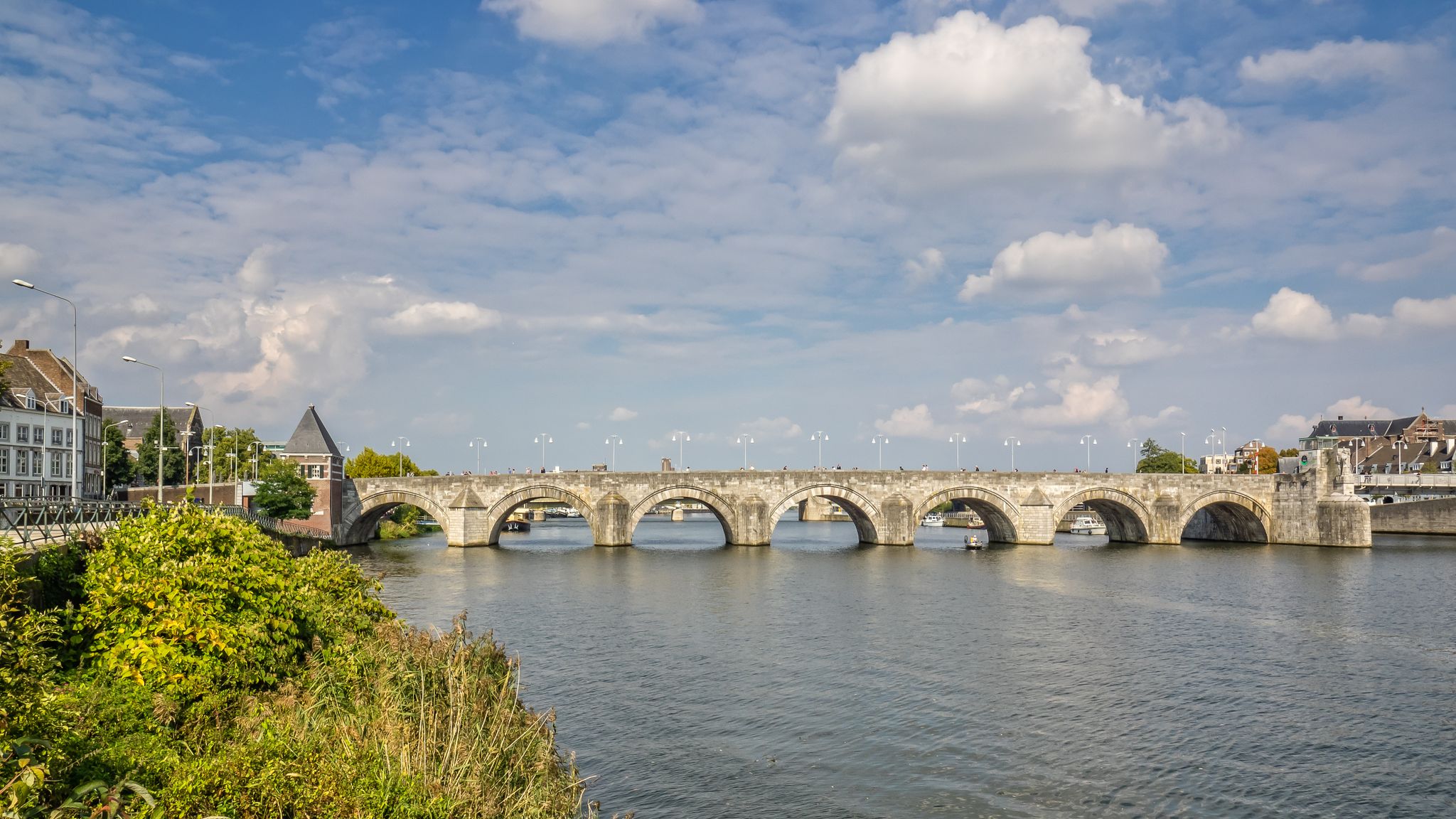
LF Maasroute – From Maastricht to Rotterdam along the Meuse River
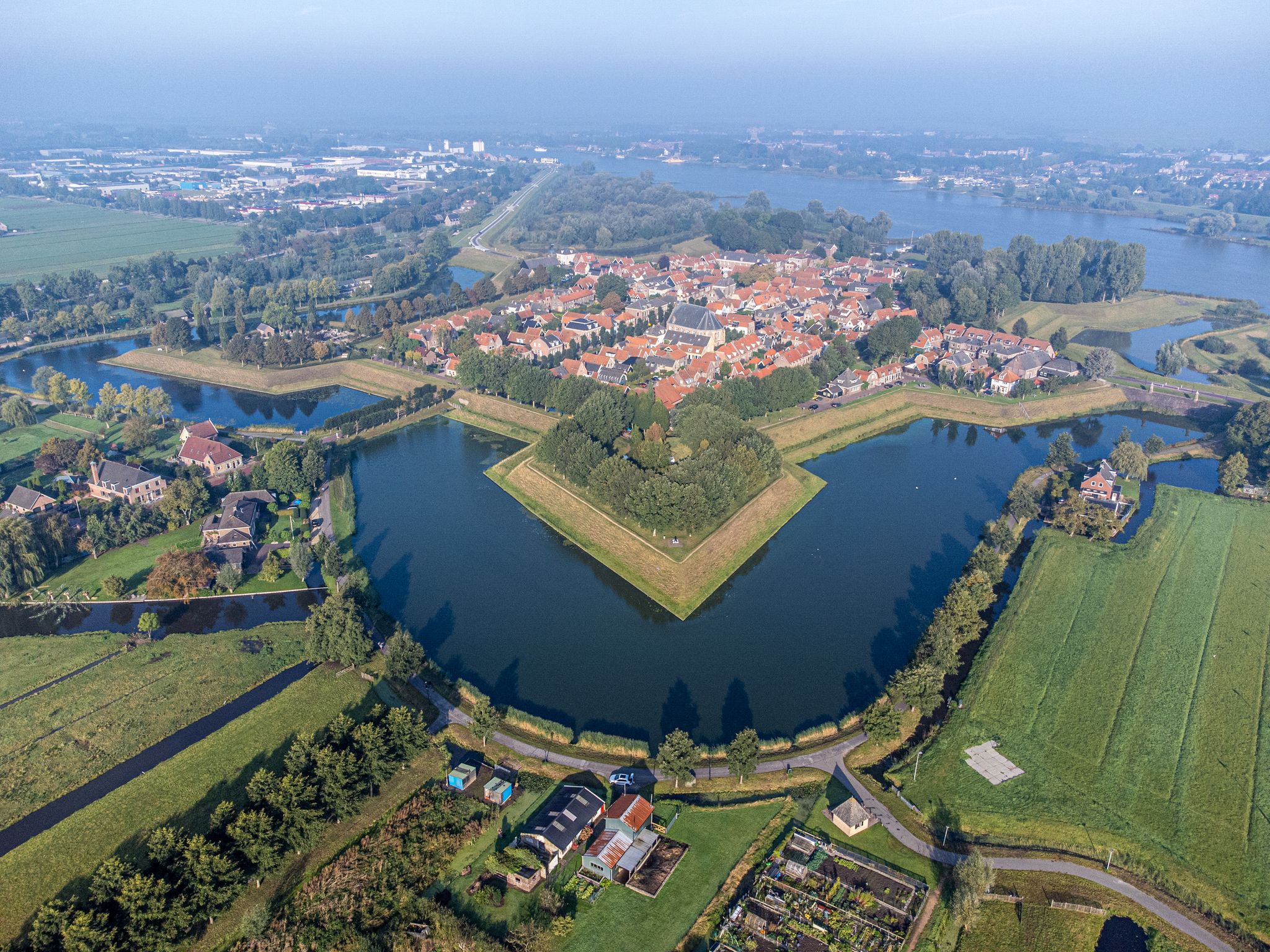
Oude Hollandse Waterlinie Wandelpad
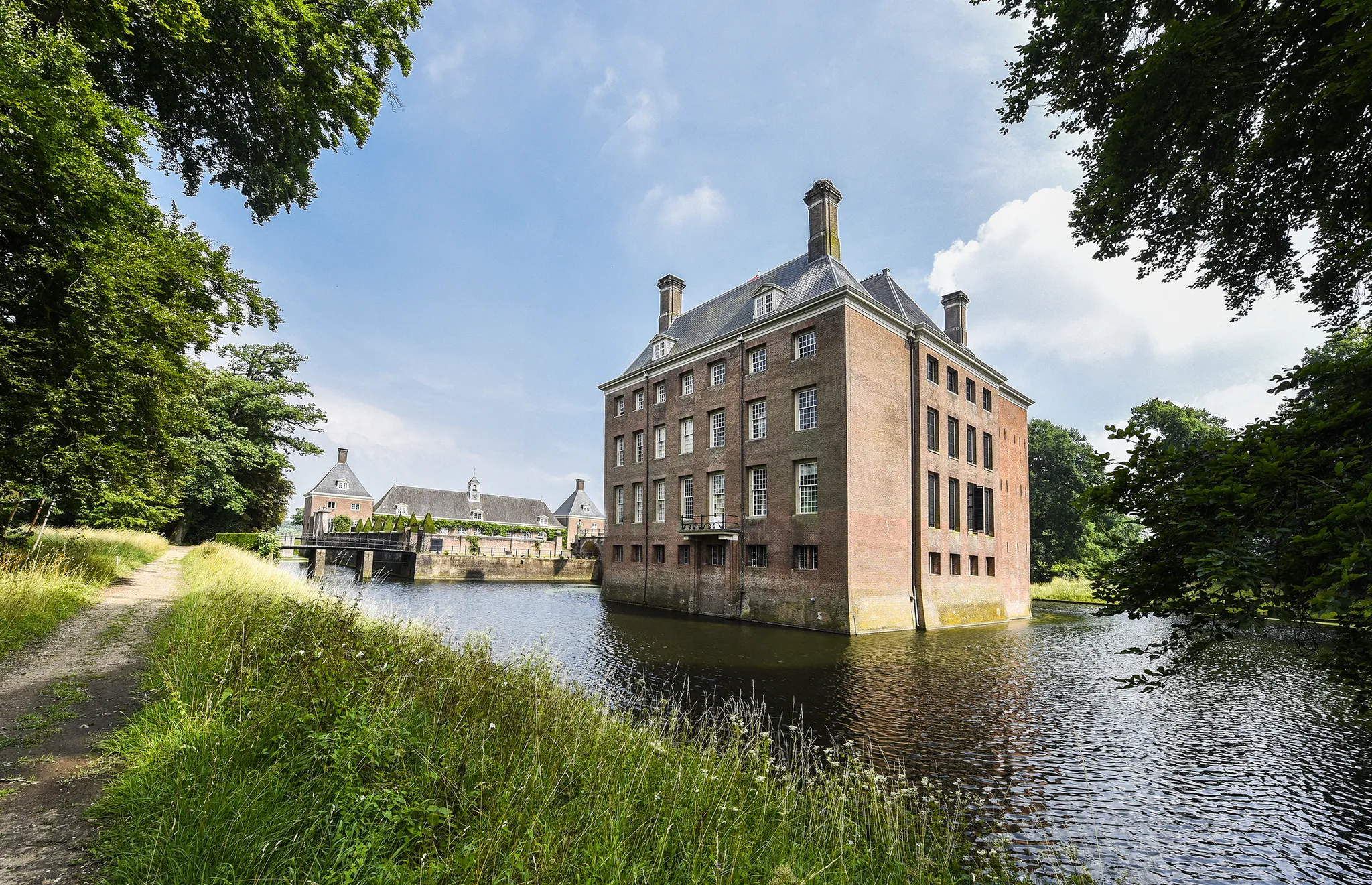
Netherlands Castle Country – discover our castles in 8 walks
Amsterdam to 's-Hertogenbosch – Pilgrims’ Path part 1
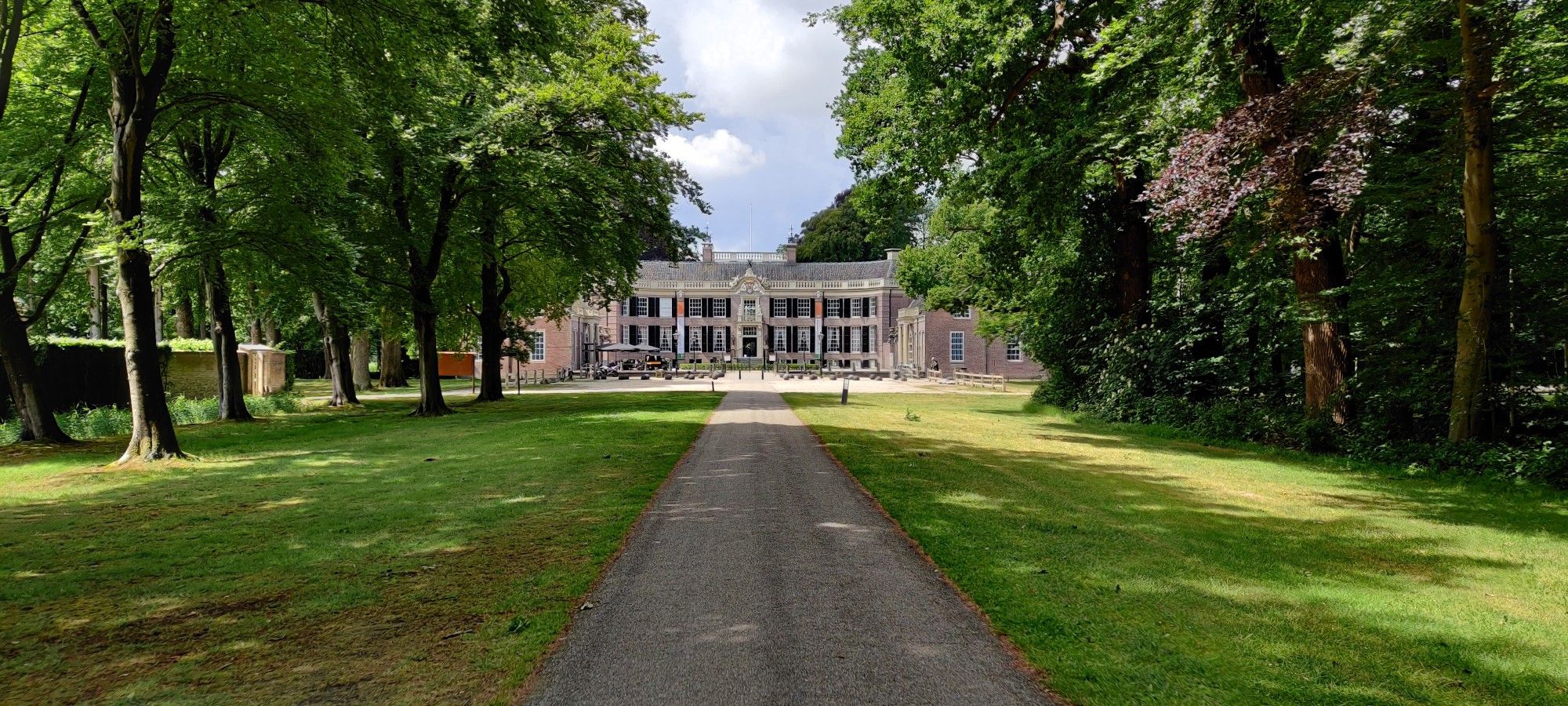
Discover hidden castles and idyllic country estates in Holland
Exploring the world in the Netherlands – five challenging Tours
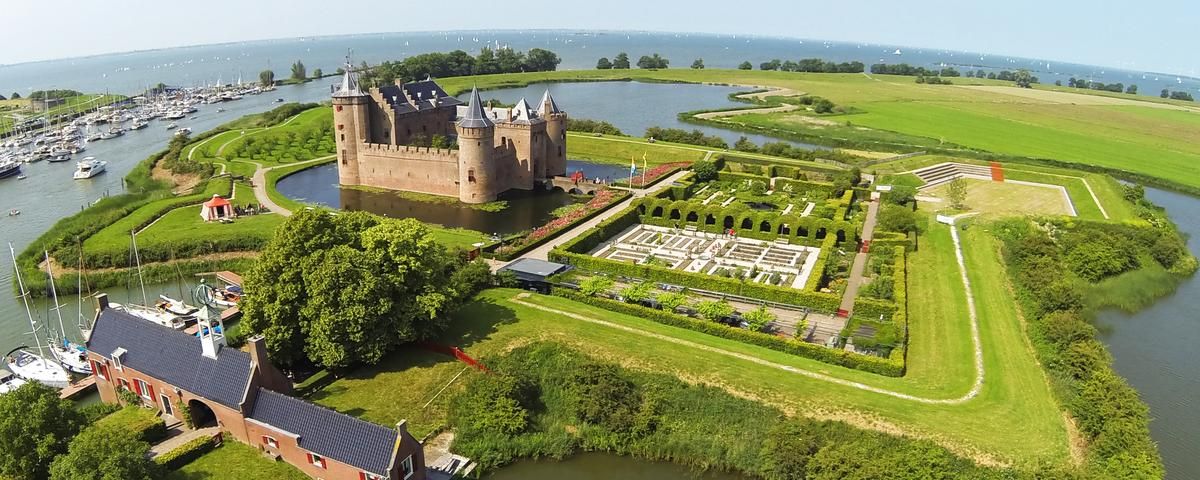
Cycling alongside Dutch castles
Road Cycling Routes around Zaltbommel
Hiking around Zaltbommel
Other adventures around Zaltbommel


Tips from the Community

A.C. van Boxtel, here freely translated: "Sientje's café" has been an attraction for sailors, fishermen, commercial travelers, or the average person who enjoys a drink, for almost two hundred years. Ships were often seen struggling against the wind or ships perishing. At least twice, a ship was seen sinking in a storm from the café. These were brought out of oblivion by the dredging work in the fifties. The café became a popular stopping point for sailors, but people also found their way there over land via the dike. From: Drielse Vertellingen
3
0

Changes in the course of the river - as here - often led to changes in the administrative affiliations of the towns and communities. Sometimes, however, the responsibilities remained the same, so that suddenly a community had territory on both banks of the Meuse or the Rhine.
7
2

Wonderful wheel where you can also enjoy swimming.
3
0

What a beautiful piece of nature all of a sudden. With waterfowl. The Haarsteegse Wiel, also known as Grote Wiel, is one of the largest wheels in the Netherlands.
2
0

This part of the dammed Maas has a somewhat unusual name: 't gat van Sientje'
8
0
The Engelermeer is a recreational lake and recreation area northwest of 's-Hertogenbosch, in the Dutch province of North Brabant. The lake is named after the town of Engelen, which lies east of the Engelermeer on the Dieze. The largest part of the area, which covers a total of 428 hectares, is managed by the municipality of Den Bosch. It is mainly intended for more intensive recreation. A 58-hectare part on the northeast side of the lake is designated as a nature reserve and falls under the responsibility of Staatsbosbeheer. The Engelermeer has been an official nudist beach since 1993.
5
0
The Haarsteegse Wiel is a wheel located northwest of Haarsteeg. It is almost 20 meters deep, making it the deepest wheel in the Netherlands. The wheel was created in 1610 when the water was pushed up by an ice dam in the Maas and the dike gave way. This formed the southern basin. The northern basin was created during a second flood in 1740. Studying the sediment in the wheel not only allowed for its age to be determined, but also identified events such as past and historically known floods. In addition, change in human activity could also be observed by elemental and isotope analysis. These included the intensification of livestock farming after 1880, the arrival of tanneries and dairies, the atomic bomb tests and the Chernobyl disaster. Pollen analysis revealed phenomena such as the agricultural crisis of 1875, the development and cessation of hemp cultivation in the 19th century, the planting of pines and poplars, the development and cessation of buckwheat cultivation, and the emergence of silage maize around 1970. Study of the fossil diatoms yielded knowledge about the development of water quality, which, partly due to the use of fertilizers, has become and still is richer in nutrients.
3
0
The Zandmeren was largely created by sand extraction and is now a recreation area. There is the 1st sand hole where ships can moor for loading and unloading sand and there are marinas for pleasure yachts. The 2nd sand hole is used for recreation, including swimming. There are restaurants, pitches for campers and a tow ferry. The 3rd sand hole has fishing piers and divers are also regularly found in the water. It is also a beautiful walking area.
19
0
Frequently Asked Questions
What kind of water activities can I enjoy around Zaltbommel?
The region offers diverse water-based activities. At De Zandmeren Recreation Area, you can enjoy swimming, stand-up paddleboarding (SUP), and other water sports. The major rivers like the Waal and Maas also provide opportunities for kayaking, canoeing, rafting, and silent boating with electric sloops. For more on water recreation in the wider area, you can visit visitnijmegen.com.
Are there family-friendly lakes or recreational areas near Zaltbommel?
Yes, several spots are great for families. De Zandmeren Recreation Area features sandy beaches, a new playground with a zip line and XXL discovery ship, and beach volleyball courts. Engelermeer offers a beach, an outdoor pool, and children's playgrounds. Both Haarsteegse Wiel and Lange Wiel are also noted as family-friendly, offering opportunities for swimming and nature observation.
Where can I go for a walk or hike near the lakes?
You can find walking routes at De Zandmeren Recreation Area, including one that uses a tow ferry. Lange Wiel offers quiet paths for relaxation and birdwatching. De Heinis Nature Reserve provides surprisingly green, narrow paths and pools, even though it's situated between residential and industrial areas. Additionally, the dikes along the Waal and Maas rivers are excellent for walking.
Can I swim in the lakes around Zaltbommel?
Yes, swimming is possible in several locations. De Zandmeren Recreation Area has designated swimming spots and sandy beaches. Haarsteegse Wiel is also known for swimming. Engelermeer features a beach and an outdoor pool, making it a popular spot for a dip.
What kind of nature and wildlife can I expect to see?
The region is rich in nature, especially around its water bodies. At Haarsteegse Wiel, you can observe various waterfowl. Lange Wiel is known for its bird concerts and grazing cows, and you might spot hobby photographers capturing the diverse birdlife. De Heinis Nature Reserve, despite its urban surroundings, offers a green space with pools and various insects.
Are there any historical aspects related to the lakes or water bodies?
Yes, the formation of some lakes is tied to historical events. Haarsteegse Wiel, for instance, is the deepest 'wheel' in the Netherlands, formed by past dike breaches during floods in 1610 and 1740. De Heinis Nature Reserve contains remnants of a 14th-century winter dike, which was part of the defense line during the Siege of 's-Hertogenbosch in 1629, and its 'wheels' are silent witnesses to past floods.
What outdoor activities, besides walking, are available near the lakes?
Beyond walking, the area around Zaltbommel offers excellent opportunities for cycling and mountain biking. You can find numerous routes for cycling, MTB trails, and gravel biking, often along the dikes and through the riverine landscape. These routes provide a great way to explore the wider region and its water bodies.
Are there places to eat or have a coffee near the lakes?
Yes, you'll find dining options. De Zandmeren Recreation Area has restaurants and a cozy cafe called 'Brandend Zand' with a terrace. Engelermeer also features a decent restaurant, making it convenient for a meal or snack after enjoying the lake.
What is the best time to visit the lakes around Zaltbommel?
The lakes and recreational areas are enjoyable year-round. Summer is ideal for swimming and water sports at places like De Zandmeren Recreation Area and Engelermeer. Autumn offers beautiful scenery for hiking around lakes like Engelermeer, while the quiet nature of Lange Wiel is lovely even in winter for peaceful walks and birdwatching.
Are there accessible paths for strollers or wheelchairs?
While specific accessibility details for all paths are not provided, recreational areas like De Zandmeren Recreation Area are generally designed for broader public access, often including paved or well-maintained walking routes. The dikes along the major rivers also offer relatively flat surfaces suitable for strollers and some wheelchairs, providing scenic views of the water.
What do visitors enjoy most about the lakes in this region?
Visitors appreciate the tranquility and natural beauty, especially the stunning sunsets over the water at places like De Zandmeren Recreation Area. The opportunity for quiet relaxation and bird concerts at Lange Wiel is also highly valued. The combination of recreational facilities, sandy beaches, and diverse nature makes these spots popular for both active individuals and those seeking peace by the water.
Most popular routes around Zaltbommel
Most popular attractions around Zaltbommel

Get inspired with the komoot mobile app


Explore more
Still not found your perfect lake around Zaltbommel? Check out the guides of these regions to see even more beautiful places.
