The 6 Most Amazing Peaks around Cambon-Et-Salvergues
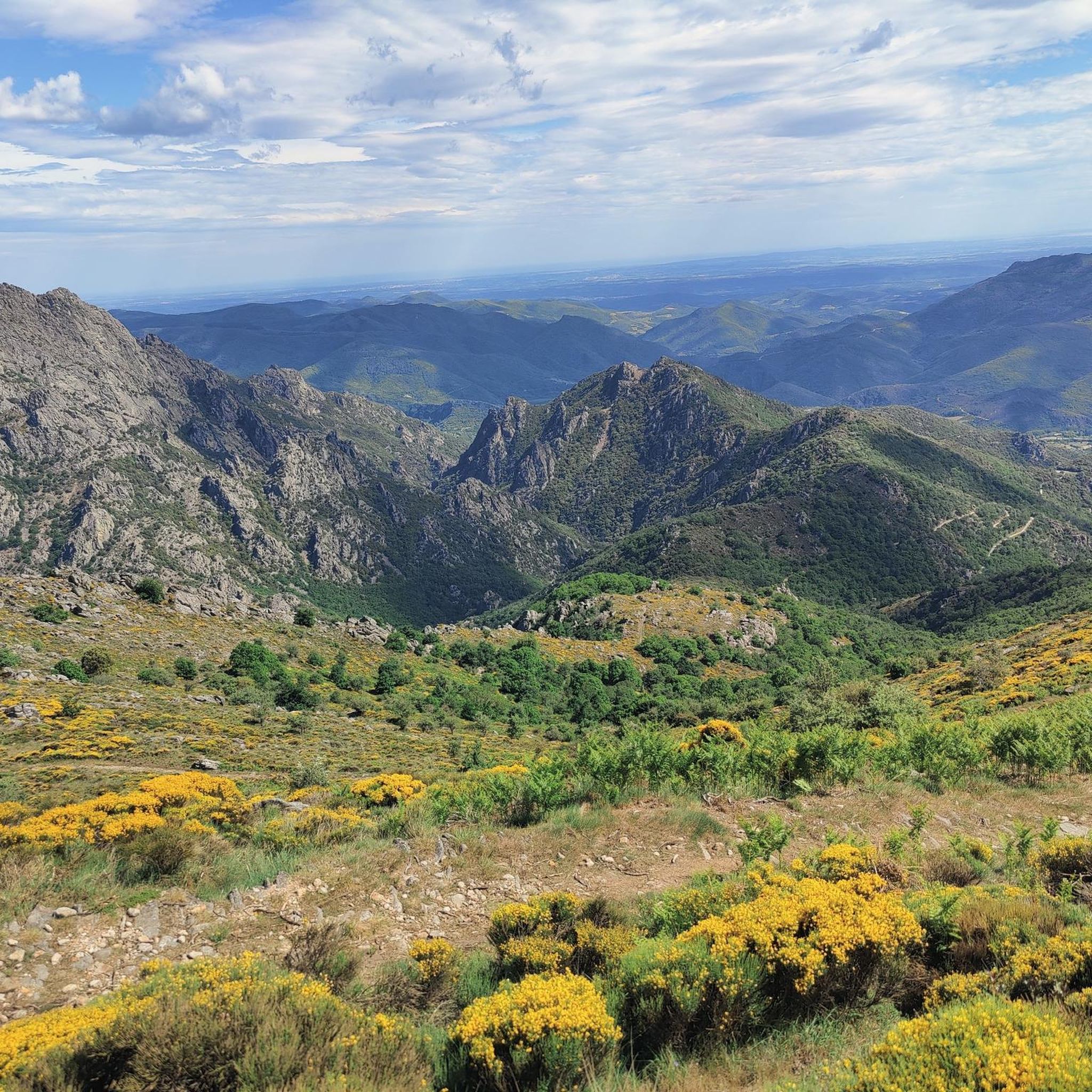
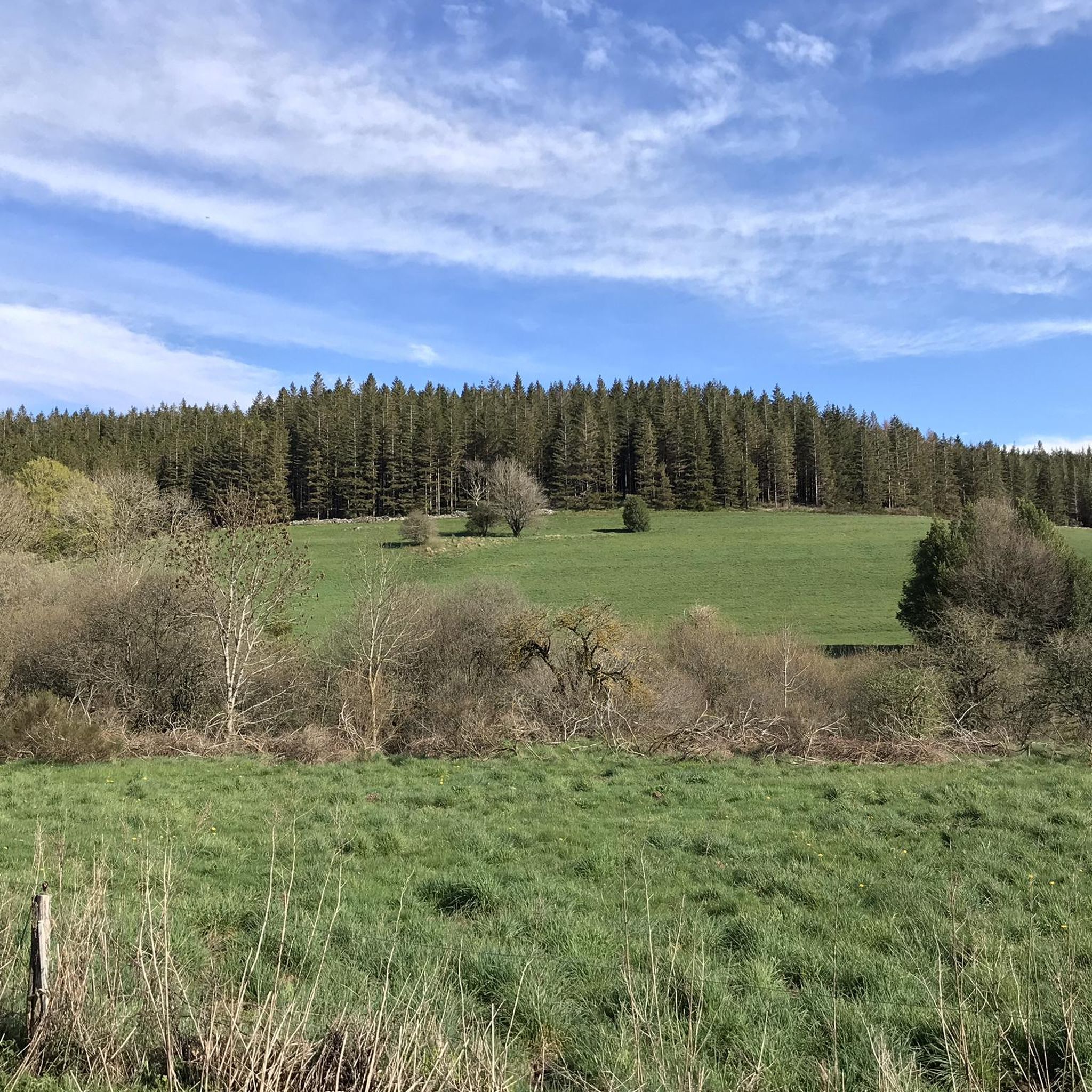
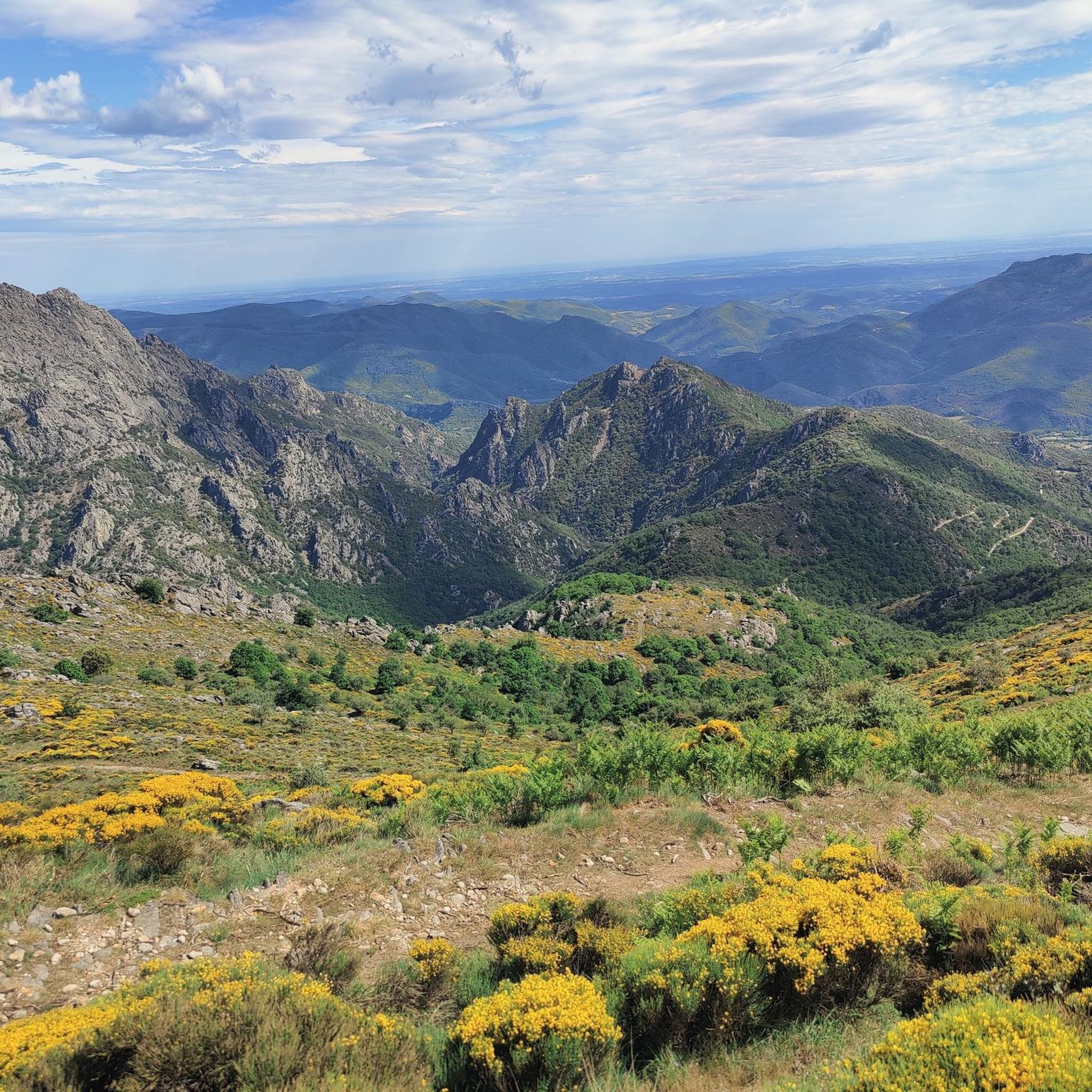
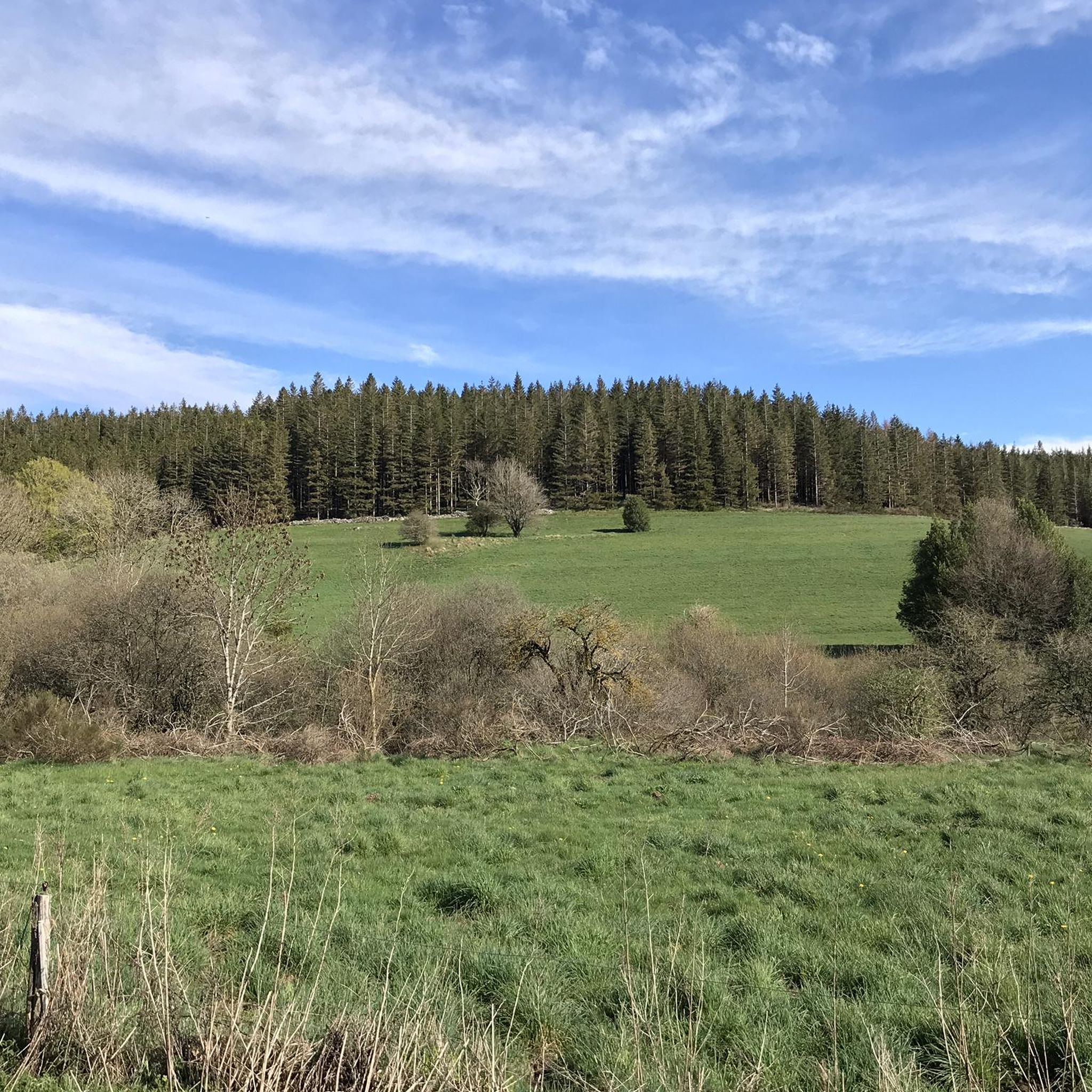
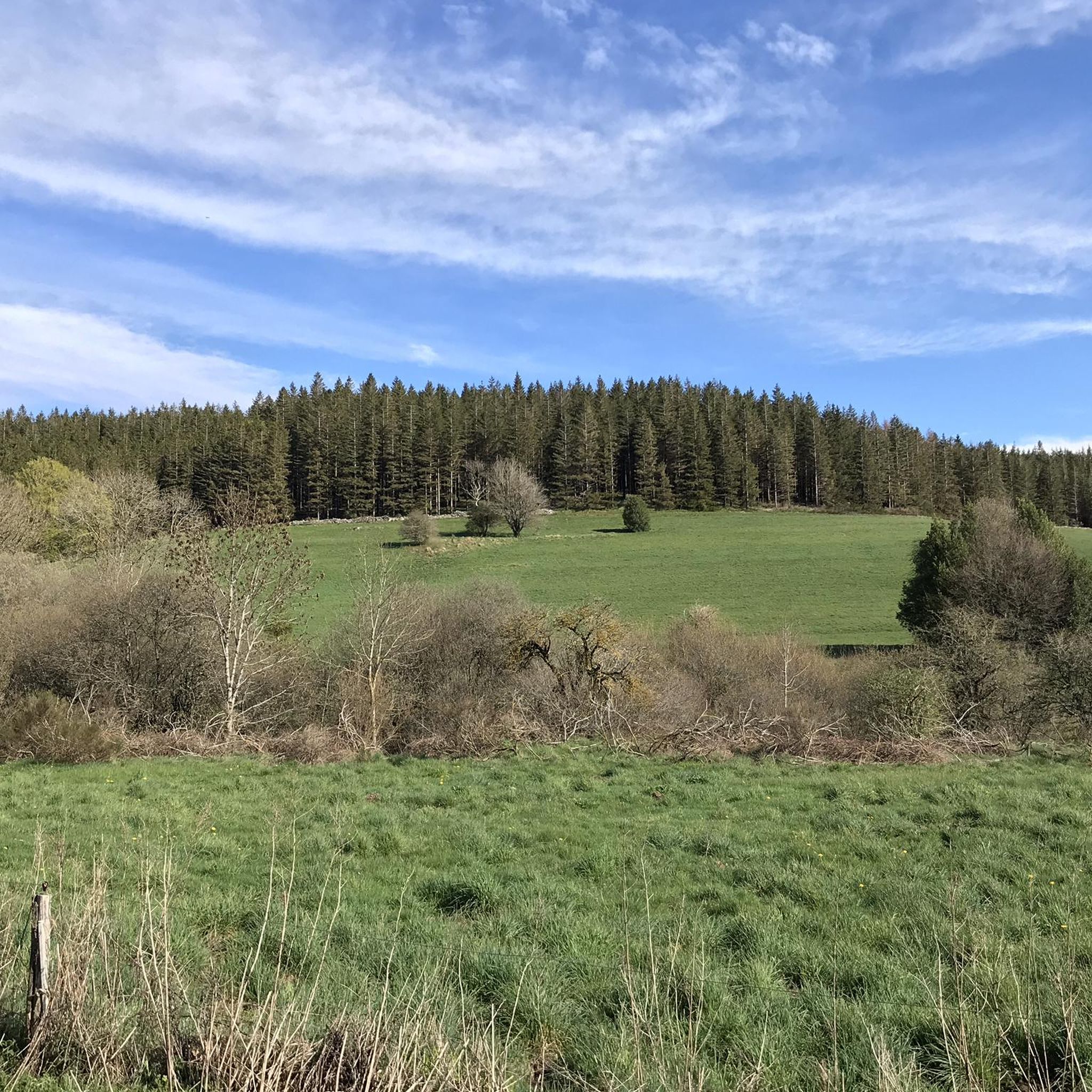
Best mountain peaks around Cambon-Et-Salvergues are situated within the Haut-Languedoc Regional Natural Park, a region characterized by its mountainous terrain. The area includes the summit of the Espinouse massif, which reaches 1,152 meters and is the highest point in the Hérault department. This landscape offers panoramic views of moorland and forests, along with rich biodiversity including a notable mouflon population. Extensive hiking routes provide opportunities to explore varied terrain and experience the natural environment.
Best mountain peaks around Cambon-Et-Salvergues
- The…
Last updated: May 9, 2026
Orientation table at Mont Caroux
Highlight • Viewpoint
Translated by Google •
Tip by

Exceptional panorama
Highlight • Summit
Translated by Google •
Tip by

Sign up now to discover places like this
Get recommendations on the best single tracks, peaks, & plenty of other exciting outdoor places.
Sign up for free
Naudech
Highlight • Summit
Translated by Google •
Tip by

From the summit of Caroux to the Douch parking lot
Highlight (Segment) • Trail
Translated by Google •
Tip by

Montalet Peak
Highlight • Summit
Translated by Google •
Tip by

Sign up for free to discover even more peaks around Cambon-Et-Salvergues.
Sign up for free
Already have an account?
Start today with a free account
Your next adventure awaits.
Login or Signup
Tips from the Community

Above Saint-Martin-de-l'Arçon, a superb view unfolds over the valley and surrounding hills. Choose a sunny day with clear skies to fully appreciate its beauty!
0
0

Great views at the summit
0
0
Superb views as far as Canigou on a clear day!
0
0

Very pretty path which goes up to the Caroux tower (1090 m)
0
0
Very beautiful view from the orientation table. The different landscapes crossed to get there are magnificent
1
0

The slopes of the Rocher de Lucet, overlooking Saint-Martin-de-l'Arçon, offer you an exceptional panorama of the Haut-Languedoc Regional Nature Park. From these rocks, you can appreciate the vast expanses of rugged hills, winding valleys and forests that stretch to the horizon. The Orb meanders through the landscape, carving a path through the greenery, while Mont Caroux stands majestically in the distance.
3
0

At the intersection, take the path on the left and climb up to the edge of the beech forest. Reach the tower (highest point of the Caroux plateau, at 1,091 m) and continue along the path that goes down. Follow the track on the right. In two wide bends (viewpoint on the right over the Graissessac mining basin, the watchtower of the Rosis mountain, the Aret mountain and the wind farm of the Espinouse mountain), it leads back to the car park.
0
0

Frequently Asked Questions
What are some of the most notable mountain peaks and viewpoints in Cambon-Et-Salvergues?
The region offers several impressive spots. The summit of the Espinouse massif, at 1,152 meters, is the highest point in the Hérault department. Other popular viewpoints include the Orientation table at Mont Caroux, which provides wonderful distant views, and Exceptional panorama, offering vast views of the Haut-Languedoc Regional Nature Park.
What kind of panoramic views can I expect from the mountain peaks in this region?
From various high points, you can enjoy magnificent panoramic views of moorland, coniferous, and beech forests. On clear days, views can extend to the Pyrenees, including the Pic du Canigou, and even to the Mediterranean Sea from spots like Naudech.
What unique wildlife can I spot in the mountains around Cambon-Et-Salvergues?
The Caroux-Espinouse massif is particularly known for its Corsican mouflon population, which was introduced in the 1960s. The area also boasts rich biodiversity, including approximately 140 bird species and 41 mammal species, making it a great spot for wildlife observation.
Are there good hiking opportunities around the mountain peaks in Cambon-Et-Salvergues?
Yes, the area offers an extensive network of hiking trails. You can explore varied terrain of heathlands, forests, and rocky areas. Popular routes include parts of the GR 7 and the "Tour dans la Montagne du Haut Languedoc." For more options, check out the Hiking around Cambon-Et-Salvergues guide.
What types of outdoor activities are available near the mountain peaks?
Beyond hiking, the region is excellent for cycling and mountaineering. You can find various routes, from moderate to difficult. For cycling, explore options in the Cycling around Cambon-Et-Salvergues guide, and for more challenging climbs, see the Mountain Hikes around Cambon-Et-Salvergues guide.
What is the best time to visit the mountain peaks in Cambon-Et-Salvergues?
The unique climate, influenced by both Atlantic and Mediterranean weather patterns, makes the area enjoyable across seasons. Spring and autumn generally offer pleasant temperatures for hiking and outdoor activities, with vibrant flora and fauna. Summer is also popular, but be prepared for warmer weather.
Are there any historical or cultural elements to discover near the mountain peaks?
Yes, the area has historical significance. Ancient Roman roads and pilgrimage routes, such as the Camino de Santiago (Via Tolosana), have traversed the commune. You can also find historical sites like the Chapel of Saint-Martin du Froid, built on an ancient Visigothic tomb, adding a cultural layer to your outdoor exploration.
Are there challenging mountain trails for experienced hikers?
Yes, the region offers several challenging routes. For example, the "Nice little river crossing loop from Colombières-sur-Orb" and the "Col de Bardou loop from Réserve biologique dirigée de l'Espinouse" are rated as difficult. You can find more challenging options in the Mountain Hikes around Cambon-Et-Salvergues guide.
Are there easy or family-friendly mountain trails in the area?
Absolutely. For a more relaxed experience, the "Four "banal – Drinking water and toilets loop from Cambon-et-Salvergues" is an easy option. Moderate trails like the "L'Espinouse Pass (1,124 m) loop" also provide accessible ways to enjoy the scenery. Check the Hiking around Cambon-Et-Salvergues guide for more details.
What makes the biodiversity of the Espinouse massif special?
The Espinouse massif's unique position at the crossroads of Atlantic and Mediterranean influences results in exceptional biodiversity. This includes a wide array of plant species, as well as diverse bird, mammal, reptile, and amphibian populations, many of which are rare and fragile.
What do visitors enjoy most about the mountain peaks around Cambon-Et-Salvergues?
Visitors frequently highlight the tranquility and immersion in nature that the Espinouse massif offers. It's often described as a "secret mountain" providing a peaceful refuge away from mass tourism, with opportunities for "micro-adventures" and experiencing untouched natural beauty.
Where is the highest point in the Hérault department located?
The highest point in the Hérault department is the summit of the Espinouse massif, which reaches an altitude of 1,152 meters. This prominent feature is located within the commune of Cambon-Et-Salvergues itself.
Most popular routes around Cambon-Et-Salvergues
Most popular attractions around Cambon-Et-Salvergues

Get inspired with the komoot mobile app


Explore more
See even more amazing summits around Cambon-Et-Salvergues with these guides:
