Top 20 Natural Monuments around Lubbeek
Best natural monuments around Lubbeek feature diverse landscapes, including extensive forests, river valleys, and historical sites integrated with nature. The region provides opportunities for hiking, wildlife observation, and experiencing varied natural environments. These natural landmarks contribute to Lubbeek's appeal as a destination for outdoor exploration.
Best natural monuments around Lubbeek
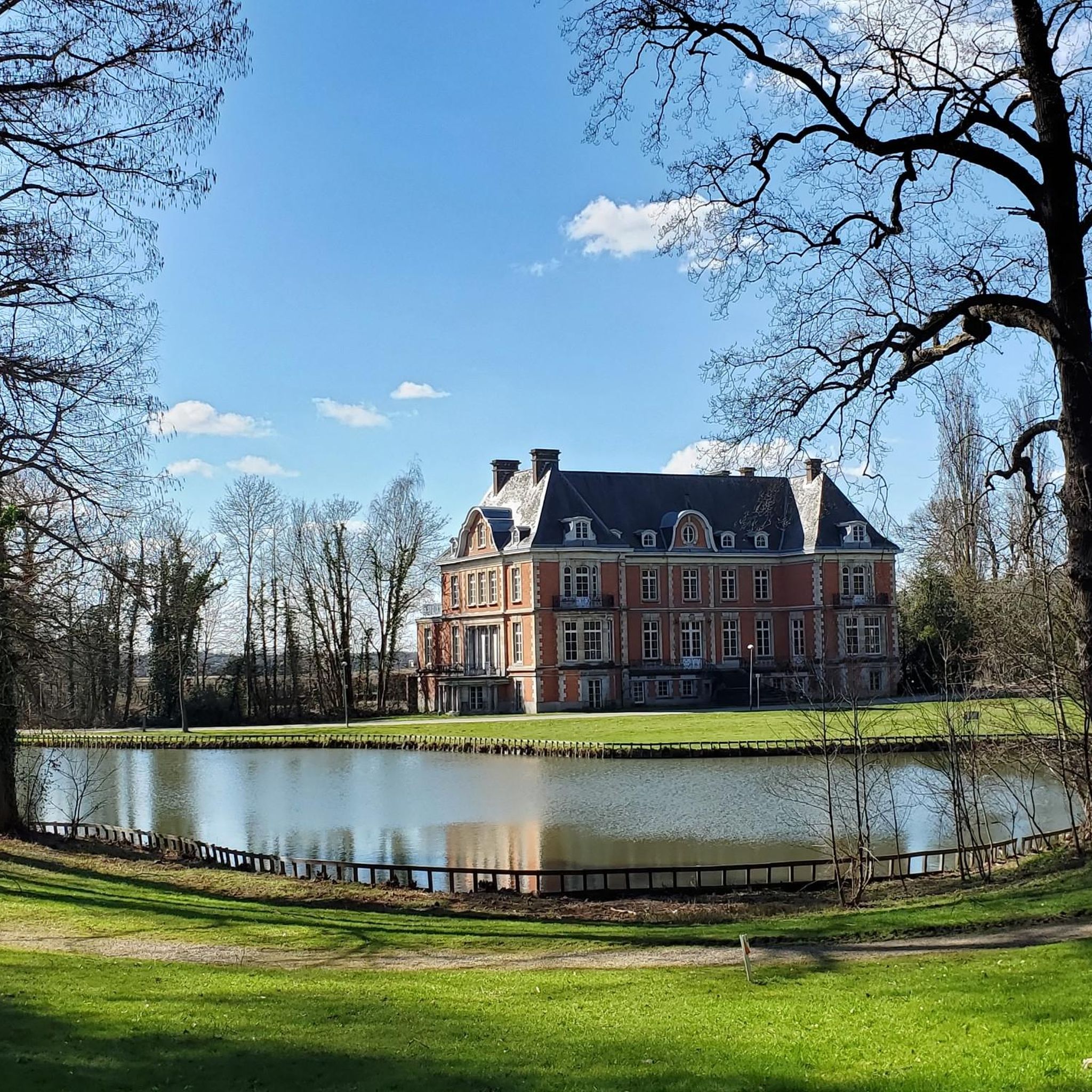
- The most popular natural monuments is Horst Castle, a castle situated between the Hagelands hills. It is a 13th-century moated castle surrounded by an impressive moat.
- Another must-see spot…
Last updated: October 13, 2026
Horst Castle
Highlight • Castle
Translated by Google •
Tip by

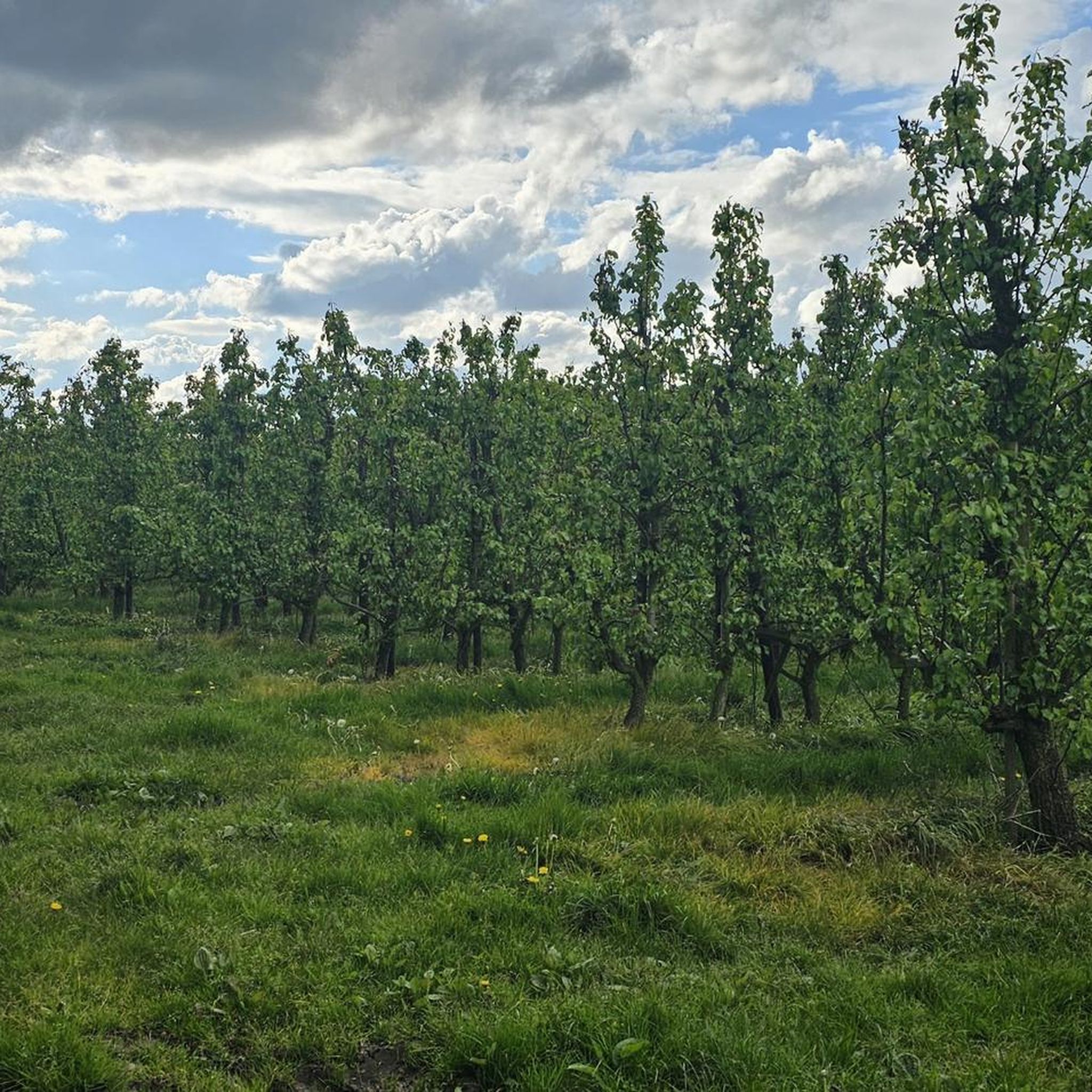
Vineyard on the Wijngaardberg
Highlight • Structure
Translated by Google •
Tip by

Sign up now to discover places like this
Get recommendations on the best single tracks, peaks, & plenty of other exciting outdoor places.
Chapel of Our Lady of Steenbergen and the Minnebron
Highlight • Religious Site
Translated by Google •
Tip by

Wijngaardberg Wine Wall
Highlight • Monument
Translated by Google •
Tip by

Meerdaal Forest and Heverlee Forest
Highlight • Forest
Translated by Google •
Tip by

Sign up for free to discover even more natural monuments around Lubbeek.
Already have an account?
Start today with a free account
Your next adventure awaits.
Tips from the Community

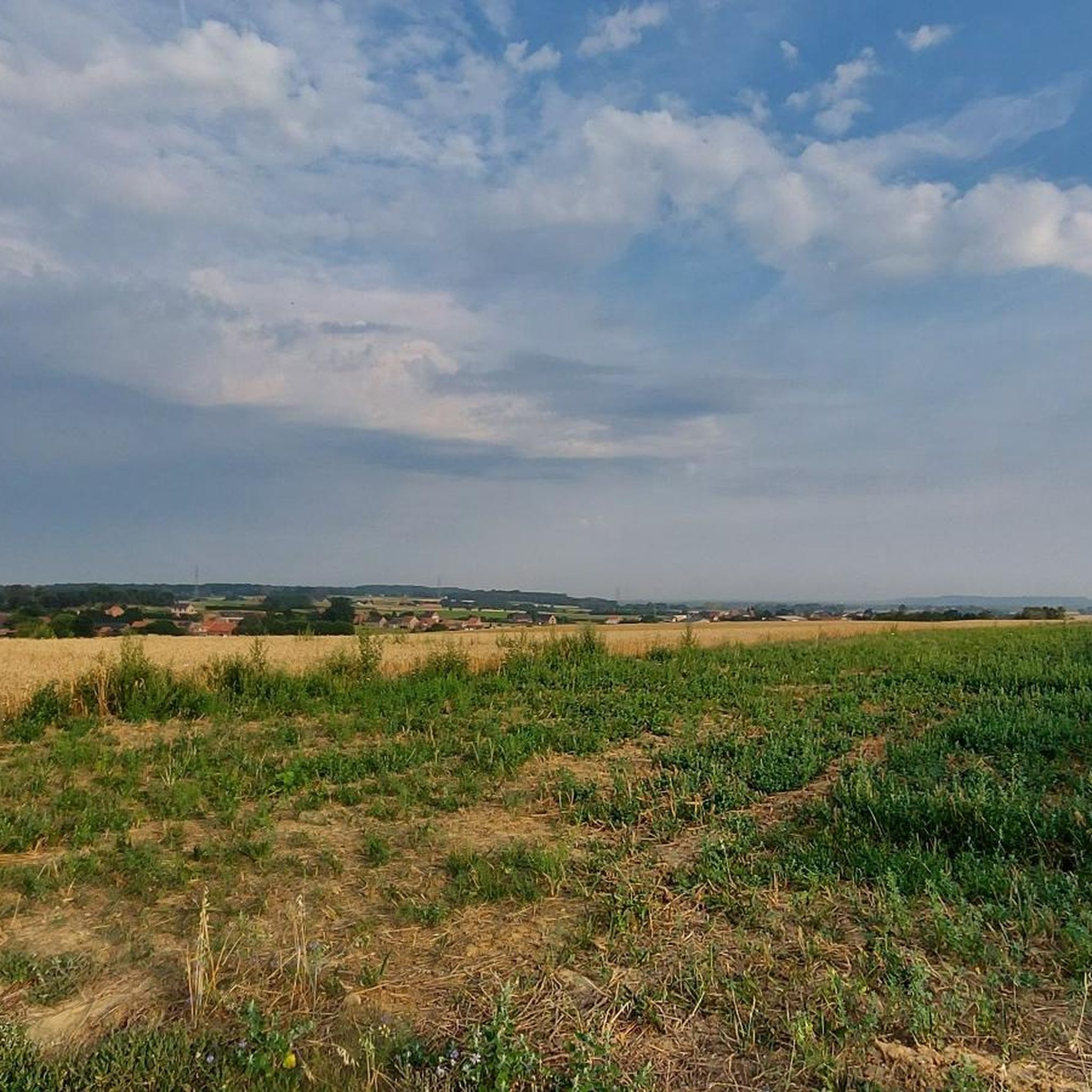
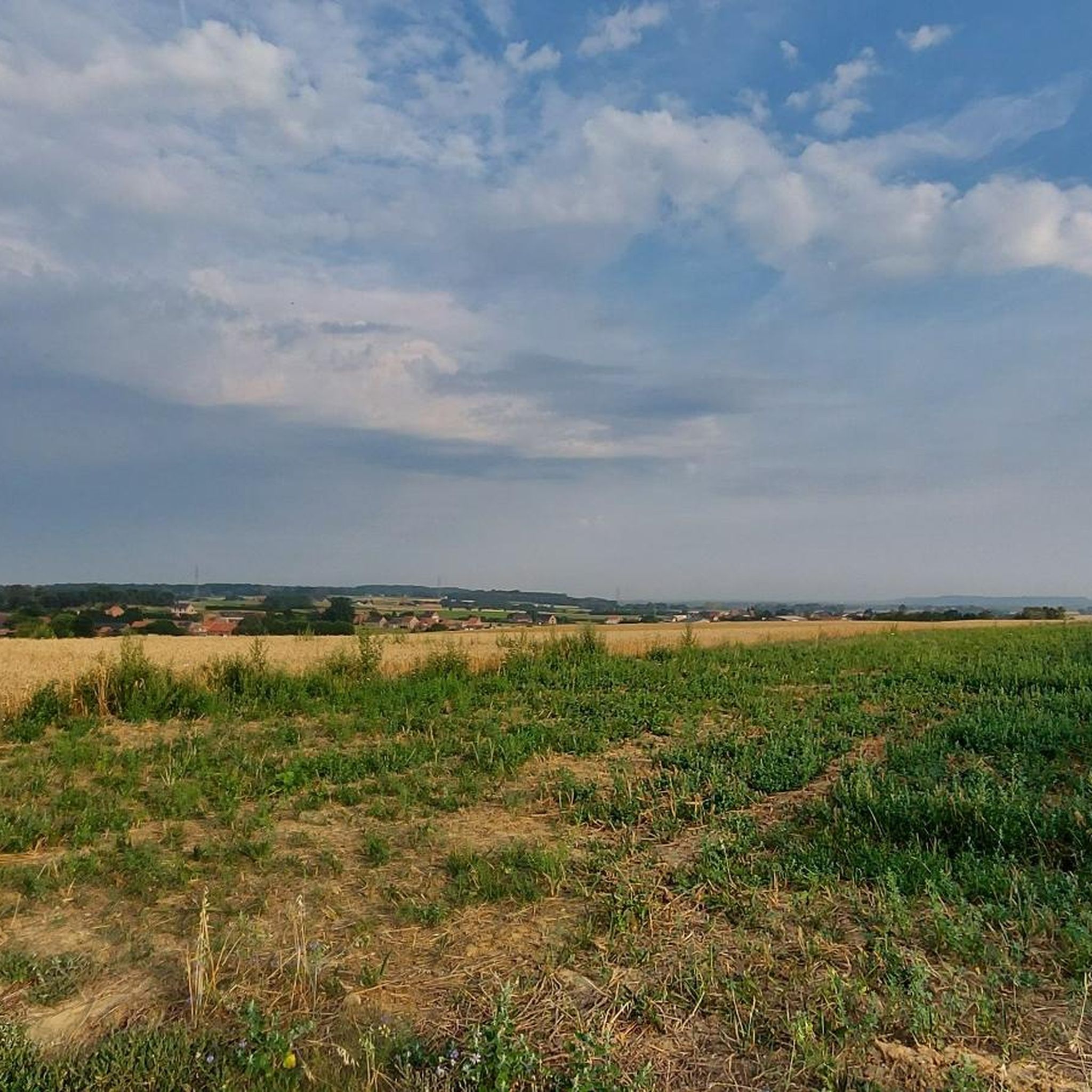
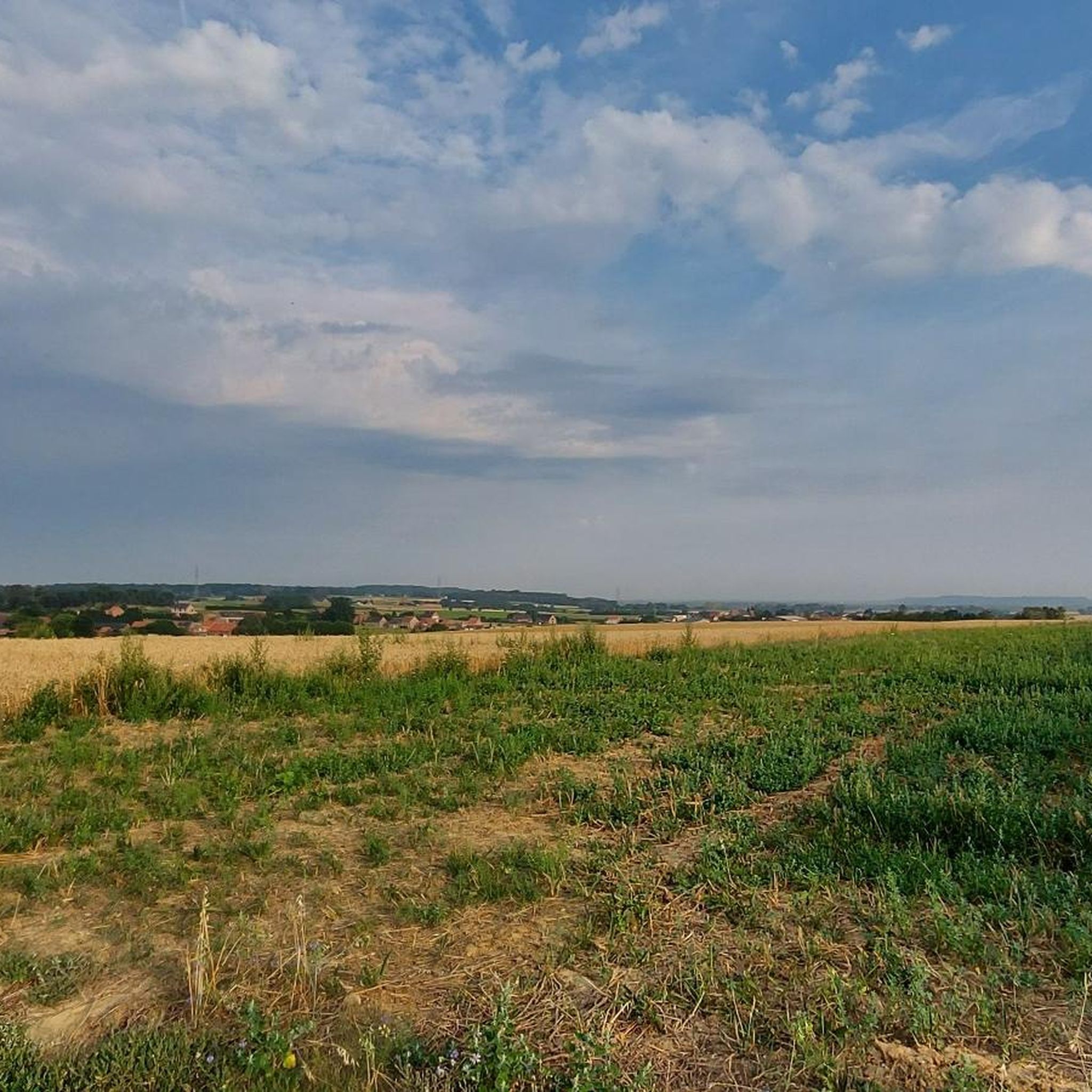
Blissful bike route in warm weather
0
0

Nearby is the spring where apparently very healthy water can be tapped.
1
0

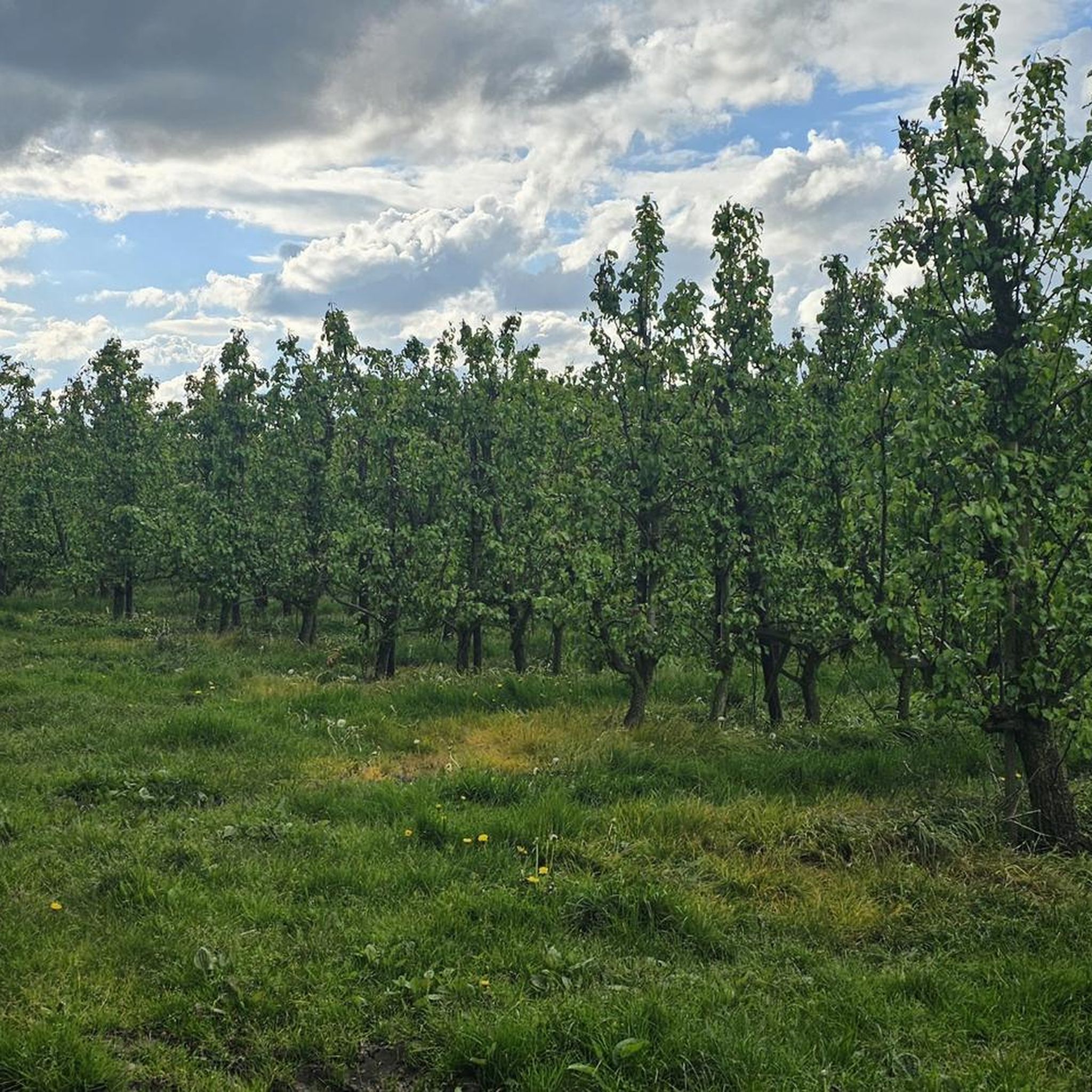
Very colorful in autumn...
4
0

The core of Horst Castle probably dates back to the 13th century and is characterised by a square keep. The keep probably belonged to the oldest core that was further expanded into a fortified castle in the 15th century. During the troubles under Maximilian of Austria in 1489, the castle of Horst was taken by the people of Leuven and set on fire. According to literary sources, only the keep, part of the entrance gate and a defensive wall remained standing. The residential and east wing were renovated and expanded in the 16th century. The round tower also dates from this period. The outer wall was provided with a rectangular bay window. The castle lost its military character and became more of a pleasant residential area with a view of the moat, the ponds and the inner courtyard. Brick construction with sandstone layers characterise these buildings. In 1587, however, the castle was set on fire again during the raids of the Geuzen. It was not until the beginning of the 17th century that restoration work began. It is difficult to deduce from the available sources to what extent this involved restoration or an embellishing conversion of the castle complex. Presumably nothing changed in the internal structure, but only after the structurally necessary repairs were the interiors completely refinished. Maria-Anna Van den Tympel had a new chapel built against the keep in the 17th century. At the beginning of the 19th century, the complex must have been damaged by plundering and neglect, and it is possible that it also suffered from plundering during the Brabant Revolution of 1830. Around 1850, the castle must have been habitable again, but the castle buildings only served as a farm. In the land registry, the site around the castle is called "De Notelaren Boomgaerd". Around that time, the most dilapidated part must have been demolished, namely the southern part and the superstructure of the gate. The rest of the complex was probably restored with reused demolition material and in traditional style. The castle was divided in 1880, with one part being registered as a school house. In 1897, a further division followed, with two plots being designated as houses. Several restoration campaigns followed in the 20th century. Inventory of Immovable Heritage: Horst Castle, https://id.erfgoed.net/erfgoedobjecten/43619
8
0
Since December, there has been a spire on the castle again after the unstable spire was removed more than four years ago and could be viewed on a wooden platform in the pond. Now it is back. And the other works are also progressing quickly. More about the replaced spire on https://www.vrt.be/vrtnws/nl/2024/12/10/torenspits-staat-weer-op-kasteel-van-horst-holsbeek/
8
0

In 1652, in the middle of the Meerdaalwoud, Lord van Steenbergen had a chapel built on the site where there had previously been a miraculous statue of Mary who cured people suffering from marsh fever.
3
0
For those who have traded in their horse for a steel steed. Information boards and such on site.
7
0

From Mollendaal up a treacherous cobblestone road that hurts the calves, but with a concrete gutter next to it. Continues to climb imperceptibly but steeply.
1
0
Frequently Asked Questions
What natural features can I explore around Lubbeek?
The natural monuments around Lubbeek offer a variety of landscapes. You can discover extensive forests like Meerdaal Forest and Heverlee Forest, which form the largest mixed deciduous forest in Flanders. There are also river valleys, such as the Molenbeek valley near De Spicht, and the confluence of the Demer and Dijle rivers at Confluence of the Demer and the Dijle. The region also features vineyards like the Vineyard on the Wijngaardberg, offering beautiful views.
Are there historical sites integrated with nature around Lubbeek?
Yes, several natural monuments in the area have historical significance. Horst Castle is a 13th-century moated castle set amidst the Hagelands hills, offering a picturesque blend of history and nature. You can also visit the Chapel of Our Lady of Steenbergen and the Minnebron, a historic chapel from 1652 located in the Meerdaalwoud, with the ancient Minnebron spring nearby.
What outdoor activities can I do near Lubbeek's natural monuments?
The natural monuments around Lubbeek are ideal for various outdoor activities. You can find numerous hiking trails, such as those in Meerdaal Forest or the Koebos Red Triangle Trail. For more options, explore the hiking guide for Lubbeek. There are also running trails, including routes around Linden, detailed in the running guide for Lubbeek. Mountain biking enthusiasts can find trails like the Dries and Valley Red Loop; check the MTB guide for Lubbeek for more routes.
Are there family-friendly natural monuments in the Lubbeek area?
Many natural monuments around Lubbeek are suitable for families. Meerdaal Forest and Heverlee Forest are family-friendly, offering extensive paths and the unique 'Path of Ad' with artistic tree sculptures. The Confluence of the Demer and the Dijle is also family-friendly, providing pleasant cycling and walking opportunities. Additionally, the Chapel of Our Lady of Steenbergen and the Minnebron is listed as family-friendly.
What is special about Meerdaal Forest and Heverlee Forest?
Together with Egenhoven Forest, Meerdaal Forest and Heverlee Forest form the largest mixed deciduous forest in Flanders, covering 2050 hectares. This area is known for its diverse plant life, including coltsfoot and wild strawberry, due to its sandy to loamy soil. It's also home to the oldest deer population in Flanders, making it a great spot for wildlife observation. A unique feature is the 'Path of Ad,' where visitors can discover mysterious and fairytale-like tree sculptures.
Can I find scenic viewpoints among the natural monuments?
Yes, the region offers several scenic viewpoints. The Vineyard on the Wijngaardberg provides beautiful views over the landscape, especially during blossom time. The area around Horst Castle also offers picturesque views of the moated castle and the surrounding Hagelands hills.
What makes De Spicht a unique natural reserve?
De Spicht is a unique nature reserve situated in the Molenbeek valley, surrounded by several castle domains. It features a medieval motte, blending natural beauty with historical elements. It's an ideal spot for peaceful walks along the Molenbeek, offering a tranquil experience.
When is the best time to visit the natural monuments around Lubbeek?
The natural monuments around Lubbeek can be enjoyed throughout the year. For vibrant flora, particularly the spring flowers, Koebos is especially worth visiting in spring. The Vineyard on the Wijngaardberg is also highly recommended during blossom time. However, forests like Meerdaal and Heverlee offer beauty and opportunities for wildlife spotting in every season.
Are there any natural monuments around Lubbeek that are accessible for wheelchairs?
Yes, some natural monuments offer wheelchair accessibility. The Chapel of Our Lady of Steenbergen and the Minnebron is listed as wheelchair accessible. While Horst Castle grounds are generally accessible, the castle itself may be difficult for wheelchair users.
What can I expect to see at Koebos?
Koebos, located between Bierbeek and Lubbeek, is an ancient oak forest renowned for its beautiful spring flora. The presence of mineral-rich seepage zones in the valley supports a remarkable variety of plants, making it a great place to observe unique plant life and experience an old-growth forest environment, particularly vibrant in spring.
What do visitors enjoy most about the natural monuments in Lubbeek?
Visitors frequently appreciate the tranquility and natural beauty of the area. Many enjoy the extensive network of paths for hiking and cycling, the chance to spot diverse wildlife, and the blend of nature with historical sites like Horst Castle. The artistic tree sculptures in Meerdaal Forest also add a whimsical element to the experience.
Are dogs allowed at the natural monuments?
Rules for dogs can vary by specific location. For instance, dogs are generally allowed on the castle grounds of Horst Castle, but not inside the castle itself. It's always advisable to check local signage or specific guidelines for each natural monument regarding dog access, especially if they need to be on a leash.
Most popular routes around Lubbeek
Most popular attractions around Lubbeek

Get inspired with the komoot mobile app


Explore more
Extend your search for the best caves by checking out these guides of the top ones around Lubbeek:
