The best road cycling routes around Lubbeek
4.7
(25)
892
riders
48
rides
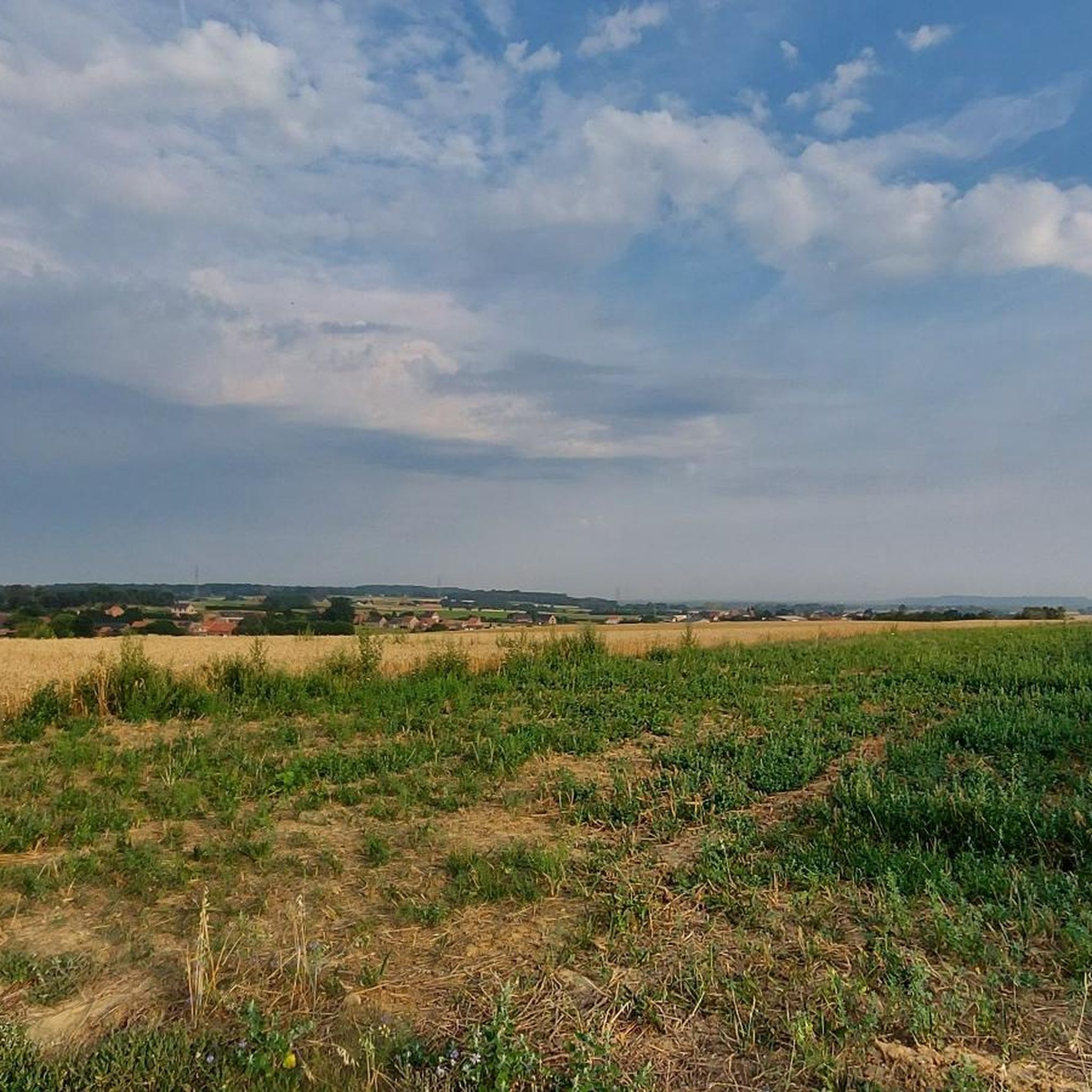
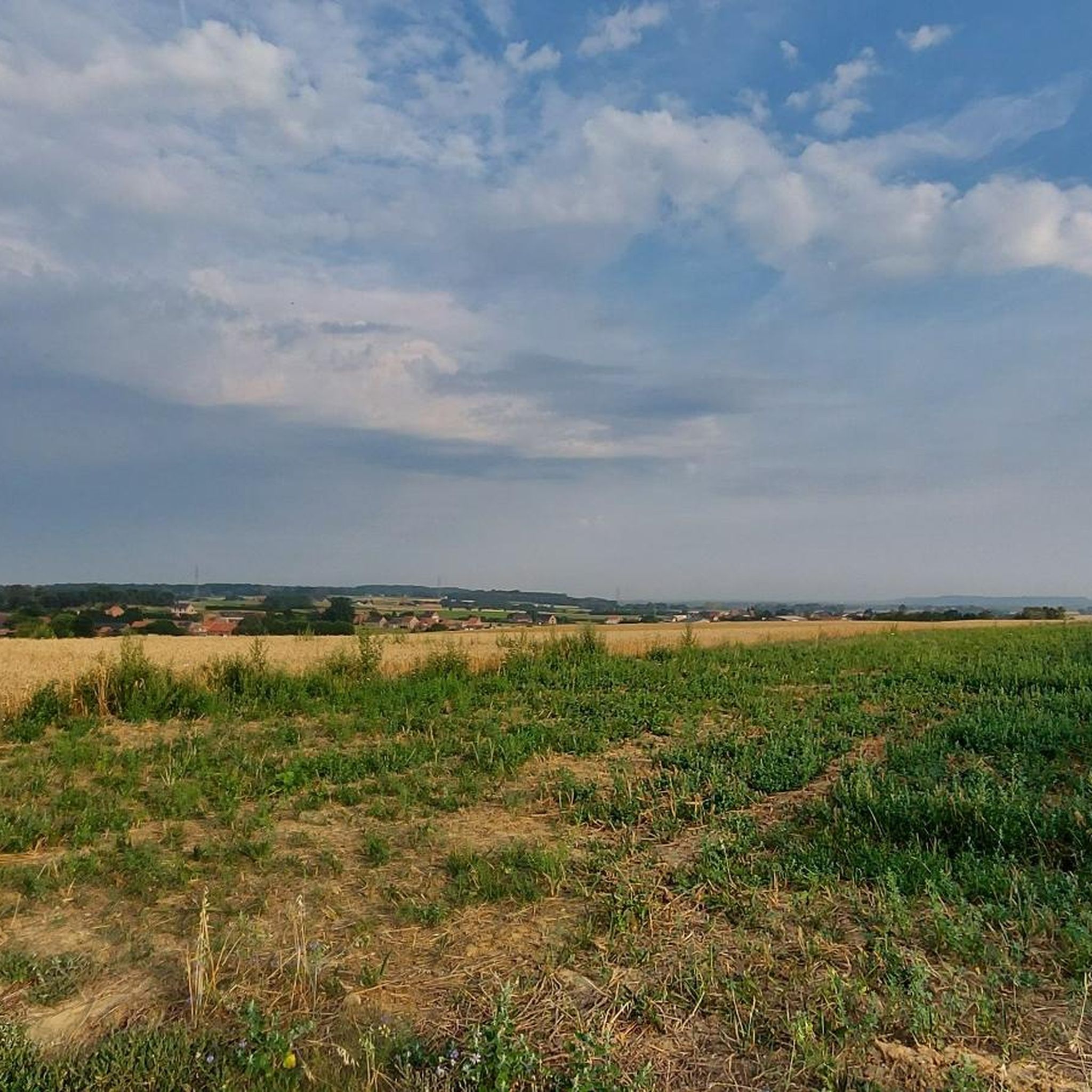
Road cycling routes around Lubbeek traverse the diverse landscapes of the Hageland hills in Flemish Brabant. The region features successive rows of hills, often covered with forests and vineyards, providing varied terrain for road cyclists. Specific natural features include Wijngaardberg with its vineyards and steep paths, Pellenberg Forest, and tranquil paths along the Demer River. This combination of hills, forests, and river valleys offers a dynamic backdrop for road cycling.
Best road cycling routes around Lubbeek
- The most popular road…
Last updated: October 18, 2026
5.0
(4)
146
riders
Moderate road ride. Good fitness required. Mostly well-paved surfaces and easy to ride.
4.7
(3)
88
riders
42.4km
02:08
300m
300m
Moderate road ride. Good fitness required. Mostly well-paved surfaces and easy to ride.

5.0
(1)
55
riders
46.9km
02:04
220m
220m
Moderate road ride. Good fitness required. Mostly well-paved surfaces and easy to ride.
4.5
(4)
59
riders
28.3km
01:15
70m
70m
Easy road ride. Great for any fitness level. Mostly well-paved surfaces and easy to ride.
50
riders
Moderate road ride. Good fitness required. Some segments of this route may be unpaved and difficult to ride.
Get access to more routes and recommendations from other explorers.
Already have an account?
Our route recommendations are based on thousands of hikes, rides, and runs completed by other people on komoot.
Start today with a free account
Your next adventure awaits.
Tips from the Community

right next to a vineyard, Flanders is also suitable for viticulture, although with a steep climb
0
0

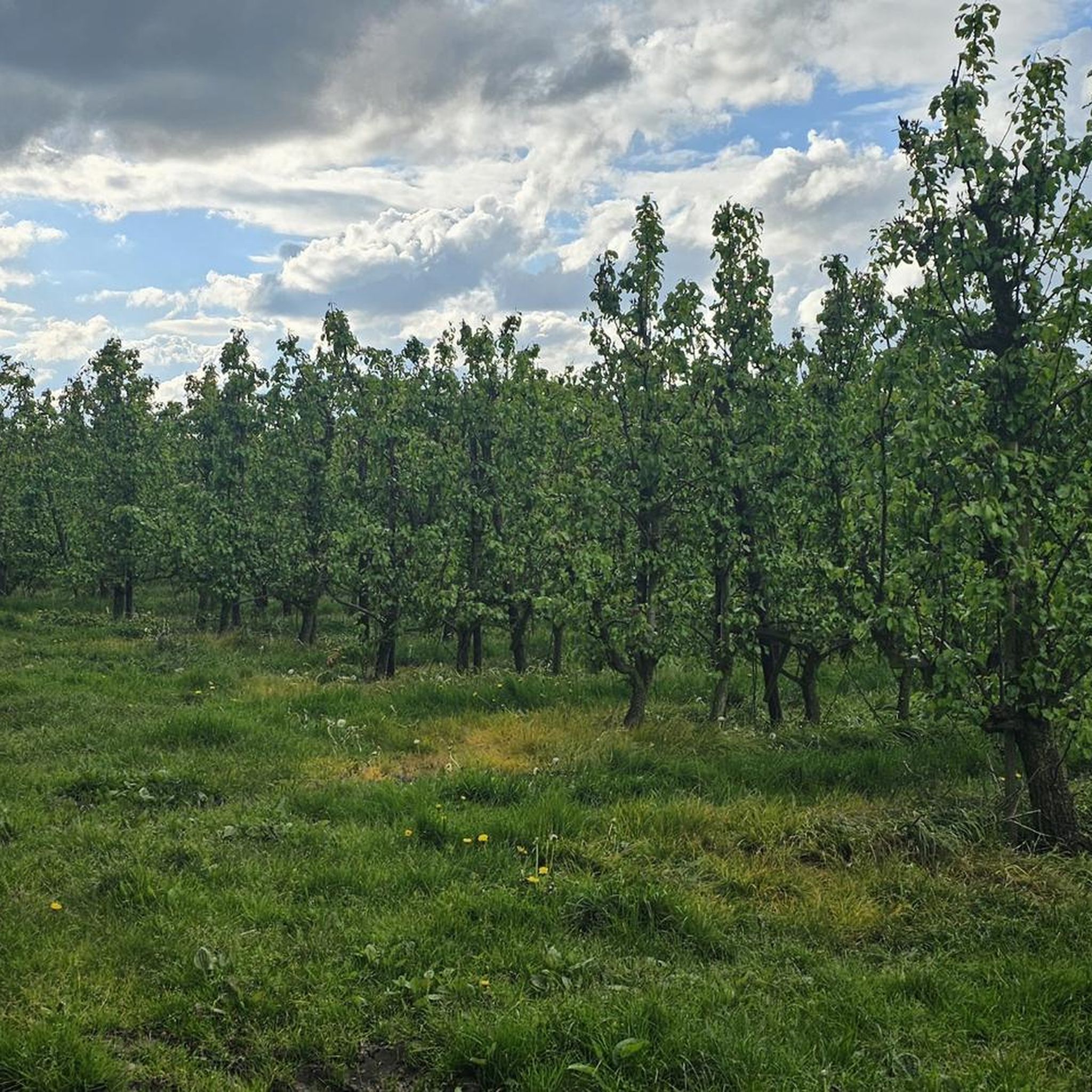
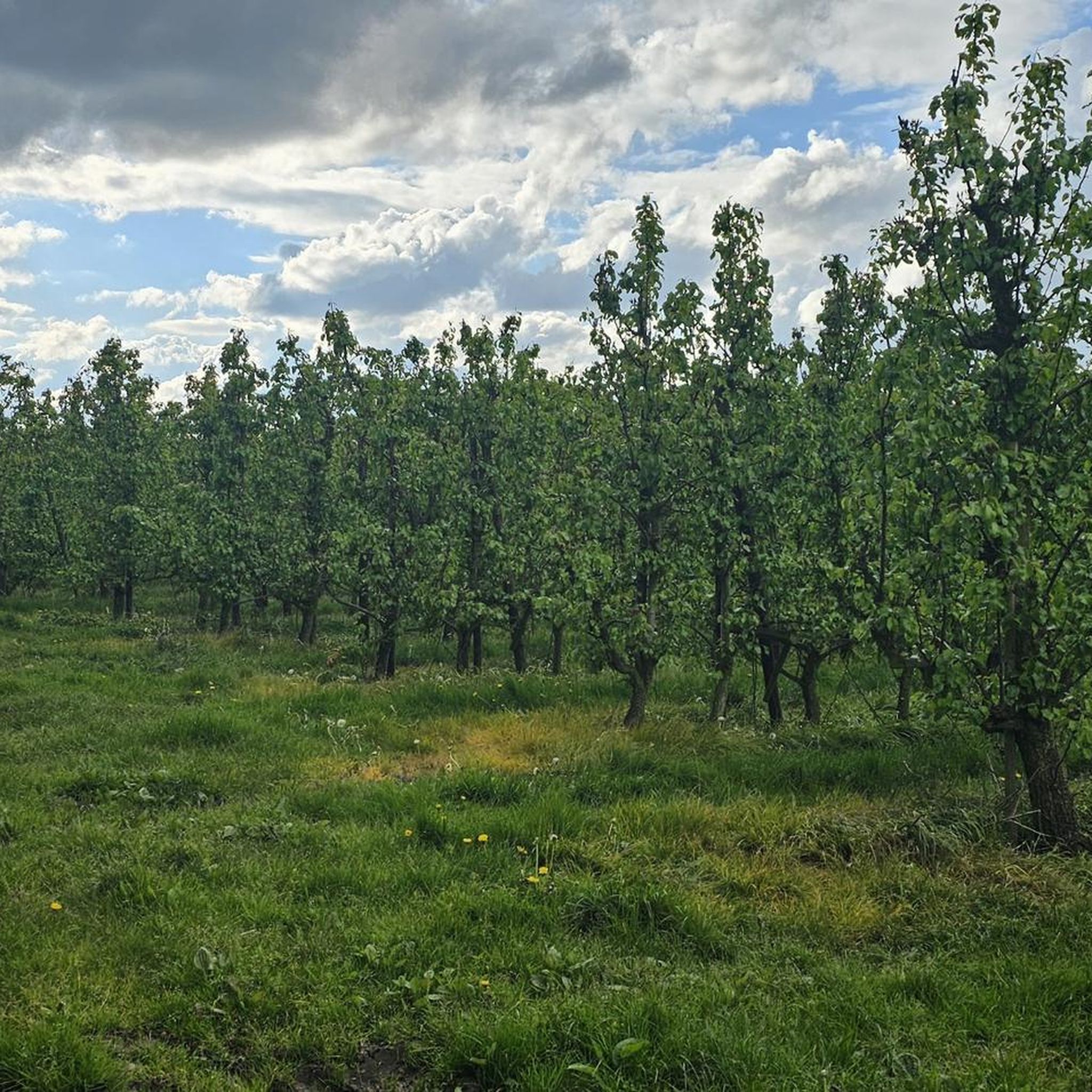
Little climb to the fruit trees...
4
0
A passage in Wijgmaal along the Vaart...
5
0
With the Moedermolen at your back...
3
0
Nice tree-lined avenue with gravel...
4
0
Frequently Asked Questions
How many road cycling routes are available around Lubbeek?
Lubbeek offers a wide variety of road cycling routes, with over 200 routes available in the broader area. Specifically, komoot lists 49 road cycling routes, catering to various skill levels.
What is the typical terrain and difficulty for road cycling in Lubbeek?
Road cycling in Lubbeek is characterized by the picturesque Hageland hills, offering a dynamic mix of challenging climbs and descents, alongside flatter sections through river valleys and orchards. The region provides options for all abilities, with 21 easy and 28 moderate routes. You won't find any routes classified as difficult in the immediate area, making it accessible for many riders.
What are some notable natural features or viewpoints I can expect to see along the routes?
The routes in Lubbeek showcase diverse natural beauty. You can cycle through the vineyards and steep paths of Wijngaardberg, enjoy the tranquility of Pellenberg Forest, or follow the serene paths along the Demer River. Many routes offer scenic views of the Hageland hills and the surrounding countryside.
Are there any historical landmarks or attractions to explore while road cycling in Lubbeek?
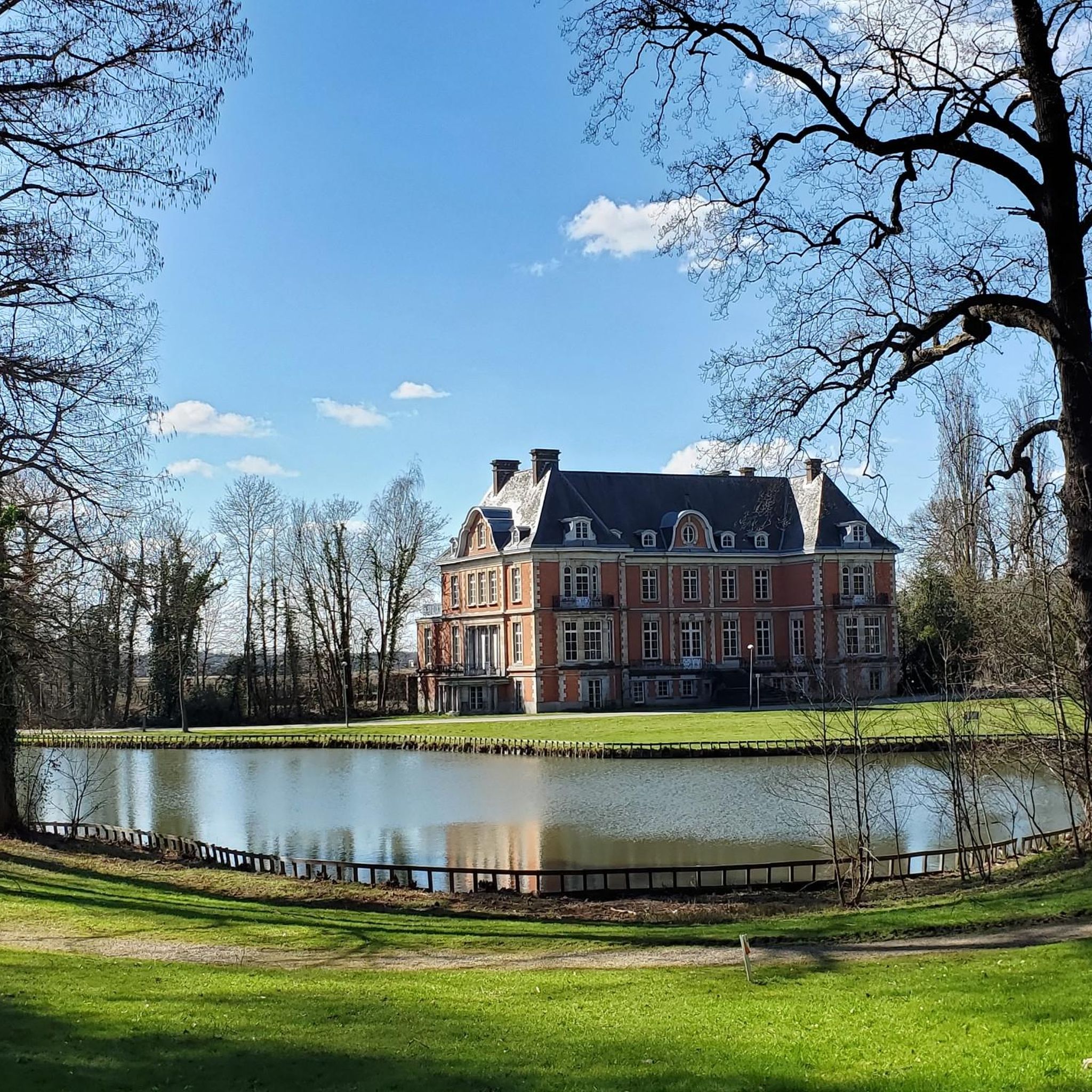
Yes, Lubbeek and its surroundings are rich in historical and cultural attractions. You can cycle past the idyllic 13th-century Horst Castle, a beautiful moated castle nestled in the Hageland hills. Other points of interest include the Vineyard on the Wijngaardberg and various historical churches and chapels mentioned in the region's heritage.
What is the best time of year for road cycling in Lubbeek?
The best time for road cycling in Lubbeek is generally during April and May. During these months, the weather is favorable, and the natural surroundings are in full bloom, offering particularly scenic rides through orchards and vineyards.
Are there any family-friendly road cycling routes in Lubbeek?
While many routes in Lubbeek feature the rolling Hageland hills, there are 21 routes classified as easy, which could be suitable for families or those seeking a less strenuous ride. These often include flatter sections along river valleys or through less hilly terrain, such as parts of the Demer River valley.
Where can I find parking for road cycling routes in Lubbeek?
Specific parking information varies by route starting point. However, as Lubbeek is well-integrated into the Flemish Brabant cycling network, many routes start from easily accessible points within the municipality or nearby towns where public parking facilities are typically available. It's advisable to check the specific route details on komoot for recommended starting points and parking options.
Can I reach road cycling routes in Lubbeek using public transport?
Lubbeek is part of the well-developed Flemish Brabant region, which generally has good public transport connections. While direct access to every route start point by public transport might vary, major towns and centers in the region are well-served by buses, and Leuven, a significant hub, is nearby. Cyclists can often combine public transport with a short ride to reach their desired starting location.
What do other road cyclists think about the routes in Lubbeek?
The road cycling routes in Lubbeek are highly regarded by the komoot community, with an average rating of 4.6 stars from over 10 reviews. More than 800 road cyclists have used komoot to explore the area, often praising the varied terrain, scenic landscapes, and well-maintained paths.
Are there any loop routes for road cycling in Lubbeek?
Yes, many of the road cycling routes in Lubbeek are designed as loops, allowing you to start and end at the same point. For example, the Climb toward Pellenberg – Sint-Agatha-Rode Church loop from Flemish Brabant and the Horst Castle – Wijngaardstraat loop from Lubbeek are popular circular options.
Where can I find cafes or pubs along the road cycling routes in Lubbeek?
The region around Lubbeek, being a popular cycling destination, offers various opportunities to stop for refreshments. While specific cafes or pubs are not listed for every route, many routes pass through or near villages and towns where you can find local establishments. The presence of vineyards also suggests potential for local stops. It's a good idea to check your komoot route map for points of interest along your chosen path.
Most popular attractions around Lubbeek

Get inspired with the komoot mobile app


Explore more
Browse the best Road cycling routes in other regions.
