The best gravel rides in Dresdner Elbtalhänge
4.3
(316)
1,681
riders
89
rides
Gravel biking in Dresdner Elbtalhänge offers a diverse landscape for exploration, characterized by the Elbe River valley, the expansive Dresden Heath, and numerous deeply incised valleys known as "Gründe." The region features a mix of forest paths, open landscapes, and riverside routes, with varied topography including gentle slopes and more challenging climbs towards areas like the Schönfelder Hochland. These natural features provide a range of terrain suitable for different gravel biking experiences.
Best gravel bike trails in Dresdner Elbtalhänge
- The…
Last updated: July 3, 2026
3
riders
Easy gravel ride. Great for any fitness level. Mostly paved surfaces. Suitable for all skill levels.
4.4
(42)
210
riders
34.9km
01:52
280m
280m
Moderate gravel ride. Good fitness required. Mostly paved surfaces. Suitable for all skill levels.

Sign up for free
4
riders
25.7km
01:34
170m
170m
Moderate gravel ride. Good fitness required. Mostly paved surfaces. Suitable for all skill levels.
3.6
(5)
11
riders
21.3km
01:09
180m
180m
Moderate gravel ride. Good fitness required. Mostly paved surfaces. Suitable for all skill levels.
6
riders
Hard gravel ride. Very good fitness required. Mostly paved surfaces. Suitable for all skill levels.
Get access to more routes and recommendations from other explorers.
Sign up for free
Already have an account?
Our route recommendations are based on thousands of hikes, rides, and runs completed by other people on komoot.
Start today with a free account
Your next adventure awaits.
Login or Signup
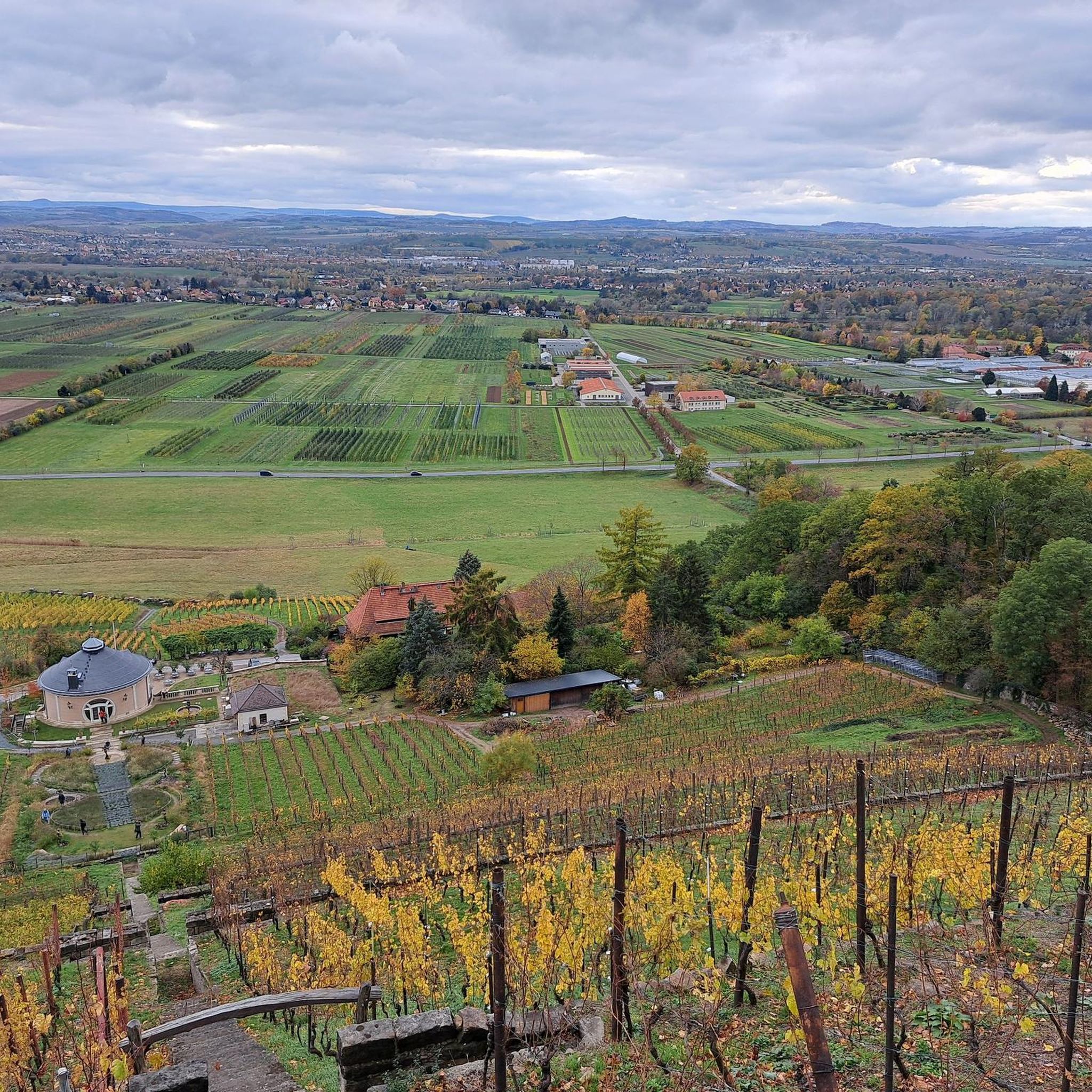
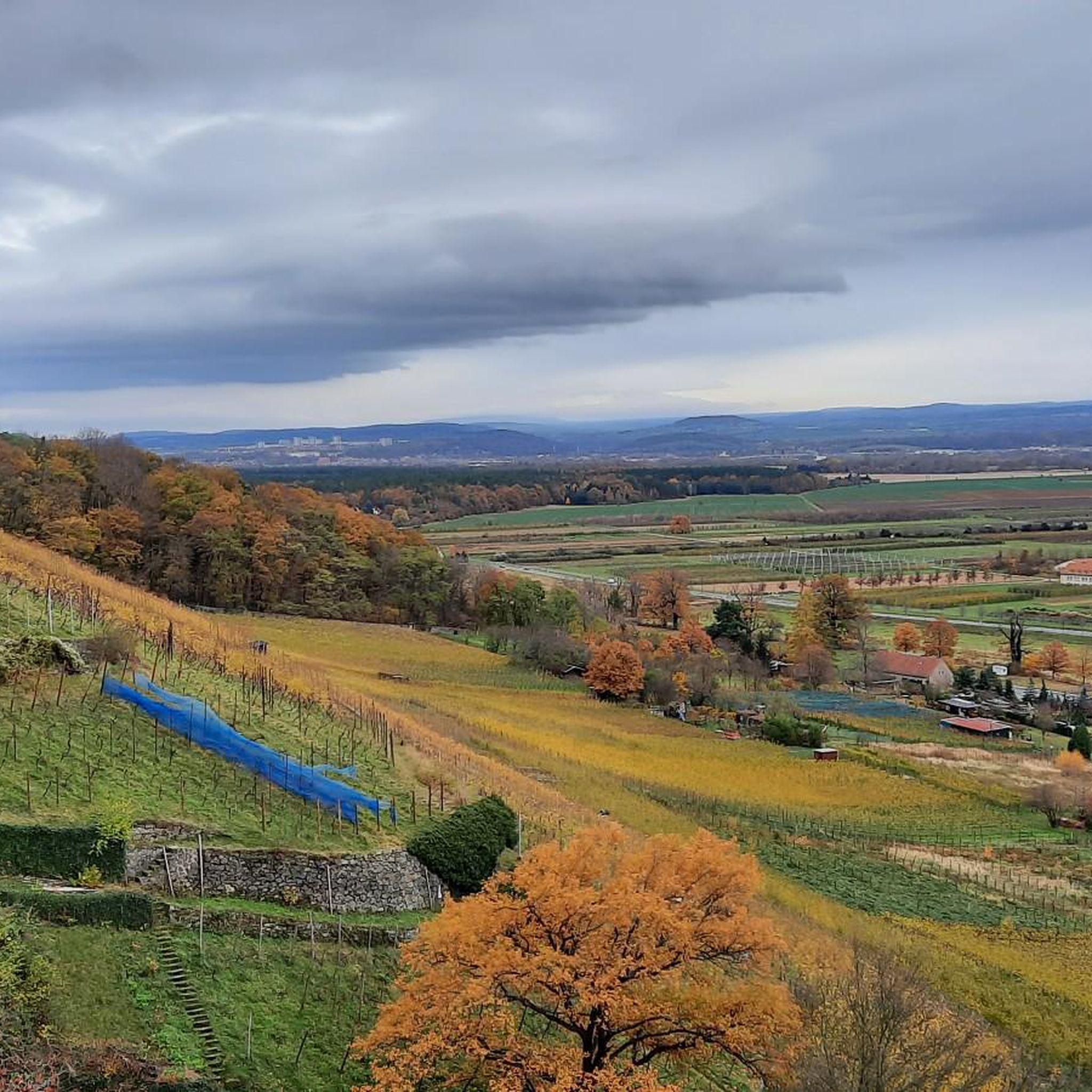
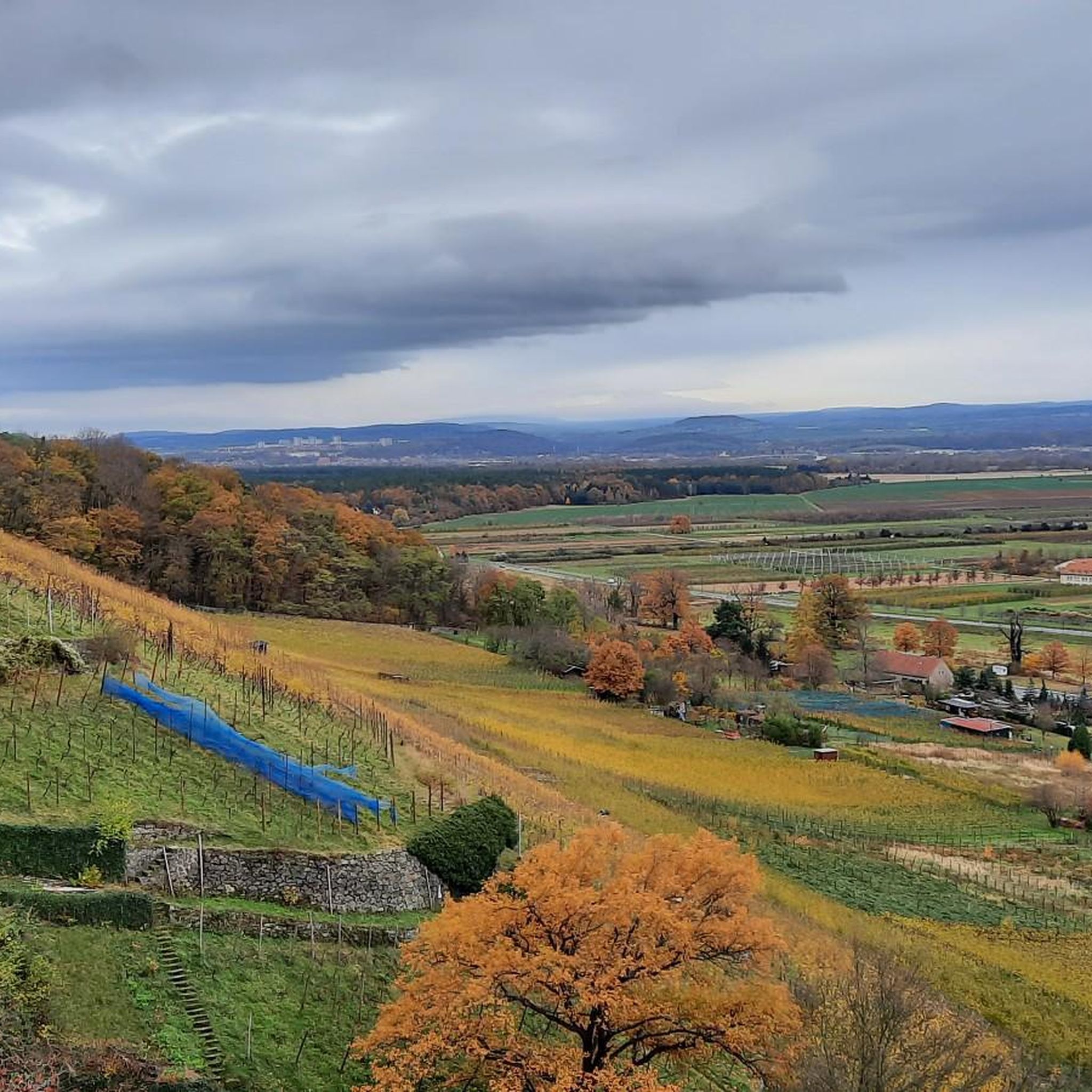
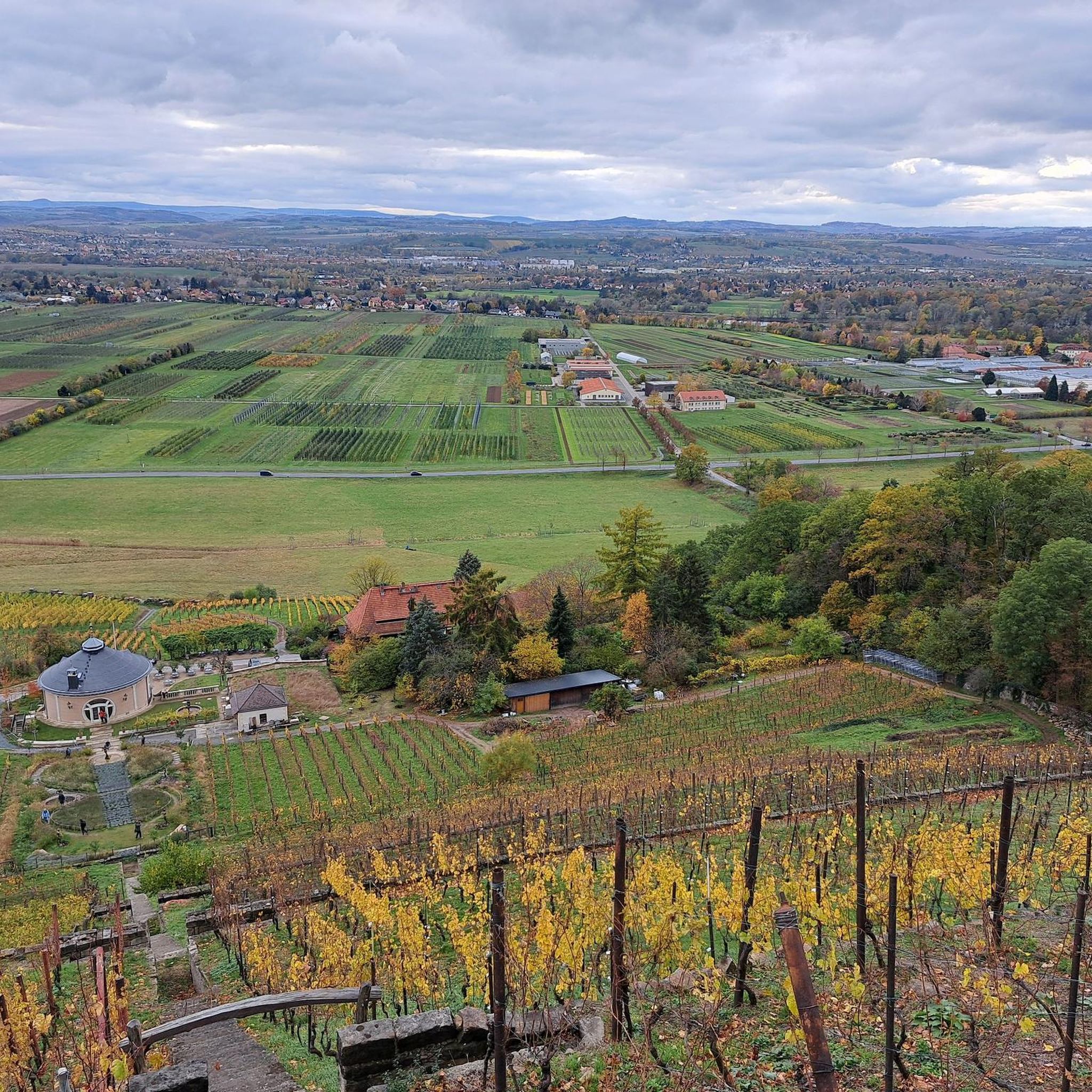
Tips from the Community

Nice tree-lined path for riding fast 🚴💨
0
0

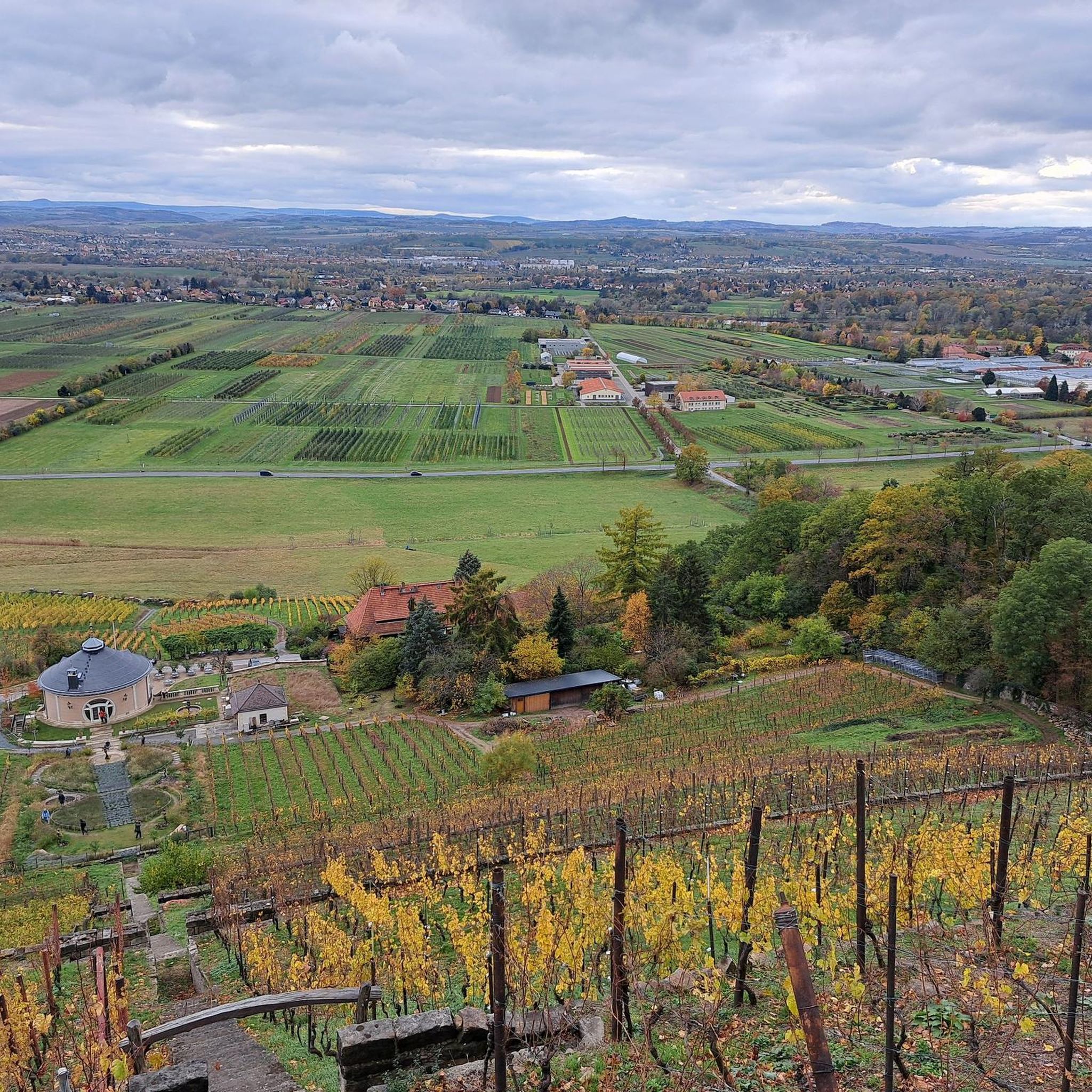
Simply a great view of the surroundings, from the highest mountain of the former Freital district.
0
0

It's simply breathtakingly beautiful here 😊.
0
0
It's simply breathtakingly beautiful here 😊.
0
1


Unfortunately, I didn't have time to stop.
0
0

The **Dresden Heath** is a large forest area in the northeast of Dresden and is one of the most important urban recreational and natural areas in Saxony. With an area of approximately **6,000 hectares**, it is one of the largest contiguous forest areas in Germany directly adjacent to a major city. ### Characteristics of the Dresden Heath: - **Location**: It is located in the northeast of the city of Dresden and extends from the Elbe River near Loschwitz to Radeberg. Neighboring districts include Bühlau, Weißer Hirsch, Klotzsche, and Langebrück. - **Natural area**: The heath is a mixed forest area with pines, beeches, oaks, and spruces, as well as numerous wetlands, streams (such as the Prießnitzbach), and moors. It is a habitat for many protected animal and plant species. - **History**: - The heath was already used as an electoral hunting ground in the Middle Ages. - In the 18th and 19th centuries, it increasingly served forestry purposes. - Today, it is a nature reserve and is part of the "Dresden Heath" nature reserve. - **Leisure and Recreation**: - The heath is a popular destination for hikers, cyclists, and runners. There is a dense network of marked trails, including the famous **Heidebogen**. - Historic rest areas, such as the **Luisenstein** or the **King Albert Obelisk**, as well as romantic sites such as the **Reservoir in the Prießnitzgrund**, make the area attractive. - **Cultural Significance**: - The Dresden Heath is not only a natural area, but also played a role in Saxon art and literature. Romantic poets and artists found inspiration here. In short: The Dresden Heath uniquely combines nature, history, and recreation right on the edge of a big city – a true gem for nature lovers and those seeking peace and quiet.
2
0
Frequently Asked Questions
How many gravel bike trails are available in Dresdner Elbtalhänge?
There are nearly 100 gravel bike routes in the Dresdner Elbtalhänge region. These range from easy, flat riverside paths to more challenging trails with significant elevation gain through the Dresden Heath and Schönfelder Hochland. You'll find 16 easy, 40 moderate, and 39 difficult routes to explore.
What kind of terrain can I expect on gravel bike trails in Dresdner Elbtalhänge?
The region offers a diverse mix of terrain, ideal for gravel biking. You'll encounter forest paths through the Dresden Heath and Tharandt Forest, open landscapes, riverside routes along the Elbe, and trails winding through vineyards on terraced slopes. The deeply incised 'Gründe' (valleys) like the Keppgrund and Prießnitzgrund provide varied conditions, from dry, warm slopes to cool, humid ravines.
Are there any easy gravel bike routes suitable for beginners or families?
Yes, there are several easy routes perfect for beginners or family outings. For a gentle introduction, consider the Natural lake – Kiesgrube Pratzschwitz loop from Pillnitz, which is relatively flat and covers about 14 km. These routes often stick to the Elbe banks or less strenuous forest paths.
What are the best times of year for gravel biking in Dresdner Elbtalhänge?
Spring, summer, and autumn are generally excellent for gravel biking in Dresdner Elbtalhänge. Spring brings blooming landscapes, while summer offers warm weather for riverside rides. Autumn provides stunning foliage, especially in the forested areas. Even mild winter days can be suitable, though some paths in the 'Gründe' might be damp or muddy, and higher elevations could see snow.
What can I see along the gravel bike trails in Dresdner Elbtalhänge?
The trails offer a wealth of natural and cultural sights. You can pass by historic mills like Meix Mill, explore the wild romanticism of the Friedrichsgrund Valley and Stone Bridges, or enjoy panoramic views from spots like View from Rysselkuppe. Many routes also offer glimpses of the Elbe Castles and the picturesque Pillnitz Palace.
Are there any challenging gravel bike routes for experienced riders?
Absolutely. For experienced riders seeking a challenge, routes venturing into the Schönfelder Hochland or through the deeper 'Gründe' offer significant elevation gains. A demanding option is the View of the East Saxon Hills – View of the Poisenbach Valley loop from Dresden-Niedersedlitz, which covers over 40 km with nearly 600 meters of ascent.
What do other gravel bikers enjoy most about riding in Dresdner Elbtalhänge?
The komoot community highly rates the Dresdner Elbtalhänge for gravel biking, with an average score of 4.2 out of 5 stars from over 240 reviews. Riders often praise the seamless blend of urban accessibility with wild nature, the diverse landscapes from river meadows to dense forests, and the variety of trails that cater to all skill levels. The scenic viewpoints and historic landmarks are also frequently highlighted.
Are there any loop routes available for gravel biking?
Yes, many of the gravel bike routes in Dresdner Elbtalhänge are designed as loops, allowing you to start and end at the same point. Examples include the Dresden Heath – Schönfelder Hochland Cycle Path loop from Laubegast or the Prießnitzgrund Stone Bridge – Dresden Heath loop from Weißig, offering convenient circular tours through varied scenery.
How does gravel biking in Dresdner Elbtalhänge compare to Saxon Switzerland?
While both regions offer fantastic outdoor experiences, Dresdner Elbtalhänge provides a more accessible blend of urban and natural environments, with a diverse mix of forest paths, riverside routes, and vineyard trails. Saxon Switzerland, known for its dramatic sandstone formations, typically features more rugged and challenging terrain with steeper climbs and descents, often better suited for mountain biking or very robust gravel setups. The Elbtalhänge offers a gentler introduction to varied terrain while still providing challenging options.
Are there routes that pass by vineyards or offer views of them?
Yes, the terraced slopes along the Elbe River are still actively used for viticulture, and some gravel routes pass directly through or offer picturesque views of these vineyards. Look for routes in the vicinity of Pillnitz, where you can enjoy sights like the Leitenweg Panorama and the Pillnitz Vineyards, adding a unique cultural element to your ride.
Can I find less crowded gravel bike trails in the region?
While popular areas like the Elbe banks can see more activity, the extensive network of trails, especially deeper within the Dresden Heath or the less-traveled 'Gründe' like the Keppgrund, often provides quieter riding experiences. Exploring routes further from central Dresden or during off-peak hours can help you find more solitude.
Most popular routes in Dresdner Elbtalhänge
Most popular attractions in Dresdner Elbtalhänge

Get inspired with the komoot mobile app


Explore more
Browse the best Gravel rides in other regions.
