The best road cycling routes in Dresdner Elbtalhänge
4.6
(3250)
51,770
riders
522
rides
Road cycling in Dresdner Elbtalhänge is characterized by varied terrain, featuring steep, south-facing slopes alongside the Elbe River. The region encompasses a cultural landscape with gorges and grounds extending into the Schönfelder Hochland. The Elbe Cycle Path offers flatter routes along the river, while the "Hänge" provide more challenging ascents and descents. This area's unique microclimate, historically supporting viticulture, contributes to its distinct natural features.
Best road cycling routes in Dresdner Elbtalhänge
- The most popular road cycling route is Hosterwitz…
Last updated: July 15, 2026
14
riders
Moderate road ride. Great for any fitness level. Some segments of this route may be unpaved and difficult to ride.
11
riders
13.4km
00:32
40m
40m
Easy road ride. Great for any fitness level. Mostly well-paved surfaces and easy to ride.

Sign up for free
12
riders
28.2km
01:31
380m
380m
Moderate road ride. Good fitness required. Some segments of this route may be unpaved and difficult to ride.
4.7
(26)
250
riders
30.9km
01:22
300m
300m
Moderate road ride. Great for any fitness level. Some segments of this route may be unpaved and difficult to ride.
4.0
(1)
24
riders
20.0km
00:53
190m
190m
Moderate road ride. Great for any fitness level. Some segments of this route may be unpaved and difficult to ride.
Get access to more routes and recommendations from other explorers.
Sign up for free
Already have an account?
Our route recommendations are based on thousands of hikes, rides, and runs completed by other people on komoot.
Start today with a free account
Your next adventure awaits.
Login or Signup
Tips from the Community

Keppschloss Castle in the Hosterwitz district of Dresden. Information: A significant part of Dresden's cultural heritage, a living testament to the city's history, and an example of its rich architecture. Built in the 17th century, it has had several owners and uses over the years.
1
0

Ideal for a short break
0
0

Information about the castle: https://www.dresdner-stadtteile.de/Nordost/Hosterwitz/Keppschloss/keppschloss.html
0
1


The over 450-year-old pedunculate oak is older than the castle park itself. It already existed as a pasture tree when Christoph von Loß acquired the Graupa estate and gave the castle its current basic shape. Its circumference at breast height is 7.30 m. Its stability exceeds the mechanically required minimum by 30 times. As a solitary tree, it has a root system that extends far beyond the crown. The branches that reach to the ground can only develop in trees of this age in open spaces. In Central Europe, the pedunculate oak and the sessile oak are the most widespread oak species. The tree is in the stagnant phase - growth and regeneration The pedunculate oak has short leaves of approximately 0.5 cm, its acorns sit singly or two on a long stem. The tree is in the stagnant phase - growth and regeneration are already limited. The pedunculate oak has approximately 150 leaves. The grapes: years until the decay phase, which can take another 300 years. The oak is more likely to thrive in drier locations. It is recognizable by its 1 to 3 cm long stalked leaves and its grape-like fruits with short stems. The oak, along with the linden tree, is considered the typical German tree. The symbol of the oak branch was therefore also chosen as the motif for the German 1-, 2-, and 5-cent coins.
0
1

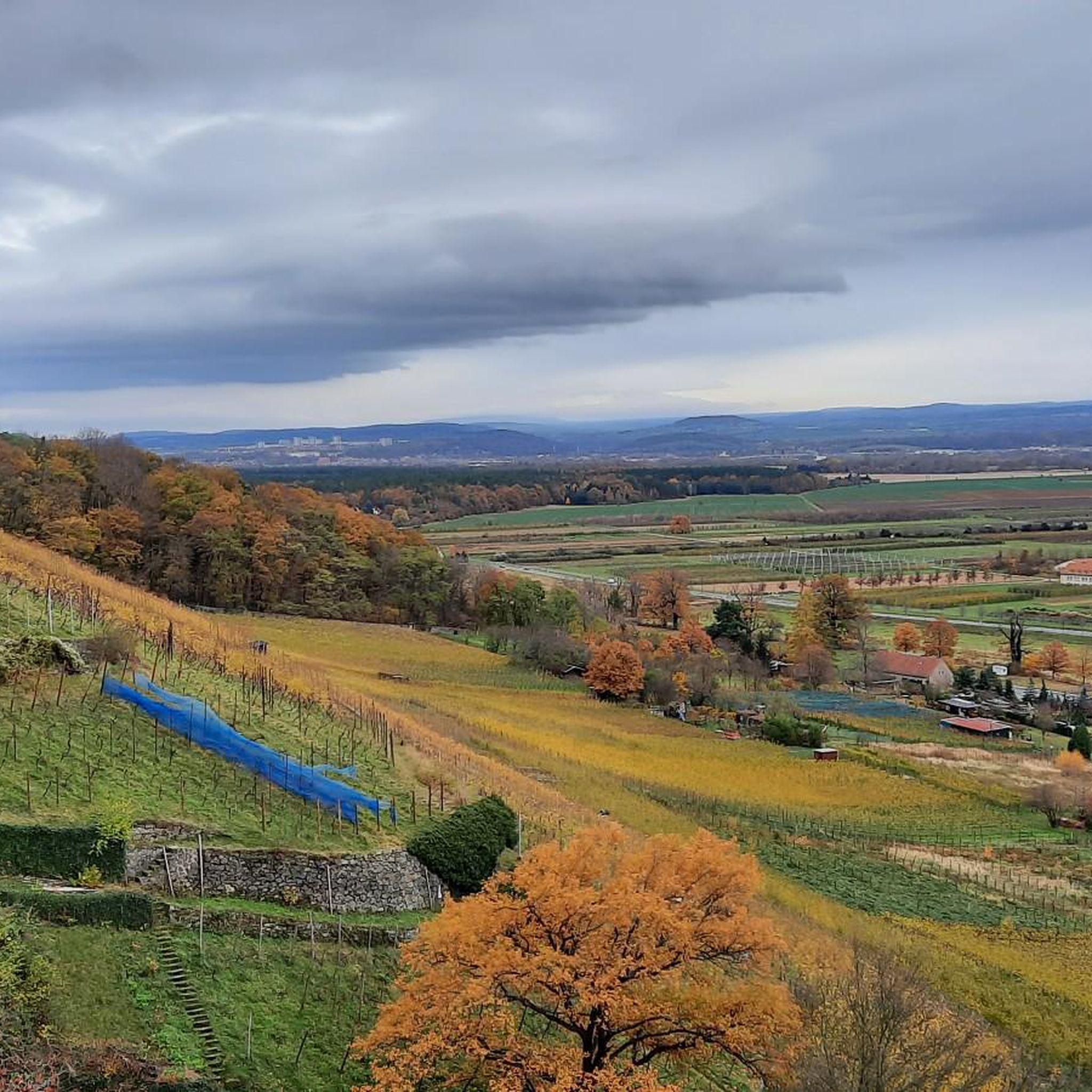
The Schönfeld Uplands are a hilly landscape southeast of Dresden, characterized by its diverse natural beauty and rich history. It is part of the Elbe Sandstone Mountains and offers a variety of opportunities for outdoor activities. **Landscape:** The uplands are characterized by rolling hills, expansive forests, fields, and small villages. The landscape is very diverse and offers both sweeping views and idyllic, hidden corners. The gentle hills and valleys, crisscrossed by streams, are typical. The soils are mostly sandy-loamy and nutrient-poor, which is reflected in the vegetation. **Flora and Fauna:** The forests of the Schönfeld Uplands consist mainly of pines, but beech, oak, and other deciduous trees are also present. The diverse flora includes many rare plant species. The fauna is also diverse and includes numerous species of birds, mammals, insects, and reptiles. **History and Culture:** The Schönfeld Highlands were settled early on. The villages and communities in the Highlands have a long history and tradition. The region is characterized by agriculture and forestry. There are many historic buildings, churches, and estates to discover. **Activities:** The Schönfeld Highlands are a popular destination for hikers and cyclists. There are numerous well-marked hiking and cycling trails that lead through the diverse landscape. Horseback riders will also find beautiful trails here. The view of Dresden and the surrounding area from the Highlands is particularly impressive. **Conclusion:** The Schönfeld Highlands are a beautiful and relaxing area southeast of Dresden that appeals to both nature lovers and history buffs. It is an ideal place for hiking, cycling, relaxing, and enjoying nature.
1
0

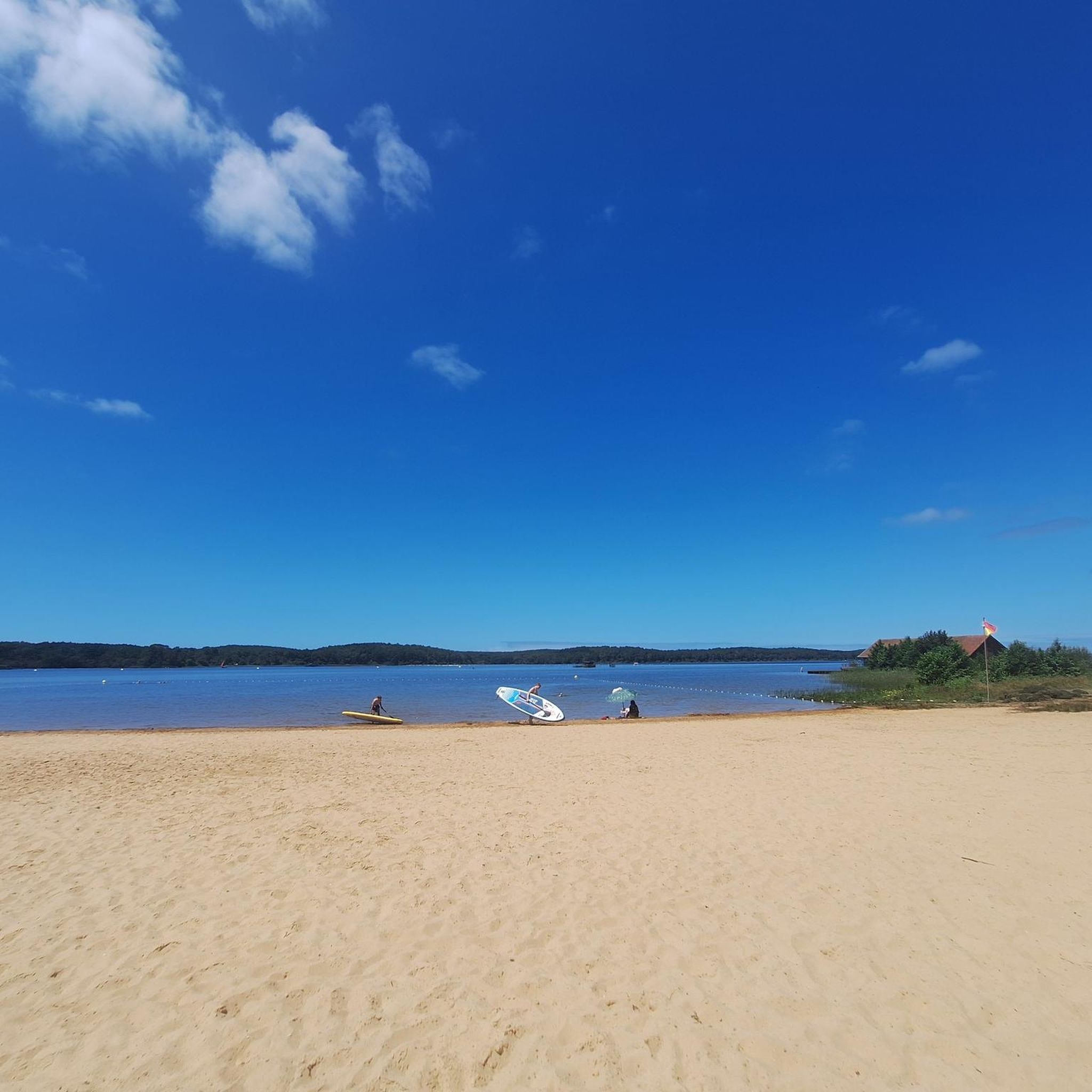
Here you can have peace and quiet, rest and relax by the Elbe.
0
0

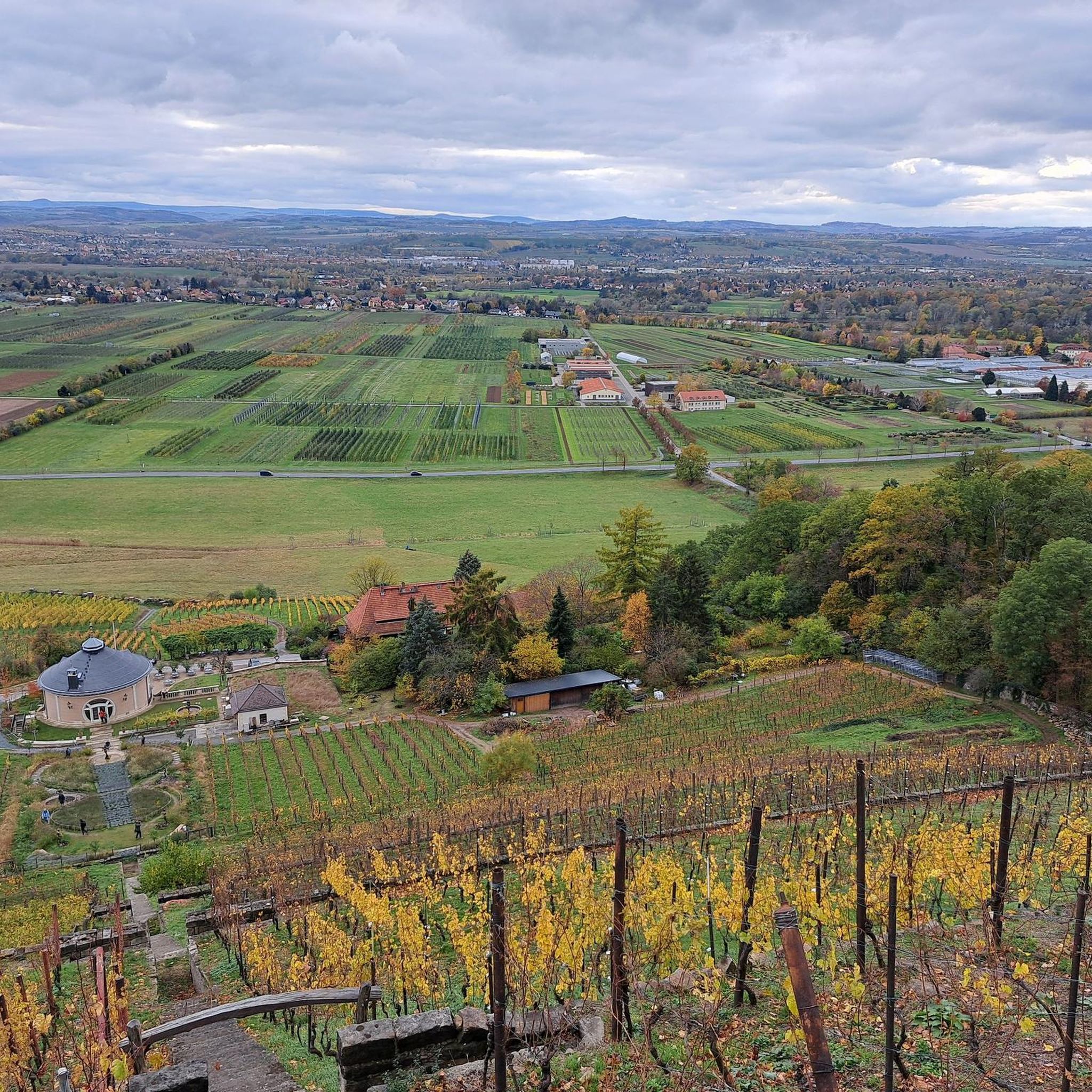
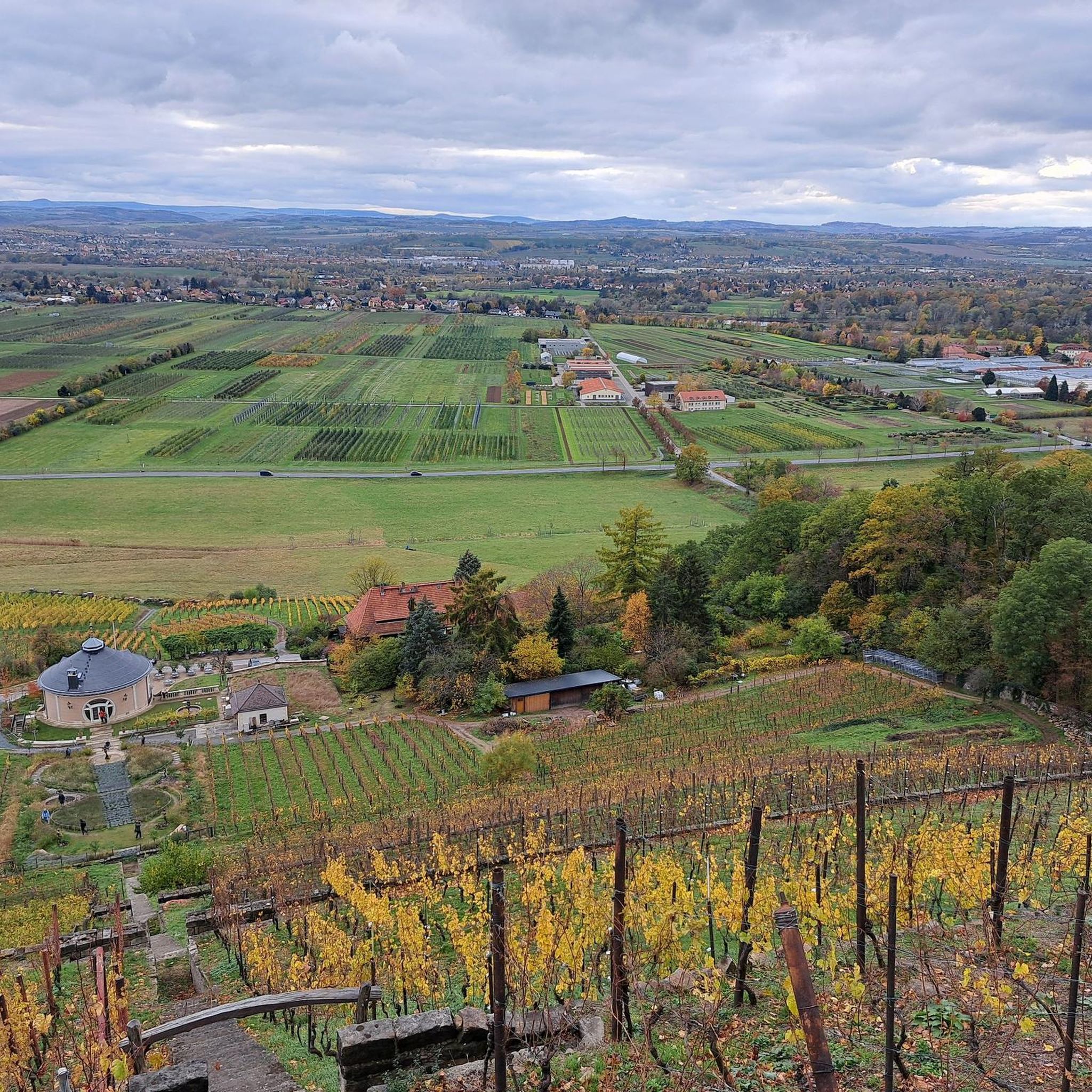
Wonderful 360° panoramic view!
0
0
Frequently Asked Questions
How many road cycling routes are available in Dresdner Elbtalhänge?
There are over 560 road cycling routes in Dresdner Elbtalhänge, offering a wide variety of options. This includes approximately 65 easy routes, 290 moderate routes, and over 200 difficult routes, catering to different fitness levels and preferences.
What kind of terrain can I expect when road cycling in Dresdner Elbtalhänge?
The Dresdner Elbtalhänge offers diverse terrain. You'll find flatter, well-maintained paths along the Elbe River, such as sections of the famous Elbe Cycle Path. However, the 'Hänge' (slopes) themselves provide more challenging routes with significant ascents and descents, appealing to cyclists seeking a strenuous workout. The region's unique microclimate, historically supporting viticulture, adds to the scenic variety.
What notable landmarks or viewpoints can I see along the road cycling routes?
Road cycling routes in Dresdner Elbtalhänge often pass by significant landmarks and offer panoramic views. You can expect to see historical sites like Schloss Pillnitz, the Weinbergkirche, and various vineyards. Notable viewpoints include Leitenweg Panorama and the Pillnitz Vineyards and the View from Rysselkuppe, offering vistas of Dresden, the Elbe River, and the surrounding countryside.
Are there routes suitable for beginners or those looking for an easy ride?
Yes, Dresdner Elbtalhänge offers around 65 easy road cycling routes. These often follow the Elbe Cycle Path, providing gentle rides with minimal elevation gain. An example of an easy route is the Hosterwitz Side Street – View of the Weinberg Church loop from Pillnitz, which is about 17 km long with modest elevation changes.
Are there challenging road cycling routes in Dresdner Elbtalhänge?
Absolutely. For those seeking a more strenuous workout, there are over 200 difficult road cycling routes in the Dresdner Elbtalhänge. These routes typically involve significant ascents and descents as they navigate the steep slopes of the 'Hänge', providing a good challenge and rewarding views.
Can I find circular road cycling routes in the region?
Yes, many of the road cycling routes in Dresdner Elbtalhänge are designed as loops, allowing you to start and end at the same point. For instance, the Hosterwitz Side Street – View of the Blue Wonder Bridge loop from Altlaubegast is a popular circular route offering scenic views.
What do other road cyclists say about the routes in Dresdner Elbtalhänge?
The road cycling routes in Dresdner Elbtalhänge are highly regarded by the komoot community, with an average rating of 4.6 stars from over 2900 reviews. More than 49,000 road cyclists have explored the varied terrain, often praising the scenic beauty, the mix of flat river paths and challenging climbs, and the historical attractions along the way.
How can I access the road cycling routes using public transport?
Dresden and its surrounding areas are well-connected by public transport. Many routes are accessible from various points along the Elbe River, which can be reached by local buses or trams from Dresden city center. It's advisable to check the local transport provider's rules regarding bicycle carriage, especially during peak hours.
Are there parking options available for cyclists in Dresdner Elbtalhänge?
Yes, there are various parking options available, particularly in and around the towns and villages that serve as common starting points for routes, such as Pillnitz or Altlaubegast. Many routes begin near public parking areas, making it convenient to access the trails by car.
Are there places to stop for refreshments or accommodation along the routes?
The Dresdner Elbtalhänge region is well-equipped with amenities for cyclists. You'll find numerous cafes, restaurants, and pubs in the villages and towns along the Elbe River and within the 'Hänge' themselves. The presence of vineyards also means opportunities to experience local wine culture. Accommodation options, from guesthouses to hotels, are available throughout the area.
What is the best time of year for road cycling in Dresdner Elbtalhänge?
The Dresdner Elbtalhänge benefits from a warm, dry microclimate, making it pleasant for cycling for much of the year. Spring and autumn offer comfortable temperatures and beautiful scenery, with blooming vineyards in spring and vibrant foliage in autumn. Summer is also popular, though it can be warmer, especially on the south-facing slopes. Winter cycling is possible but depends on snow and ice conditions.
Are there family-friendly road cycling routes in Dresdner Elbtalhänge?
For families, the flatter sections of the Elbe Cycle Path at the base of the Elbtalhänge are ideal. These well-maintained and signposted routes offer easy riding suitable for all ages and fitness levels, providing stunning views without significant climbs. Routes like the View of the Elbe – Colorful Pegelhaus Dresden loop from Söbrigen are generally flat and accessible.
Are dogs allowed on road cycling routes in Dresdner Elbtalhänge?
While many outdoor areas in Germany are dog-friendly, specific rules can vary, especially within protected nature reserves like parts of the Dresdner Elbtalhänge. On the Elbe Cycle Path and general public roads, dogs are usually allowed on a leash. However, when cycling, ensure your dog is safe and does not interfere with other cyclists or wildlife. Always carry water for your dog and be mindful of local regulations.
Most popular routes in Dresdner Elbtalhänge
Most popular attractions in Dresdner Elbtalhänge

Get inspired with the komoot mobile app


Explore more
Browse the best Road cycling routes in other regions.
