The best gravel rides in Nåsten
4.7
(33)
123
riders
20
rides
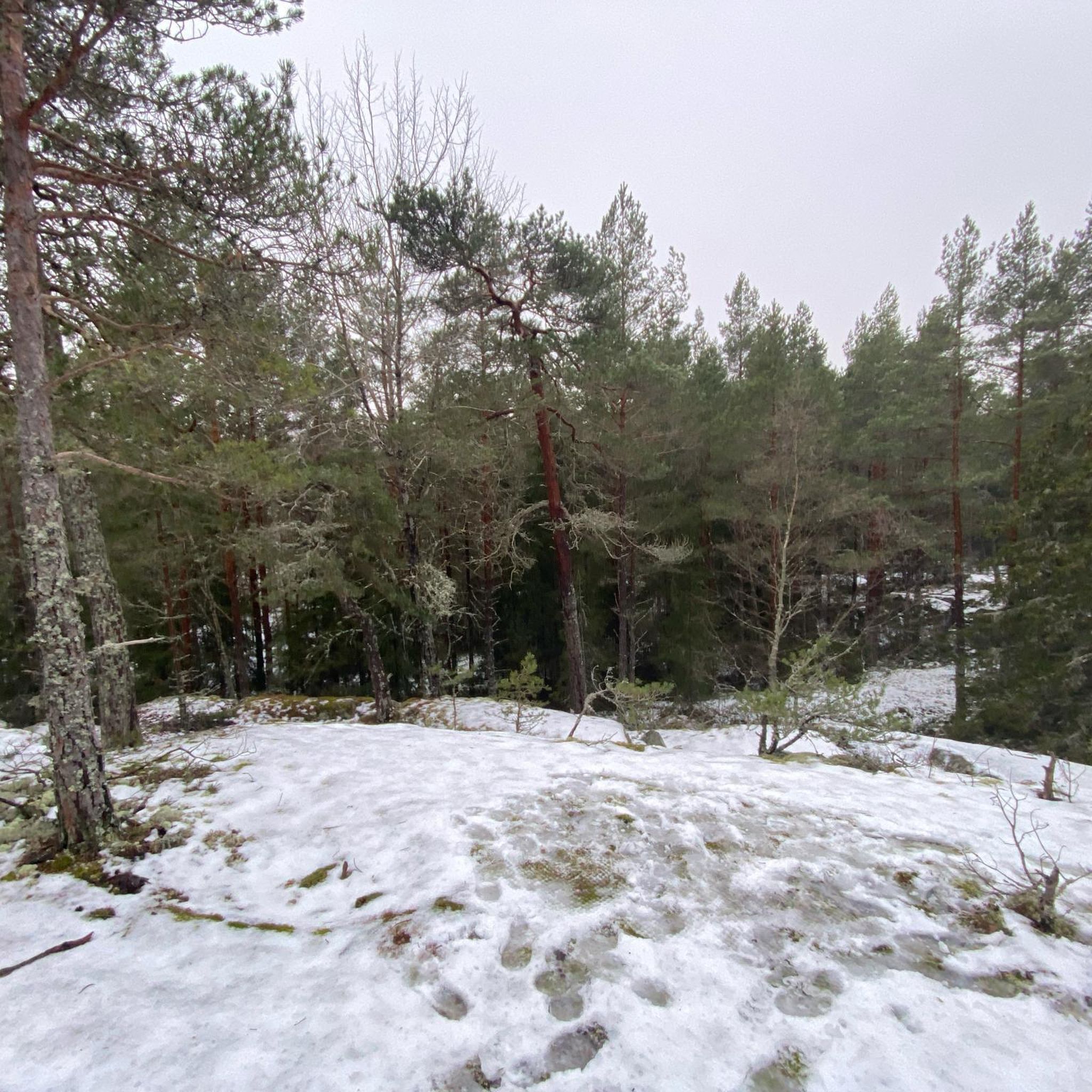
Gravel biking in Nåsten offers diverse landscapes and an extensive trail network within the Hågadalen-Nåsten nature reserve, located southwest of Uppsala. The region features varied terrain, including lush woodlands, open fields, and rocky paths, with the Håga River winding through the valley. A significant portion of the old railway line between Uppsala and Enköping has been converted into a gravel path, providing accessible routes. The area is characterized by a mix of well-maintained gravel paths and smaller, more technical trails…
Last updated: July 8, 2026
5.0
(1)
4
riders
29.2km
01:50
160m
160m
Hard gravel ride. Good fitness required. You may need to push your bike for some segments of this route.
5
riders
17.0km
00:54
80m
80m
Easy gravel ride. Great for any fitness level. Mostly paved surfaces. Suitable for all skill levels.

Sign up for free
4.8
(13)
23
riders
24.8km
01:42
150m
150m
Moderate gravel ride. Good fitness required. Mostly paved surfaces. Suitable for all skill levels.
4.5
(4)
18
riders
30.8km
01:46
150m
150m
Easy gravel ride. Great for any fitness level. Mostly paved surfaces. Suitable for all skill levels.
4.0
(3)
22
riders
Moderate gravel ride. Good fitness required. Mostly paved surfaces. Suitable for all skill levels.
Get access to more routes and recommendations from other explorers.
Sign up for free
Already have an account?
Our route recommendations are based on thousands of hikes, rides, and runs completed by other people on komoot.
Start today with a free account
Your next adventure awaits.
Login or Signup

Tips from the Community

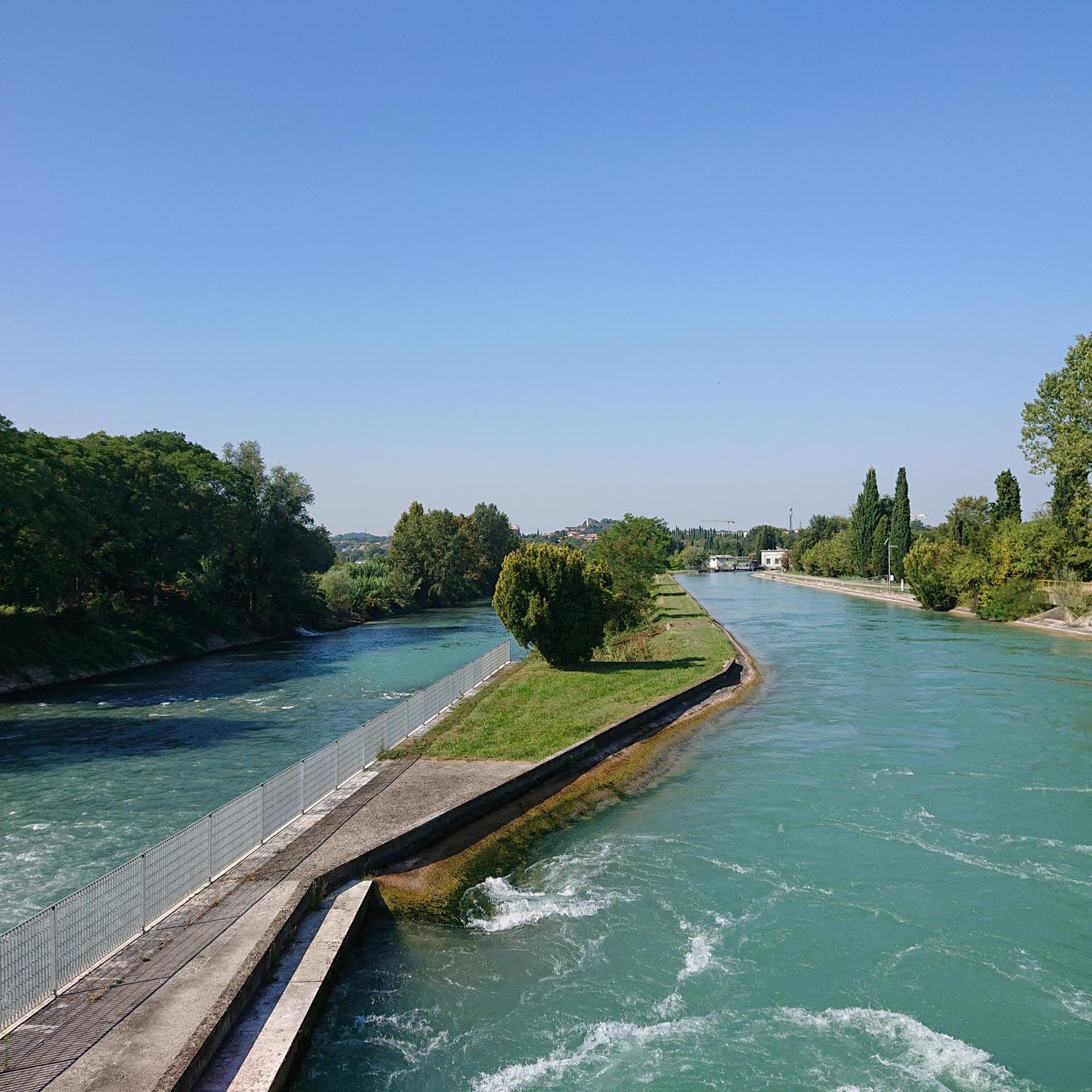
It feels like a completely different place in the world when you run/cycle/walk along the river.
0
0

The beautiful old station building now hosts a surprisingly decent restaurant with seating right next to the arriving/departing trains.
2
0

The Fyrisån is Uppland's longest river, stretching 95 kilometers. It rises near Dannemora and flows into a bay of Lake Mälaren called Ekoln, directly south of Uppsala, through whose city center it flows. The name Fyrisån was coined primarily by Olof Rudbeck in the second half of the 17th century; before that, the river was called Salaån.
10
0
The Gothic Uppsala Cathedral (Uppsala Domkyrka), consecrated in 1435, is the cathedral of the Archdiocese of Uppsala, the parish church of the Uppsala Cathedral parish, and a national shrine of the Church of Sweden. It houses the relics of Sweden's national saint, Saint Erik, and a relic of Saint Bridget. The church is traditionally the coronation and burial church for Swedish kings and queens. Following a fire in the former cathedral (in Gamla Uppsala), the Pope granted permission in 1258 to move the bishopric to present-day Uppsala (then Östra Aros). The move to Domberget took place in 1273. Initially, the existing Saint Erik Chapel was used for services while French builders, under the direction of Etienne de Bonneuil, began constructing a new cathedral. The construction would continue for over a century and a half. The cathedral's towers are the tallest church towers in Scandinavia, reaching 118.7 meters. The most powerful of its five church bells, called Storan, weighs 7,360 kilograms, making it Sweden's largest church bell. The Church of Sweden estimates that around half a million people visit Uppsala Cathedral each year.
11
0

View of the river
2
1

At the end of the 1980s, the cathedral received a relic of the hip bone of St. Birgitta from the Birgittine sisters. A modern reliquary was created for this purpose and is located in the Finsta choir. The design of the shrine is inspired by the habit of the Order of the Redeemer. The five red drops of blood symbolize the five wounds of Christ. Birgitta's parents and siblings are also buried in the choir. The shrine of Saint Erik is also located here, which is why the cathedral is also called Erik's Cathedral.
5
0
The grave of the renowned Swedish naturalist Carl von Linné is also located here
5
0

The Gothic St. Eric's Cathedral, also known as Erik's Cathedral, is the tallest church building in Scandinavia at 118.7 metres. The cathedral is both the coronation and burial place of many Swedish kings and the seat of an Evangelical Lutheran archbishop.
4
0
Frequently Asked Questions
How many gravel bike trails are available in Nåsten?
Nåsten offers a wide selection of gravel biking routes, with over 35 trails available for exploration. These routes cater to various skill levels, from easy loops to more challenging rides through diverse terrain.
What are the typical difficulty levels for gravel biking in Nåsten?
The gravel bike trails in Nåsten range from easy to difficult. You'll find 4 easy routes, 26 moderate routes, and 6 difficult routes. For an easy ride, consider the Gravel loop from Uppsala, which offers gentle paths through open landscapes. More challenging routes, like the Sunnersta Alpine – Lyssnaängsbadet loop from Vårdsätra, feature varied terrain with some technical sections.
Are there any family-friendly gravel biking routes in Nåsten?
Yes, Nåsten offers several routes suitable for families, particularly those looking for easier rides. The Gravel loop from Uppsala is an excellent choice, providing gentle paths through open landscapes that are enjoyable for all ages. The converted old railway line also offers a scenic and accessible route for a pleasant family outing.
What kind of landscapes can I expect to see while gravel biking in Nåsten?
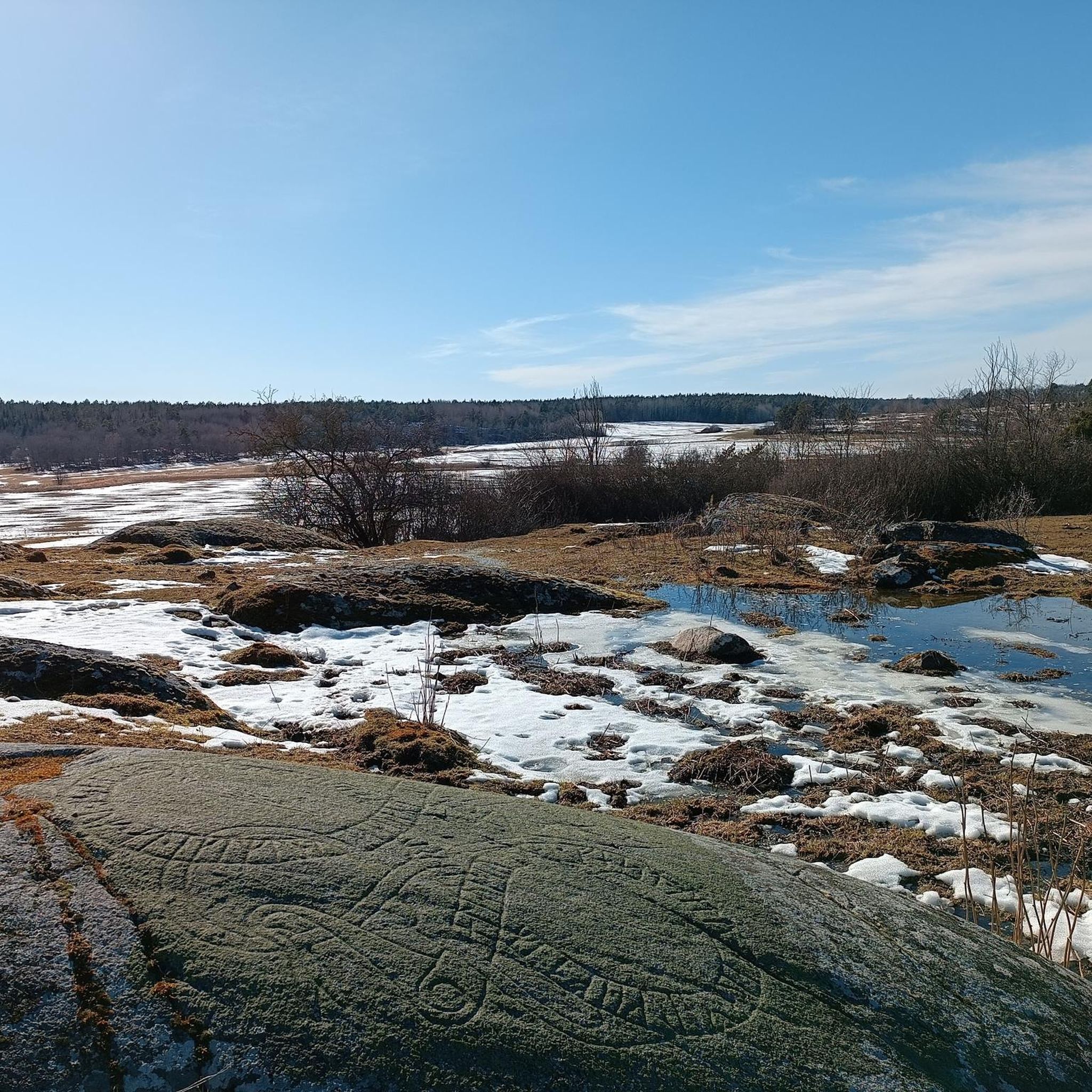
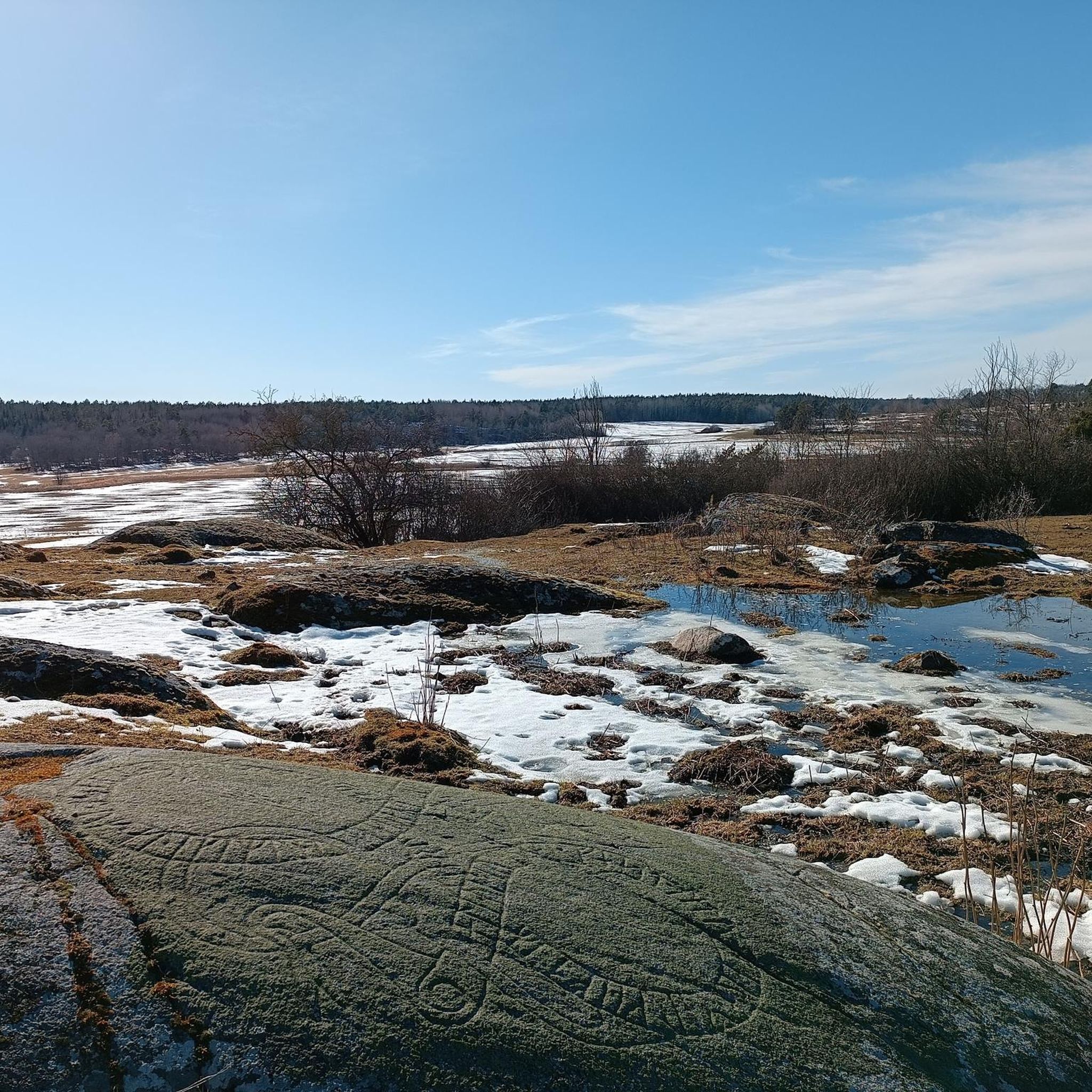
Nåsten's gravel trails wind through a rich and varied natural environment. You'll encounter lush woodlands, serene forests (including some old-growth areas), and open landscapes with fields and pastures. The Håga River gently meanders through the valley, and some paths feature rocky sections and 'hällmarker' (barren rock slabs). You might even cross wooden boardwalks over swampy areas, adding to the diverse scenery.
Are there any historical landmarks or interesting sights along the gravel bike trails?
Absolutely! Nåsten is rich in history and natural beauty. You can explore the Old Uppsala–Enköping Railway Gravel Path, which offers a historical route. Don't miss Wik Castle on one of the longer loops, or the monumental King Björn's Mound (Hågahögen), a Bronze Age burial mound offering fantastic views over the valley. The Predikstolen area also features steep cliffs and ancient stone walls, indicating a prehistoric fort.
Where can I find picnic spots or places to rest during my ride?
Nåsten has several designated spots perfect for a break. The Picnic Spot on Fjärilstigen Trail is a great option. King Björn's Mound also serves as an excellent spot for a picnic with scenic views. You'll find various places to pause and enjoy the natural surroundings throughout the reserve.
How can I get to the Nåsten gravel trails using public transport?
Nåsten is located southwest of Uppsala, making it accessible from the city. While specific bus routes directly to trailheads aren't detailed, Uppsala's public transport network can get you close to the reserve's edges. Many routes, such as the Gravel loop from Uppsala or the Lyssnaängsbadet – View of the Lake loop from Uppsala centralstation, start directly from Uppsala, allowing for easy access without a car.
Is there parking available near the gravel bike trailheads in Nåsten?
Yes, parking is generally available at various access points around the Hågadalen-Nåsten nature reserve. While specific parking lots aren't listed, the area is well-equipped for visitors arriving by car, especially for popular starting points for trails and nature exploration.
What is the best time of year for gravel biking in Nåsten?
The best time for gravel biking in Nåsten is typically during the spring, summer, and autumn months when the weather is milder and the trails are dry. While some wooden boardwalks can be slippery in winter, the varied terrain offers year-round opportunities. The rich biodiversity, including over 100 red-listed plant and animal species, is particularly vibrant during the warmer seasons.
Are there any longer distance gravel bike routes for experienced riders?
For experienced riders seeking longer distances, Nåsten offers several options. The Wik Castle – Public Water Tap at Hammarskog loop from Hammarskog is a substantial 23.7-mile (38.2 km) trail. Another longer option is the Uppsala Cathedral – Uppsala Castle loop from Uppsala centralstation, which spans over 35 miles (57.2 km) and offers a comprehensive tour of the region's diverse landscapes.
What do other gravel bikers say about the trails in Nåsten?
The gravel biking routes in Nåsten are highly regarded by the komoot community, boasting an average rating of 4.35 stars from over 30 reviews. Over 100 gravel bikers have used komoot to explore the area, often praising the diverse landscapes, the mix of well-maintained paths and more technical sections, and the overall rewarding experience.
Are there any specific challenges or unique features on Nåsten's gravel trails?
Yes, Nåsten's trails offer a varied challenge. While many paths are wide and well-maintained, you'll also encounter smaller trails that can be rocky with exposed tree roots, adding a technical element. The terrain includes swampy areas traversed by wooden boardwalks, which can be slippery, especially in winter. The 'hällmarker' (barren rock slabs) also contribute to the unique character of the rides.
Most popular routes in Nåsten
Most popular attractions in Nåsten

Get inspired with the komoot mobile app


Explore more
Browse the best Gravel rides in other regions.
