The best gravel rides in Vedyxaskogen
4.6
(32)
106
riders
17
rides
Gravel biking in Vedyxaskogen offers routes through a landscape characterized by river valleys, lakeside paths, and forested areas. The region features gentle elevation changes, with many routes following the Sävjaån river and passing by natural areas like Sunnerstaviken. Terrain typically includes a mix of compacted gravel paths and forest roads suitable for gravel bikes. This area provides varied surfaces for cycling, connecting natural spaces with points of interest.
Best gravel bike trails in Vedyxaskogen
- The most popular gravel bike trail…
Last updated: July 8, 2026
4.8
(10)
21
riders
31.6km
01:55
170m
170m
Moderate gravel ride. Good fitness required. Mostly paved surfaces. Suitable for all skill levels.
5.0
(2)
18
riders
54.8km
03:07
300m
300m
Moderate gravel ride. Good fitness required. Mostly paved surfaces. Suitable for all skill levels.

Sign up for free
4.8
(13)
23
riders
24.8km
01:42
150m
150m
Moderate gravel ride. Good fitness required. Mostly paved surfaces. Suitable for all skill levels.
4.5
(4)
18
riders
30.8km
01:46
150m
150m
Easy gravel ride. Great for any fitness level. Mostly paved surfaces. Suitable for all skill levels.
4.0
(3)
22
riders
Moderate gravel ride. Good fitness required. Mostly paved surfaces. Suitable for all skill levels.
Get access to more routes and recommendations from other explorers.
Sign up for free
Already have an account?
Our route recommendations are based on thousands of hikes, rides, and runs completed by other people on komoot.
Start today with a free account
Your next adventure awaits.
Login or Signup
Tips from the Community

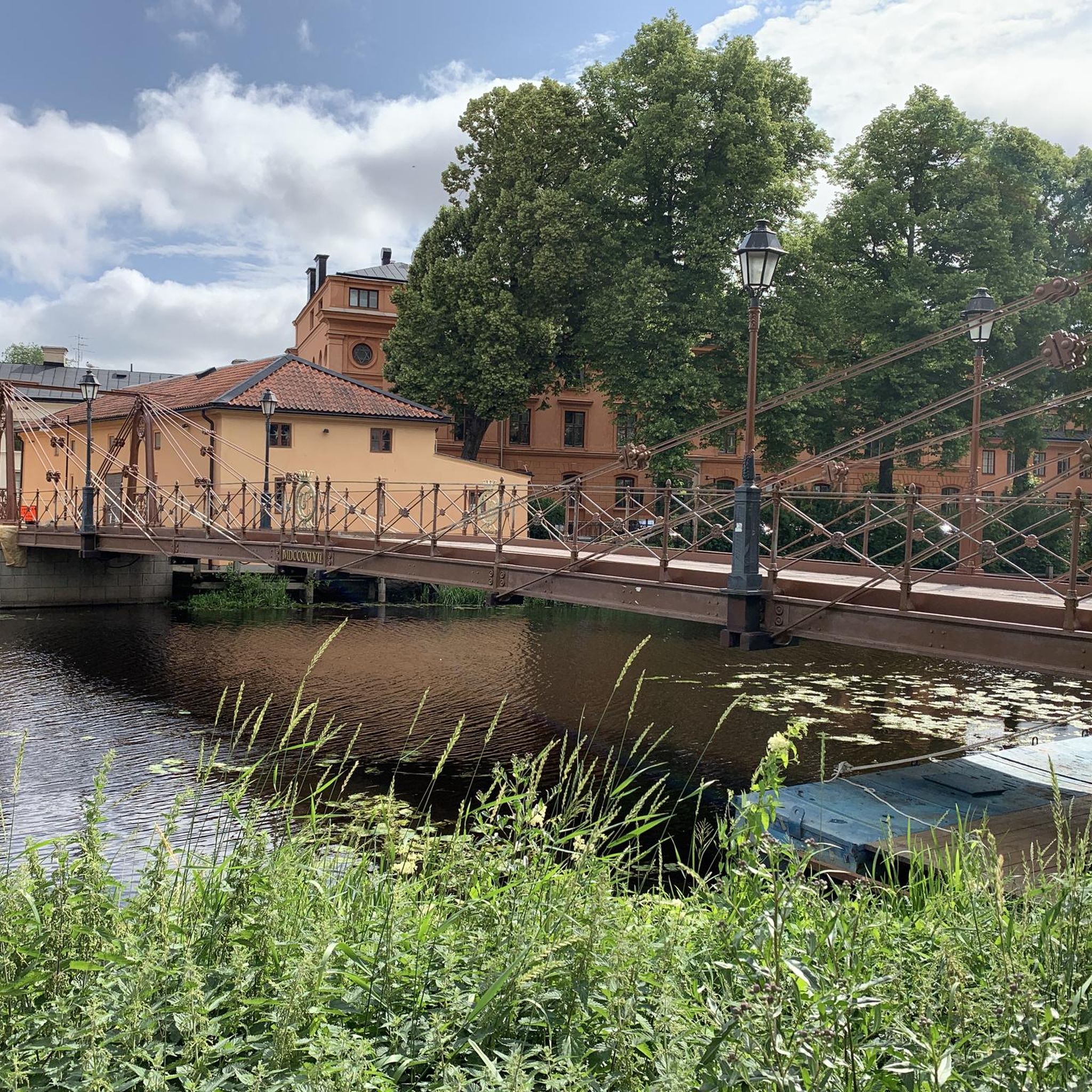
It feels like a completely different place in the world when you run/cycle/walk along the river.
0
0

During your outdoor activity, you can stop here to rest, stretch, and enjoy a brief exercise session.
0
0

The beautiful old station building now hosts a surprisingly decent restaurant with seating right next to the arriving/departing trains.
2
0

The Fyrisån is Uppland's longest river, stretching 95 kilometers. It rises near Dannemora and flows into a bay of Lake Mälaren called Ekoln, directly south of Uppsala, through whose city center it flows. The name Fyrisån was coined primarily by Olof Rudbeck in the second half of the 17th century; before that, the river was called Salaån.
10
0
Built from 1549 onwards as a fortress by Gustav Vasa, the castle was only rebuilt into a grand Renaissance palace after a fire in 1572. The old cannons on the Styrbiskop bastion still bear witness to its fortified early years.
10
0
Within the remaining ruins of Uppsala's original 16th-century castle, the Vasaborgen Museum offers insights into the history of Swedish rulers, recounting tales of kings and queens, princes and princesses. Guided tours led by costumed guides also reveal gruesome details of gruesome and violent sudden deaths. The museum is open from June 1st to September 1st.
11
0

What would old fortresses be – anywhere in the world – without these decorative old cannons?
4
1
The Gothic Uppsala Cathedral (Uppsala Domkyrka), consecrated in 1435, is the cathedral of the Archdiocese of Uppsala, the parish church of the Uppsala Cathedral parish, and a national shrine of the Church of Sweden. It houses the relics of Sweden's national saint, Saint Erik, and a relic of Saint Bridget. The church is traditionally the coronation and burial church for Swedish kings and queens. Following a fire in the former cathedral (in Gamla Uppsala), the Pope granted permission in 1258 to move the bishopric to present-day Uppsala (then Östra Aros). The move to Domberget took place in 1273. Initially, the existing Saint Erik Chapel was used for services while French builders, under the direction of Etienne de Bonneuil, began constructing a new cathedral. The construction would continue for over a century and a half. The cathedral's towers are the tallest church towers in Scandinavia, reaching 118.7 meters. The most powerful of its five church bells, called Storan, weighs 7,360 kilograms, making it Sweden's largest church bell. The Church of Sweden estimates that around half a million people visit Uppsala Cathedral each year.
11
0
Frequently Asked Questions
How many gravel bike trails are available in Vedyxaskogen?
Vedyxaskogen offers a diverse network of over 30 gravel bike trails, catering to various skill levels. You'll find options ranging from easy, short rides to more challenging, longer excursions through the region's varied landscape.
Are there easy or beginner-friendly gravel bike routes in Vedyxaskogen?
Yes, Vedyxaskogen has several easy gravel bike trails perfect for beginners or those seeking a relaxed ride. One popular choice is the Linné's Sävja – Kuggebro Bridge Over Sävjaån loop from Sävja, which is 10.9 miles (17.6 km) long and follows the Sävjaån river with gentle elevation changes.
What kind of loop trails can I find for gravel biking in Vedyxaskogen?
Many of Vedyxaskogen's gravel routes are designed as loops, allowing you to start and finish at the same point. For a moderate loop exploring lakeside areas, consider the Lyssnaängsbadet – Public Water Tap at Hammarskog loop from MVM, which is 34.3 miles (55.2 km) long.
Are there any family-friendly gravel biking options in Vedyxaskogen?
The region's gentle terrain and well-maintained gravel paths make many routes suitable for families. Look for the 'easy' graded tours on komoot, which typically feature less challenging surfaces and minimal elevation, ideal for a family outing.
Where can I find parking for gravel bike trails in Vedyxaskogen?
Parking availability varies by trailhead. Many routes, especially those starting from areas like Sävja or near Hammarskog, offer designated parking spots. It's advisable to check the specific tour details on komoot for parking information related to your chosen route.
What are some interesting viewpoints or attractions along the gravel routes?
Vedyxaskogen's routes often pass by natural and historical points of interest. You can explore historical sites and natural areas on the Uppsala Castle – Sunnerstaviken Nature Trail loop from MVM. Other routes offer views of the Sävjaån river and lakeside sections near Sunnerstaviken.
When is the best time of year to go gravel biking in Vedyxaskogen?
The best time for gravel biking in Vedyxaskogen is typically from spring through autumn (April to October). During these months, the weather is generally milder, and the trails are less likely to be muddy or covered in snow, providing optimal riding conditions.
Are there any advanced gravel biking routes for experienced riders?
While Vedyxaskogen is known for its accessible terrain, there are routes that offer a more challenging experience. The region features 5 difficult-graded tours, which may include longer distances, more varied surfaces, or slightly more elevation gain for experienced gravel bikers.
What should I bring for a gravel bike ride in Vedyxaskogen?
For a comfortable ride, we recommend bringing a helmet, water, snacks, a basic repair kit (spare tube, pump, tire levers), and appropriate clothing for the weather. Given the varied terrain, a gravel-specific bike or a mountain bike is ideal.
Are the gravel trails in Vedyxaskogen dog-friendly?
Many of the natural areas and forest roads in Vedyxaskogen are suitable for dogs, provided they are kept on a leash and you follow local regulations regarding pets in nature reserves. Always ensure your dog is comfortable with the distance and terrain.
What do other gravel bikers enjoy most about Vedyxaskogen?
The komoot community highly rates Vedyxaskogen, with an average score of 4.2 stars from over 30 reviews. Riders often praise the region's varied terrain, which includes river paths, lakefront sections, and accessible forest roads, offering a diverse and engaging cycling experience.
Can I find quiet gravel bike routes away from crowds?
Yes, Vedyxaskogen offers many opportunities for peaceful rides. While some popular routes might see more traffic, exploring the less-traveled forest roads and paths, particularly during off-peak hours or weekdays, can provide a serene gravel biking experience. The Lyssnaängsbadet – View of the Lake loop from Uppsala centralstation offers a chance to enjoy views of the lake in a more tranquil setting.
Are there cafes or places to stop for refreshments along the routes?
While Vedyxaskogen is primarily a natural area, some routes pass closer to towns or villages where you might find cafes or small shops. For example, routes starting or ending near Uppsala centralstation or passing through areas like Hammarskog may offer opportunities for refreshments. It's always a good idea to pack your own snacks and drinks, especially for longer rides.
Most popular routes in Vedyxaskogen

Get inspired with the komoot mobile app


Explore more
Browse the best Gravel rides in other regions.
