The best gravel rides around gmina Międzylesie
4.8
(9)
133
riders
34
rides
Gravel biking around Gmina Międzylesie offers diverse landscapes within the Śnieżnik Massif and Eastern Sudetes mountain range. The region features significant elevation changes, lush forests, and varied paths suitable for gravel bikes. Its terrain includes a mix of paved roads, dirt tracks, and forest paths, providing an ideal environment for exploration. Being close to the Czech border, the area also presents opportunities for cross-border routes.
Best gravel bike trails around gmina Międzylesie
- The most popular gravel bike trail is Niemojów…
Last updated: July 17, 2026
5.0
(1)
24
riders
Hard gravel ride. Very good fitness required. Mostly paved surfaces. Suitable for all skill levels.
6
riders
36.3km
03:03
1,040m
1,040m
Hard gravel ride. Very good fitness required. Mostly paved surfaces. Suitable for all skill levels.

Sign up for free
5.0
(1)
16
riders
31.1km
02:38
720m
720m
Hard gravel ride. Very good fitness required. Mostly paved surfaces. Suitable for all skill levels.
4.0
(1)
14
riders
Hard gravel ride. Very good fitness required. You may need to push your bike for some segments of this route.
4.5
(2)
7
riders
43.1km
03:32
1,000m
1,000m
Hard gravel ride. Very good fitness required. Mostly paved surfaces. Suitable for all skill levels.
Get access to more routes and recommendations from other explorers.
Sign up for free
Already have an account?
Our route recommendations are based on thousands of hikes, rides, and runs completed by other people on komoot.
Start today with a free account
Your next adventure awaits.
Login or Signup
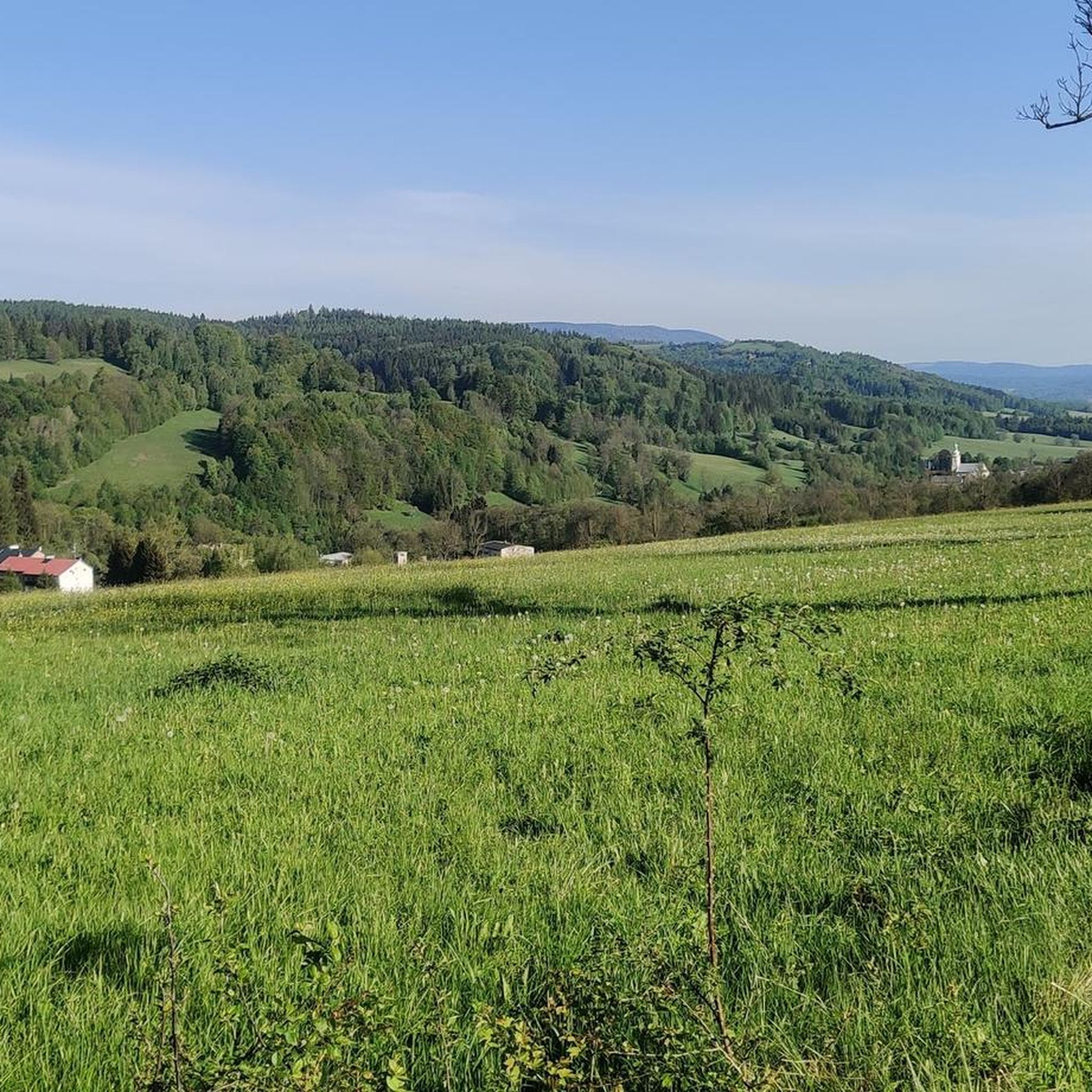
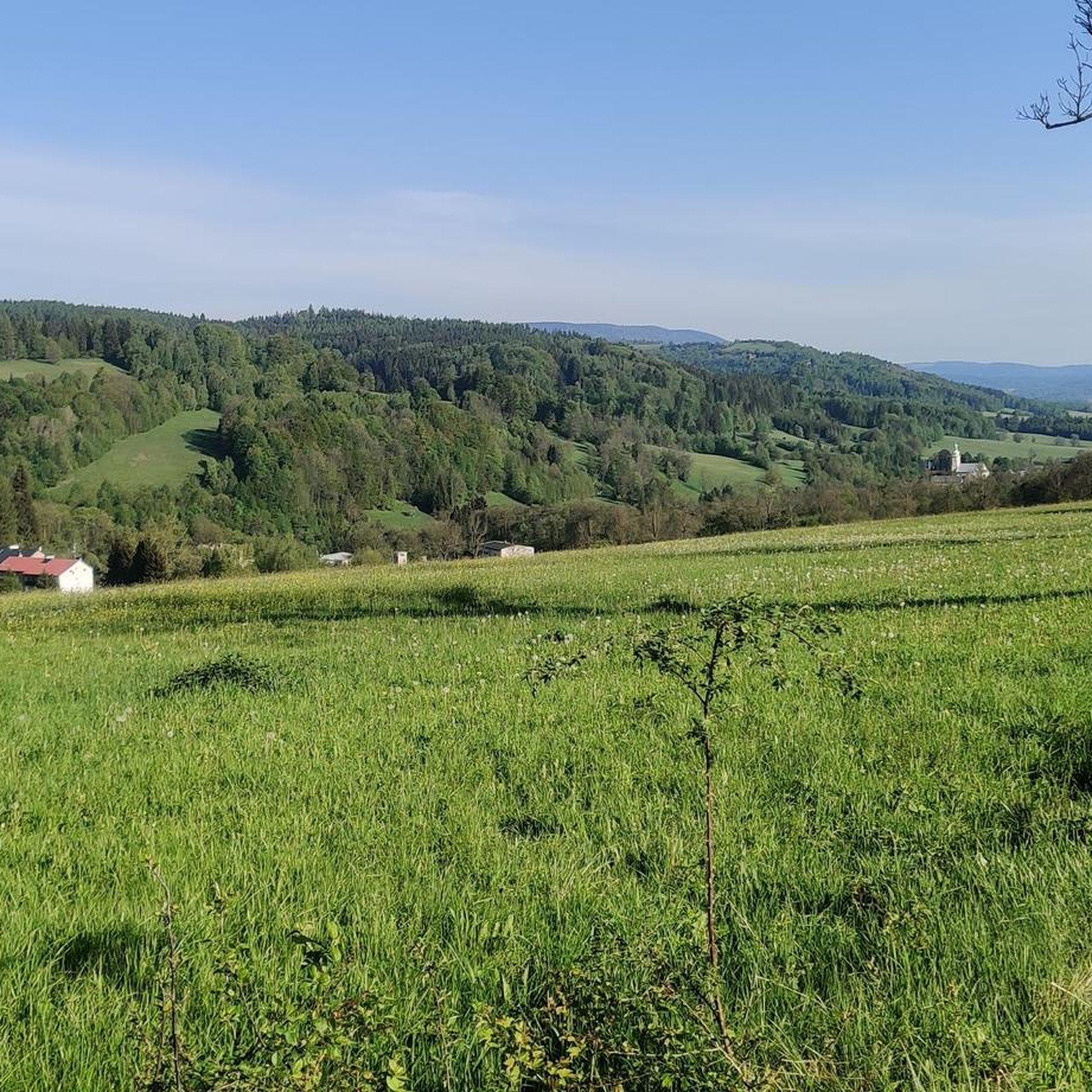
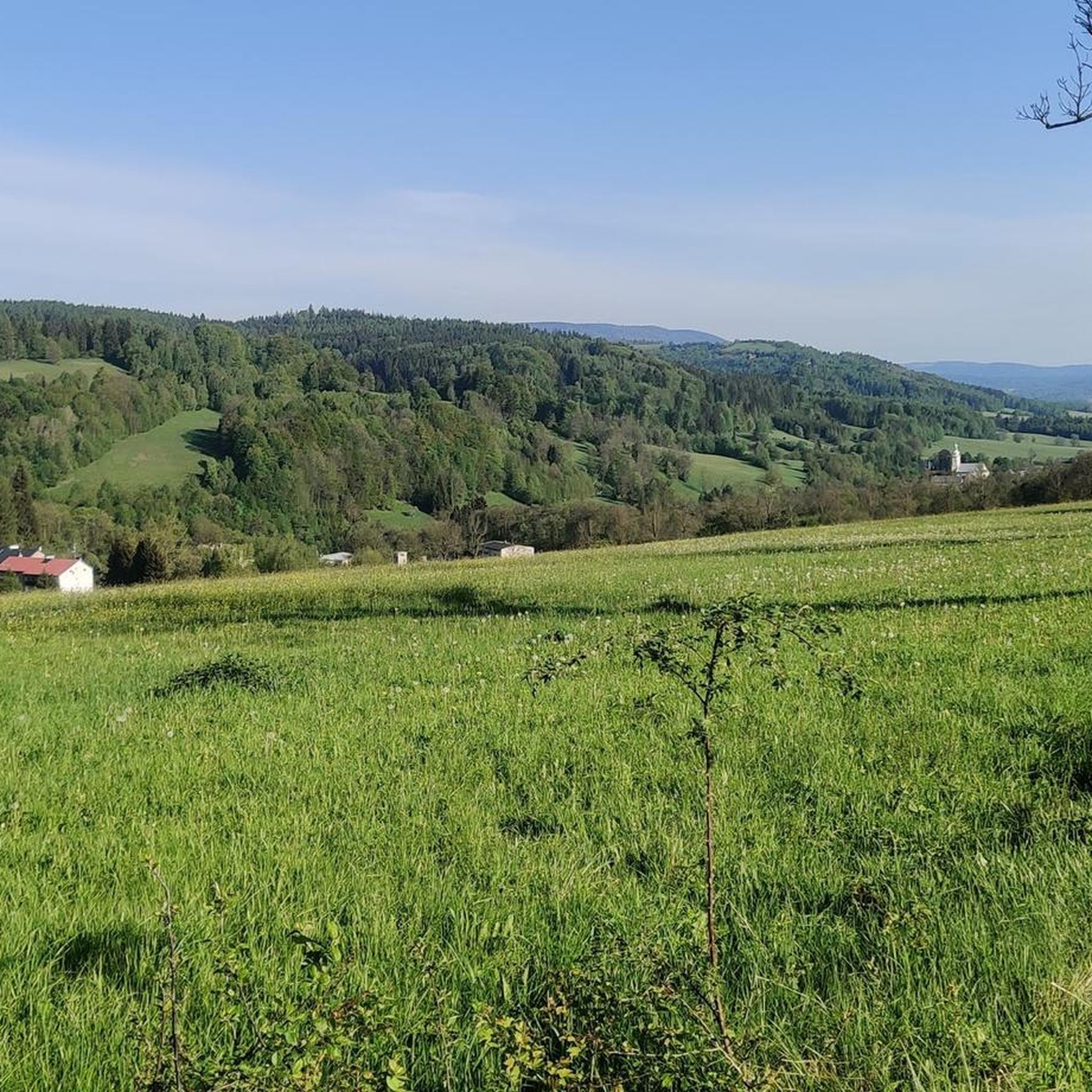
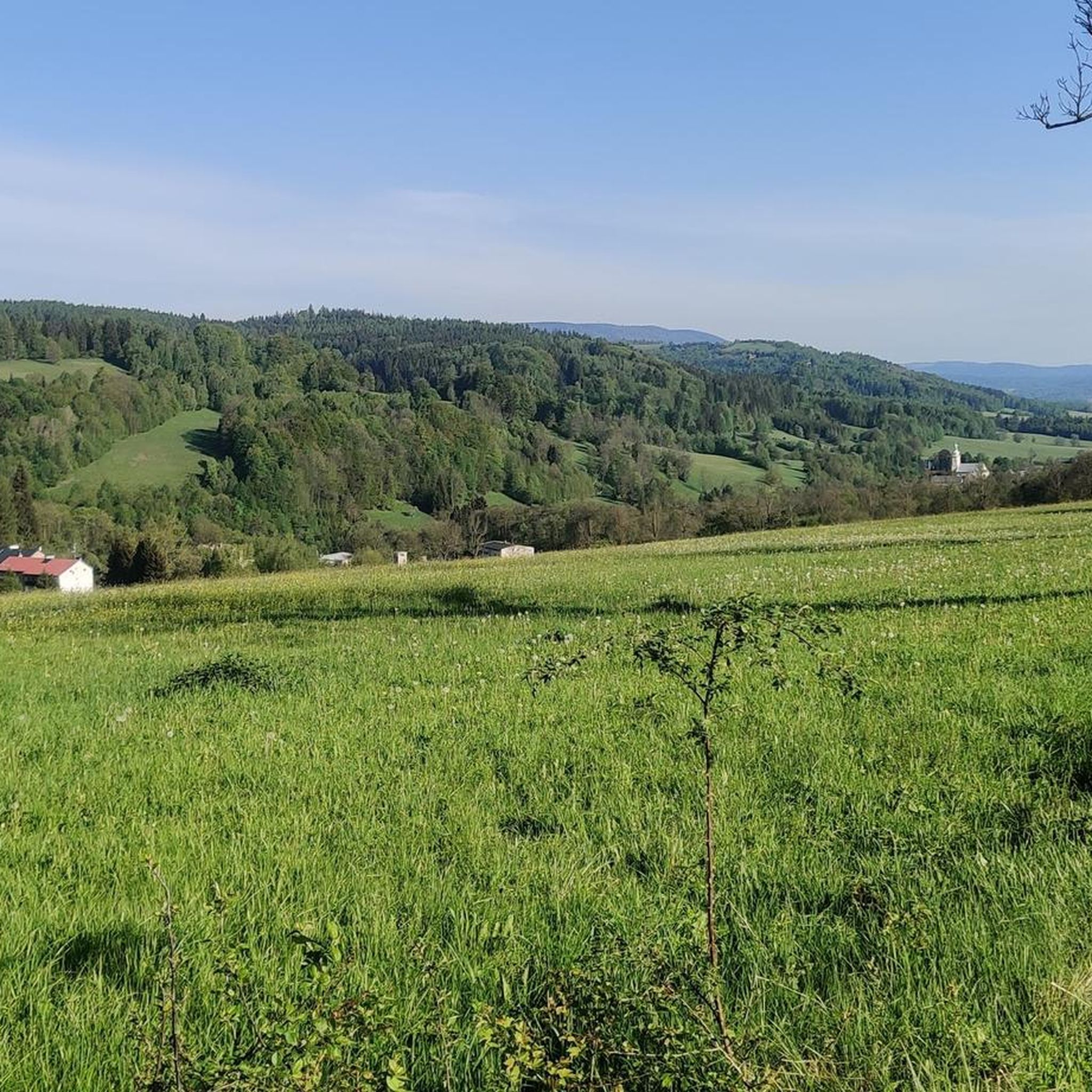
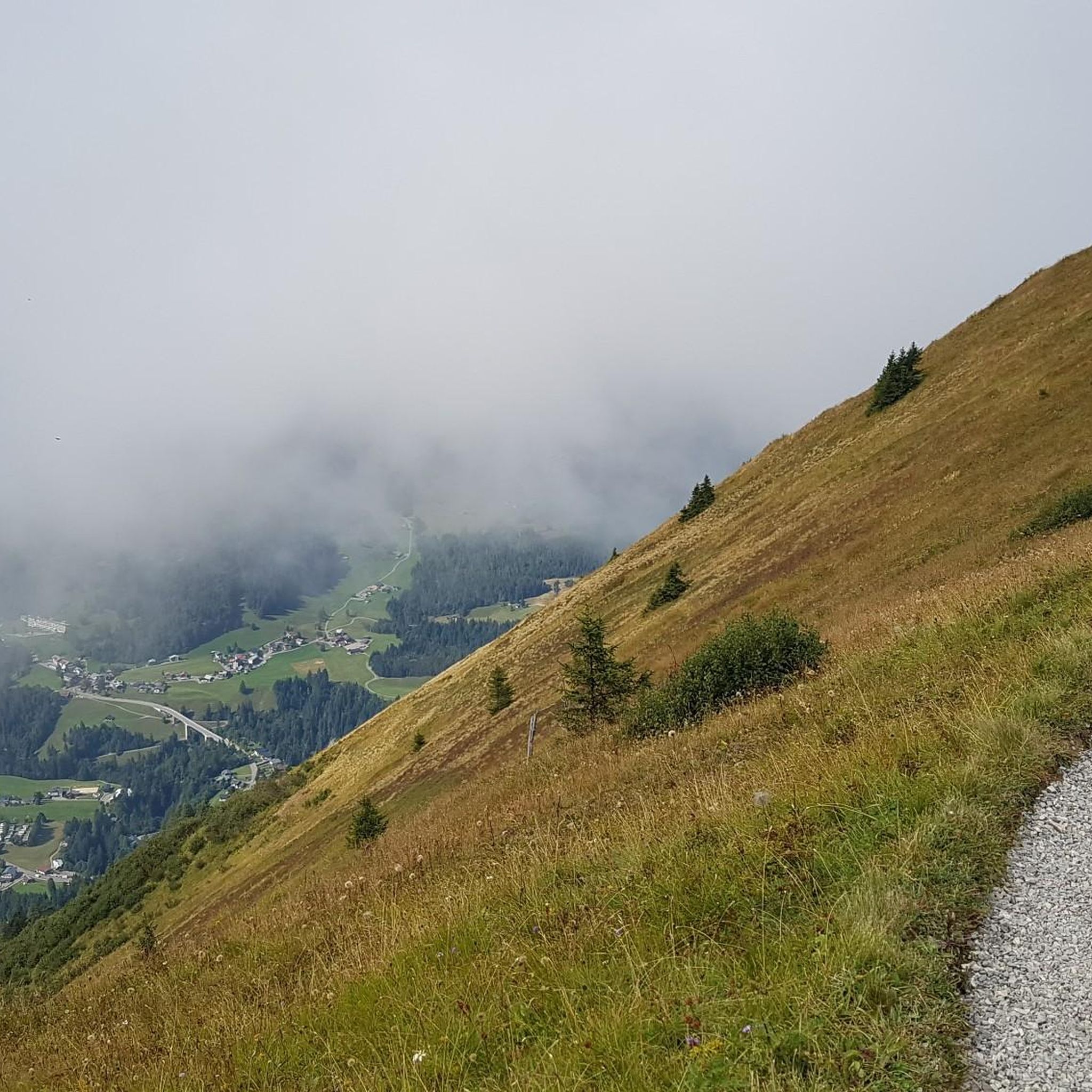
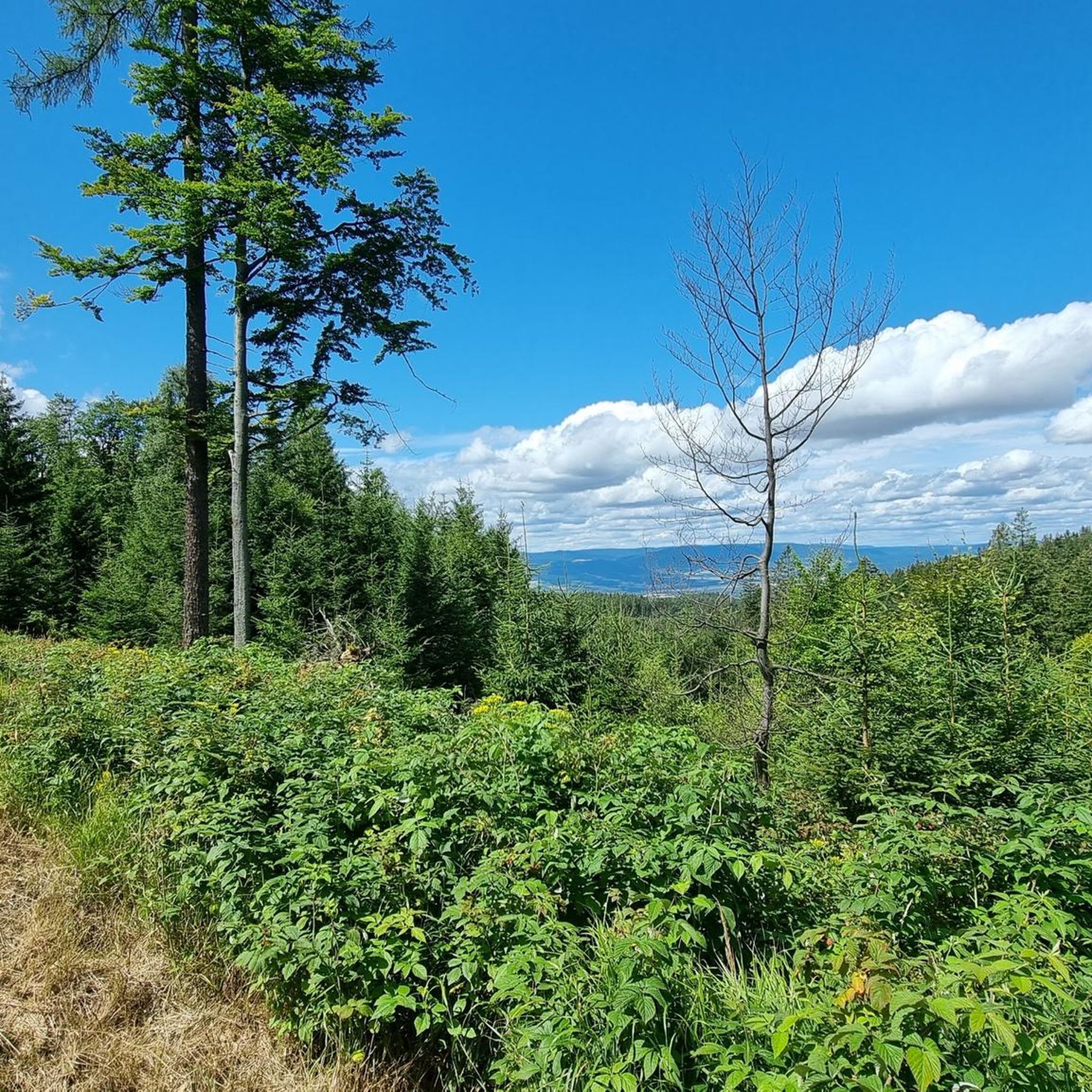
Tips from the Community

Visit Neratov Bistro or Pivovar for a bite to eat!
0
0

The first mention of the development of Śnieżnik Mountain dates back to 1809, when the owner of Międzygórze, Count Wilhelm von Magnis, built barns and shepherd's huts on the mountain pasture below Śnieżnik. In 1838, Międzygórze was purchased by Princess Marianna of Orange, the Lady of Kamieniec Ząbkowicki – daughter of the King of the Netherlands and wife of a Prussian prince. In 1840, she invited her father, King Wilhelm, with whom she reached the summit of Śnieżnik on July 20th. In 1869, the Duchess took over the land on the mountain pasture below Śnieżnik. She commissioned a highlander from Switzerland to build a Swiss mountain hut (Schweizerei am Schneeberg or Schweizerei auf dem Schneeberg) on the mountain pasture below Śnieżnik, which now forms the main part of the mountain hut. Construction was completed in 1871. The building initially served as a tourist inn, with 50 beds and a large dining hall. In the following years, the buildings were modernized several times. In 1872, utility rooms were built on the site of an old dairy farm. In 1880, a meteorological station was opened at the inn. In the 1930s, the inn had 30 beds. After World War II, the building stood empty until 1946. The dilapidated buildings were taken over by "Orbis," renaming it "Szwajcarka." In 1947, the Polish Tatra Mountain Shelter Board took over. The following summer, a shelter was opened, named "Na Śnieżniku" to distinguish it from the "Szwajcarka" shelter in Rudawy Janowickie. In 1950, the building became the property of the Polish Tourist and Sightseeing Society. At that time, the shelter had 63 beds. In the 1980s, the shelter was thoroughly modernized and renovated thanks to the efforts of its then-lessee, Zbigniew Fastnacht, who managed the facility from 1982 to 2001. After his death, in recognition of his achievements, the shelter was named after him.
1
1

WoW was a highlight of our hike on the EB.
7
0

The Králický Sněžník National Nature Reserve encompasses the central and peak parts of this mountain range and was established in 1990. Covering nearly 1,700 hectares, it protects natural ecosystems, including subalpine meadows, peat bogs, and fragments of primeval spruce forests. These mountains have a fascinating geological structure – the glacier shaped their relief, leaving behind rocky seas, cirques, and karst caves in the upper Morava River valley. They are also home to rare plant and animal species, such as the omiegi, the hazel grouse, and the mountain bluebell. For gravel cyclists, the reserve offers attractive yet challenging terrain – it's worth being prepared for long climbs and variable weather conditions.
1
0

A mountain hike in the Dolni Morava ski area with unique experiences and impressions. The first destination after the approximately one-hour ascent is to cross the currently second-longest suspension bridge, the "Sky Bridge 721." Height difference: 91 meters to the ground. After a short walk back, past old World War II shooting ranges and information boards about the history of the area, we continue to the Sky Walk, a unique shooting range. (Warm clothing, long pants, and a windproof jacket are recommended. It's usually very windy on the Sky Walk (we're at an altitude of almost 1200 meters). As a reward, you can treat yourself to the longest coaster, the "CZ," and the second-longest summer toboggan run in Europe. Alternatively, you can take the chairlift or walk down the ski slopes to the valley to the starting point.
2
0

The shelter has very good water from its own well, I wouldn't be surprised if it was from this source.
0
0
It is better to book a place to stay in advance, the food is OK, the prices are like in other shelters in Poland, you have to take into account that there is no Wi-Fi on the premises of the shelter, and the mobile internet is so-so.
2
0

Connection line across the Morava River between the yellow traffic light and the asphalt service road.
1
0
Frequently Asked Questions
How many gravel bike trails are available in Gmina Międzylesie?
Gmina Międzylesie offers a wide selection of gravel biking routes, with over 35 trails available for exploration. These routes cater to various skill levels, from moderate paths to challenging ascents through the Śnieżnik Massif and Eastern Sudetes.
What are the typical difficulty levels for gravel biking in Gmina Międzylesie?
The gravel trails in Gmina Międzylesie range from moderate to difficult. You'll find 10 moderate routes, perfect for a scenic ride, and 25 difficult routes that feature significant elevation changes and more demanding terrain, ideal for experienced riders seeking a challenge.
Are there any circular gravel bike routes in the area?
Yes, Gmina Międzylesie features several circular gravel bike routes. For example, the PTTK Jagodna Mountain Hut – Jagodna Loop loop from Spalona is a moderate 15.6 km path that offers a scenic loop around a mountain hut. Another option is the challenging Niemojów border crossing – Velká Deštná Lookout Tower loop from Bartošovice v Orlických horách, which covers 58.4 km and includes a border crossing and a lookout tower.
What kind of natural attractions or viewpoints can I expect along the gravel trails?
Gmina Międzylesie's gravel trails offer stunning natural beauty within the Śnieżnik Massif and Eastern Sudetes. You can expect panoramic views, lush forests, and diverse valley terrains. The region is also home to the spectacular 22-meter Wilczka Waterfall, the highest in the Śnieżnik massif, which can be a rewarding sight on your ride. Additionally, routes often lead to viewpoints and observation towers, such as those near Králický Sněžník, providing expansive vistas of the surrounding landscape.
Are there any historical sites or landmarks to explore while gravel biking?
Absolutely. Gmina Międzylesie allows cyclists to 'hike through history.' You can discover old ruins like Grodno Castle or explore World War II bunkers hidden deep within the forests along many trails. These historical sites add a unique cultural dimension to your gravel biking adventure.
What is the best time of year for gravel biking in Gmina Międzylesie?
The region is generally excellent for gravel biking from spring through autumn. Spring brings fresh greenery, while autumn offers beautiful foliage, making for very scenic rides. The varied terrain, including forests and valleys, provides diverse conditions throughout these seasons. Always check local weather forecasts before heading out.
Are the gravel bike trails in Gmina Międzylesie suitable for families?
While many routes feature significant elevation changes, there are options suitable for families. Look for the moderate-rated trails, which tend to be less demanding. The presence of developed cycling infrastructure, including parts of the 'SINGLETRACK GLACENSIS' network, suggests a commitment to accessible cycling. Always check the specific route details for distance and elevation to ensure it matches your family's ability.
Can I bring my dog on the gravel bike trails?
Many outdoor trails in Poland, especially in less protected forest areas, are generally dog-friendly, provided dogs are kept under control, often on a leash. However, specific regulations can vary, particularly in national parks or nature reserves. It's always best to check local signage or specific trail rules for any restrictions before bringing your dog.
Where can I find parking near the gravel trailheads?
Parking availability varies by trailhead. For routes that start in or near towns like Międzylesie or other villages, you can often find designated parking areas. For trails that venture into more remote areas, parking might be less formal. It's advisable to check the starting point of your chosen route on komoot or other mapping services for specific parking recommendations.
Are there opportunities for cross-border gravel biking into the Czech Republic?
Yes, Gmina Międzylesie's proximity to the Czech border offers excellent opportunities for cross-border routes. This adds an international dimension to your gravel biking adventures, allowing you to explore diverse landscapes and cultures in both Poland and the Czech Republic. The Niemojów border crossing – Velká Deštná Lookout Tower loop is one such route that crosses the border.
What do other gravel bikers enjoy most about the trails in Gmina Międzylesie?
The komoot community highly rates the gravel biking experience in Gmina Międzylesie, with an average score of 4.8 stars. Riders frequently praise the diverse landscapes, from the challenging mountain terrain of the Śnieżnik Massif to the scenic forest and valley paths. The mix of paved roads, dirt tracks, and forest paths provides an ideal environment for gravel exploration, and the region's less crowded nature is often appreciated.
Are there any bike parks or dedicated cycling facilities nearby?
Yes, the region is developing its cycling infrastructure. The 'SINGLETRACK GLACENSIS' network includes loops like the 'Pętla Międzylesie,' indicating a commitment to off-road cycling. Additionally, the Trail Park Dolní Morava – Shelter Below Slamník loop from Velká Morava is a challenging route that includes sections of a trail park, offering more structured riding experiences. You can also find highlights like Single track [red 1] and Milky Way Trail, Bike Park Czarna Góra in nearby bike parks.
Are there any long-distance or challenging gravel routes with significant elevation?
Yes, Gmina Międzylesie is known for its challenging routes with substantial climbs, especially within the Śnieżnik Massif and Eastern Sudetes. For instance, the Shelter Below Slamník – Trail Park Dolní Morava loop from Králíky is a difficult 43.2 km route with over 1000 meters of elevation gain, offering a demanding ride for experienced gravel bikers.
Most popular routes around gmina Międzylesie
Most popular attractions around gmina Międzylesie

Get inspired with the komoot mobile app


Explore more
Browse the best Gravel rides in other regions.
