The best gravel rides around powiat legnicki
4.7
(25)
328
riders
91
rides
Gravel biking around Powiat Legnicki offers a diverse landscape characterized by extensive green spaces, historical sites, and varied terrain. The region features a blend of forest paths, country roads, and rolling hills, providing suitable conditions for gravel riding. Notable areas include extensive forests, river valleys, and agricultural plains, offering varied and scenic routes for cyclists. This environment supports a range of gravel biking experiences, from gentler rides through parks to more challenging routes across varied topography.
Best gravel bike trails…
Last updated: October 20, 2026
5.0
(1)
21
riders
121km
07:24
730m
730m
Hard gravel ride. Very good fitness required. Mostly paved surfaces. Suitable for all skill levels.
5.0
(1)
9
riders
75.9km
04:36
220m
220m
Moderate gravel ride. Good fitness required. Mostly paved surfaces. Suitable for all skill levels.

4.5
(2)
16
riders
42.9km
02:26
190m
190m
Moderate gravel ride. Good fitness required. Mostly paved surfaces. Suitable for all skill levels.
11
riders
37.4km
02:09
190m
190m
Moderate gravel ride. Good fitness required. Mostly paved surfaces. Suitable for all skill levels.
5.0
(1)
15
riders
31.1km
01:59
130m
130m
Easy gravel ride. Great for any fitness level. Mostly paved surfaces. Suitable for all skill levels.
7
riders
Moderate gravel ride. Good fitness required. Mostly paved surfaces. Suitable for all skill levels.
9
riders
47.9km
02:59
200m
200m
Moderate gravel ride. Good fitness required. Mostly paved surfaces. Suitable for all skill levels.
9
riders
Moderate gravel ride. Good fitness required. Mostly paved surfaces. Suitable for all skill levels.
Get access to more routes and recommendations from other explorers.
Already have an account?
Our route recommendations are based on thousands of hikes, rides, and runs completed by other people on komoot.
Start today with a free account
Your next adventure awaits.
Popular around powiat legnicki
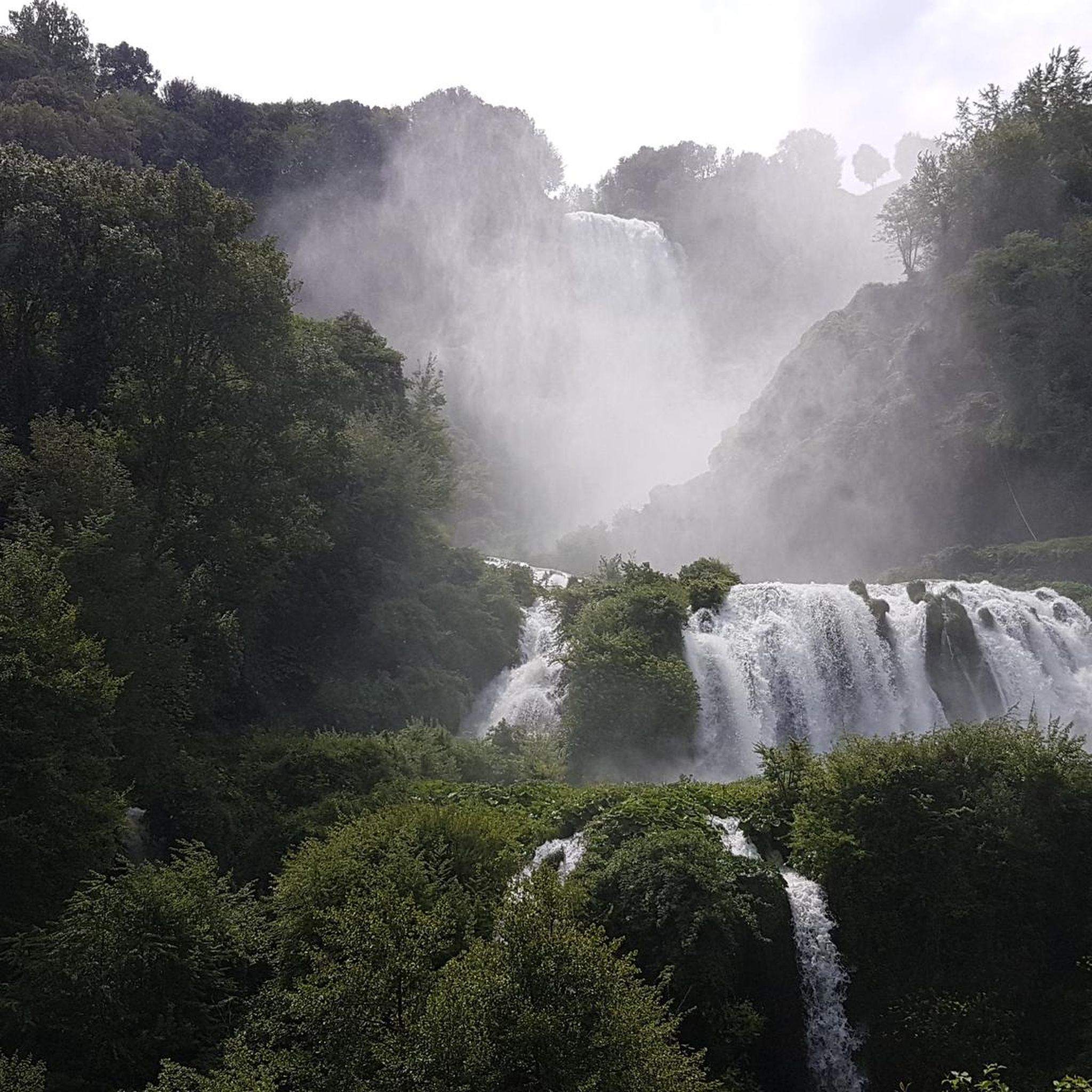
Gravel biking around Krotoszyce
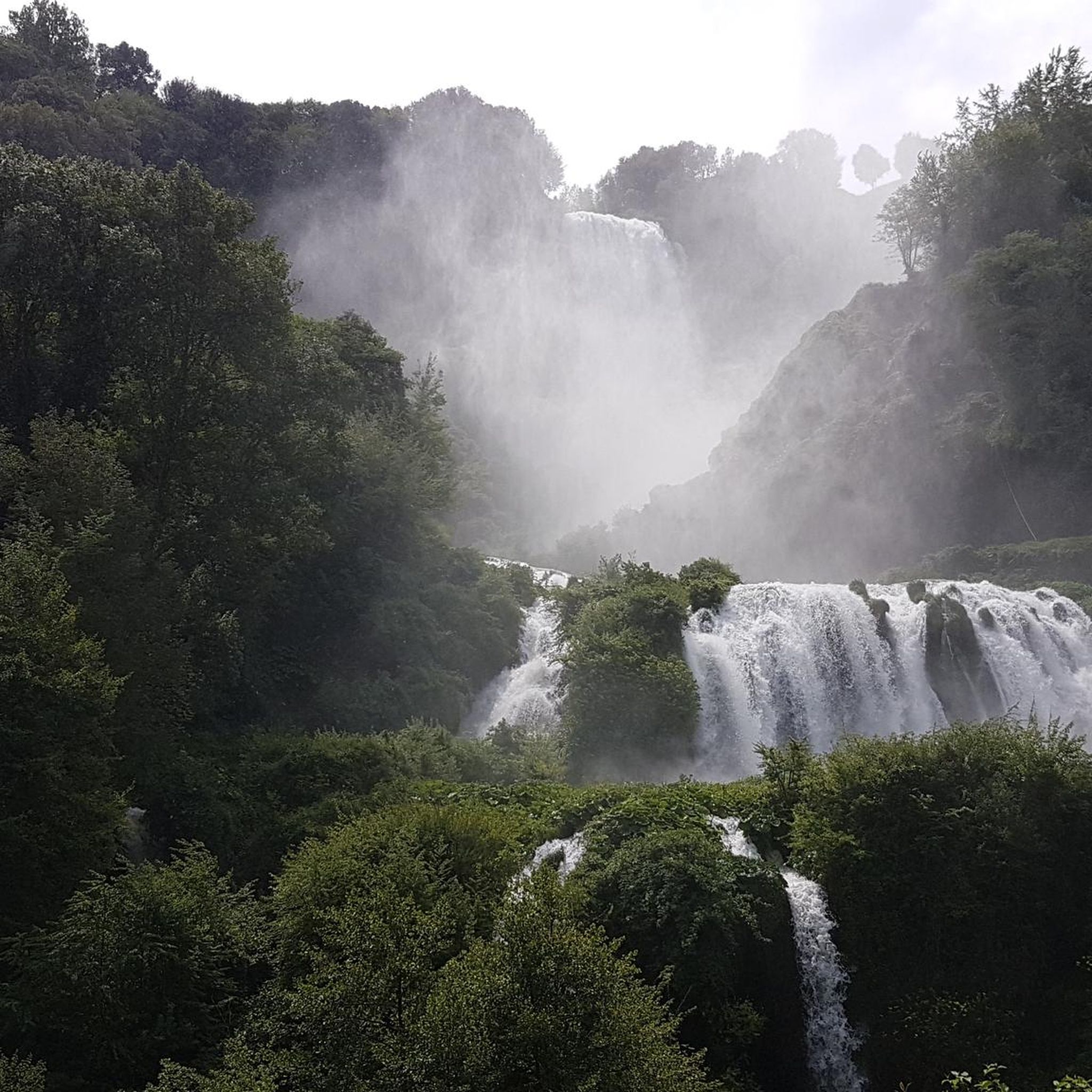
Gravel biking around gmina Legnickie Pole
Gravel biking around Lasek Złotoryjski
Gravel biking around Lake Kunickie
Gravel biking around Prochowice
Gravel biking around gmina Ruja

Gravel biking around Zagrodno
Gravel biking around gmina Kunice

Gravel biking around Miłkowice

Gravel biking around Legnica
Other adventures around powiat legnicki

Tips from the Community

Great castle, you can move around and visit freely everywhere. The tower is currently closed, renovation work is being carried out. A small entrance fee must be paid, is ok. Parking is possible below the castle and those who don't want to walk can also park at the top. Both spots are free.
2
0

a difficult bike route under construction
0
0

Ascent to the St. Peter's Tower, Piast Castle in Legnica
0
0

The Piast Castle in Legnica is one of the oldest and most important buildings in Poland, built in the 12th and 13th centuries by Bolesław I the Tall and Henry the Bearded.
0
0

The Głogów Gate Tower (Wieża Bramy Głogowskiej) is a striking medieval structure that was once part of the city's fortifications and now serves as a historical landmark. Here are its key details: 🏰 Historical Background Built: In the 14th century as part of Głogów's city walls, protecting the Old Town. Function: Served as a defensive tower and city gate through which travelers and traders entered the city. Originally part of the Głogów Bridge, which crossed the Oder River and connected the city to the opposite bank. 🛠️ Architecture Style: Gothic, with later Baroque and Neo-Gothic additions. Material: Brick with decorative sandstone elements. Special features: Pointed arch passageway Battlements and loopholes Partially preserved battlements and tower tops 📍 Location & significance today Located on the edge of Głogów's old town, near the Oder River. Today, it is a listed building that serves as a tourist attraction and photo opportunity. Nearby: Ruins of the old town, St. Nicholas Church, Głogów City Museum. 🏛️ Use The tower is occasionally used for exhibitions, city tours, and cultural events. Part of the historic ensemble that survived the destruction of World War II and is currently being restored.
1
0
The Piast Castle in Legnica (Zamek Piastowski w Legnicy) is one of the oldest surviving princely castles in Poland and a significant witness to the history of the Silesian Piast dynasty. Here's a comprehensive overview: 🏰 Historical Origin Built: Originally in the 12th century as a fortified castle under Bolesław I the High. Reconstruction into a castle: Transformed into a representative residence of the Piast dynasty in the 13th century under Henry the Bearded and his wife Hedwig of Silesia. Significance: Served for centuries as the seat of the Dukes of Legnica – a center of political power and cultural development. 🛕 Architecture & Features Style: A blend of Romanesque, Gothic, and Renaissance styles, with Baroque additions. Towers: St. Peter's Tower and St. Paul's Tower – named after the patron saints of the neighboring cathedral. Courtyard: With arcades and Renaissance galleries reminiscent of Italian palazzi. Chapel: The palace chapel was founded by Hedwig of Silesia and is a place of religious worship. 📜 Historical Events Battle of Legnica (1241): After the death of Henry II in battle against the Mongols, the palace became a symbol of resistance. Reformation: In the 16th century, the palace became a center of Protestant education and administration. Prussian Period: After the Piast dynasty died out in 1675, the palace became Prussian property and served as an administrative building. 🏛️ Current Use Home to various cultural institutions, including the State Archives, the Copper Museum, and event spaces. Venue for exhibitions, concerts, and historical tours. Parts of the palace are open to the public, others are used for administrative purposes. 📍 Location & Surroundings Centrally located in Legnica's Old Town, close to the Cathedral of St. Peter and Paul, the Neptune Fountain, and the Market Square. Surrounded by historic town houses, the Modrzejewska Theater, and the Old Town Hall.
0
0
Legnica's Old Town Hall (Stary Ratusz) is an architectural gem located on the central market square (Rynek) and one of the oldest surviving buildings in the city. Here are the key details: 🏛️ Historical Overview Built: Originally in the 14th century, rebuilt and expanded several times. Style: A blend of Gothic, Renaissance, and Baroque styles, with later Neoclassical elements. Function: Served for centuries as the seat of the city council, a court, and an administrative center. 🎨 Architecture & Features Facade: With arcades that formerly served as market halls. Tower: The distinctive clock tower was added in the 16th century. Interiors: Historic council chamber with vaulted ceiling and wall paintings. Former courtrooms and administrative offices. Restorations: Renovated several times, most recently extensively in the 1990s. 📍 Location & Current Use Directly on the Rynek, opposite the Neptune Fountain and close to the Galeria Sztuki (Sculpture Gallery). Today, the building houses cultural institutions, exhibitions, and occasional municipal events. A popular meeting place for city tours and history buffs. 🏙️ Cityscape Context Surrounded by restored town houses, cafés, and landmarks such as the Cathedral of St. Peter and Paul, the Church of Our Lady, and the Copper Museum. Together with the New Town Hall on Plac Słowiański, it forms an exciting architectural duo combining tradition and modernity.
0
0
The New Town Hall in Legnica (Nowy Ratusz) is an impressive Neo-Renaissance building and a significant testament to the city's development at the beginning of the 20th century. 🏛️ Architecture & Origin Built: Between 1902 and 1905 according to plans by Paul Öhlmann, originally designed by Lothar Schönfelder. Style: Neo-Renaissance with Baroque elements, richly decorated facades with sandstone cladding and granite bases. Planned concept: A four-wing complex with two courtyards and a monumental tower – however, only part of it was built. 📍 Location & Function Located at what is now Plac Słowiański (formerly Friedrichsplatz), south of the Cathedral of St. Peter and Paul. After World War II, the building became the seat of the Polish city administration in 1947. It has been a listed building since 1981. 🏢 Use & Interiors Ground floor: Police, fire department, detention cells. 1st floor: Tax office, tax offices, cash registers. 2nd floor: Mayor's office, municipal council meeting room, council library. 3rd floor: Building department. Attic: City archives. 🛠️ Technical equipment (at the time of construction) Two independent heating systems: hot water and low-pressure steam. Gas lighting in most rooms, electric lighting in representative areas such as the mayor's office and the meeting room.
0
0
Frequently Asked Questions
How many gravel bike trails are available in Powiat Legnicki?
Powiat Legnicki offers a wide selection of gravel biking routes, with over 100 trails available for exploration. These routes cater to various skill levels, from moderate to difficult.
Are there gravel bike routes suitable for beginners or families?
Yes, while many routes are moderate to difficult, there are 23 easy routes available in Powiat Legnicki that are suitable for beginners or families looking for a gentler ride. These often traverse green spaces like Piast Park and Legnicki Park.
What kind of terrain can I expect on gravel bike trails in Powiat Legnicki?
The terrain in Powiat Legnicki is diverse, featuring a mix of forest paths, country roads, and rolling hills. You'll encounter unpaved segments, making it ideal for gravel biking, alongside picturesque landscapes and green areas.
Are there any long-distance gravel biking routes in the area?
Yes, for those seeking longer rides, Powiat Legnicki has several extensive routes. For example, the Grodziec Castle – View of the Bóbr River Viaduct loop from Modła is a challenging 75.6-mile (121.6 km) path offering extensive riding through varied terrain.
What historical sites or landmarks can I see along gravel bike routes?
Many routes pass by significant historical and cultural attractions. You can explore sites like the Piast Castle (Zamek Piastowski) in Legnica, the Cathedral of Saints Peter and Paul, or the New Town Hall in Legnica. Other castles like Prochowice Castle and Chojnów Castle are also accessible.
Are there scenic gravel bike routes with good viewpoints?
Absolutely. The region's varied topography includes rolling hills and river valleys, offering scenic vistas. Routes like the Grodziec Castle – View of the Bóbr River Viaduct loop from Modła provide extensive views, including historical structures and natural beauty. The St. Peter’s Tower is also a notable viewpoint.
Are there any circular gravel bike routes in Powiat Legnicki?
Yes, many of the gravel bike routes in Powiat Legnicki are designed as loops, allowing you to start and end in the same location. Examples include the Chrobry Oak – Chocianów Market Square loop from Chocianów and the Cistercian Monastery in Lubiąż – Cistercian Abbey in Lubiąż loop from Lubiąż.
What do other gravel bikers say about the trails in Powiat Legnicki?
The gravel biking routes in Powiat Legnicki are highly regarded by the komoot community, with an average rating of 4.6 out of 5 stars from over 10 reviews. Over 200 gravel bikers have explored the varied terrain, often praising the mix of green spaces, country roads, and historical points of interest.
Are there challenging gravel bike routes for experienced riders?
Yes, for experienced riders seeking a challenge, Powiat Legnicki offers 17 difficult routes. These routes often feature significant distances and elevation changes, such as the Chrobry Oak – Chocianów Market Square loop from Chocianów, which is 46.6 miles (75.0 km) long with notable elevation.
Can I find routes that pass by cafes or places to rest?
While specific cafes are not listed for every route, the presence of towns and historical sites like Legnica and Lubiąż along many trails suggests opportunities for breaks and refreshments. Exploring routes that pass through these areas, such as the Cistercian Monastery in Lubiąż loop, will likely offer amenities.
What is the best season for gravel biking in Powiat Legnicki?
The varied terrain of Powiat Legnicki, with its forest paths and country roads, makes it suitable for gravel biking across multiple seasons. Spring and autumn generally offer pleasant temperatures and vibrant scenery, while summer provides longer daylight hours. Always check local weather conditions before heading out.
Most popular routes around powiat legnicki
Most popular attractions around powiat legnicki

Get inspired with the komoot mobile app


Didn’t find what you were looking for?
Check out more Gravel rides throughout powiat legnicki below and find the perfect route in your destination.
Explore more
Browse the best Gravel rides in other regions.
