The best gravel rides around Arlington
5.0
(5)
205
riders
25
rides
Gravel biking around Arlington offers a diverse landscape characterized by an extensive network of mixed-use paths, urban greenways, and natural surface trails within numerous parks. The region features varied terrain, including routes along the Potomac River with views of Washington, D.C., and paths that connect to broader trail systems. While many main trails are paved, gravel biking in Arlington often involves routes that blend paved sections with unpaved surfaces, providing a mix of riding experiences.
Best gravel bike trails around…
Last updated: August 23, 2026
5.0
(5)
109
riders
Moderate gravel ride. Good fitness required. Mostly paved surfaces. Suitable for all skill levels.
57
riders
33.3km
02:01
180m
180m
Moderate gravel ride. Good fitness required. Mostly paved surfaces. Suitable for all skill levels.

Sign up for free
5.0
(1)
18
riders
34.3km
01:58
210m
210m
Moderate gravel ride. Good fitness required. Mostly paved surfaces. Suitable for all skill levels.
15
riders
Moderate gravel ride. Good fitness required. Mostly paved surfaces. Suitable for all skill levels.
9
riders
Easy gravel ride. Great for any fitness level. Mostly paved surfaces. Suitable for all skill levels.
Get access to more routes and recommendations from other explorers.
Sign up for free
Already have an account?
Our route recommendations are based on thousands of hikes, rides, and runs completed by other people on komoot.
Start today with a free account
Your next adventure awaits.
Login or Signup
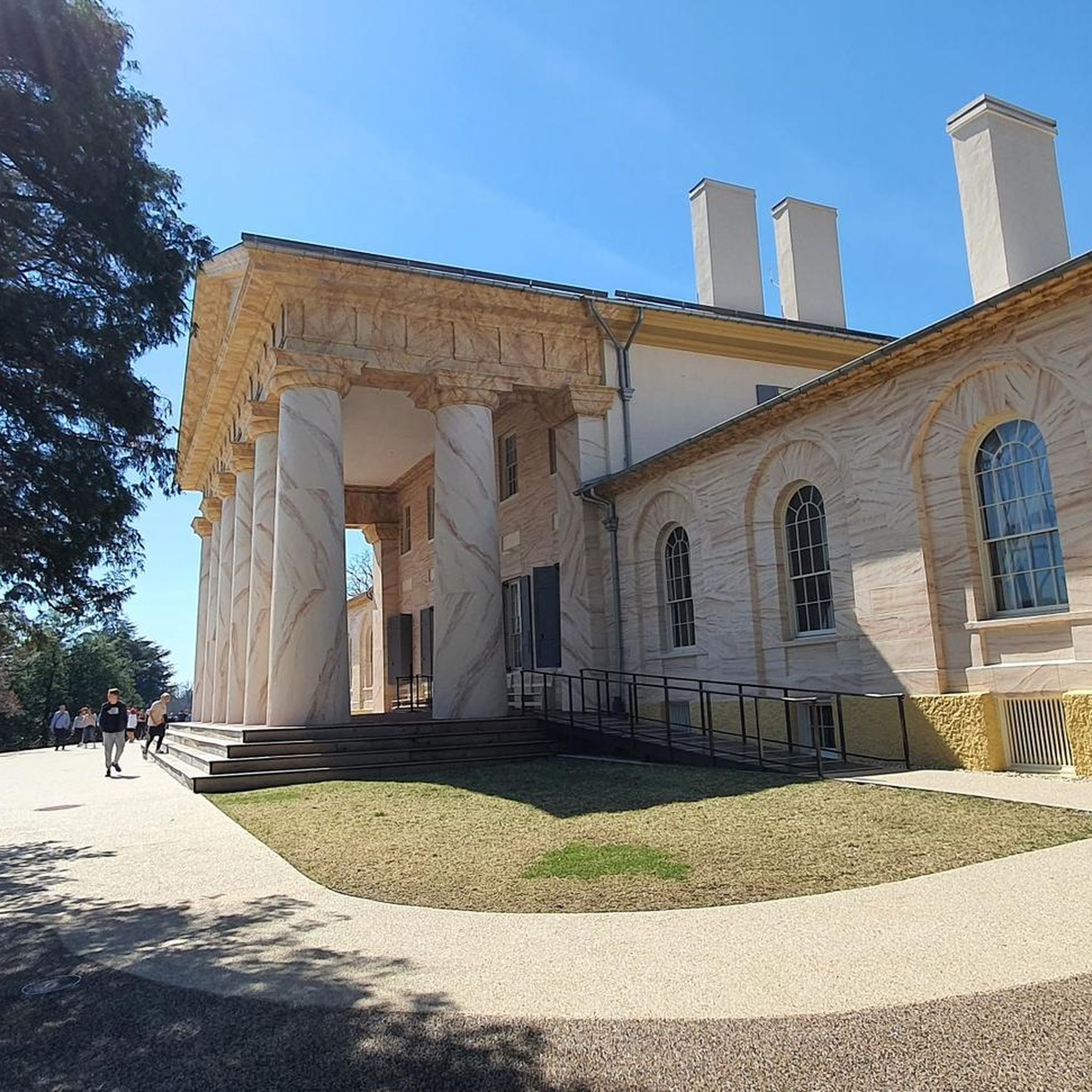
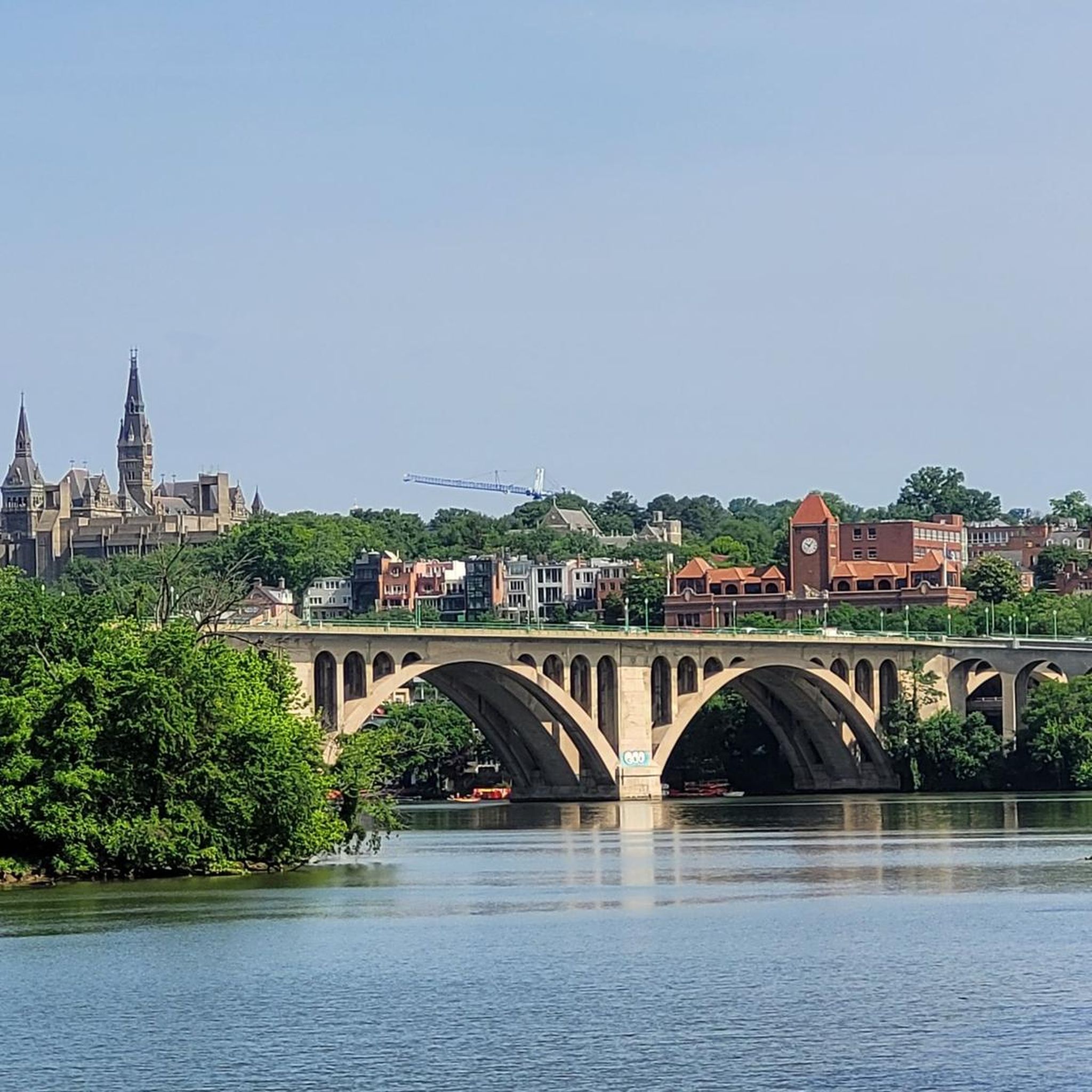
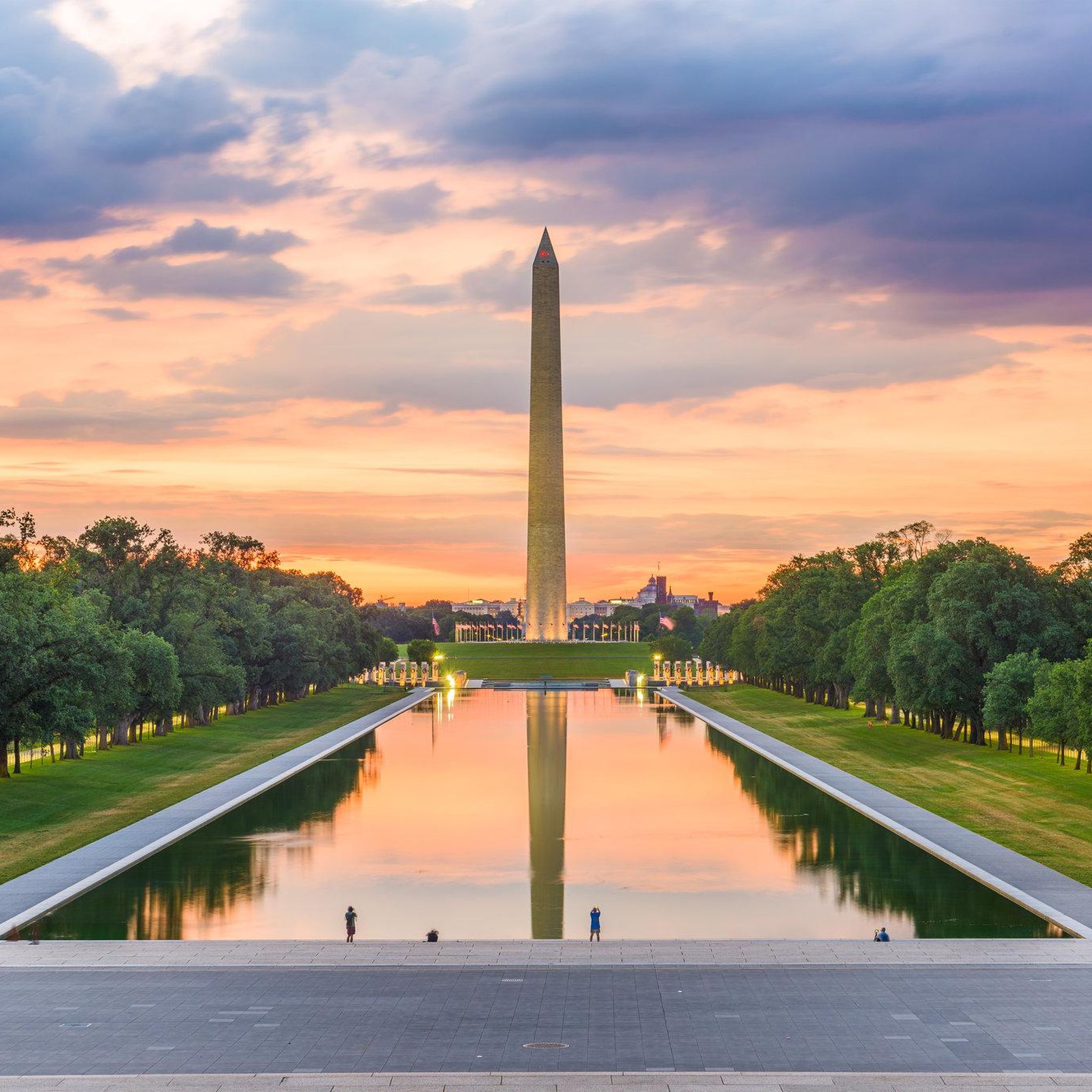
Tips from the Community

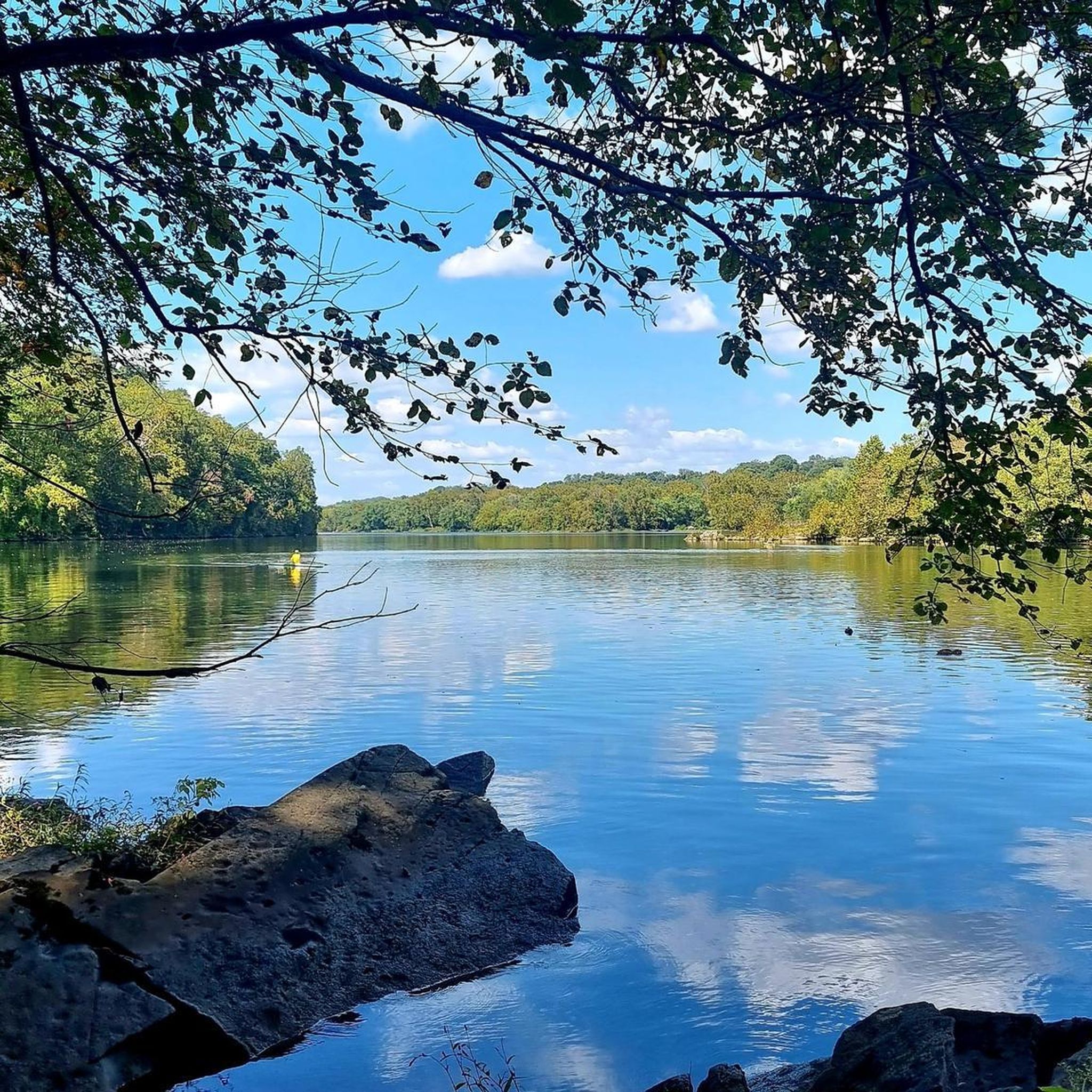
As you ride onto the wide canal bend, you’re met with serene water views—Widewater is a beautiful lake that serves as habitat for many bird and wildlife species. It’s an ideal spot to pause, do some birdwatching, and soak in the calm before continuing your journey along the Potomac and the Chesapeake & Ohio canal.
0
0
This towpath is as much about the journey as the destination. Cruise past historic locks, aqueducts, and shady woodlands along a trail with gentle grades and rich history. Pause at scenic river overlooks or old lockhouses for a quick rest.
0
0

Enjoy easy access to the Great Falls, a popular destination for photographers, hikers, and expert kayakers. Though not exceptionally tall, the falls surge with force as the Potomac River carves through ancient, metamorphic rock.
1
0
Lock 21, aka Swains Lock, is a lock house and campsite. It was built in the 1830s and transported items such as grain and coal between Georgetown and Cumberland. It was named after the Swain family and John Swain, who helped build the canal, and Jesse Swain, the lockkeeper. The family lived here until 2006.
1
0

Located at mile 14.3 on the C&O Canal Towpath in Potomac, Maryland, Great Falls Park is a must-visit highlight for hikers, cyclists, and history buffs alike. A short boardwalk leads to the Olmsted Island overlook, where the Potomac River dramatically crashes over jagged rocks—one of the most scenic views near D.C. For hikers, the popular Billy Goat Trail offers three segments, with Section A featuring challenging rock scrambles and breathtaking river views. The historic Great Falls Tavern, built in 1829, now serves as a visitor center and launch point for seasonal mule-drawn canal boat rides. The towpath itself is flat and easy to navigate, ideal for walking or biking. Amenities include restrooms, picnic spots, and interpretive exhibits. Parking is available at the visitor center (fee required), or you can park for free at nearby Swains Lock and walk or ride 2.5 miles to the falls.
1
0

Meadowbrook Stables is a peaceful equestrian escape nestled in Rock Creek Park, Meadowbrook Stables offers lessons, trail rides, and the chance to watch riders in training. Even if you're not riding, it’s a scenic detour on a cycling or walking route, with horses grazing near the path and the quiet rustle of the woods make this spot feel a world away from DC. Best visited in the early morning or late afternoon for golden light and fewer crowds.
0
0

The Little Falls Dam is the spot that separates the Upper Potomac River and Lower Potomac River. It was constructed in 1959.
0
0
Frequently Asked Questions
How many gravel bike trails are available around Arlington?
There are over 20 gravel bike trails around Arlington, offering a variety of experiences for different skill levels. The komoot community has explored more than 500 gravel biking tours in the area.
What kind of terrain can I expect on gravel bike trails in Arlington?
Gravel biking in Arlington features a diverse mix of terrain. You'll encounter extensive mixed-use paths, urban greenways, and natural surface trails, often blending paved sections with unpaved surfaces. Many routes offer scenic views along the Potomac River, and you can connect to broader systems like the Washington & Old Dominion Trail.
Are there any beginner-friendly gravel bike routes in Arlington?
Yes, Arlington offers routes suitable for beginners. While many trails are moderate, there are options that provide a gentler introduction to gravel biking, often on mixed-use paths with less challenging elevation changes. Two routes are specifically categorized as easy.
What are some scenic viewpoints or landmarks I can see along Arlington's gravel trails?
Many routes offer world-famous views of Washington, D.C., and national monuments along the Potomac River. You might also encounter natural features like those found in Theodore Roosevelt Island or Potomac Overlook Regional Park. For specific natural monuments, consider exploring highlights like the World War II Memorial or the Korean War Veterans Memorial, which are often accessible from nearby trails.
Are there any routes that feature waterfalls?
While Arlington's immediate area is more known for river views, some nearby natural areas offer waterfalls. You can find highlights such as Scott's Run Falls or Dead Run Waterfalls, which might be incorporated into longer rides or visited as side trips from gravel routes.
Are there any loop trails for gravel biking in Arlington?
Yes, many gravel biking routes in Arlington are designed as loops. For example, the Crossing Over the C&O Canal – Francis Scott Key Bridge loop from Woodley Park is a popular circular route that takes you through urban landscapes and along the C&O Canal.
What is the best season for gravel biking in Arlington?
Arlington's gravel trails can be enjoyed year-round, but spring and fall offer the most pleasant conditions with mild temperatures and vibrant foliage. Summers can be hot and humid, while winters are generally mild, though some natural surface trails might be muddy after rain or snow.
Are there any family-friendly gravel biking options?
Arlington's extensive network of mixed-use paths and urban greenways provides many family-friendly options. These trails often have gentler grades and are separated from vehicle traffic, making them suitable for riders of various ages and skill levels. Look for routes that utilize paths like the Custis Trail or Four Mile Run Trail for a more relaxed family outing.
What do other gravel bikers enjoy most about gravel biking in Arlington?
The area is highly rated by the komoot community, with an average score of 4.9 stars. Reviewers often praise the diverse terrain, the scenic river views, and the excellent connectivity to a broader trail system. Many appreciate the blend of urban and natural landscapes that Arlington's gravel routes offer.
Are there routes that connect to the C&O Canal Towpath?
Yes, several routes in the Arlington area provide access to the C&O Canal Towpath, which is a prime destination for gravel biking. The Crossing Over the C&O Canal – Potomac River loop from The Clara Barton House is one such route that incorporates sections along the C&O Canal.
Are there any routes that go near Great Falls?
Yes, you can find gravel biking routes that lead towards the Great Falls area, offering spectacular views of the Potomac River. The Great Falls – Horseshoe Bend at Great Falls loop from American University is an excellent option for experiencing this iconic natural landmark.
Most popular routes around Arlington
Most popular attractions around Arlington

Get inspired with the komoot mobile app


Explore more
Browse the best Gravel rides in other regions.
