The best gravel rides around Vis-En-Artois
4.4
(15)
82
riders
8
rides
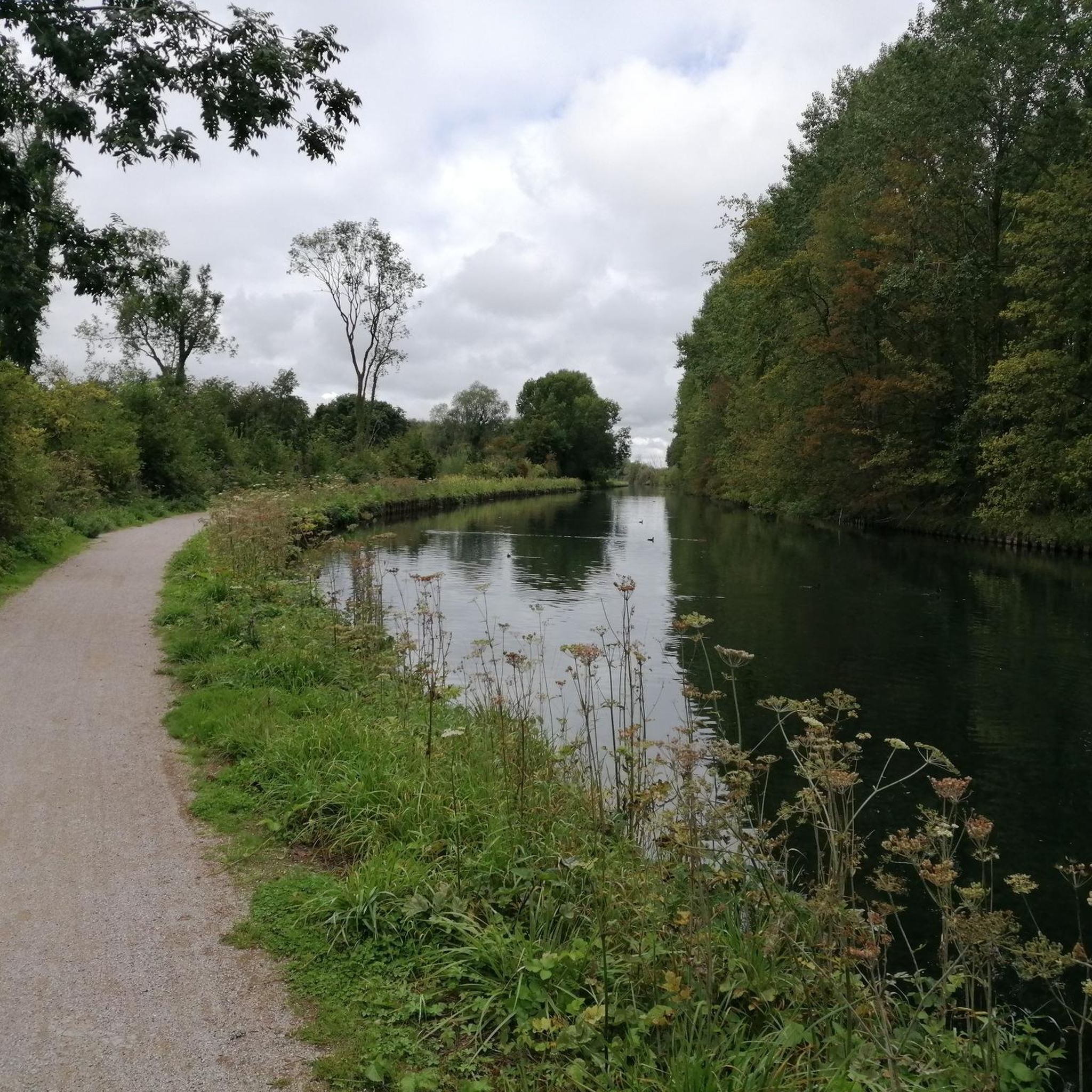
Gravel biking around Vis-En-Artois offers diverse terrain across the broader Artois region, characterized by small paths and old railway lines. These routes provide traffic-free experiences through natural settings, including unspoiled countryside, hills, and woods. The area features varied landscapes such as riverbanks and marshlands, with occasional small climbs adding challenge. This blend of terrains makes it suitable for mixed-surface cycling.
Best gravel bike trails around Vis-En-Artois
- The most popular gravel bike trail is Biache-Saint-Vaast marshes – Scarpe riverbanks loop from…
Last updated: July 16, 2026
3.8
(8)
31
riders
51.5km
03:18
100m
100m
Moderate gravel ride. Good fitness required. Mostly paved surfaces. Suitable for all skill levels.
7
riders
32.4km
02:06
220m
220m
Moderate gravel ride. Good fitness required. Mostly paved surfaces. Suitable for all skill levels.

Sign up for free
4.0
(2)
6
riders
38.1km
02:08
170m
170m
Moderate gravel ride. Good fitness required. Mostly paved surfaces. Suitable for all skill levels.
3.5
(2)
4
riders
Moderate gravel ride. Good fitness required. Mostly paved surfaces. Suitable for all skill levels.
5.0
(1)
7
riders
71.3km
04:45
490m
490m
Hard gravel ride. Very good fitness required. Mostly paved surfaces. Suitable for all skill levels.
Get access to more routes and recommendations from other explorers.
Sign up for free
Already have an account?
Our route recommendations are based on thousands of hikes, rides, and runs completed by other people on komoot.
Start today with a free account
Your next adventure awaits.
Login or Signup




Tips from the Community

End of the trip at this villa in Vitry en Artois
0
0

Hibers Trench Cemetery, situated just north-west of Wancourt near Arras, was begun in April 1917 by the 50th (Northumbrian) Division shortly after the area was captured by British forces at the Battle of Arras. The cemetery contains 136 graves, six of which are unidentified, and also includes three Canadian graves added later in 1918. The simple design is by G.H. Goldsmith and reflects the understated dignity of this memorial. Its position on the Wancourt-Arras road makes it a silent witness to the fierce fighting that took place here, and the presence of personal inscriptions on some of the headstones emphasises the human story behind the numbers. A place of peace, remembrance and reflection.
10
0
Le Jardin Minelle is fed by spring water and has a central water feature which is a meeting place for various birds such as moorhens, ducks and swans. It is a beautiful place to walk or enjoy nature.
6
0
A remarkable story about the Vimy Memorial concerns its unveiling in 1936. More than 50,000 people, including 6,200 Canadians, attended the ceremony. The presence of so many veterans and survivors underscored the profound impact of the war and the enduring bond between Canada and France. The memorial has since become a symbol of Canadian courage and sacrifice.
6
0
The Mémorial national du Canada à Vimy is an impressive war memorial, commemorating the members of the Canadian Expeditionary Force who died during the First World War. The memorial, designed by Walter Seymour Allward, was unveiled on 26 July 1936 by King Edward VIII. It commemorates the 11,169 Canadian soldiers who died in France and have no known grave.
7
0
A special story about the monument concerns the two colonels, Pein and Cros, who were both killed during the division's actions in May 1915. Their names are inscribed on the monument, along with an inscription commemorating the courage and determination of the soldiers: "Aux morts de la division marocaine, sans peur, sans pitié". This tribute emphasises the heavy losses and heroic efforts of the Moroccan Division during the battle.
7
0
The Monument à la Division Marocaine in Givenchy-en-Gohelle commemorates the courage and sacrifice of the Moroccan Division during the First World War. This monument was erected in honour of the breakthrough made by the division during the Battle of Artois on 9 May 1915. The Moroccan Division, led by General Georges Louis Humbert, played a crucial role in breaking through the German lines and capturing strategic terrain.
8
0
A remarkable event occurred on April 9, 1917, when Canadian troops launched their famous assault on Vimy Ridge, a pivotal battle that resulted in the capture of strategically important heights. The cemetery commemorates the sacrifices of these and other soldiers who fought in the region.
7
0
Frequently Asked Questions
How many gravel bike trails are available around Vis-En-Artois?
There are over 10 gravel bike trails around Vis-En-Artois, offering a variety of experiences. The komoot community has explored 12 routes in total, with 11 rated as moderate and one as difficult.
What makes gravel biking in Vis-En-Artois unique?
Gravel biking in Vis-En-Artois is characterized by its 'terres de gravel' (gravel lands), featuring a network of 'petits chemins' (small paths) and 'ancienne voie ferrée' (old railway lines). These provide traffic-free routes through unspoiled countryside, rolling hills, woods, and picturesque villages, offering a blend of natural beauty and varied terrain.
Are there easy gravel bike trails suitable for beginners in Vis-En-Artois?
While most routes are rated moderate, the terrain around Vis-En-Artois, with its small paths and old railway lines, is generally accessible. Many routes offer pleasant, traffic-free experiences. For a moderate option that explores riverbanks, consider View of the Haut Pont marsh – La Villa du Barrage loop from Vitry-en-Artois, which is 41.2 km long.
Are there challenging gravel bike routes in the Vis-En-Artois area?
Yes, while many routes are moderate, the region does feature 'petits coups de cul' (small climbs) that add a degree of challenge. There is at least one route specifically rated as difficult, providing a more demanding experience for seasoned gravel bikers.
What are some of the longer gravel routes near Vis-En-Artois?
For a longer ride, the Biache-Saint-Vaast marshes – Scarpe riverbanks loop from Vitry-en-Artois is a popular choice, covering 51.5 km and typically taking around 3 hours 52 minutes. It allows you to explore the Biache-Saint-Vaast marshes and follow the Scarpe riverbanks.
Are there circular gravel bike routes around Vis-En-Artois?
Yes, many of the gravel bike routes in the Vis-En-Artois area are designed as loops, allowing you to start and end at the same point. An example is the The Scarpe by bike – Biache-Saint-Vaast marshes loop from Plouvain, a 30.2 km moderate trail.
What can I see along the gravel bike trails around Vis-En-Artois?
The routes often traverse historical paths, riverbanks, and marshlands. You can encounter various points of interest such as Les Bonnettes, the ancient Menhir of Lécluse or the Devil's Stone, and the Hamel Dolmen or the Sorcerers' Kitchen (Pierre Chavatte). The region's unspoiled countryside, hills, and picturesque villages also provide scenic backdrops.
What do other gravel bikers enjoy the most about gravel biking in Vis-En-Artois?
The area is highly rated by the komoot community, with an average score of 4.2 stars from over 10 reviews. Reviewers often praise the diverse terrain, the tranquility of the small paths and old railway lines, and the scenic beauty of the unspoiled countryside, hills, and riverbanks.
Are there any routes that follow riverbanks or marshlands?
Yes, the region is known for its riverbank and marshland routes. The The Scarpe by bike – Scarpe riverbanks loop from Pelves is a moderate 37.8 km path that offers scenic views along the Scarpe riverbanks.
Are there any routes that pass through historical sites or villages?
Many routes in the Pays d'Artois region traverse historical paths and lead through picturesque villages. While specific châteaux are in the wider region, the routes often offer glimpses into the area's heritage and charming local landscapes.
What kind of landscapes can I expect to see while gravel biking here?
You can expect to see a mix of 'bucolic landscapes,' unspoiled countryside, rolling hills, and woods. The routes often follow riverbanks and pass through marshlands, providing a varied and visually engaging environment for cycling.
Most popular routes around Vis-En-Artois
Most popular attractions around Vis-En-Artois

Get inspired with the komoot mobile app


Explore more
Browse the best Gravel rides in other regions.
