Top 20 Caves around Bartholomä
Caves around Bartholomä are primarily located in the Swabian Jura, centered on the Rosenstein mountain near Heubach. This area is characterized by its natural geological formations and historical significance, offering insights into prehistoric human habitation. The region features over 40 known caves, many of which are freely accessible during summer months.
Best caves around Bartholomä
- The most popular caves is Mordloch Cave, a cave that is a water cave with a kilometers-long, mostly water-filled passage. It is known for…
Last updated: October 9, 2026
Great Scheuer Cave
Highlight • Cave
Translated by Google •
Tip by

Finsteres Loch Cave
Highlight • Cave
Translated by Google •
Tip by

Sign up now to discover places like this
Get recommendations on the best single tracks, peaks, & plenty of other exciting outdoor places.
Mordloch Cave
Highlight • Cave
Translated by Google •
Tip by

Rosenstein Caves and Ruins
Highlight (Segment) • Cave
Translated by Google •
Tip by
Teufelsklinge Waterfall
Highlight • Waterfall
Translated by Google •
Tip by

Sign up for free to discover even more caves around Bartholomä.
Already have an account?
Start today with a free account
Your next adventure awaits.

Tips from the Community

Good footwear recommended. Path very narrow and slippery
3
0

The Teufelsklinge is to be climbed step by step. Not entirely harmless, a sign warns at the very front. We dared and did not regret it.
2
0

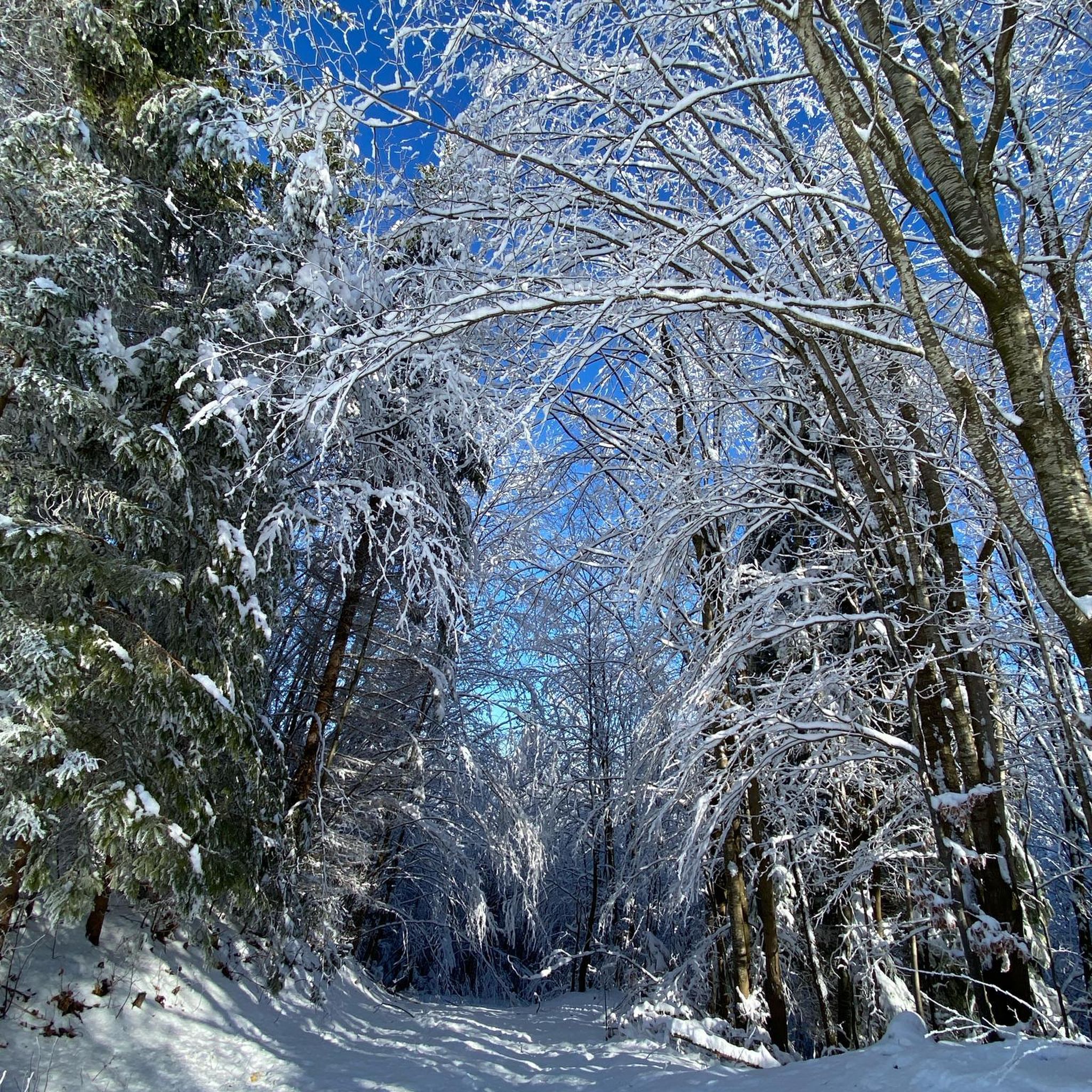
With great icicles in winter, situated on a steep rock face.
2
0


One of the most beautiful locations in the Ostalb district. Highly recommended for everyone with children.
2
0
Even if the cave is still closed, a detour here is worthwhile, as you also have a good view of the valley.
7
0
Imposing, freely accessible passage cave. Often hung with icicles in winter.
7
0

Frequently Asked Questions
What makes the caves around Bartholomä unique?
The caves around Bartholomä, primarily located in the Swabian Jura on the Rosenstein mountain, are unique for their blend of natural geological formations and rich historical significance. The region features over 40 known caves, many of which are freely accessible during summer. They include tunnel-like caves, water caves, and cave ruins, with some holding archaeological findings from the Stone Age and Bronze Age.
Are there any family-friendly caves to explore in the region?
Yes, several caves are suitable for families. The Great Scheuer Cave is family-friendly due to its natural light and easy accessibility via a hiking trail. The Dreieingangshöhle (Three-entrance cave), though not explicitly listed in the highlights, is also popular with children according to regional research. The broader Rosenstein Caves and Ruins area is also considered family-friendly, offering more than just caves.
What historical or archaeological significance do the Bartholomä caves hold?
The caves are historically significant, with findings indicating prehistoric human habitation. Excavations in the Rosenstein caves have uncovered tools dating back to the Paleolithic period. The nearby 'Das Haus' cave, for instance, yielded artifacts from the Bronze Age and Middle Ages. The Dreieingangshöhle also shows evidence of human use since at least the Bronze Age and is part of the Archaeopfad Rosenstein, an archaeological trail.
Can I explore the caves on my own, or are guided tours necessary?
Many caves, especially on the Rosenstein, are freely accessible during the summer months. For example, the Great Scheuer Cave can be explored without a flashlight due to its natural light. However, local caving clubs offer guided tours for various caves in the Rosenstein area, which may require sturdy footwear and helmets. During winter, some caves are closed for bat protection.
What should I know about visiting the Mordloch Cave?
The Mordloch Cave is a water cave known for its cool water. It is kilometers long but mostly water-filled, making it suitable only for experienced divers beyond the initial accessible sections. While hikers can explore about 50 meters in dry summers (with rubber boots allowing a few meters more), it becomes a siphon that only experienced speleologists can submerge. It is not recommended for general entry, especially after rain, due to safety concerns.
What is the best time of year to visit the caves around Bartholomä?
The best time to visit is generally during the summer months, as many caves are freely accessible then. During winter, some caves may be closed for bat protection. If you plan to explore deeper or participate in guided tours, checking local conditions and tour availability is advisable.
Are there hiking trails that incorporate the caves?
Yes, the region offers numerous hiking opportunities that pass by or through caves. For instance, a hiking trail from Lautern passes directly through the Great Scheuer Cave. You can find various routes, including those around the Rosenstein, in the Hiking around Bartholomä guide, which features trails like the 'Rosenstein Castle Ruins – Rosenstein Bridge loop'.
What kind of natural features can I expect to see besides caves?
Beyond the caves, the region boasts a diverse natural landscape. The Rosenstein mountain itself is a popular recreational spot with numerous vantage points offering views over the northern land. The area also includes the remnants of a medieval castle, and nearby, you can find the Teufelsklinge Waterfall, a gorge with a trail, and various forests.
Is there parking available near the main cave sites?
Yes, for the Rosenstein area, which hosts many caves, there is a parking lot for hikers on the saddle between the Glasenberg and the actual Rosenstein, accessible by car from Heubach. This makes many of the caves, including the Rosenstein Caves and Ruins, quite accessible.
Are dogs allowed in the caves or on nearby trails?
While specific cave regulations for dogs are not always explicit, the Rosenstein area is a popular recreational spot, and many hiking trails are dog-friendly. It's always recommended to keep dogs on a leash and be mindful of other visitors and wildlife. For deeper cave explorations or guided tours, it's best to check with organizers directly.
What are the accessibility considerations for the caves?
Accessibility varies. Caves like the Great Scheuer Cave are easily accessible via hiking trails and naturally lit. Others, like the Dreieingangshöhle, have narrower sections where a flashlight is recommended. Some caves, particularly the water-filled Mordloch Cave, are only for experienced explorers. Generally, sturdy footwear is recommended for exploring the terrain around the caves.
Where can I find refreshments or accommodation near the caves?
On the Rosenstein mountain, above the ruins, there is a restaurant with a playground and barbecue facilities, making it convenient for visitors to the Rosenstein Caves and Ruins. For broader options, Bartholomä and nearby towns offer cafes, pubs, and accommodation.
What distinguishes the Great Scheuer Cave from others?
The Great Scheuer Cave is one of the largest and most famous caves on the Rosenstein. It is distinctive for its tunnel-like structure, measuring 44 meters in length and up to 7 meters in height. Its three large openings allow sufficient natural light to illuminate the entire cave, meaning a flashlight is not needed for exploration, which sets it apart from many other caves.
What is the Rosenstein Caves and Ruins area, and what does it offer?
The Rosenstein Caves and Ruins is a natural monument and historical site encompassing a broader area on the Rosenstein mountain. It features over 40 known caves, remnants of a medieval castle, numerous vantage points, and a restaurant. It's a popular recreational spot offering opportunities for hiking, mountain biking, climbing, and exploring both natural and historical attractions.
Are there any water-filled caves in the region?
Yes, the Mordloch Cave is a prominent water cave in the region. It is known for its cool water gushing out and features a kilometers-long, mostly water-filled passage. While the initial sections can be explored by hikers in dry conditions, the majority of the cave is only accessible to experienced divers due to its submerged nature.
Most popular routes around Bartholomä
Most popular attractions around Bartholomä

Get inspired with the komoot mobile app


Explore more
Extend your search for the best caves by checking out these guides of the top ones around Bartholomä:
