Top 20 Caves around Heidenheim an der Brenz
Best caves around Heidenheim an der Brenz are located within a region known for its karst topography, characteristic of the Swabian Alb. This geological setting has created numerous natural caves and sinkholes. The area provides opportunities to explore these underground formations and observe the unique geology of the Brenz valley. Heidenheim an der Brenz offers a landscape where natural history and outdoor activities are prominent.
Best caves around Heidenheim an der Brenz
- The most popular caves is Birkel Cave,…
Last updated: October 9, 2026
Charlottenhöhle
Highlight • Cave
Translated by Google •
Tip by

Hexenloch Sinkhole and Cave
Highlight • Cave
Translated by Google •
Tip by

Sign up now to discover places like this
Get recommendations on the best single tracks, peaks, & plenty of other exciting outdoor places.
Lonetal on the Kühberg
Highlight (Segment) • Natural
Translated by Google •
Tip by

Cycle Path to Nattheim
Highlight (Segment) • Cycleway
Translated by Google •
Tip by

Birkel Cave
Highlight • Cave
Translated by Google •
Tip by

Sign up for free to discover even more caves around Heidenheim an der Brenz.
Already have an account?
Start today with a free account
Your next adventure awaits.
Popular around Heidenheim an der Brenz
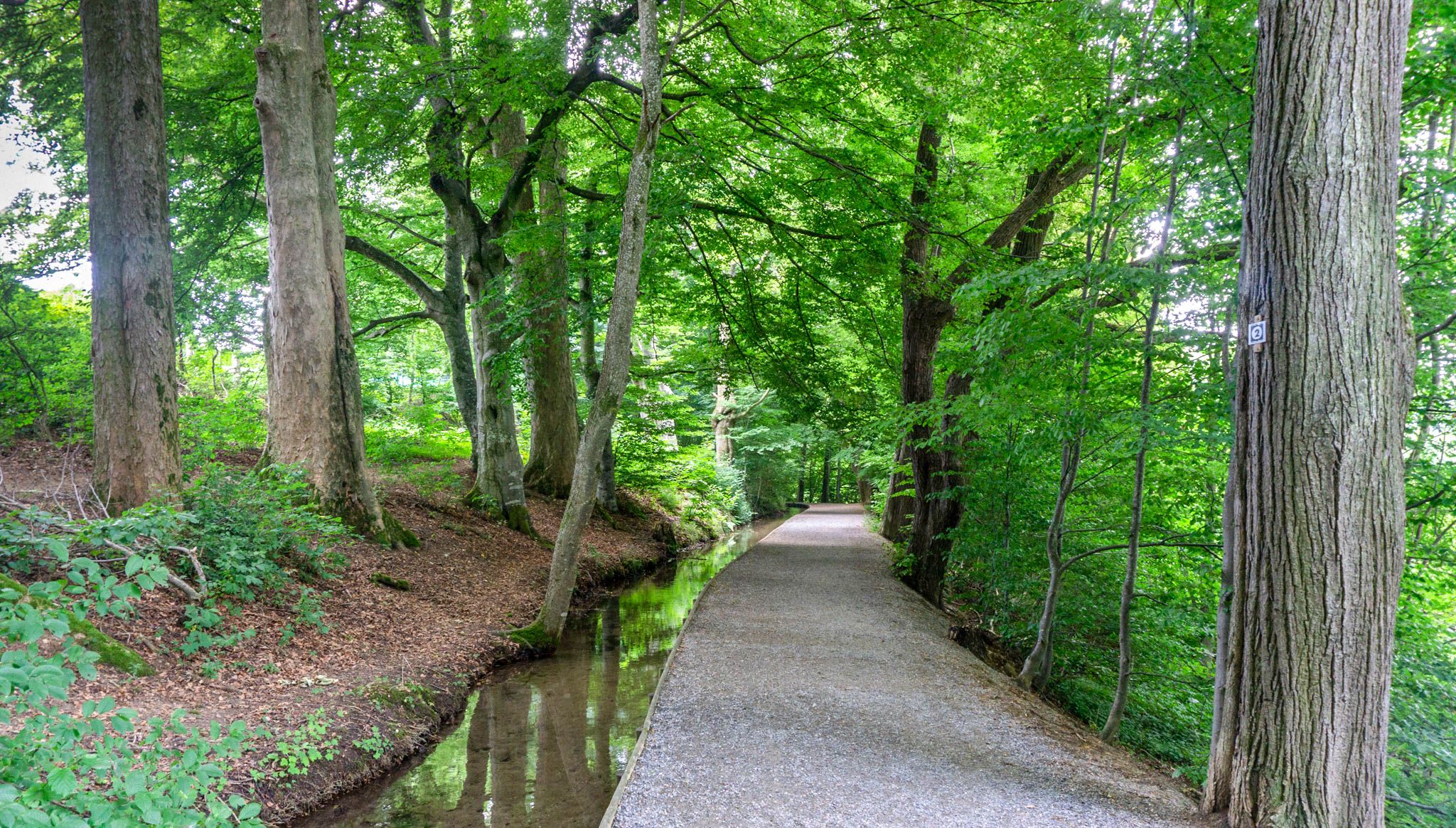
Main-Danube-Lake Constance Trail – Along iconic waters
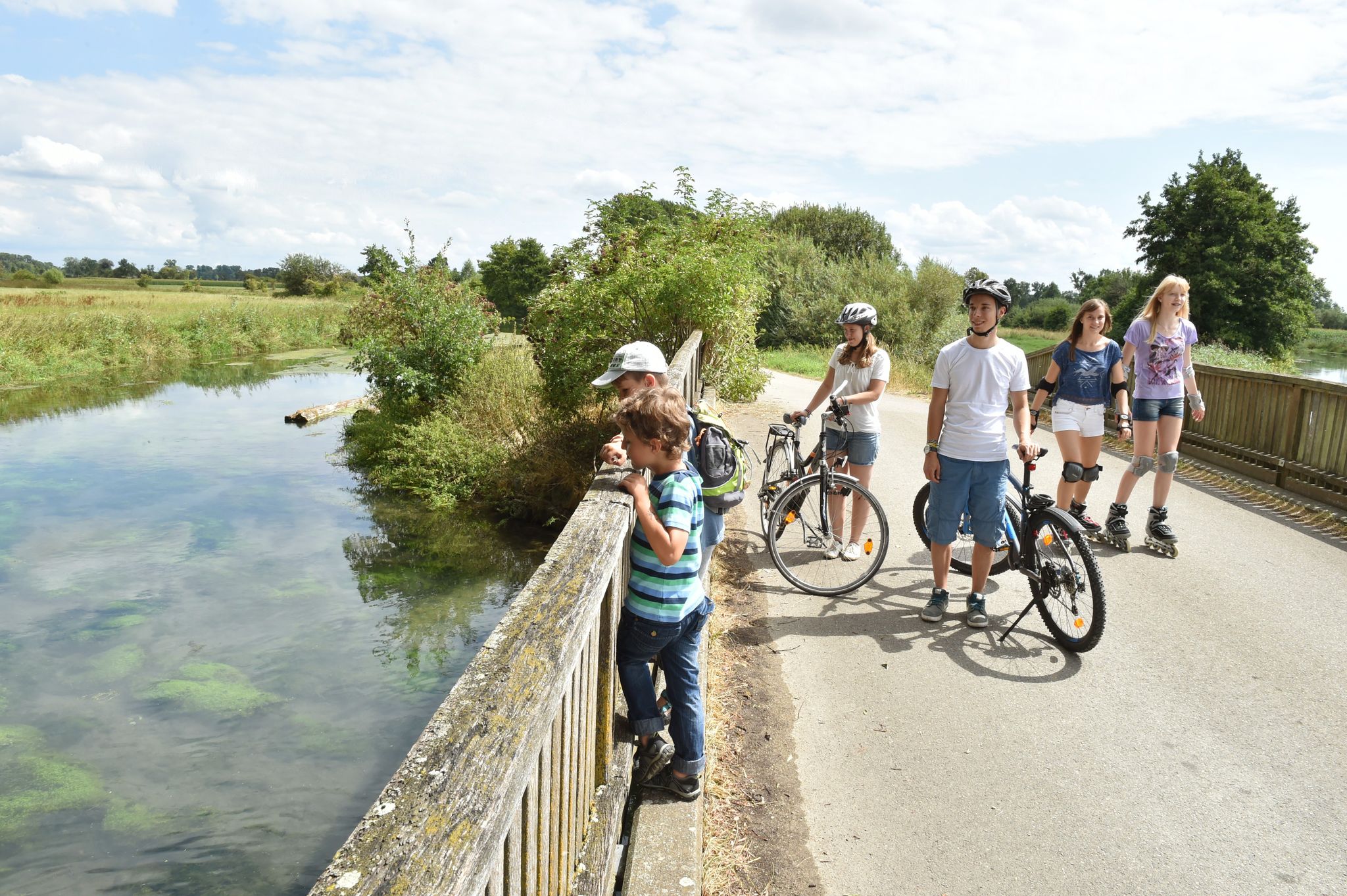
Germany's Hohenlohe-Ostalb Cycle Route – From idyllic valleys to the Swabian Alb
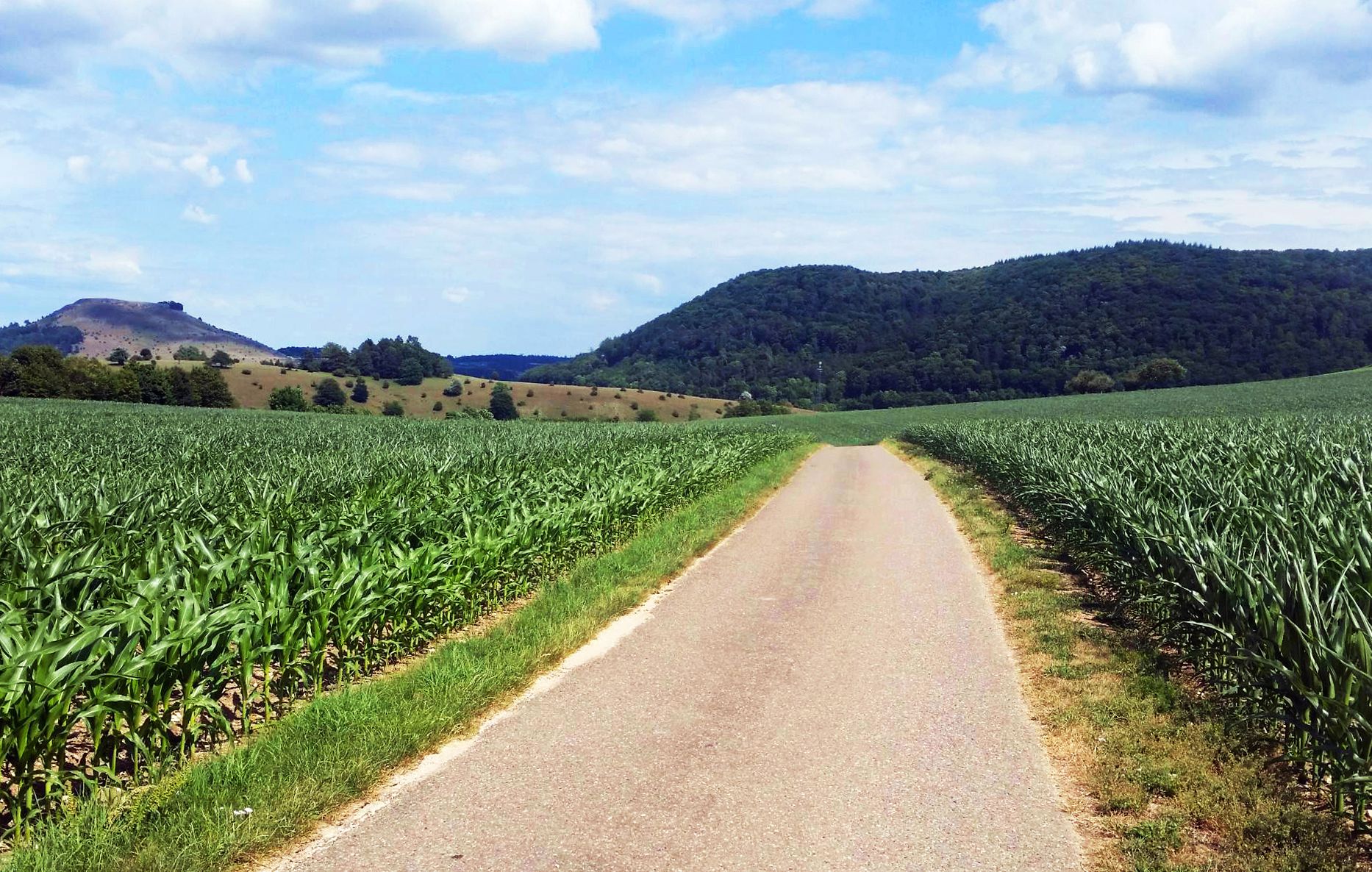
From Crater to Crater — 4 stages in the Geopark Ries and across the Swabian Alb
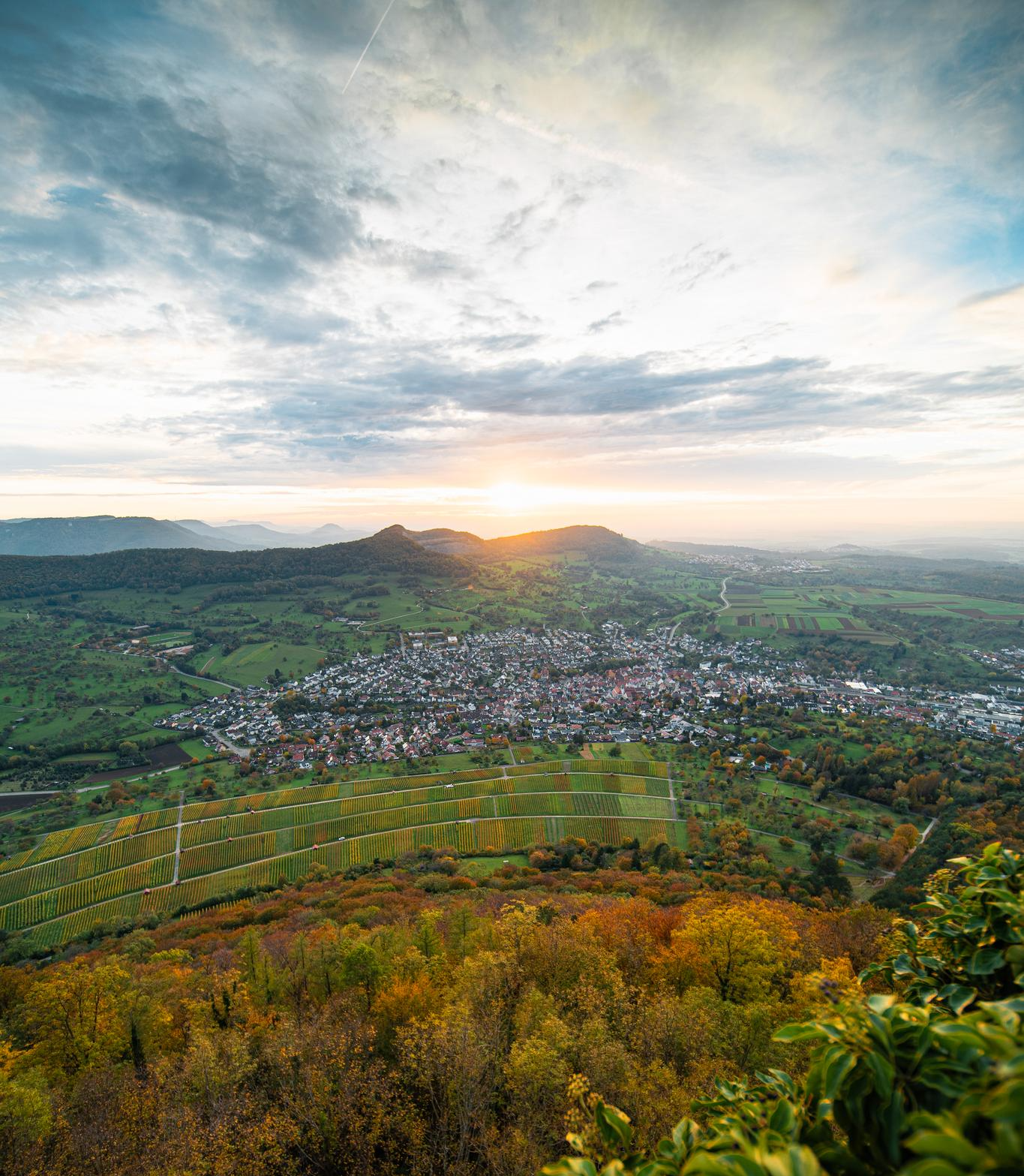
E-bike pleasure rides in the Swabian Alb
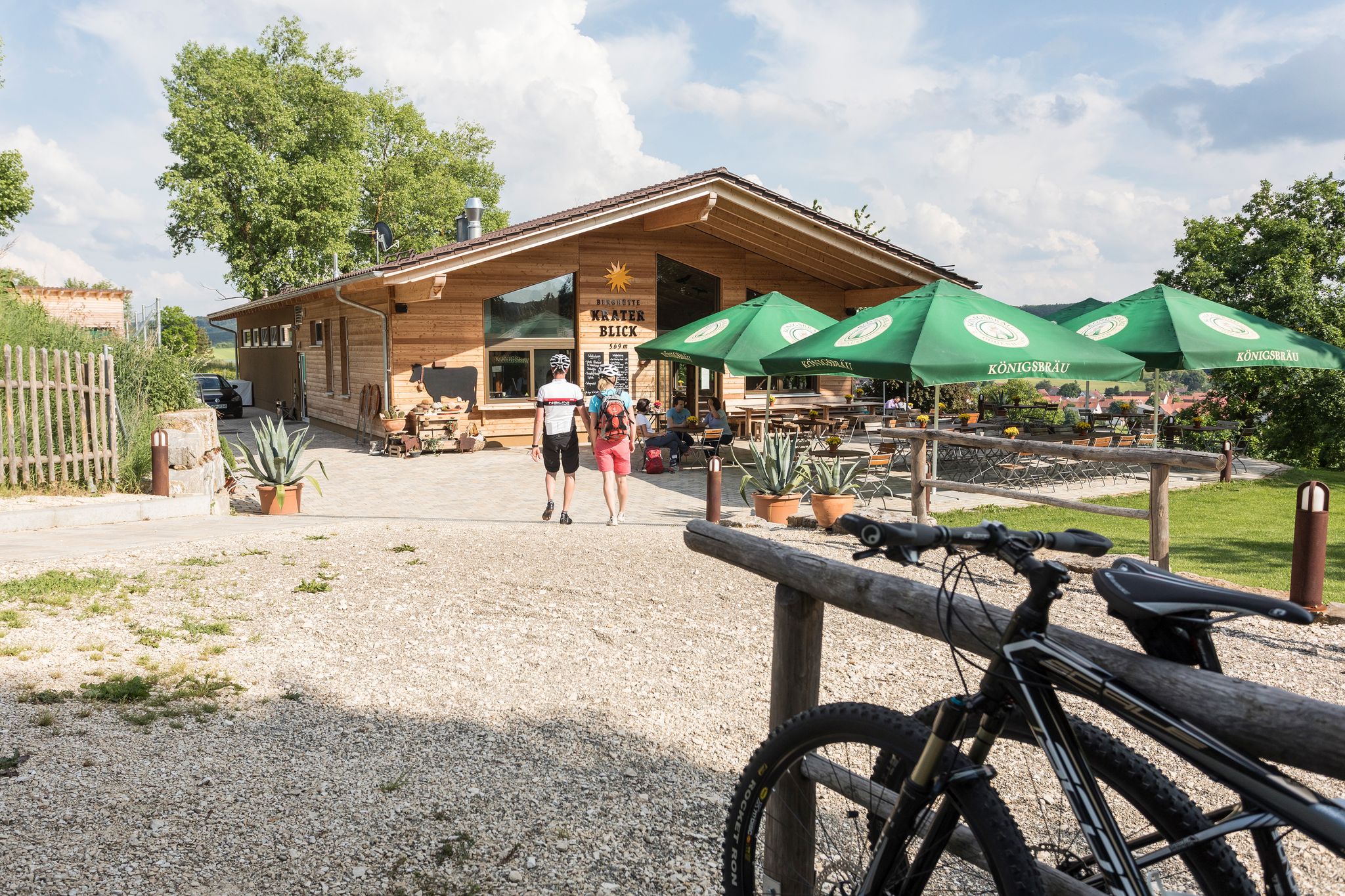
Cycling with all your senses on the Swabian Alb
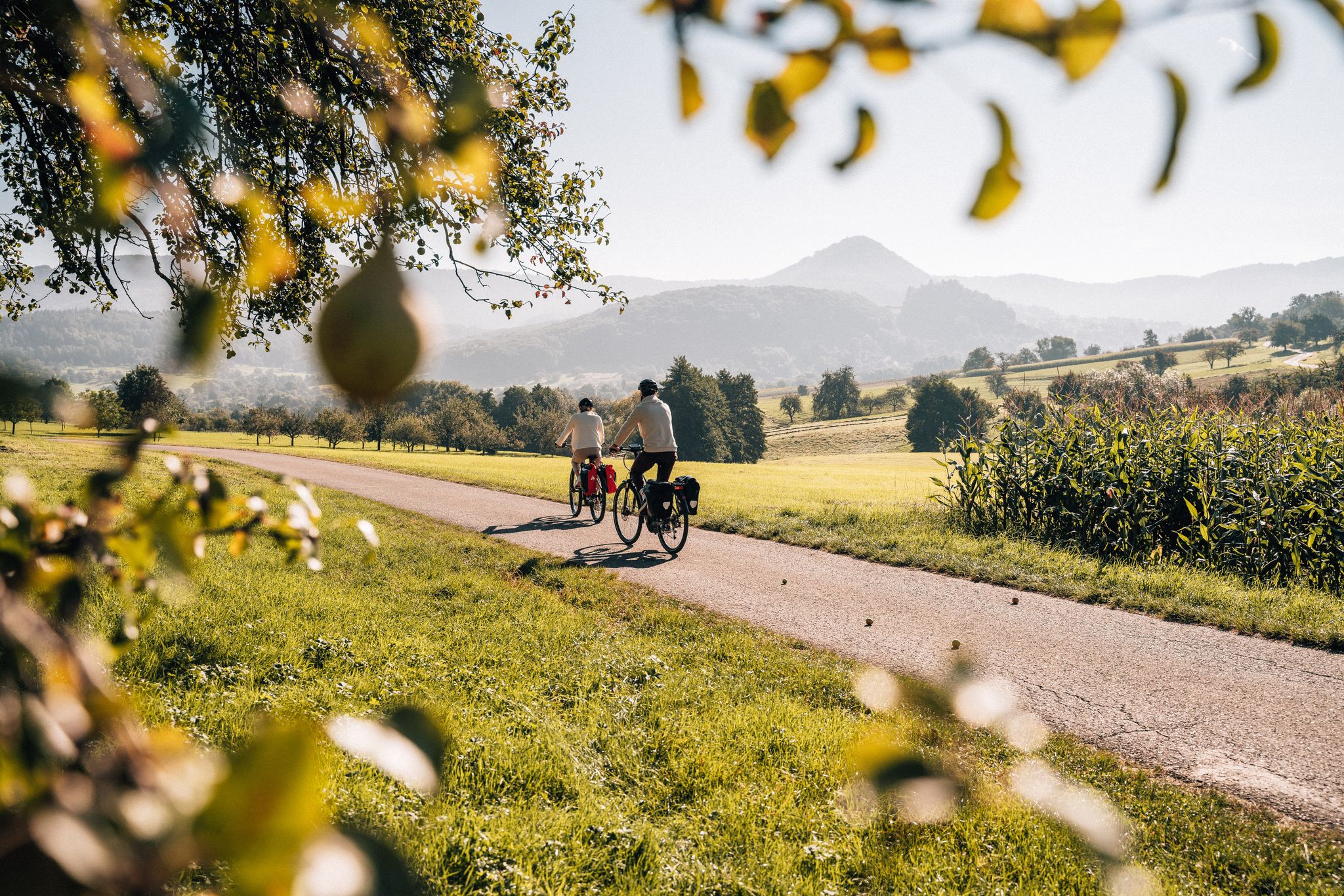
Cycle the Swabian Alb Cycle Path to Lake Constance
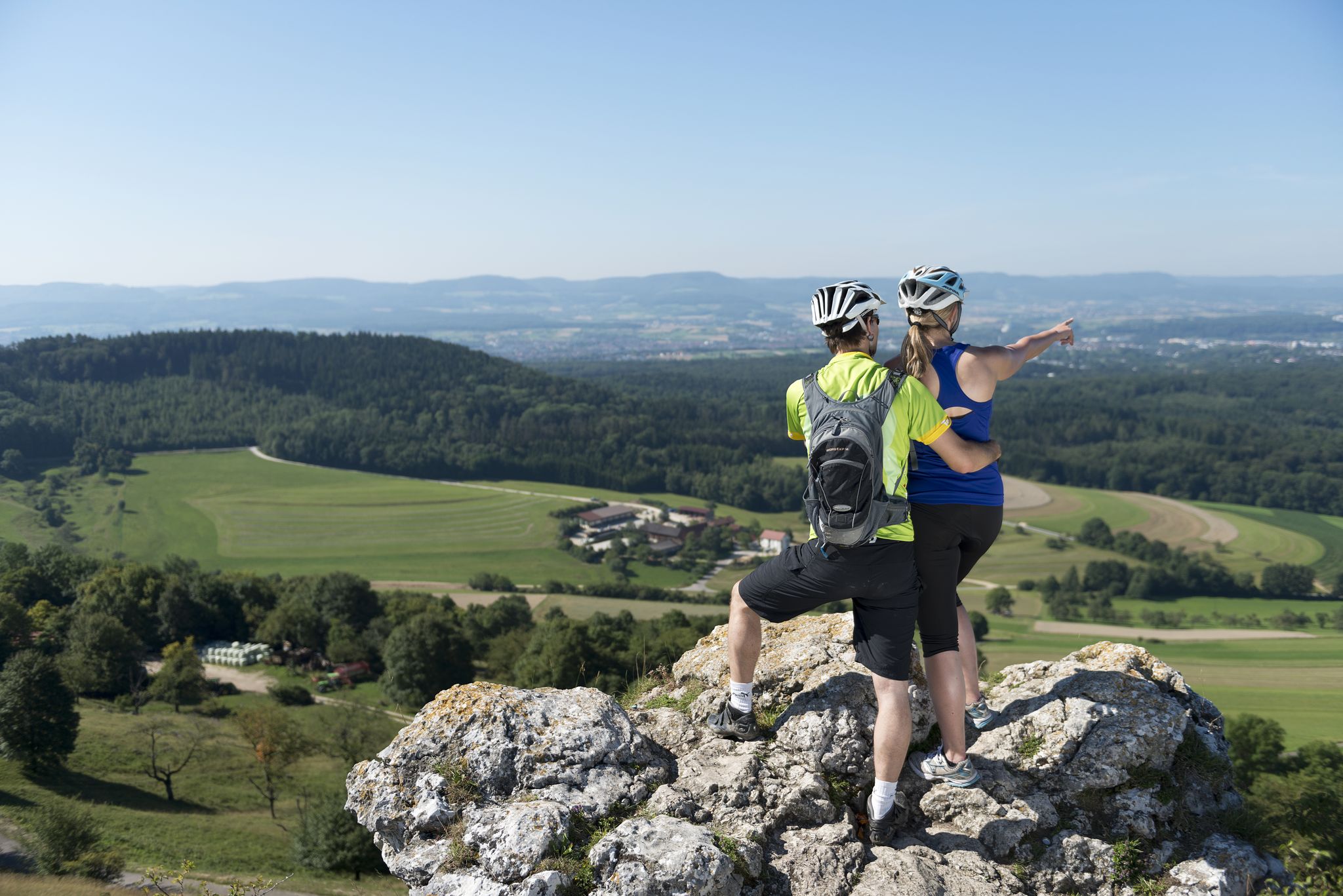
9 beautiful day rides in the Swabian Jura in Germany
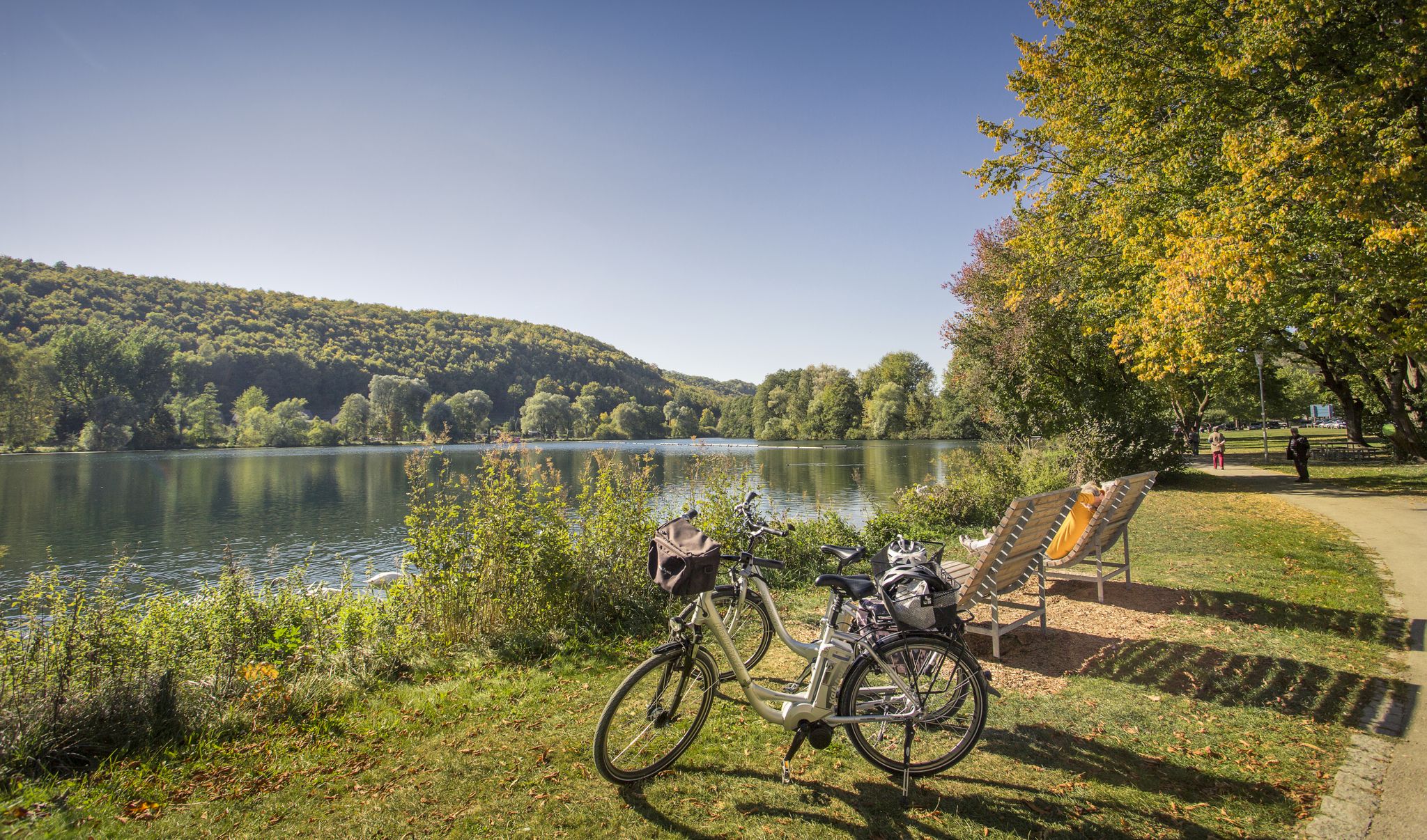
Prehistoric landscapes and the Ice Age – cycling in the Brenz region

Counting sheep on the Albschäfer Trail
Counting sheep on the Albschäfer Trail
Other adventures around Heidenheim an der Brenz


Tips from the Community

Only for people who find it interesting
0
0

The cave is approximately 51 meters long and runs horizontally through the Jurassic rock. Its keyhole profile is particularly interesting, making it unique. There is no lighting, so a flashlight is recommended.
8
0

The beautiful cycle path leads from Schnaitheim to Nattheim next to the main road. It goes under the Lindletal bridge, which is 48 m high and 300 m long. It also passes the Ramenstein, which is 570 m above sea level and contains a U-shaped cave that is around 45 m long. The cave is closed over the winter to protect hibernating bats.
1
0

On our hike through the Wental valley we also passed the so-called witch's hole. The sinkhole and cave somehow have something really spooky about them. Unfortunately no witch came out of the sinkhole that day and so we strolled along at a leisurely pace. 😁
2
0

Here it rolls beautifully through the valley.
5
0

At 532m, the Charlotten Cave is the longest accessible show cave in the Swabian Alb. It's a shame that you're only allowed to take photos in one place in the cave.
8
0

Good cycle path next to the main road Sometimes a bit narrow when 2 MTBs meet!
0
0

A bit hidden but definitely worth seeing
1
0
Frequently Asked Questions
Are there family-friendly caves around Heidenheim an der Brenz?
Yes, several caves in the area are suitable for families. Charlottenhöhle is a natural monument and one of the largest publicly accessible stalactite caves in Baden-Württemberg. The Hexenloch Sinkhole and Cave is also noted as a must for children to explore. Additionally, the Lonetal on the Kühberg area, which includes caves, is described as a great experience even with children.
What is the typical difficulty for exploring caves in the Heidenheim area?
The difficulty varies. For instance, Birkel Cave is rated as intermediate, requiring non-slip shoes and a flashlight due to its muddy flooring and lack of lighting. Other areas like the Cycle Path to Nattheim, which includes a cave along its route, are very easy to navigate.
What should I wear when visiting caves near Heidenheim an der Brenz?
It is recommended to wear non-slip shoes, especially for caves like Birkel Cave which can have muddy flooring. Caves typically maintain a cool temperature year-round, so bringing a light jacket or sweater is advisable. A flashlight is also essential for unlit caves.
When is the best time to visit the caves around Heidenheim an der Brenz?
The best time to visit is generally from spring to autumn. Some caves, such as Charlottenhöhle, are closed during the winter months. Always check the specific opening hours for individual caves before planning your trip.
Are the caves around Heidenheim an der Brenz accessible in winter?
Many of the publicly accessible show caves, like Charlottenhöhle, are closed during winter. However, some natural caves or sinkholes might be accessible, though conditions can be challenging due to cold, ice, or mud. It's best to verify the status of specific locations before visiting in winter.
What kind of geological features can I expect to see in the caves near Heidenheim an der Brenz?
The region is known for its karst topography, characteristic of the Swabian Alb. You can expect to see various underground formations, including stalactite caves like Charlottenhöhle, natural caves, and sinkholes such as the Hexenloch Sinkhole and Cave. The Birkel Cave is notable for its unique keyhole profile running through Jurassic rock.
Are there any caves with unique geological formations or features?
Yes, the region offers unique formations. Birkel Cave is known for its distinctive keyhole profile. Charlottenhöhle is a significant stalactite cave, showcasing impressive dripstone formations. The Hexenloch Sinkhole and Cave presents a chimney- or funnel-shaped depression, characteristic of karst areas.
What outdoor activities can I combine with a visit to the caves?
The area around Heidenheim an der Brenz offers various outdoor activities. You can find numerous road cycling routes, such as those listed in the Road Cycling Routes around Heidenheim an der Brenz guide. There are also gravel biking opportunities, detailed in the Gravel biking around Heidenheim an der Brenz guide, and easy hiking trails, which you can explore through the Easy hikes around Heidenheim an der Brenz guide.
Are there hiking trails that include caves in the Heidenheim area?
Yes, there are hiking opportunities that incorporate cave exploration. For example, an easy hike includes the Birkel Cave as part of a loop from LSG Reibertal. The Lonetal on the Kühberg area also features beautiful natural panoramas and caves along its trails. You can find more options in the Easy hikes around Heidenheim an der Brenz guide.
Are dogs allowed in the caves near Heidenheim an der Brenz?
Policies regarding dogs vary by specific cave. For natural, undeveloped caves, dogs may be permitted if kept on a leash. However, for managed show caves like Charlottenhöhle, it's common for dogs not to be allowed inside due to preservation and safety reasons. Always check the specific rules for each cave you plan to visit.
Where can I find parking near the caves in Heidenheim an der Brenz?
Parking availability depends on the specific cave location. For popular sites like Charlottenhöhle, designated parking areas are usually provided. For more remote or natural caves, parking might be limited to roadside spots or nearby trailheads. It is advisable to research parking options for your chosen cave in advance.
How long does it typically take to explore the caves in the Heidenheim area?
The exploration time varies significantly. Smaller natural caves like Birkel Cave (51 meters long) might take 15-30 minutes. Larger show caves, such as Charlottenhöhle (almost 600 meters long), often involve guided tours that can last 45-60 minutes. Exploring areas with multiple features, like the Lonetal on the Kühberg, could take several hours if combined with hiking or cycling.
Most popular routes around Heidenheim an der Brenz
Most popular attractions around Heidenheim an der Brenz

Get inspired with the komoot mobile app


Explore more
Extend your search for the best caves by checking out these guides of the top ones around Heidenheim an der Brenz:
