The best gravel rides around Montigny-Lès-Metz
4.4
(84)
476
riders
94
rides
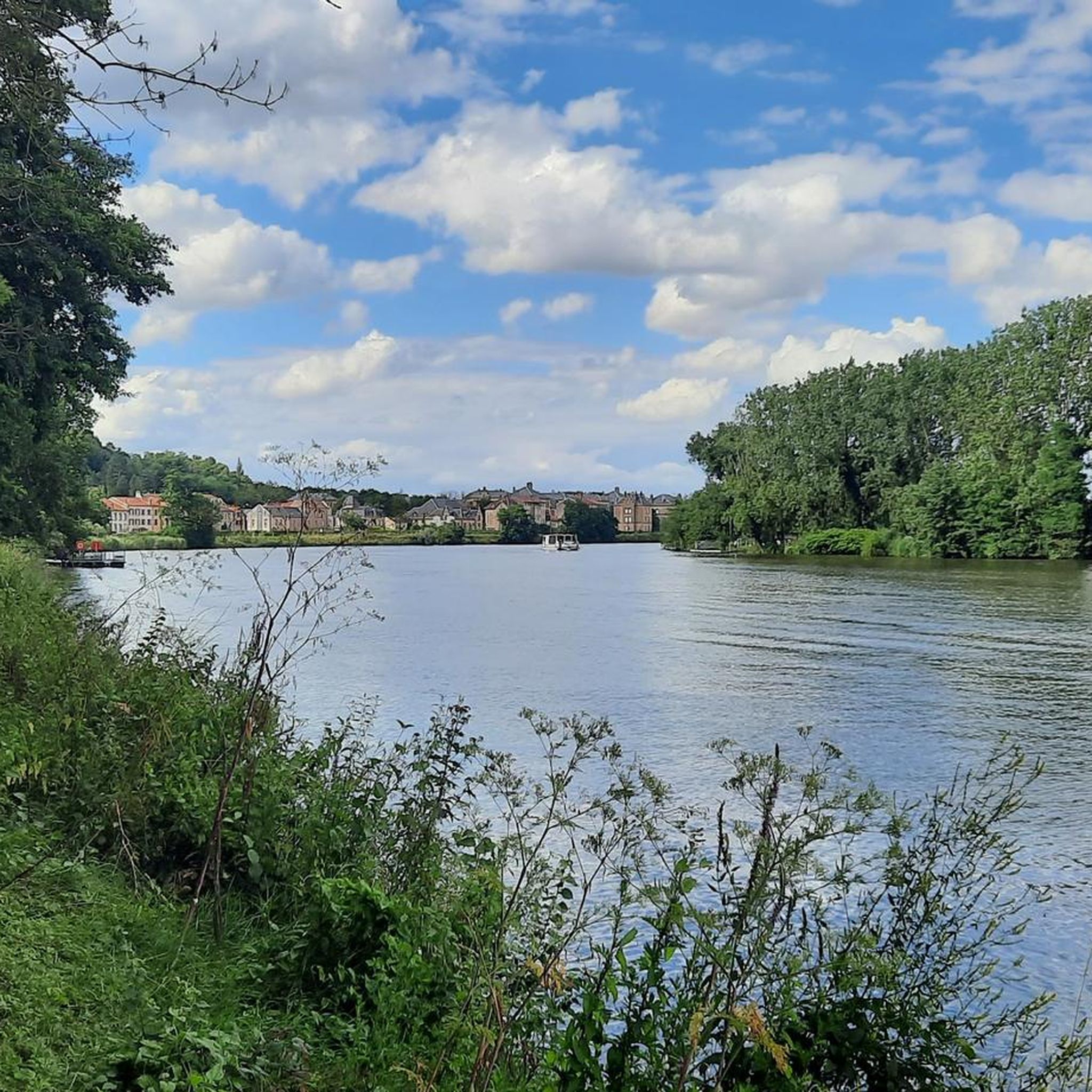
Gravel biking around Montigny-Lès-Metz traverses a landscape characterized by urban green spaces, proximity to the Moselle River, and varied natural features. The region offers a mix of riverside paths, wooded areas, and open terrain suitable for gravel cycling. These routes often incorporate sections along the Moselle and Seille riverbanks, providing relatively flat and scenic riding. The area also features hills and former quarry sites now transformed into biodiverse parks, adding diverse elevation and terrain to the routes.
Best gravel bike…
Last updated: July 16, 2026
4.8
(23)
83
riders
37.2km
02:06
180m
180m
Moderate gravel ride. Good fitness required. Mostly paved surfaces. Suitable for all skill levels.
3.5
(2)
24
riders
41.8km
02:58
520m
520m
Hard gravel ride. Very good fitness required. Mostly paved surfaces. Suitable for all skill levels.

Sign up for free
4.4
(7)
38
riders
23.6km
01:21
60m
60m
Easy gravel ride. Great for any fitness level. Mostly paved surfaces. Suitable for all skill levels.
5.0
(2)
10
riders
42.0km
02:56
320m
320m
Moderate gravel ride. Good fitness required. Mostly paved surfaces. Suitable for all skill levels.
11
riders
Easy gravel ride. Great for any fitness level. Mostly paved surfaces. Suitable for all skill levels.
Get access to more routes and recommendations from other explorers.
Sign up for free
Already have an account?
Our route recommendations are based on thousands of hikes, rides, and runs completed by other people on komoot.
Start today with a free account
Your next adventure awaits.
Login or Signup
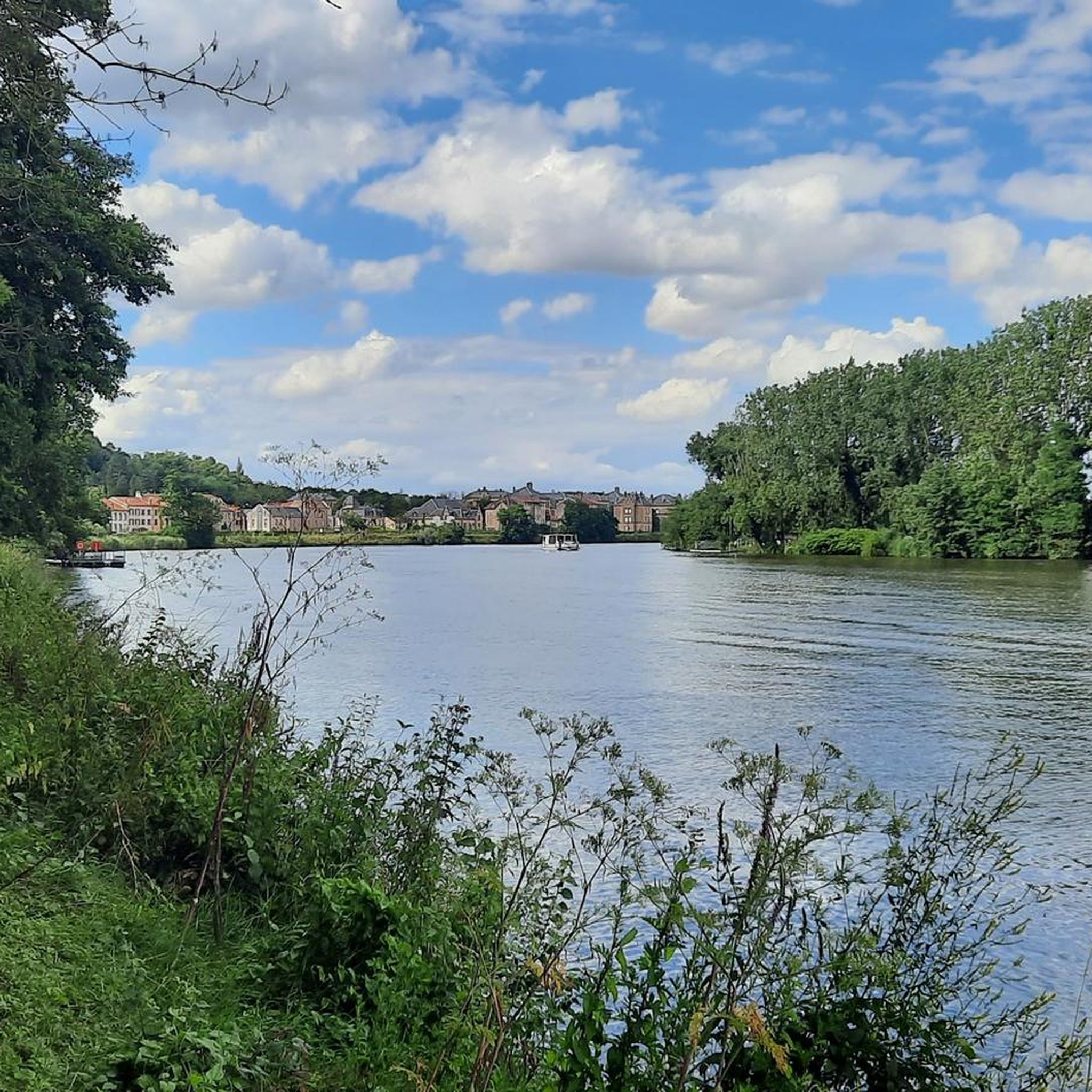
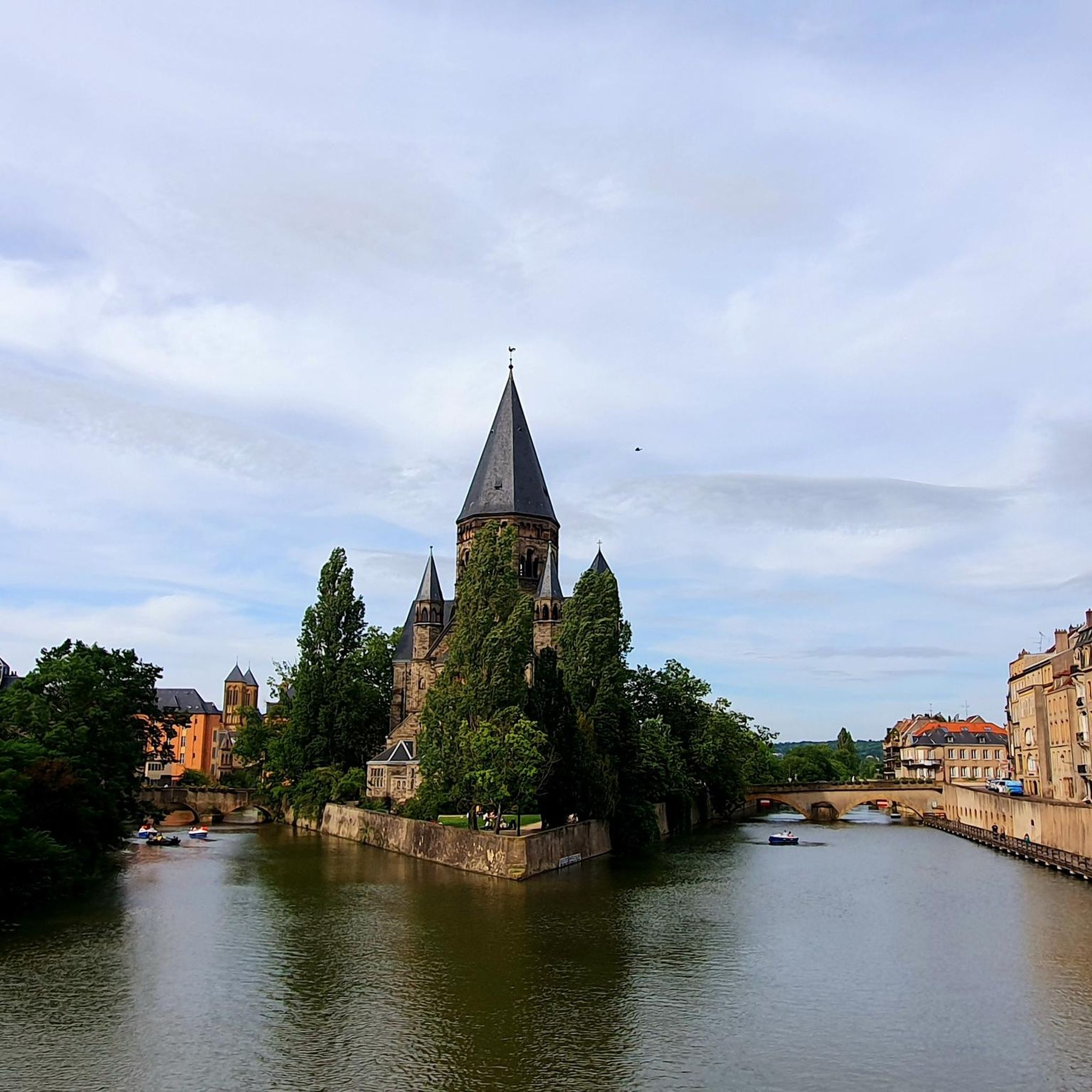
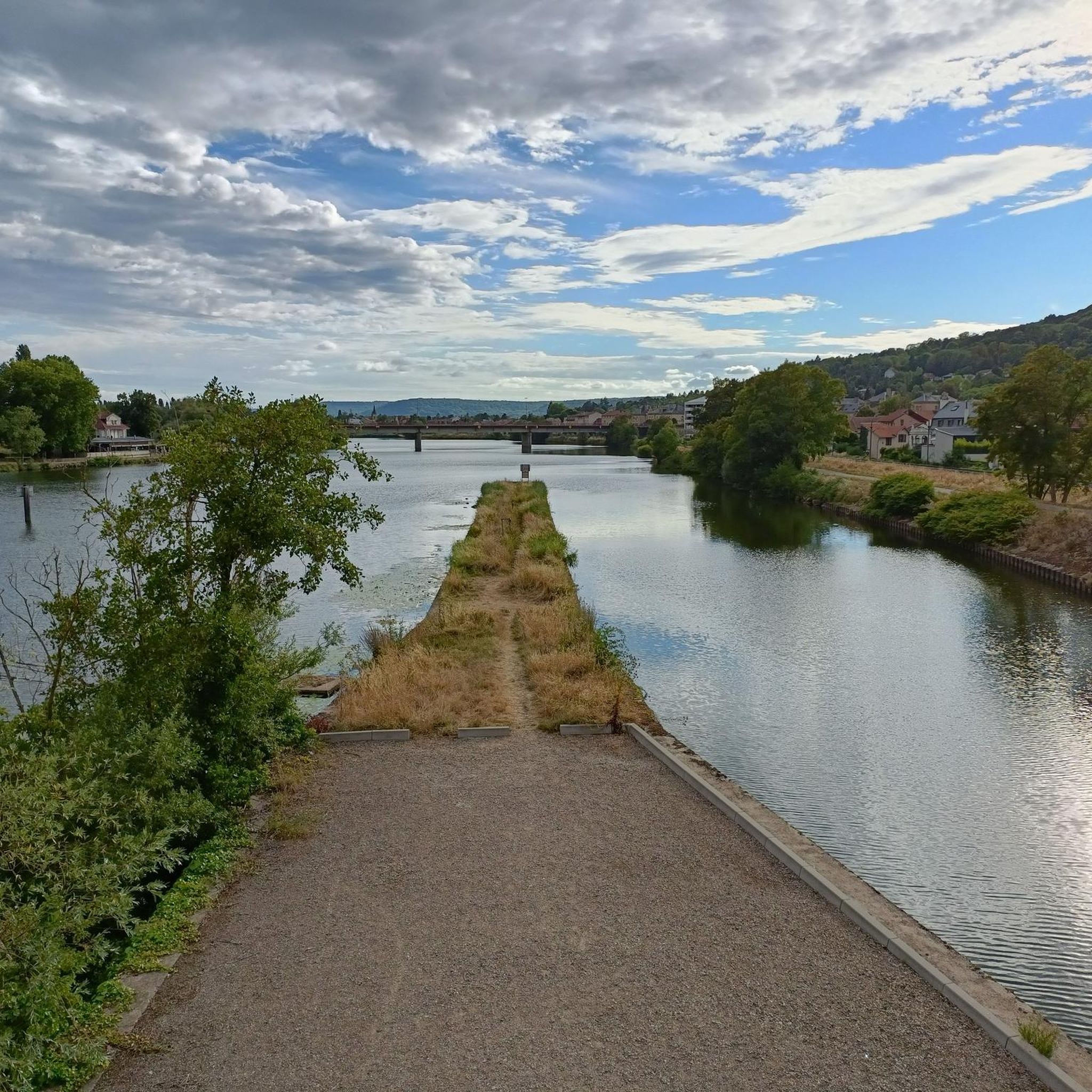
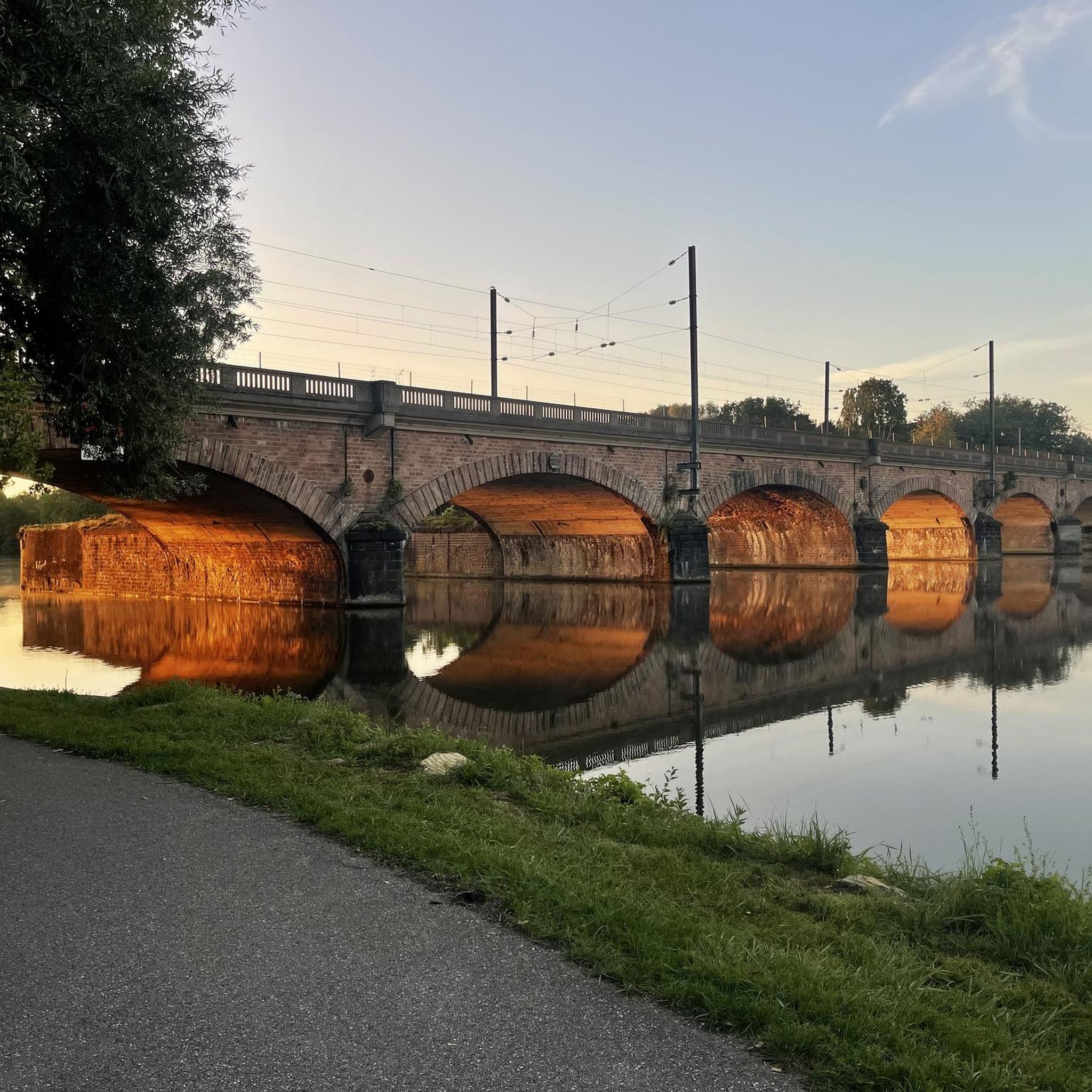
Tips from the Community


Fort Plappeville, renamed Fort Alvensleben in 1872, is a military installation northwest of Metz. It is part of the first fortified belt of Metz, built during the Second Empire by Napoleon III. The first fortified belt of Metz consists of the forts Saint-Privat (1870), Queleu (1867), Bordes (1870), Saint-Julien (1867), Gambetta, Déroulède, Decaen, Plappeville (1867), and Saint-Quentin (1867). Most of them were still unfinished in 1870, when the Franco-Prussian War broke out.
0
0

A spectacular building from 2010, the first branch of Paris's famous Centre Pompidou, a museum of contemporary art. A white, curved roof is stretched across many exposed wooden beams. Inside, the tube-like exhibition spaces are stacked one above the other in a star shape, with enormous panoramic windows at the ends offering views of the city and the surrounding area.
4
1
Architecturally interesting and well-designed underpass under the tracks.
5
0
Former water tower used to supply steam locomotives in the adjacent main station. Future use is still being planned.
6
0

Be careful of the rail in wet weather.
1
0

Each of these crosses that the biker encounters in the villages or in the fields is a sign of remembrance of the crucifixion, but also of the resurrection of Jesus Christ. "Here on earth there is His memory, but in the kingdom of heaven there is His presence: this presence is the joy of those who have already reached salvation. The memory is our consolation, as we are still wanderers, traveling towards our homeland." (Bernard of Clairvaux)
0
0

Frequently Asked Questions
How many gravel bike trails are available around Montigny-Lès-Metz?
Montigny-Lès-Metz and its surroundings offer a wide selection of gravel biking routes. There are over 100 routes available, catering to various skill levels, from easy riverside paths to more challenging trails with significant elevation changes.
What kind of terrain can I expect on gravel bike trails near Montigny-Lès-Metz?
The terrain around Montigny-Lès-Metz is quite diverse, offering a mix of urban green spaces, riverside paths, and forested areas. You'll find routes along the Moselle and Seille riverbanks, which are generally flat and scenic. Other trails venture into wooded areas and former quarry sites, now transformed into biodiverse parks, providing varied elevation and surfaces suitable for gravel bikes.
Are there any easy gravel bike routes suitable for beginners or families?
Yes, there are several easy routes perfect for beginners or family outings. The region features many relatively flat paths, especially along the riverbanks. For example, the The Moselle at Metz – View of the River Moselle loop from Metz is an easy 24.6 km trail that follows scenic riverside paths, ideal for a relaxed ride.
Where can I find challenging gravel bike routes with more elevation?
For those seeking a challenge, routes like the Plan d'Eau de Metz – Blocaus plappeville loop from Metz offer significant elevation changes and diverse terrain over its 42.3 km. Another option is exploring the natural areas around Mount Saint-Quentin, which provides a mix of forest paths and open views with notable climbs.
Are there any circular gravel bike routes in the area?
Many of the gravel bike routes around Montigny-Lès-Metz are designed as loops, allowing you to start and finish at the same point. Examples include the Mount Saint-Quentin – Le Petit Canada loop from Moulins-lès-Metz and the Metz-Ville station – Seille spillway loop from Metz, which offer varied distances and difficulties.
What natural features or landmarks can I see while gravel biking?
The region is rich in natural beauty and historical sites. You can ride along the Moselle and Seille rivers, explore green spaces like the Château de Courcelles Park or the Jardin Devant-Blory, and even pass by the Metz Botanical Garden. Historic landmarks such as the Porte des Allemands and Metz Cathedral or the Fort Saint-Quentin are also accessible along or near many routes.
Are there any routes that follow the Moselle River?
Absolutely. The Moselle River is a central feature of the region's cycling landscape. Routes like the Moselle Left-Bank Cycle Path – View of the River Moselle loop from Metz offer extensive riding along the riverbanks, providing beautiful views and relatively flat sections ideal for gravel biking. The banks of the Moselle and Seille rivers offer over 30 km of waterside trails.
What do other gravel bikers say about the trails in Montigny-Lès-Metz?
The gravel biking routes around Montigny-Lès-Metz are highly regarded by the komoot community, with an average rating of 4.6 stars from over 100 reviews. Many riders praise the diverse scenery, the mix of urban and natural environments, and the well-maintained paths that make for enjoyable rides.
Is public transport available to access the gravel trails?
Montigny-Lès-Metz is well-connected to Metz by public transport, making it convenient to access various starting points for gravel routes. Many trails are accessible from urban centers, allowing you to combine cycling with public transport for broader exploration of the region.
Are there any specific attractions or historical sites along the gravel routes?
Yes, several routes pass by or near significant attractions. You might encounter remnants of the Gorze–Metz Roman Aqueduct, the impressive Saint-Étienne Cathedral in Metz, or the historic Mercy Castle. These offer great opportunities to combine your ride with cultural exploration.
What is the best season for gravel biking in Montigny-Lès-Metz?
The region is enjoyable for gravel biking throughout much of the year. Spring and autumn offer pleasant temperatures and beautiful scenery, with autumn providing vibrant foliage. Summer can be warm, but riverside paths often provide shade. Always check local weather conditions before heading out.
Are there any routes that explore the local vineyards or wine regions?
While Montigny-Lès-Metz itself is not directly in a major vineyard area, the wider Moselle department features routes that explore the AOC Moselle hills, passing through vineyards and cellars. These routes can include technical, stony paths and often return along the 'Voie Bleue' by the Moselle river, offering a taste of the local wine culture.
Most popular routes around Montigny-Lès-Metz
Most popular attractions around Montigny-Lès-Metz

Get inspired with the komoot mobile app


Explore more
Browse the best Gravel rides in other regions.
