The best gravel rides around Guillena
4.5
(7)
181
riders
24
rides
Gravel biking around Guillena features a landscape characterized by rolling terrain, river valleys, and historical pathways. The region offers a mix of forest trails and open routes, with elevation gains suitable for varied gravel biking experiences. Riders can explore areas along the Rivera de Huelva and routes that incorporate historical elements like the Vía de la Plata.
Best gravel bike trails around Guillena
- The most popular gravel bike trail is Vía de la Plata – Amphitheatre of Italica loop from…
Last updated: October 19, 2026
5.0
(1)
43
riders
64.7km
04:55
450m
450m
Hard gravel ride. Very good fitness required. Mostly paved surfaces. Suitable for all skill levels.
21
riders
128km
09:47
1,240m
1,240m
Hard gravel ride. Very good fitness required. Mostly paved surfaces. Suitable for all skill levels.

19
riders
38.6km
03:20
470m
470m
Hard gravel ride. Very good fitness required. Mostly paved surfaces. Suitable for all skill levels.
4.3
(3)
18
riders
67.6km
04:59
530m
530m
Hard gravel ride. Very good fitness required. Mostly paved surfaces. Suitable for all skill levels.
14
riders
Hard gravel ride. Very good fitness required. Mostly paved surfaces. Suitable for all skill levels.
Get access to more routes and recommendations from other explorers.
Already have an account?
Our route recommendations are based on thousands of hikes, rides, and runs completed by other people on komoot.
Start today with a free account
Your next adventure awaits.
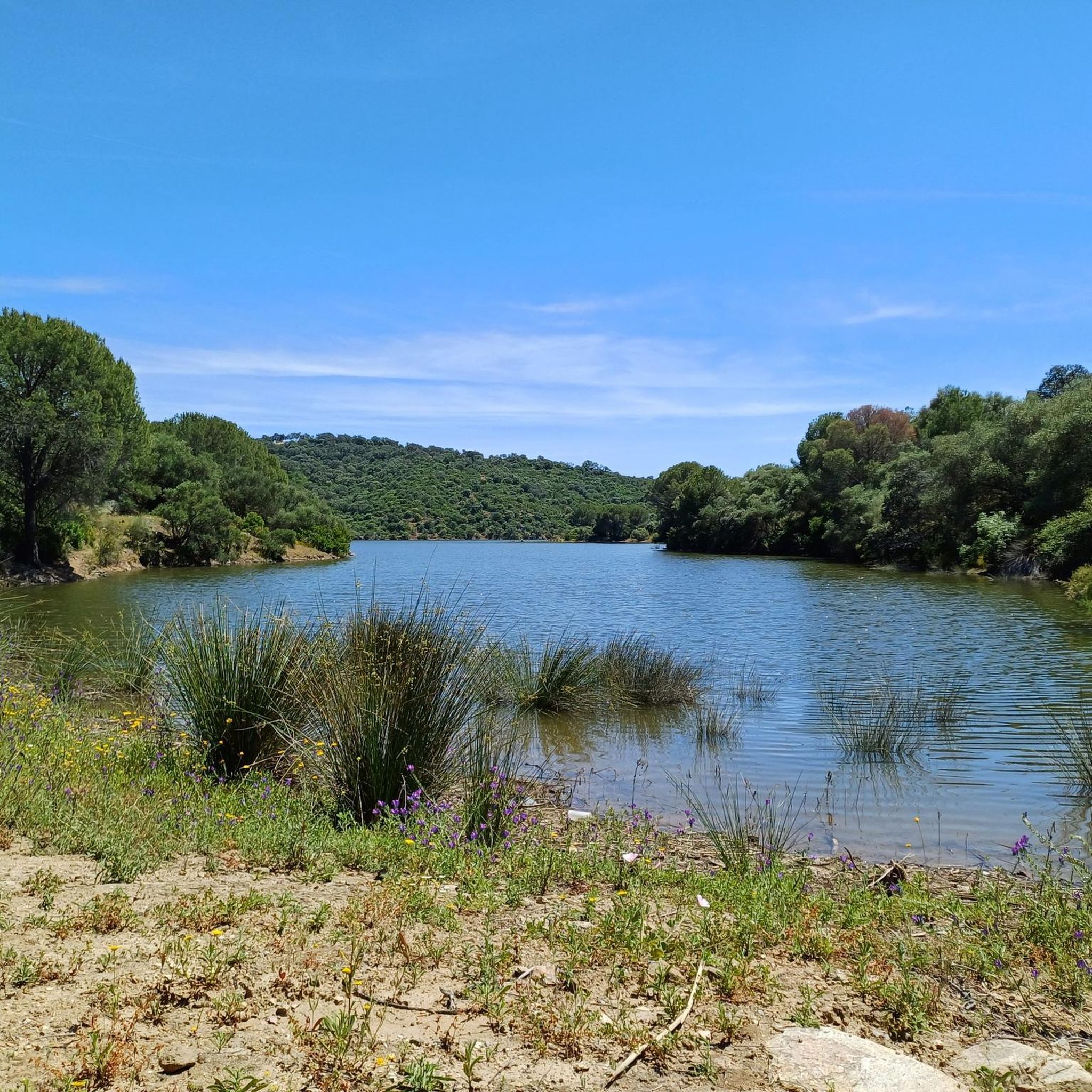
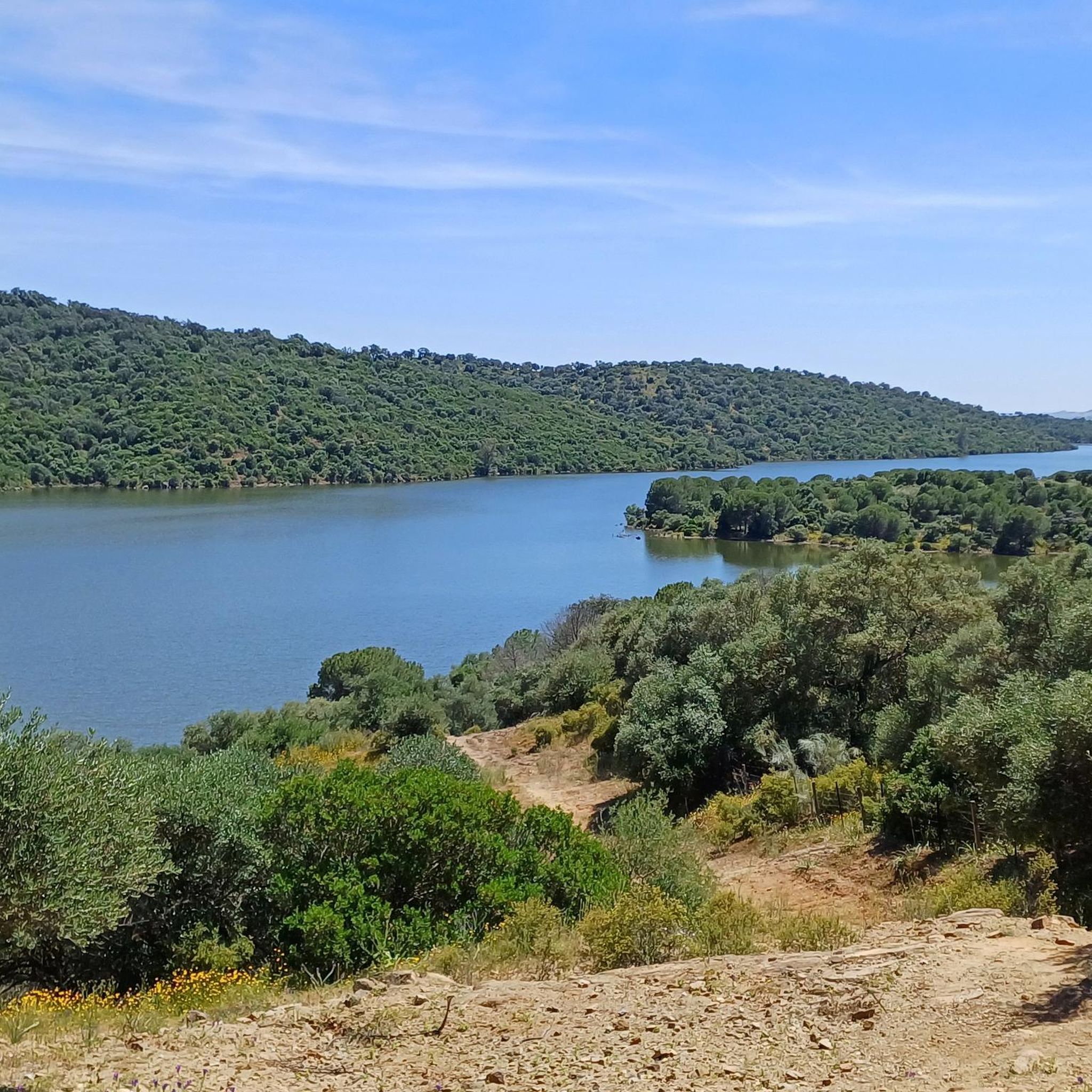
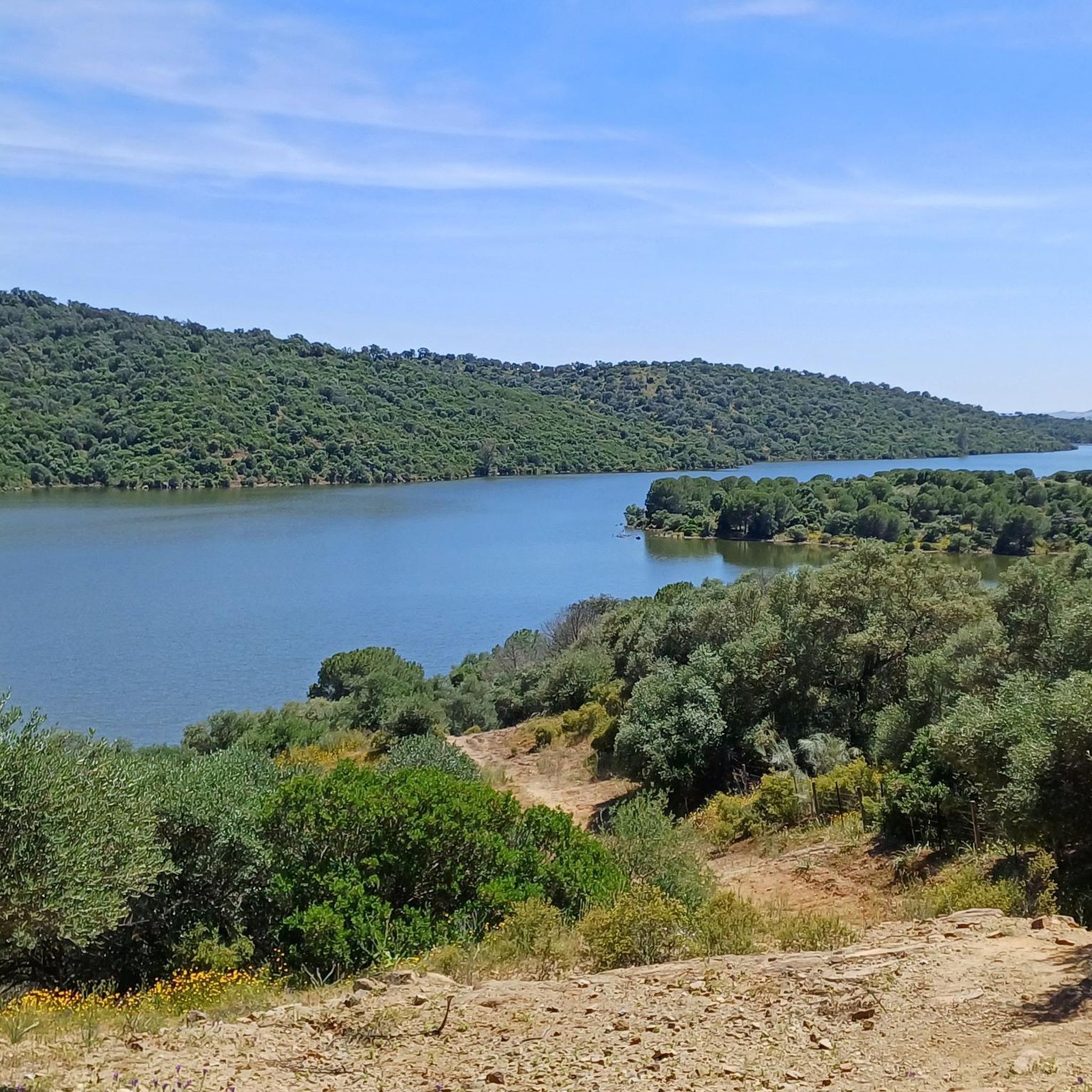
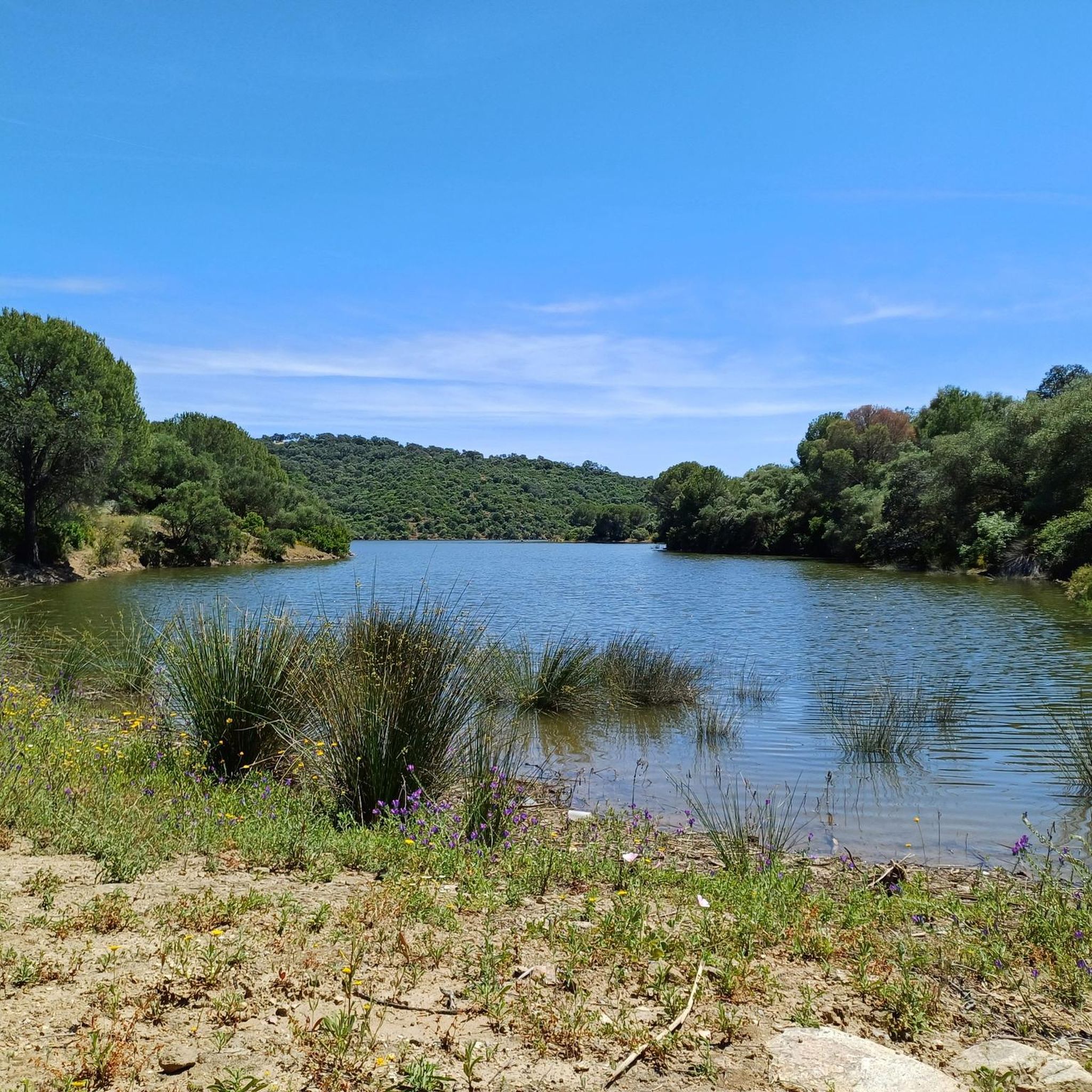
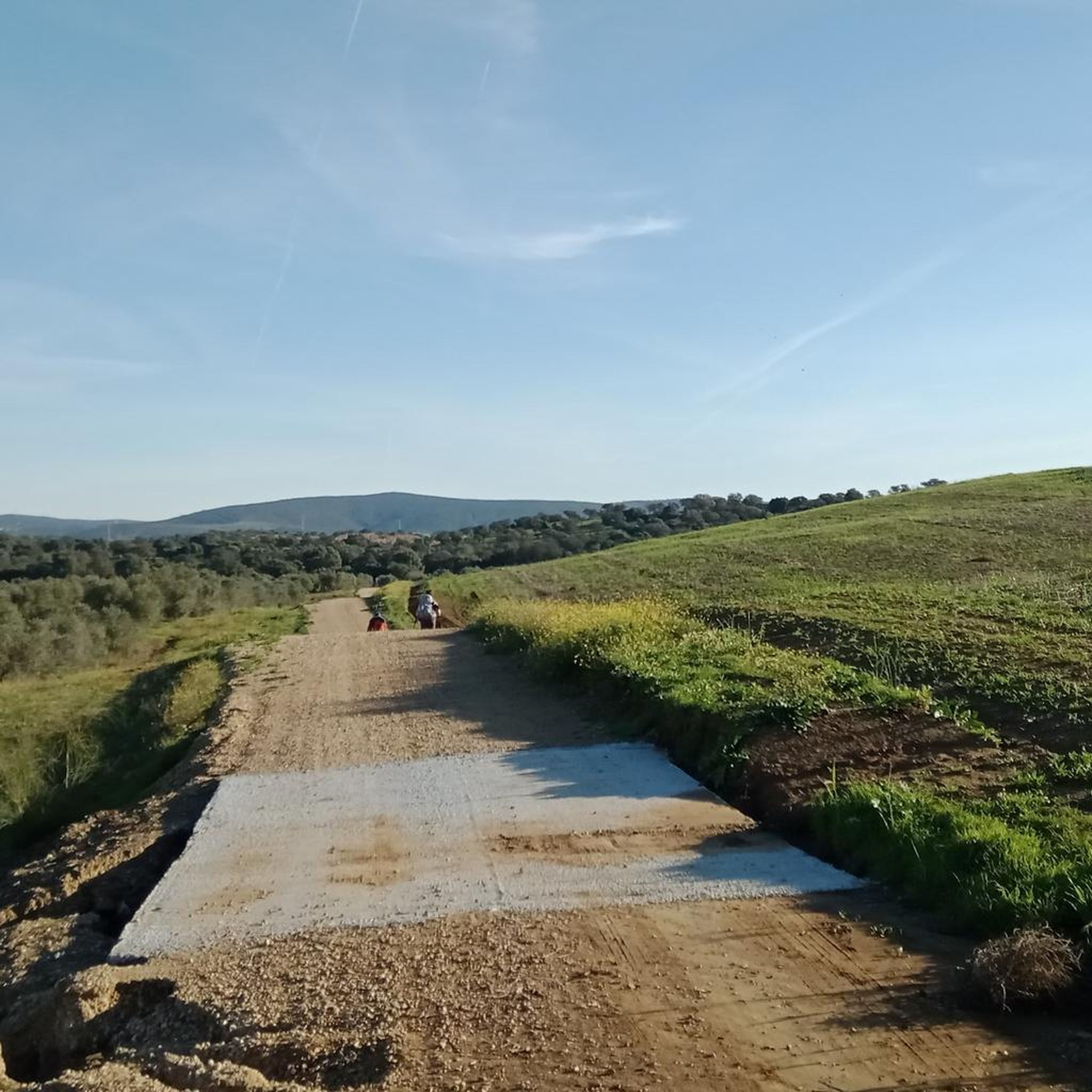
Tips from the Community

⚠️ The part in the photo is of doubtful cyclability
0
0

Guillena is a small town located in the province of Seville known for its rich history, diverse landscape and beautiful architecture. The historic centre of the town retains much of its original charm and contains impressive buildings such as the church of Nuestra Señora de la Granada, the monastery of Santa Clara and the palace of the Counts of Torreblanca and the Sierra Norte de Sevilla, a large natural area that offers many possibilities. Guillena is also an important centre for agriculture and livestock, with the production of olive oil, wine and citrus fruits, and a rich gastronomy with traditional dishes such as gazpacho and salmorejo.
9
0

The Parque del Alamillo is a beautiful park located on the Isla de la Cartuja in. This park, with an area of 120 hectares, was created in 1993 on the occasion of the 1992 World Exhibition. The park has a Mediterranean vegetation and is surrounded by two lakes, the Lago Mayor and the Lago Menor. There are playgrounds, cycle and walking paths, water sports facilities such as canoeing and water skiing, and even a little train that runs through the park.
1
0
This monastery was founded in 1301 by Guzmán El Bueno, who played a heroic role in the conquest of Tarifa (1294). From the 19th century onwards it was successively a women's prison, a brewery and a tobacco factory. In 1872 the buildings were declared a national heritage, after which they were restored for many years before being opened to the public. The fortified complex includes a double Gothic church with influences from the Languedoc and the Almohad Mudejar style. In the 15th century the monastery was inhabited by monks of the Hieronymite order. The Patio de los Evangelistas is decorated with murals depicting saints and geometric or floral motifs in pure Mudejar style. In one of the chapels there is a beautiful 17th-century altarpiece by Juan Martínez Montañés.
8
0
The Amphitheatre of Itálica in Santiponce is an impressive Roman amphitheatre that was built between 117 and 138 AD during the reign of Emperor Hadrian. It is one of the largest amphitheatres in the Roman Empire, with a capacity of approximately 25,000 spectators. The amphitheatre has an elliptical shape and consists of three levels of stands, the first level of which is still intact. The amphitheatre was used for gladiatorial combats and fights between animals and humans, and had an underground service pit for these events. Today it is a tourist attraction and an important archaeological heritage.
7
0

It is a plunge into Roman times. search for clues.
2
1

Frequently Asked Questions
How many gravel bike trails are available around Guillena?
There are over 20 gravel bike trails in the Guillena region, offering a diverse range of experiences for riders. These routes are highly rated by the komoot community, with an average score of 4.0 stars.
What is the general difficulty level of gravel biking routes in Guillena?
The gravel biking routes around Guillena primarily range from moderate to difficult. You'll find 7 moderate trails and 14 difficult ones, providing challenges for experienced riders.
Are there any beginner-friendly gravel bike trails in Guillena?
While Guillena's gravel routes are generally moderate to difficult, there are no explicitly easy routes listed in the current selection. Riders new to gravel biking might find the terrain challenging, but some moderate routes could be suitable for those with a good fitness level and basic off-road experience.
What kind of terrain can I expect on gravel bike trails around Guillena?
The region around Guillena is characterized by rolling terrain, river valleys, and historical pathways. You can expect a mix of forest trails and open routes, often incorporating elements like the Vía de la Plata and paths along the Rivera de Huelva.
Are there any circular gravel bike trails in Guillena?
Yes, many of the gravel routes around Guillena are designed as loops. For example, the Vía de la Plata – Amphitheatre of Italica loop from Urb Hato Verde and the Forest Trail – Rivera de Huelva loop from Guillena are popular circular options.
What are some notable attractions or landmarks I can see along the gravel bike trails?
Several routes offer access to interesting landmarks. The Vía de la Plata – Amphitheatre of Italica loop from Urb Hato Verde, for instance, passes near the historical Amphitheatre of Italica. Other highlights in the broader area include Columbus Monument (Columbus' Egg) and the Alamillo Bridge.
Are there any routes that pass by lakes or reservoirs?
Yes, some routes in the wider Guillena area offer views of local water bodies. The Forest Trail – Rivera de Huelva loop from Las Pajanosas follows river valleys. You can also find highlights like the Gergal Reservoir and La Minilla Reservoir in the vicinity.
What is the best time of year for gravel biking in Guillena?
Given the climate of the region, the cooler months from autumn through spring (October to April) are generally ideal for gravel biking in Guillena. Summers can be very hot, making early mornings or late afternoons the only viable options during that season.
What do other gravel bikers enjoy most about gravel biking in Guillena?
The komoot community rates the routes in Guillena highly, with an average score of 4.0 stars. Riders often praise the combination of historical exploration with gravel riding, the varied terrain including forest trails and river valleys, and the opportunity to experience the region's natural beauty.
How long do gravel bike trails around Guillena typically take to complete?
The duration varies significantly depending on the route and your pace. For example, the Forest Trail – Rivera de Huelva loop from Guillena, which is 23.9 miles (38.6 km), typically takes about 3 hours 20 minutes. Longer routes, like the Alamillo Park – Forest Trail loop from San Jerónimo (79.9 miles / 128.5 km), can take over 9 hours.
Are there any routes suitable for families with children?
The gravel routes around Guillena are generally classified as moderate to difficult, with significant distances and elevation gains. This may make them less suitable for younger children or families seeking very easy, flat rides. It's recommended to check individual route details for suitability based on your family's experience and fitness.
Most popular attractions around Guillena

Get inspired with the komoot mobile app


Explore more
Browse the best Gravel rides in other regions.
