The best gravel rides around Argelaguer
4.9
(22)
571
riders
40
rides
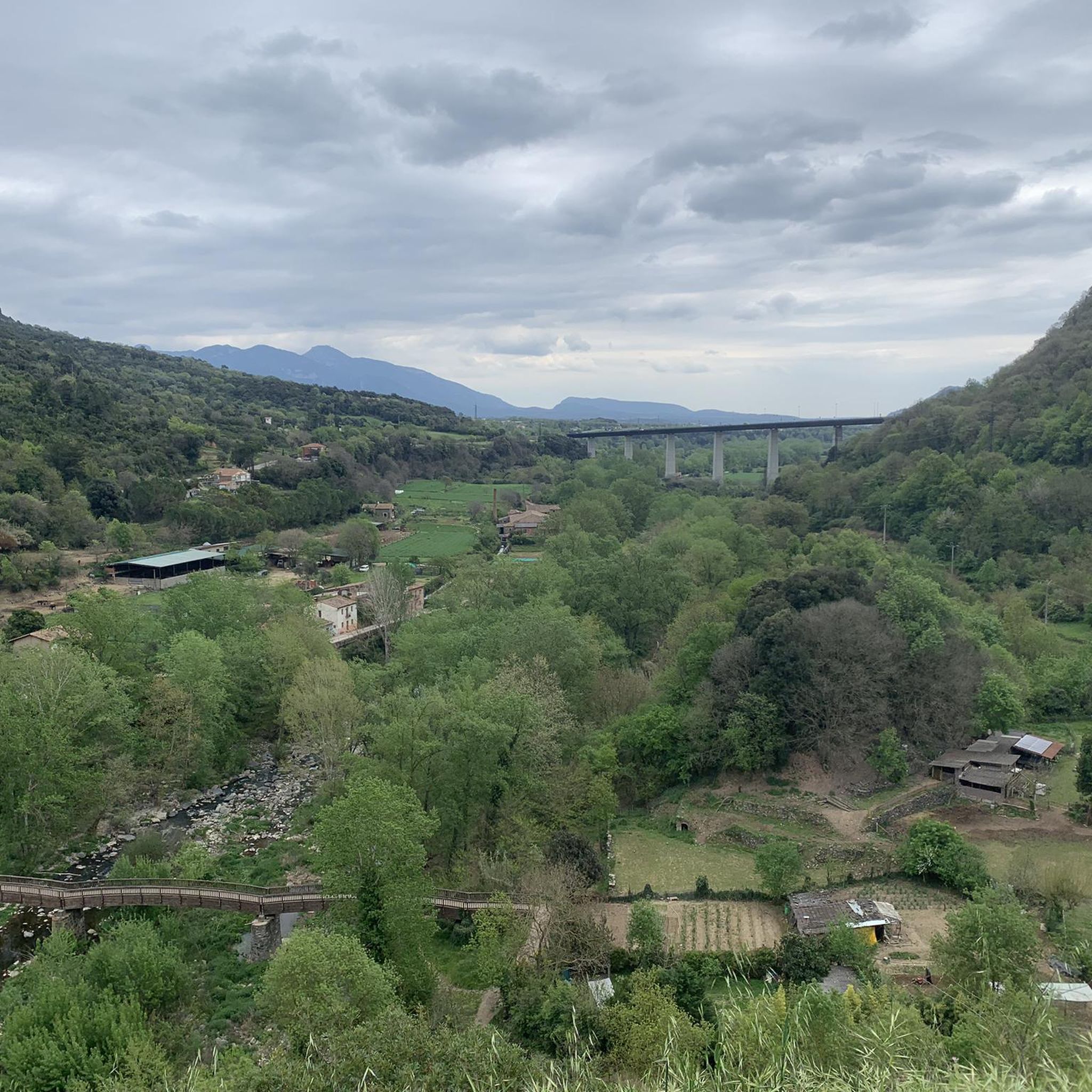
Gravel biking around Argelaguer offers diverse landscapes within the Garrotxa region of Catalonia, Spain. The area is characterized by wooded hills and the Fluvià River, providing varied terrain for cycling. It is part of the broader Girona area, known for an extensive network of gravel tracks, including "Vies Verdes" (Greenways) on former railway lines. The terrain includes hard-packed trails through farmland, sandy forest paths, and steeper climbs, catering to different technical preferences.
Best gravel bike trails around Argelaguer
- The most…
Last updated: July 3, 2026
7
riders
66.2km
06:05
1,640m
1,640m
Hard gravel ride. Very good fitness required. You may need to push your bike for some segments of this route.
24
riders
105km
07:49
1,620m
1,620m
Hard gravel ride. Very good fitness required. Mostly paved surfaces. Suitable for all skill levels.

Sign up for free
20
riders
91.7km
06:01
1,240m
1,240m
Hard gravel ride. Very good fitness required. Mostly paved surfaces. Suitable for all skill levels.
5.0
(1)
18
riders
37.3km
02:56
980m
980m
Hard gravel ride. Very good fitness required. Mostly paved surfaces. Suitable for all skill levels.
4.0
(1)
18
riders
76.5km
05:17
1,130m
1,130m
Hard gravel ride. Very good fitness required. You may need to push your bike for some segments of this route.
Get access to more routes and recommendations from other explorers.
Sign up for free
Already have an account?
Our route recommendations are based on thousands of hikes, rides, and runs completed by other people on komoot.
Start today with a free account
Your next adventure awaits.
Login or Signup
Tips from the Community

Interessant recinte històric que s’alça al voltant del castell —d’estructura quadrada i construït als segles xiii-xiv— i la plaça Major, amb personalitat medieval. Per a més informació: https://costabrava.org/on-anar/comarques/garrotxa/santa-pau/
0
0

Small cut through a volcano. You can clearly see the masses of rock that have been moved.
1
0

The monastery of Sant Pere was founded in 977 by Bishop-Count Miró I and consecrated in 1003 by Count Bernhard I, also known as Taillefer. A Benedictine community of twelve monks lived there. However, with Count Taillefer's death in 1020, the decline of the count's rule began, culminating in its final demise in 1111. From then on, the abbot of the monastery became the highest authority over the population, which gave the Church considerable political influence in the 12th and 13th centuries.
5
0

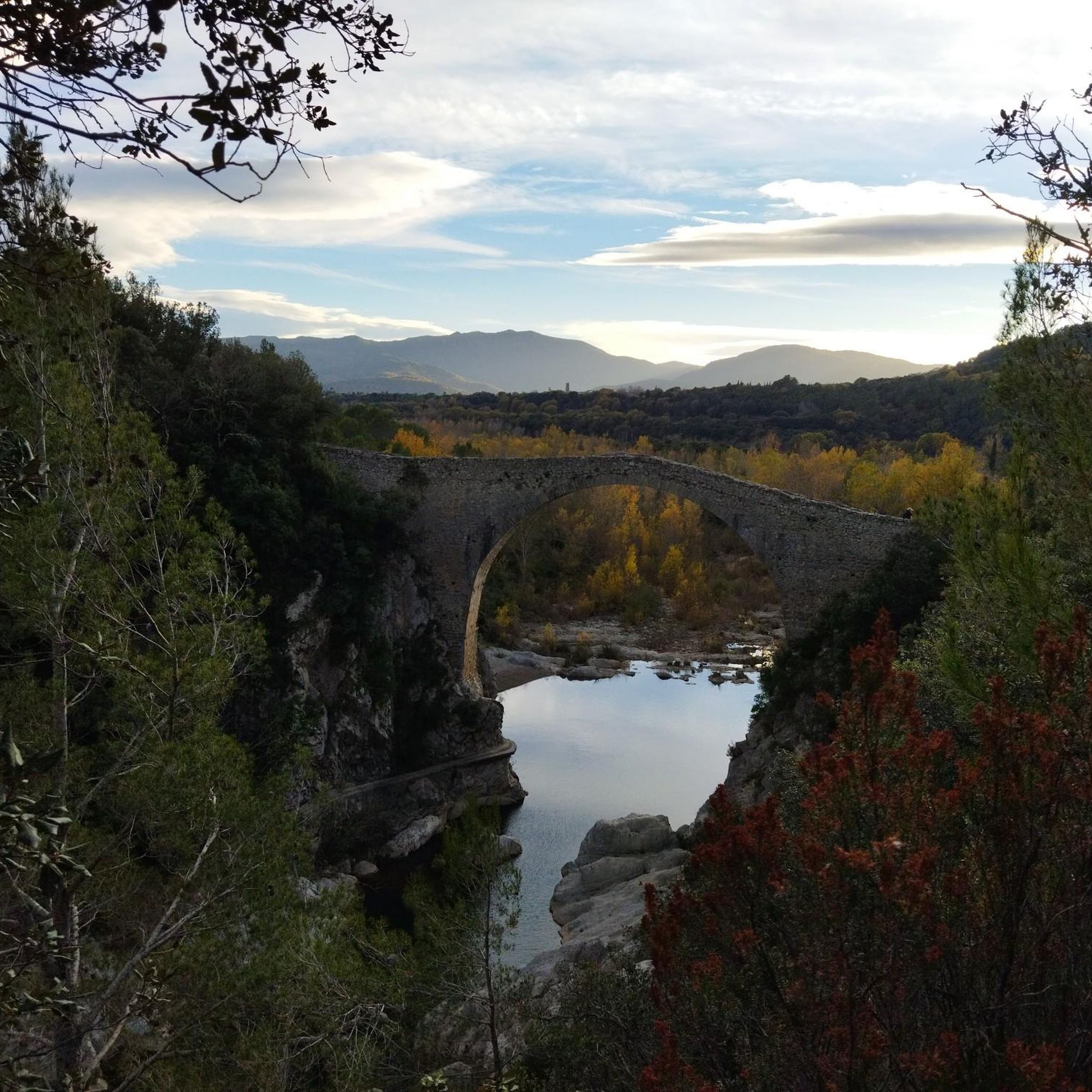
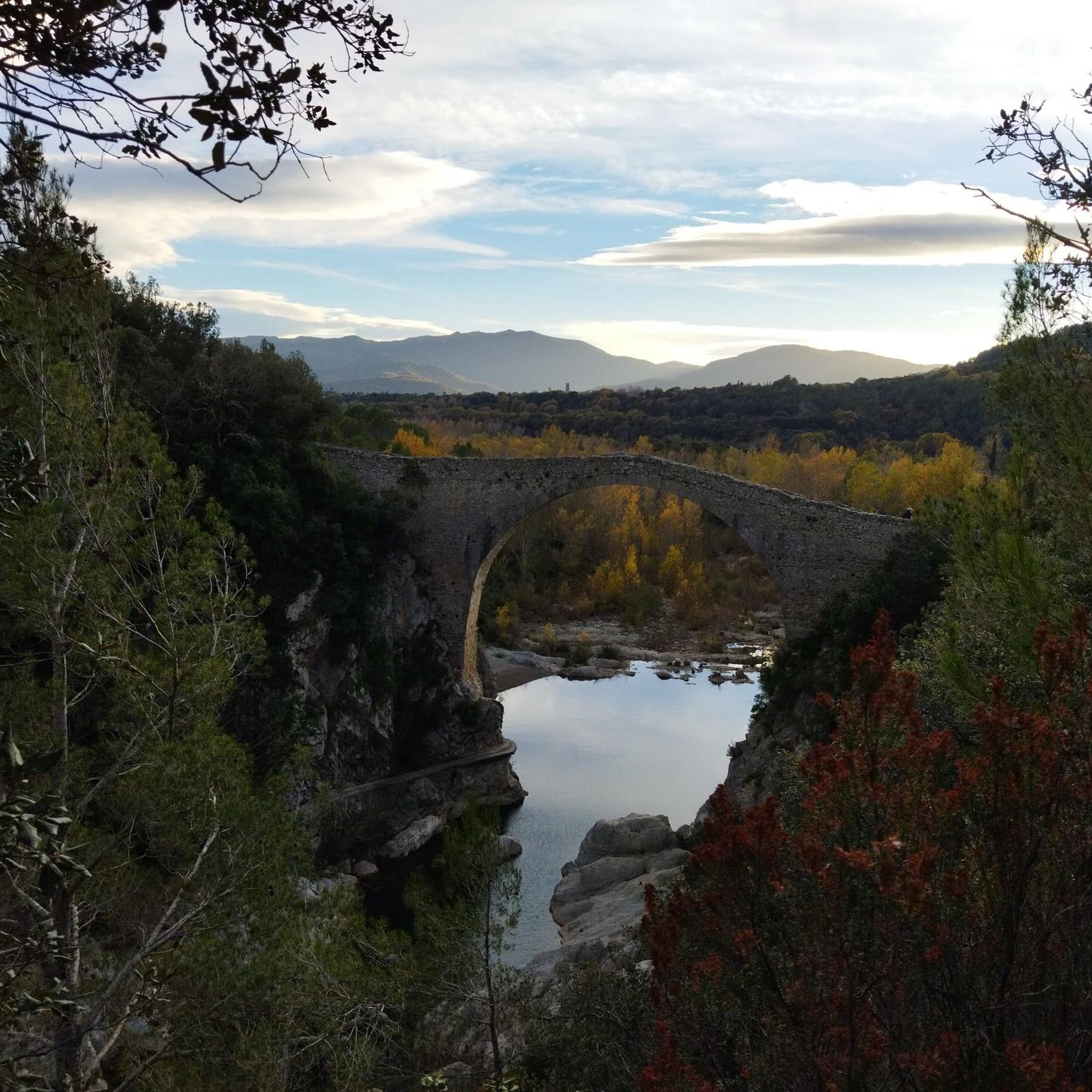
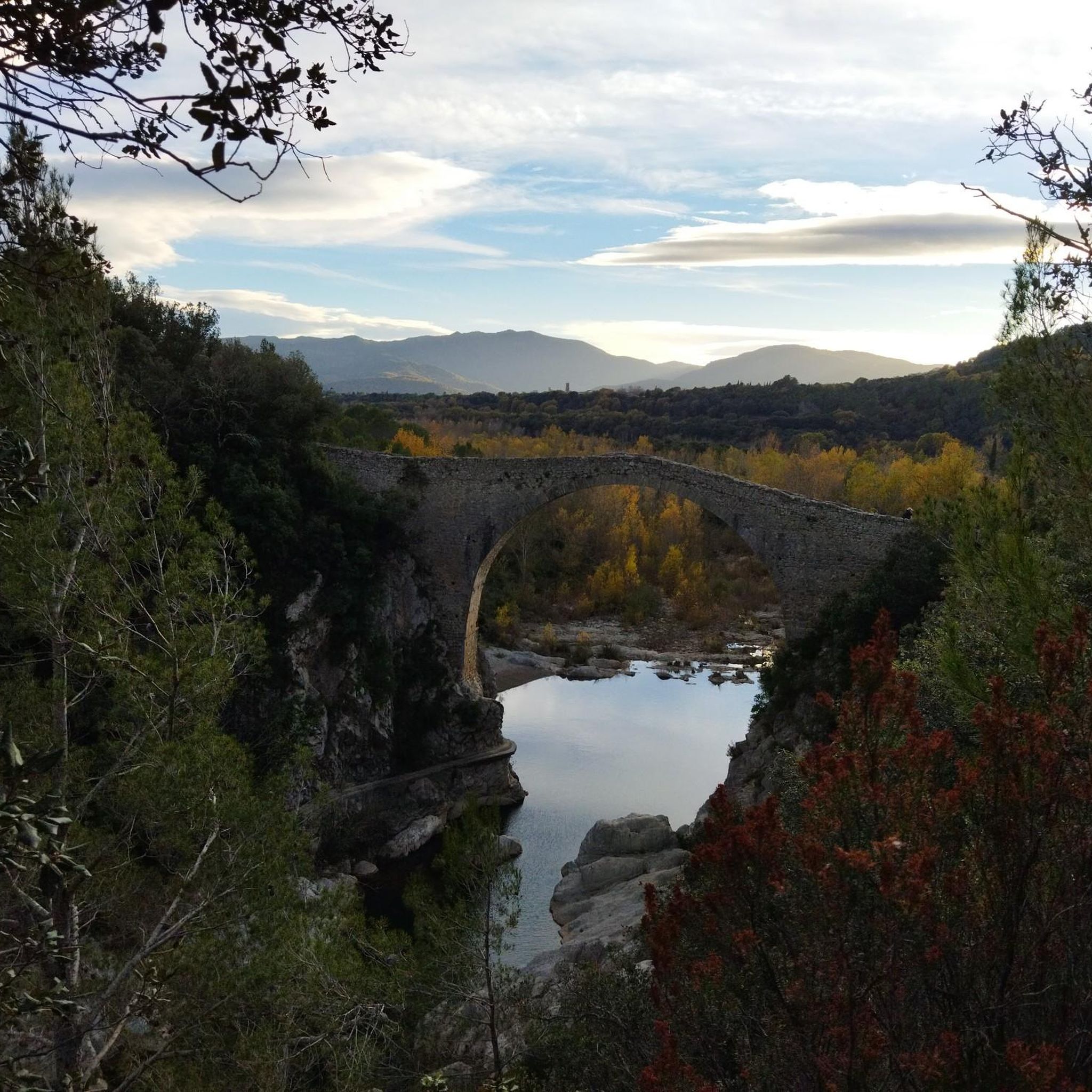
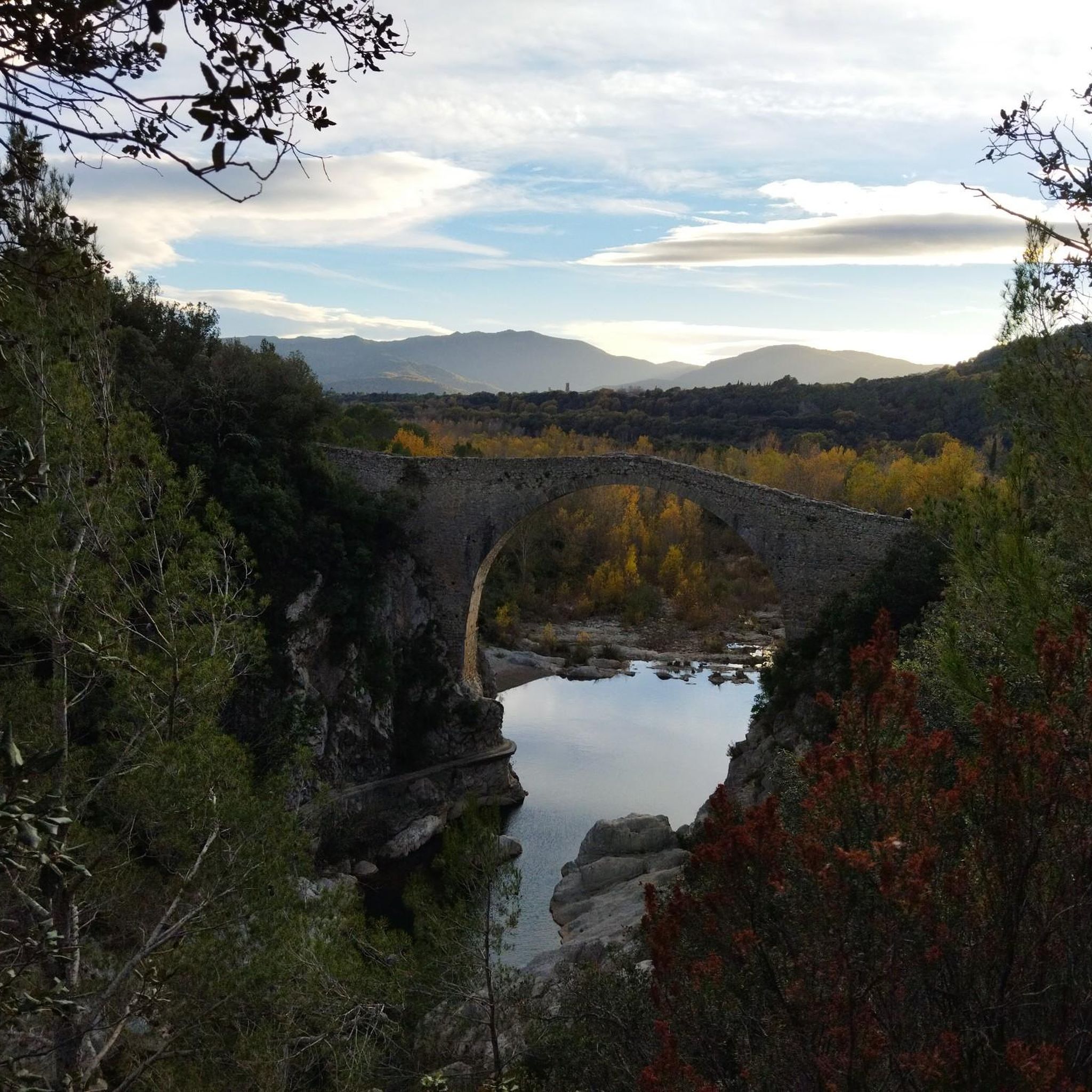
The area east of the bridge is not particularly suitable for gravel bikes. The bridge is definitely worth a visit.
0
0

surprising and cool 👍
0
0
the beech forest is superb and very pleasant
0
0
Frequently Asked Questions
What kind of terrain can I expect on gravel bike trails around Argelaguer?
The gravel bike trails around Argelaguer offer a diverse range of terrain. You'll find everything from wide, hard-packed tracks through farmland to sandy forest paths and even steeper, rockier climbs, especially as you venture into the Garrotxa Volcanic Zone. Many routes utilize former railway lines, known as "Vies Verdes," which are generally well-maintained and flat, providing a smoother experience.
Are there gravel routes suitable for beginners or families in Argelaguer?
Yes, Argelaguer offers options for all skill levels. The "Vies Verdes" (Greenways), which are former railway lines, are particularly suitable for beginners and families due to their generally flat and well-maintained surfaces. These paths allow for relaxed rides through nature. While many routes in the area are rated as difficult, there are easier sections and paths that cater to less experienced riders.
What natural attractions can I see along the gravel bike trails near Argelaguer?
The region is rich in natural beauty, especially within the Garrotxa Volcanic Zone Natural Park. You can encounter unique volcanic features like the Santa Margarida Volcano and the impressive Croscat Volcano Scoria Slopes. Many routes also offer views of the Fluvià River and lead through wooded hills. For a challenging climb with rewarding views, consider a route towards the Mare de Déu del Mont Summit.
Are there any historical landmarks or points of interest along the gravel routes?
Absolutely. The area around Argelaguer is dotted with historical and cultural points of interest. You might cross the stunning Romanesque Pont Vell of Besalú, a medieval bridge over the Fluvià River. The nearby town of Besalú itself is a well-preserved medieval ensemble worth exploring. Some routes also pass by remnants of structures like Montpalau Castle or the unique artistic creations of Parc Garrell.
What is the best time of year for gravel biking in Argelaguer?
The Garrotxa region generally offers pleasant conditions for gravel biking for much of the year. Spring and autumn are often ideal, with mild temperatures and vibrant landscapes. Summers can be warm, so early morning or late afternoon rides are recommended. Winters are typically mild, making it possible to ride, though some higher elevation paths might be cooler.
Are there any circular gravel bike routes around Argelaguer?
Yes, many of the gravel routes in the Argelaguer area are designed as loops, allowing you to start and finish in the same location. For example, the Can Jordà Farmhouse – Castellfollit de la Roca loop from Argelaguer is a popular option that takes you through the Garrotxa Volcanic Zone. Another great loop is the Sant Andreu de Guitarriu – Llierca Bridge loop from Sant Jaume de Llierca.
What do other gravel bikers enjoy most about gravel biking in Argelaguer?
The area is highly rated by the komoot community, with an average score of 4.6 stars. Reviewers often praise the diverse landscapes, from volcanic terrain to river valleys and wooded hills, and the extensive network of accessible, often car-free gravel tracks. The mix of challenging climbs and flat Greenways also receives positive feedback, catering to a wide range of abilities.
Can I find accommodation, cafes, or pubs suitable for cyclists in Argelaguer?
Argelaguer and the surrounding towns, particularly Besalú, offer various services for visitors. You'll find accommodation options ranging from rural guesthouses to hotels. Many local cafes and pubs are accustomed to cyclists and provide a welcoming stop for refreshments and meals. The "Vies Verdes" even feature old train stations converted into cafes and rest stops.
Is there public transport available to reach Argelaguer for cyclists?
While direct public transport options might be limited, the broader Girona area is well-connected. You can often find bus services to larger towns like Besalú or Olot, which are close to Argelaguer and serve as excellent starting points for gravel adventures. It's advisable to check local bus schedules and bike transport policies in advance.
Are there any long-distance gravel routes available from Argelaguer?
Yes, the extensive network of gravel tracks in the Girona area, including the "Vies Verdes," allows for longer rides. Routes like the Gravel route from Besalù via the sanctuary of the Mother of God of the Mount (66.2 km) or the Lake Banyoles – Saint Mary of Porqueres loop from Besalú (104.6 km) offer significant distances and exploration opportunities, often connecting various towns and natural features.
Are dogs allowed on the gravel bike trails around Argelaguer?
Many outdoor trails in the Garrotxa region are dog-friendly, especially those in natural parks and along the "Vies Verdes." However, it's always recommended to keep dogs on a leash, particularly in protected areas like the Garrotxa Volcanic Zone Natural Park, to protect wildlife and ensure the safety of other trail users. Always check specific regulations for any particular route or natural area you plan to visit.
Where can I find parking for gravel biking in Argelaguer?
You can typically find parking in Argelaguer itself or in nearby towns like Besalú, which serve as popular starting points for many routes. Look for designated public parking areas. When planning your ride, consider starting points that offer convenient parking, especially for longer routes.
Most popular routes around Argelaguer
Most popular attractions around Argelaguer

Get inspired with the komoot mobile app


Explore more
Browse the best Gravel rides in other regions.
