The best cycling routes around Argelaguer
4.3
(144)
3,048
riders
89
rides
Touring cycling routes around Argelaguer traverse a diverse landscape in the Garrotxa region of Catalonia, Spain. The area is characterized by a large plain watered by the Fluvià River, surrounded by forested hills. This terrain provides a mix of flat river valleys and more challenging hilly segments for cyclists. The region's volcanic past is evident in features like the La Garrotxa Volcanic Zone Natural Park, which includes extinct volcanoes and unique geological formations.
Best touring cycling routes around Argelaguer
- The…
Last updated: October 10, 2026
4.4
(8)
32
riders
38.1km
02:34
450m
450m
Moderate bike ride. Good fitness required. Mostly paved surfaces. Suitable for all skill levels.
5.0
(1)
28
riders
39.3km
03:36
1,020m
1,020m
Hard bike ride. Very good fitness required. You may need to push your bike for some segments of this route.

5.0
(1)
22
riders
42.4km
03:59
980m
980m
Hard bike ride. Very good fitness required. You may need to push your bike for some segments of this route.
41
riders
95.2km
06:38
1,860m
1,860m
Hard bike ride. Very good fitness required. Mostly paved surfaces. Suitable for all skill levels.
4.0
(3)
16
riders
32.3km
02:19
660m
660m
Hard bike ride. Very good fitness required. Mostly paved surfaces. Suitable for all skill levels.
Get access to more routes and recommendations from other explorers.
Already have an account?
Our route recommendations are based on thousands of hikes, rides, and runs completed by other people on komoot.
Start today with a free account
Your next adventure awaits.

Tips from the Community

Espai natural exuberant i muntanyós, amb impressionants cingleres i gorges i interessants vestigis de l’art romànic. Per a més informació: https://costabrava.org/on-anar/comarques/ripolles/camprodon/
0
0

The monastery of Sant Pere was founded in 977 by Bishop-Count Miró I and consecrated in 1003 by Count Bernhard I, also known as Taillefer. A Benedictine community of twelve monks lived there. However, with Count Taillefer's death in 1020, the decline of the count's rule began, culminating in its final demise in 1111. From then on, the abbot of the monastery became the highest authority over the population, which gave the Church considerable political influence in the 12th and 13th centuries.
5
0

Fantastic route for autumn, in summer we find the Pastor spring which refreshes
0
0

1064 m. Coll de Santigosa. On the road that connects Sant Joan de les Abadesses with Coll de Coubet. Very little trafficked road.
0
0

spectacular route full of charm and tranquility
0
1

The part of the route near Riera de Santa Llucia de Puigmal is very dangerous and many sections are not passable by mountain bike.
0
0

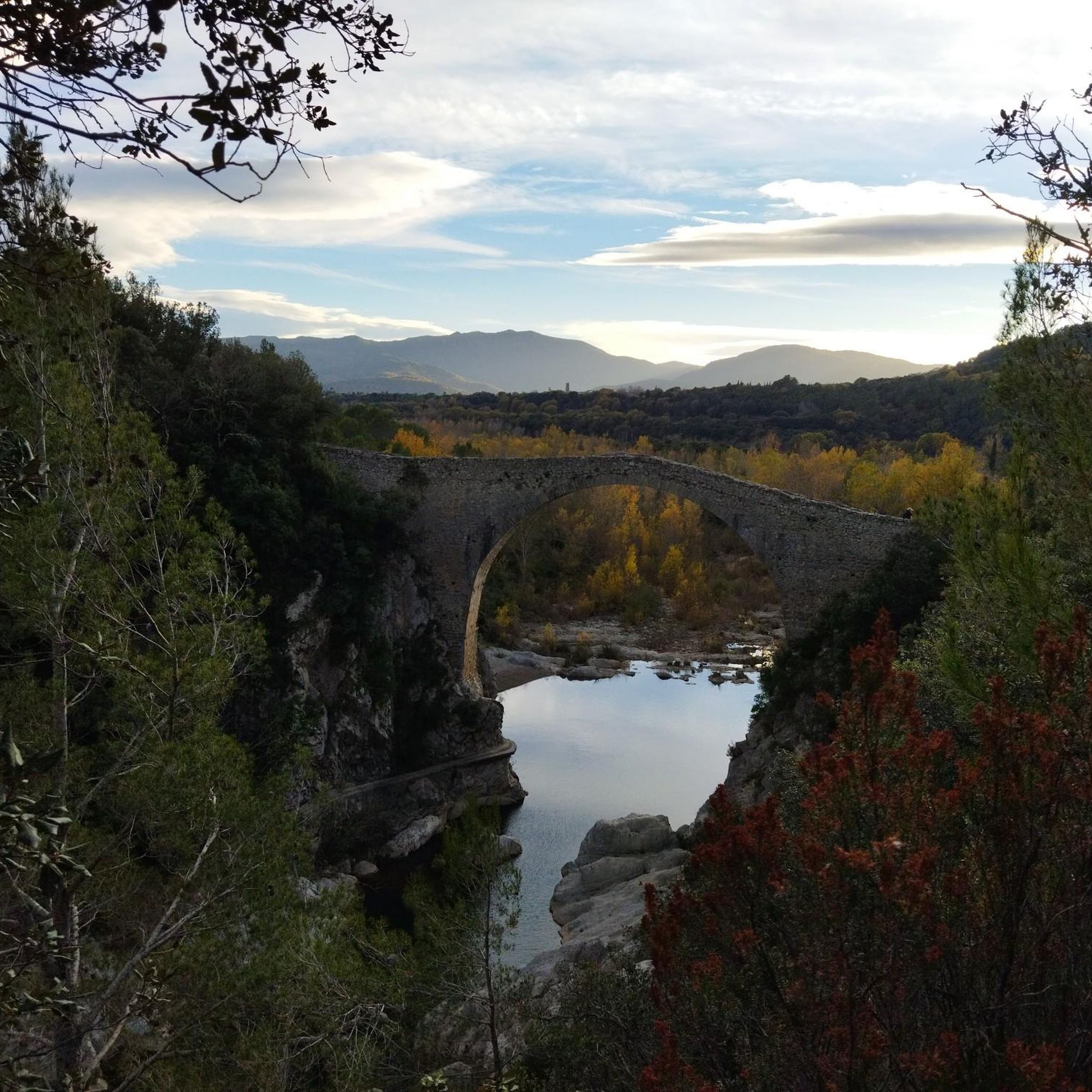
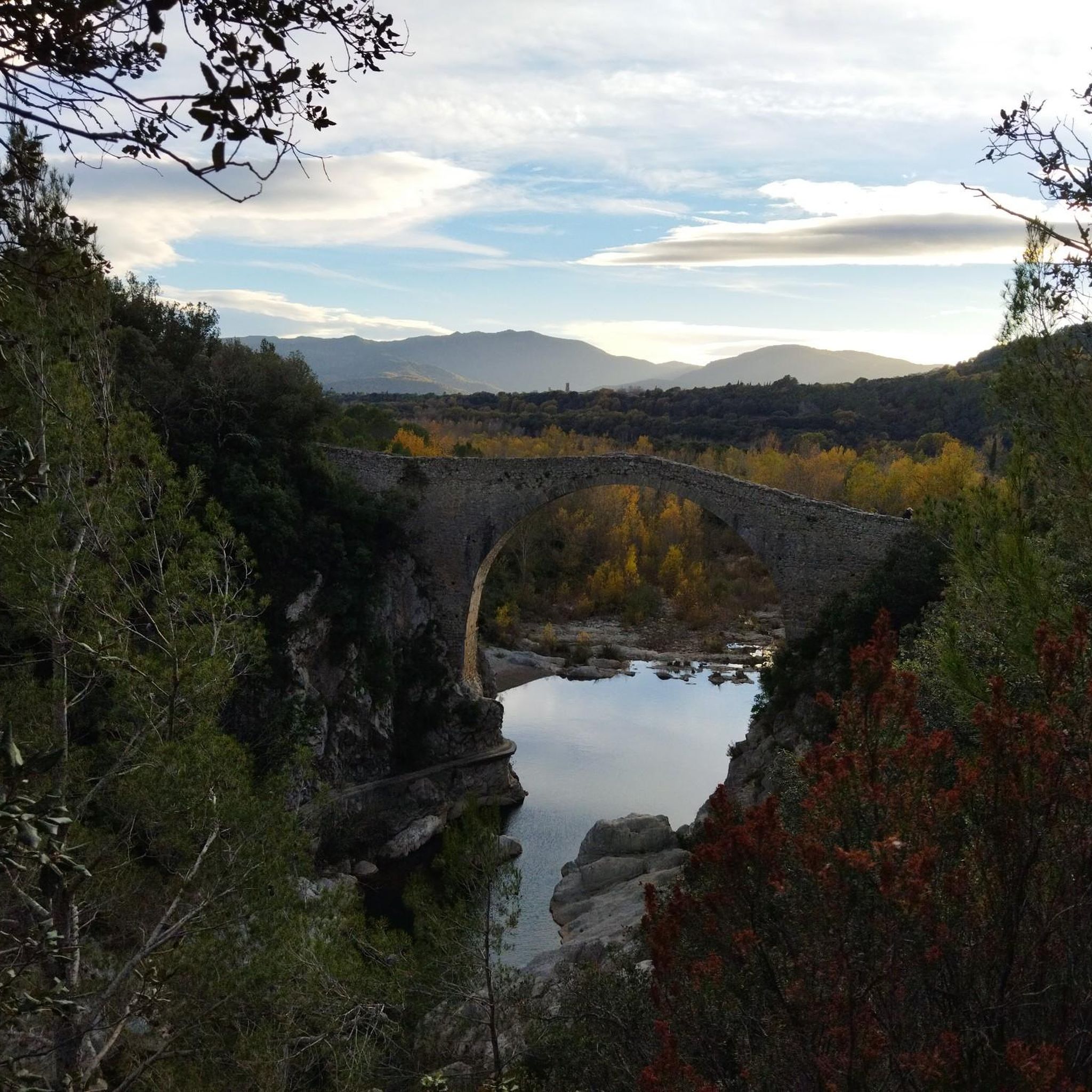
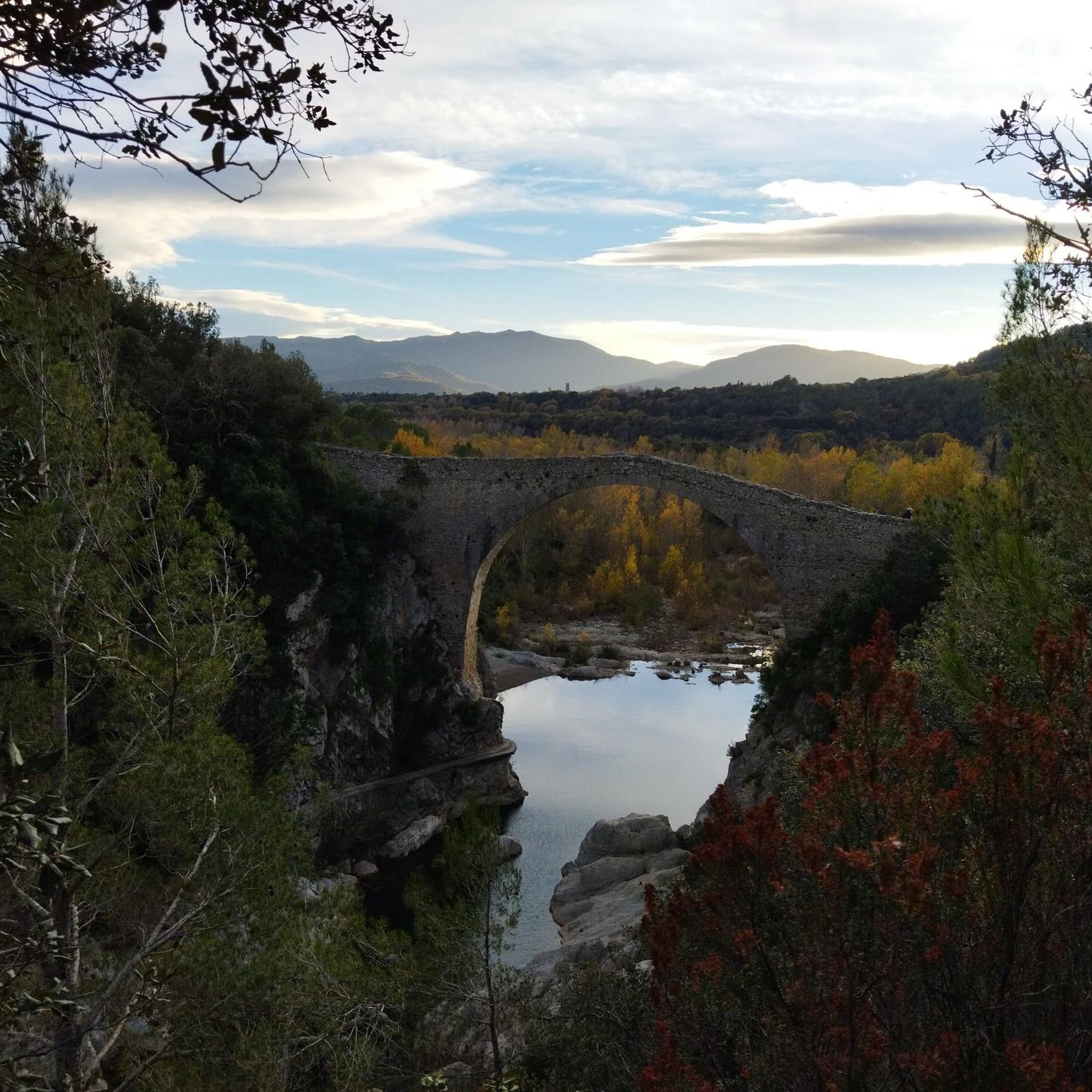
The area east of the bridge is not particularly suitable for gravel bikes. The bridge is definitely worth a visit.
0
0

Beautiful bridge with a view of the castle. Worth a visit.
2
0
Frequently Asked Questions
How many touring cycling routes are available around Argelaguer?
There are over 90 touring cycling routes around Argelaguer, offering a wide variety of options for cyclists. These routes are highly rated by the komoot community, with an average score of 4.2 stars.
What kind of terrain can I expect on touring cycling routes near Argelaguer?
The terrain around Argelaguer is quite diverse. You'll find a mix of flat river valleys, particularly along the Fluvià River, and more challenging forested hills. The region's volcanic past also contributes to unique landscapes, especially near the La Garrotxa Volcanic Zone Natural Park.
What are the difficulty levels of touring cycling routes in Argelaguer?
The routes cater to various fitness levels. You'll find 5 easy routes, 31 moderate routes, and 54 difficult routes, ensuring there's something for everyone from casual riders to experienced touring cyclists seeking a challenge.
Are there any family-friendly touring cycling routes in Argelaguer?
Yes, there are several routes suitable for families. For a more relaxed experience, look for the easy-rated routes, which typically feature less elevation gain and smoother surfaces. These are ideal for enjoying the scenic river plains and gentle landscapes.
Can I find circular touring cycling routes around Argelaguer?
Many of the touring cycling routes in the Argelaguer area are designed as loops, allowing you to start and finish at the same point. For example, the Besalú and Castellfollit de la Roca Loop is a popular circular option.
What natural features can I see along the touring cycling routes?
The region is rich in natural beauty. You can explore the volcanic landscapes of the La Garrotxa Volcanic Zone Natural Park, including highlights like the Santa Margarida Volcano and the Croscat Volcano Scoria Slopes. The Fluvià River and its valleys also offer picturesque scenery.
Are there any historical landmarks or towns to visit on a touring cycling trip?
Absolutely. Many routes pass through or near historical sites. The medieval town of Besalú, with its impressive Romanesque bridge, the Pont Vell of Besalú, is a popular destination. You can also discover the dramatic basaltic cliff of Castellfollit de la Roca and the historic Llierca Bridge.
What is the best time of year for touring cycling in the Argelaguer region?
The Garrotxa region generally offers pleasant cycling conditions during spring and autumn, when temperatures are milder. Summer can be warm, especially in the river valleys, while winter can bring cooler temperatures but often still suitable for cycling on clear days.
Are there any challenging routes for experienced touring cyclists?
Yes, for experienced riders seeking a challenge, routes like the Llierca Bridge – Parc Barrell loop from Sant Jaume de Llierca offer significant elevation gain and varied terrain, requiring very good fitness. Another option is the Gravel Path to Parc Garrel – Parc Barrell loop from Montagut, which includes forested landscapes and gravel paths.
Is parking available for cyclists in Argelaguer?
As a small village, Argelaguer typically offers public parking options suitable for visitors. It's advisable to check local signage for specific parking regulations and availability, especially during peak seasons.
Can I reach Argelaguer by public transport with my bike?
Public transport options to Argelaguer may be limited, and policies regarding bikes can vary. It's recommended to check with regional bus services or train operators in advance to confirm bike carriage rules and schedules for your specific travel plans.
What do other touring cyclists enjoy the most about touring cycling in Argelaguer?
The area is highly rated by the komoot community, with an average score of 4.2 stars from over 110 reviews. Reviewers often praise the diverse landscapes, from tranquil river plains to challenging volcanic hills, and the opportunity to explore charming medieval towns and natural wonders.
Most popular routes around Argelaguer
Most popular attractions around Argelaguer

Get inspired with the komoot mobile app


Explore more
Browse the best Cycling routes in other regions.
