The best gravel rides around Karswald
4.3
(111)
654
riders
47
rides
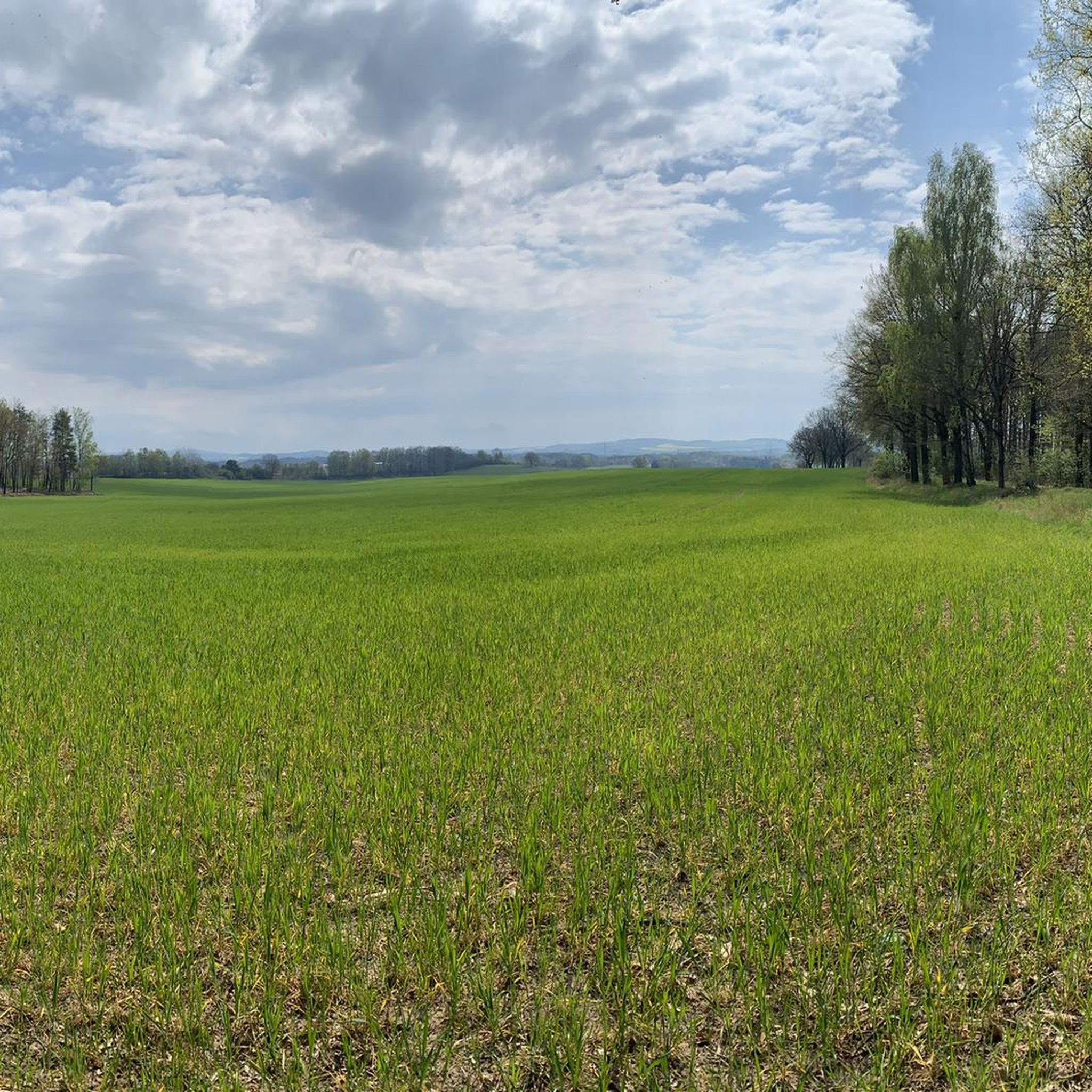
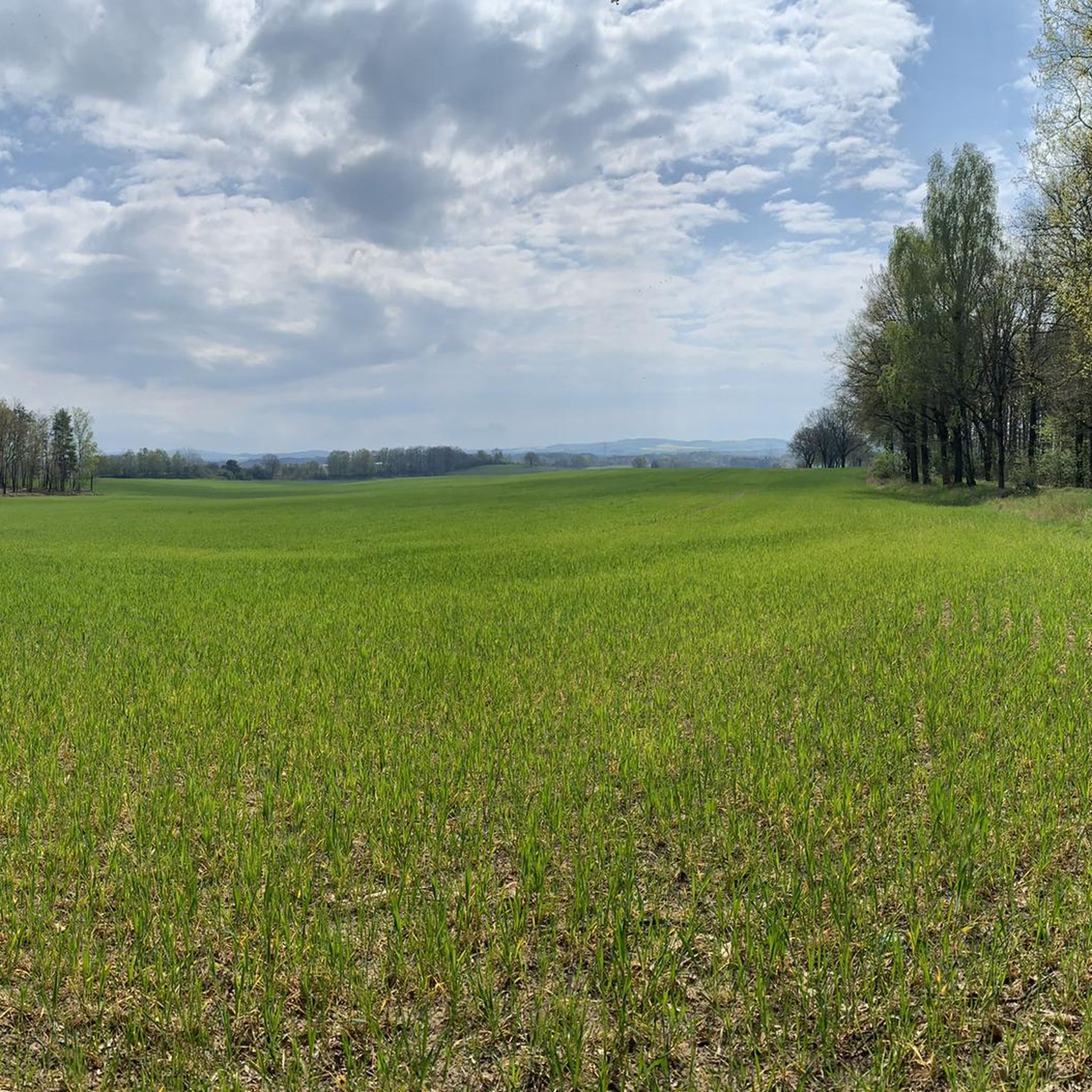
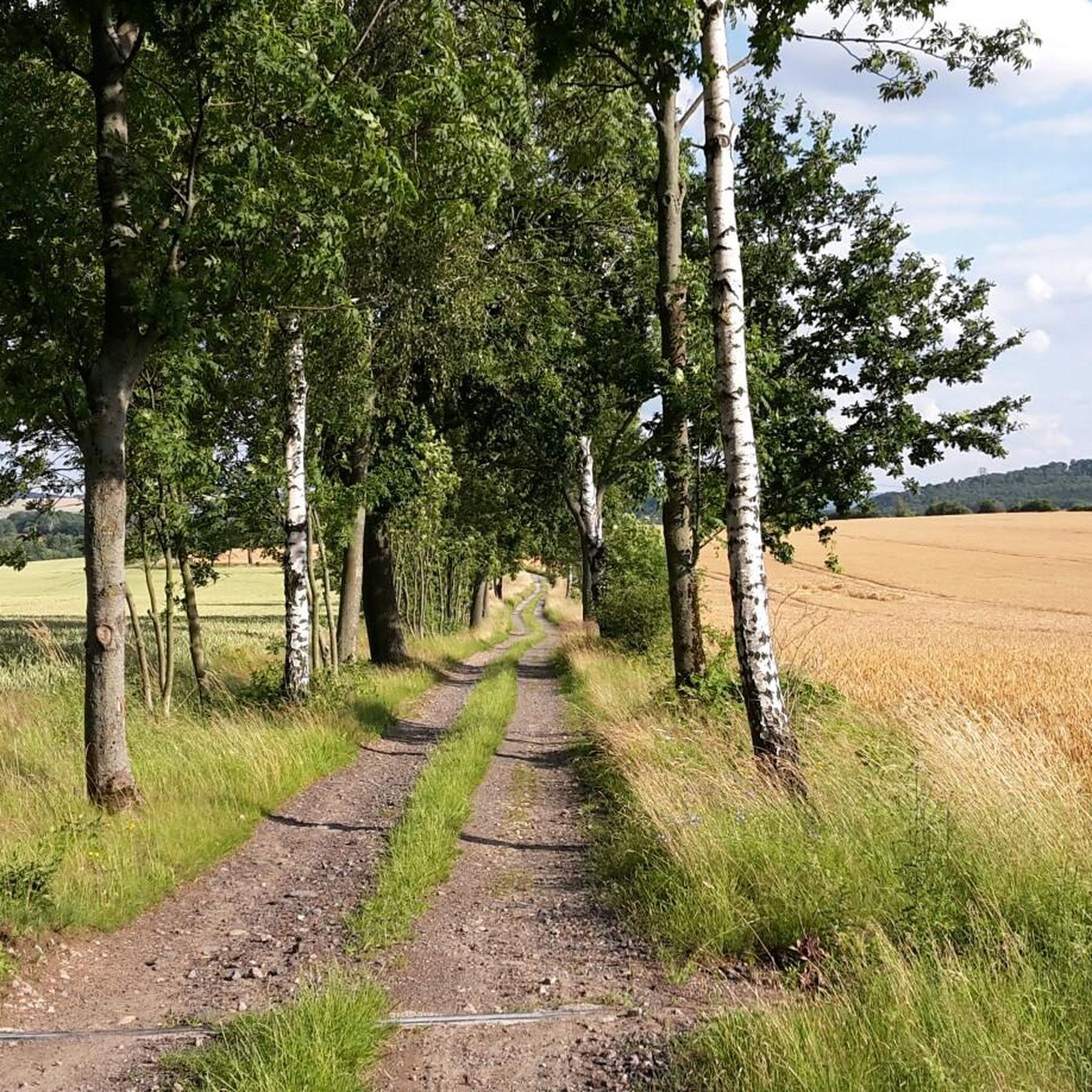
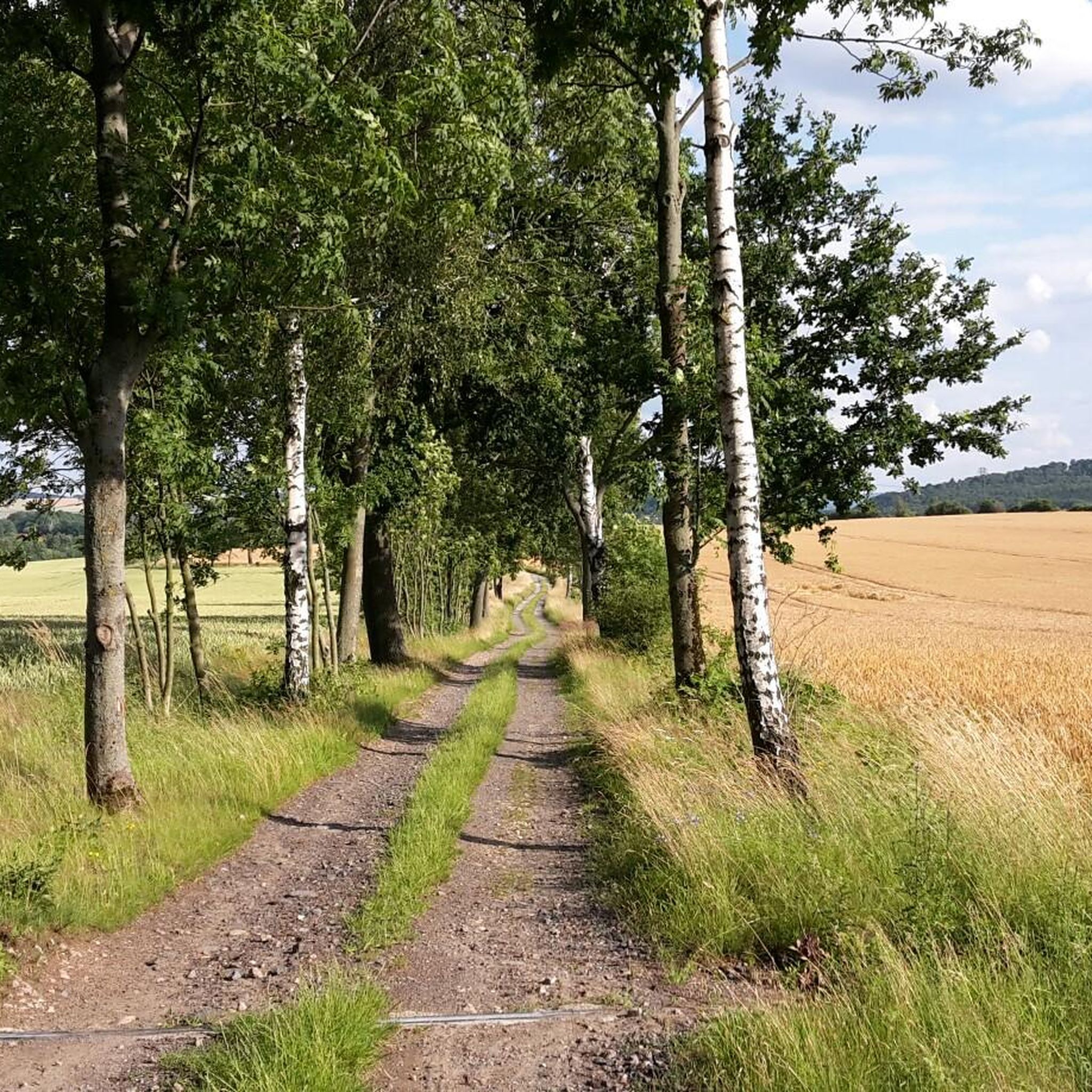
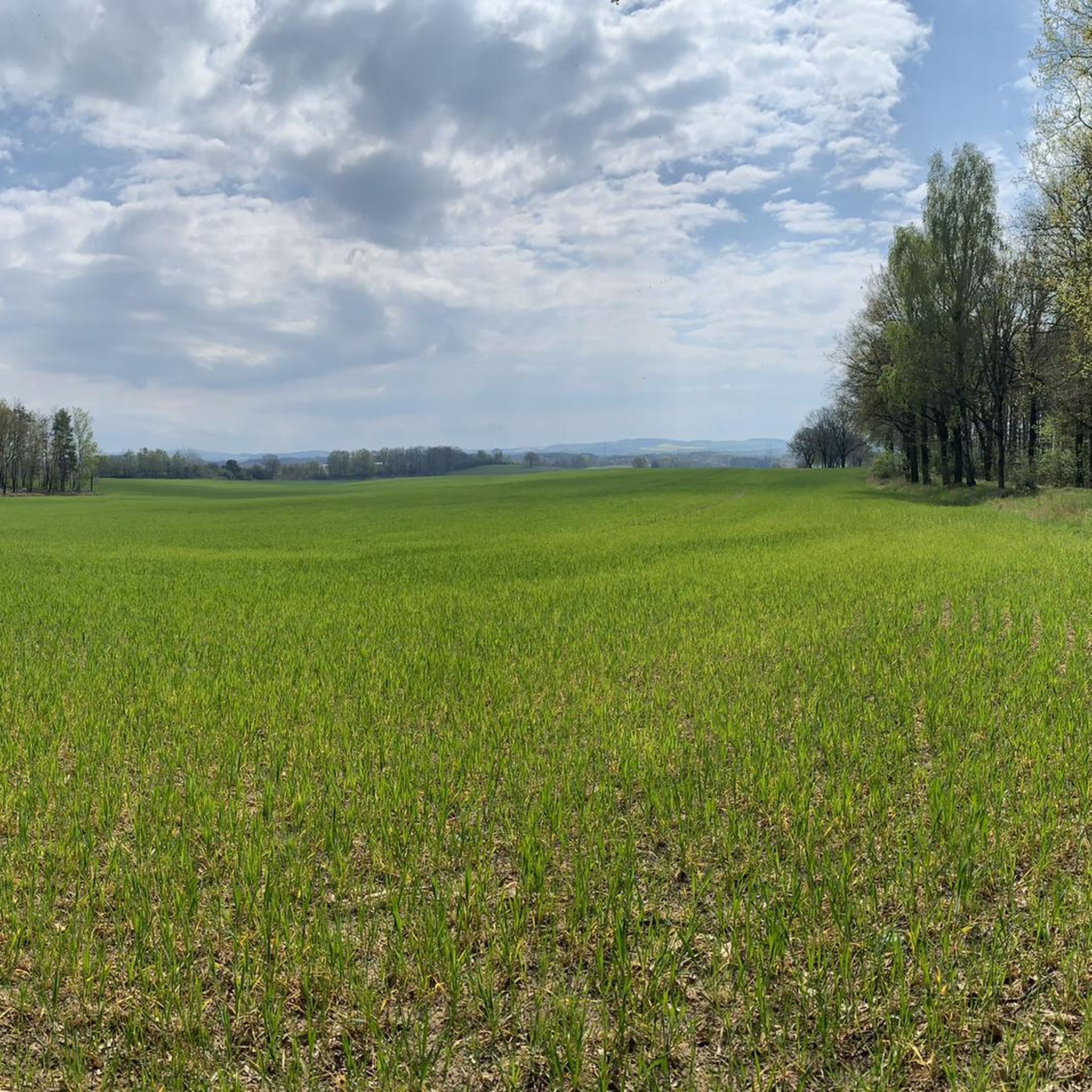
Gravel biking around Karswald offers diverse landscapes east of Dresden, characterized by sprawling forest areas, meadows, and some swampy sections. The region features extensive beech forests and a largely flat terrain around 260 meters above sea level, with gentle hills and ridges. Gravel bike trails include gravelly farm roads and wide forest paths, providing varied surfaces for riding. The highest point, Vogelberg, reaches 295 meters.
Best gravel bike trails around Karswald
- The most popular gravel bike trail is View of Wallroda Reservoir – Rammenau Baroque Palace loop from Arnsdorf (bei Dresden), a 30.7 miles (49.4 km) trail that takes 2 hours 44 minutes to complete. This route explores varied terrain including views of the Wallroda Reservoir.
- Another top favourite among local gravel bikers is Am Stern Shelter – View of Stolpen loop from Arnsdorf, a moderate 14.3 miles (23.0 km) path. This trail offers a mix of forest paths and open sections with views towards Stolpen.
- Local gravel bikers also love the Schwedenstein and Westlausitz Loop, a 40.8 miles (65.7 km) trail leading through diverse forest and open landscapes, often completed in about 5 hours 10 minutes.
- Gravel biking around Karswald is defined by extensive beech forests, open meadows, and varied paths ranging from gravelly farm roads to wide forest trails. The network offers options for different ability levels, from moderate rides to more challenging routes.
- The routes in Karswald are highly rated by the komoot community with an average score of 4.5 stars from over 160 reviews. More than 890 gravel bikers have used komoot to explore Karswald's varied terrain.
Last updated: July 2, 2026
5.0
(1)
10
riders
Hard gravel ride. Good fitness required. You may need to push your bike for some segments of this route.
4.3
(15)
121
riders
65.7km
05:11
620m
620m
Tackle the difficult Through the gravel paradise to Schwedenstein route, a 40.8-mile gravel biking challenge with 2050 feet of elevation gai

Sign up for free
3.0
(1)
15
riders
51.4km
02:50
350m
350m
Moderate gravel ride. Good fitness required. Mostly paved surfaces. Suitable for all skill levels.
4.3
(3)
7
riders
Easy gravel ride. Great for any fitness level. Mostly paved surfaces. Suitable for all skill levels.
10
riders
34.6km
01:55
220m
220m
Moderate gravel ride. Good fitness required. Mostly paved surfaces. Suitable for all skill levels.
Get access to more routes and recommendations from other explorers.
Sign up for free
Already have an account?
Our route recommendations are based on thousands of hikes, rides, and runs completed by other people on komoot.
Start today with a free account
Your next adventure awaits.
Login or Signup
Tips from the Community

The bridge is an impressive monument, durable and beautiful!
0
0

The castle, its park and the surrounding ponds form a wonderful ensemble.
11
2

The Schloßmühle is highly recommended for smaller family celebrations; in fine weather, the garden is also a good option.
0
1

Brettteich lake, right near the castle, offers several seating areas for picnics in the open air. The quaint café "Zur Fichte 15" with its homemade cakes is also highly recommended.
0
0

The **Dresden Heath** is a large forest area in the northeast of Dresden and is one of the most important urban recreational and natural areas in Saxony. With an area of approximately **6,000 hectares**, it is one of the largest contiguous forest areas in Germany directly adjacent to a major city. ### Characteristics of the Dresden Heath: - **Location**: It is located in the northeast of the city of Dresden and extends from the Elbe River near Loschwitz to Radeberg. Neighboring districts include Bühlau, Weißer Hirsch, Klotzsche, and Langebrück. - **Natural area**: The heath is a mixed forest area with pines, beeches, oaks, and spruces, as well as numerous wetlands, streams (such as the Prießnitzbach), and moors. It is a habitat for many protected animal and plant species. - **History**: - The heath was already used as an electoral hunting ground in the Middle Ages. - In the 18th and 19th centuries, it increasingly served forestry purposes. - Today, it is a nature reserve and is part of the "Dresden Heath" nature reserve. - **Leisure and Recreation**: - The heath is a popular destination for hikers, cyclists, and runners. There is a dense network of marked trails, including the famous **Heidebogen**. - Historic rest areas, such as the **Luisenstein** or the **King Albert Obelisk**, as well as romantic sites such as the **Reservoir in the Prießnitzgrund**, make the area attractive. - **Cultural Significance**: - The Dresden Heath is not only a natural area, but also played a role in Saxon art and literature. Romantic poets and artists found inspiration here. In short: The Dresden Heath uniquely combines nature, history, and recreation right on the edge of a big city – a true gem for nature lovers and those seeking peace and quiet.
2
0
## [Schlossmühle Radeberg](https://www.google.com/maps/search/Schlossm%C3%BChle+Radeberg) The Schlossmühle Radeberg is a historic watermill on the Große Röder River in the Saxon town of Radeberg, near Klippenstein Castle. First documented in 1445, it is the oldest mill in the town. It was in operation until 1996 and was subsequently restored to serve as a museum mill and event venue. ([==>Schlossmühle Radeberg, one of the oldest mills on the Große Röder River - huettertalradeberg's website!](https://www.huettertal-radeberg.de/sehensw%C3%BCrdigkeiten/schlossm%C3%BChle/?utm_source=chatgpt.com)) ### Historical Background The Schlossmühle was originally used to supply the neighboring Klippenstein Castle. Over the centuries, it has experienced numerous natural disasters, including floods, droughts, and fires. Despite these challenges, the mill remained in operation throughout the centuries. After the death of the last miller, Günter Sonntag, in 2009, his sons took over the mill and continued its restoration. Since then, the mill has been open to the public and offers insights into the history of milling. ([Tourist Information Seifersdorf Valley Region - Schlossmühle Radeberg](https://seifersdorfer-tal-region.de/Gastro-Vermietung/Gaststaetten/Schlossmuehle-Radeberg/?utm_source=chatgpt.com), [About Schlossmühle Radeberg](https://schlossmuehle-radeberg.de/about/?utm_source=chatgpt.com)) ### Technical Equipment The Schlossmühle has a complete, functional milling system, including: ([Tourist Information Seifersdorf Valley Region - Schlossmühle Radeberg](https://seifersdorfer-tal-region.de/Gastro-Vermietung/Gaststaetten/Schlossmuehle-Radeberg/?utm_source=chatgpt.com)) - 2 SECK and 1 MIAG double mills - A FANAL milling machine - Pneumatic conveying system - Semolina purifier - 2 hanging mills Plan sifter - 3 mixing machines - A mill elevator The mill is powered by a Francis spiral turbine from 1890, which generates 6 kW at a head of 3.8 m. The waterwheel was renovated in 2016 to preserve the historic technology. ### Events and Tours The Castle Mill offers a variety of events, including: - Mill tours - Demonstration milling - Musical events such as "Rock in the Mill" and "Summer Songs at the Mill" - Celebrations such as the "Summer Midsummer Fire" and "Winter Magic"
1
1

you can perfectly sneak into Radeberg
2
1

Already rides great with thin tires.
1
0
Frequently Asked Questions
How many gravel bike trails are available in Karswald?
Karswald offers a wide selection of over 60 gravel bike trails. These routes vary in length and difficulty, providing options for different skill levels and preferences.
What kind of terrain can I expect on gravel bike trails in Karswald?
The Karswald region features diverse terrain, including extensive beech forests, open meadows, and some swampy sections. You'll encounter a mix of gravelly farm roads and wide, flowing forest paths. Be prepared for varied surfaces that can be bumpy, have holes, or feature roots, offering a genuine gravel biking experience. The landscape is largely flat, with gentle hills and ridges.
Are there gravel bike routes suitable for beginners in Karswald?
Yes, Karswald is accessible for a range of fitness levels. There are 15 easy-rated gravel bike routes, many of which take advantage of the region's largely flat topography. These paths are ideal for those new to gravel biking or looking for a more relaxed ride.
What are some options for more challenging gravel rides in Karswald?
For experienced gravel bikers seeking a challenge, Karswald offers 17 difficult-rated routes. An example is the Schwedenstein and Westlausitz Loop, which is over 65 km long and features significant elevation gain, leading through diverse forest and open landscapes.
Are there family-friendly gravel biking options in Karswald?
Yes, the Karswald's relatively gentle topography and network of wide forest paths make it suitable for family outings. Many of the easier routes are well-suited for families, allowing for enjoyable rides through the scenic beech forests and meadows. The Karswaldbad in Arnsdorf also offers a refreshing stop with swimming pools during warmer months.
What are some interesting landmarks or attractions to see along the gravel bike trails?
While gravel biking in Karswald, you can explore several points of interest. The Karswald Forest itself is a primary attraction with its towering beech trees. You might also encounter the Siegmars Ruh Rest Area, which marks the site of a former 13th-century mill, or the intriguing 'Reinhardtswalde desert,' a historical deserted village within the forest. For a unique experience, the Sachsendraisine rail-bike experience offers bicycle trolleys on an old railway line.
Are there circular gravel bike routes in Karswald?
Yes, many of the gravel bike trails in Karswald are designed as circular routes, allowing you to start and end at the same point. An example is the Am Stern Shelter – View of Stolpen loop from Arnsdorf, a moderate 23 km path that offers a mix of forest and open sections.
What is the best season for gravel biking in Karswald?
The Karswald is beautiful throughout the seasons. Spring and autumn offer pleasant temperatures and stunning natural colors, especially with the extensive beech forests. Summer is also great, with the dense tree canopy providing shade. While winter conditions can vary, some paths remain rideable, though you should check local conditions for snow or ice.
Where can I find parking for gravel bike trails in Karswald?
Many trailheads and villages surrounding the Karswald, such as Arnsdorf or Radeberg, offer public parking options suitable for accessing the gravel bike trails. It's advisable to check specific starting points for designated parking areas.
What do other gravel bikers enjoy most about gravel biking in Karswald?
The Karswald area is highly rated by the komoot community, with an average score of 4.5 stars from over 160 reviews. Riders often praise the varied terrain, the peaceful atmosphere of the extensive beech forests, and the well-maintained paths that offer a true gravel biking experience without being overly technical. The mix of natural beauty and historical sites also adds to the appeal.
Are there cafes or pubs near the Karswald gravel trails?
Yes, the towns and villages bordering the Karswald, such as Arnsdorf and Radeberg, offer various options for refreshments, including cafes and pubs where you can refuel after your ride. It's a good idea to plan your route to pass through or near these locations if you intend to stop for a break.
Are there any less crowded gravel bike trails in Karswald?
While some popular routes can see more traffic, Karswald's extensive network of over 60 trails means it's often possible to find quieter paths, especially on weekdays or by exploring some of the less-trafficked forest roads. The sheer size of the forest allows for a sense of solitude even on busy days.
Most popular routes around Karswald
Most popular attractions around Karswald

Get inspired with the komoot mobile app


Explore more
Browse the best Gravel rides in other regions.
