The best waterfall hikes and walks around Yosemite Valley
4.7
(5419)
49,746
hikers
9
hikes
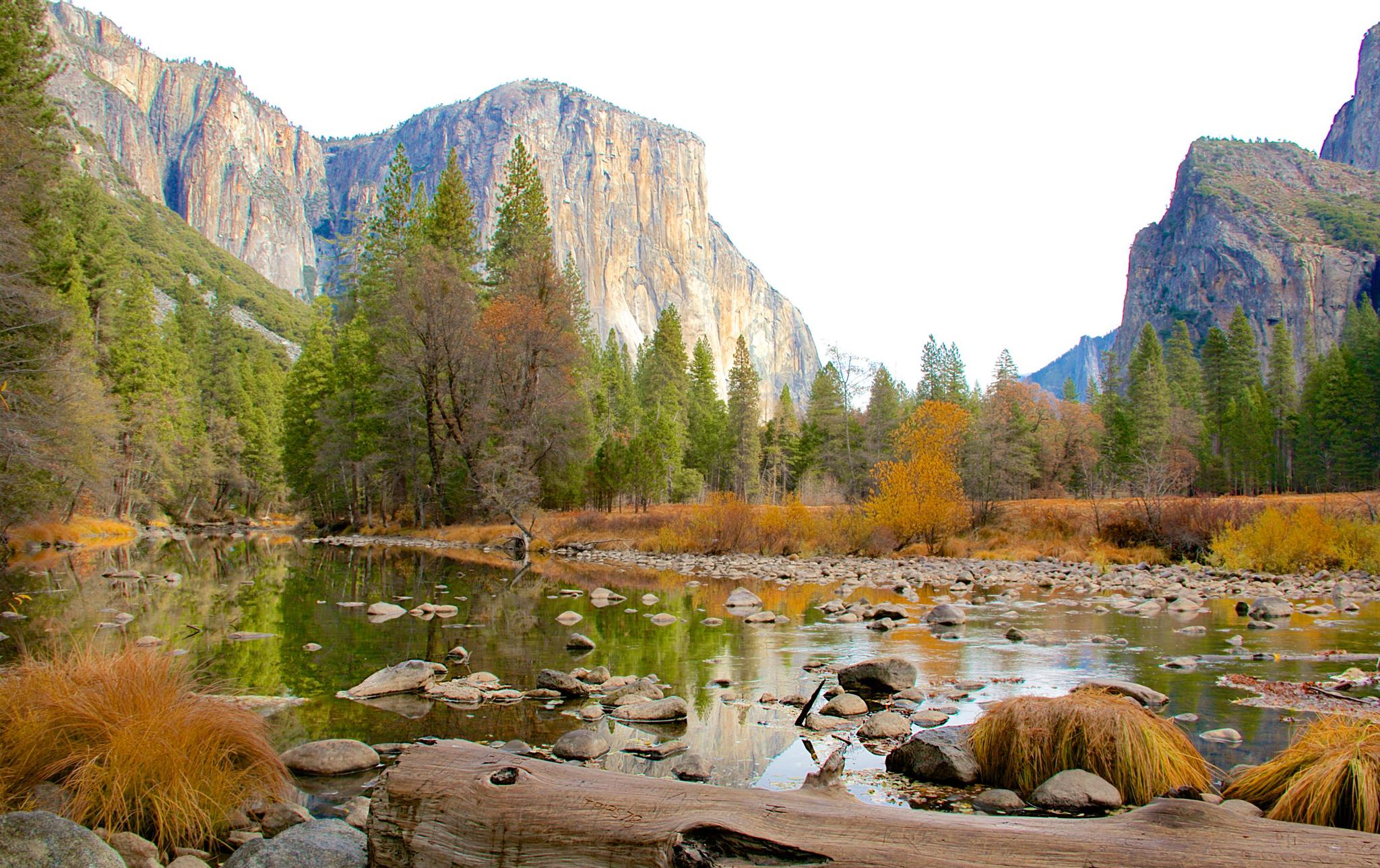
Waterfall hiking trails around Yosemite Valley are set within a glacial valley in California's Sierra Nevada mountains. The region is characterized by towering granite formations, including El Capitan and Half Dome, and a network of rivers and alpine lakes. Yosemite Valley features numerous waterfalls, particularly powerful during spring snowmelt, and offers diverse terrain from valley floors to challenging mountain ascents.
Best waterfall hiking trails around Yosemite Valley
- The most popular waterfall hiking route is Vernal and Nevada Falls via Mist…
Last updated: October 10, 2026
4.9
(712)
5,810
hikers
13.4km
05:19
680m
680m
Hard hike. Very good fitness required. Mostly accessible paths. Sure-footedness required.
4.9
(278)
1,977
hikers
12.1km
05:21
1,160m
1,160m
Hard hike. Very good fitness required. Easily-accessible paths. Suitable for all skill levels.

4.9
(280)
1,896
hikers
10.8km
04:48
1,050m
1,050m
Hard hike. Very good fitness required. Easily-accessible paths. Suitable for all skill levels.
4.8
(5)
190
hikers
13.3km
06:05
1,500m
70m
Hard hike. Very good fitness required. Sure-footedness, sturdy shoes and alpine experience required.
5.0
(11)
145
hikers
5.86km
02:43
640m
70m
Moderate hike. Good fitness required. Mostly accessible paths. Sure-footedness required.
Get access to more routes and recommendations from other explorers.
Already have an account?
Our route recommendations are based on thousands of hikes, rides, and runs completed by other people on komoot.
Start today with a free account
Your next adventure awaits.


Tips from the Community

The Mist Trail is much easier to hike uphill in early summer (snowmelt) than downhill because it becomes very slippery. Instead of returning the same way, it's recommended to head a little further upstream, turning right, onto the John Muir Trail—not only because of the slippery descent, but also because this leads to the best vantage point for Vernal Falls (marked on the map). Especially when the Merced River is full, the view is spectacular. The descent on the John Muir Trail is then much easier. Warning for photographers: During snowmelt, only take photos in the "splash zone" with a truly waterproof (submersible!) camera—and pack any other camera in a completely waterproof bag beforehand and only unpack it again at the top. Several careless camera owners have destroyed their equipment on this trail. I once heard a man at the top complaining about a broken Hasselblad – it was in his backpack, but obviously not completely waterproof. The fine mist penetrates everywhere, and even with a rain jacket, you end up wet like you've just taken a shower. On warm summer days, the trail is extremely crowded, with several thousand visitors on just a few kilometers of trail.
0
1
In summer, the most crowded trail in the entire park begins here. It's actually only bearable during the week in the off-season, but on summer weekends, several thousand people are spread out over just a few kilometers of trail.
0
0

You get really wet when you go up the steps at Verna Fall
0
0

Beautiful view of a magnificent panorama
0
0
It is important to consider the time of year. In late summer/autumn, the waterfall often no longer has any water...
0
0

This is where the Mist Trail starts steeply uphill, eventually reaching the top of Vernal and Nevada Falls. Even if you go only partway, the views are spectacular. However, watch out for one unusual obstacle: Granite steps that are slippery when wet.
0
0

At this point on the John Muir Trail, a break in the trees reveals a stunning view of the back side of Half Dome, showcasing its more rounded profile.
0
0
Beautiful, strenuous hike there (very hot). MEMO: In September the waterfall is often dry!!!
0
0
Frequently Asked Questions
How many waterfall hiking trails are available in Yosemite Valley?
This guide features 10 distinct waterfall hiking trails around Yosemite Valley, offering a range of experiences from moderate walks to challenging ascents. The komoot community has explored these routes over 34,000 times, providing an average rating of 4.7 stars.
What is the best time of year to experience the waterfalls in Yosemite Valley?
The waterfalls in Yosemite Valley are particularly powerful and spectacular in spring, fueled by snowmelt from the Sierra Nevada mountains. While some falls flow year-round, spring offers the most dramatic displays. Summer sees reduced flow, but the valley remains beautiful. Each season offers a unique experience, from vibrant wildflowers in spring to serene snowscapes in winter.
Are there any family-friendly waterfall hikes in Yosemite Valley?
Yes, Yosemite Valley offers several accessible waterfall trails suitable for families. For instance, the path to Lower Yosemite Falls is an easy walk, and Bridalveil Fall also has a popular and easy trail to its base. These trails often have minimal elevation gain and can be paved or boardwalked, making them accessible for most visitors.
Can I bring my dog on waterfall trails in Yosemite Valley?
While dogs are generally welcome in Yosemite National Park on paved roads, in developed areas, and on most established trails, they are not permitted on unpaved trails, including most of the specific waterfall hiking trails that lead close to the falls. Always check current park regulations before heading out. For more detailed information on pet policies, you can visit the National Park Service website.
What kind of wildlife might I encounter on waterfall trails in Yosemite Valley?
Yosemite Valley is home to diverse wildlife. While hiking, you might spot various bird species, deer, and smaller mammals. Black bears are also present in the park, so it's crucial to store food properly and maintain a safe distance. Always observe wildlife from afar and never feed animals.
Are there any circular waterfall hiking routes in Yosemite Valley?
Many of the popular waterfall trails in Yosemite Valley are out-and-back routes, such as the Yosemite Falls Trail. However, you can often combine sections of different trails or use shuttle services to create loop-like experiences. For example, the Mist Trail to Vernal and Nevada Falls can be combined with the John Muir Trail for a longer loop, though this involves significant elevation changes.
What are some notable viewpoints or attractions near the waterfall trails?
Beyond the waterfalls themselves, Yosemite Valley is rich with iconic sights. From the Vernal Fall and Nevada Fall trails, you'll experience the grandeur of the Merced River. Other prominent features include the towering granite formations of El Capitan and Half Dome, visible from various points in the valley. Glacier Point offers panoramic views of the valley, including Yosemite Falls and Half Dome. Tunnel View provides one of the most photographed vistas, capturing the valley's majesty.
How can I access the waterfall trails, particularly regarding parking or public transport?
Yosemite Valley has a robust shuttle system that operates year-round, providing access to many trailheads, including those for waterfalls. This is often the most convenient way to get around, especially during peak season when parking can be extremely limited. Designated parking areas are available, but they fill up quickly. It's advisable to arrive early or utilize the shuttle system to avoid parking frustrations.
What is the typical difficulty level for waterfall hikes in Yosemite Valley?
The waterfall hikes in Yosemite Valley range from easy to difficult. You'll find leisurely strolls like the Lower Yosemite Falls Trail, moderate paths such as the shorter Vernal and Nevada Falls via Mist Trail (to Vernal Fall), and strenuous multi-day treks. Challenging routes like the Upper Yosemite Fall Trail involve significant elevation gain and rugged terrain, offering rewarding views for experienced hikers.
What should I know about trail conditions, especially during different seasons?
Trail conditions in Yosemite Valley vary significantly by season. In spring and early summer, trails like the Mist Trail can be wet and slippery due to waterfall spray and snowmelt. Higher elevation trails may remain snow-covered well into summer. Fall offers crisp air and fewer crowds, while winter transforms the landscape into a serene setting, ideal for snowshoeing, though some trails may be closed or require specialized gear. Always check current conditions before heading out.
Are there any less crowded waterfall hikes for a more peaceful experience?
While popular waterfall trails like the Mist Trail and Yosemite Falls Trail can get very busy, especially during peak season, you might find more solitude on longer, more strenuous routes or by visiting during the shoulder seasons (late fall or early spring). Exploring lesser-known viewpoints or trails that don't lead directly to the base of the most famous falls can also offer a quieter experience.
Most popular routes around Yosemite Valley
Most popular attractions around Yosemite Valley

Get inspired with the komoot mobile app


Explore more
Browse the best Hikes in other regions.
