Parker River National Wildlife Refuge
Parker River National Wildlife Refuge
Attractions and Places To See in Parker River National Wildlife Refuge - Top 5
Best attractions and places to see in Parker River National Wildlife Refuge are found within this 4,700-acre sanctuary on Plum Island, Massachusetts. This refuge is a critical stopover for over 300 species of resident and migratory birds, offering diverse habitats including salt marshes, beaches, dunes, and maritime forests. Visitors can explore more than a dozen trails, observation towers, and scenic coastal areas. The refuge provides opportunities to experience a rich natural landscape focused on wildlife preservation.
Best attractions and places to see in Parker River National Wildlife Refuge
- The most popular attractions is Plum Island Lighthouse, a man-made monument that has aided shipping into the Merrimack River since the late 1700s. Today, it is occasionally open to the public and offers a small beach nearby.
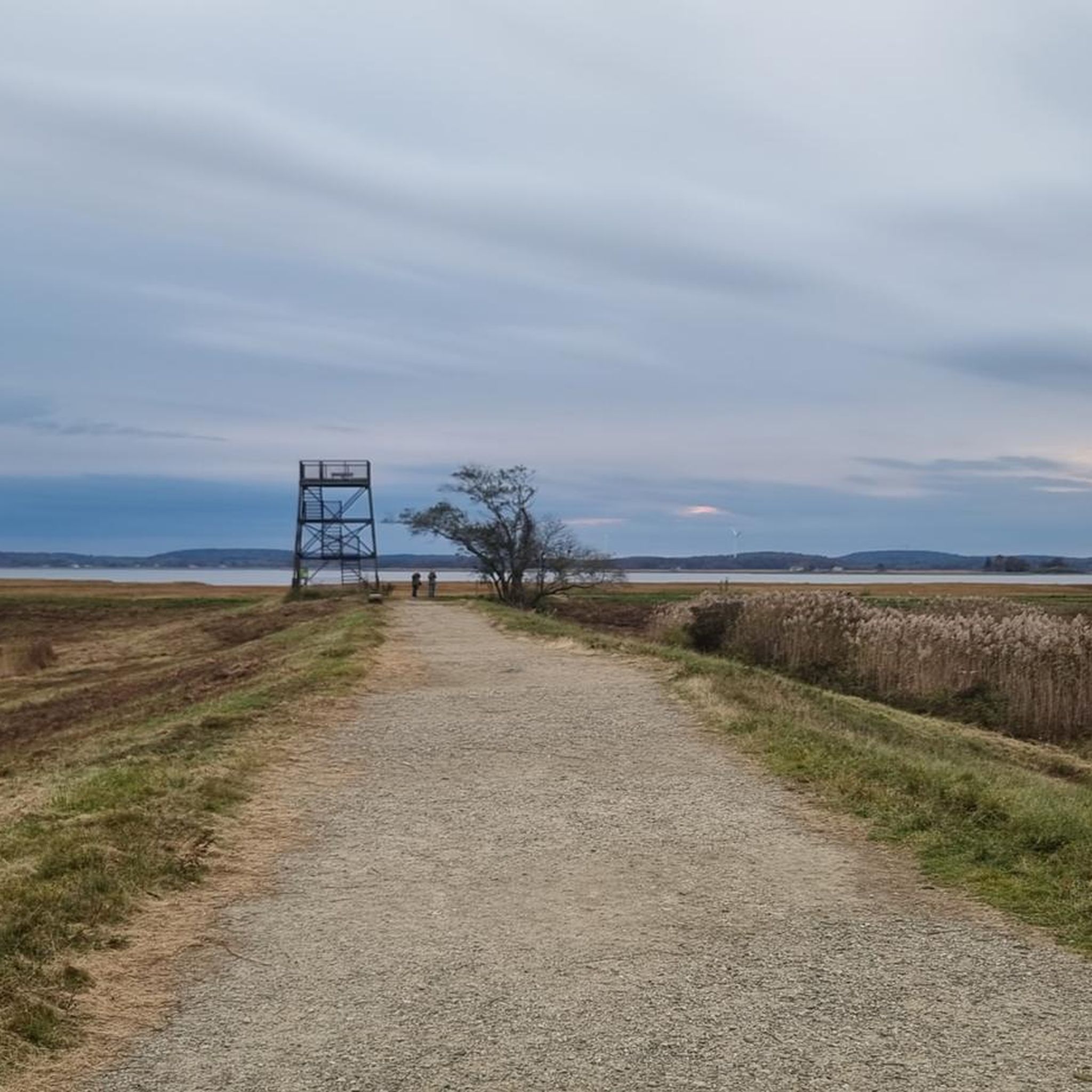
- Another must-see spot is Hellcat Dike Observation Tower, a viewpoint offering expansive views over the water. From the top, visitors can see the mainland on clear days, making it a notable spot for birdwatching and enjoying the scenery.
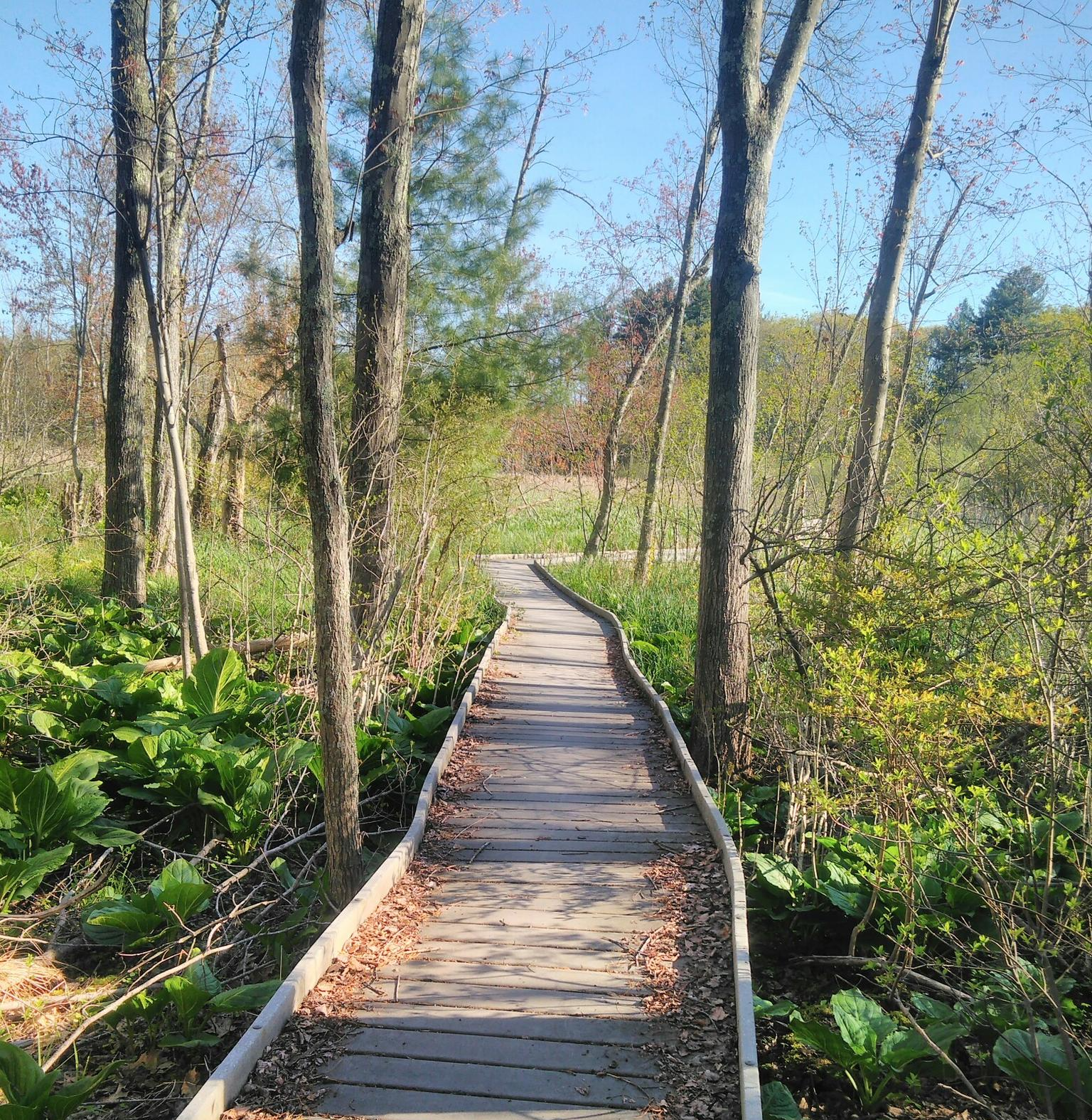
- Visitors also love Dunes Spur of the Hellcat Boardwalk Trail, a trail designed for accessibility. This spur provides impressive views of the dunes and the sea, offering a unique perspective of the refuge's coastal landscape.
- Parker River National Wildlife Refuge is known for its diverse trails, observation towers, and natural features like beaches and salt marshes. The refuge offers a variety of attractions to see and explore, catering to nature enthusiasts and those seeking scenic views.
- The attractions in Parker River National Wildlife Refuge are appreciated by the komoot community, with 16 upvotes and 7 photos shared by visitors.
Last updated: August 29, 2026
Plum Island Lighthouse
Highlight • Monument
Today, the lighthouse is owned by the friends of Plum Island light. It's occasionally open to the public.
Tip by

Sandy Point State Reservation
Highlight • Beach
Tip by
Sign up now to discover places like this
Get recommendations on the best single tracks, peaks, & plenty of other exciting outdoor places.
Sign up for free
Hellcat Dike Observation Tower
Highlight • Viewpoint
Tip by

Dunes Spur of the Hellcat Boardwalk Trail
Highlight • Trail
At first I was a bit skeptical as to whether this significant intervention in nature was a good idea. But if you don't offer such a boardwalk, visitors will also walk next to the paths and after a few months everything left and right of the path will be flat! Then it's better to take the boardwalk (which also gives you a little better insight because you're walking a little higher up).
Translated by Google •
Tip by

Forested Wetland Spur of the Hellcat Boardwalk Trail
Highlight • Viewpoint
Translated by Google •
Tip by
Sign up for free to discover even more attractions in Parker River National Wildlife Refuge.
Sign up for free
Already have an account?
Start today with a free account
Your next adventure awaits.
Login or Signup
Popular around Parker River National Wildlife Refuge
Bay Circuit Trail & Greenway — Pedal Boston’s Greenbelt
Hiking in Parker River National Wildlife Refuge
Cycling in Parker River National Wildlife Refuge
Road Cycling Routes in Parker River National Wildlife Refuge
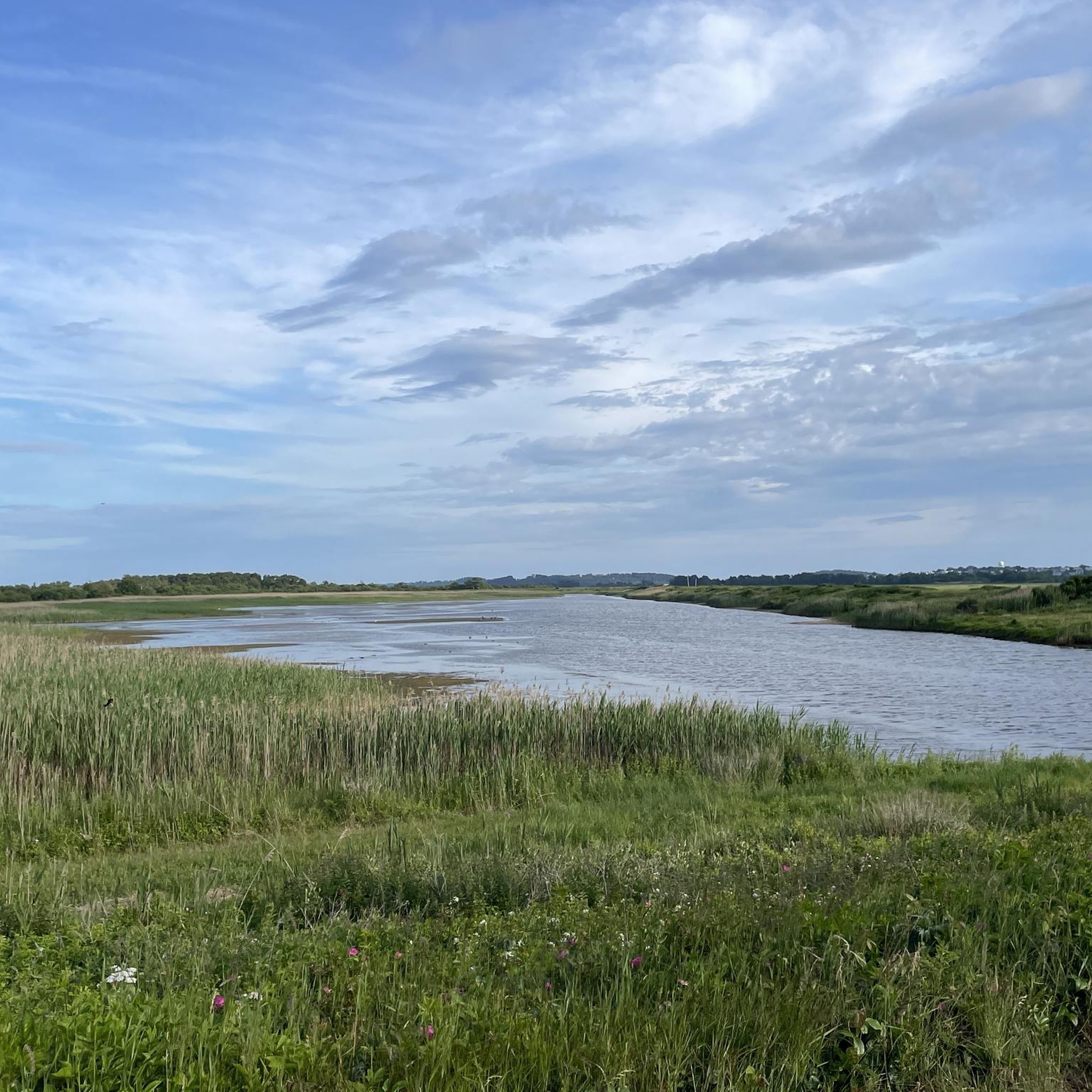
Running Trails in Parker River National Wildlife Refuge
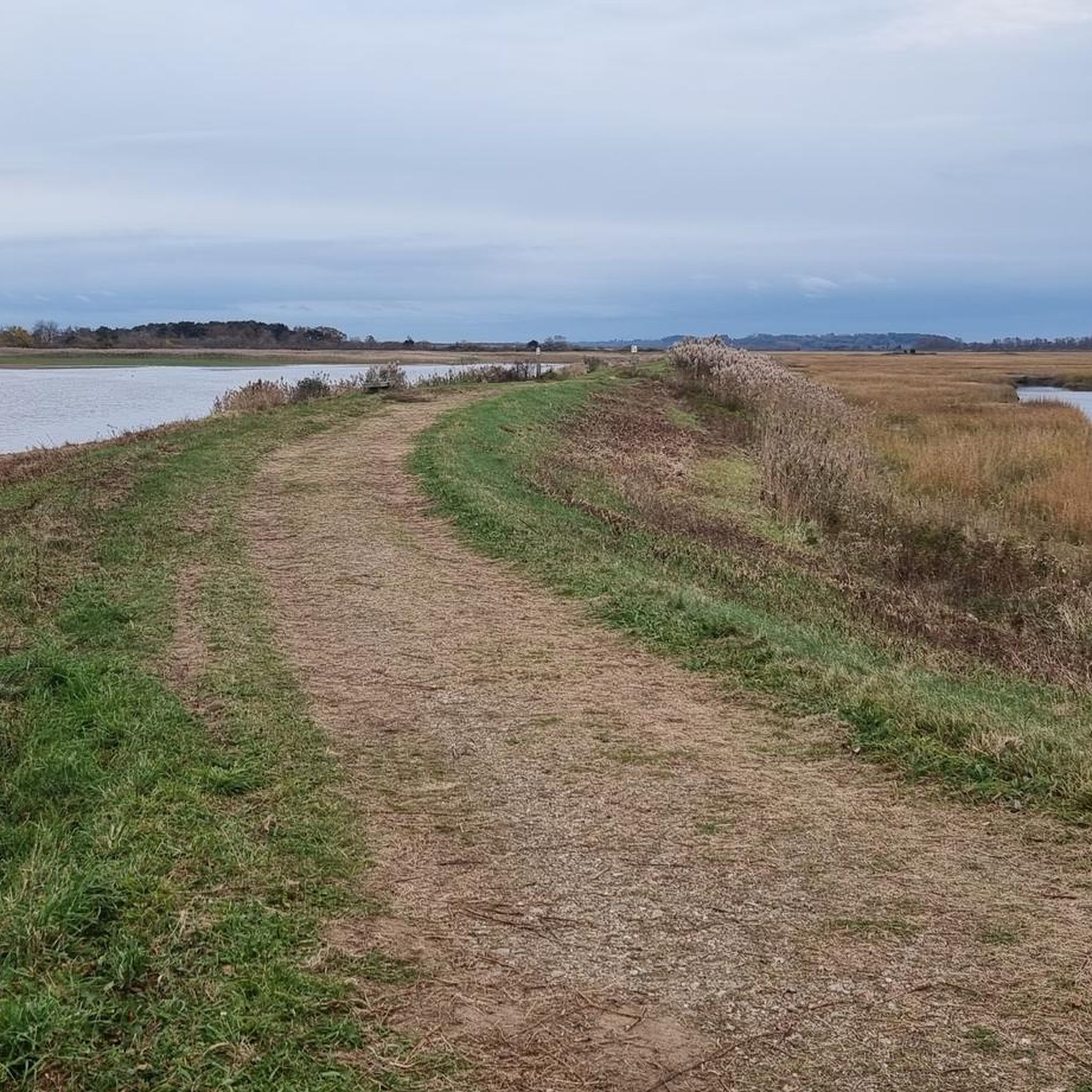
MTB Trails in Parker River National Wildlife Refuge

Gravel biking in Parker River National Wildlife Refuge
Other adventures in Parker River National Wildlife Refuge

Tips from the Community

Sandy Point State Reservation is a coastal conservation area located in Ipswich, Massachusetts. This scenic reserve encompasses approximately 77 acres of sandy shoreline and dunes along the northern end of Plum Island, offering stunning views of the Atlantic Ocean. Established in 1945, it serves as a protected habitat for various wildlife species and provides recreational opportunities for visitors. There are pristine beaches, sand dunes, and salt marshes, making it a destination for swimming, sunbathing, birdwatching, and nature photography. Visitors can explore walking trails that meander through the dunes and along the beach, providing opportunities to observe coastal flora and fauna. Additionally, the reserve offers facilities such as restrooms, picnic areas, and parking. It's a popular spot for families, beachgoers, birdwatchers, and outdoor enthusiasts seeking an escape along the Massachusetts coast. Sandy Point is renowned for its importance as a nesting site for piping plovers and other shorebirds. Conservation efforts are in place to protect these vulnerable species and their habitats. During certain times of the year, sections of the beach may be roped off to provide nesting areas for these birds.
0
0
From the top of this observation tower at the end of the long dike (Hellcat dike) you get great views over the water and on clear days you can see the mainland. This is a great spot to pause and enjoy the views as you explore this unique part of Plum Island.
0
0

Sandy Point State Reservation lies at the southern end of Plum Island, accusable only by sea or along the one road accessed from the north. The reservation consists of a sandbar and wetland habitat. It's common to see sharks and sometimes seals from the beach, so maybe don't swim.
1
0
By the end of the 1700s shipping into the Merrimack River was increasing and fires were lit on Plum Island to aid boats. Beacons were erected in 1783 and the first two lighthouses in 1788. These were improved over the years and eventually automated in 1951. Today, the lighthouse is owned by the friends of Plum Island light. It's occasionally open to the public.
0
0

The path is definitely designed for wheelchair users - you can see that from the parking spaces at the street crossing that have been specially created for this target group! At first I was a bit skeptical as to whether this significant intervention in nature was a good idea. But if you don't offer such a boardwalk, visitors will also walk next to the paths and after a few months everything left and right of the path will be flat! Then it's better to take the boardwalk (which also gives you a little better insight because you're walking a little higher up).
1
0
There are three "detours" on the Hellcat Boardwalk Trail - spur trails to viewing platforms. The second is the Forested Wetland Spur, which leads again into the Salt Marsh. There is also open water here, so you can see the birds much better (but they are also more shy).
0
0

Great path to the vantage point, which - like the whole route - is suitable for prams and, in my opinion, also wheelchair users. Impressive views of the dunes and the sea.
0
0

Small lighthouse and a nice little beach next to the mouth of the Merrimack river. Also, the only shellfish cleaning facility in the entire state is right next door.
0
0
Frequently Asked Questions
What are the most popular trails for walking and hiking in Parker River National Wildlife Refuge?
The refuge offers more than a dozen trails. Popular options include the Dunes Spur of the Hellcat Boardwalk Trail, known for its impressive views of the dunes and sea, and the Forested Wetland Spur of the Hellcat Boardwalk Trail, which provides excellent birdwatching opportunities in the salt marsh. The Hellcat Boardwalk Trail itself is a popular 0.61-mile accessible path. Other trails like the Stage Island Trail and Pines Trail also offer good hiking and wildlife viewing.
Are there any accessible trails or facilities for visitors with mobility needs?
Yes, the refuge is committed to accessibility. The Dunes Spur of the Hellcat Boardwalk Trail and the Forested Wetland Spur of the Hellcat Boardwalk Trail are specifically designed to be wheelchair-friendly, offering easy access to scenic views and birdwatching platforms. The main Hellcat Boardwalk Trail is also accessible.
What natural features can I expect to see in Parker River National Wildlife Refuge?
The refuge is rich in diverse natural features, including 6.5 miles of broad sandy beaches, extensive dune systems, and a vast 3,000-acre salt marsh, considered one of nature's most productive ecosystems. You'll also find maritime forests, cranberry bogs, and freshwater marshes, supporting a wide array of wildlife.
What are the best spots for birdwatching in the refuge?
As a premier birding site, the refuge offers numerous excellent spots. The Hellcat Dike Observation Tower provides expansive views over the water, perfect for spotting various species. The Forested Wetland Spur of the Hellcat Boardwalk Trail also leads to viewing platforms with good visibility of birds in the salt marsh and open water. Several other observation towers are scattered throughout the refuge for optimal birdwatching.
What historical sites are located within Parker River National Wildlife Refuge?
While the refuge primarily focuses on natural preservation, the Plum Island Lighthouse is a notable historical landmark. It has aided shipping into the Merrimack River since the late 1700s and is occasionally open to the public. The refuge's Visitor Center also offers exhibits on conservation efforts and the area's ecology.
What activities are available for families and children?
Families can enjoy easy walks on accessible trails like the Hellcat Boardwalk Trail and its spurs, which are suitable for strollers and wheelchairs. The Visitor Center features interactive exhibits about local wildlife, including piping plover recovery and migratory birds. Birdwatching from observation towers is also a popular activity for all ages. Sandy Point Beach offers opportunities for beach activities outside of nesting season.
What outdoor activities can I do near these attractions?
Beyond exploring the attractions, the Parker River National Wildlife Refuge area offers various outdoor activities. You can find many easy hikes, including the Hellcat Boardwalk Trail and Sandy Point Loop. For runners, there are several running trails, such as the Plum Island Lighthouse loop. Gravel biking is also popular, with routes like the Topsfield Linear Common loop available nearby. Canoeing and kayaking are possible, with a boat launch near Parking Lot 1.
When is the best time to visit Parker River National Wildlife Refuge?
The refuge is a critical stopover for over 300 species of migratory birds, making spring and fall excellent times for birdwatching. Summer offers opportunities for beach activities, though some areas may be restricted due to nesting shorebirds. The diverse habitats provide unique experiences year-round, with winter offering a chance to see different bird species and enjoy quieter trails.
Are dogs allowed on the trails in Parker River National Wildlife Refuge?
Generally, dogs are not permitted on the trails or beaches within the Parker River National Wildlife Refuge to protect sensitive wildlife and habitats. It's always best to check the official refuge guidelines for the most current pet policy before your visit.
How long should I plan to spend at Parker River National Wildlife Refuge?
The amount of time to spend depends on your interests. A visit to the Visitor Center and a walk along the Hellcat Boardwalk Trail and its spurs might take 1-2 hours. If you plan to explore multiple trails, engage in extensive birdwatching, or spend time at Sandy Point Beach, you could easily spend half a day or even a full day enjoying the refuge's diverse offerings.
Is there parking available at the refuge?
Yes, parking is available at various points throughout the refuge. For instance, the Hellcat Boardwalk Trail has specially created parking spaces at the street crossing, particularly for accessibility. There are multiple parking lots, such as Parking Lot 1, which also features a boat launch area.
What kind of wildlife can I expect to see besides birds?
Beyond its renowned bird population, the refuge's diverse ecosystems support a variety of other wildlife. You might spot mammals like eastern cottontails and white-tailed deer, as well as various reptiles, amphibians, and insects within the salt marshes, forests, and dunes.
Most popular routes in Parker River National Wildlife Refuge

Get inspired with the komoot mobile app


Explore more
Still not found the Highlight you’re looking for? See guides of the top attractions in other regions:
