The best city hikes and walks in Parker River National Wildlife Refuge
4.5
(16)
250
hikers
6
hikes
Urban hiking trails in Parker River National Wildlife Refuge traverse a landscape characterized by coastal ecosystems, including salt marshes, maritime forests, and sandy beaches. The terrain is generally flat, offering accessible routes through diverse habitats. This barrier island environment features a mix of freshwater and saltwater areas, contributing to its ecological variety. The refuge is known for its extensive network of trails suitable for walking and jogging.
Best urban hiking trails in Parker River National Wildlife Refuge
- The most popular…
Last updated: September 2, 2026
5
hikers
5.37km
01:24
30m
30m
Easy hike. Great for any fitness level. Easily-accessible paths. Suitable for all skill levels.
2
hikers
2.60km
00:40
20m
10m
Easy hike. Great for any fitness level. Easily-accessible paths. Suitable for all skill levels.

Sign up for free
5
hikers
8.03km
02:04
30m
30m
Moderate hike. Good fitness required. Easily-accessible paths. Suitable for all skill levels.
1
hikers
7.32km
01:53
40m
30m
Easy hike. Great for any fitness level. Easily-accessible paths. Suitable for all skill levels.
2
hikers
3.89km
01:01
30m
30m
Easy hike. Great for any fitness level. Easily-accessible paths. Suitable for all skill levels.
Our route recommendations are based on thousands of hikes, rides, and runs completed by other people on komoot.
Start today with a free account
Your next adventure awaits.
Login or Signup
Popular around Parker River National Wildlife Refuge
Other adventures in Parker River National Wildlife Refuge

Tips from the Community

This bridge offers a nice view over the river and the marina, and has a half-mile connector path that connects the Clipper City Trail to the Old Eastern Marsh Trail.
0
0

The pedestrian crossing lets you enjoy the Ipswich River up close. You can see the water flowing by, which is vital for the town's history and nature. The river has been important for farming, mills, and even fishing for hundreds of years. You can also see the Choate Bridge, built in 1764, making it one of the oldest stone arch bridges in North America. It's truly amazing that it's still used by cars and people today!
0
0

Ipswich is a historic coastal town about 30 miles north of Boston. It was founded in 1634 and is one of the oldest towns in the United States. Visitors can enjoy Crane Beach, Castle Hill on the Crane Estate, the Ipswich River, and the Historic Downtown.
1
0


The Rear Range Lighthouse is the sister lighthouse to the Front Range Lighthouse, just a few blocks north on the waterfront. It was built in 1873 as one of two range lights for guiding ships up the river to the city's harbor. Today, the Rear Range Lighthouse offers tours and high-end dining experiences at the top of the lighthouse with the proceeds going toward the preservation of these historic structures. Both the Front and Rear Range Lighthouses were added to the National Register of Historic Places in 1987 and are considered iconic landmarks of Newburyport.
1
0

The Clipper City Rail Trail connects the MBTA commuter rail station to the Harborwalk along the waterfront. A newer section follows the bank of the Merrimack River to Water Street and connects through the South End under High Street to Parker Street in Newbury.
0
0
Hilton's Marina, 3 miles (ca. 5 km) from Merrimack River. Nearby, visitors can enjoy shopping, dining, and other activities. Situated in a classic New England seaport, it offers a charming experience.
0
0
Established in 1873, Newburyport Harbor Front Range Light and Rear Range Light guided mariners traveling the Merrimack River to Newburyport Harbor. The range lights also helped vessels avoid a dangerous underwater obstacle known as Goose Rocks.
0
0
Frequently Asked Questions
How many urban hiking trails are available in Parker River National Wildlife Refuge?
There are 8 urban hiking trails documented in Parker River National Wildlife Refuge, offering a variety of experiences for different skill levels. Most of these are considered easy, with one moderate option for those seeking a bit more challenge.
What are the best urban trails for beginners or families in Parker River National Wildlife Refuge?
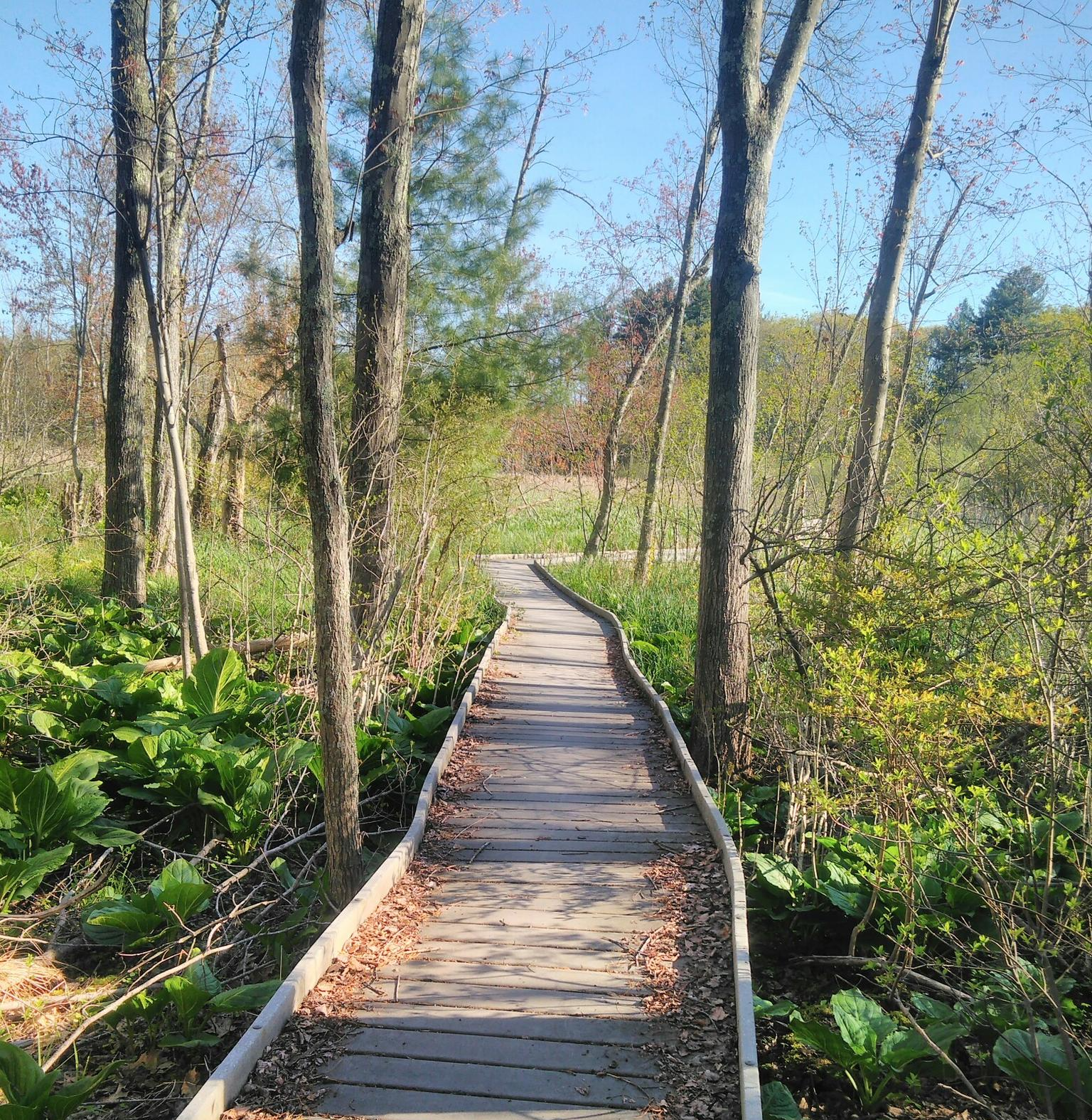
For an easy and accessible urban hike, consider the Clipper City Rail Trail, which is relatively short and flat. Another great option is the Rear Range Light – Front Range Lighthouse loop from Newburyport, offering scenic views without significant elevation gain. The refuge also features accessible trails like the Hellcat Interpretive Trail (boardwalk) and Pines Trail, which are excellent for all ages and abilities.
Are there any urban hiking routes that offer scenic views or pass by landmarks?
Absolutely! Many urban hikes in the area provide picturesque views. The Rear Range Light – Front Range Lighthouse loop from Newburyport offers coastal vistas and passes by historic lighthouses. You can also explore highlights like the Plum Island Lighthouse or visit the Hellcat Dike Observation Tower for expansive views over the salt marshes, which can be incorporated into your urban exploration.
What is the best time of year for urban hiking in Parker River National Wildlife Refuge?
The refuge offers unique experiences year-round. Spring and fall are excellent for birdwatching, as many migratory species pass through. Summer provides warm weather for coastal walks, though some beach areas may have closures for nesting birds. Winter can be beautiful for quiet, crisp walks, especially through maritime forests, but be prepared for colder temperatures and potential snow.
Are there any circular urban hiking routes in the area?
Yes, several urban hiking routes in the Parker River National Wildlife Refuge are designed as loops. For example, the Gillis Bridge – Hilton's Marina loop from Newburyport and the Ipswich River Bridge – Historic Downtown Ipswich loop from Ipswich are great options for a round trip experience.
What kind of wildlife can I expect to see on urban hikes in Parker River National Wildlife Refuge?
Parker River National Wildlife Refuge is a renowned birdwatching destination, home to over 300 species of resident and migratory birds. On your urban hikes, you might spot various waterfowl, shorebirds, and songbirds. Beyond birds, the diverse habitats support mammals like foxes, as well as reptiles and amphibians. Observation towers, such as the Hellcat Dike Observation Tower, provide excellent vantage points for wildlife viewing.
Are the urban hiking trails in Parker River National Wildlife Refuge dog-friendly?
The Parker River National Wildlife Refuge has specific regulations regarding pets to protect its sensitive wildlife. Generally, dogs are permitted on leash on the Refuge Road and designated parking areas, but are often restricted from trails, boardwalks, and beach areas, especially during nesting seasons. It's always best to check the official refuge website for the most current pet policies before your visit to ensure compliance: fws.gov/refuge/parker-river.
Are there accessible urban hiking trails for wheelchairs or strollers?
Yes, Parker River National Wildlife Refuge prioritizes accessibility. The Hellcat Interpretive Trail is a 1.5-mile accessible boardwalk trail, and the Pines Trail is another accessible option with a crushed stone and earth surface. Beach wheelchairs are also available upon request, making it possible for a wider range of visitors to enjoy the natural beauty of the refuge.
What do other hikers enjoy most about urban hiking in Parker River National Wildlife Refuge?
The urban hiking experiences in Parker River National Wildlife Refuge are highly rated by the komoot community, with an average score of 4.6 stars. Reviewers often praise the unique coastal ecosystems, the abundance of birdwatching opportunities, and the well-maintained, generally flat trails that make for enjoyable and accessible walks.
Where can I find parking for urban hikes in Parker River National Wildlife Refuge?
The refuge offers various parking areas throughout its length, providing access to different trails and points of interest. Specific parking details are usually available on the official refuge website or at the visitor center. It's advisable to check the refuge's visitor information for maps and parking locations before heading out: fws.gov/refuge/parker-river/visit-us/activities/hiking.
Are there any entrance fees or permits required for urban hiking in the refuge?
Yes, there is an entrance fee to access Parker River National Wildlife Refuge. This fee helps support the maintenance and conservation efforts within the refuge. Annual passes and federal recreation passes are also accepted. For the most up-to-date information on fees and any specific permit requirements, please consult the official refuge website: fws.gov/refuge/parker-river.
Most popular routes in Parker River National Wildlife Refuge
Most popular attractions in Parker River National Wildlife Refuge

Get inspired with the komoot mobile app


Explore more
Browse the best Hikes in other regions.
