Grandstaff Canyon Wilderness Study Area
Grandstaff Canyon Wilderness Study Area
Attractions and Places To See in Grandstaff Canyon Wilderness Study Area - Top 6
Best attractions and places to see in Grandstaff Canyon Wilderness Study Area include a blend of desert and riparian landscapes. This area features towering sandstone cliffs, lush vegetation sustained by a perennial stream, and expansive Navajo sandstone domes. The canyon is named after William Grandstaff, an early settler, adding historical context to its natural beauty. It offers unique geological features and a vibrant ecosystem within an arid environment.
Best attractions and places to see in Grandstaff Canyon Wilderness Study Area
…Last updated: July 6, 2026
Porcupine Rim Singletrack
Highlight (Segment) • MTB Park
Tip by

Morning Glory Natural Bridge
Highlight • Natural Monument
Tip by

Sign up now to discover places like this
Get recommendations on the best single tracks, peaks, & plenty of other exciting outdoor places.
Sign up for free
Lower Porcupine Singletrack (LPS)
Highlight (Segment) • Trail
When you arrive at a steep …
Tip by
Grandstaff Canyon Creek
Highlight (Segment) • Canyon
Tip by
Upper Grandstaff Canyon Trail and views of Morning Glory Bridge
Highlight (Segment) • Canyon
Tip by
Start today with a free account
Your next adventure awaits.
Login or Signup
Popular around Grandstaff Canyon Wilderness Study Area
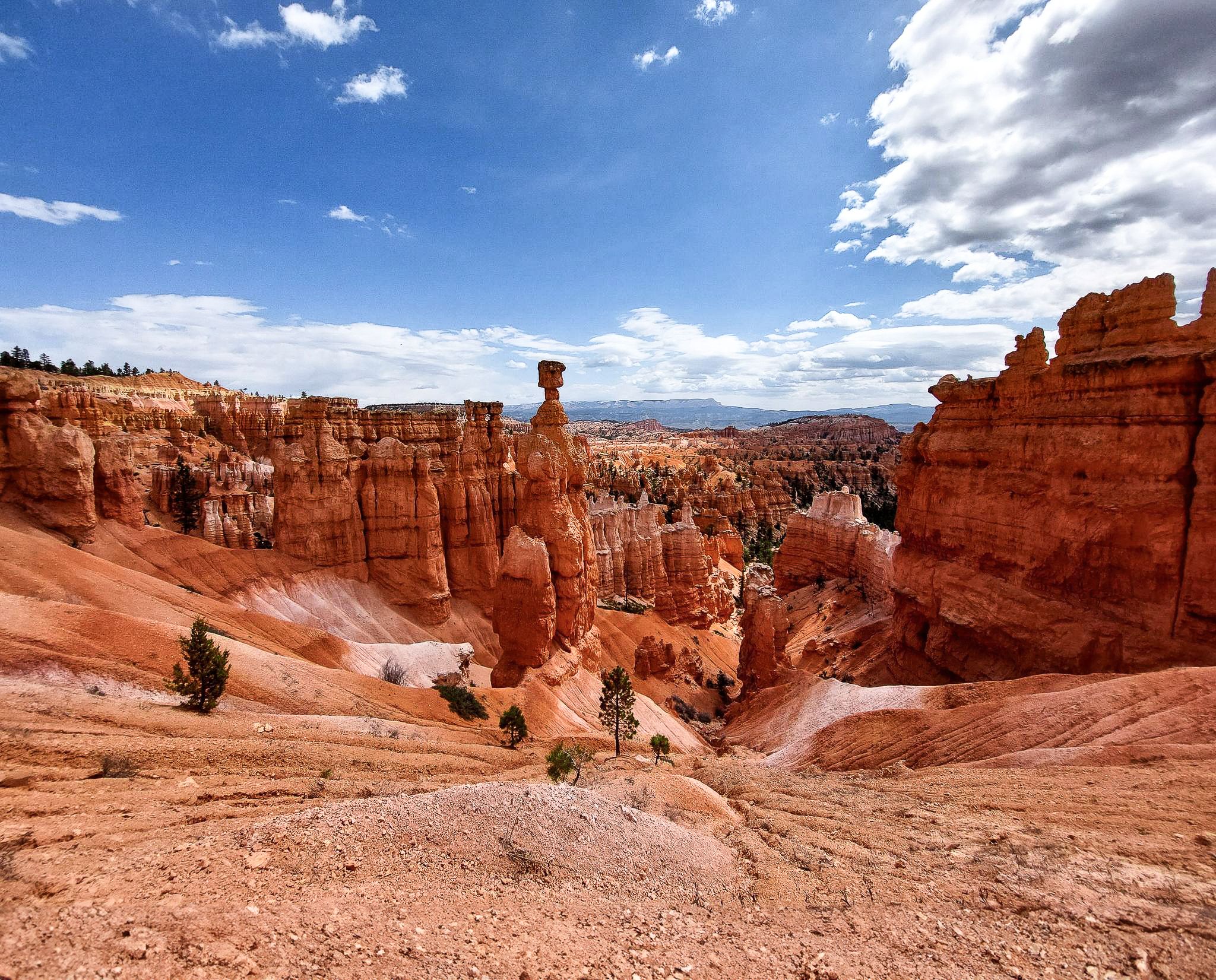
Canyons, Plateaus and Hoodoos – discover Southwest USA
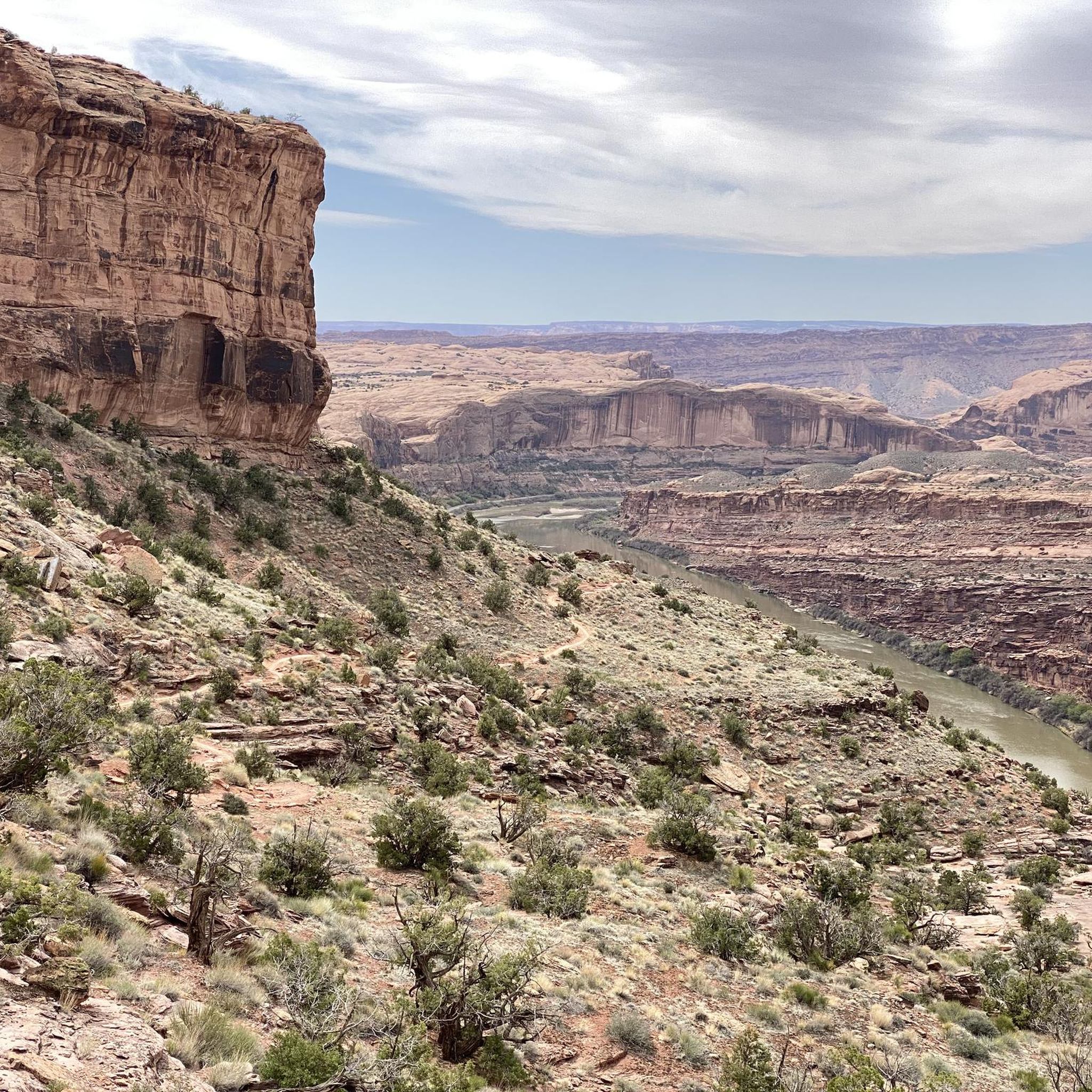
Running Trails in Grandstaff Canyon Wilderness Study Area
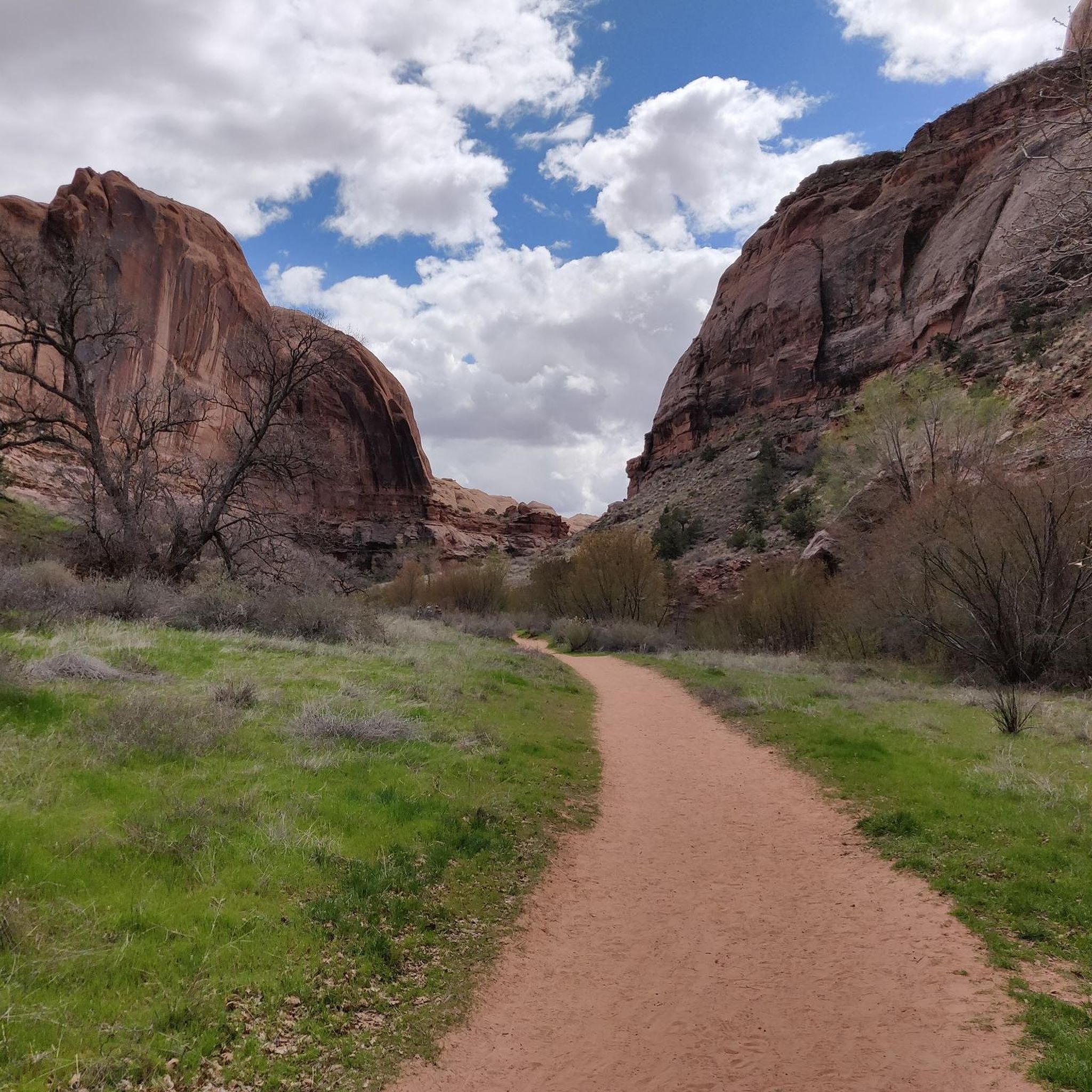
Road Cycling Routes in Grandstaff Canyon Wilderness Study Area
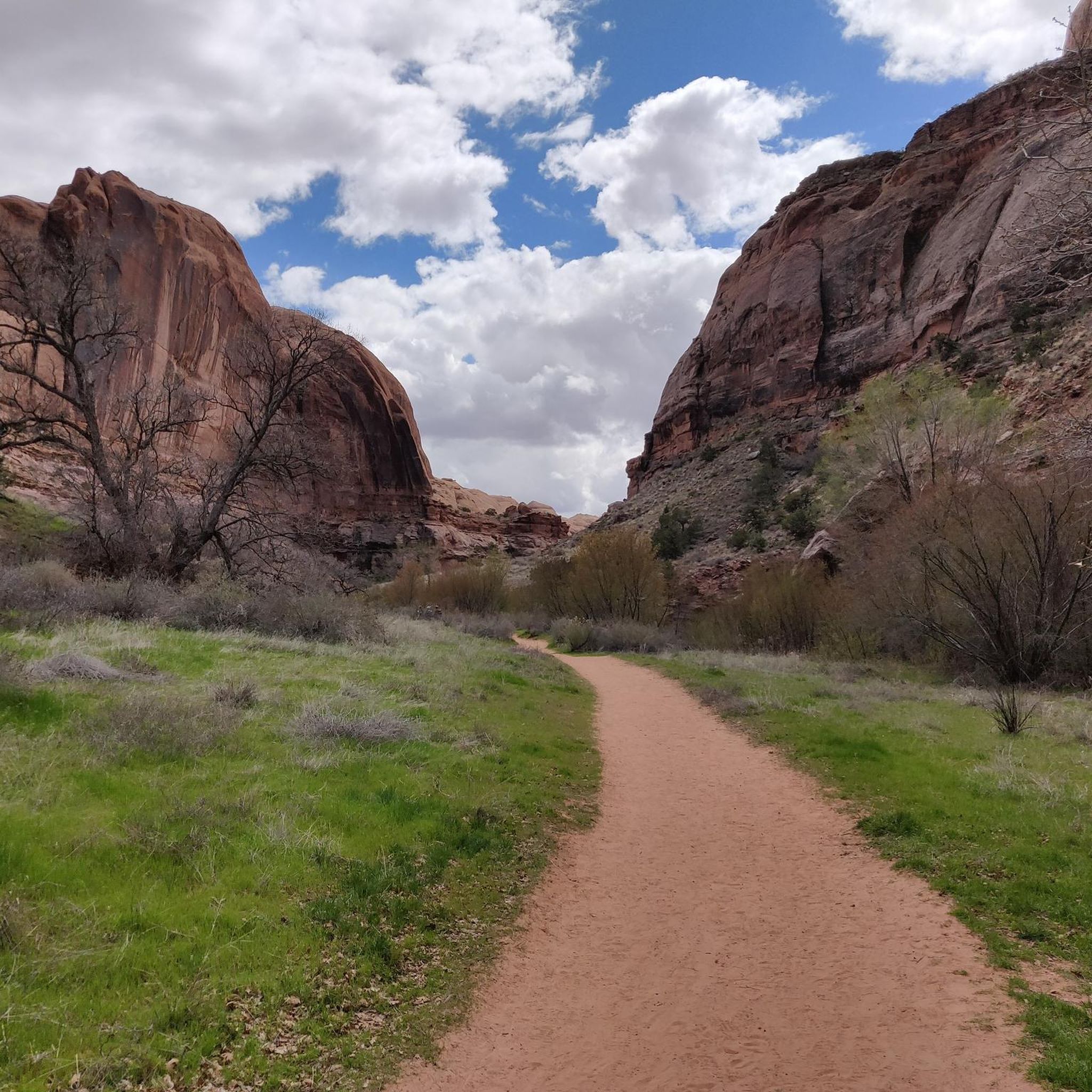
Cycling in Grandstaff Canyon Wilderness Study Area
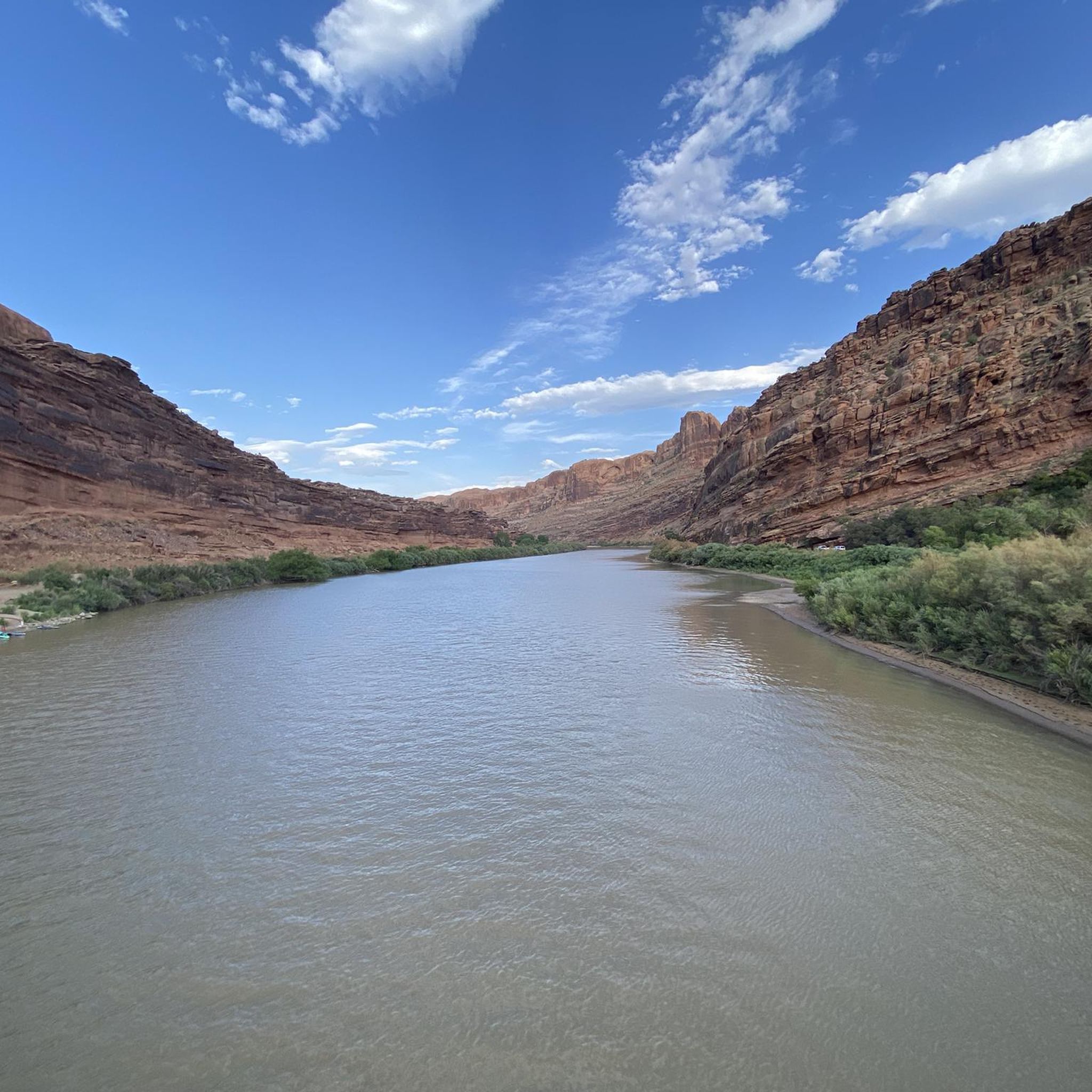
Hiking in Grandstaff Canyon Wilderness Study Area
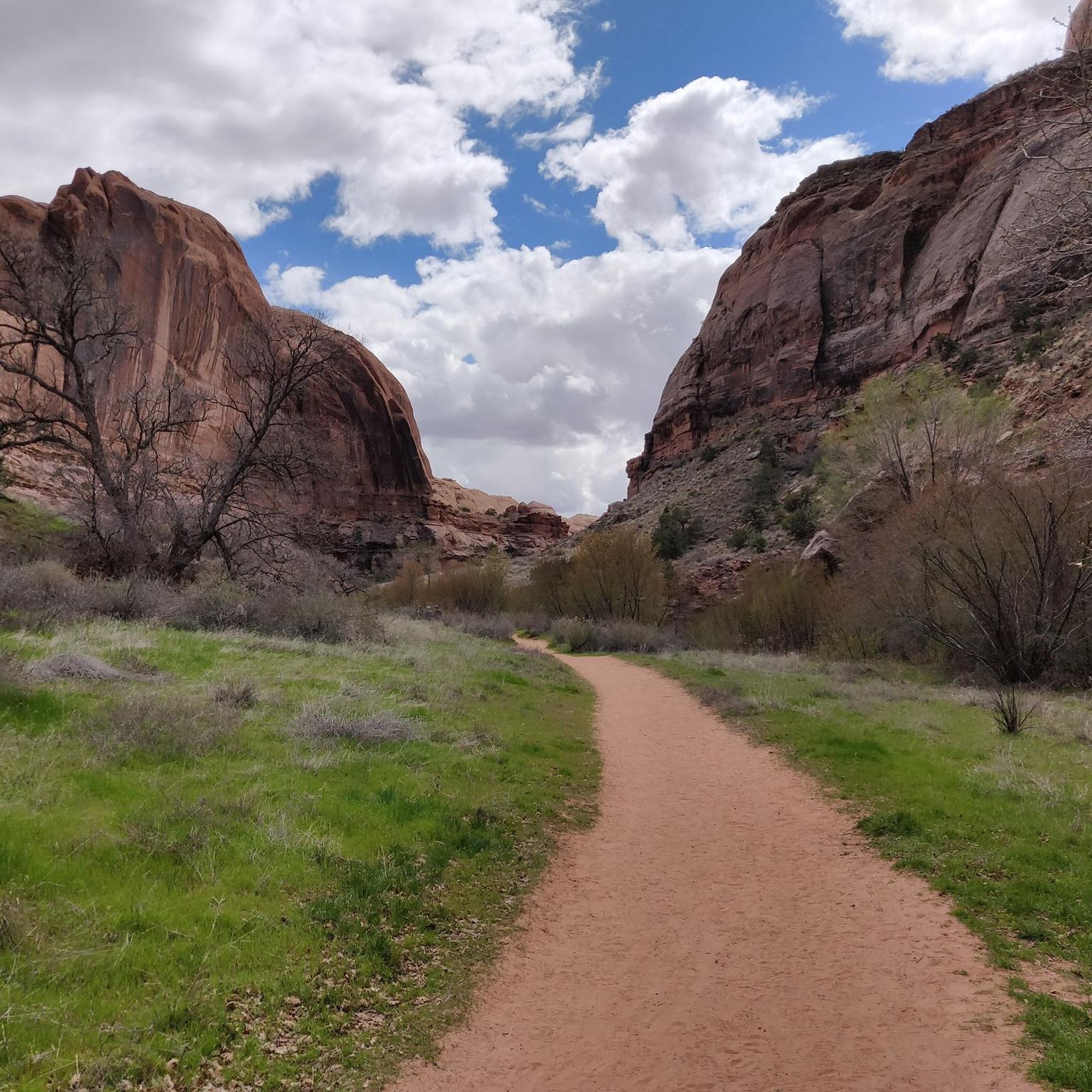
MTB Trails in Grandstaff Canyon Wilderness Study Area
Other adventures in Grandstaff Canyon Wilderness Study Area

Tips from the Community

Very nice trail. View into the canyon. Overall more S2 than S3, although the trail is somewhat exposed here and there.
0
0

Use the features on the left side an find the best technical flow ever. If you on it, you will enjoy so much. S3 skills mandatory.
1
0

After crossing the eastern fork of the Grandstaff Canyon Creek you run up a sandy trail toward Morning Glory Natural Bridge passing between towering, water and algae-streaked sandstone walls and outcroppings. As you continue up this beautiful section of trail in the open canyon, you start to get views of Morning Glory Natural Bridge in the distance, outlined against the massive walls.
0
0
Morning Glory Natural Bridge is a huge natural bridge and an incredibly popular hiking and rappelling spot at the end of a scenic side canyon of Grandstaff Canyon. Spanning 243 feet, it is the sixth longest natural rock span in the United States, and an incredibly impressive sight. You can go beneath the bridge to marvel at its beauty and take photographs while also cooling off in the shade. There is a shallow pool of water under Morning Glory Natural Bridge, which is what makes it a bridge as opposed to an arch. This is a fantastic place to sip some water and relax before returning to the trailhead.
0
0

The 6th biggest natural bridge of the USA. Worth going all along the (beautiful) trail to see this beauty.
0
0
Morning Glory Natural Bridge is a huge natural bridge and an incredibly popular hiking and rappelling spot at the end of a scenic side canyon of Grandstaff Canyon. Spanning 243 feet, it is the sixth longest natural rock span in the United States, and an incredibly impressive sight. You can go beneath the bridge to marvel at its beauty and take photographs while also cooling off in the shade. There is shallow pool of water under Morning Glory Natural Bridge, which is what makes it a bridge as opposed to an arch. This is a fantastic place to sip some water and relax before returning to the trailhead.
0
0
After crossing the eastern fork of the Grandstaff Canyon Creek you hike up a sandy trail toward Morning Glory Natural Bridge passing between towering, water and algae-streaked sandstone walls and outcroppings. As you continue up this beautiful section of trail in the open canyon, you start to get views of Morning Glory Natural Bridge in the distance, outlined against the massive walls.
1
0
Although the Grandstaff Canyon Trail crosses the creek several times, this particular section is frequently flooded because the trail dips down, crosses, and traverses next to the shallow creek for a short distance. Be mindful that the sandstone can be slippery when wet and wear proper shoes that you're ok with getting wet. On this section of trail you pass below and next to huge overhanging sandstone walls and through green trees and shrubs that rely on the water from the creek. This is a peaceful, unique part of the trail that feels quite different than the beginning of the hike in the more open-feeling valley.
1
0
Frequently Asked Questions
What is the main hiking trail in Grandstaff Canyon Wilderness Study Area?
The primary trail is the Grandstaff Canyon Trail, an easy to moderate out-and-back hike, approximately 4.5 miles round trip. It follows a perennial stream, offering shade and lush riparian vegetation, and leads to the impressive Morning Glory Natural Bridge.
How difficult is the Grandstaff Canyon Trail and how long does it take?
The Grandstaff Canyon Trail is considered an easy to moderate hike. It's approximately 4.5 miles round trip, and most hikers can complete it in 2-3 hours, depending on pace and how long you spend at the natural bridge.
What natural landmarks can I see in Grandstaff Canyon Wilderness Study Area?
The most prominent natural landmark is the Morning Glory Natural Bridge, one of the longest natural rock spans in the United States. You'll also encounter towering Navajo sandstone cliffs, lush riparian vegetation along the Grandstaff Canyon Creek, and expansive sandstone domes.
Is Grandstaff Canyon Wilderness Study Area suitable for families with children?
Yes, the Grandstaff Canyon Trail is generally suitable for families. Its easy to moderate difficulty, relatively short length, and the presence of a stream and shade make it an enjoyable outdoor activity for most ages. Children will enjoy crossing the creek multiple times and exploring the lush environment.
Are dogs allowed on trails in Grandstaff Canyon Wilderness Study Area?
Yes, the Grandstaff Canyon Trail is dog-friendly. Please ensure your dog is on a leash and that you pack out any waste to help preserve the natural environment.
What is the historical significance of Grandstaff Canyon?
The canyon is named after William Grandstaff, a Black frontiersman who was one of Moab's earliest non-Native American settlers. He grazed cattle and ranched in this canyon from 1877 to 1881. An interpretive sign at the trailhead provides more insight into his pioneering role.
What is the best time of year to visit Grandstaff Canyon Wilderness Study Area?
Spring and fall are generally the best times to visit, offering pleasant temperatures for hiking. Summer can be very hot, but the canyon's perennial stream provides some shade and cooler temperatures. Winter visits are possible but can be cold, and some sections might be icy.
Are there amenities like restrooms or cafes near the Grandstaff Canyon trailhead?
There are no cafes or extensive amenities directly at the Grandstaff Canyon trailhead. It's advisable to bring your own water and snacks. Restrooms may be available at the trailhead, but it's best to check current conditions before your visit. For more detailed information on facilities, you can check the BLM website: Grandstaff Canyon Trailhead.
What other outdoor activities or trails are available near Grandstaff Canyon Wilderness Study Area?
Beyond the main canyon trail, the region offers various outdoor activities. You can find several hiking routes, including easy options like the Grandstaff Canyon Trail itself, and more challenging trails. For more hiking ideas, explore the Hiking in Grandstaff Canyon Wilderness Study Area guide. There are also nearby mountain biking trails like Porcupine Rim Singletrack and Lower Porcupine Singletrack (LPS) for experienced riders.
Are there any waterfall hikes nearby?
Yes, there are waterfall hikes in the broader Grandstaff Canyon Wilderness Study Area region. You can find routes like the Mill Creek Waterfall loop. For more details on these trails, refer to the Waterfall hikes in Grandstaff Canyon Wilderness Study Area guide.
What kind of wildlife can I expect to see in Grandstaff Canyon?
Due to the perennial stream and lush riparian vegetation, Grandstaff Canyon supports a variety of wildlife. You might spot amphibian life such as frogs and crayfish near the creek. Desert wildlife like lizards, various bird species, and occasionally larger mammals may also be present, especially during quieter times of day.
What should I wear when hiking in Grandstaff Canyon, especially in summer?
In summer, wear lightweight, breathable clothing, a wide-brimmed hat, and sunglasses. Sturdy hiking shoes are essential, as you'll be crossing the creek multiple times, and sandstone can be slippery when wet. Always bring plenty of water, regardless of the season. In cooler months, layer clothing to adapt to changing temperatures.
Most popular routes in Grandstaff Canyon Wilderness Study Area

Get inspired with the komoot mobile app


Explore more
Still not found the Highlight you’re looking for? See guides of the top attractions in other regions:
