The best cycling routes in Katy Trail State Park
5.0
(37)
715
riders
28
rides
Touring cycling in Katy Trail State Park offers an extensive network of routes along the longest developed rail-trail in the United States. The terrain is predominantly flat, built on a former railroad corridor with mostly level, crushed-limestone surfaces, making it accessible for various skill levels. Routes often follow the Missouri River, providing scenic views and passing through diverse landscapes including dense forests, open prairies, and wetlands. The park's geological formations, such as limestone bluffs, add to the natural features encountered along the trails.
Best touring cycling routes in Katy Trail State Park
- The most popular touring cycling route is Katy Trail, a 21.7 miles (34.9 km) trail that takes 2 hours 10 minutes to complete. This moderate route offers extensive views along the Missouri River.
- Another top favourite among local touring cyclists is Katy Trail: Augusta to Defiance, an easy 14.8 miles (23.8 km) path. This section features gentle grades and passes through charming small towns.
- Local touring cyclists also love the Burr Oak Big Tree – Torbett Spring loop from Rocheport, a 15.2 miles (24.5 km) trail leading through varied landscapes and past historical landmarks, often completed in about 2 hours 16 minutes.
- Touring cycling in Katy Trail State Park is defined by its long, flat rail-trail paths, scenic Missouri River views, and passages through dense forests and limestone bluffs. The network offers options for different ability levels, from easy rides to more challenging distances.
- The routes in Katy Trail State Park are highly rated by the komoot community with an average score of 4.9 stars from over 40 reviews. More than 800 touring cyclists have used komoot to explore Katy Trail State Park's varied terrain.
Last updated: July 7, 2026
5.0
(1)
37
riders
34.9km
02:10
40m
40m
Moderate bike ride. Good fitness required. Mostly paved surfaces. Suitable for all skill levels.
5.0
(1)
24
riders
23.8km
01:29
30m
30m
Easy bike ride. Great for any fitness level. Mostly paved surfaces. Suitable for all skill levels.

Sign up for free
5.0
(1)
9
riders
56.5km
05:15
110m
110m
Hard bike ride. Very good fitness required. Mostly paved surfaces. Suitable for all skill levels.
33
riders
46.1km
03:15
230m
230m
Moderate bike ride. Good fitness required. Mostly paved surfaces. Suitable for all skill levels.
4.5
(4)
39
riders
78.5km
06:48
130m
130m
Hard bike ride. Very good fitness required. Mostly paved surfaces. Suitable for all skill levels.
Get access to more routes and recommendations from other explorers.
Sign up for free
Already have an account?
Our route recommendations are based on thousands of hikes, rides, and runs completed by other people on komoot.
Start today with a free account
Your next adventure awaits.
Login or Signup
Popular around Katy Trail State Park
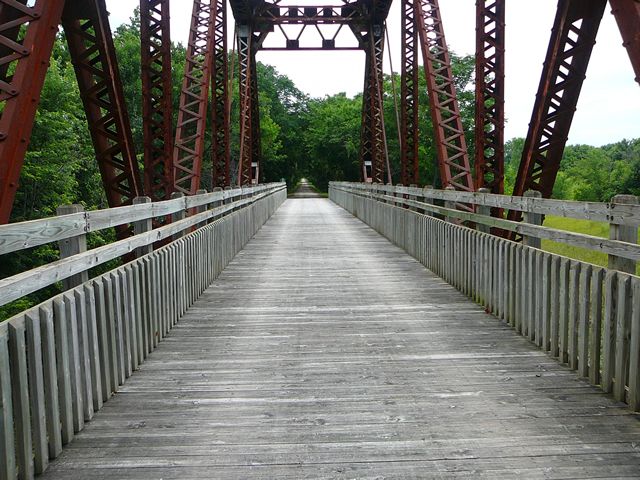
The Katy Trail – Pedaling Missouri's historic railbed
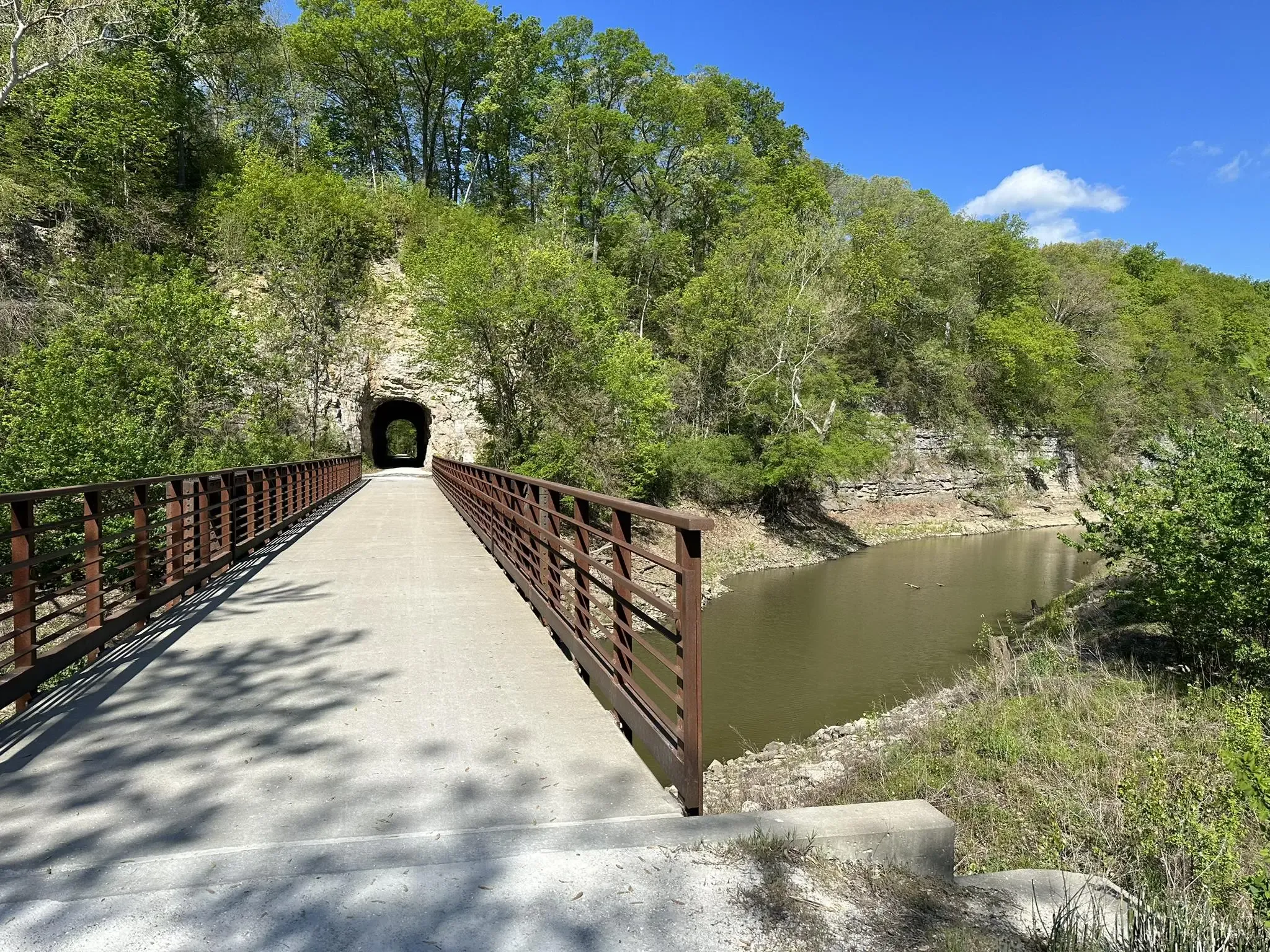
Katy Trail — From steel rails to scenic trails
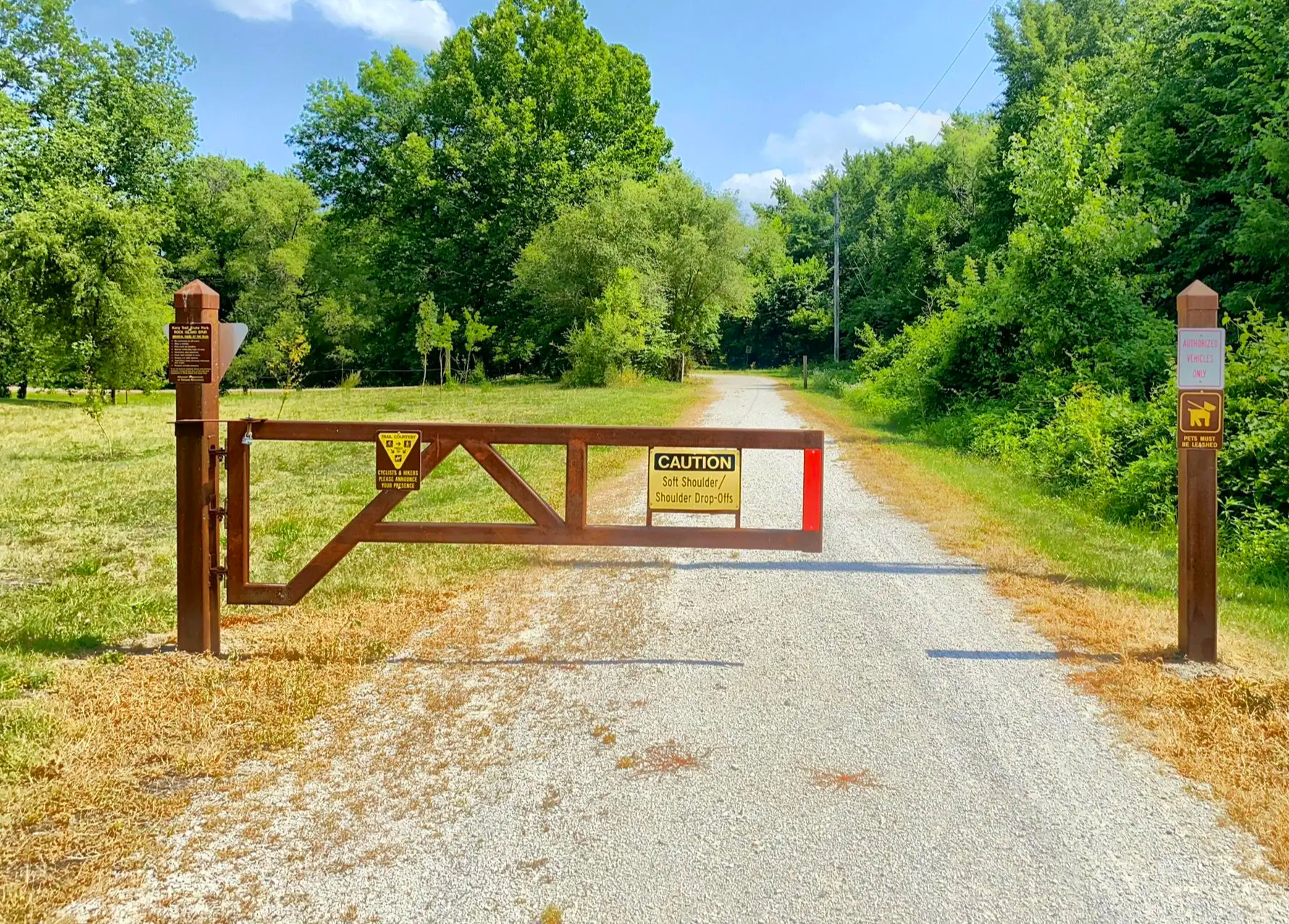
Rock Island Trail — Walking through railroad history
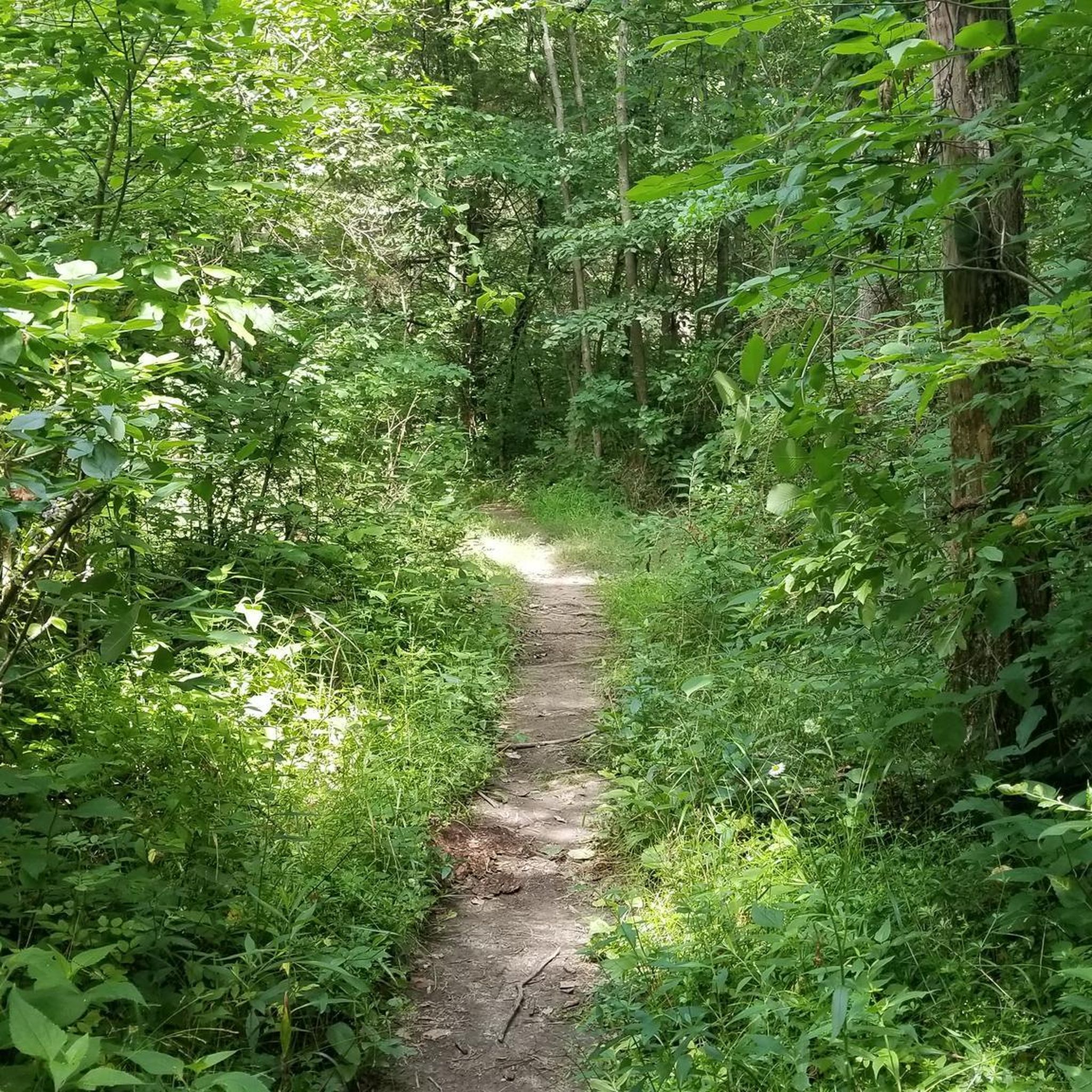
Hiking in Katy Trail State Park
Road Cycling Routes in Katy Trail State Park

Running Trails in Katy Trail State Park

MTB Trails in Katy Trail State Park
Gravel biking in Katy Trail State Park


Tips from the Community


Hinkson Woods offers a leafy escape just off the MKT Trail. Enjoy 2 miles of mown multi-use paths winding through forest and open grasslands along Hinkson Creek. The trail links up with the university rec trail and provides easy access to nearby Grindstone Nature Area and MKT system—giving you plenty of options for loop rides.
0
0

On June 6, 1804, the Lewis and Clark Expedition camped on the starboard side of the Missouri River after a challenging day navigating strong currents and eroding banks. Earlier, they passed notable landmarks including Split Rock Creek and Saline Creek, the latter known for its salt springs. The day's journey was marked by the river rising a foot overnight and the crew's efforts to mend the barge's mast before setting out.
0
0
Between Rocheport and Huntsdale, the Katy Trail skirts the base of the majestic Manitou Bluffs—towering limestone cliffs shaped by the Missouri River's erosive power. These bluffs hold deep cultural significance, adorned with ancient Native American pictographs and burial mounds atop their heights. Early explorers, including Lewis and Clark, documented these sites in the early 1800s.
0
0
Just off the Katy Trail near McBaine stands the McBaine Bur Oak, affectionately known as the Burr Oak Big Tree. Estimated to be between 350 and 400 years old, this majestic tree boasts a trunk circumference of 287 inches, a height of approximately 90 feet, and a canopy spread of 130 feet. As the largest bur oak in Missouri, it shares the title of national champion with a counterpart in Kentucky. Situated about half a mile from the Missouri River, it's believed that the Lewis and Clark Expedition passed within sight of this enduring natural landmark. Accessible via a short detour from the trail, the tree offers a serene spot to pause and reflect amidst the beauty of the Missouri River floodplain.
0
0
Just west of Rocheport, the Katy Trail offers a captivating journey through the 243-foot Rocheport Tunnel, the trail's only tunnel. Constructed in 1893 by the Missouri-Kansas-Texas Railroad, this tunnel was carved through Moniteau Bluff using manual labor and dynamite, showcasing 19th-century engineering prowess. Emerging from the tunnel, travelers cross the Moniteau Creek Bridge, a through-girder bridge spanning the serene Moniteau Creek.
0
0

The Lewis and Clark expedition camped near this site on June 6, 1804
3
0
On the morning of June 7, 1804, the Lewis and Clarke expedition visited this spring, noting that it flowed directly out of the base of a limestone cliff.
2
0
Frequently Asked Questions
How many touring cycling routes are available in Katy Trail State Park?
There are over 25 touring cycling routes available in Katy Trail State Park, catering to various preferences and skill levels. These routes are highly rated by the komoot community, with an average score of 4.9 stars.
What is the typical terrain like for touring cycling in Katy Trail State Park?
The Katy Trail is built on a former railroad corridor, featuring predominantly flat, crushed-limestone surfaces. This makes the routes accessible and enjoyable for most cyclists, with only minimal elevation changes, particularly at the western end. The gentle grades are ideal for touring.
Are there any circular touring cycling routes in Katy Trail State Park?
While the Katy Trail itself is a linear rail-trail, some routes incorporate sections of it into a loop. For example, the Burr Oak Big Tree – Torbett Spring loop from Rocheport is a popular moderate route that offers a varied landscape and passes historical landmarks.
What kind of landscapes and natural features can I expect to see while cycling?
The trail offers a constantly changing panorama. You'll cycle alongside the scenic Missouri River, pass through dense forests, open prairies, rolling farmland, and wetlands. Notable natural features include impressive limestone bluffs like The Manitou Bluffs, and the historic Burr Oak Big Tree.
What historical landmarks or points of interest can I explore along the routes?
Katy Trail State Park is rich in history. You can visit four fully restored historic depots along the trail, and the path itself is part of the Lewis and Clark National Historic Trail. Don't miss the iconic Rocheport Tunnel and the unique art installation known as Boathenge.
What is the best time of year to go touring cycling in Katy Trail State Park?
Spring and autumn are particularly recommended for touring cycling. During these seasons, you'll experience vibrant foliage, mild temperatures, and comfortable riding conditions. The diverse plant life along the trail is especially beautiful during these times.
Are the touring cycling routes in Katy Trail State Park suitable for families?
Yes, the generally flat and well-maintained crushed-limestone surface of the Katy Trail makes it very suitable for families. Many sections, such as the Katy Trail: Augusta to Defiance route, feature gentle grades and pass through charming small towns, offering an enjoyable experience for all ages.
Are dogs allowed on the Katy Trail for touring cycling?
Yes, dogs are generally welcome on the Katy Trail, provided they are kept on a leash. It's a great way to enjoy the outdoors with your canine companion, but always ensure you clean up after your pet and respect other trail users.
Where can I find parking and amenities along the Katy Trail?
The Katy Trail features 26 trailheads, many of which offer parking, restrooms, and water access, though some amenities may be seasonal. Over 20 small towns are located on or near the trail, providing opportunities for food, lodging, and other services, making multi-day tours convenient.
Are there options for bike rentals or shuttles in the area?
Yes, bike rentals, including eBikes, are available in towns along the Katy Trail. Additionally, bike shuttle services can be found, which are particularly useful for planning one-way trips or multi-day tours along the extensive 240-mile trail.
What is the longest touring cycling route in Katy Trail State Park?
The Katy Trail itself is the longest developed rail-trail in the United States, stretching for 240 miles. While individual routes on komoot cover sections, the entire trail offers an unparalleled long-distance cycling experience. One of the longer routes available is the Rock Island Trail, which covers over 35 miles.
What do other touring cyclists enjoy most about Katy Trail State Park?
Touring cyclists frequently praise the Katy Trail for its extensive length, generally flat terrain, and the diverse natural beauty it offers. The journey through Missouri's history, with historic depots and landmarks, also adds to the appeal. The komoot community rates the routes highly, often highlighting the scenic Missouri River views and the well-maintained paths.
Most popular routes in Katy Trail State Park
Most popular attractions in Katy Trail State Park

Get inspired with the komoot mobile app


