The best running trails in Big Indian Wilderness
33
runners
14
runs
Jogging in Big Indian Wilderness offers a challenging environment characterized by mountainous terrain and extensive old-growth forests. The region spans 33,500 acres, featuring significant elevation changes with peaks ranging from 1,500 to 3,860 feet. Deep glacial cuts and steep-sided hollows contribute to the rugged landscape, providing varied terrain for running. This wilderness area contains 30 miles of trails exclusively for foot travel, ensuring an immersive natural experience.
Best jogging routes in Big Indian Wilderness
- The most popular jogging route is…
Last updated: July 7, 2026
3
runners
9.98km
01:32
520m
520m
If you're an experienced trail runner looking for a challenge, the Slide Mountain loop via Slide-Cornell-Wittenberg Trail offers a difficult jogging route through the rugged Burroughs Range. This 6.2-mile (10.0…
2
runners
7.95km
01:28
480m
480m
Prepare for a challenging jogging experience on the Balsam Mountain loop via Mine Hollow Trail. This difficult route spans 4.9 miles (7.9 km) and demands a significant 1562 feet (476…

Sign up for free
20.4km
02:37
980m
980m
Embark on the Mongaup-Hardenburgh Trail for a truly challenging jogging experience through the Willowemoc Wild Forest. This difficult route spans 12.7 miles (20.4 km) and demands a significant effort, with…
6
runners
4.79km
00:43
240m
240m
Embark on the Giant Ledge Trail, a moderate jogging route that winds for 3.0 miles (4.8 km) through the scenic Slide Mountain Wilderness. You will gain 789 feet (240 metres)…
6.81km
00:54
350m
350m
Prepare for a difficult jogging experience on the Dry Brook Ridge and Balsam Lake Mountain Loop, a challenging 4.2 miles (6.8 km) route. You will gain 1161 feet (354 metres)…
Get access to more routes and recommendations from other explorers.
Sign up for free
Already have an account?
Our route recommendations are based on thousands of hikes, rides, and runs completed by other people on komoot.
Start today with a free account
Your next adventure awaits.
Login or Signup
Popular around Big Indian Wilderness
Tips from the Community

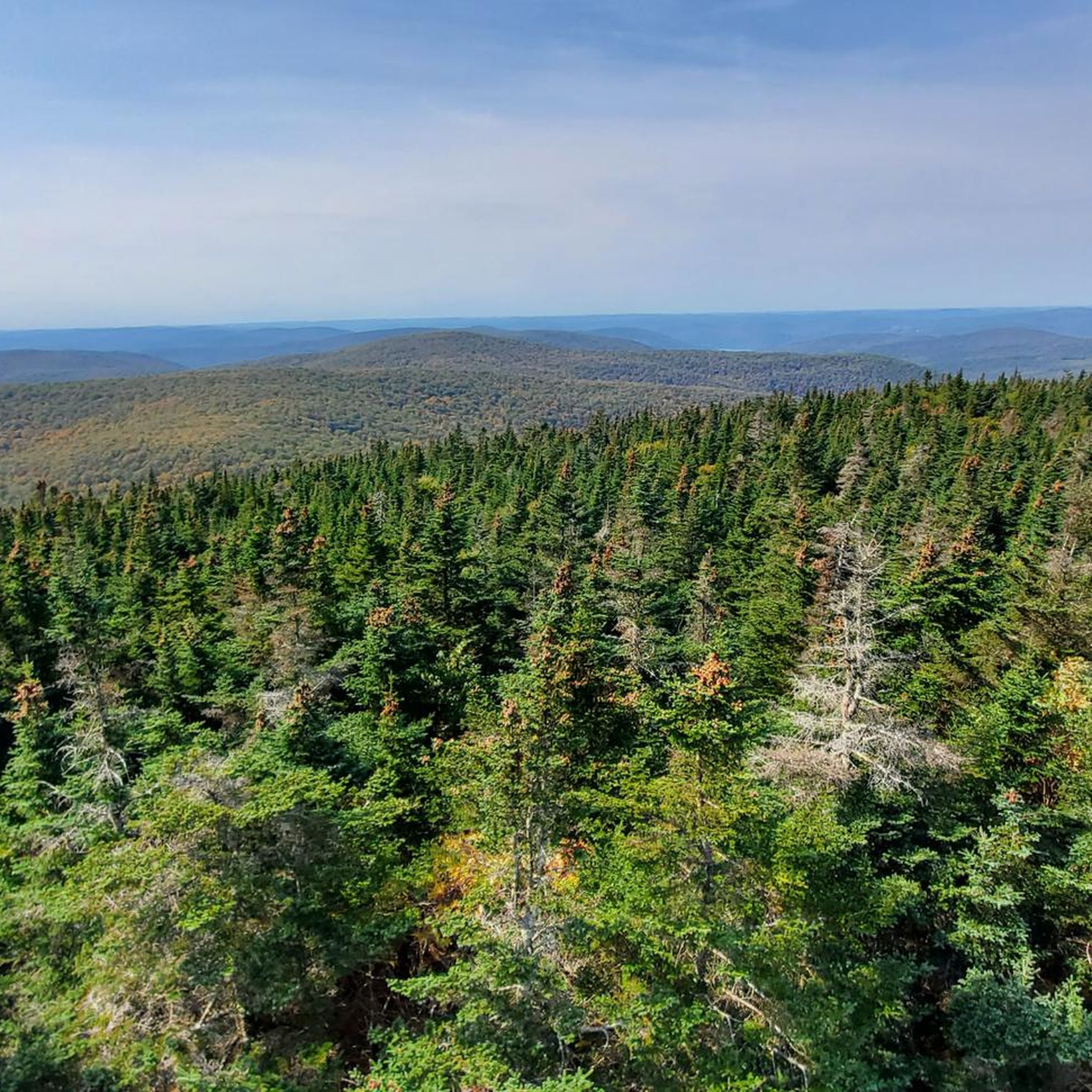
At least it's number 17 on the Catskill Mountaineer list of mountains above 3500 (35 peaks). While not inherently difficult, it can be quite a challenge in winter with gale-force winds of up to 60-70 km/h. The ascent to the oldest fire tower in the Catskills (a wooden tower built in 1887, replaced by a steel structure in 1919 – now showing its age) is steep from the Balsam Lake lighthouse and can be icy in winter; in that case, it's better to take the "blue route" straight ahead. In any case, the effort is worthwhile; the view is beautiful, provided there are no clouds obstructing the visibility.
0
0

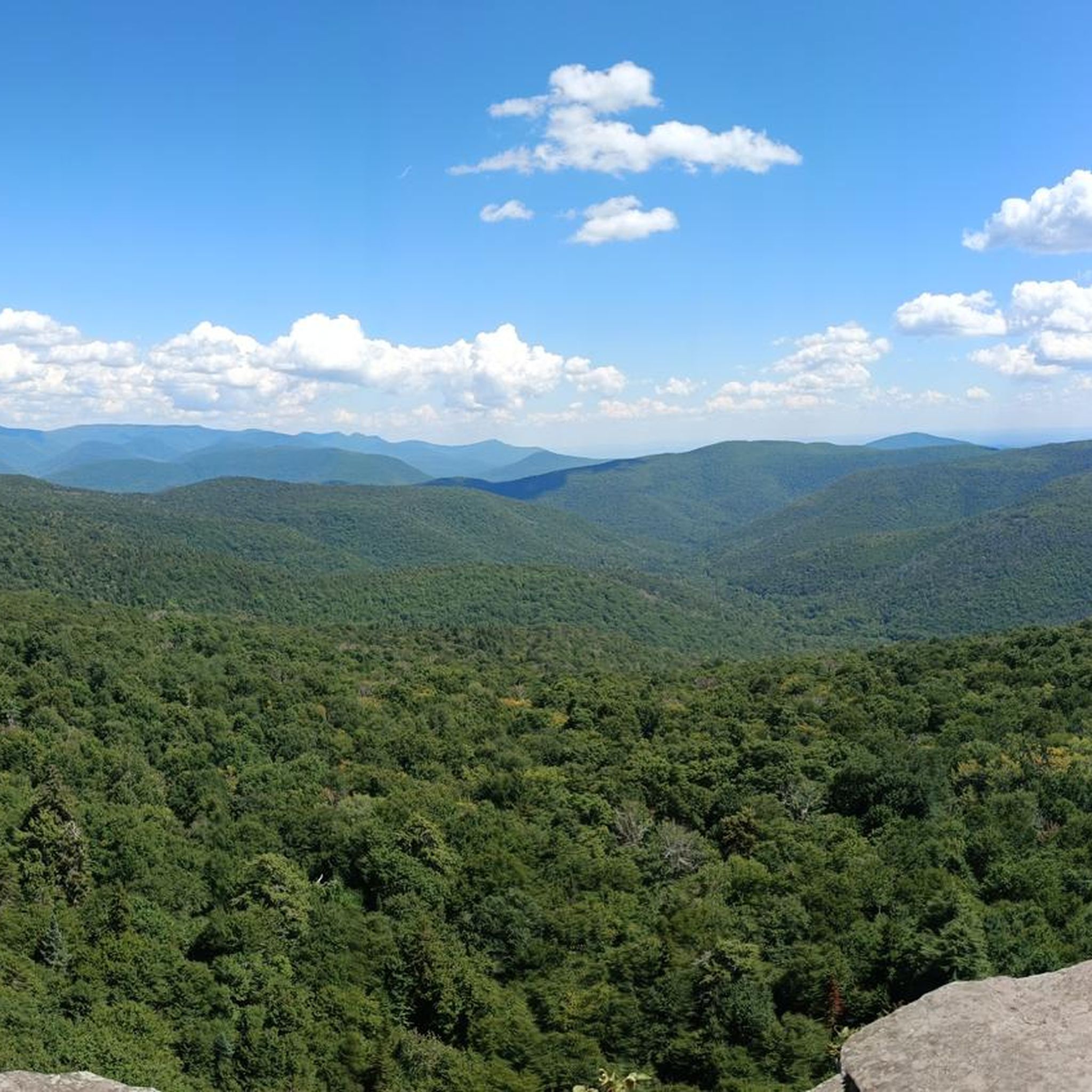
Slide Mountain is the tallest mountain in the Catskills. A few hundred feet past the actual summit, you can enjoy panoramic views from a rocky outcrop. Despite the trees, you'll be able to see the Ashokan Reservoir and part of the Catskill Park.
0
0

Traversing the Burroughs Range, the scenic Slide-Cornell-Wittenberg Trail is occasionally referred to as the Burroughs Trail, named after the mountains it crosses.
0
0

This cliff area serves as a pretty spectacular viewpoint. The trail is busiest up to this overlook. If you decide to push on towards Panther Mountain, you'll see a lot less traffic on the trails.
0
0
Mongaup Pond is really a 120-acre lake with a campground and recreational area circling the property. There are some trails, forest roads, and pavement that form a loop around the water that is great for running.
0
0
Though it isn't quite the highest point on the mountain, the Balsam Mountain Overlook is the most visited vista along the trail for a reason. You get panoramic views from this rocky outcrop without having to leave the path.
0
0
This is the official summit of Balsam Mountain, and it offers a few views. The better spot to stop and soak in the views is at the official overlook just a few hundred meter up the trail.
0
0
This popular ledge boasts panoramic vistas of the Catskills wilderness from a dramatic cliffside perch. One of the range's finest viewpoints, reachable via a short, rewarding hike.
1
0
Frequently Asked Questions
What kind of terrain can I expect when running in Big Indian Wilderness?
The Big Indian Wilderness is characterized by a rugged, mountainous terrain with significant elevation changes, ranging from 1,500 to 3,860 feet. You'll encounter deep glacial cuts and steep-sided hollows, providing a challenging and varied environment for running. The trails often traverse extensive old-growth forests, offering a unique and immersive experience.
Are there any easy or beginner-friendly running routes in Big Indian Wilderness?
While many routes in Big Indian Wilderness are rated as difficult due to the mountainous terrain, there are some moderate options available. For instance, the Giant Ledge Trail is a moderate 3-mile (4.8 km) route that offers a good introduction to the area's natural beauty without extreme difficulty.
How many running routes are available in Big Indian Wilderness?
Komoot features 12 distinct running routes in the Big Indian Wilderness. These routes vary in length and difficulty, with 3 rated as moderate and 9 as difficult, ensuring options for different fitness levels.
Can I bring my dog on the running trails in Big Indian Wilderness?
Yes, dogs are generally permitted on trails in the Big Indian Wilderness. However, it is crucial to keep them on a leash at all times to protect wildlife and ensure a pleasant experience for all users. Always practice Leave No Trace principles, including packing out all pet waste.
Are there any loop running trails in the Big Indian Wilderness?
Yes, several routes in the Big Indian Wilderness are designed as loops, offering a varied return journey. An example is the Dry Brook Ridge and Balsam Lake Mountain Loop, which is a challenging 4.2-mile (6.8 km) route providing diverse scenery.
What kind of natural features or viewpoints can I expect to see while running?
The wilderness is rich in natural features, including extensive old-growth forests with large diameter trees, deep glacial cuts, and pristine waterways that are headwaters for significant trout fisheries. While running, you might encounter scenic viewpoints, such as a window view of the Hamlet of Big Indian from Balsam Mountain, as seen on routes like the Rider Hollow-Mine Hollow Loop.
What is the best time of year to go running in Big Indian Wilderness?
The Big Indian Wilderness offers unique experiences year-round. Spring and fall provide comfortable temperatures and vibrant foliage, while summer is ideal for enjoying the lush forests. Winter running is possible but requires appropriate gear and awareness of snow and ice conditions. Always check local weather and trail conditions before heading out.
Are there opportunities to see wildlife on the running trails?
Yes, the diverse ecosystem of Big Indian Wilderness provides excellent opportunities for observing various bird and animal life. Trails like the Mongaup-Hardenburgh Trail are particularly noted for increasing your chances of wildlife sightings due to their mid-elevation and less dramatic ascents.
What do other runners say about the Big Indian Wilderness trails?
The Big Indian Wilderness is appreciated by the komoot community for its challenging mountainous terrain and the immersive experience of running through extensive old-growth forests. Users often highlight the solitude and natural beauty, making it a prime location for those seeking an active escape into nature.
Are there any specific permits or fees required to jog in Big Indian Wilderness?
Generally, there are no specific permits or fees required for day-use jogging in the Big Indian Wilderness. However, it's always a good practice to check the latest regulations from the New York State Department of Environmental Conservation (NYSDEC) for any updates or specific rules regarding wilderness areas. You can find more information on the NYSDEC website.
Are there any places to eat or stay near the Big Indian Wilderness trailheads?
While the Big Indian Wilderness itself is a remote area focused on natural immersion, there are small hamlets and towns nearby, such as Big Indian, that may offer limited options for local eateries, cafes, or accommodations. For a wider selection, you might need to venture to slightly larger towns in the Catskills region.
How long are the running routes in Big Indian Wilderness typically?
The running routes in Big Indian Wilderness vary significantly in length. For example, the Giant Ledge Trail is about 3 miles (4.8 km), while the Mongaup-Hardenburgh Trail extends to 12.7 miles (20.4 km). This variety allows runners to choose routes that match their desired distance and endurance levels.
Most popular routes in Big Indian Wilderness

Get inspired with the komoot mobile app


Explore more
Browse the best Running Trails & Routes in other regions.
