The best cycling routes in Kate Reed Nature Recreation Area
4.7
(3)
179
riders
25
rides
Touring cycling in Kate Reed Nature Recreation Area features a network of trails through varied natural terrain. The area is characterized by undulating paths and moderate hills, offering a mix of challenges for cyclists. Elevations on routes typically range from under 100 meters to over 300 meters, providing diverse riding experiences. The landscape includes natural bushland and open areas, suitable for exploring by bike.
Best touring cycling routes in Kate Reed Nature Recreation Area
- The most popular touring cycling route…
Last updated: July 8, 2026
17
riders
18.9km
01:43
250m
250m
Moderate bike ride. Good fitness required. Mostly paved surfaces. Suitable for all skill levels.
6
riders
19.6km
01:18
270m
270m
Moderate bike ride. Good fitness required. Mostly paved surfaces. Suitable for all skill levels.

Sign up for free
5
riders
Easy bike ride. Great for any fitness level. Mostly paved surfaces. Suitable for all skill levels.
3
riders
Easy bike ride. Great for any fitness level. Mostly paved surfaces. Suitable for all skill levels.
28
riders
16.1km
01:37
320m
320m
Moderate bike ride. Good fitness required. Mostly paved surfaces. Suitable for all skill levels.
Get access to more routes and recommendations from other explorers.
Sign up for free
Already have an account?
Our route recommendations are based on thousands of hikes, rides, and runs completed by other people on komoot.
Start today with a free account
Your next adventure awaits.
Login or Signup
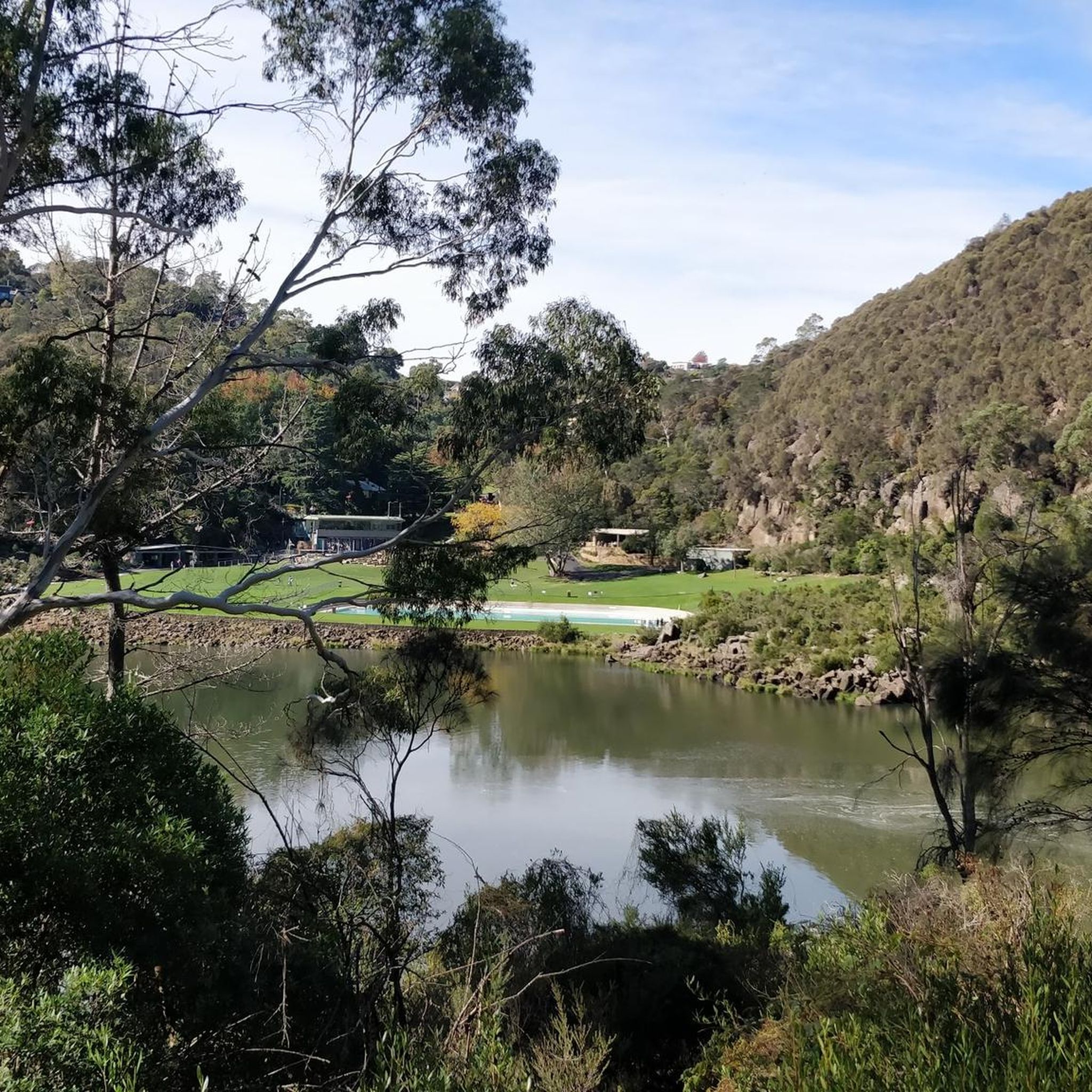
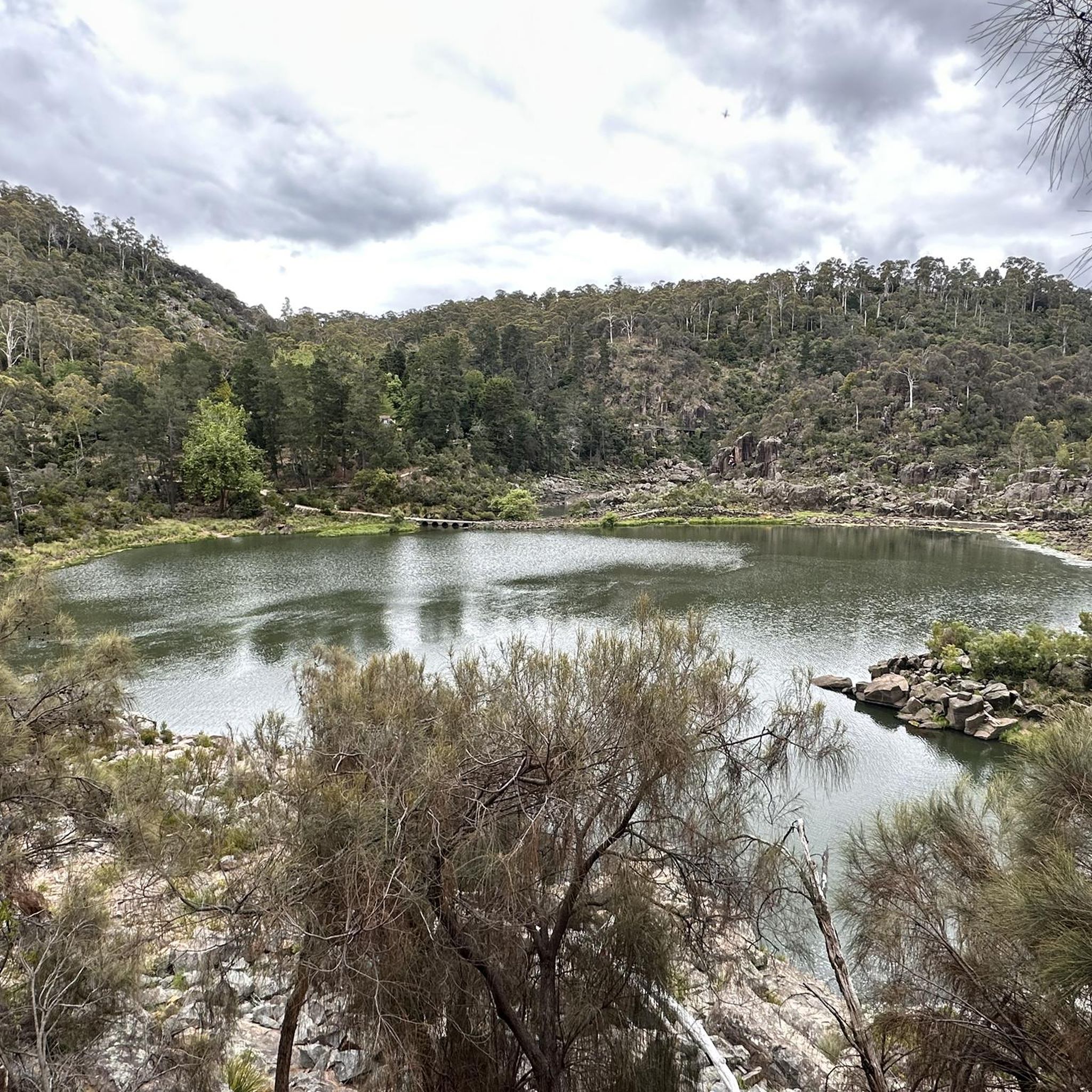
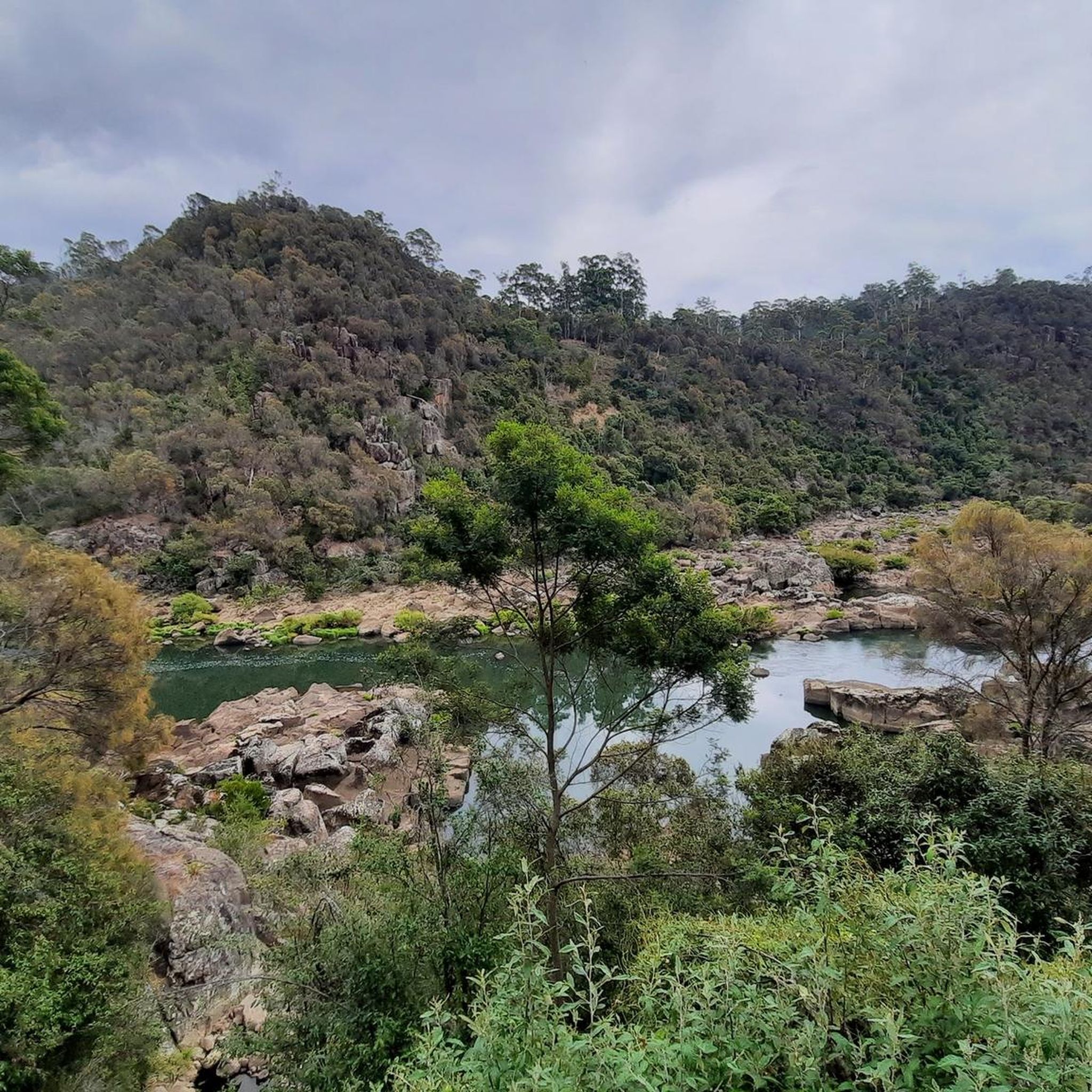

Tips from the Community

Design Tasmania is a design center and museum featuring wood designs from Tasmanian wood. There is a lot of beautiful furniture here waiting to be appreciated.
0
0
The City Park Japanese Macaque Enclosure began in 1980 as a gift from Ikeda, Japan's sister city. This small group of Japanese macaques, or snow monkeys, is surrounded by mature trees and Victorian-era features in the park. Anyone can check out the macaques year-round from designated paths around the habitat.
1
0


City Park dates back to the 1820s, when it was established by the Launceston Horticultural Society. Ownership was transferred to the Launceston City Council in 1863. The park was expanded to include several buildings, a conservatory, and botanical gardens. The City Park snow monkeys carry on the long tradition of exotic creatures being showcased in Launceston. Throughout the late 19th and early 20th centuries, deer, brown bears, wallabies, even the mysterious thylacine called City Park home, but it was a troupe of Rhesus monkeys that proved to be its most popular residents. After the last of the park’s beloved Rhesus monkeys passed away in 1979, Launceston’s sister city, Ikeda, Japan, gifted the city with 10 macaques. In turn, Launceston gifted Ikeda with 10 wallabies. Known for their ability to adapt and acclimatize to new environments, the macaques were well-suited to Tasmania’s cold, wet climate and quickly became the city’s favorite attraction. The monkey enclosure was designed to reflect the natural habitats of Japanese macaques, with branches to swing from and a pool to swim in. Today, City Park is home to 20 macaques and counting. The snow monkey enclosure is free to visit and is open from 8 a.m. to 4 p.m. (April - September) and 8 a.m. to 4:30 p.m. (October - March). It is located at the Cameron Street side of City Park, around the corner from the City Park Radio building.
0
0
The Old Umbrella Shop in Launceston has been operating nearly continuously in its current location for over 100 years. Originally established as R. Schott & Son, the shop was opened by Robert Schott, an umbrella maker from Melbourne in 1907. Although umbrellas were his specialty, Schott began crafting souvenirs after being dismayed by the number of tourists he saw purchasing European-made, mass-produced items that didn’t represent his home. He whittled woodcrafts out of local timber and emblazoned ceramic items with images of Tasmania, selling them alongside his hand-made umbrellas. Business flourished as tourists caught wind of Schott’s beautiful, affordable souvenirs, which included items such as ashtrays, egg cups, walking sticks, and clocks. So popular were Schott’s souvenirs that when Edward VIII, Prince of Wales, visited Tasmania in 1920, Schott presented him with one of his walking sticks. R. Schott & Son was run by three generations of the Schott family until 1978, when the last descendant, John William Robert Schott, passed away. After a brief closure, the shop was taken over by the National Trust of Australia and renamed The Old Umbrella Shop. The shop contains most of its original fixtures and continues to operate as an umbrella and souvenir shop. In the backroom is a museum that displays a collection of Schott’s wares, as well as business memorabilia.
0
0
Have yourself a cheap and novel experience by staying at the Pod Inn. Basically a hostel with shared toilet and kitchen facilities, but with a quirky twist inspired by the Japanese hotels that started the movement. The pods themselves are very basic and obviously small be design. They have a fan to keep you cool and you can mess with the lighting to get those Insta shots. There are USB charging ports within. Your keycard for your pod also opens a locker where you can store you panniers etc. There is a decent Japanese restaurant attached with some good meal deals if you like sushi. You can lock your bikes up in the secured alleyway to the rear, but we didn't feel too great about it seeing as they had bulletins on their Facebook page about there being unauthorized access to the building recently. Our bikes were fine, but make sure you have a decent lock perhaps.
0
0
Frequently Asked Questions
What is the general difficulty level of touring cycling routes in Kate Reed Nature Recreation Area?
Kate Reed Nature Recreation Area offers a varied experience for touring cyclists. Out of 30 routes, 5 are rated easy, 14 are moderate, and 11 are considered difficult. This means you can find options ranging from gentle rides to more challenging paths with significant elevation changes.
Are there any easy touring cycling routes suitable for beginners in Kate Reed Nature Recreation Area?
Yes, there are several easy routes perfect for beginners. One such option is The Old Umbrella Shop loop from Glen Dhu, which is 9.7 miles (15.5 km) long and features moderate elevation changes, making it a good introduction to the area's terrain.
What is the typical length of touring cycling routes in Kate Reed Nature Recreation Area?
Route lengths vary, but many popular touring cycling routes in Kate Reed Nature Recreation Area are between 9 and 12 miles (14-19 km). For example, Bike loop from Silverdome is 11.8 miles (18.9 km), and Bike loop from Sandhill is 12.2 miles (19.6 km).
Are there any circular touring cycling routes in Kate Reed Nature Recreation Area?
Yes, many of the touring cycling routes in Kate Reed Nature Recreation Area are designed as loops, allowing you to start and finish at the same point. Examples include The Old Umbrella Shop loop from Punchbowl and Deadmans Knob loop from Launceston.
Is Kate Reed Nature Recreation Area suitable for family-friendly touring cycling?
The area offers routes with varying difficulties, so families can find suitable options. Look for the 'easy' rated routes, which typically have less challenging terrain and elevation. These paths often traverse natural bushland, providing a pleasant environment for a family ride.
Can I bring my dog on the touring cycling trails in Kate Reed Nature Recreation Area?
Kate Reed Nature Recreation Area is generally dog-friendly, but it's important to keep your dog on a leash at all times to protect local wildlife and ensure the safety of other trail users. Always check local signage for any specific restrictions on certain trails.
What is the best time of year to go touring cycling in Kate Reed Nature Recreation Area?
The best time for touring cycling in Kate Reed Nature Recreation Area is typically during the drier months, from late spring through autumn (September to May). During these periods, trails are less likely to be muddy, and the weather is generally more pleasant for outdoor activities. Winter can be wet, making some trails slippery.
What kind of wildlife might I encounter while cycling in Kate Reed Nature Recreation Area?
As a nature recreation area, you might encounter various native Australian wildlife, including wallabies, echidnas, and a diverse range of bird species. Cycling quietly increases your chances of spotting these animals in their natural habitat, especially during dawn and dusk.
Are there any cafes or refreshment stops near the touring cycling routes?
While the Kate Reed Nature Recreation Area itself is primarily natural bushland, its proximity to Launceston means that cafes and refreshment stops are easily accessible in the surrounding suburbs. It's advisable to carry sufficient water and snacks for your ride within the recreation area.
What do other touring cyclists enjoy most about cycling in Kate Reed Nature Recreation Area?
The area is highly rated by the komoot community, with an average score of 4.7 stars from visitors. Cyclists often praise the diverse natural bushland, the variety of terrain, and the well-maintained network of trails that offer both challenging climbs and enjoyable descents.
Is public transport available to access Kate Reed Nature Recreation Area bike trails?
Public transport options directly into the heart of Kate Reed Nature Recreation Area are limited. However, local bus services in Launceston may have stops within reasonable cycling distance of the area's entrances. Checking the current Metro Tasmania bus routes and schedules is recommended for the most up-to-date information.
Where can I park my car when visiting Kate Reed Nature Recreation Area for cycling?
Designated parking areas are typically available at key access points to Kate Reed Nature Recreation Area. These often include trailheads or visitor entry points. Look for signage indicating official parking facilities to ensure convenient and safe access to the trails.
Most popular routes in Kate Reed Nature Recreation Area

Get inspired with the komoot mobile app


Explore more
Browse the best Cycling routes in other regions.
