The best road cycling routes in Hanalei National Wildlife Refuge
4.0
(4)
43
riders
5
rides
Road cycling in Hanalei National Wildlife Refuge offers routes through a landscape characterized by the lush Hanalei Valley, traditional taro fields, and the winding Hanalei River. The area features dramatic, waterfall-draped hillsides, some reaching up to 1,000 feet, and provides views of the Hanalei Bay and Kauaʻi's north shore. Cyclists can experience varied terrain, from valley roads to coastal stretches, with elevations ranging from sea level to over 3,000 feet on longer routes. The region's natural features contribute to a…
Last updated: July 9, 2026
4.0
(1)
13
riders
35.6km
02:09
520m
520m
Moderate road ride. Good fitness required. Mostly well-paved surfaces and easy to ride.
26.2km
01:17
370m
370m
Moderate road ride. Good fitness required. Mostly well-paved surfaces and easy to ride.

Sign up for free
4.0
(1)
10
riders
Moderate road ride. Good fitness required. Mostly well-paved surfaces and easy to ride.
4.0
(1)
12
riders
87.0km
04:01
940m
940m
Hard road ride. Very good fitness required. Mostly well-paved surfaces and easy to ride.
4.0
(1)
8
riders
105km
04:58
1,200m
1,200m
Hard road ride. Very good fitness required. Some segments of this route may be unpaved and difficult to ride.
Our route recommendations are based on thousands of hikes, rides, and runs completed by other people on komoot.
Start today with a free account
Your next adventure awaits.
Login or Signup
Popular around Hanalei National Wildlife Refuge
Tips from the Community

Always brilliant, beach running without shoes :-)
0
0

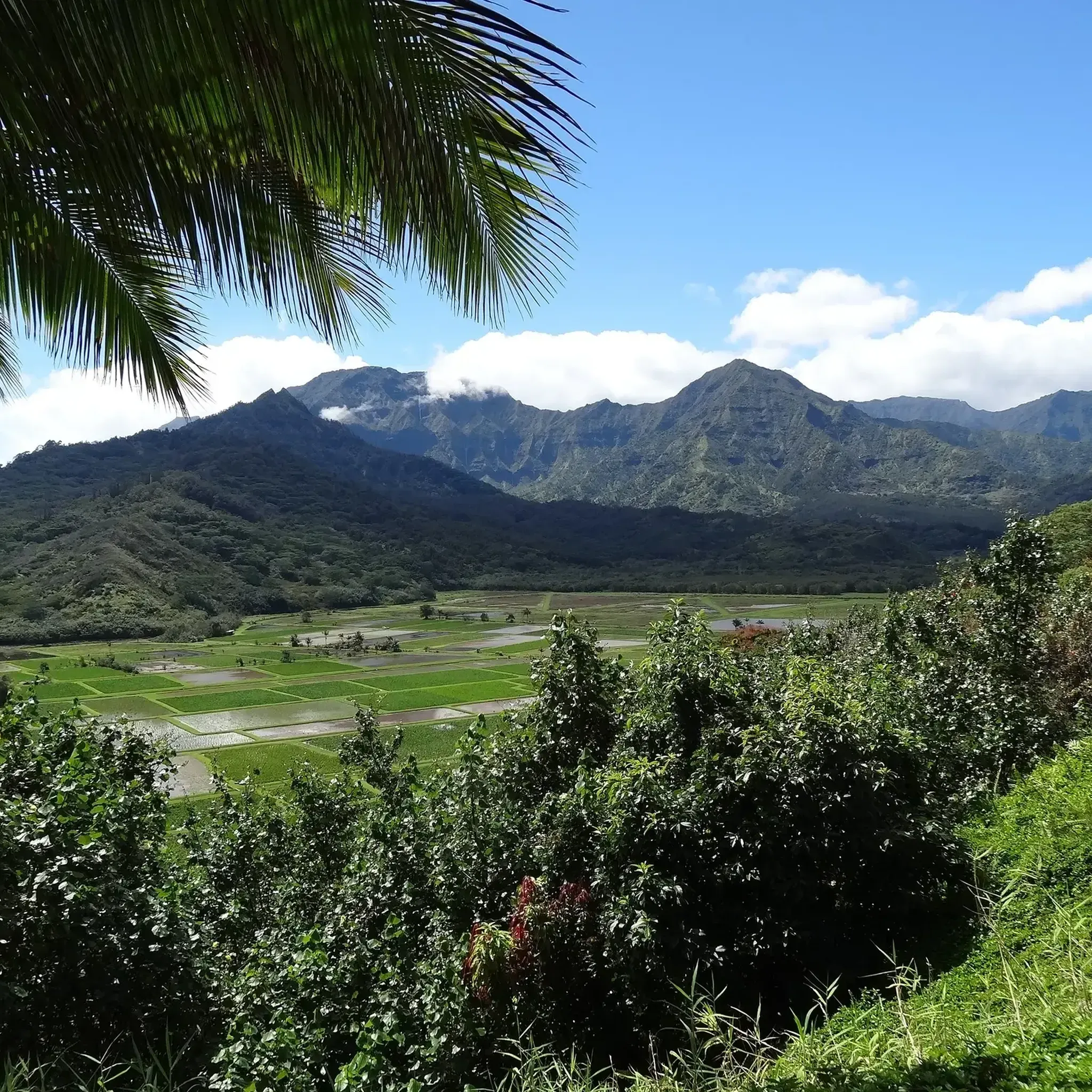
Ohiki Road takes cyclists up the border of the Hanalei National Wildlife Refuge, which sits on the west side of the road. This is part of the Hanalei Valley, where there has been agaraculture from natives for hundreds of years. Traditional kalo farming practices have helped waterbird feeding and nesting areas. The refuge was designated in 1972 and is the oldest on the island, with many endangered bird species.
0
0
Here, visitors are looking at a 91-year-old bridge—or are they? Kind of! Hanalei Bridge is a narrow, one-lane bridge outside of the town of Hanalei. The original 113-foot bridge, made of through-truss, was almost 100 years old when it was rebuilt, but today's bridge is an exact replica of the 1912 bridge. So what you see here today is... similar and, at least, the same.
0
0

Hanalei Pier was originally constructed of wood in 1892 to facilitate the load and offload of sugar and other products to and from ships. After that it passed through many restorations, the last one was in 2013. The pier is located in the mouth of Hanalei River, at the end of Hanalei Bay, it is a very popular place to watch the sunset. The parking lot can be full on busy days, and biking there is a very nice option.
0
0
Haena Beach is a park with lots of amenities where visitors can see tropical jungles join white sand beaches. Mount Makana (Bali Hai) is in the background and makes for great photography opportunities, especially around sunset and sunrise. When the water is calm, there is good swimming and shell-searching. It is very important for visitors to leave any shells they find on the beach. Surfing gets big in the winter, so visitors might do better watching the pro surfers rather than heading into the water themselves. There is a lifeguard station, restrooms, showers, and (permitted) campsites.
0
0
Limahuli Garden & Preserve is run by the non-profit National Tropical Botanical Garden. Visitors pay to enter this 17-acre botanical garden on a 985-acre nature preserve. Ticket Prices: The tour fee includes admission into our Visitor Center Garden. Adults: $65 Children (ages 2–12): $32.50 Kamaʻāina (residents of the state of Hawai'i): $52
0
0
This spot is where the Nāpali Coast Wilderness begins and the Kuhio Highway ends. Here, hikers embark on anything from day hikes to the entire 22-mile remote coastline on the Kalalau Trail. From this point, cyclists can see the beach, see the mountains, and relax by the trees for a rewarding break.
0
0
Anini Beach is considered one of the safer beaches, but always practice ocean safety as there is no lifeguard on duty. The winter months can be more dangerous for swimming. Anini Beach has the longest reef in all the Hawai'ian Islands. It's a great place for snorkeling, picnicking, paddle boarding, and windsurfing. Anini Road goes parallel to the beach and can get quite close.
0
0
Frequently Asked Questions
What kind of terrain can I expect when road cycling in the Hanalei National Wildlife Refuge area?
Road cycling in this region offers a diverse experience, from routes winding through lush Hanalei Valley and traditional taro fields to stretches with views of the Hanalei River and dramatic, waterfall-draped hillsides. You'll encounter varied terrain, including valley roads and coastal sections, with elevations ranging from sea level to significant climbs on longer routes.
Are there challenging climbs for road cyclists in the Hanalei National Wildlife Refuge area?
Yes, the area surrounding the Hanalei National Wildlife Refuge features dramatic, steep wooded hillsides, some reaching up to 1,000 feet high, which provide challenging climbs. Routes like the Donkey Beach – Keālia Beach loop from Kalihiwai, for instance, involve significant elevation gain, making them suitable for experienced riders seeking a demanding workout.
What scenic viewpoints or landmarks can I see while road cycling near Hanalei National Wildlife Refuge?
Cyclists can enjoy panoramic vistas of the Hanalei Valley with its vibrant green taro fields, the winding Hanalei River, and the surrounding waterfall-draped mountains like Namolokama and Hihimanu. The historic Hanalei Bridge is a unique landmark, and depending on your route, you might also catch views of Hanalei Bay and Kauaʻi's north shore. Ohiki Road specifically offers direct views of the valley and its traditional taro farming practices.
Can I access the Hanalei National Wildlife Refuge directly by bike?
While the core of the refuge is generally closed to the public to protect endangered waterbirds, designated viewpoints along Kuhio Highway in Princeville offer opportunities to safely observe the valley's sensitive habitats and wildlife from a distance. Limited access is also allowed along a county road and to the 'Ōkolehao Trailhead via Ohiki Road, providing direct views of the refuge's border.
What is the best time of year for road cycling in the Hanalei National Wildlife Refuge region?
Kauaʻi generally offers pleasant cycling conditions year-round. However, the drier months from April to October typically provide the most consistent weather for road cycling, with less rain and comfortable temperatures. Always check local weather forecasts before heading out, as conditions can vary.
Are there any family-friendly road cycling options near Hanalei National Wildlife Refuge?
While the guide focuses on routes with moderate to difficult ratings, families can still enjoy the scenic beauty from designated viewpoints. For easier, family-friendly cycling, consider exploring flatter, less trafficked roads or paved paths in nearby towns, keeping in mind that routes directly adjacent to the refuge may involve varied terrain and traffic.
Where can I park my car to start a road cycling route in the Hanalei National Wildlife Refuge area?
Parking is typically available in nearby towns such as Princeville or Hanalei, where you can safely leave your vehicle before starting your ride. Specific access points for routes like Princeville to Kalalau Trailhead would suggest starting from Princeville, where public parking options exist.
What kind of wildlife might I spot while road cycling near the refuge?
The Hanalei National Wildlife Refuge is a critical habitat for endangered Hawaiian waterbirds. While direct access is restricted, from viewpoints and roads bordering the refuge, you might spot species like the Hawaiian duck (koloa maoli), Hawaiian coot ('alae ke'oke'o), Hawaiian moorhen ('alae 'ula), Hawaiian stilt (ae'o), and the Hawaiian goose (nēnē). The area's lush environment also supports various other bird species.
Are there any road cycling routes that offer a loop experience?
Yes, there are several loop routes available for road cyclists. For example, the Donkey Beach – Keālia Beach loop from Kalihiwai and the Hanalei Valley Lookout – Donkey Beach loop from Wailua provide comprehensive loop experiences, allowing you to start and end at the same point while exploring diverse landscapes.
How long do road cycling routes in the Hanalei National Wildlife Refuge area typically take?
The duration of routes varies significantly based on distance and difficulty. For instance, a moderate route like Kilauea to Hanalei National Wildlife Refuge, which is about 16.3 miles (26.2 km), can be completed in approximately 1 hour 17 minutes. Longer, more difficult loops, such as the 55.5 miles (89.3 km) Donkey Beach – Keālia Beach loop from Kalihiwai, can take over 4 hours.
What do other road cyclists enjoy most about road cycling in Hanalei National Wildlife Refuge?
The area is highly rated by the komoot community, with an average score of 4.0 stars. Reviewers often praise the stunning Hawaiian landscapes, the unique experience of cycling past traditional taro fields, and the dramatic backdrop of waterfall-draped mountains. The combination of physical activity and appreciation for the vital conservation efforts for endangered Hawaiian waterbirds is also a highlight.
Are there cafes or places to refuel near the road cycling routes?
Yes, the towns surrounding the Hanalei National Wildlife Refuge, such as Hanalei and Princeville, offer various cafes, restaurants, and shops where you can refuel and refresh during or after your ride. These towns are conveniently located near many of the popular cycling routes.
Most popular routes in Hanalei National Wildlife Refuge

Get inspired with the komoot mobile app


Explore more
Browse the best Road cycling routes in other regions.
