Attractions and Places To See in Stanley Park National Historic Site - Top 20
Best attractions and places to see in Stanley Park National Historic Site, a large urban park in Vancouver, British Columbia, offers a blend of natural landscapes and cultural significance. The park is surrounded by English Bay, First Narrows, and Burrard Inlet, providing diverse coastal and forest environments. It was established as a public park in 1888 on land historically used by First Nations. The site features a variety of natural landmarks, historical monuments, and recreational opportunities.
Best attractions and places to see in Stanley Park National Historic Site
- The most popular attractions is Siwash Rock (Slhx̱í7lsh), a natural monument that is a distinctive 32-million-year-old sea stack located off the seawall. This monolithic rock holds cultural significance in Squamish First Nations legend and is a natural landmark of the city.
- Another must-see spot is Third Beach, a beach located at Ferguson Point. This sandy beach next to the Seawall Path offers opportunities for sunbathing, relaxation, and picnics.
- Visitors also love Totem Poles in Stanley Park, a man-made monument that is a collection of totem poles showcasing the artistry and storytelling traditions of Indigenous peoples. These totems are replicas, with the originals moved to a museum for protection.
- Stanley Park National Historic Site is known for its diverse natural features, cultural sites, and recreational areas. Visitors can explore ancient forests, coastal views, historical landmarks, and significant Indigenous art.
- The attractions in Stanley Park National Historic Site are appreciated by the komoot community, with over 300 upvotes and 140 photos shared.
Last updated: July 5, 2026
Totem Poles in Stanley Park
Highlight • Monument
Translated by Google •
Tip by

Siwash Rock (Slhx̱í7lsh)
Highlight • Natural Monument
Tip by

Sign up now to discover places like this
Get recommendations on the best single tracks, peaks, & plenty of other exciting outdoor places.
Sign up for free
Third Beach
Highlight • Beach
Translated by Google •
Tip by

Girl in Wetsuit Statue
Highlight • Monument
"She represents Vancouver's dependence on the sea and the need to use the sea for the benefit of all."
covapp.vancouver.ca/PublicArtRegistry/ArtworkDetail.aspx?ArtworkId=97
Translated by Google •
Tip by

Lost Lagoon
Highlight • Lake
stanleyparkvan.com/stanley-park-van-location-lost-lagoon.html
'The Lost Logoon' served as inspiration for the famous poem by Emily Pauline Johnson.
legendsofvancouver.net/lost-lagoon-stanley-park-vancouver
Translated by Google •
Tip by
Sign up for free to discover even more attractions in Stanley Park National Historic Site.
Sign up for free
Already have an account?
Start today with a free account
Your next adventure awaits.
Login or Signup
Popular around Stanley Park National Historic Site
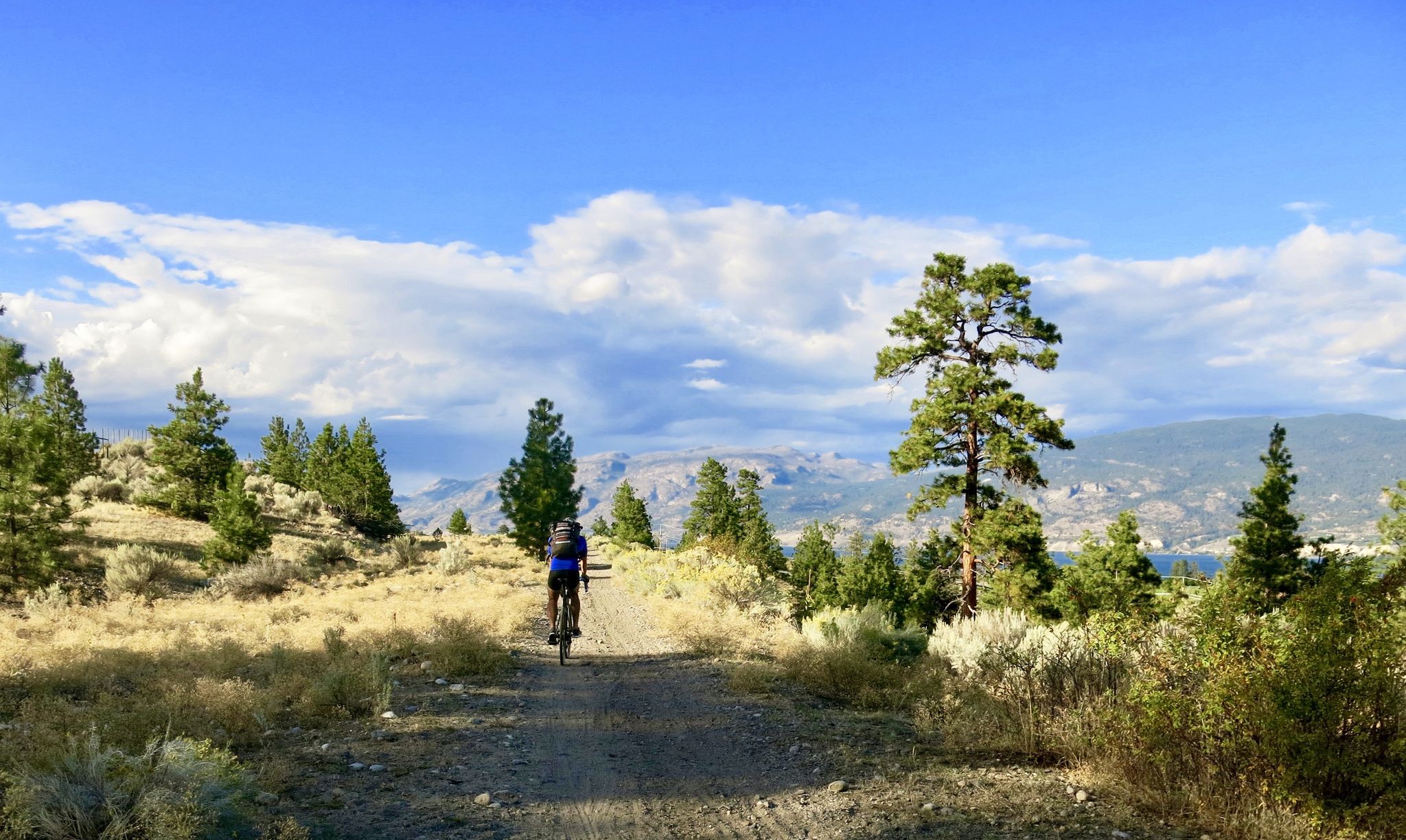
Vancouver roundtrip — Bikepacking British Columbia
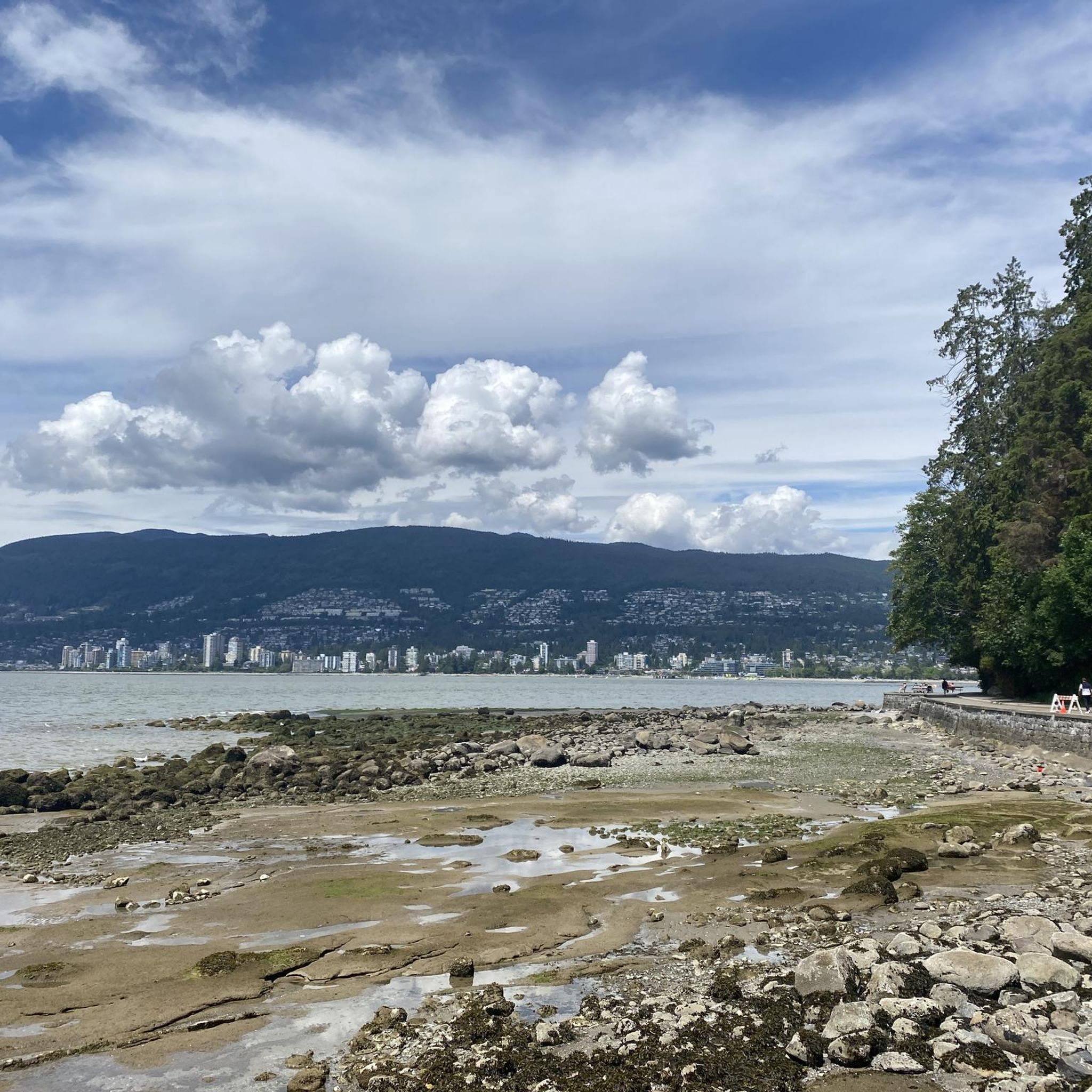
Running Trails in Stanley Park National Historic Site
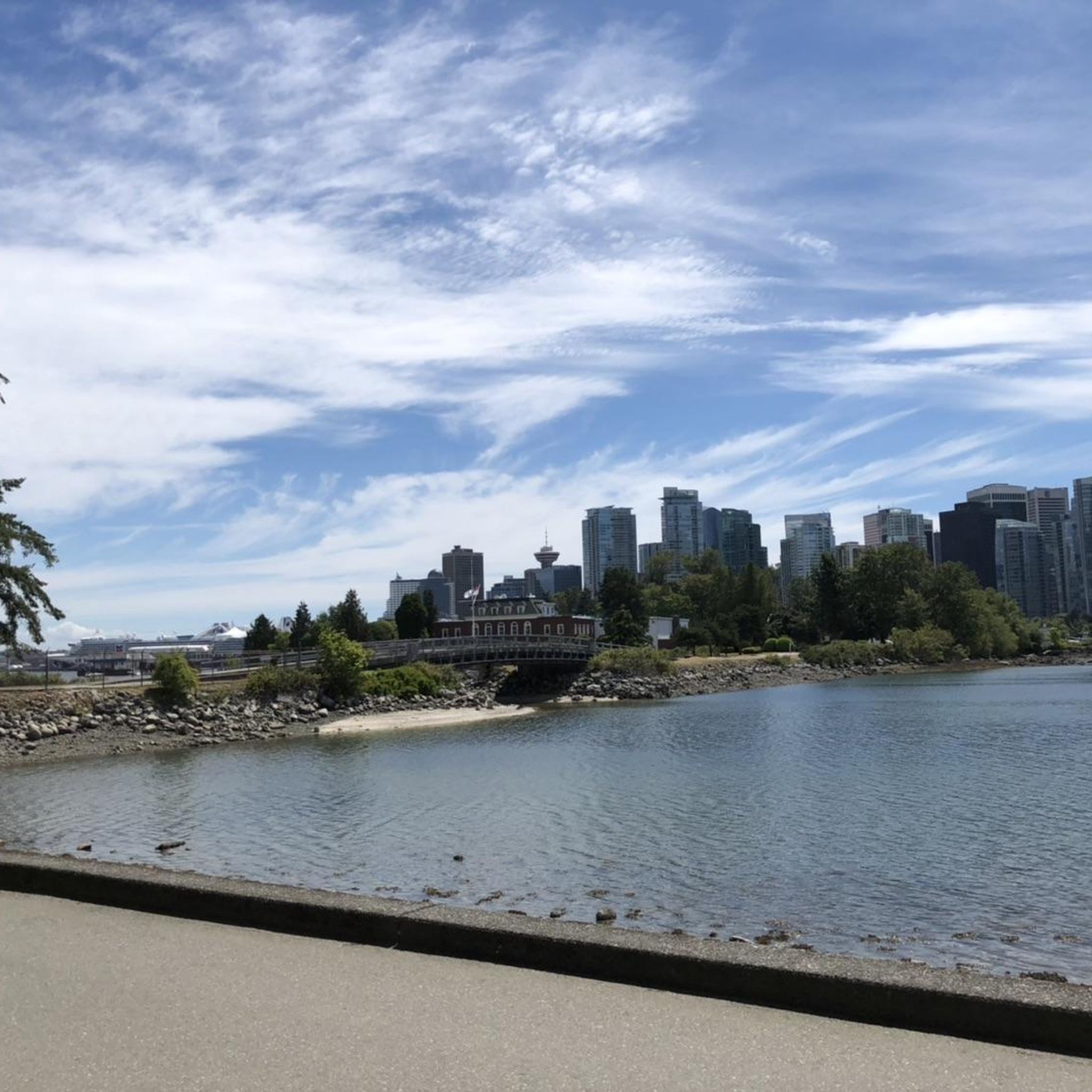
Hiking in Stanley Park National Historic Site
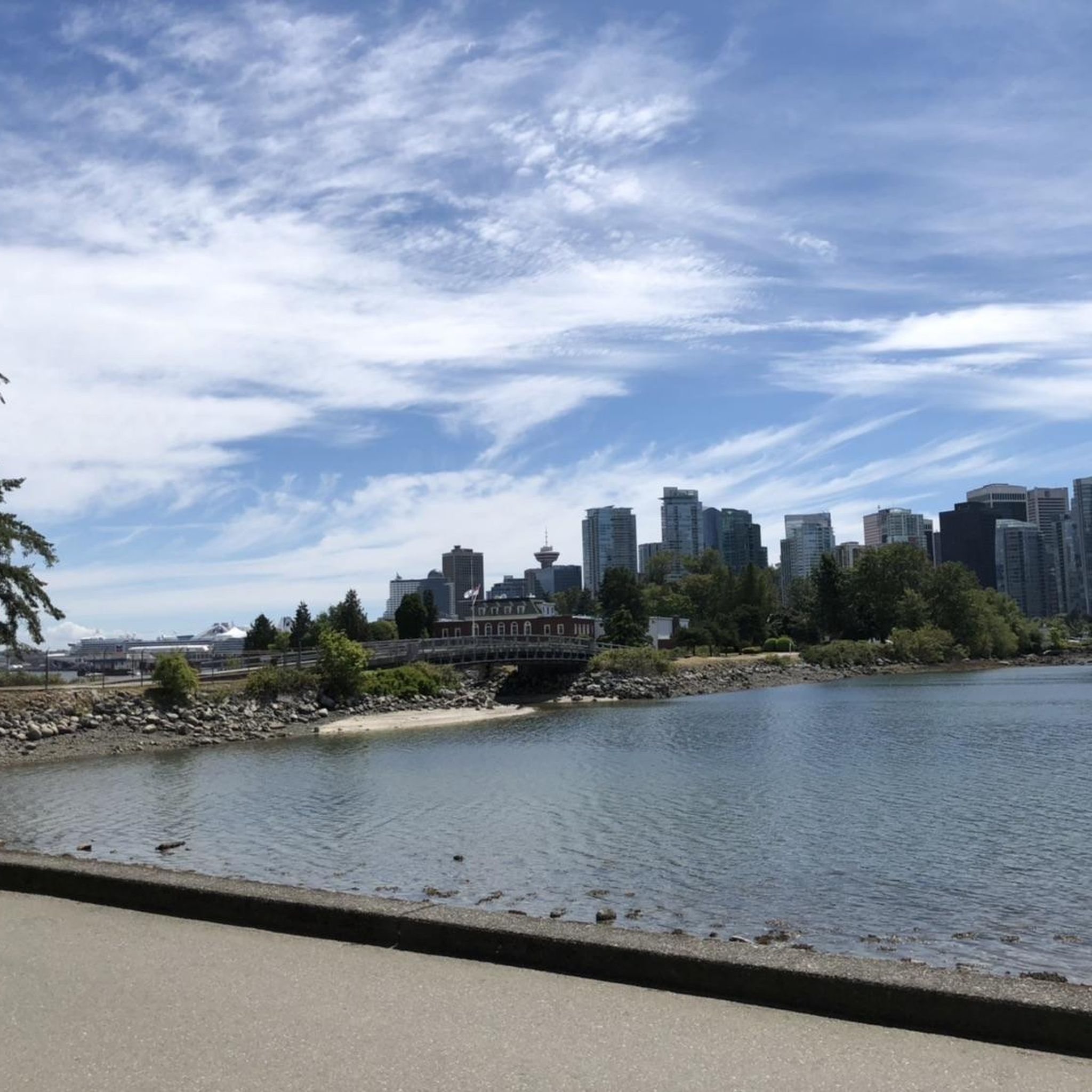
Cycling in Stanley Park National Historic Site
Road Cycling Routes in Stanley Park National Historic Site
MTB Trails in Stanley Park National Historic Site
Gravel biking in Stanley Park National Historic Site
Other adventures in Stanley Park National Historic Site

Tips from the Community


In Vancouver's beautiful Stanley Park, you can admire several totem poles for free. Each one has an explanation, and the path to the pole is signposted.
1
0

The Girl in a Wetsuit is a life-size bronze sculpture, created by Elek Imredy in 1972, depicting a woman in a wetsuit seated on a rock just off the north side of Stanley Park—an iconic Vancouver landmark.
0
0

The girl in the north side of Stanley Park is a bronze statue
1
0

One of the province's most popular attractions is a group of ten totem poles at Brockton Point. Four totem poles were originally brought from Alert Bay and placed at Lumberman's Arch in 1924. Some had already been carved in the late 1880s. In the 1920s and 1930s, more totem poles were purchased, this time from Haida Gwaii and Rivers Inlet. All of the totem poles were moved to Brockton Point in 1962 to allow for the construction of an overpass at Lumberman's Arch. Many have been replaced with replicas, while the originals are now kept in museums. The most recent addition, erected in 2009, was carved by a member of the Squamish Nation whose mother was born in Stanley Park. Near the totems, there is a visitor center and gift shop called Legends of the Moon at the Totem Pole Interpretive Centre.
0
0

One of the most beautiful parks I know. Lots of greenery, water, and recreational opportunities. Perfect for relaxing, unwinding, inline skating, cycling, walking, and much more.
1
0


Another way to depict the tides. The lady sits on the rock at low tide and goes swimming at high tide.🧜🏼♀️
0
0
Frequently Asked Questions
What are the most popular attractions in Stanley Park National Historic Site?
Visitors frequently enjoy the iconic Totem Poles in Stanley Park, which showcase Indigenous artistry. The distinctive Siwash Rock (Slhx̱í7lsh), a 32-million-year-old sea stack, is also a significant natural landmark. For relaxation, Third Beach offers a sandy spot for sunbathing and picnics.
Are there family-friendly activities in Stanley Park National Historic Site?
Yes, Stanley Park offers many family-friendly attractions. Beyond the beaches like Third Beach, families can enjoy the Vancouver Aquarium, take a ride on the Stanley Park Train, or play a round at the Pitch & Putt Golf Course. The Totem Poles in Stanley Park are also a popular and educational stop for all ages.
What natural features can I explore in Stanley Park National Historic Site?
Stanley Park is rich in natural beauty. You can explore the serene Lost Lagoon, a freshwater sanctuary for birds, or marvel at the ancient Siwash Rock (Slhx̱í7lsh). Beyond the Seawall, the park features lush rainforest trails with towering red cedar, hemlock, and Douglas fir trees, and Beaver Lake, a habitat for wetland plants and beavers.
What cultural and historical sites are in Stanley Park?
The park is home to several significant cultural and historical sites. The Totem Poles in Stanley Park at Brockton Point are a highlight, showcasing Indigenous artistry. Other notable sites include the Brockton Point Lighthouse, the Japanese Canadian War Memorial, and the historic Hollow Tree, a preserved 700-800 year old Western Red Cedar stump.
What outdoor activities can I do near these attractions?
Stanley Park National Historic Site is ideal for various outdoor activities. You can enjoy running on routes like the "Third Beach – Lions Gate Bridge loop" (Running Trails), or take an easy hike such as the "Second Beach to English Bay loop" (Easy Hikes). Cycling is also popular, with routes like the "English Bay Beach – Burrard Street Bridge loop" (Cycling Trails) offering scenic rides.
Are there good viewpoints in Stanley Park National Historic Site?
Yes, Stanley Park offers several stunning viewpoints. Prospect Point, the highest point in the park, provides panoramic vistas of the Lions Gate Bridge, North Shore Mountains, and Burrard Inlet. Other spots like Siwash Rock (Slhx̱í7lsh) and Third Beach also offer beautiful coastal views.
What is the best time of year to visit Stanley Park's gardens?
For garden enthusiasts, the Ted and Mary Greig Rhododendron Garden is best visited from March to May when its over 4,500 variations of rhododendrons are in bloom. The historic Rose Garden, first planted in 1920, also offers a beautiful display of over 3,500 rose bushes.
Can I see wildlife in Stanley Park National Historic Site?
Absolutely. Stanley Park is a haven for wildlife, home to over 30 mammals, 236 birds, 10 amphibians, and 72 freshwater and marine fish species. You might spot coyotes, river otters, and beavers, especially around Lost Lagoon and Beaver Lake. It's a paradise for birdwatchers.
Is the Stanley Park Seawall accessible for walking and cycling?
The Seawall is an iconic 22-kilometer paved route that encircles Stanley Park, providing breathtaking views. It is very popular and well-suited for walking, cycling, and jogging, offering a relatively flat and accessible path for most visitors.
What is the 'Girl in Wetsuit' statue and where is it located?
The Girl in Wetsuit Statue is a life-size bronze sculpture located on a rock just off the north coast of Stanley Park. Created by Elek Imredy in 1972, it represents Vancouver's connection to the sea and the importance of its marine environment.
Where can I find information about the park's history and Indigenous heritage?
The park has a rich history, originally a First Nations ceremonial site. You can learn about Indigenous heritage at the Totem Poles in Stanley Park, which tell stories through their artistry. The legend of Siwash Rock (Slhx̱í7lsh) also holds cultural significance in Squamish First Nations tradition. For broader historical context, you can visit the official Parks Canada website for Stanley Park National Historic Site.
Are there places to relax and enjoy the water in Stanley Park?
Yes, Stanley Park offers several spots to relax by the water. Third Beach and Second Beach are popular sandy areas for sunbathing, swimming, and picnics. The tranquil Lost Lagoon also provides a peaceful setting to observe wildlife and enjoy the water's edge.
Most popular routes in Stanley Park National Historic Site
Most popular attractions in Stanley Park National Historic Site

Get inspired with the komoot mobile app


Explore more
Still not found the Highlight you’re looking for? See guides of the top attractions in other regions:
