Attractions and Places To See in Riserva Naturale Vallombrosa - Top 20
Best attractions and places to see in Riserva Naturale Vallombrosa, a biogenetic nature reserve nestled in the Tuscan hills, offer a rich blend of natural beauty and historical significance. Located about 30 kilometers southeast of Florence, this area spans 1,273 hectares and ranges from 470 to 1440 meters above sea level. It is characterized by dense forests, ancient monastic complexes, and unique botanical collections.
Best attractions and places to see in Riserva Naturale Vallombrosa
- The most popular attractions is Vallombrosa…
Last updated: October 9, 2026
Vallombrosa Abbey
Highlight • Religious Site
Translated by Google •
Tip by

Faggio Santo (Sacred Beech Tree)
Highlight • Natural Monument
Translated by Google •
Tip by

Sign up now to discover places like this
Get recommendations on the best single tracks, peaks, & plenty of other exciting outdoor places.
Secchieta Hut
Highlight • Mountain Hut
Translated by Google •
Tip by

The Giants of Italy – Douglas Fir Giants of Vallombrosa
Highlight • Natural Monument
Translated by Google •
Tip by

Vallombrosa's majestic trees
Highlight • Forest
Translated by Google •
Tip by
Sign up for free to discover even more attractions in Riserva Naturale Vallombrosa.
Already have an account?
Start today with a free account
Your next adventure awaits.
Popular around Riserva Naturale Vallombrosa

Tips from the Community

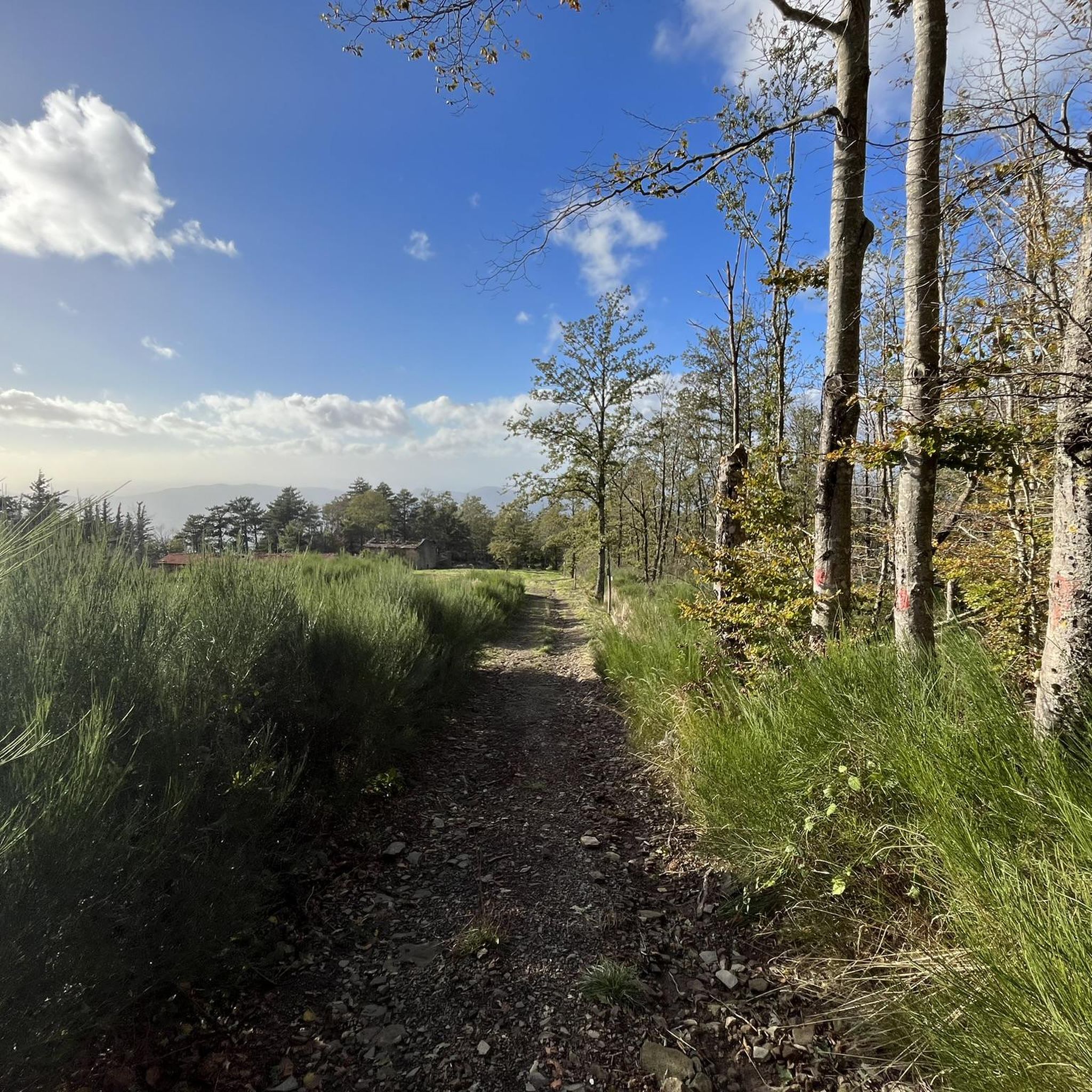
Dilapidated and abandoned structure. A shame because it would be a place for the area's hospitality and culture.
0
0

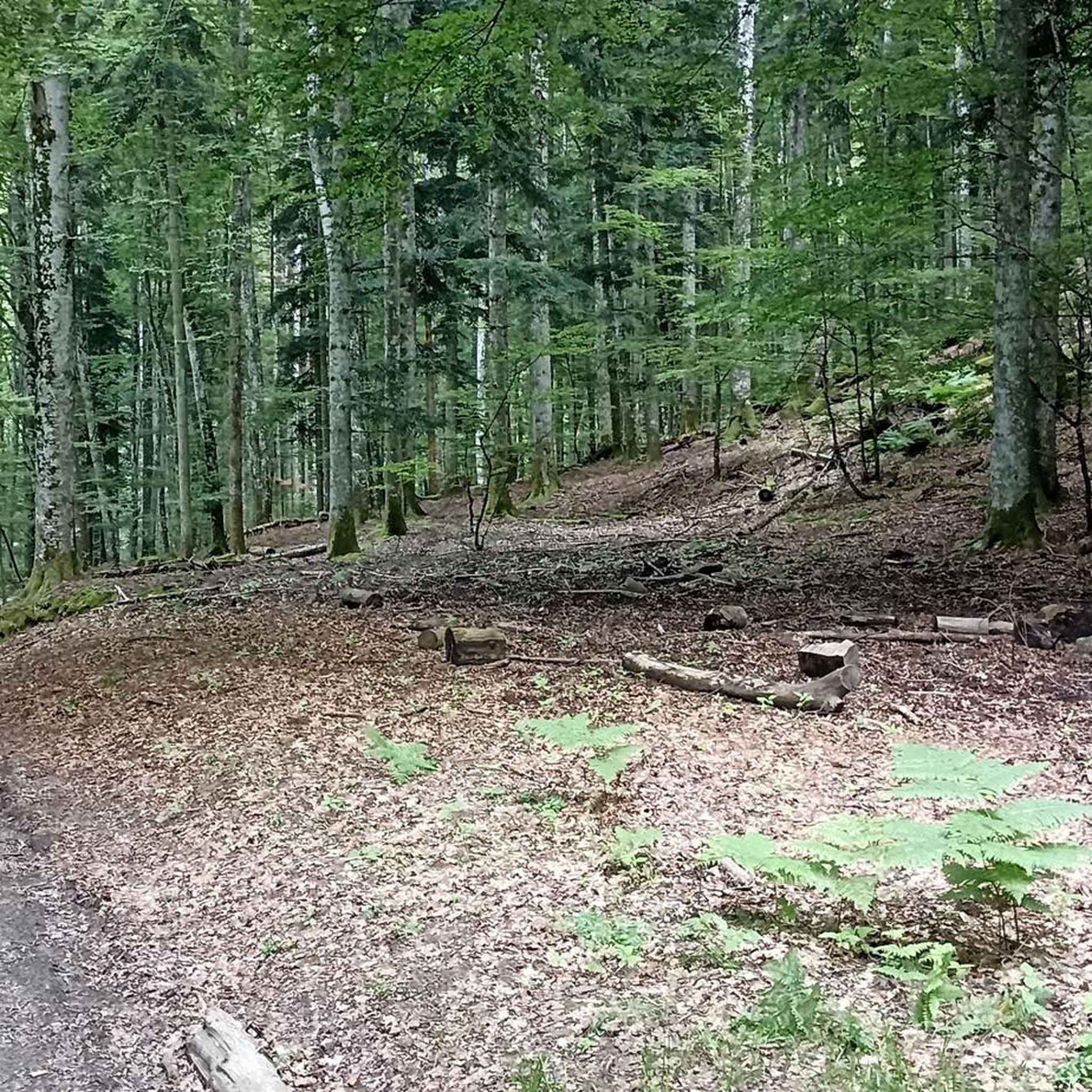
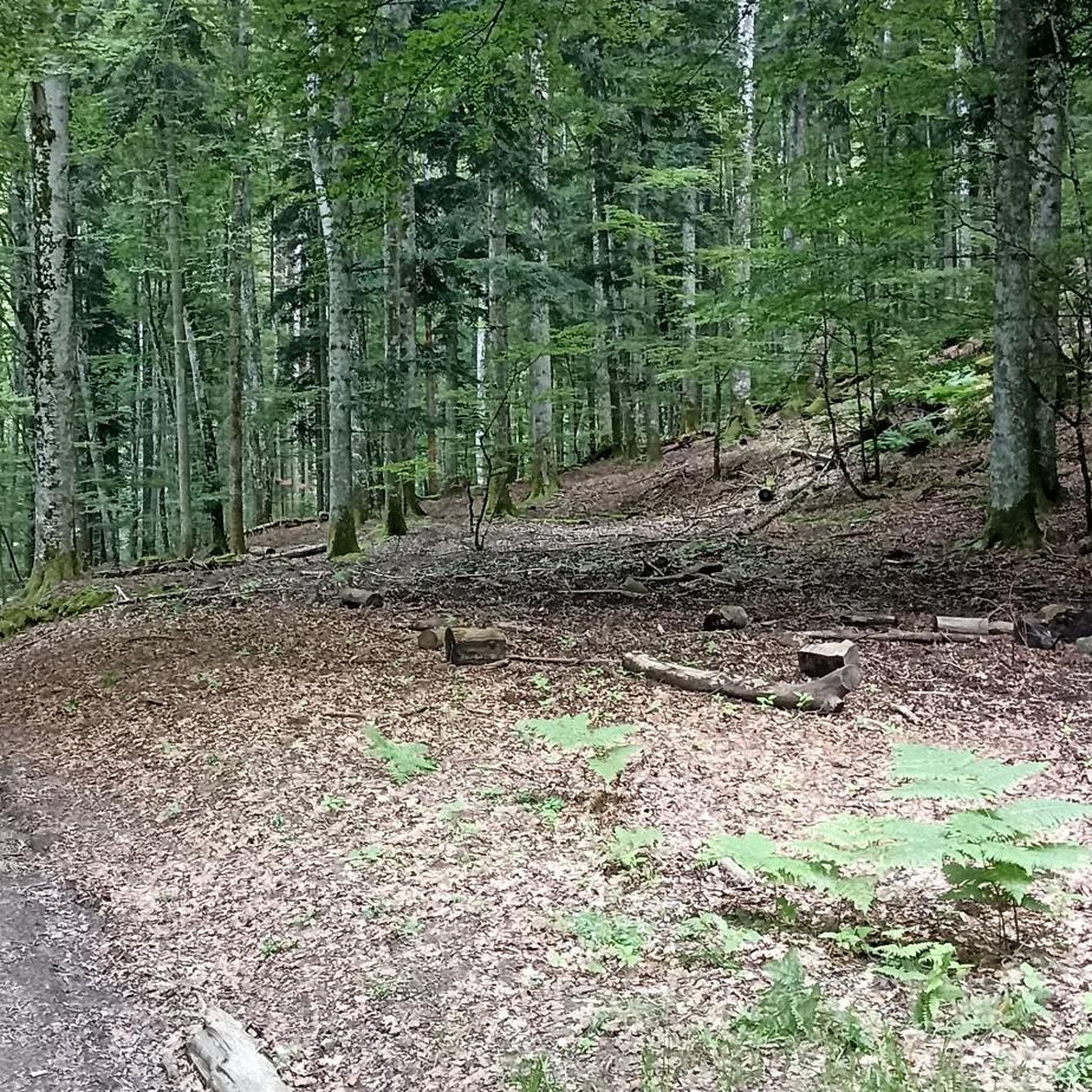
Splendid specimens of fir trees (some over 40 meters tall) and ancient beech trees. The trail is not always easy and in some sections not always immediately recognizable.
9
1
A chapel dedicated to Saint Gualbert, patron saint of foresters, stands next to the Holy Beech Tree, which, according to tradition/legend, sprouts leaves before the others and sheds them later. The current beech tree is a scion of the old tree, which, according to annals, dates back to the 8th/10th century and is said to have had a circumference of 3 meters and a height of 25 meters. The site is easily accessible with a short detour from the road leading up to Secchieta. It is located a short distance upstream from the Abbey.
14
0

Now part of the Collection https://www.komoot.com/de-de/collection/3600632/-naturdenkmaeler-besondere-baeume-und-weitere-schaetze-der-natur
1
0

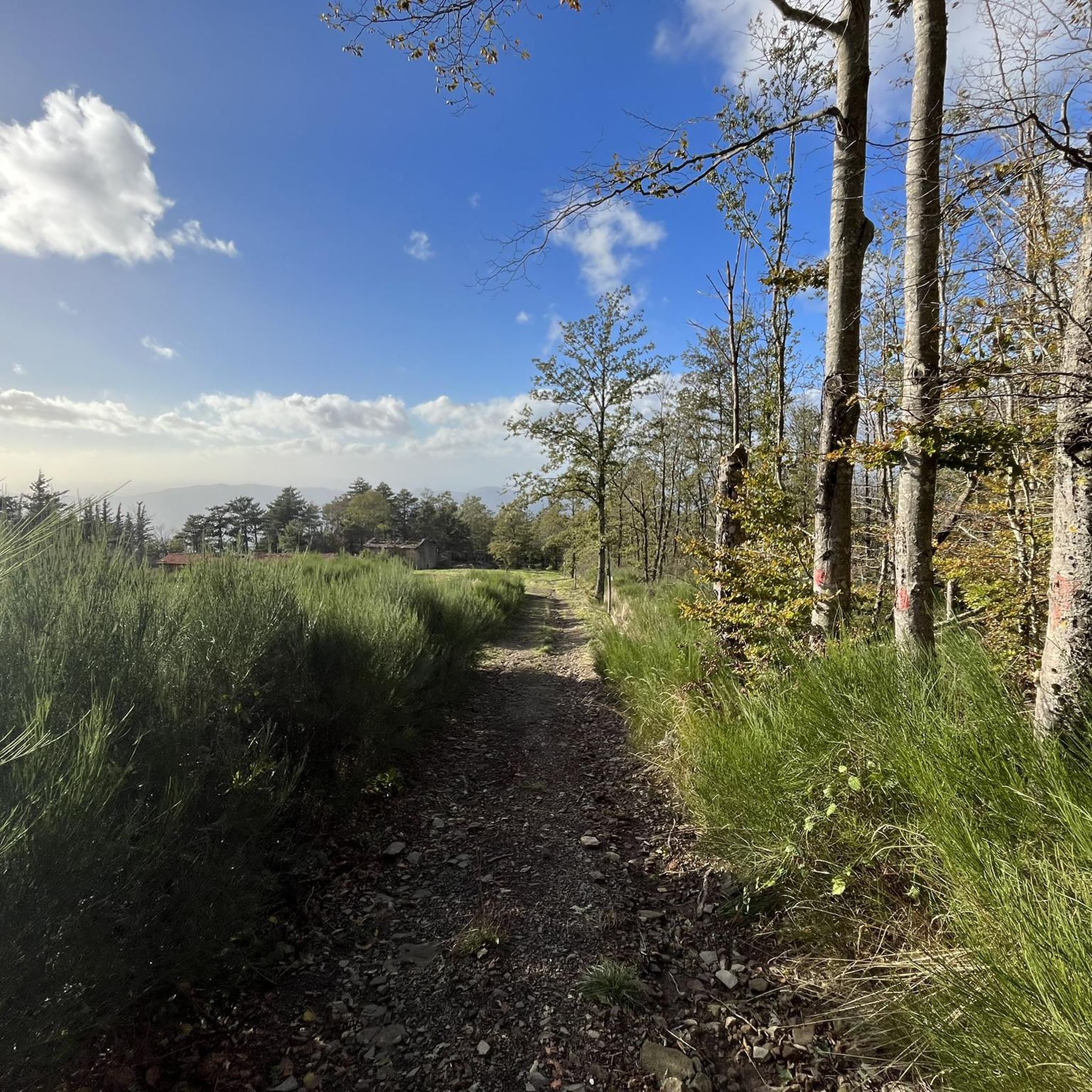
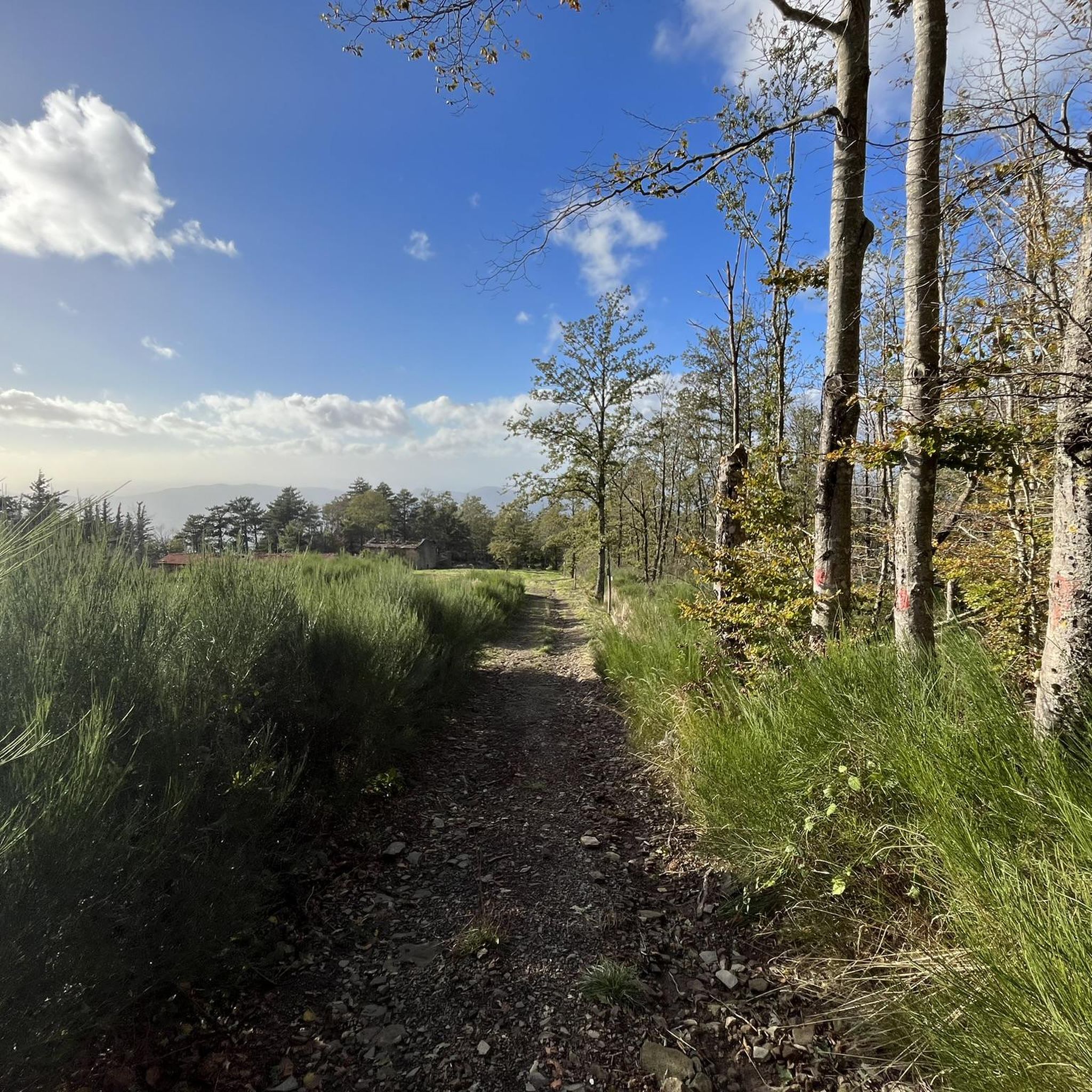
Mount Secchieta lies between the municipalities of Reggello and Montemignaio. The peak, approximately 1,500 meters above sea level, is part of the Pratomagno ridge and separates the Casentino valley from the Upper Valdarno valley. There is a refuge there, which can also be reached by a paved road.
0
0

Rifugio Secchieta, with its cyclist museum featuring many interesting jerseys. The sandwiches are excellent, and the view is beautiful.
0
0


Frequently Asked Questions
What historical and cultural sites can I visit in Riserva Naturale Vallombrosa?
The most prominent historical site is the Vallombrosa Abbey, founded in 1036. This monastic complex features a Romanesque church and a 15th-century kitchen. You can also visit the Experimental Arboretums, established in 1869, which house over 3,000 botanical specimens. Another historical spot is Paradisino, offering panoramic views and once a retreat for poet John Milton.
Where can I see the tallest trees in Italy within the reserve?
The Vallombrosa Forest is home to the Giants of Italy – Douglas Fir Giants of Vallombrosa. These include a Douglas fir measuring over 62 meters, which is the tallest tree in Italy. You can reach these monumental trees via well-marked forest trails, such as the “Anello dei Giganti” (Ring of the Giants) trail.
Are there easy walking trails suitable for beginners or families?
Yes, the reserve offers several easy trails. The Sentiero dell'Arboreto is an accessible itinerary through ancient forest areas leading to the Botanical Garden. Many paths around the Vallombrosa Abbey and the Faggio Santo (Sacred Beech Tree) are also suitable for leisurely walks. For more options, explore the hiking guide for Riserva Naturale Vallombrosa, which includes easy routes like the Metato – Fontana del Lago loop.
What kind of natural features can I explore in the Vallombrosa Nature Reserve?
The reserve is characterized by its dense forests, primarily silver firs and beech trees at higher elevations, with chestnut and oak trees at lower altitudes. Key natural features include the towering Douglas firs known as the Giants of Italy, the legendary Faggio Santo (Sacred Beech Tree), and the natural Fonte Santa Caterina. Monte Secchieta, at 1440 meters, is the highest point, offering significant natural beauty.
What is the best time of year to visit Riserva Naturale Vallombrosa?
The reserve is beautiful year-round, but the dense canopy provides a cool and shady haven during the summer months, making it ideal for hiking and escaping the heat. Spring and autumn offer vibrant foliage and pleasant temperatures for outdoor activities. Guided visits to the Experimental Arboretums are typically available during the summer.
Are there any challenging trails for experienced hikers or cyclists?
Yes, the reserve offers numerous well-marked trails for all levels, including more challenging options. For hikers, routes like the Vallombrosa Abbey – View of Poggio Massa Nera loop are considered difficult. Cyclists can find challenging gravel biking routes such as the Vallombrosa Abbey – Metato di Vallombrosa loop. You can find more details in the hiking guide and gravel biking guide for the area.
Is Riserva Naturale Vallombrosa suitable for families with children?
Absolutely. Many attractions within the reserve are family-friendly. The Vallombrosa Abbey area has a playground and refreshment points. The easy walking trails, such as those leading to the Giants of Italy or the Experimental Arboretums, are enjoyable for all ages. The cool forest environment is perfect for outdoor family adventures.
What outdoor activities can I do near these attractions?
The Riserva Naturale Vallombrosa is a paradise for outdoor enthusiasts. You can enjoy extensive hiking on trails like the 'Anello dei Giganti' or the Sentiero dell'Arboreto. There are also numerous routes for cycling and running. For detailed routes and difficulty levels, check out the hiking guide, running trails guide, and gravel biking guide for the region.
Are there places to eat or get refreshments within the reserve?
Yes, you can find refreshment points within the reserve. The Secchieta Hut is a popular spot for visitors exploring the higher elevations. Near the Vallombrosa Abbey, there are also restaurants and snack options available. The Abbey itself has an Antica Farmacia where you can find herbal teas and ancient tonics.
What is the significance of the Vallombrosa Abbey?
The Vallombrosa Abbey is a historically significant monastic complex founded by San Giovanni Gualberto in 1036. It played a crucial role in the region's history, with monks cultivating the land and managing the fir woods for centuries. The Abbey's architecture evolved over time, showcasing a blend of medieval austerity and Baroque style. It remains a spiritual and cultural heart of the reserve.
Can I learn about unique plant species in the reserve?
Yes, the Experimental Arboretums, established in 1869, are a significant open-air museum within the reserve. They house over 3,000 specimens belonging to more than 1,000 botanical entities from 85 genera worldwide, making it one of Europe's most important dendrological collections. Guided visits are available during the summer months to explore this rich biodiversity.
What is the Faggio Santo (Sacred Beech Tree)?
The Faggio Santo (Sacred Beech Tree) is a natural monument with historical and legendary significance. According to legend, St. John Gualbert took refuge under a giant beech tree, and a spring appeared at its feet. Today, a 150-year-old beech stands in the same spot, making it a revered and peaceful place to visit.
Most popular routes in Riserva Naturale Vallombrosa
Most popular attractions in Riserva Naturale Vallombrosa

Get inspired with the komoot mobile app


Explore more
Still not found the Highlight you’re looking for? See guides of the top attractions in other regions:
