The best cycling routes in Riserva Naturale Statale Marsiliana
4.5
(766)
10,443
riders
240
rides
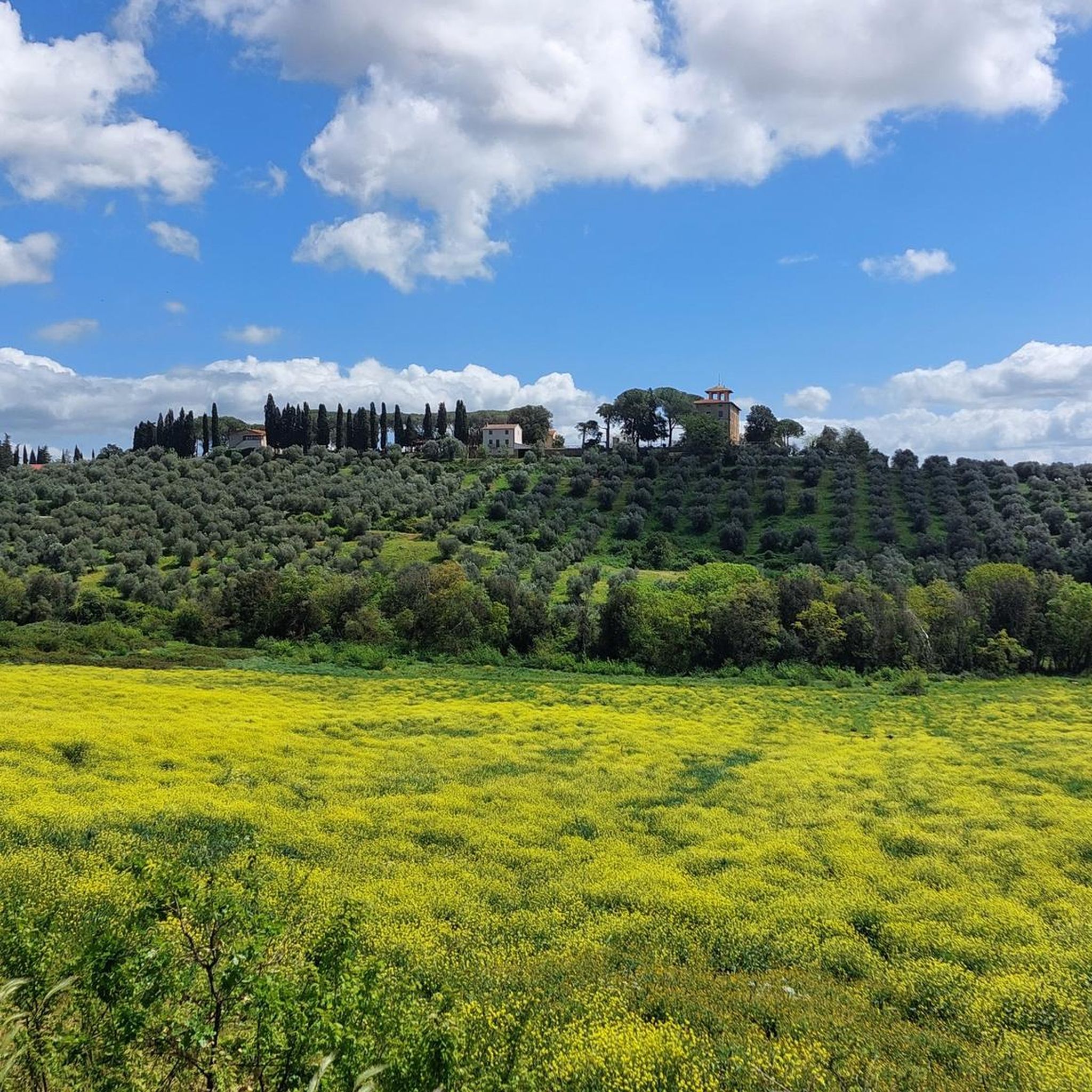
Touring cycling in Riserva Naturale Statale Marsiliana offers routes through a protected natural reserve, characterized by varied terrain that includes rural paths and forested areas. The region features a mix of gentle slopes and more challenging ascents, providing diverse cycling experiences. These routes often pass through historical sites and natural landscapes, making them suitable for exploration.
Best touring cycling routes in Riserva Naturale Statale Marsiliana
- The most popular touring cycling route is Suvereto Historic Center – Castello di Magona loop…
Last updated: July 8, 2026
5.0
(1)
23
riders
58.8km
04:02
620m
620m
Hard bike ride. Very good fitness required. Mostly paved surfaces. Suitable for all skill levels.
5.0
(1)
10
riders
16.4km
01:03
120m
120m
Easy bike ride. Great for any fitness level. Mostly paved surfaces. Suitable for all skill levels.

Sign up for free
8
riders
66.6km
04:24
570m
570m
Hard bike ride. Very good fitness required. Mostly paved surfaces. Suitable for all skill levels.
4.6
(8)
177
riders
42.9km
02:50
600m
590m
Hard bike ride. Very good fitness required. Mostly paved surfaces. Suitable for all skill levels.
4.6
(5)
23
riders
60.4km
03:38
280m
280m
Moderate bike ride. Good fitness required. Mostly paved surfaces. Suitable for all skill levels.
Get access to more routes and recommendations from other explorers.
Sign up for free
Already have an account?
Our route recommendations are based on thousands of hikes, rides, and runs completed by other people on komoot.
Start today with a free account
Your next adventure awaits.
Login or Signup
Popular around Riserva Naturale Statale Marsiliana
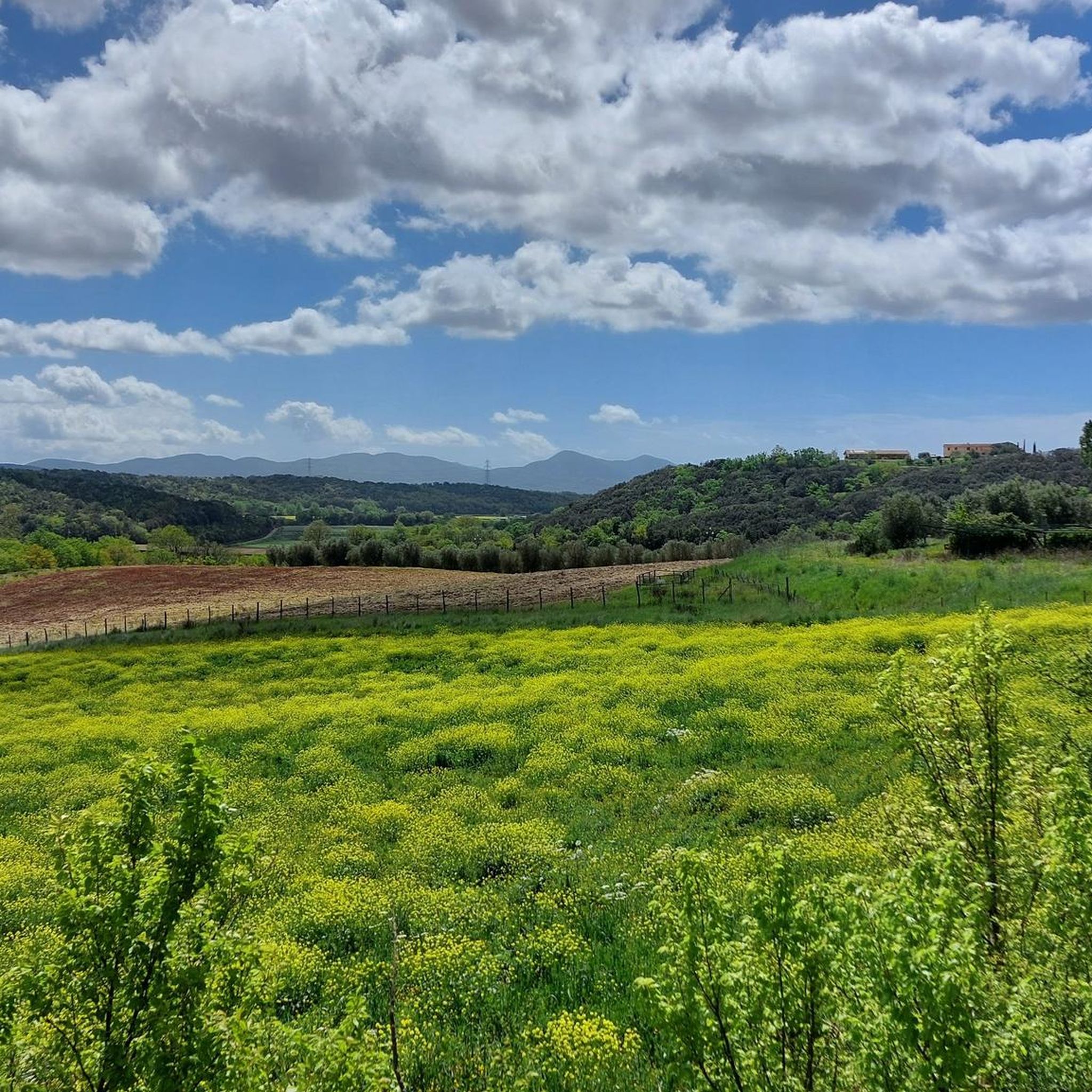
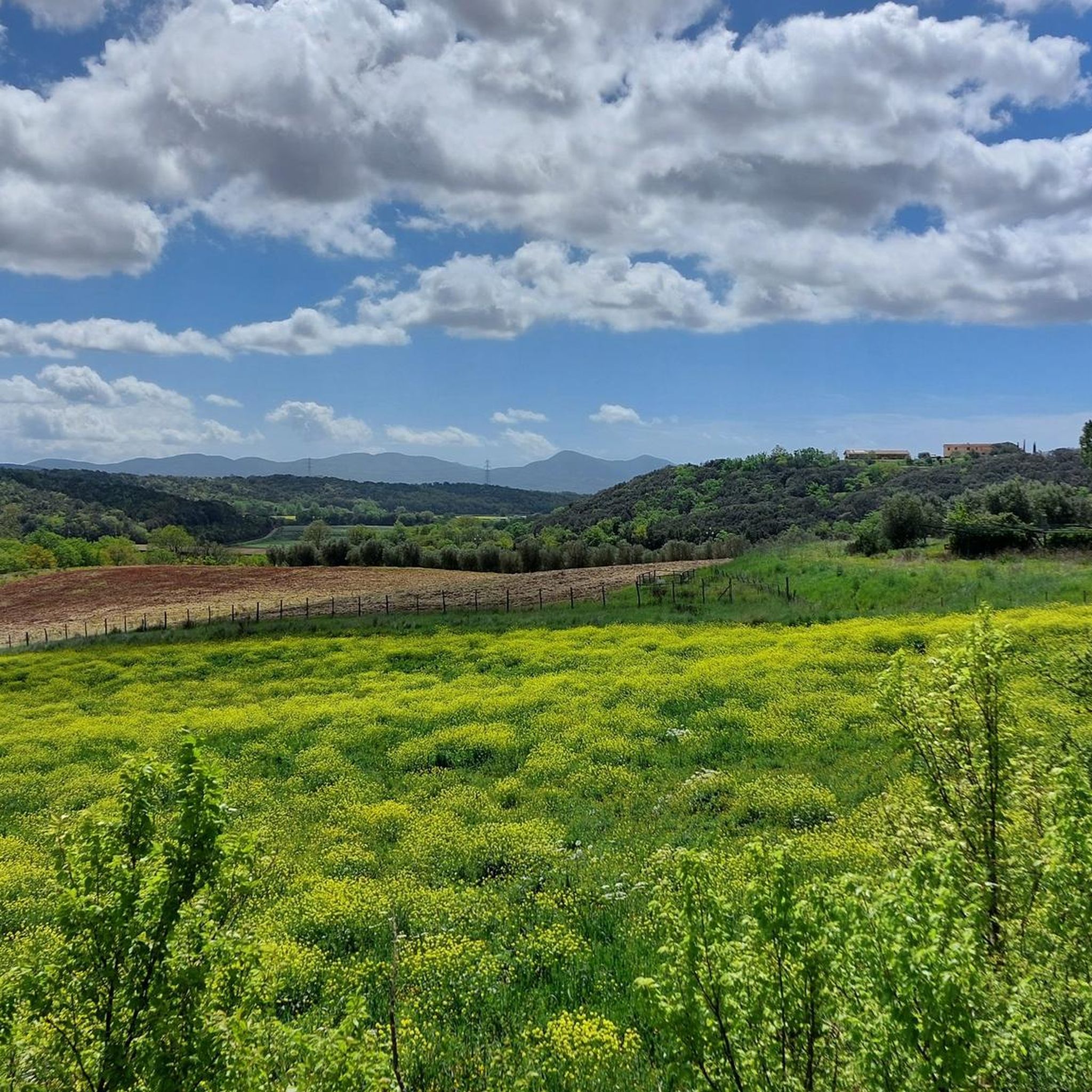
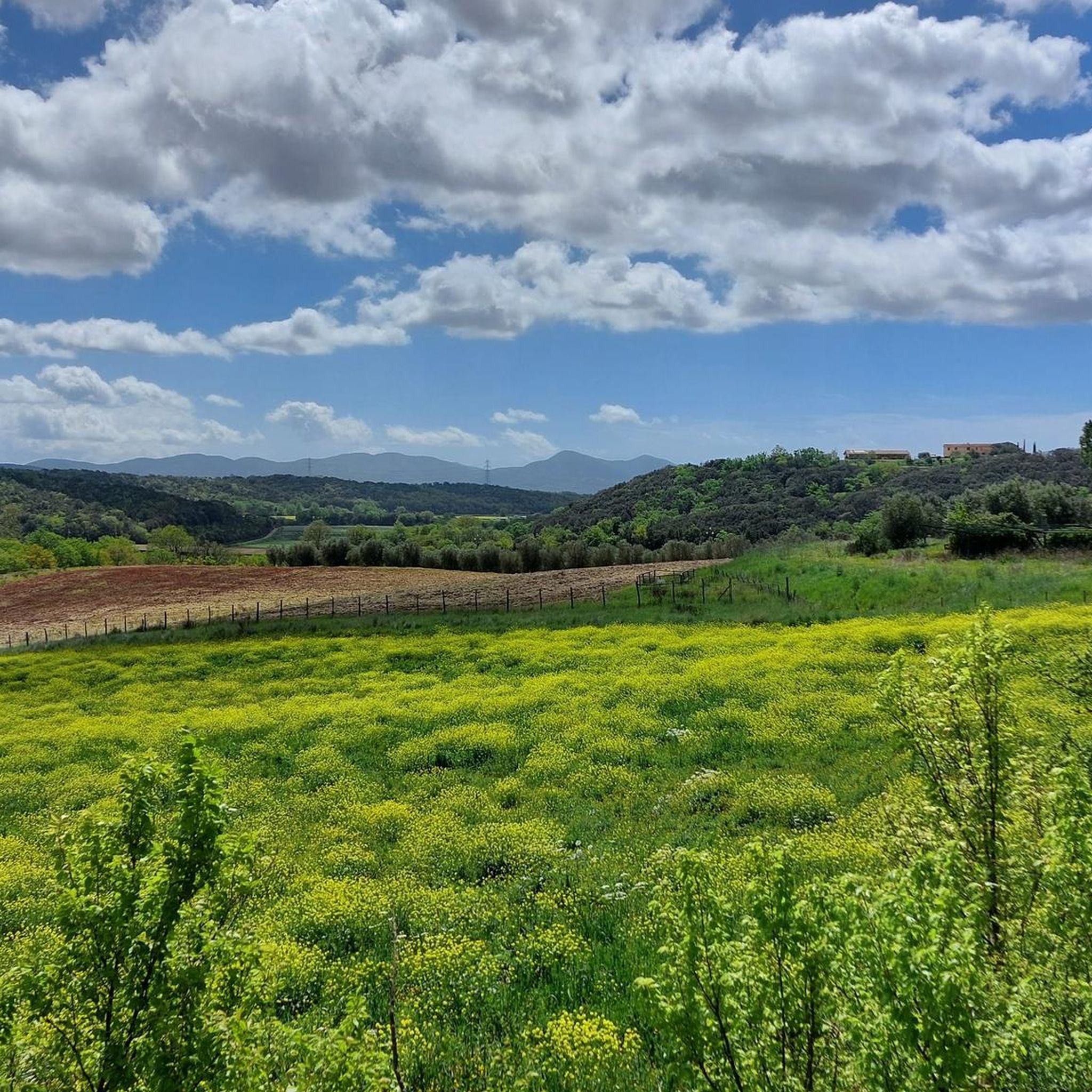
Tips from the Community

The Pieve di San Giusto in Suvereto is one of the most important and fascinating Romanesque buildings in the province of Livorno. Located at the entrance to the medieval village in Piazza Vittorio Veneto, its existence has been documented since 923. The current building, however, dates back to 1189, the year it was rebuilt by the masters Barone Amico and Bono da Calci. It features elements of light limestone alternating with dark bands of a typically Pisan style. The main entrance is flanked by two columns supporting two apotropaic lions. The structure has a single nave with a visible wooden truss ceiling. Inside, an ancient, finely decorated marble baptismal font is preserved. In an internal niche, there are remains of medieval frescoes; on the transept, the epigraph attesting to the completion date (1189) is still legible.
0
0
When talking about the fortifications of Suvereto, it is necessary to distinguish: La Rocca Aldobrandesca: It is the highest fortified complex in the village, built for military purposes to guard the fief. It includes a quadrangular tower (medieval period) and a palace. Today, it also houses a museum. Il Palazzo Comunale: The administrative heart, built in 1201. It is located in the center of the village and is topped by the Campanone tower (or clock tower). It is famous for the Loggia dei Giudici. Il Torrione: It is the main southern access gate (dated 14th-15th century) that opens into the defensive wall. La Porticciola: Also known as Porta di Sopra, it is the northern gate of the village. Also dating back to the medieval period (around 1300), it served as a second checkpoint.
1
0
The Romanesque portal of the Pieve di San Giusto in Suvereto. The facade is decorated with an elegant portal surmounted by a round arch, famous for its carved capitals. Although it existed before the year 1000, the current structure was rebuilt in the 12th century.
0
0
The Forni ford is the main road crossing on the Cornia river located near Suvereto. It is a very evocative spot often used for off-road excursions, cycling and trekking, but it requires extreme caution.
0
0
Part of the Tomboli State Nature Reserve, the Pineta di Follonica is a true green oasis that stretches for kilometers, offering visitors a unique experience of relaxation and nature. Divided by the city into two parts, the Pineta di Levante and the Pineta di Ponente, it offers different experiences for adults and children. A nature reserve on the outskirts of the city, perfect in summer for cooling off from the high temperatures and in winter for enjoying peace and quiet. In the less frequented areas, it is not uncommon to find spontaneous dune plants, such as the rare Sea Lily, or to hear the characteristic song of the Green Woodpecker. The pine forests are crossed by a network of trails that can be walked or cycled. In the areas closest to the city, there are also playgrounds for children and installations dedicated to fitness, for those who want to stay in shape!
1
0
The Archaeological Museum is housed in the ancient Palazzo del Podestà (1225), which overlooks the Piazza del Duomo of Massa Marittima. The collection is organized into sections, ordered chronologically from the lower paleolithic to the etruscan age; the main piece of the prehistoric collection is the eneolithic statue-stele of Vado all’Arancio, the only find of its type in Maremma; the etruscan finds come mainly from excavations carried out at the village of Lago dell’Accesa, they are mainly kitchenware, loom weights, fishing weights and bricks; also present are the funerary trousseaux found in the necropolises, especially pottery (figulina clay and bucchero), bronze fibulae, iron pot stands, iron and bronze weapons. On the ground floor, an educational section is set up with a life-size reconstruction of typical caves: a paleolithic and an eneolithic one. Guided tours and educational activities, organization of cultural events and film screenings are available.
1
0
In the green of Maremma, where wild nature meets the crystal-clear waters of Carbonifera, Pappasole is a 4-star tourist village perfect for everyone: families, sports lovers, couples, and four-legged friends.
2
0
Pratoranieri is less than 5 km from the center of Follonica, and is easily reachable on foot and by bicycle, also thanks to a stretch of pedestrianized coastline and a cycle path. The beach, composed of fine golden sand, appears narrow and long in the perfect style of Follonica's beaches, mostly free; only a small part is dedicated to beach establishments, where it is possible to rent water sports equipment.
2
0
Frequently Asked Questions
How many touring cycling routes are available in Riserva Naturale Statale Marsiliana?
There are over 240 touring cycling routes in Riserva Naturale Statale Marsiliana, offering a wide range of options for different skill levels and preferences.
Are there easy touring cycling routes suitable for beginners or families?
Yes, Riserva Naturale Statale Marsiliana offers several easy routes. For a relaxed experience, consider the Mulino del 1314 – Strada della Marsiliana loop from Riserva Naturale Statale Marsiliana, an easy 10.2-mile (16.4 km) path winding through rural landscapes.
What kind of challenges can I expect on more advanced touring cycling routes?
More advanced routes often feature varied terrain, including significant elevation changes and longer distances. For example, the Suvereto Historic Center – Castello di Magona loop from Montioni is a challenging 36.4-mile (58.6 km) route with over 600 meters of elevation gain, connecting historical centers with scenic views.
When is the best time of year for touring cycling in Riserva Naturale Statale Marsiliana?
The Mediterranean climate of the region makes spring (April-May) and autumn (September-October) ideal for touring cycling. During these seasons, temperatures are mild, and the natural landscapes are particularly vibrant, avoiding the heat of summer.
What can I see along the touring cycling routes in Riserva Naturale Statale Marsiliana?
The routes often pass through historical sites and natural landscapes. You can explore highlights such as the Monteregio di Massa Marittima Wine Route, the charming Montioni Village, and the scenic Trail Mucche in Montioni Interprovincial Park.
Are there circular touring cycling routes available?
Yes, many routes in the reserve are designed as loops, allowing you to start and end at the same point. An example is the Bike loop from Montioni, a 7.0-mile (11.2 km) trail through natural landscapes.
Where can I park my car when visiting Riserva Naturale Statale Marsiliana for cycling?
Parking is generally available in or near the villages and towns that serve as starting points for many routes, such as Montioni or Riserva Naturale Statale Marsiliana itself. Look for designated parking areas in these locations.
Are there places to stop for refreshments or food along the touring cycling routes?
While the reserve itself is natural, many routes pass through or near small villages and towns where you can find cafes, trattorias, or small shops to refuel. Planning your route to include these stops is recommended.
What do other touring cyclists enjoy the most about touring cycling in Riserva Naturale Statale Marsiliana?
The area is highly rated by the komoot community, with an average score of 4.5 stars from over 790 reviews. Reviewers often praise the diverse terrain, from rural roads to forested sections, and the opportunity to explore historical sites and natural beauty.
Can I find routes that combine natural scenery with historical points of interest?
Absolutely. Many routes are designed to showcase both the natural beauty of the reserve and its historical heritage. The Le Piane del Milia – Mulino del 1314 loop from Dojo Bianco, for instance, offers a journey through varied landscapes with historical elements.
Are there any routes that offer views of the coast or sea?
While Riserva Naturale Statale Marsiliana is primarily an inland reserve, some longer routes might extend towards coastal areas or offer glimpses of the wider Maremma region. The Levante Pinewood – Mozza Tower loop from Cura Nuova, for example, hints at proximity to coastal features.
Most popular routes in Riserva Naturale Statale Marsiliana
Most popular attractions in Riserva Naturale Statale Marsiliana

Get inspired with the komoot mobile app


Explore more
Browse the best Cycling routes in other regions.
