Attractions and Places To See in Pfrunger-Burgweiler Ried - Top 20
Best attractions and places to see in Pfrunger-Burgweiler Ried. This region is the second-largest contiguous moorland area in Southwest Germany, spanning over 2,600 hectares. It features a unique wetland landscape, diverse habitats, and is a significant area for numerous protected plant and animal species. The Ried offers a blend of natural beauty, cultural insights, and recreational opportunities.
Best attractions and places to see in Pfrunger-Burgweiler Ried
- The most popular attractions is Bannwald Tower (Pfrunger-Burgweiler Ried), a viewpoint that offers…
Last updated: July 5, 2026
Bannwald Tower (Pfrunger-Burgweiler Ried)
Highlight • Viewpoint
Translated by Google •
Tip by

Wooden plank path in the forest
Highlight (Segment) • Trail
Translated by Google •
Tip by
Sign up now to discover places like this
Get recommendations on the best single tracks, peaks, & plenty of other exciting outdoor places.
Sign up for free
Five-sided Pond
Highlight • Lake
Translated by Google •
Tip by

Wetlands and wildlife in the Pfrunger-Burgweiler Ried
Highlight • Natural
Translated by Google •
Tip by

Wilhelmsdorf Nature Museum and European Watershed
Highlight • Historical Site
Translated by Google •
Tip by

Sign up for free to discover even more attractions in Pfrunger-Burgweiler Ried.
Sign up for free
Already have an account?
Start today with a free account
Your next adventure awaits.
Login or Signup
Popular around Pfrunger-Burgweiler Ried
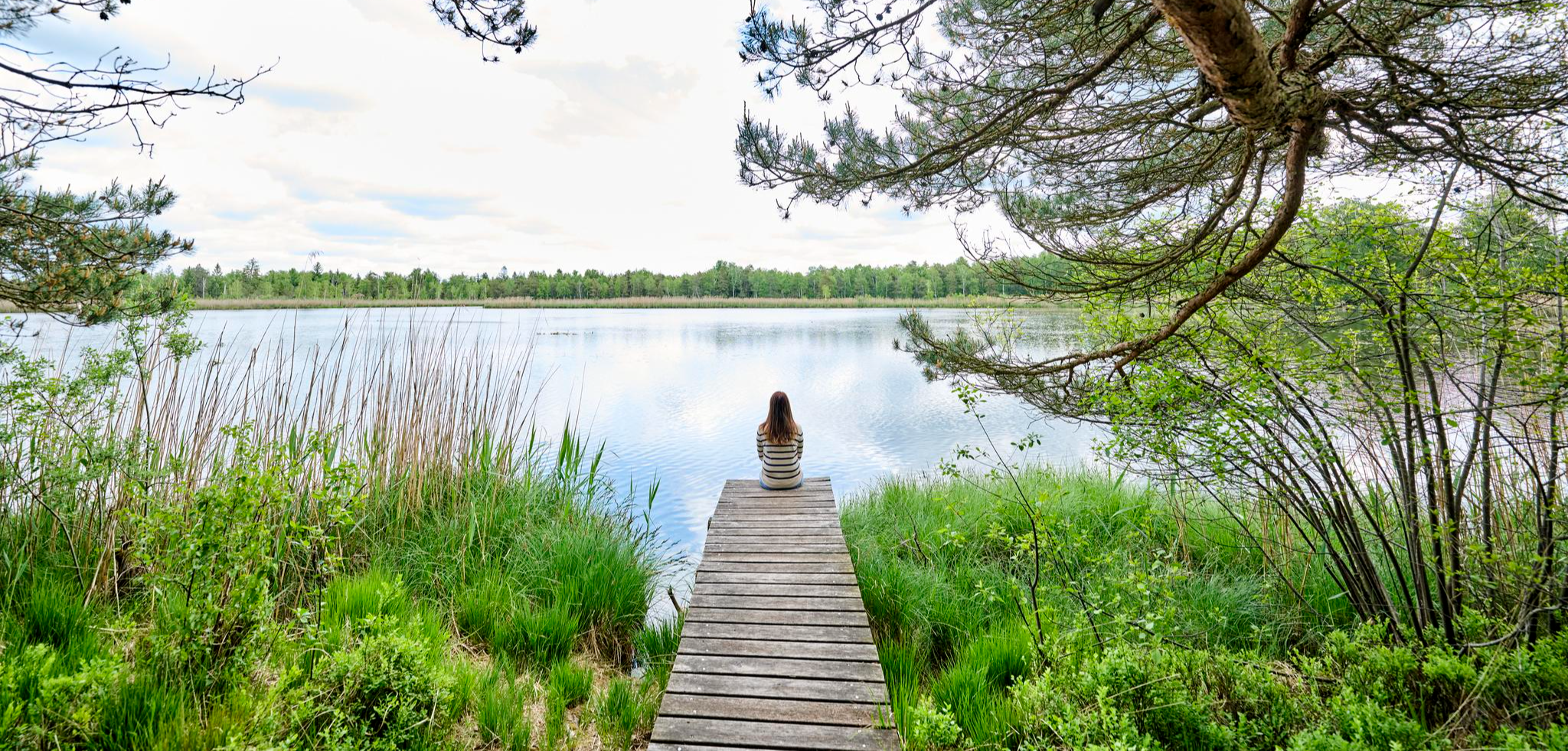
Nature, city, Baroque – short breaks in Upper Swabia-Allgäu
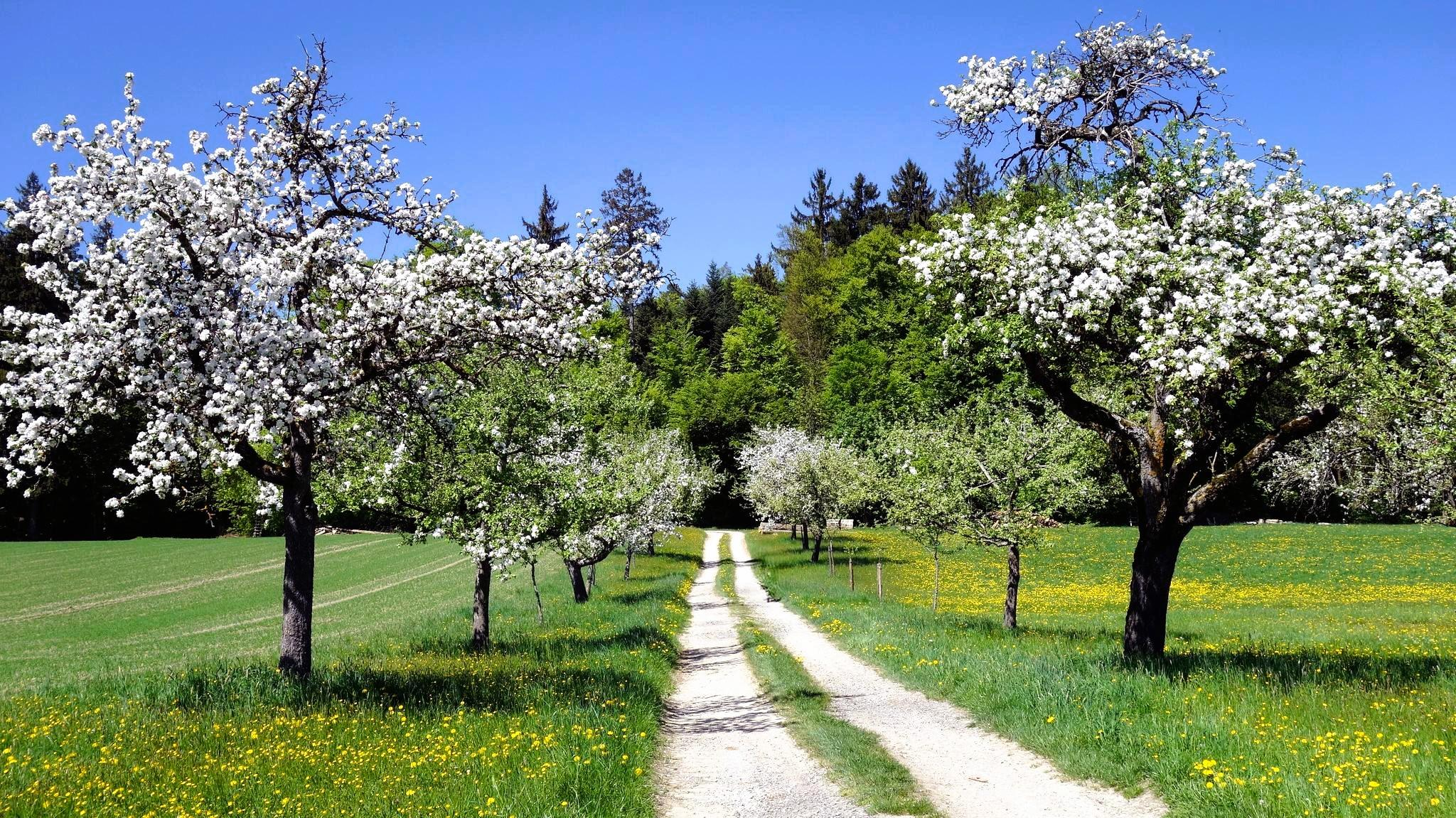
Aktiv in die längeren Tage – Frühlingswandern im Allgäu und Oberschwaben
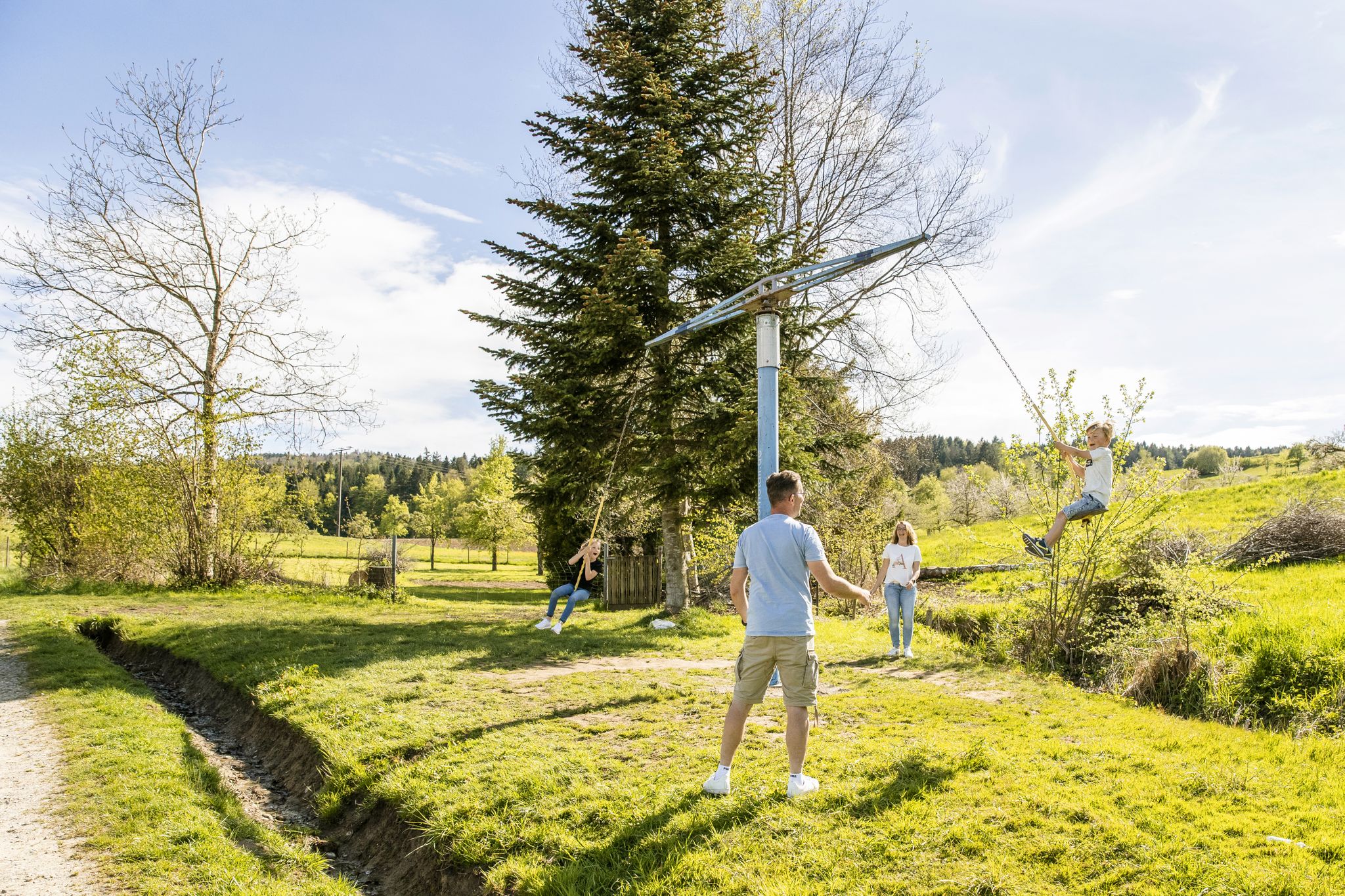
Erlebniswege für die ganze Familie – Wandern mit Kindern
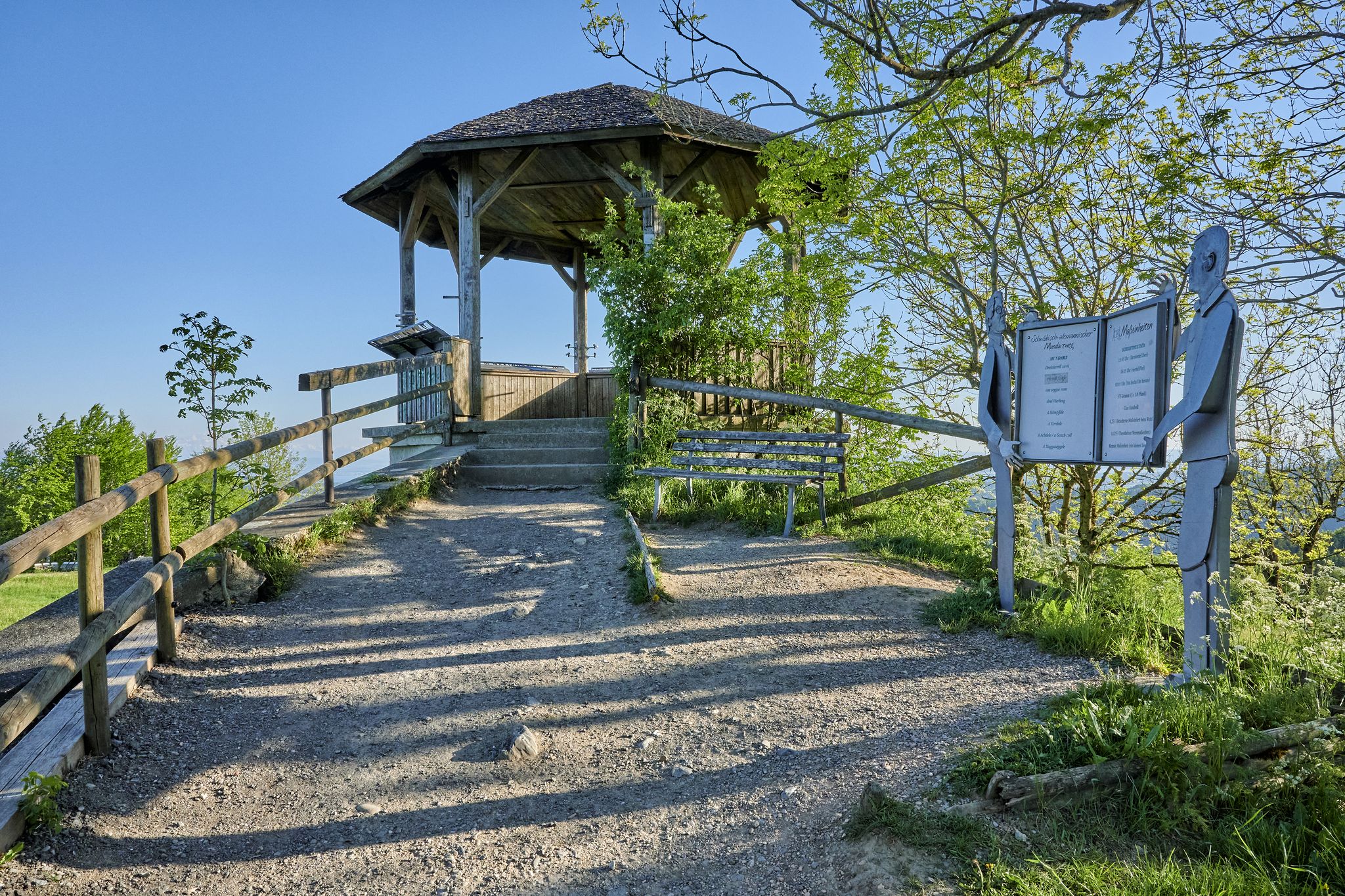
Stille Pfade, verborgene Schätze – Wandern im idyllischen Bodensee-Umland
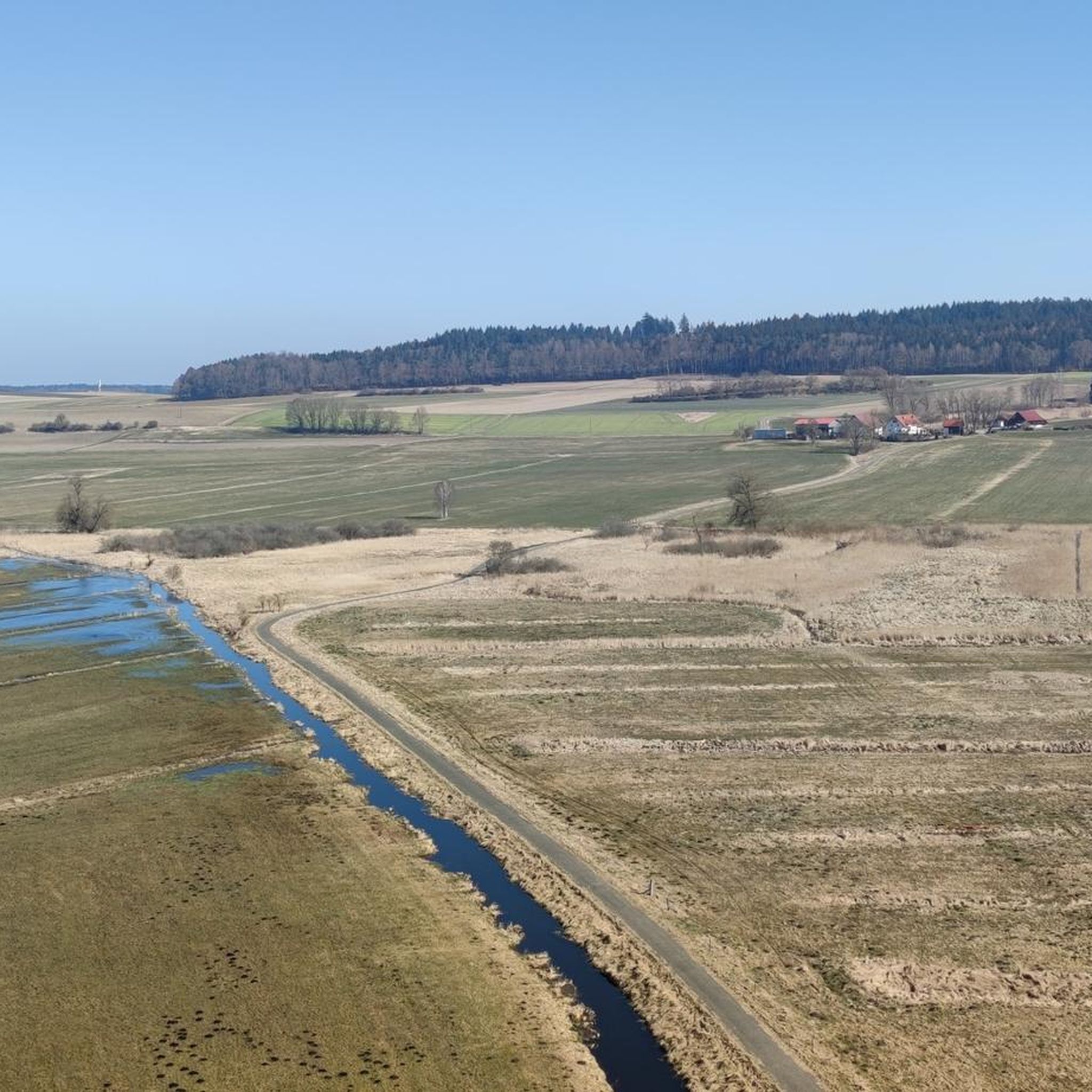
Hiking in Pfrunger-Burgweiler Ried
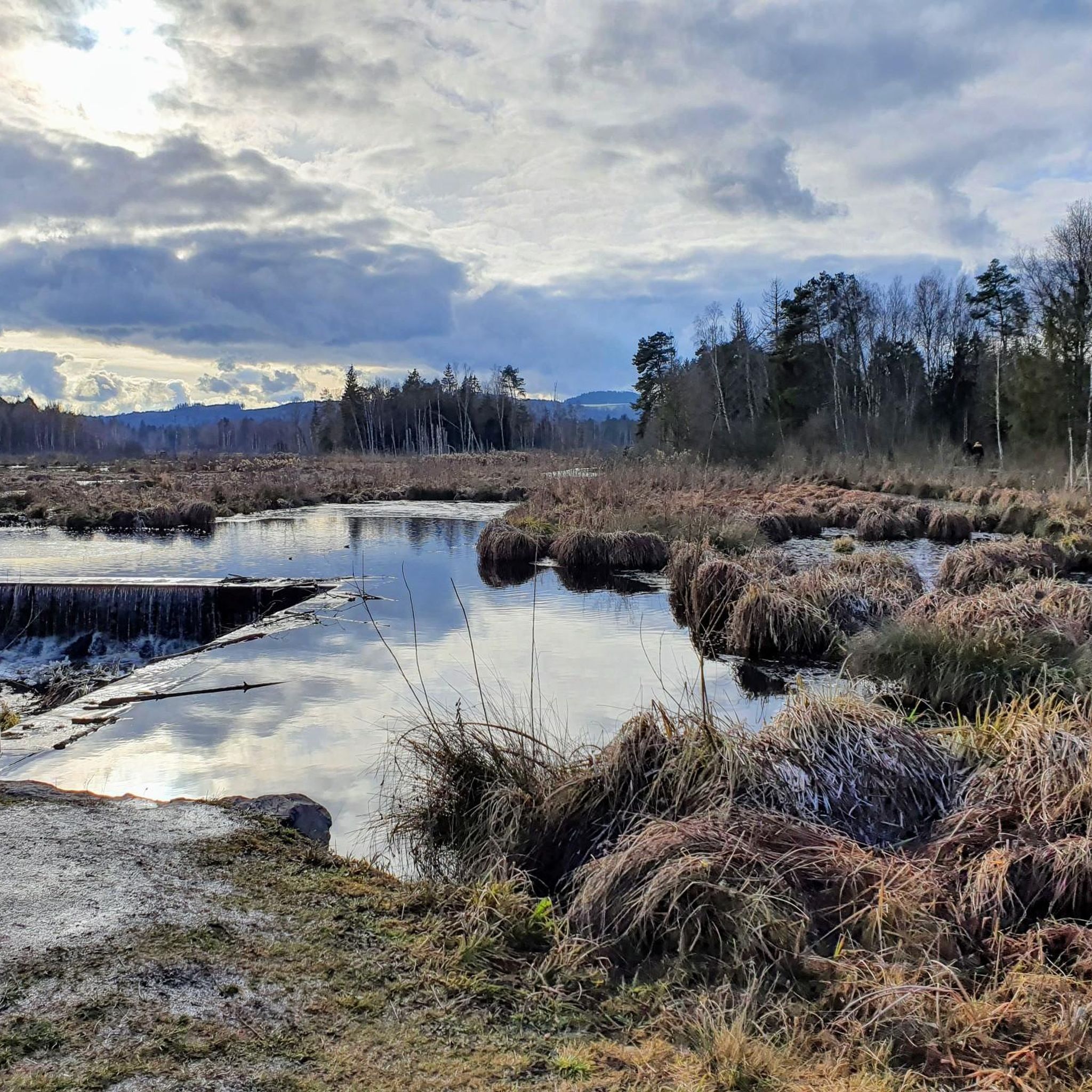
Cycling in Pfrunger-Burgweiler Ried
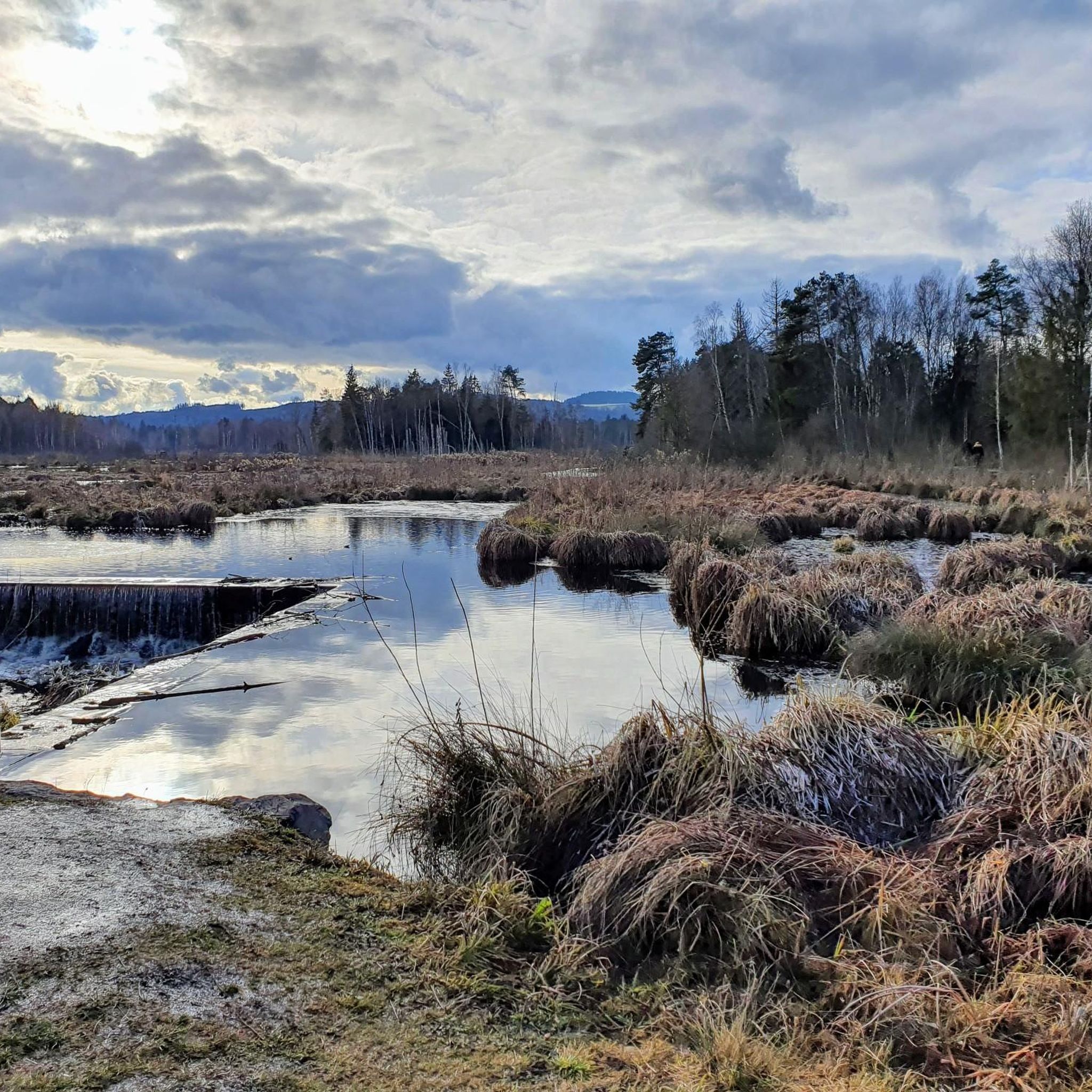
Running Trails in Pfrunger-Burgweiler Ried
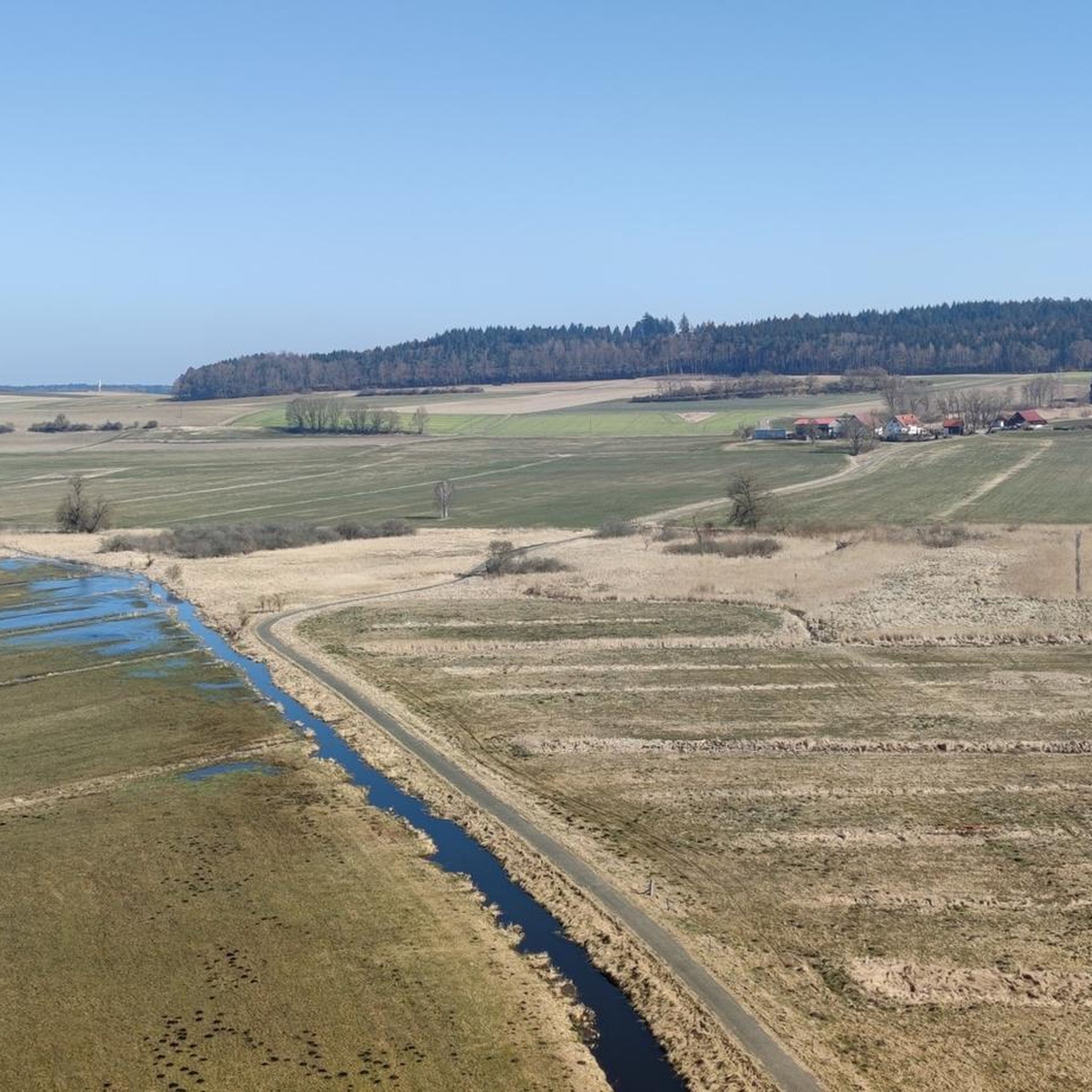
Road Cycling Routes in Pfrunger-Burgweiler Ried
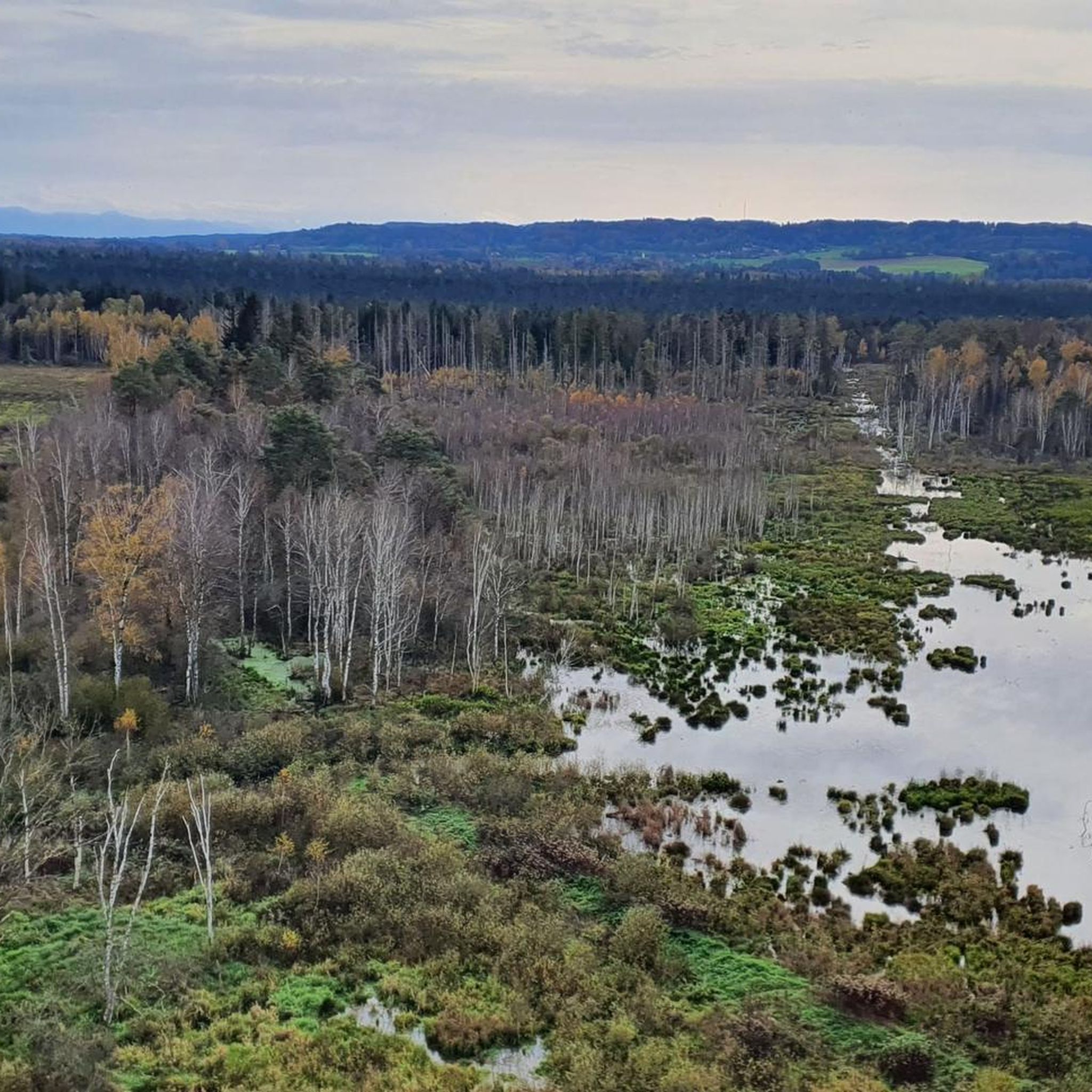
MTB Trails in Pfrunger-Burgweiler Ried
Gravel biking in Pfrunger-Burgweiler Ried
Other adventures in Pfrunger-Burgweiler Ried


Tips from the Community

The Pfrunger-Burgweiler Ried (formerly Pfrunger Ried), with its 2,600 hectares, is the second largest contiguous moorland in southwest Germany after the Federsee. The Ried lies at an average elevation of 610 m above sea level in the districts of Ravensburg and Sigmaringen, near the municipalities of Wilhelmsdorf and Ostrach. It is surrounded by Tertiary molasse uplands, which reach their highest elevations at Rinkenburg (718 m above sea level) and Höchsten (837.8 m above sea level). Only small parts of the moorland, which once covered almost 3,000 hectares, have survived. Almost 2,000 hectares have been converted to grassland, and about 400 hectares are planted with birch and black alder trees. 120 hectares of water bodies were created by peat cutting; thus, the lowland and intermediate moor areas in particular have disappeared, with only a few remnants. However, the raised bogs have been largely preserved and cover an area of almost 150 hectares. The Pfrunger-Burgweiler Ried Nature Reserve has existed since 1980, covering an area of 780 hectares. It is intensively managed both scientifically and through experiential education and is accessible to visitors via several nature trails. Today's bog area is the remnant of a post-glacial lake that gradually filled with sediment and mineral deposits after the melting of the Rhine glacier, thus partially silting up. This gave rise to fens and, in some places, raised bogs above them. These areas were characterized by depth and wetness and were unsuitable for permanent human settlement. However, mineral infiltration also led to the formation of permanent islands on which the first permanent human settlements emerged. The core of the area, however, remained uninhabited and was considered uncultivable, inferior land. Source: https://de.wikipedia.org/wiki/Pfrunger-Burgweiler_Ried
3
0

Nice museum. The parking lot offers many opportunities to hike the area 🥰
1
0


Great parking spaces, interesting exhibition
2
0

The Pfungener Ried is particularly interesting for its animals and plants. I've been there several times.
3
0

The perfect place to take a break with benches and wonderful peace
6
0

The paths are very well laid out. There are pull-over bays along the wooden walkways, and viewing platforms are also installed.
6
0
From the tower's observation deck, you have a magnificent 360° view of the reed bed. The tower features numerous wooden statues of local animals. There's also a small room with information panels at the bottom right of the tower base.
5
0
Frequently Asked Questions
What are the main viewpoints in Pfrunger-Burgweiler Ried?
The most prominent viewpoint is the Bannwald Tower, offering a magnificent 360-degree panoramic view of the entire Ried landscape. You can also find observation platforms at the Five-sided Pond and near the Hundsche Teiche, which are excellent for bird watching.
What kind of natural features define Pfrunger-Burgweiler Ried?
Pfrunger-Burgweiler Ried is characterized by its extensive moorland and wetlands, making it the second-largest contiguous moorland area in Southwest Germany. Key natural features include the Vogelsee and Fünfeckweiher ponds, the protected Bannwald forest, and the European watershed where waters diverge towards the Rhine and Danube rivers. It's a vital habitat for diverse flora and fauna.
Are there family-friendly attractions or activities in the Ried?
Yes, Pfrunger-Burgweiler Ried offers several family-friendly options. The Wilhelmsdorf Nature Museum has interactive exhibits and a new playground. The Wooden plank path in the forest provides easy walking for all ages, and spotting the Scottish Highland Cattle Pasture is a popular activity for children.
What hiking trails are available in Pfrunger-Burgweiler Ried?
The Ried features a variety of well-maintained hiking paths, including designated adventure trails and themed paths. Popular circular trails include "Weite Wiesen" (W1), "Moorseen" (W2), "Großer Trauben" (W3), and "Bannwald" (W4), as well as the Moor-Erlebnispfad (Moor Adventure Trail). Many routes are easy, with some wheelchair-accessible sections. You can find detailed routes in the Hiking in Pfrunger-Burgweiler Ried guide.
Can I observe wildlife in Pfrunger-Burgweiler Ried?
Absolutely. The Ried is a crucial breeding and resting area for over 200 bird species, including rare ones like the black woodpecker and common snipe. Beavers have also been present since 2005. Observation platforms at the Five-sided Pond and Hundsche Teiche are ideal for bird watching. You might also encounter the Scottish Highland Cattle grazing in designated pastures.
Are there options for cycling or mountain biking in the area?
Yes, the Pfrunger-Burgweiler Ried offers numerous cycling paths suitable for various skill levels. For mountain biking enthusiasts, there are dedicated trails that allow you to explore the diverse landscape. You can find detailed routes and information in the MTB Trails in Pfrunger-Burgweiler Ried guide.
What historical sites can I explore in the Ried?
The region holds a rich history, with archaeological findings indicating Stone Age settlements and medieval farming. You can see traditional moor cottages, which are a testament to historical peat extraction. A historical marker (Grenzpfahl) indicates the former border between the Grand Duchy of Baden and the Kingdom of Württemberg, offering a glimpse into the region's past.
Is there a visitor center or educational facility in Pfrunger-Burgweiler Ried?
Yes, the Naturschutzzentrum Wilhelmsdorf serves as a central hub for visitors. It offers a permanent exhibition on the landscape and cultural history of the moor, along with special exhibitions and environmental education programs. It's an excellent starting point for exploring the Ried and features interactive displays.
What is the best time to visit Pfrunger-Burgweiler Ried?
The Pfrunger-Burgweiler Ried is beautiful year-round, but spring and autumn offer particularly pleasant conditions for hiking and cycling, with vibrant flora and migratory birds. Summer is ideal for longer days outdoors, while winter can transform the landscape into a serene, frosty wonderland, though some paths might be less accessible.
Are there any easy walking trails suitable for beginners or those with limited mobility?
Yes, many of the trails in Pfrunger-Burgweiler Ried are relatively flat and well-maintained, making them suitable for beginners. The Wooden plank path in the forest is particularly easy to navigate, with wide, stable walkways. The Moor-Erlebnispfad also includes sections designed for accessibility, providing impressive insights into the moor landscape without strenuous effort.
What do visitors enjoy most about Pfrunger-Burgweiler Ried?
Visitors frequently praise the tranquility and natural beauty of the Ried. The panoramic views from the Bannwald Tower are a highlight, as are the well-laid out paths like the Wooden plank path, which allow direct access through the reed beds. The opportunity for bird watching at spots like the Five-sided Pond and the educational aspects of the Nature Conservation Center are also highly valued.
Can I bring my dog to the trails in Pfrunger-Burgweiler Ried?
Many trails in Pfrunger-Burgweiler Ried are dog-friendly, allowing you to explore the natural beauty with your canine companion. However, as it is a nature reserve, it's important to keep dogs on a leash to protect the sensitive ecosystem and wildlife. Always check local signage for specific regulations in certain areas.
Most popular routes in Pfrunger-Burgweiler Ried
Most popular attractions in Pfrunger-Burgweiler Ried

Get inspired with the komoot mobile app


Explore more
Still not found the Highlight you’re looking for? See guides of the top attractions in other regions:
