Top 18 Caves in Naturpark Spessart
Best caves in Naturpark Spessart offers a diverse landscape of expansive forests within a low-mountain range, primarily situated in Bavaria and partly in Hesse. The region is characterized by varied geological formations, including Muschelkalk, red sandstone, and basalt, which contribute to its subterranean features. While not primarily known for large show caves, the area presents opportunities to explore natural and man-made caves. These sites provide insights into the region's geological history, local folklore, and past human activities.
Best caves in…
Last updated: July 5, 2026
View of the Main River and Miltenberg from Engelberg Monastery
Highlight • Viewpoint
Translated by Google •
Tip by

Wilhelmine Copper Mine
Highlight • Historical Site
Translated by Google •
Tip by

Sign up now to discover places like this
Get recommendations on the best single tracks, peaks, & plenty of other exciting outdoor places.
Sign up for free
Mary's Grotto with Waterfall near Sommerkahl
Highlight • Religious Site
Translated by Google •
Tip by

Marian Grotto in the Bächlesgrund
Highlight • Religious Site
Translated by Google •
Tip by

Bensenbruch Quarry and World War II Shelter
Highlight • Cave
Translated by Google •
Tip by

Sign up for free to discover even more caves in Naturpark Spessart.
Sign up for free
Already have an account?
Start today with a free account
Your next adventure awaits.
Login or Signup
Popular around Naturpark Spessart
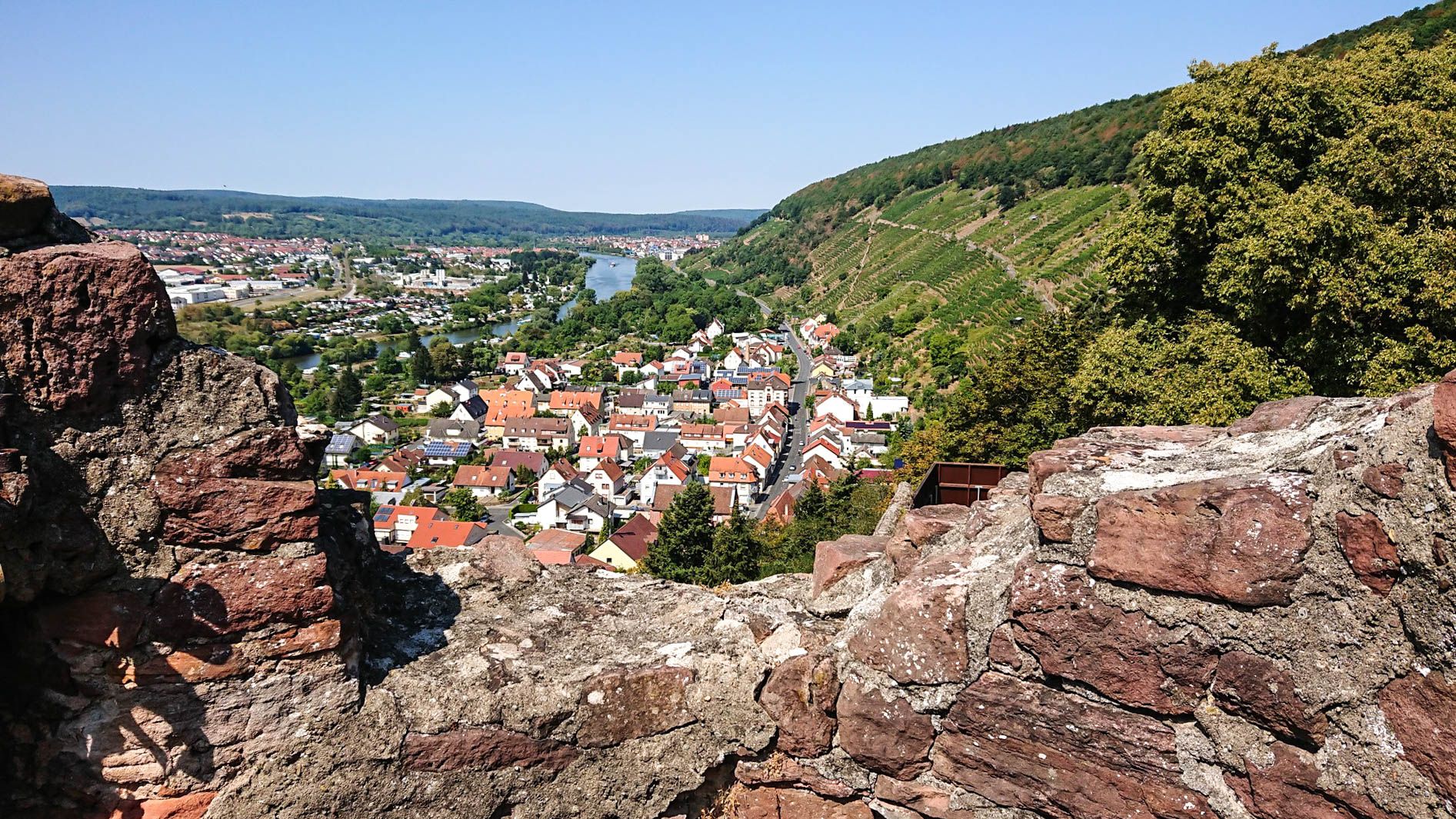
Franconian Red Wine Trail — From vineyards to the Main River
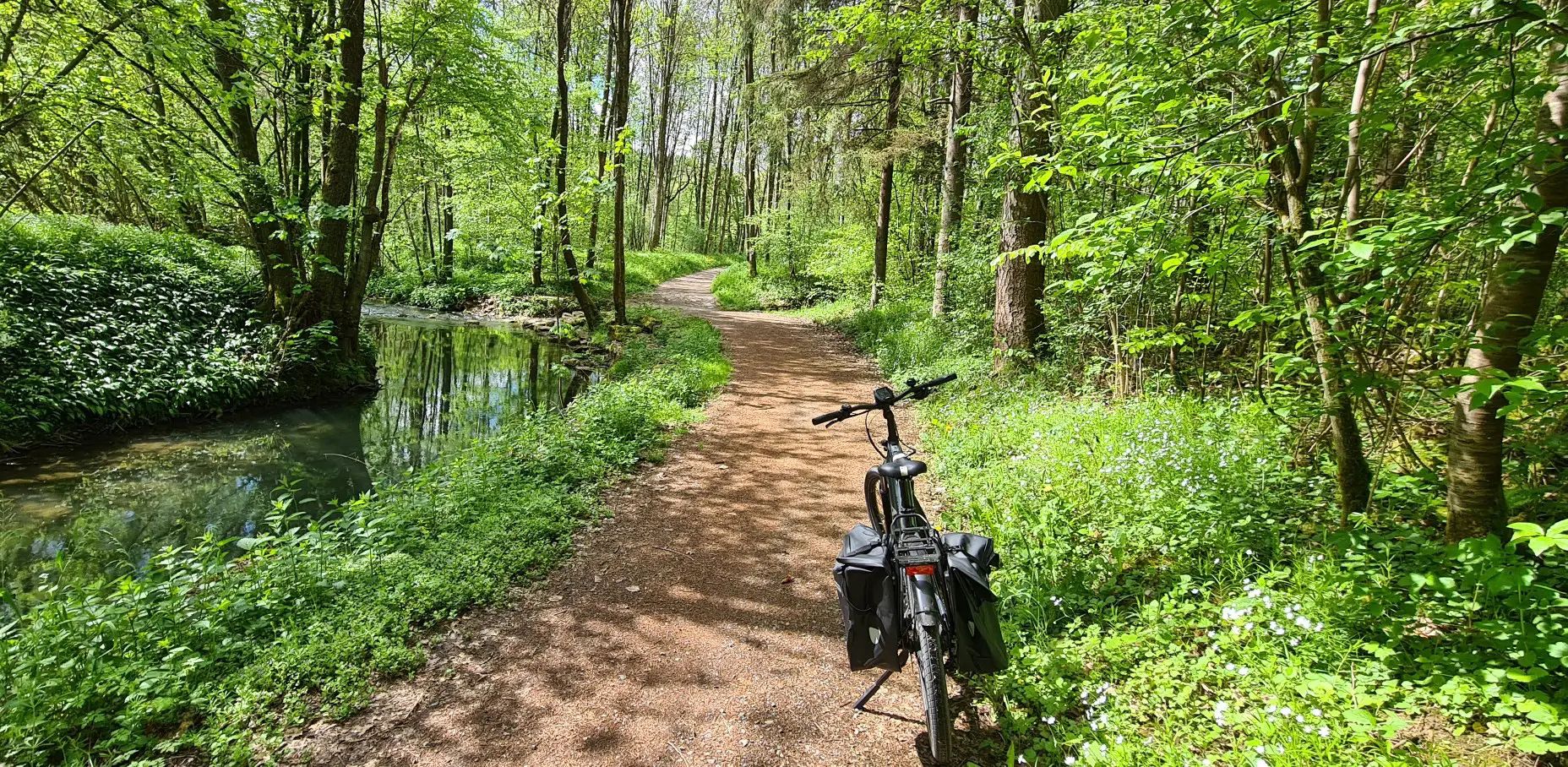
Germany's Main-Tauber-Franconian Radachter – two loops, one experience
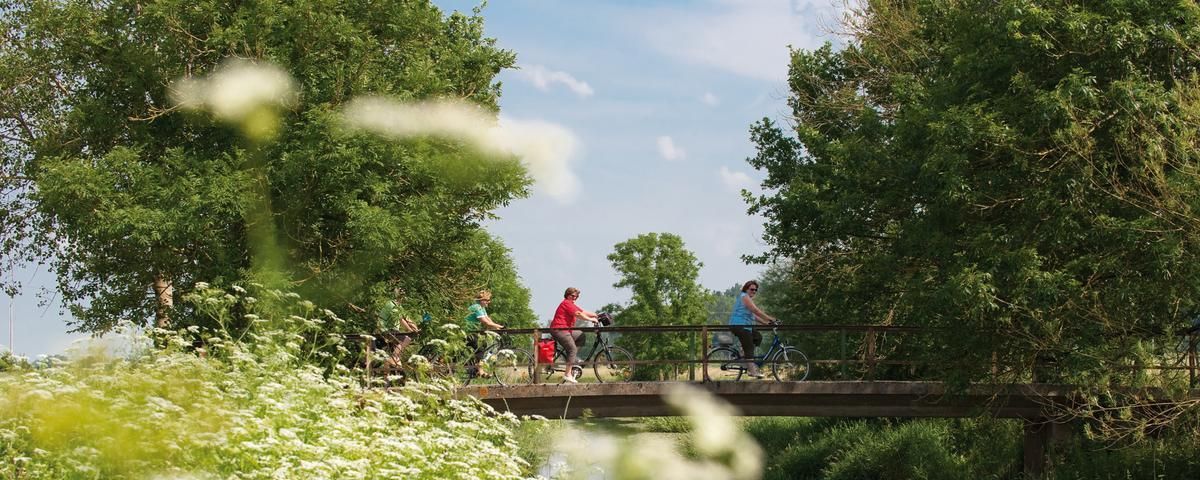
The most beautiful long-distance cycle paths in Franconia
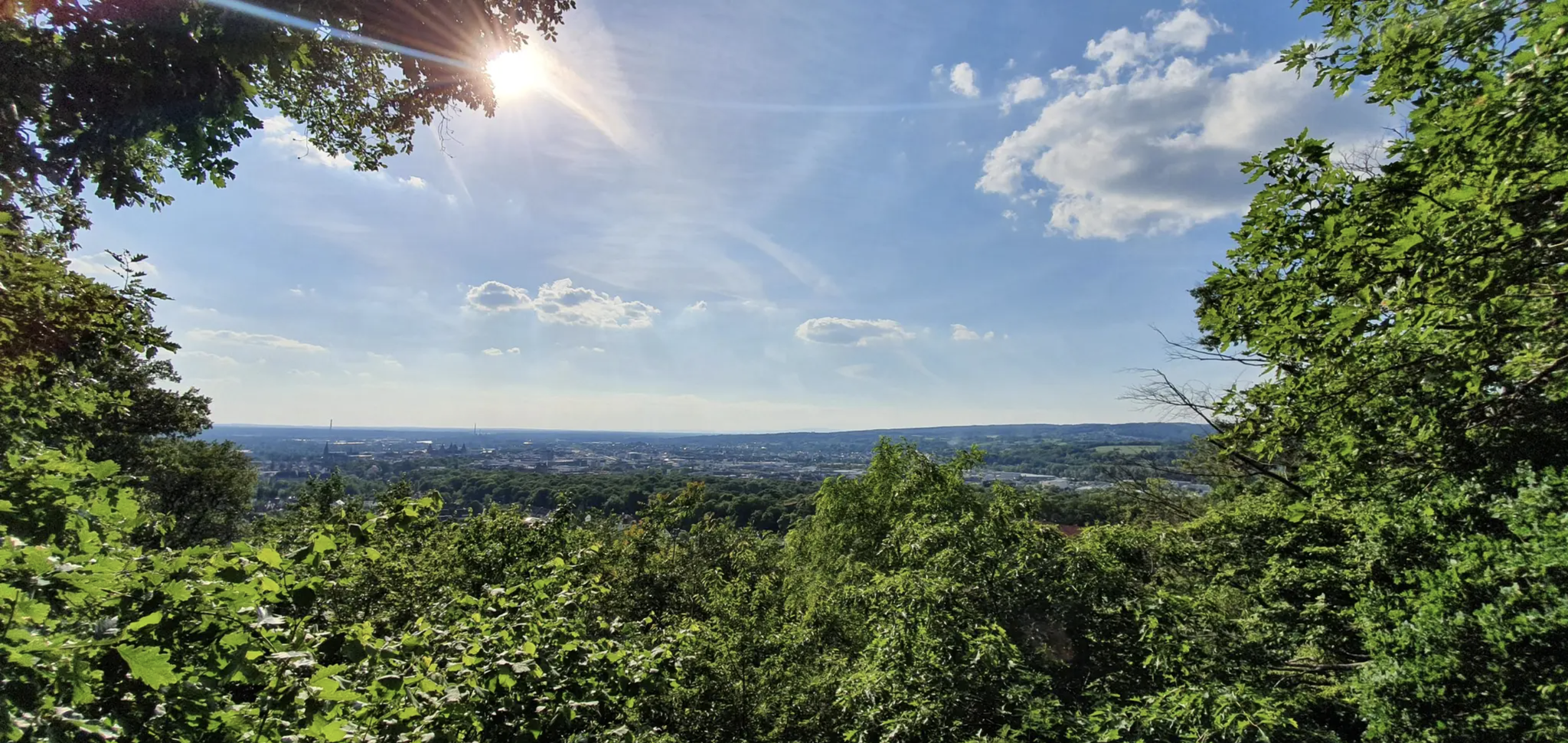
Germany's Spessart Trail – Free as a bird
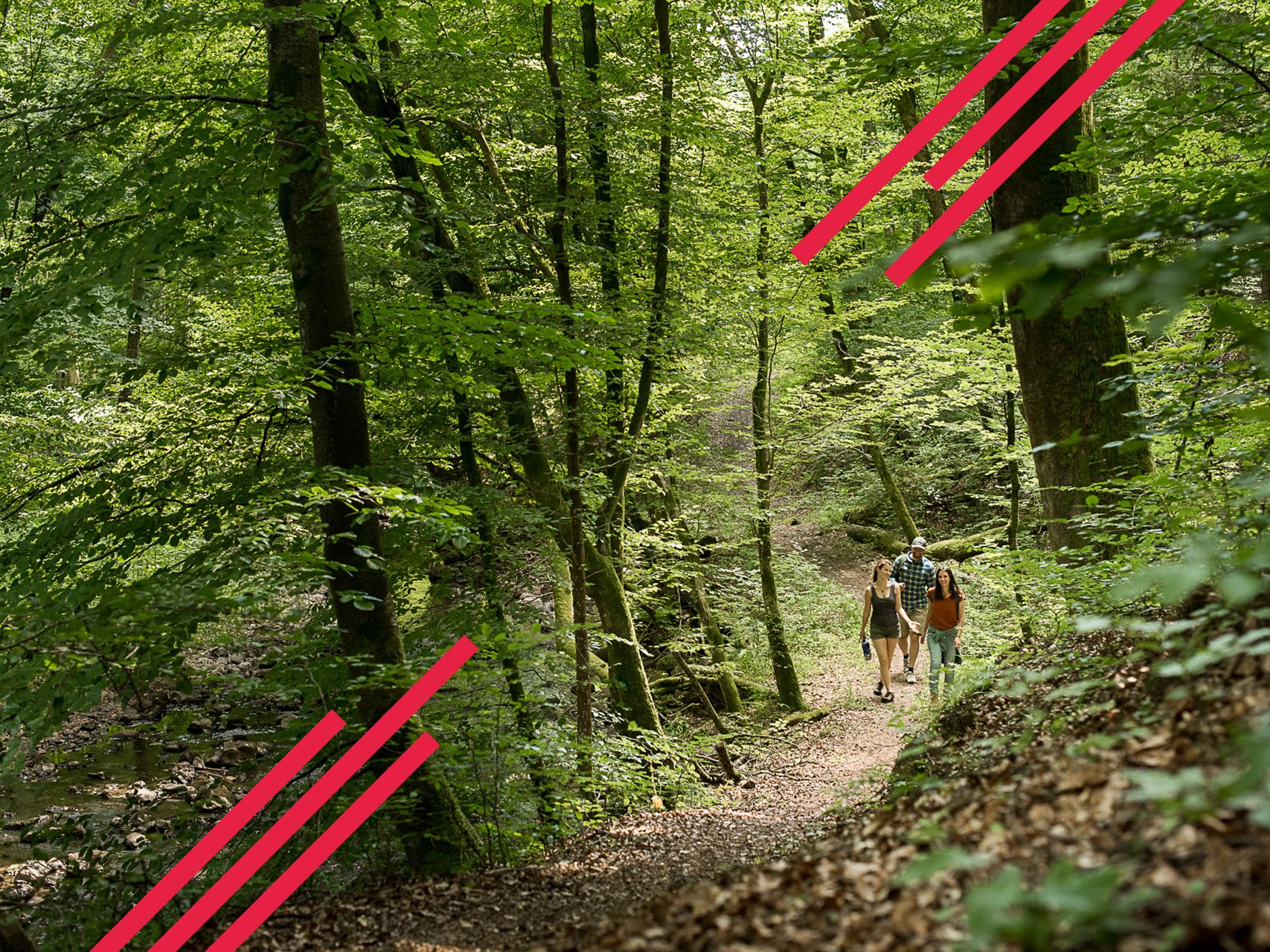
Relaxed hiking in the Spessart – short trails of discovery
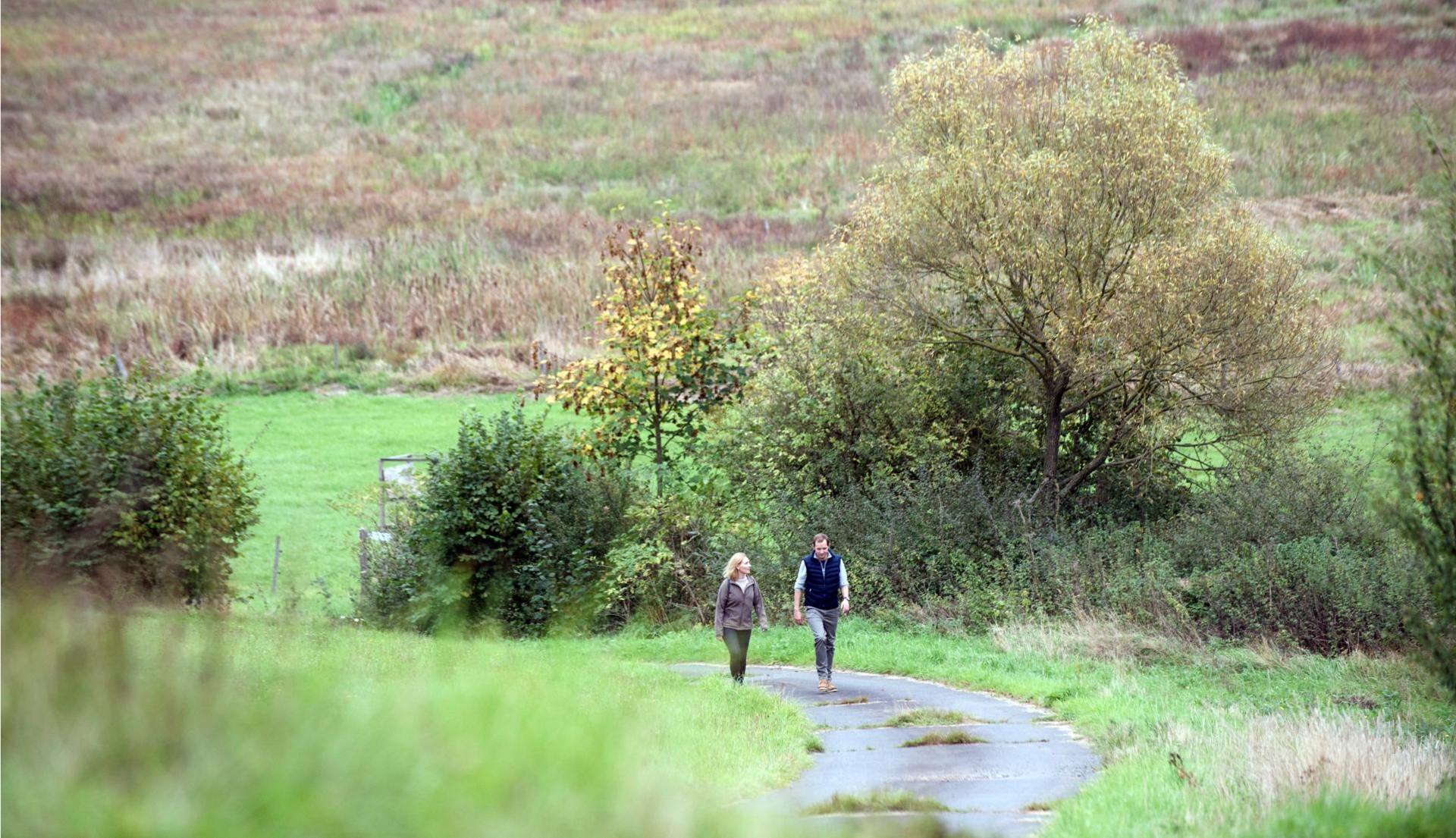
Pleasure hiking in the Spessart: trails that taste as good as they look
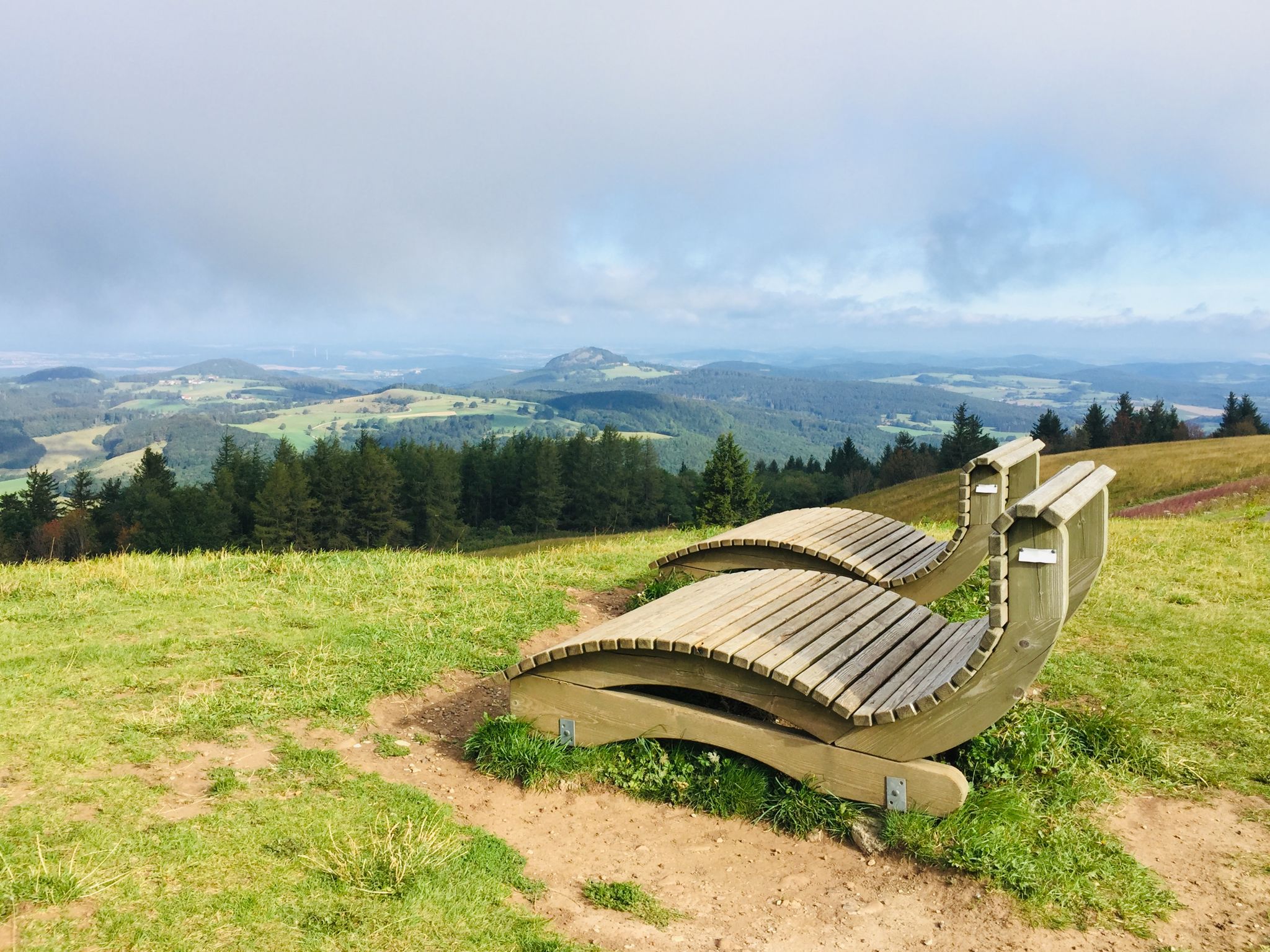
The National Natural Landscapes in Hessen
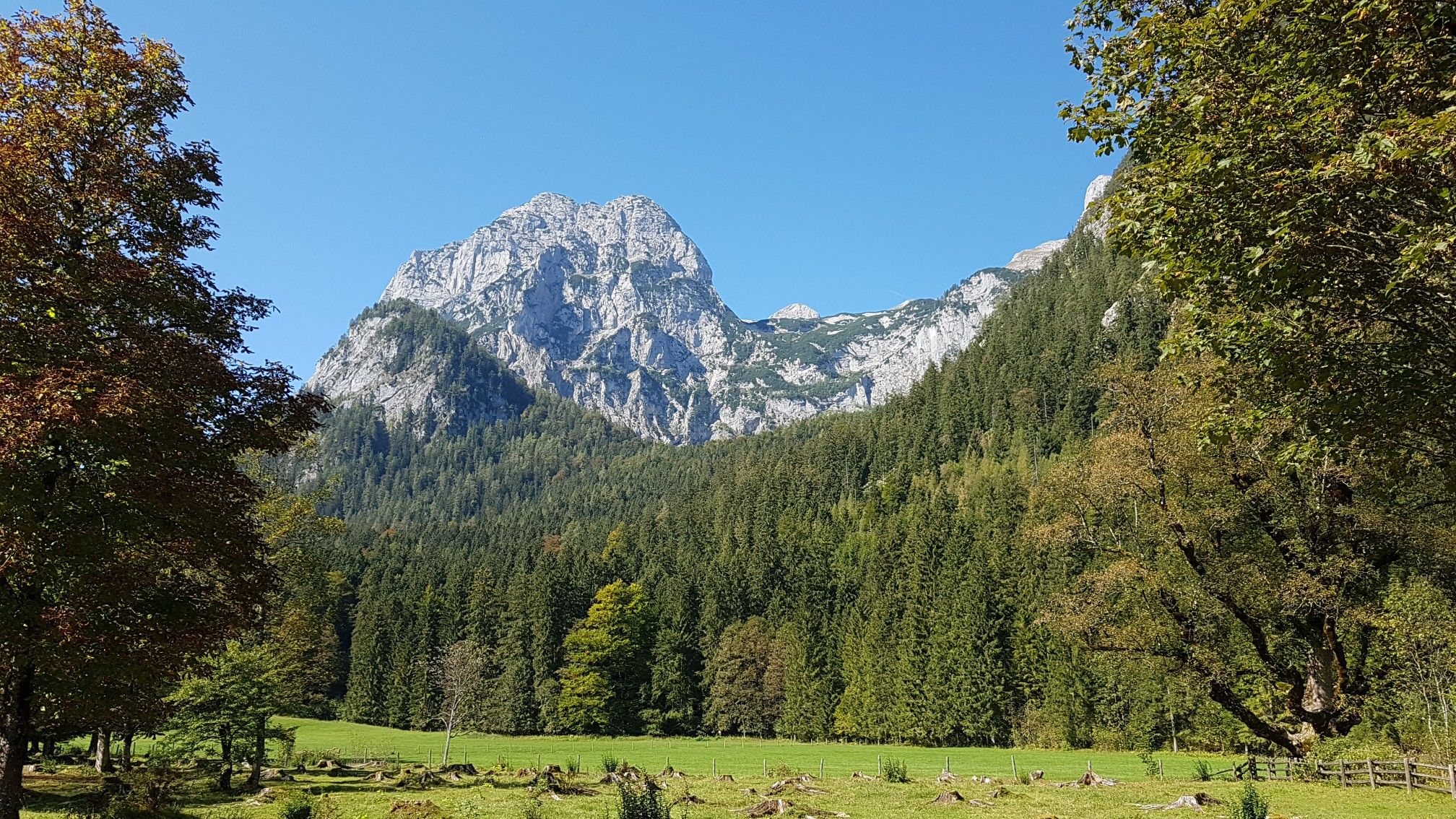
The National Natural Landscapes in Bavaria
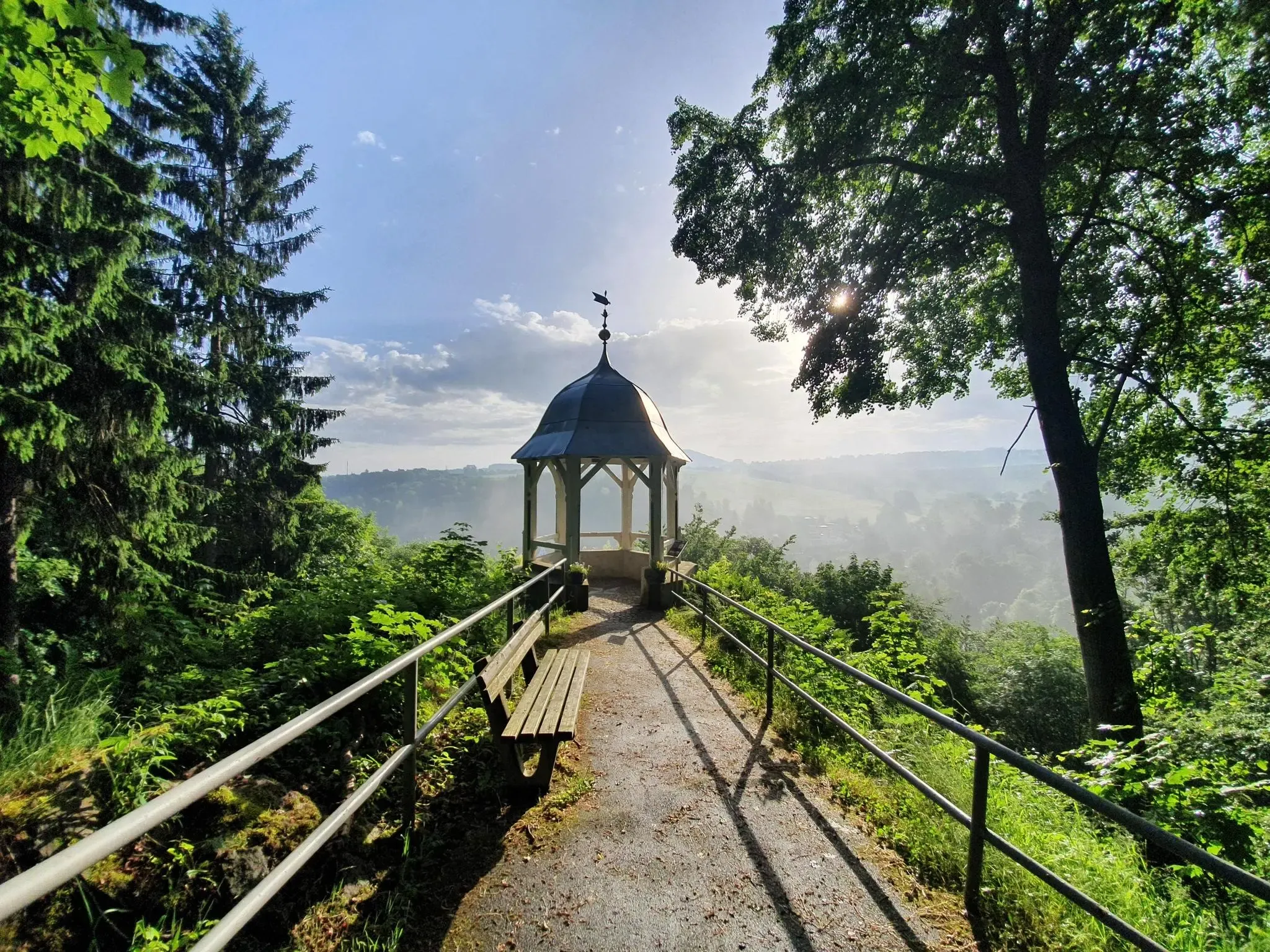
#GoFurther – discover the views of Germany!
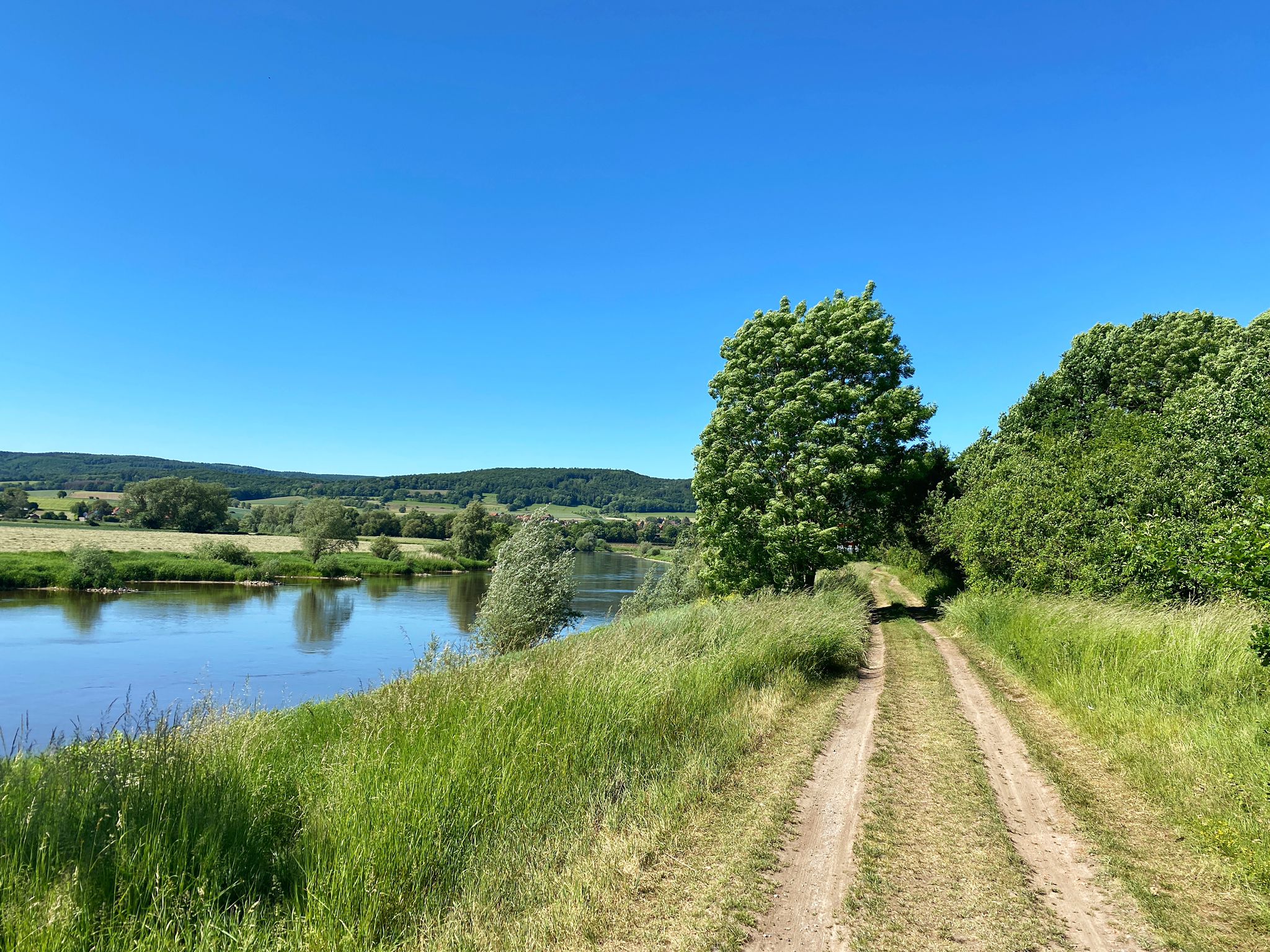
D:Route 9: Weser - Romantic Route
Other adventures in Naturpark Spessart


Tips from the Community

The large Mariengrotte is a very 😀 beautiful, lovingly designed and maintained facility in the Bächlesgrund and is one of the highlights on the “Seven Grottoes Trail”
1
0
There is a very well-kept and beautiful grotto dedicated to the Virgin Mary, right on the path from Sommerkahl up to the "Engländer". Here you can also linger for a moment and take a break.
3
0
It's a beautiful and well-maintained place. A perfect spot for a peaceful break.
3
0

One of the grottos on the 7-Grottes Trail
0
0

The Bensenbruch was once a place of refuge during the Second World War where people sought protection.
1
1

There is a good parking lot at the mine.
3
0

Bensenbruch at the end of the Second World War. Since Gailbach and Dörrmorsbach became a combat zone during Holy Week 1945, people took refuge in cellars and tunnels to avoid bombs and grenades. People also sought refuge in the Bensenbruch, an old quarry. An approximately 15 meter long and over 2 meter high room in the form of a cellar vault could accommodate 50 to 60 people.
1
0
Bensenbruch Two caves remain from the former Bensenbruch. In the larger one, 50 to 60 people could find shelter during a bomb attack in 1945. The lamprophyre dike is bordered by the basal breccia (Buntsandstein) alternating with siltstones from the crumbly slate series.
1
1
Frequently Asked Questions
What types of caves can I explore in Naturpark Spessart?
Naturpark Spessart offers a variety of subterranean experiences, including natural fissure caves, dripstone caves, and former mining tunnels. You can find geological formations like those in the Teufelshöhle, as well as historical sites like the Wilhelmine Copper Mine.
Are there any historical caves or mining tunnels to visit in Naturpark Spessart?
Yes, the region has several historical sites. The Wilhelmine Copper Mine is a notable example where you can explore old tunnels and learn about historical mining methods. Another is The Stone House of Lohr, a former quarry that served as a shelter for charcoal burners and forest workers.
Is the Teufelshöhle (Devil's Cave) in Spessart open to the public?
Yes, the Teufelshöhle near Steinau an der Straße is Hessen's oldest show cave and is open to the public. Visits are typically part of a guided tour, which lasts about 60 minutes. You can check current opening hours and tour schedules on the official website of the cave.
What is unique about the Teufelshöhle's geological formation?
The Teufelshöhle is a dripstone cave approximately 2.5 million years old, formed within lower Muschelkalk. This is a rare geological feature in the Spessart, where red sandstone and basalt usually dominate. Visitors can see impressive stalactites, stalagmites, and stalagnates within its three substantial chambers.
Are there family-friendly cave experiences in Naturpark Spessart?
Many caves in Naturpark Spessart are suitable for families. For instance, the Wilhelmine Copper Mine and the Marian Grotto in the Bächlesgrund are both categorized as family-friendly. The guided tours at Teufelshöhle also offer an engaging experience for all ages.
Can I find any caves with religious or cultural significance in the region?
Yes, the Marian Grotto in the Bächlesgrund is a religious building and natural monument, appreciated for its serene setting and natural spring water. Additionally, the Burkardus Crypt is noted for its historical significance, as St. Burkardus is said to have died there in 753.
What are the typical visiting hours or tour durations for caves in Naturpark Spessart?
For the Teufelshöhle, guided tours typically last about 60 minutes. For other sites like the Wilhelmine Copper Mine, it's best to check their specific opening times and tour schedules directly, as these can vary seasonally.
Are there any caves in Naturpark Spessart that are remnants of volcanic activity?
Yes, the Teschen Cave is unique as it is the only volcanic vent in the Spessart. It was formed around 43 million years ago and later used as a quarry for basalt extraction.
What kind of wildlife can be found in the caves of Naturpark Spessart?
The Teufelshöhle serves as a significant wintering spot for various bat species, including Bechstein's bat, whiskered bat, water bat, Geoffroy's bat, long-eared bat, and greater mouse-eared bat.
Are there hiking trails that incorporate cave visits in Naturpark Spessart?
Yes, Naturpark Spessart is known for its extensive hiking trails. For example, a signposted 8.5 km nature trail leads around the Wilhelmine Copper Mine. You can find many more options for hiking in Naturpark Spessart, some of which may pass by or near cave sites.
What should I wear when visiting caves in Naturpark Spessart?
Caves typically maintain a cool, constant temperature year-round, regardless of the outside weather. It's advisable to wear layers of clothing, including a warm jacket or sweater, and sturdy, closed-toe shoes with good grip, as surfaces can be damp and uneven.
Is the Schächerloch Cave accessible to visitors?
The Schächerloch Cave, a natural fissure cave in the Main-Spessart area, is a natural monument. While its entrance leads about four meters deep, passages further in are now largely filled. It's primarily a site of natural and historical interest rather than a developed show cave for extensive exploration.
Are there any caves in Naturpark Spessart that served as shelters during historical events?
Yes, the Bensenbruch Quarry and World War II Shelter is an example of a site that served as a retreat during historical times. Similarly, The Stone House of Lohr was historically used as a shelter for charcoal burners and forest workers.
What is the best time of year to visit the caves in Naturpark Spessart?
Caves generally maintain a stable internal temperature, making them suitable for visits year-round. However, access to some caves or surrounding trails might be easier during spring, summer, and autumn when weather conditions are milder. For the Teufelshöhle, it's important to check their specific operating seasons and hours, as they may vary.
Are there options for public transport to reach caves in Naturpark Spessart?
While Naturpark Spessart is well-connected by public transport for general travel, direct access to all cave sites can vary. The Teufelshöhle is located near Steinau an der Straße, which has public transport connections. For specific cave locations, it's recommended to check local bus schedules or consider combining public transport with a hike or a short taxi ride.
Most popular routes in Naturpark Spessart
Most popular attractions in Naturpark Spessart

Get inspired with the komoot mobile app


Explore more
Extend your search for the best caves by checking out these guides of the top ones in Naturpark Spessart:
