Attractions and Places To See around Rühstädt - Top 20
Attractions and places to see around Rühstädt are primarily centered around its designation as the "European Stork Village." Situated within the UNESCO Biosphere Reserve River Landscape Elbe-Brandenburg, the region offers a blend of natural beauty, historical landmarks, and cultural insights. Visitors can explore idyllic river landscapes, extensive meadows, and observe wildlife, particularly the famous white stork colony. The area is also known for its cycling and hiking opportunities along the Elbe.
Best attractions and places to see around Rühstädt
- The…
Last updated: October 9, 2026
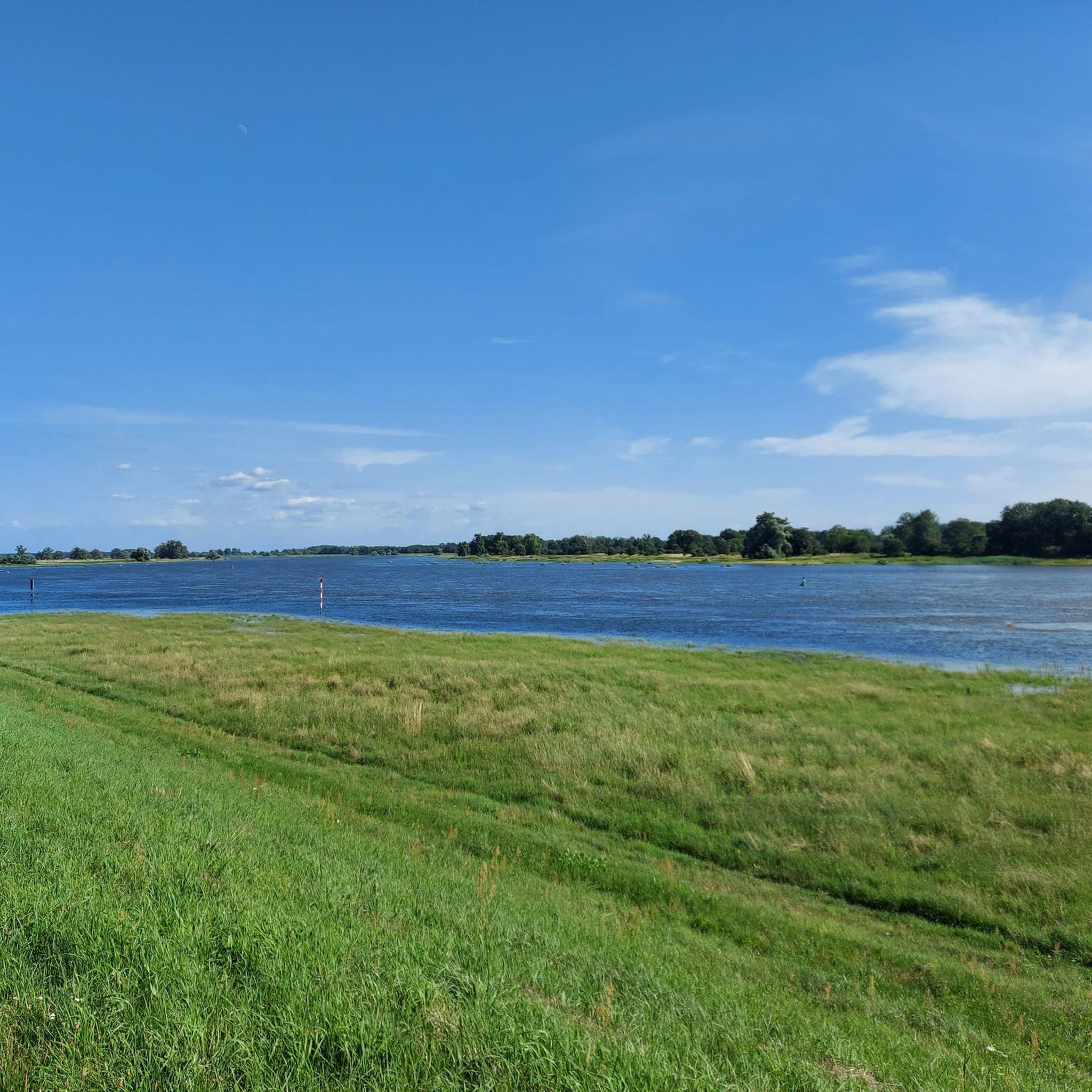
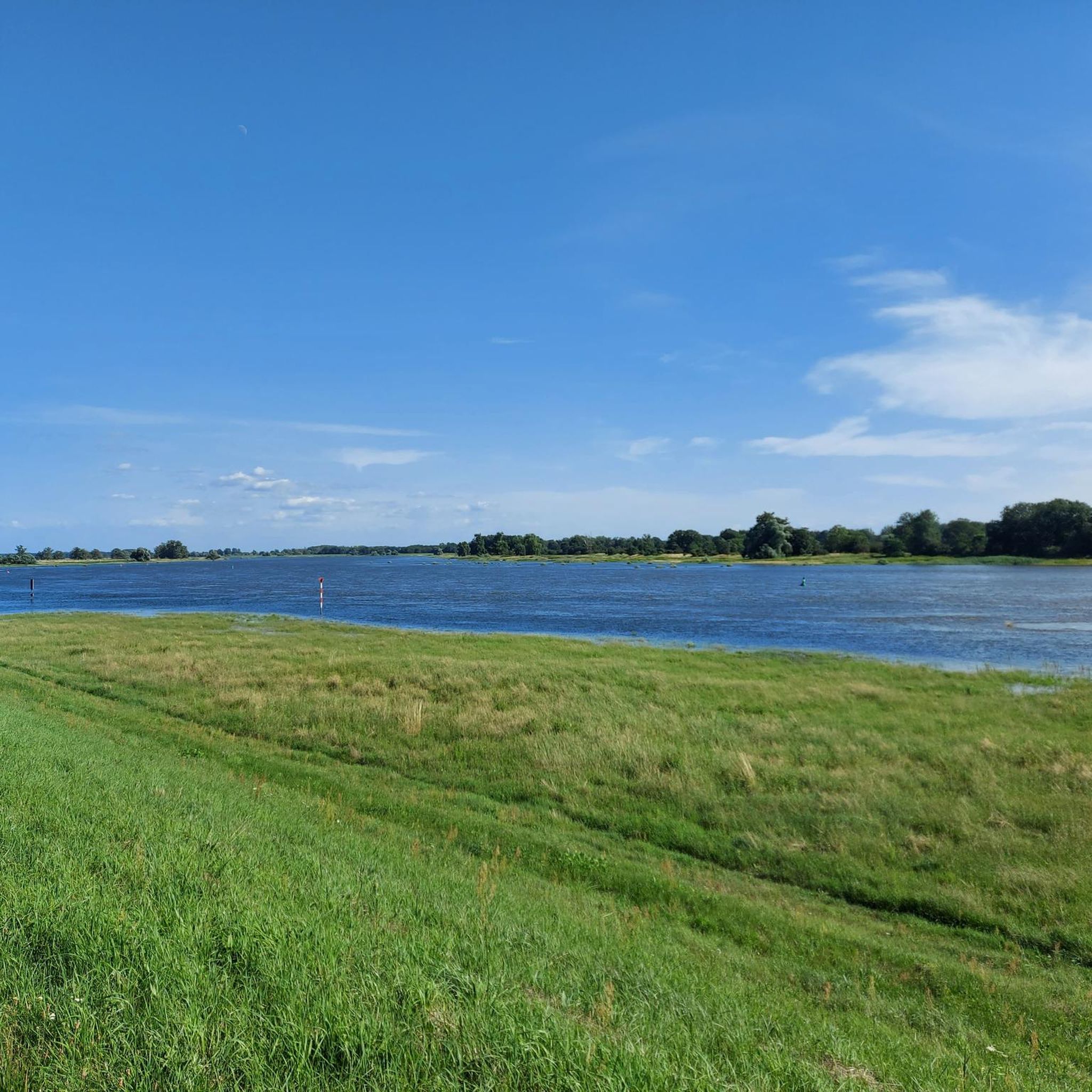
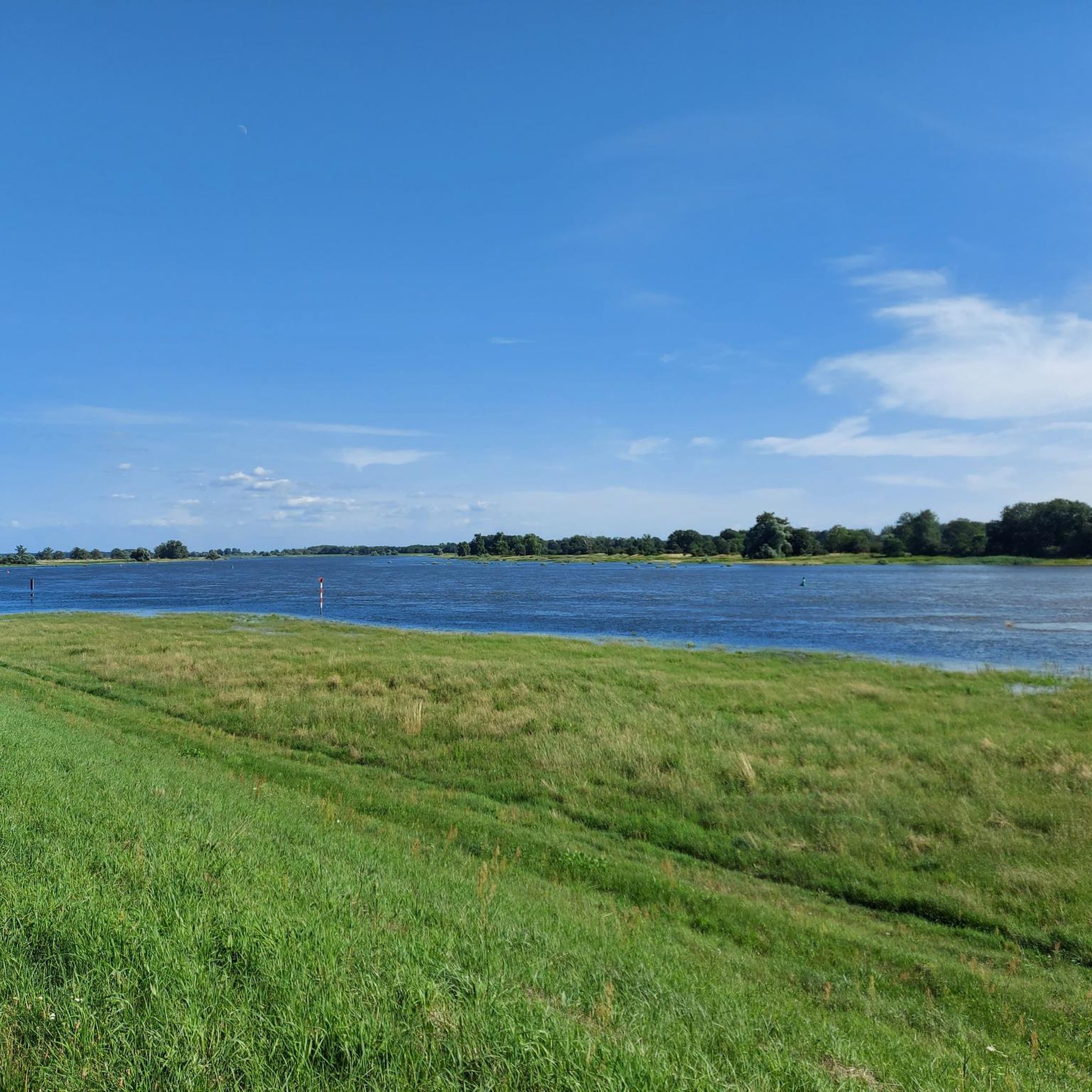
Confluence of the Gnevsdorfer Vorfluter and the Elbe
Highlight • River
Translated by Google •
Tip by

Old Oil Mill Wittenberge
Highlight • Historical Site
Translated by Google •
Tip by

Sign up now to discover places like this
Get recommendations on the best single tracks, peaks, & plenty of other exciting outdoor places.
View of the confluence of the Elbe and Havel
Highlight • Viewpoint
Translated by Google •
Tip by

Stork Village Rühstädt
Highlight • Settlement
The place is beautifully decorated and offers several options for a good stop.
Translated by Google •
Tip by

Gnevsdorf Weir
Highlight • Structure
Translated by Google •
Tip by

Sign up for free to discover even more attractions around Rühstädt.
Already have an account?
Start today with a free account
Your next adventure awaits.
Popular around Rühstädt
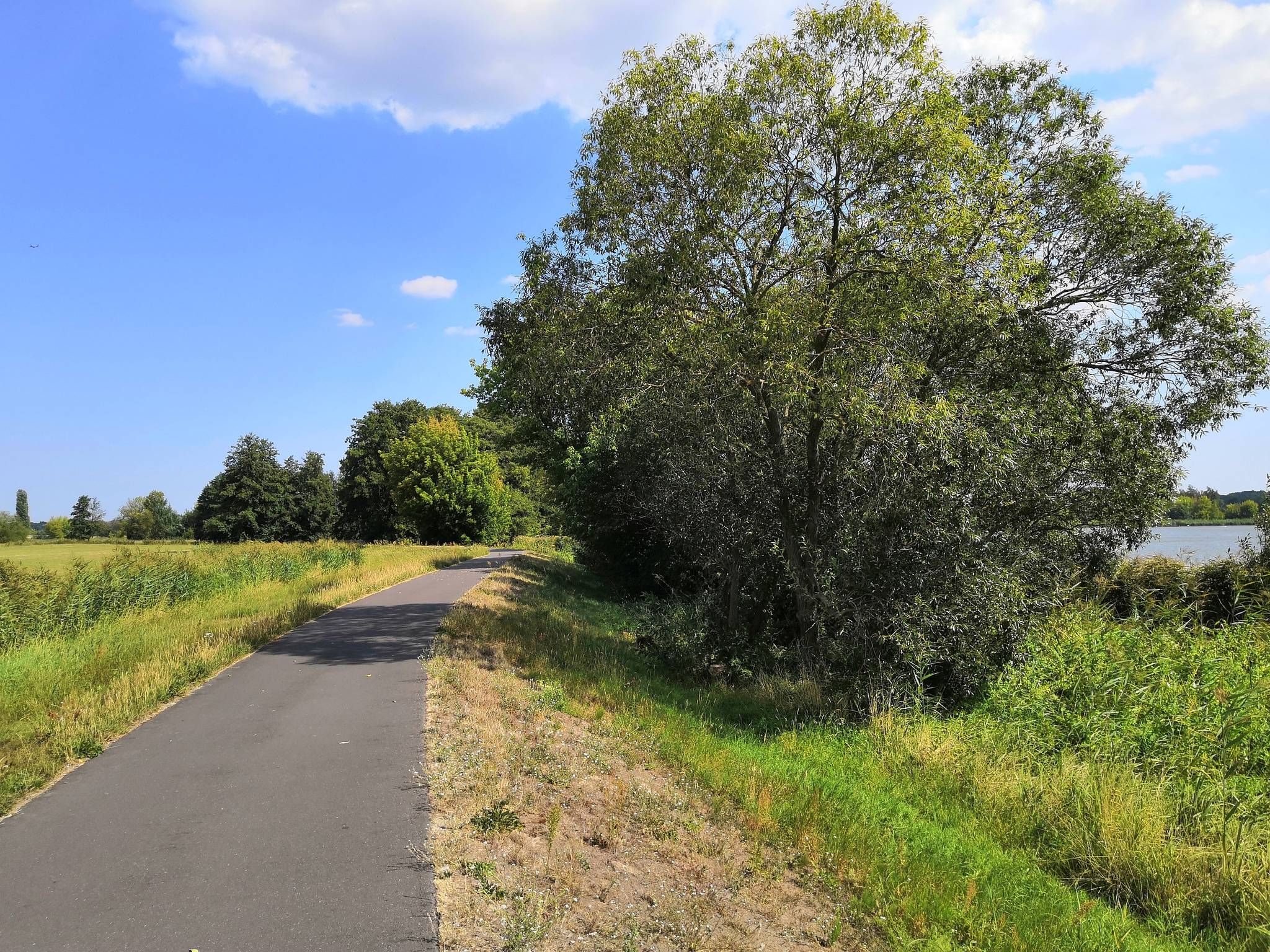
The Havel Cycle Path – in 6 stages from its source to its mouth
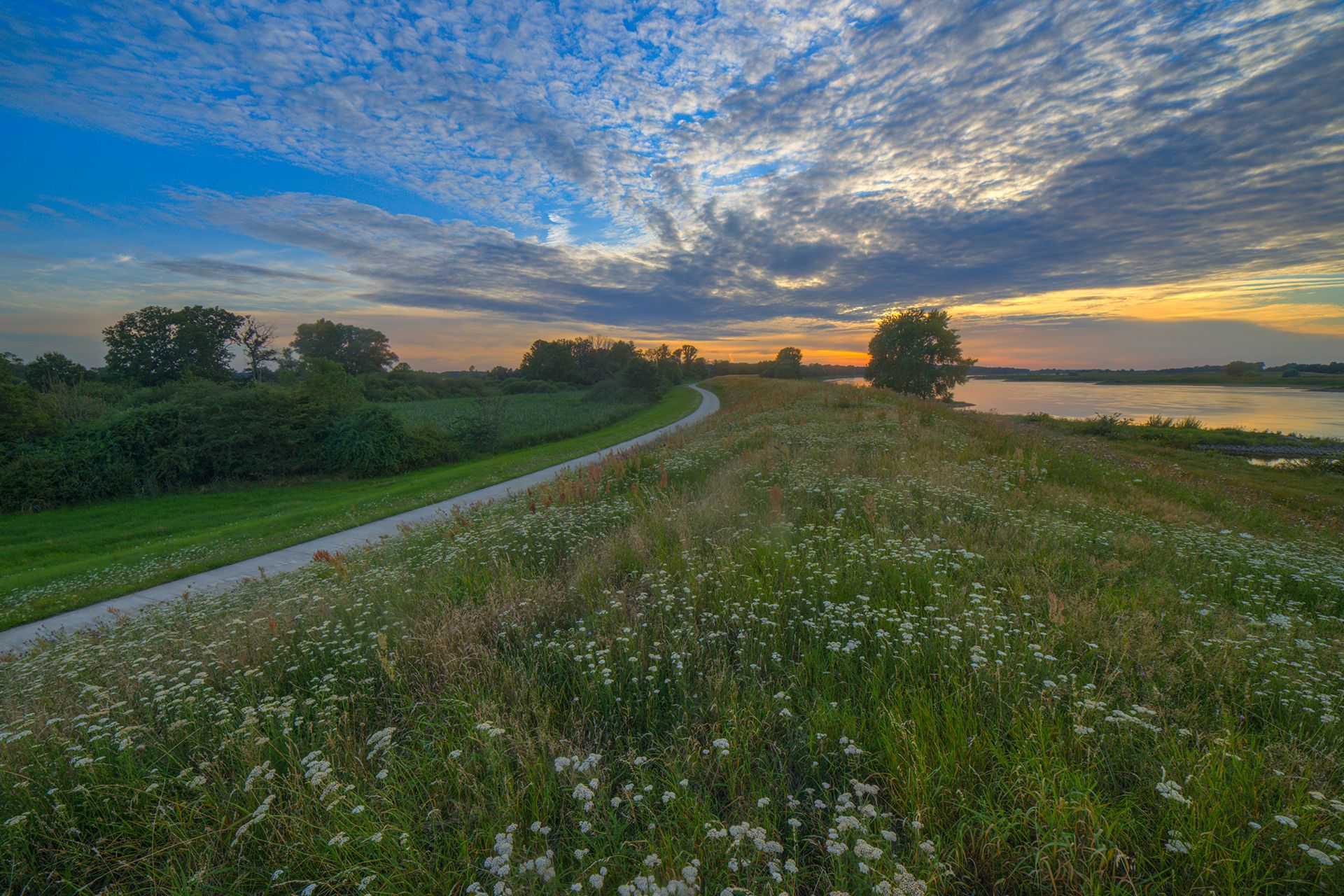
D-Route 10: Elbe Cycle Route
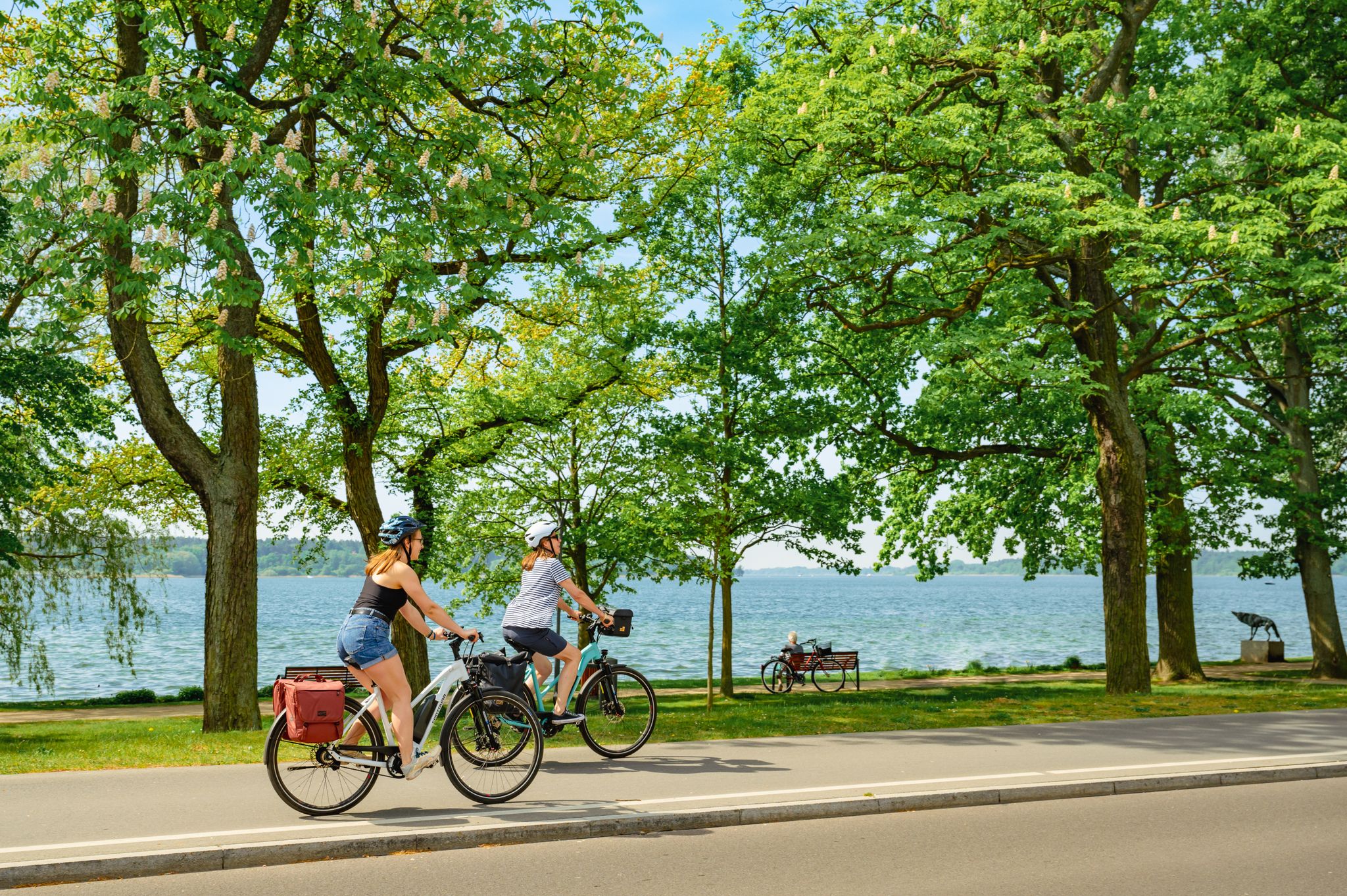
Elbe-Müritz Rundweg: Radeln zwischen Fluss und Seenparadies
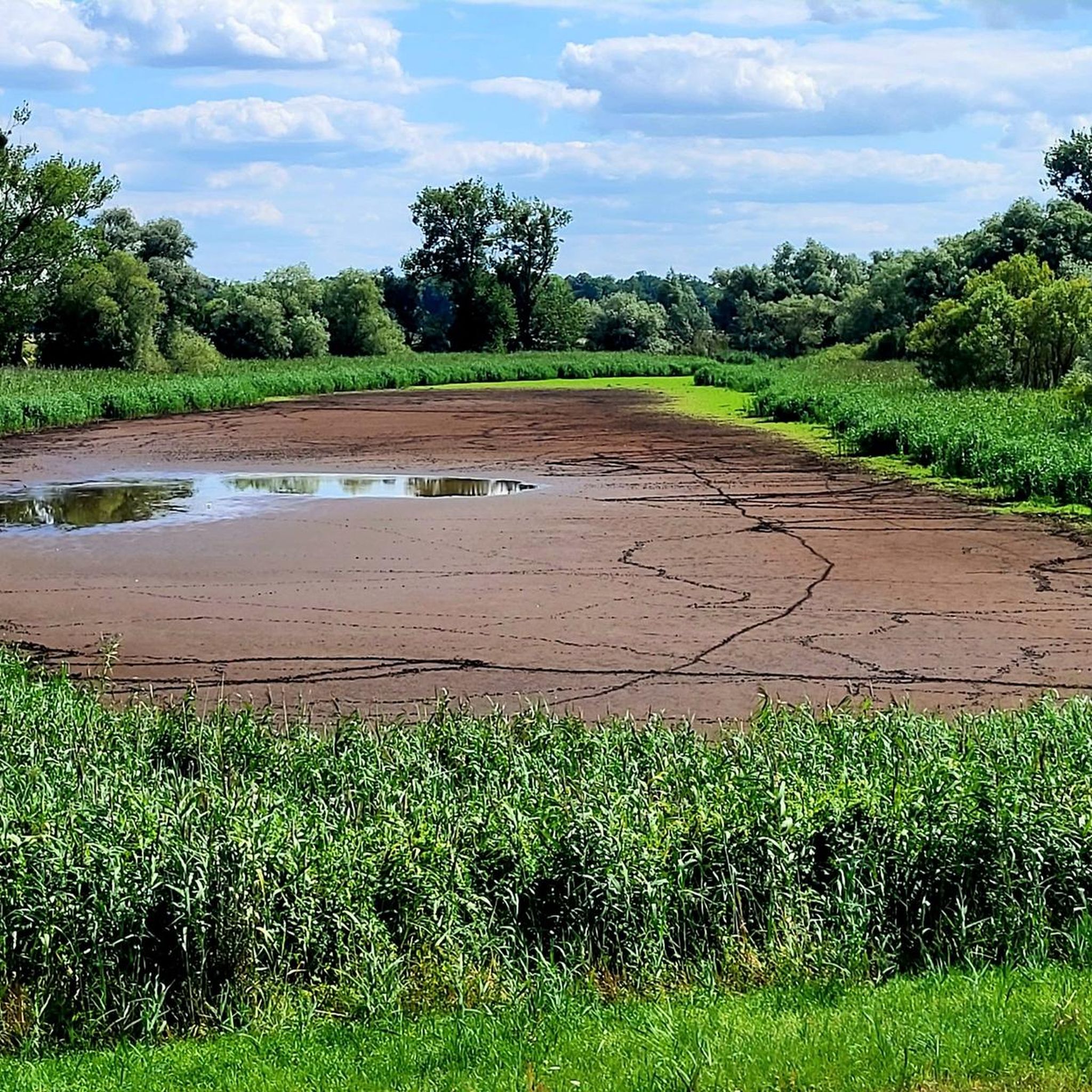
Hiking around Rühstädt
Cycling around Rühstädt
Running Trails around Rühstädt
Road Cycling Routes around Rühstädt
MTB Trails around Rühstädt
Gravel biking around Rühstädt


Tips from the Community

Great natural landscape here, where the rivers run parallel for 20km and then merge.
1
0

I particularly like the cycle path between the Elbe and the Havel tributaries, from Gnevsdorf to Quitzöbel. It's pure nature. There are two observation towers from which you can easily observe many animals, especially birds. Coming from Wittenberge, cycle over the Gnevsdorf weir and at the oxbow weir, return to the mainland to Quitzöbel, then cycle back to Wittenberge or to Netzow and then on to Werben and Havelberg.
1
0

As of September 2024: Weir is passable but still a construction site.
2
0

Fantastic views and well-developed cycle paths
3
0

Since the Elbe fluctuates much more than the Havel, there is another weir directly at the mouth of the receiving water. It has no function during high water, but when the Elbe is low it prevents the Havel from draining.
2
0

The "Wittenberge Oil Mill" is a listed building in the town of Wittenberge on the Elbe. The building complex, consisting of the administration building, the mill's main body, workshops and storage facilities, was built in the middle of the 19th century to produce crude oil. Oil production was abandoned following German reunification in 1991. A company then took over the use of the buildings and set up the "Zur Alten Ölmühle" hotel in them. A restaurant and a brewery are attached. Delicious beer and great service!
6
0

As of today: no more construction site and freely passable 👍
4
0
The Gnevsdorf drainage canal is an approximately eleven-kilometer-long, artificially constructed canal between the Havel and Elbe rivers, serving as an additional outlet into the Elbe. Its design aimed to shift the Elbe's backwater level downstream to a lower level, thus effectively relieving pressure on the Lower Havel during floods. Simultaneously, the canal improves the flow of Havel water to the Elbe, which has a steeper gradient. The Gnevsdorf drainage canal is part of a comprehensive flood control system that also includes several weirs and the Havelberg lock. A fantastic route along the Elbe Cycle Path, a relaxed tour with no significant difficulties. The scenery is beautiful, always by the water, pure nature. The old farmhouses are charming, and the route is very varied.
8
1
Frequently Asked Questions
What natural features and wildlife can I observe in Rühstädt?
Rühstädt is renowned as the "European Stork Village," home to Central Europe's largest white stork colony. You can observe over 30 stork couples nesting on rooftops and platforms, especially during spring and summer. The village is nestled within the UNESCO Biosphere Reserve River Landscape Elbe-Brandenburg, offering idyllic river landscapes, extensive meadows, and forests, perfect for nature observation. A notable natural point is the Confluence of the Gnevsdorfer Vorfluter and the Elbe, where several cycle paths converge.
What historical landmarks are there to explore in Rühstädt?
Rühstädt offers several historical sites. You can visit the Alter Wasserturm (Old Water Tower), built in 1883, which has also served as a stork nesting site since 1952. The Baroque Schloss (Castle), dating back to the 16th century, is now a wellness hotel. The Evangelical Dorfkirche (Village Church) from the late 15th century features a reconstructed Wagner organ and epitaphs of local noble families. Additionally, a 10-meter high Sandstone Obelisk stands in the Schlosspark, and a monument in Abbendorf commemorates historical events.
Are there any cultural sites or museums related to Rühstädt's unique character?
Yes, the NABU Visitor Center Rühstädt provides extensive information about white storks and local wildlife, with exhibitions like "Globetrotter Adebar" and live video feeds of stork nests. You can also visit the "Stork House" near the water tower for insights into the life of the white stork.
What outdoor activities are popular around Rühstädt?
Rühstädt is ideal for outdoor enthusiasts. You can enjoy cycling along long-distance routes like the Elberadweg and local hiking trails such as the Karthanepfad and Rühstädter Elbdeichrundgang. A unique activity is the Stork-Walk, a self-guided tour through the village to observe the numerous stork nests. For specific routes, consider exploring options like the Cycling around Rühstädt guide or the Hiking around Rühstädt guide.
Are there family-friendly attractions or activities in Rühstädt?
Absolutely. Observing the white storks in Stork Village Rühstädt is a captivating experience for all ages. The NABU Visitor Center offers educational programs and exhibitions suitable for families. The Schlosspark provides pleasant walks, and the various cycling and hiking trails, many of which are easy, are great for family outings.
What is the best time to visit Rühstädt for nature observation, especially storks?
The best time to visit Rühstädt for stork observation is during the spring and summer months, typically from April to August. This is when the white storks return to nest, lay eggs, and raise their young, offering the most active and visible period for their colony.
Where can I find the best viewpoints around Rühstädt?
For expansive views, visit the View of the confluence of the Elbe and Havel, a popular spot known for its scenic vistas and well-developed cycle paths. Another excellent location is the Gnevsdorf Weir, which offers a beautiful panorama, especially between the Havel and Elbe rivers.
Can I find cycling routes near Rühstädt's attractions?
Yes, Rühstädt is well-connected to several cycling routes. The village is situated on the famous Elberadweg (Elbe Cycle Path) and the Brandenburg Tour. You can find numerous routes, including easy loops like the "Village Church Rühstädt – Stork Village Rühstädt loop from Rühstädt" or the "Bike loop from Rühstädt." Explore more options in the Cycling around Rühstädt guide.
Are there hiking trails suitable for different difficulties around Rühstädt?
Yes, the region around Rühstädt offers hiking trails for various skill levels. You can find easy routes such as the "Havel Confluence With the Elbe – Stork Village Rühstädt loop from Rühstädt," or moderate options like the "Grumbkow Obelisk – Stork Village Rühstädt loop from Rühstädt." For more challenging hikes, consider the "Stork Village Rühstädt – Havel Confluence With the Elbe loop from Rühstädt." Discover more trails in the Hiking around Rühstädt guide.
Are there any special events in Rühstädt?
Rühstädt celebrates its most famous residents with the annual "Stork Festival," held on the last Saturday in July. This festival offers information, activities, and local festivities centered around the white storks.
Are there places to eat or stay near the attractions in Rühstädt?
The village of Rühstädt itself offers several options for good stops, including restaurants and beautifully renovated buildings. Nearby, the Old Oil Mill Wittenberge has been revitalized to include a restaurant, pub, cafe, and even a hotel, offering a unique blend of industrial architecture and modern amenities.
How long should I plan for a visit to Rühstädt's attractions?
To fully experience the main attractions, including stork observation, the NABU Visitor Center, and a walk through the village or Schlosspark, a full day is recommended. If you plan to explore the cycling or hiking trails in the UNESCO Biosphere Reserve, you might consider extending your visit to two or more days.
Most popular routes around Rühstädt
Most popular attractions around Rühstädt

Get inspired with the komoot mobile app


Explore more
Still not found the Highlight you’re looking for? See guides of the top attractions in other regions:
