The best cycling routes around Rühstädt
4.5
(107)
357
riders
17
rides
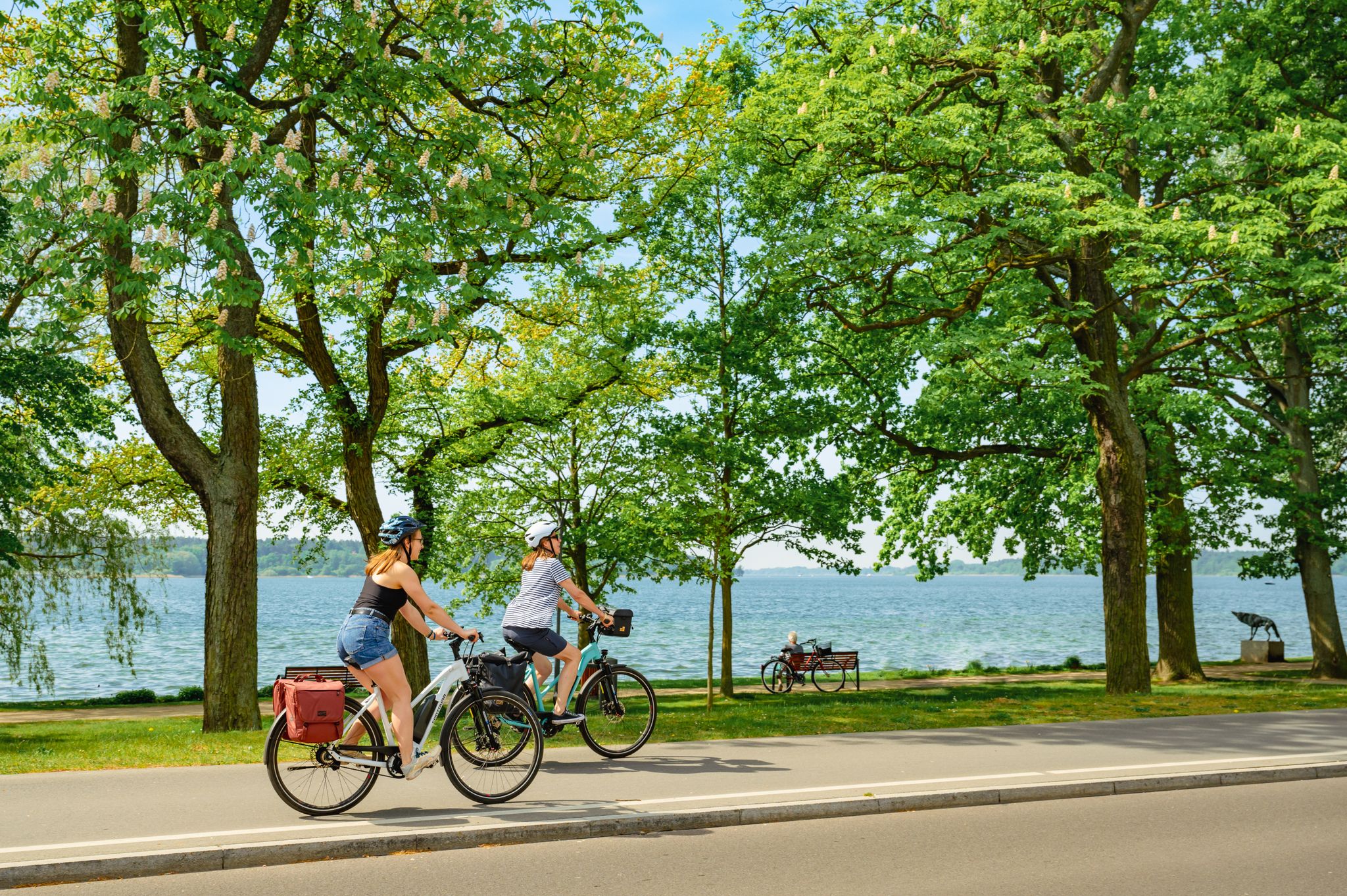
Touring cycling around Rühstädt is characterized by its location within the UNESCO Elbe River Landscape Biosphere Reserve. The region features the Elbe River and its extensive floodplains, including marshland and wet meadows. Inland, the landscape consists of grazing meadows and arable fields, with predominantly flat terrain and well-maintained cycling paths. The confluence of the Elbe and Havel rivers offers additional routes through this protected natural environment.
Best touring cycling routes around Rühstädt
- The most popular touring cycling route is Village…
Last updated: June 28, 2026
4.9
(8)
28
riders
20.1km
01:15
30m
30m
Easy bike ride. Great for any fitness level. Mostly paved surfaces. Suitable for all skill levels.
4.5
(4)
23
riders
Easy bike ride. Great for any fitness level. Mostly paved surfaces. Suitable for all skill levels.

Sign up for free
5.0
(5)
18
riders
Easy bike ride. Great for any fitness level. Mostly paved surfaces. Suitable for all skill levels.
4.9
(7)
14
riders
Easy bike ride. Great for any fitness level. Mostly paved surfaces. Suitable for all skill levels.
3.0
(1)
5
riders
66.0km
03:56
110m
110m
Moderate bike ride. Good fitness required. Mostly paved surfaces. Suitable for all skill levels.
Get access to more routes and recommendations from other explorers.
Sign up for free
Already have an account?
Our route recommendations are based on thousands of hikes, rides, and runs completed by other people on komoot.
Start today with a free account
Your next adventure awaits.
Login or Signup
Popular around Rühstädt


Tips from the Community

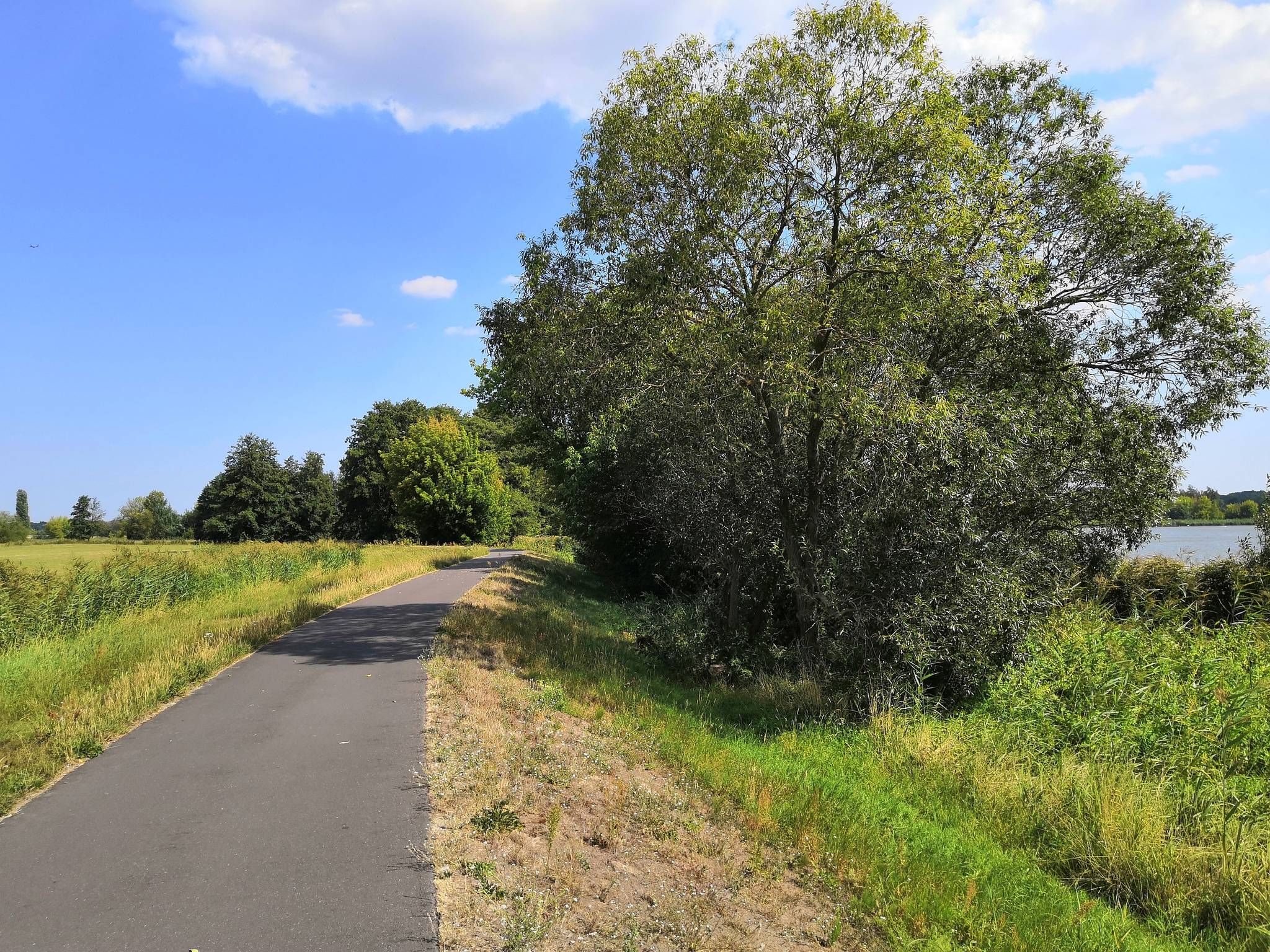
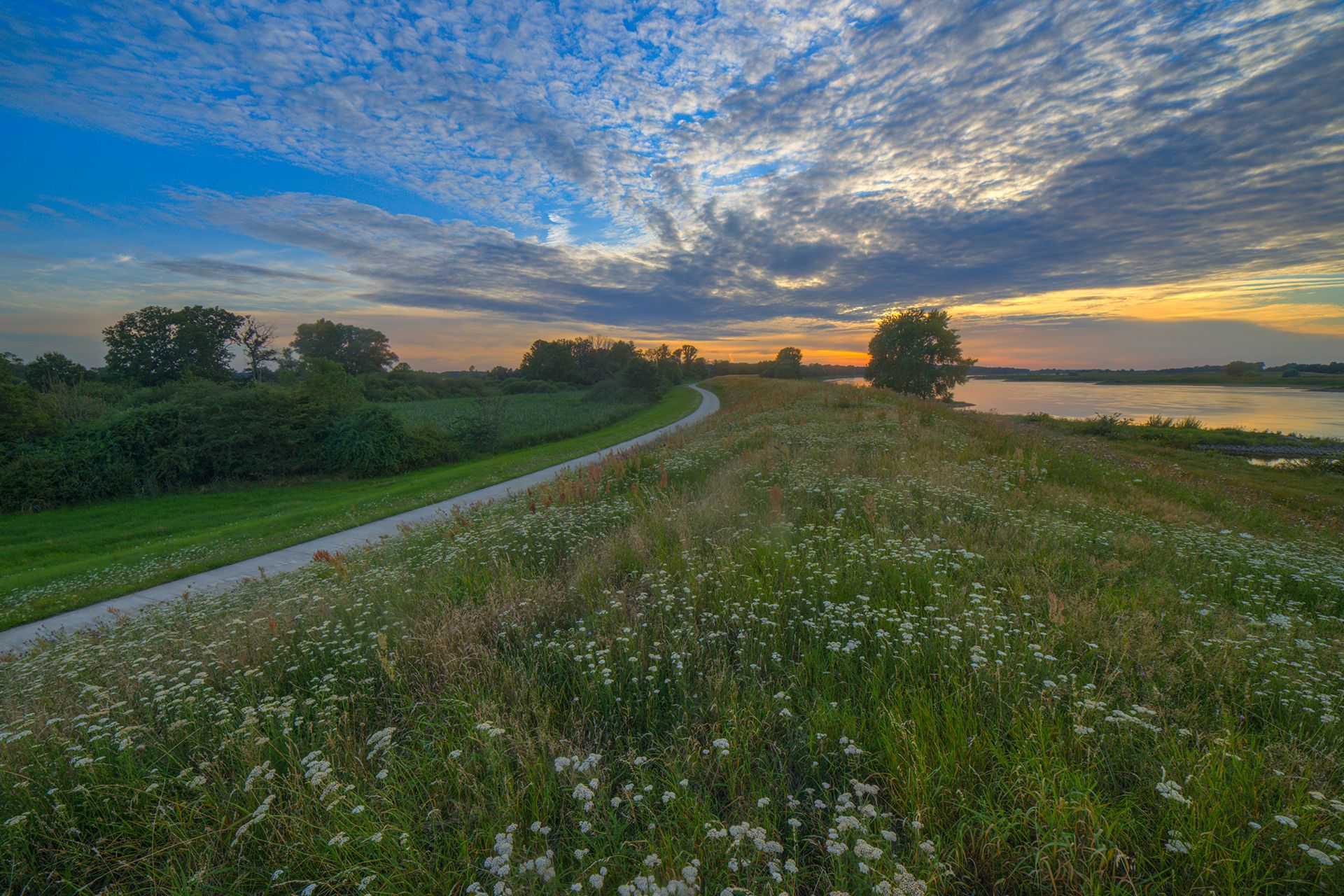
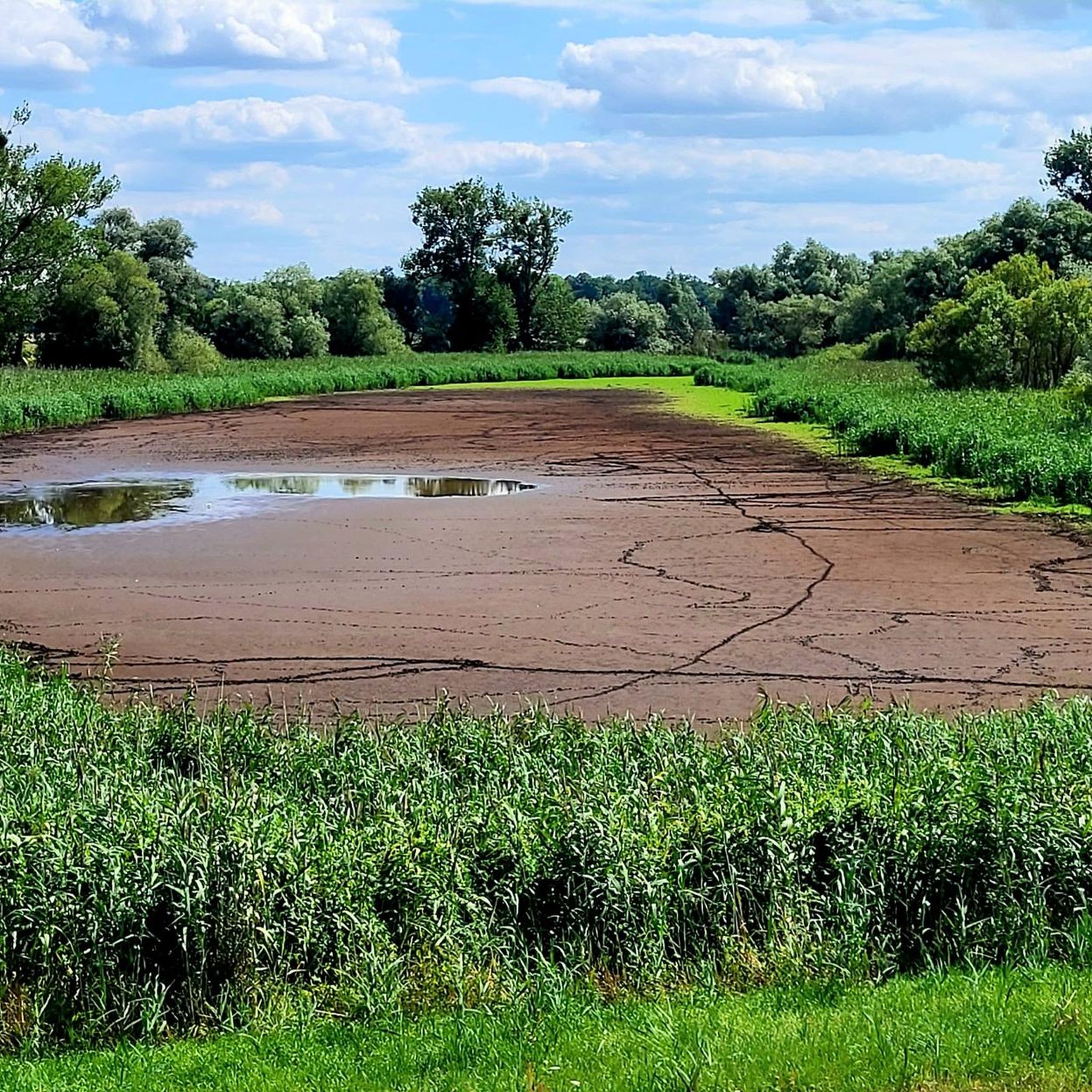
Wonderful section: between Gnevsdorfer Vorfluter and the Elbe, an approx. 20km long island is being created. Fortunately, a cycle path runs across it until shortly before Havelberg. TOP route!
0
0
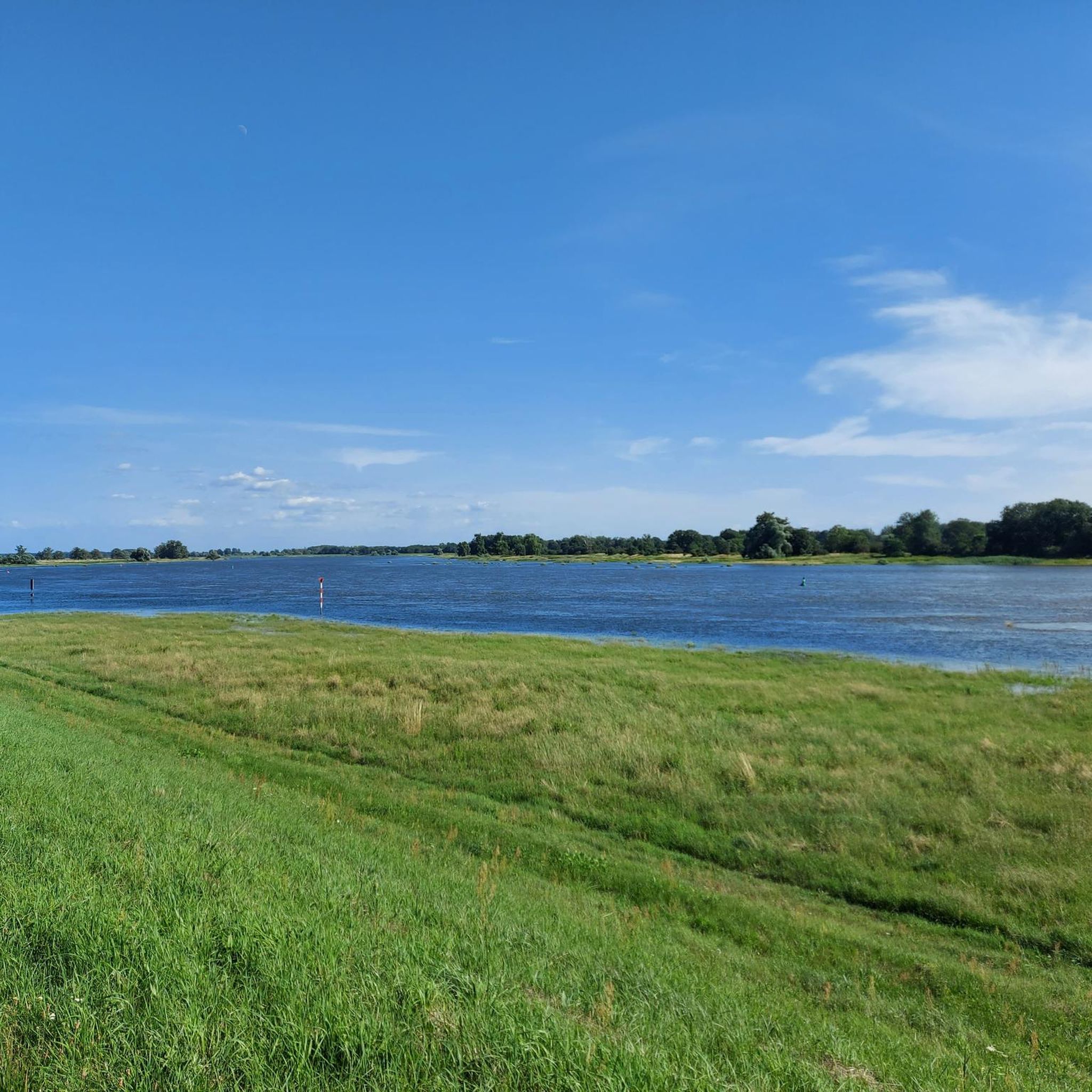
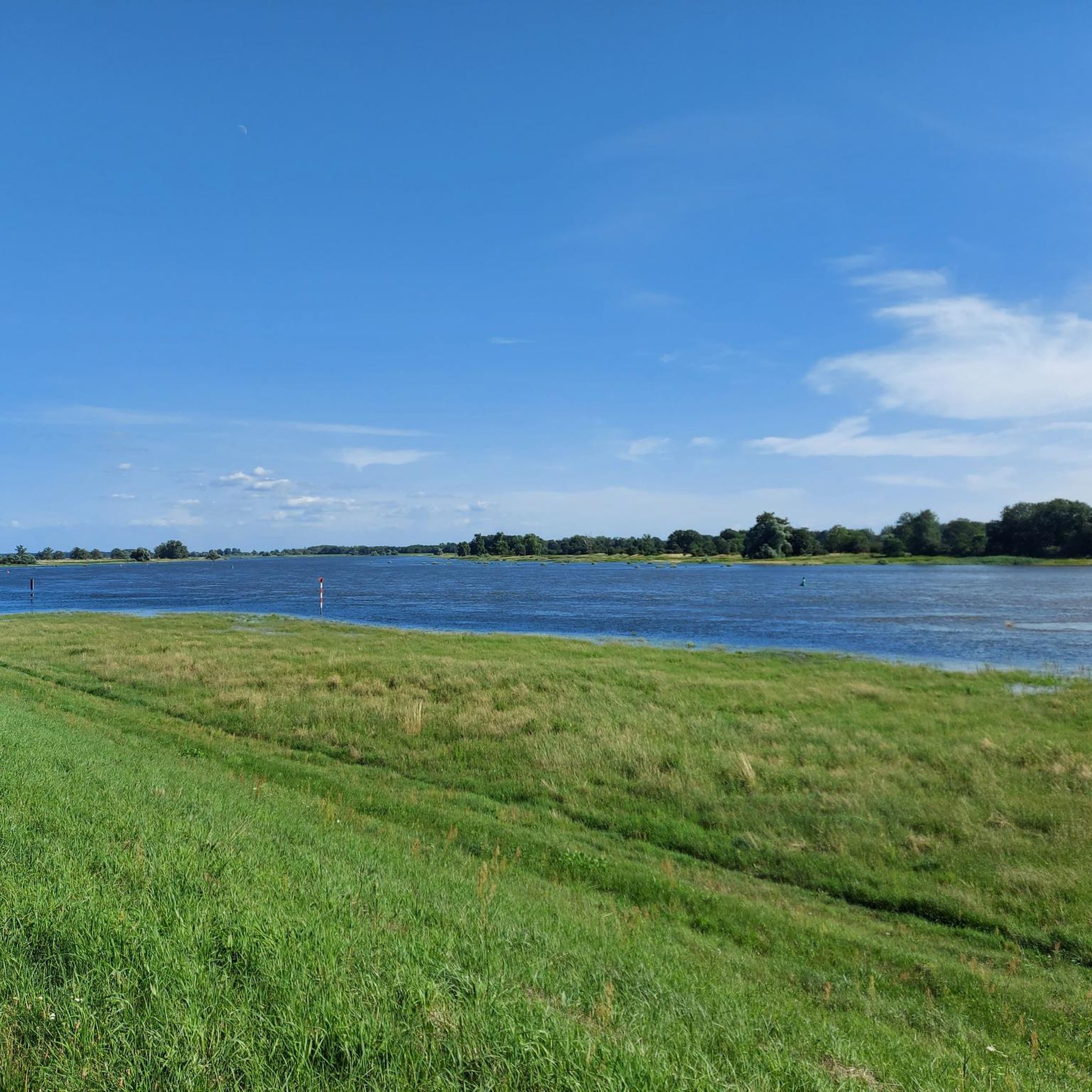
Great natural landscape here, where the rivers run parallel for 20km and then merge.
0
0

Opening hours: Wed–Fri 1–6pm Sat–Sun 11am–6pm Summer opening hours may vary, please check our website.
0
0

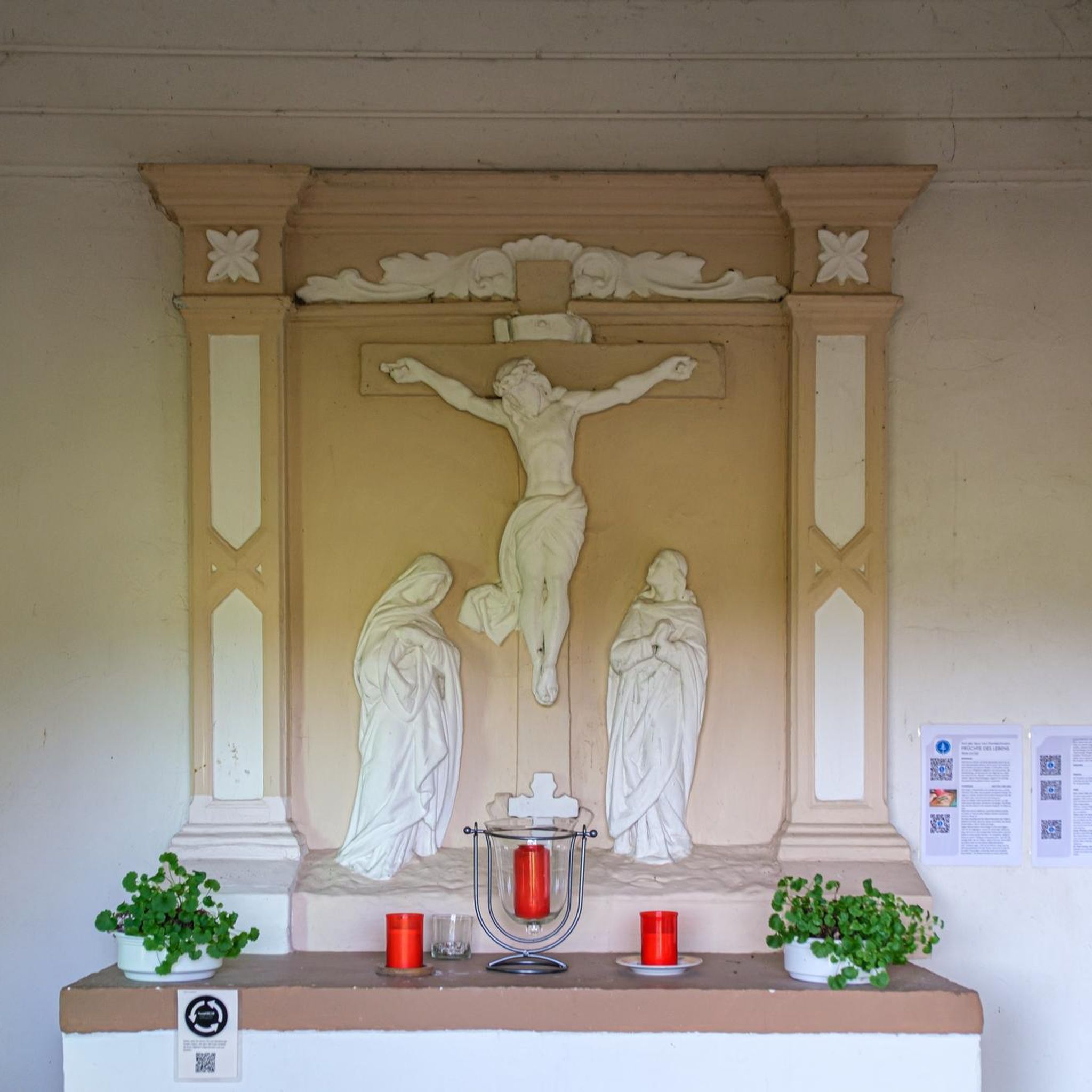
The village church of Rühstädt, also known as Quitzow Church, dates back to the 15th century. It was built under the influence of the noble von Quitzow family, who shaped the village for a long time. The original late Gothic brick building with a semicircular apse was remodeled in the Baroque style in the 18th century and a striking west tower was added. Important furnishings have been preserved inside, including a late Gothic carved altarpiece, several tombstones of the von Quitzow family, and a historic organ from 1738. A late Gothic mural of the Last Judgment in the apse is particularly noteworthy. Today, the church is a listed building and part of the Open Churches Initiative, meaning it is often open to visitors.
1
0
The observation tower on the Elbe Cycle Path near Bälow is situated in the heart of the Elbe floodplains and offers a panoramic view of the river landscape, dikes, and meadows of the Prignitz region. It primarily serves as a rest stop and viewpoint for cyclists on the Elbe Cycle Path, as well as an observation point for the diverse birdlife of the Elbe River Landscape Biosphere Reserve. From the elevated platform, numerous water birds and meadow birds can be observed, especially during migration seasons, thus combining landscape observation with a nature experience.
0
0

From the lock, you can already see the first confluence of the Elbe and Havel rivers (connecting canal). From here, you continue on the approximately 20 km long section of the Havel Cycle Path, where you're accompanied by water on both sides: the Elbe on the left, the Havel on the right, and then the Gnevsdorf Outfall.
2
0

Fantastic nature and incredible peace.
0
0
I particularly like the cycle path between the Elbe and the Havel tributaries, from Gnevsdorf to Quitzöbel. It's pure nature. There are two observation towers from which you can easily observe many animals, especially birds. Coming from Wittenberge, cycle over the Gnevsdorf weir and at the oxbow weir, return to the mainland to Quitzöbel, then cycle back to Wittenberge or to Netzow and then on to Werben and Havelberg.
0
0
Frequently Asked Questions
How many touring cycling routes are available around Rühstädt?
Rühstädt offers a good selection of touring cycling routes, with nearly 20 different options to explore. Most of these, about 13, are classified as easy, making the area very accessible for various skill levels.
What is the best time of year for touring cycling in Rühstädt?
The period between April and August is particularly special for touring cycling in Rühstädt. This is when the village's famous white storks are most active and visible, nesting on the rooftops. The weather during these months is generally pleasant for cycling, allowing you to enjoy both the natural landscapes and the unique avian spectacle.
What kind of terrain can I expect on touring cycling routes in Rühstädt?
The touring cycling routes in Rühstädt are predominantly flat, making for a comfortable ride. You'll find many paths are perfectly paved with asphalt, especially along the major cycle paths like the Elbe Cycle Path. However, some sections may include gravel or cobblestones, adding a varied terrain experience to your journey.
Are there routes suitable for beginners or families with children?
Yes, Rühstädt is an excellent destination for beginners and families. The majority of routes are classified as easy, with minimal elevation gain. For example, the Stork Village Rühstädt – Stork Village Ruhstadt loop from Rühstädt is an easy 12.3 km route that allows you to experience the European Stork Village at a relaxed pace.
What natural features or landmarks can I see while cycling in Rühstädt?
While cycling, you'll traverse the UNESCO Elbe River Landscape Biosphere Reserve, encountering extensive floodplains, marshland, and wet meadows. A notable natural highlight is the Confluence of the Gnevsdorfer Vorfluter and the Elbe. You can also spot observation towers along the paths between the Elbe and Havel tributaries, perfect for birdwatching. The Stork Village Rühstädt itself is a significant natural and cultural landmark.
Are there any specific attractions related to the 'European Stork Village' designation?
Absolutely. Rühstädt is renowned as a 'European Stork Village' due to its high number of breeding white storks. To learn more, visit the NABU Visitor Centre Rühstädt. It offers exhibitions on storks and local wildlife, including live video feeds into nests during breeding season. The village also hosts an annual 'Stork Festival' in late July.
Are there any historical sites or castles accessible by bike?
Yes, the region around Rühstädt offers several historical sites and castles. You can cycle to the impressive Plattenburg, a well-preserved water castle, or explore the Historic Old Town of Werben (Elbe). The Rühstädt Castle / Castle Hotel & Castle Garden is also nearby, offering a glimpse into the area's rich past.
Are there any circular touring cycling routes in the Rühstädt area?
Yes, many of the touring cycling routes around Rühstädt are designed as loops, allowing you to start and end in the same location. For instance, the Stork Village Rühstädt – Village Church Rühstädt loop from Abbendorf is a popular circular route that takes you through charming landscapes.
Can I find longer distance touring cycling routes that pass through Rühstädt?
Rühstädt is ideally situated on major long-distance cycling routes. The famous Elbe Cycle Path runs directly through the village, offering extensive journeys along the river. The Havel Cycle Path also passes nearby, particularly around the confluence of the Elbe and Havel rivers, providing further options for multi-day tours.
Is Rühstädt well-connected by public transport for cyclists?
While Rühstädt is a rural area, it is generally accessible. For specific public transport options, especially for bringing bikes, it's advisable to check regional bus services or train connections to nearby larger towns like Wittenberge, which often have better public transport links and may offer bike carriage options. From there, you can cycle to Rühstädt.
Where can I find parking for my car and bike near the touring routes?
In Rühstädt, you'll typically find parking available within the village, often near the NABU Visitor Centre or other central points. These locations usually provide convenient access to the start of various touring cycling routes. Always look for designated parking areas to ensure you're not obstructing local traffic or residents.
What do other touring cyclists enjoy the most about touring cycling in Rühstädt?
The area is highly rated by the komoot community, with an average score of 4.5 stars from over 100 reviews. Reviewers often praise the peaceful, flat terrain, the well-maintained paths, and the unique experience of cycling through the European Stork Village. The opportunity to observe wildlife in the Elbe River Landscape Biosphere Reserve is also frequently highlighted as a major draw.
Are there quiet paths for nature observation in Rühstädt?
Yes, the touring cycling routes in Rühstädt are ideal for nature observation. Many paths wind through the Elbe River Landscape Biosphere Reserve, offering tranquil stretches where you can spot diverse birdlife, including the famous storks, and other animals in their natural habitat. The paths between the Elbe and Havel tributaries are particularly known for their quiet, scenic environment.
Most popular routes around Rühstädt
Most popular attractions around Rühstädt

Get inspired with the komoot mobile app


Explore more
Browse the best Cycling routes in other regions.
