Attractions and Places To See in Flittarder Rheinaue - Top 11
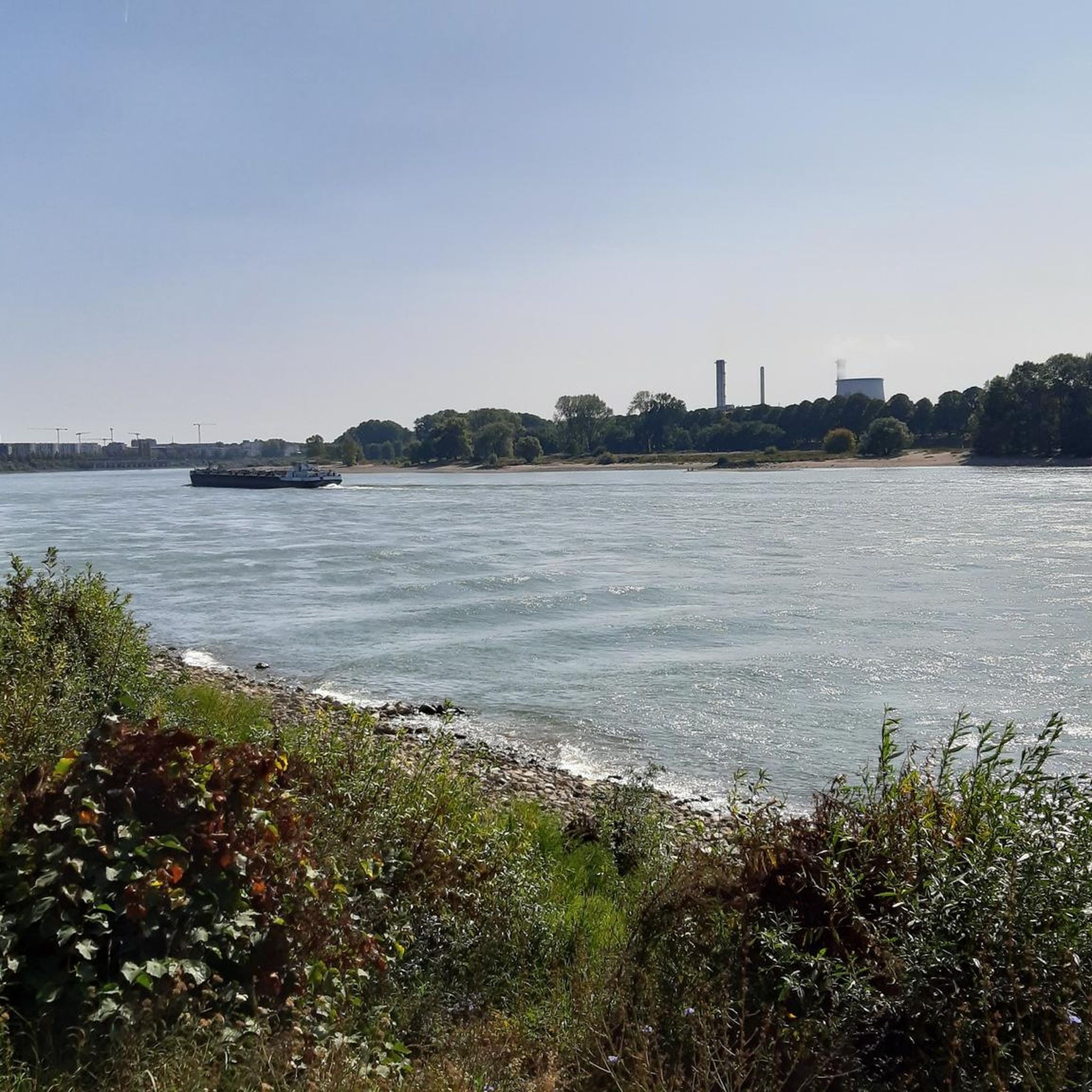
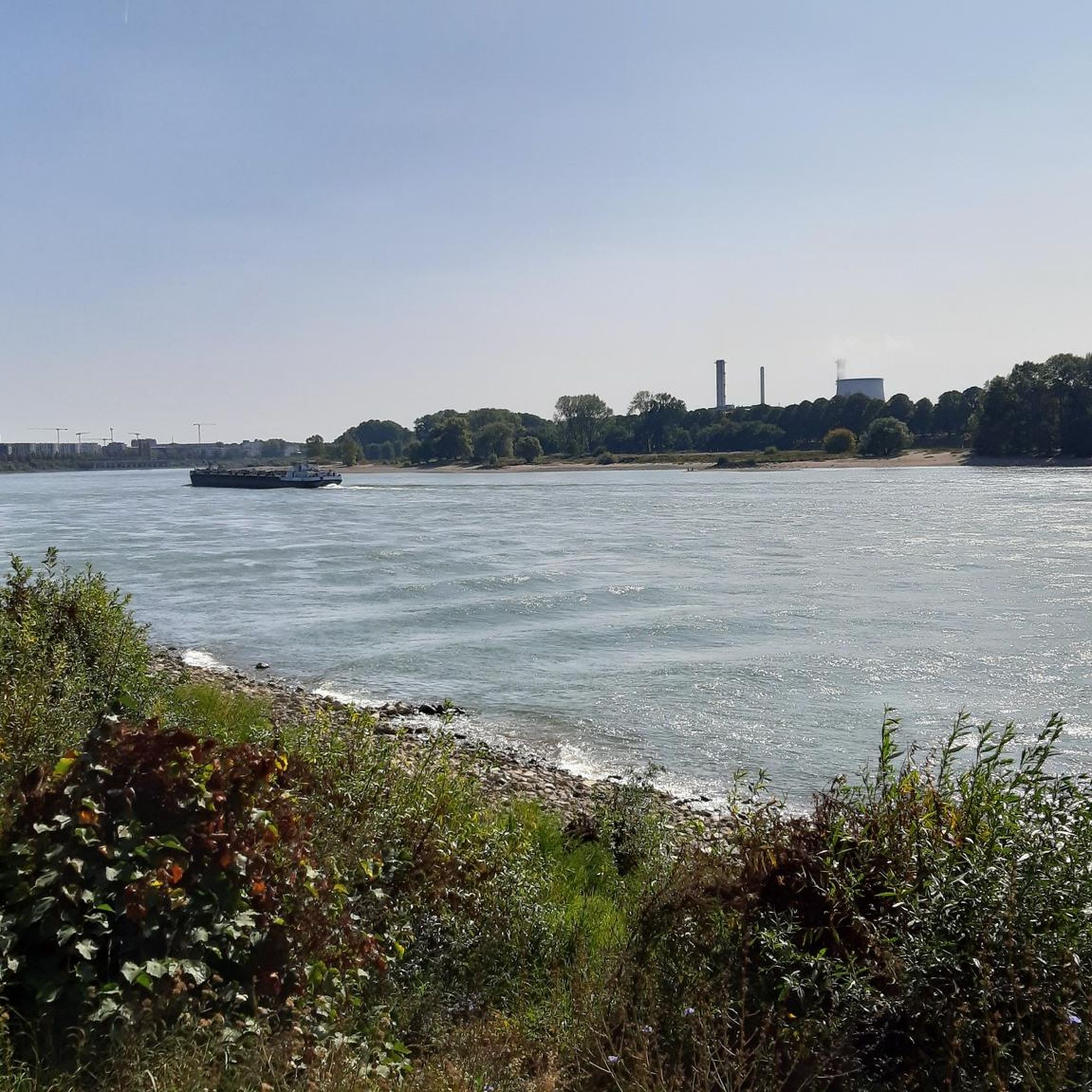
Best attractions and places to see in Flittarder Rheinaue include a diverse floodplain landscape along the Rhine in northern Cologne. This area features an expansive nature reserve, which serves as a habitat for various species and plays a role in flood protection. Visitors can explore natural features, historical landmarks, and recreational opportunities, including extensive walking and cycling paths. The district maintains a historic village character, offering a blend of natural beauty and cultural sites.
Best attractions and places to see in Flittarder Rheinaue
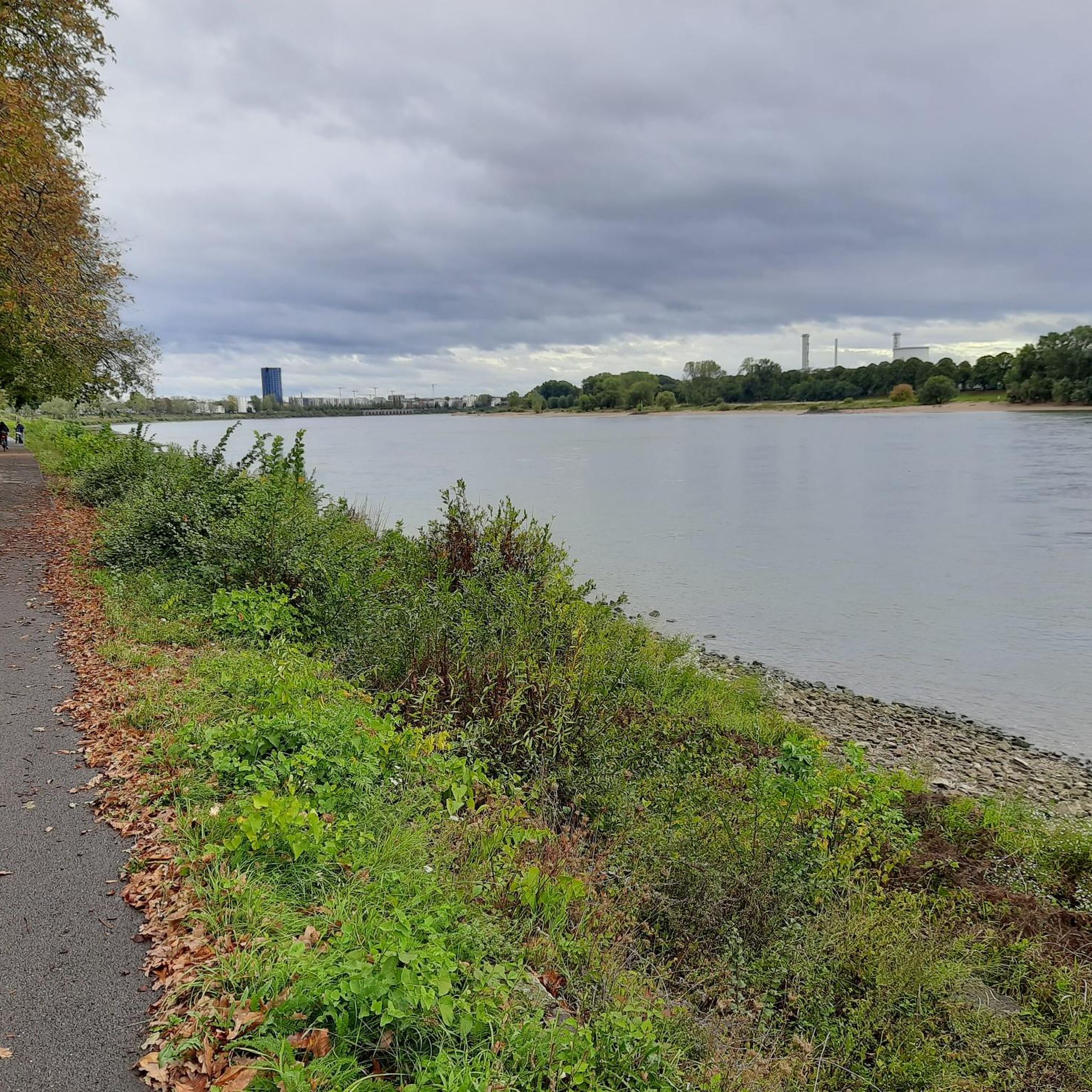
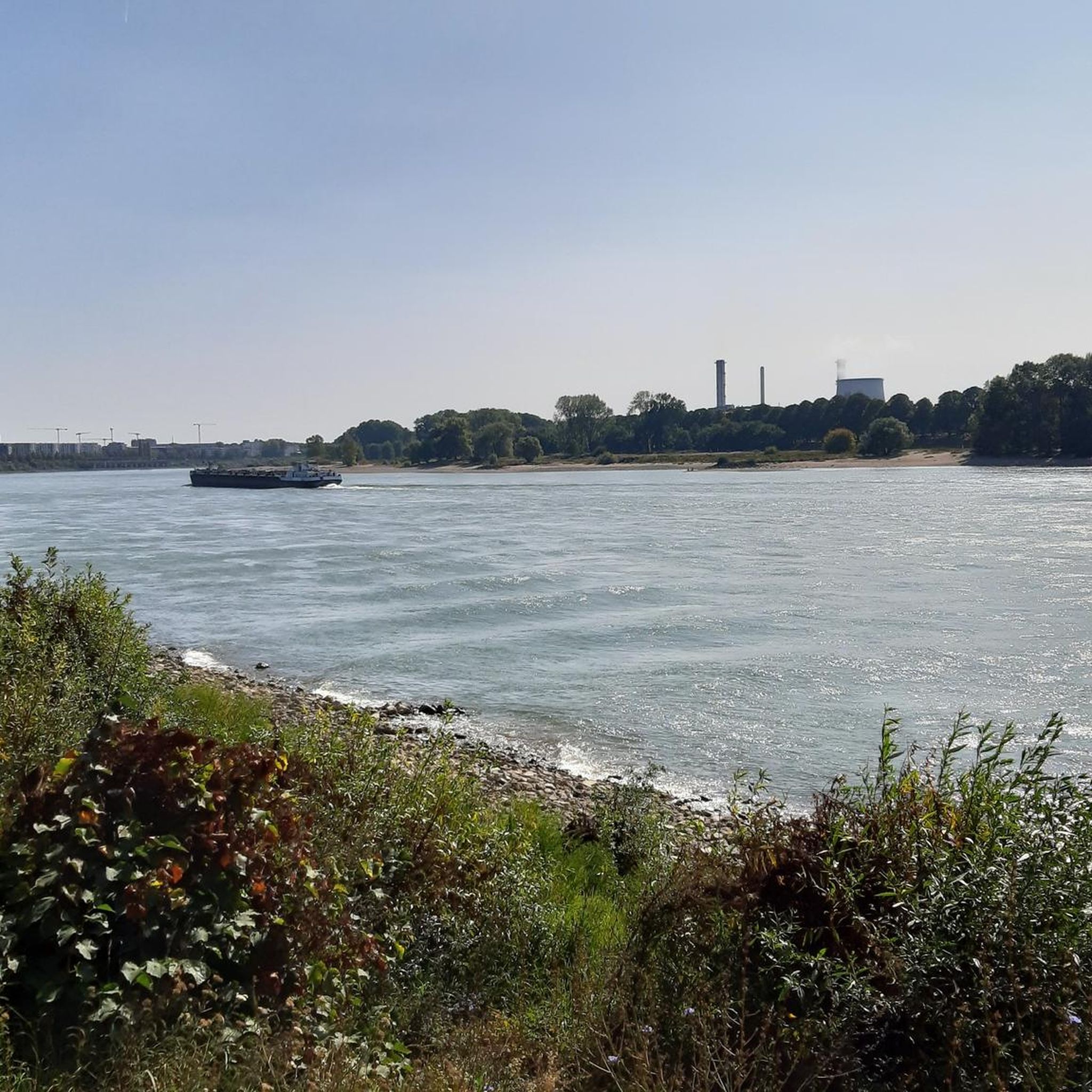
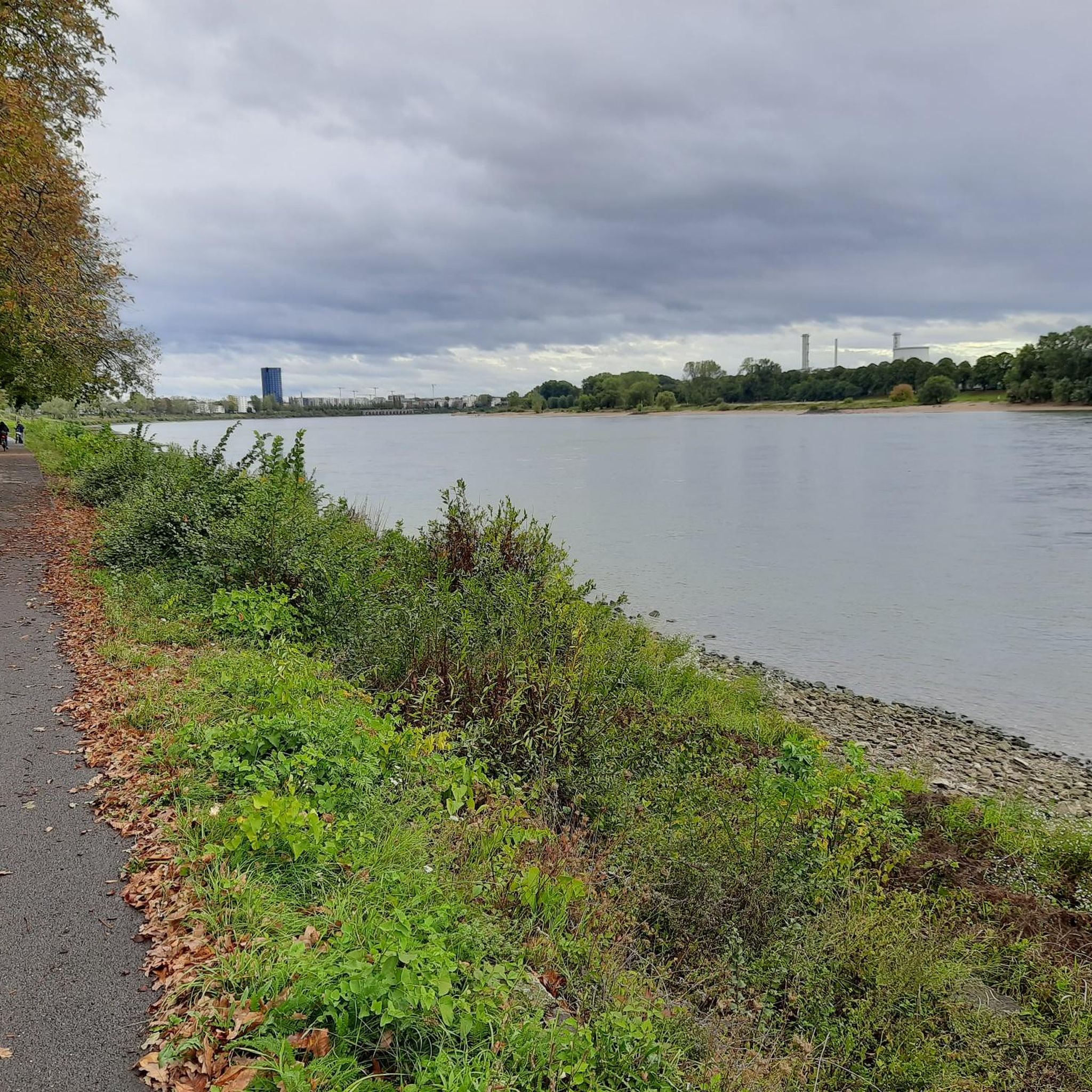
- The most popular attractions is Rhine Riverside Path in Cologne, a trail that offers views of the Rhine and its floodplains. This path is suitable for both walking and cycling, providing recreational access along the river.
- Another must-see spot is Rhine Cycle Path Flittard, a cycle way. This path provides a quiet route along the Rhine, allowing visitors to relax by the river.
- Visitors also love Stammheim Palace Park, a natural monument with historical significance. The park features old trees and offers a contrasting experience to the wilder Rheinaue.
- Flittarder Rheinaue is known for its nature reserves, historical landmarks, and recreational paths. The area offers a variety of attractions to see and explore, from natural river landscapes to historic architecture.
- The attractions in Flittarder Rheinaue are appreciated by the komoot community, with more than 1050 upvotes and 450 photos shared by visitors.
Last updated: July 5, 2026
Rhine Riverside Path in Cologne
Highlight (Segment) • Trail
Translated by Google •
Tip by

Rhine Cycle Path Flittard
Highlight • Cycleway
Translated by Google •
Tip by

Sign up now to discover places like this
Get recommendations on the best single tracks, peaks, & plenty of other exciting outdoor places.
Sign up for free
Stammheim-Flittard Embankment
Highlight • Trail
"For hundreds of years, people have lived in close proximity to the Rhine. The farming and fishing village of Flittard was first mentioned in a document in 989 (HBHistSt NRW 2006, p. 604, although the document is considered "possibly forged"), and the town of Stammheim as early as 959. Since then, people have lived with and from the river, profiting from it and suffering equally from its proximity. It was only when the dyke was built in 1894 and 1895 that this situation changed.
The hundred-year-old Stammheim-Flittarder Dam begins in Stammheim and runs north along the river to the end of the Flittarder Rheinaue nature reserve. A footpath and cycle path runs on the dam itself and parallel to it, offering the opportunity to go for recreational walks from the proximity to the river. benefit.
Since the beginning of settlement in Stammheim and Flittard, people have tried to control and change the course of the Rhine. The banks were subject to constant changes. A fixed course as we see it today was not the norm for a long time. When landowners on one side tried to increase their property by trying to wrest land from the Rhine, this often led to demolitions on the other side of the bank.
...
Translated by Google •
Tip by

Rhine Cycle Path Cologne-Niehl
Highlight (Segment) • Cycleway
Translated by Google •
Tip by
Ulrich-Haberland-Haus
Highlight • Monument
Translated by Google •
Tip by

Sign up for free to discover even more attractions in Flittarder Rheinaue.
Sign up for free
Already have an account?
Start today with a free account
Your next adventure awaits.
Login or Signup
Tips from the Community

After the remains of Stammheim Castle, which had been completely destroyed in a bombing raid in 1944, were demolished, Bayer AG built a retirement home here, which opened in 1955. Unfortunately, the building, in a prominent location on the Rhine and the castle grounds, has stood empty for many years, awaiting revitalization.
3
0


The building has not been in use since 2001. All plans to reactivate the prime piece of land on the Rhine failed due to the veto of the SteB (sewage treatment plant). There are currently plans for the SteB to use the building and renovate it for this purpose. More on this in the KSTA https://www.ksta.de/koeln/muelheim/koelner-denkmal-haberland-haus-vor-der-rettung-372465
2
0

... During floods, the Rhine often overflowed its banks, posing a danger to the towns located directly on the river, as well as a loss of income for farmers with fields in the flooded area. One of the worst floods was the event in the winter of 1784, in which the town of Mülheim was most severely damaged, but Flittard was not left unscathed either. In the harsh winter, the Rhine was completely frozen, so that the population still used it as a sledding area in January. Heavy rainfall caused the water level to rise so much that the ice began to move in February. The masses of water with huge blocks of ice made their way through the towns and left a scene of destruction. To protect the population, stone protective walls were first built in 1851 and then groynes were built in the Rhine. In 1894, it was decided to build a protective dike. The Stammheim-Flittarder dam was built within two years. In front of the dam towards the water there is a small floodplain landscape. This part of the riverbank area was left out of the dyke and now also serves as flood protection. Especially near densely populated areas, floodplains are of essential importance in order to give the river the opportunity to overflow its banks in a targeted manner and thus spare inhabited areas. The flora and fauna of floodplain meadows depend on the interplay of flooding and drying out. Since such areas are becoming increasingly rare, but are important for many rare and endangered species, the Flittard Rhine floodplain has been designated a nature reserve. At the same time, there are parts that are used for agriculture. Extensive cultivation has taken place in this area of the Rhine bank since the beginning of Flittard's settlement. In order to reclaim land from the Rhine, pasture plantations were primarily established. The plants flourished quickly, sediments carried by the river accumulated in the plants and quickly formed small sandbanks. These were secured with the help of further plantings, which meant that the areas could soon be used as fertile commercial land." (Hannah Brüggemann, NABU Nature Conservation Station Leverkusen-Cologne, 2014) https://www.kuladig.de/Objektansicht/O-108494-20141124-14
3
0
<< Stammheim-Flittarder Dam at the Flittarder Rheinaue nature reserve >> "For hundreds of years, people have lived in close proximity to the Rhine. The farming and fishing village of Flittard was first mentioned in a document in 989 (HBHistSt NRW 2006, p. 604, although the document is considered "possibly forged"), and the town of Stammheim as early as 959. Since then, people have lived with and from the river, profiting from it and suffering equally from its proximity. It was only when the dyke was built in 1894 and 1895 that this situation changed. The hundred-year-old Stammheim-Flittarder Dam begins in Stammheim and runs north along the river to the end of the Flittarder Rheinaue nature reserve. A footpath and cycle path runs on the dam itself and parallel to it, offering the opportunity to go for recreational walks from the proximity to the river. benefit. Since the beginning of settlement in Stammheim and Flittard, people have tried to control and change the course of the Rhine. The banks were subject to constant changes. A fixed course as we see it today was not the norm for a long time. When landowners on one side tried to increase their property by trying to wrest land from the Rhine, this often led to demolitions on the other side of the bank. ...
3
0

Super nice track to really give it your all, never too crowded
3
2


Nice smooth race track to pick up the pace.
3
0
Frequently Asked Questions
What kind of natural features can I explore in Flittarder Rheinaue?
The Flittarder Rheinaue is primarily known for its expansive 180-hectare nature reserve, a floodplain area along the Rhine. You can find meadows, an elongated pond, and an old arm of the Rhine. Along the river, there are also unique gravel and sandbanks, especially visible during lower water levels. The area is a haven for diverse flora and fauna, including numerous bird species, bats, dragonflies, and various wild flowers.
Are there historical landmarks to visit in the area?
Yes, the region has several historical landmarks. You can see the Stammheim-Flittard Embankment, a significant dike built in the late 19th century for flood protection. The area also features the St. Hubertus Church with its 12th-century west tower, and the historic half-timbered building, Bongartzhof, dating back to 1715. The district of Flittard itself maintains an idyllic, historically-influenced village character.
What outdoor activities are popular in Flittarder Rheinaue?
The Flittarder Rheinaue is a popular recreational area perfect for extensive walks and bicycle tours along the Rhine and through its natural landscapes. You can enjoy routes like the Rhine Riverside Path in Cologne or the Rhine Cycle Path Flittard. For more structured cycling, there are numerous routes for cycling, gravel biking, and MTB trails nearby.
Is Flittarder Rheinaue suitable for families with children?
Yes, many attractions and paths in Flittarder Rheinaue are family-friendly. The Rhine Riverside Path in Cologne and the Rhine Cycle Path Flittard are suitable for all ages. Additionally, Stammheim Palace Park offers a pleasant environment with old trees for a family stroll.
What kind of wildlife can I expect to see in the nature reserve?
The Flittarder Rheinaue Nature Reserve is rich in biodiversity. You might spot various bird species, including herons, cormorants, plovers, cuckoos, warblers, orioles, and different ducks. It's also home to various bat species, dragonflies, and unique mollusks. The vegetation includes willows, poplars, elms, oaks, fruit trees, and a vibrant array of wild flowers.
Are there any notable parks or gardens near Flittarder Rheinaue?
Yes, to the south of Flittarder Rheinaue, you can visit Stammheim Palace Park, known for its 'man-made art and culture in nature' and beautiful old trees. Another prominent highlight, though technically within Chempark Leverkusen, is the Japanese Garden, which attracts visitors from the entire region and is adjacent to Flittard.
What do visitors enjoy most about the Flittarder Rheinaue?
Visitors particularly appreciate the tranquility and natural beauty of the area. Many enjoy the peaceful atmosphere along the Rhine, especially on the Rhine Cycle Path Flittard, which is considered one of the quietest places on the Rhine in Cologne. The extensive paths for walking and cycling, combined with views of the floodplains, are also highly valued.
What is the best time of year to visit Flittarder Rheinaue?
The Flittarder Rheinaue offers different experiences throughout the year. Spring and summer are ideal for observing the diverse flora and fauna, with vibrant wild flowers and active birdlife. Autumn brings beautiful colors to the trees. Even in winter, the area can be pleasant for walks, especially when the Rhine's dynamics create unique views of the sandbanks.
Are there any specific rules or guidelines for visiting the nature reserve?
As a designated nature reserve, it's important to respect the environment. While specific rules are not detailed, generally, visitors should stay on marked paths, avoid disturbing wildlife, and refrain from littering. The BUND Köln (Friends of the Earth Germany, Cologne chapter) actively maintains the area, occasionally offering workshops on landscape care.
How can I access Flittarder Rheinaue using public transport?
The Flittarder Rheinaue is accessible via public transport. While specific KVB stops are not listed in detail, the area is located in the Mülheim district on the right bank of the Rhine in northern Cologne, suggesting connections via local tram or bus services to Flittard or nearby areas.
Can I bring my dog to Flittarder Rheinaue?
The Flittarder Rheinaue is a popular area for dog walks. While specific dog policies are not explicitly stated, it is generally expected that dogs are kept on a leash, especially within the nature reserve, and owners are responsible for cleaning up after their pets to preserve the natural environment for all visitors and wildlife.
Most popular routes in Flittarder Rheinaue

Get inspired with the komoot mobile app


Explore more
Still not found the Highlight you’re looking for? See guides of the top attractions in other regions:
