Attractions and Places To See in Vlaams Natuurreservaat Tenhaagdoornheide - Top 6
Best attractions and places to see in Vlaams Natuurreservaat Tenhaagdoornheide include diverse natural features such as heathlands, forests, and sand drifts. This natural area, spanning approximately 360 hectares, is situated on the Kempen Plateau and is characterized by its varied landscape. It is home to the source areas of the Laambeek and Huttebeek streams, which have created marshy terrains. The reserve offers opportunities to explore unique flora and fauna, including species like the dotted orchid and the snipe.
Best attractions…
Last updated: July 19, 2026
Tenhaagdoornheide Nature Reserve
Highlight • Forest
Translated by Google •
Tip by

Donderslag Heath
Highlight • Natural
Translated by Google •
Tip by
Sign up now to discover places like this
Get recommendations on the best single tracks, peaks, & plenty of other exciting outdoor places.
Sign up for free
Heather Fields of Tenhaagdoornheide Nature Reserve
Highlight • Natural
Translated by Google •
Tip by
Laambeek and Huttebeek Boardwalk
Highlight • Trail
Translated by Google •
Tip by
Star Spot "Mysterious Marshes"
Highlight • Natural
Translated by Google •
Tip by

Sign up for free to discover even more attractions in Vlaams Natuurreservaat Tenhaagdoornheide.
Sign up for free
Already have an account?
Start today with a free account
Your next adventure awaits.
Login or Signup
Popular around Vlaams Natuurreservaat Tenhaagdoornheide
Running Trails in Vlaams Natuurreservaat Tenhaagdoornheide
Hiking in Vlaams Natuurreservaat Tenhaagdoornheide
Gravel biking in Vlaams Natuurreservaat Tenhaagdoornheide
Cycling in Vlaams Natuurreservaat Tenhaagdoornheide
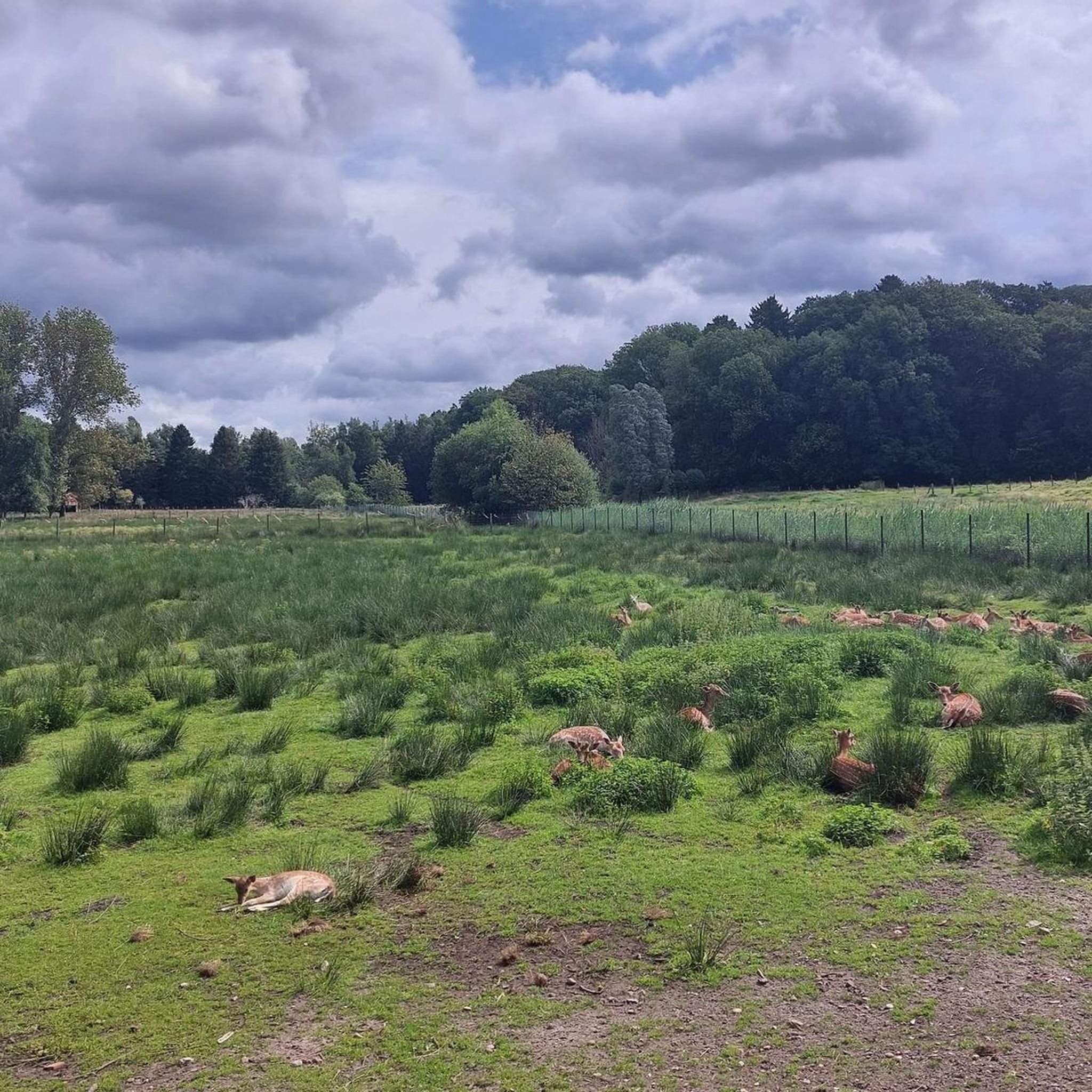
Road Cycling Routes in Vlaams Natuurreservaat Tenhaagdoornheide
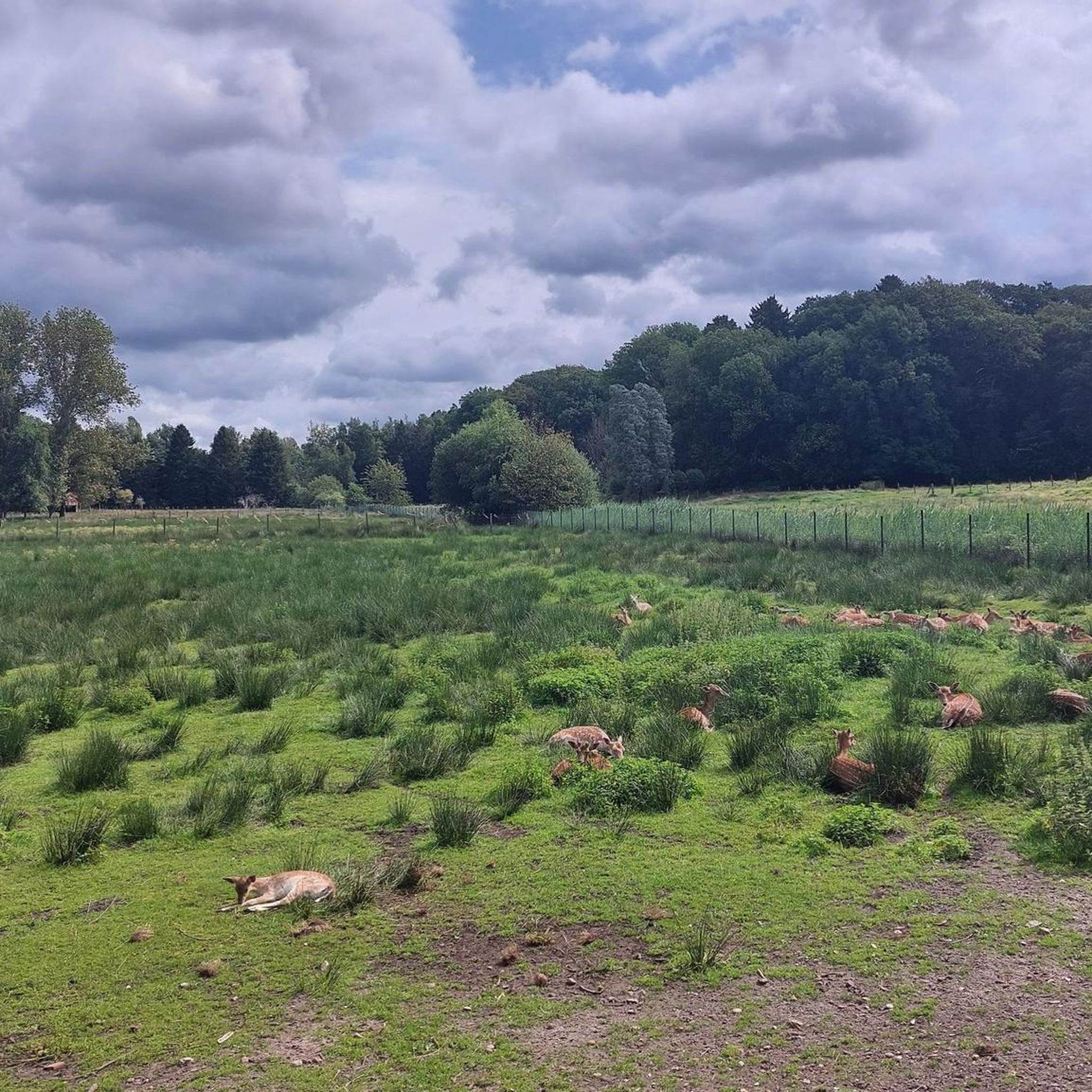
MTB Trails in Vlaams Natuurreservaat Tenhaagdoornheide
Tips from the Community

Heathland on the sandy soils inland is an old and semi-natural landscape formed over centuries. As a type of landscape, it has been influenced by humans; the grazing managed by humans was much more intensive than the naturally occurring grazing. Under the influence of the naturally occurring grazing, a number of heathland areas would completely or partially change over into other, more complex ecosystems such as a mixture of grassland and forest. The heathland is namely a fairly simple (lower) ecosystem where, if the conditions are right, grass and trees will grow. Nowadays, intensive grazing by, for example, herds of sheep, Scottish highlanders and wild horses keeps the heathland relatively open, and grasses and trees do not have a permanent hold on the area.
3
0
Heathland or moorland is a name for vegetation that mainly consists of dwarf shrubs from the heather family. Heathland occurs in a limited number of countries. In addition to the Netherlands and Belgium, it also occurs in the coastal strip of Western Europe, Great Britain and Ireland. It is a typical vegetation that feels at home in regions with a maritime climate, with high humidity and not too warm summers and no severe winters. The natural distribution of heathland vegetation consists of decalcified parts of the dune landscape (particularly in the northern Netherlands), mountains above the tree line and the edges of raised bogs. The heathland inland is a cultural landscape that has arisen through the extraction of nutrients by grazing and the sod cutting of sandy soils. Pollen analytical research shows that heathland vegetation has always occurred inland, but the large treeless heathlands and the sand drifts were created by the intensification of sheep farming during the Middle Ages.
3
0
What do you do with a highlight that is only a highlight for a few weeks a year.... 🙄
2
0

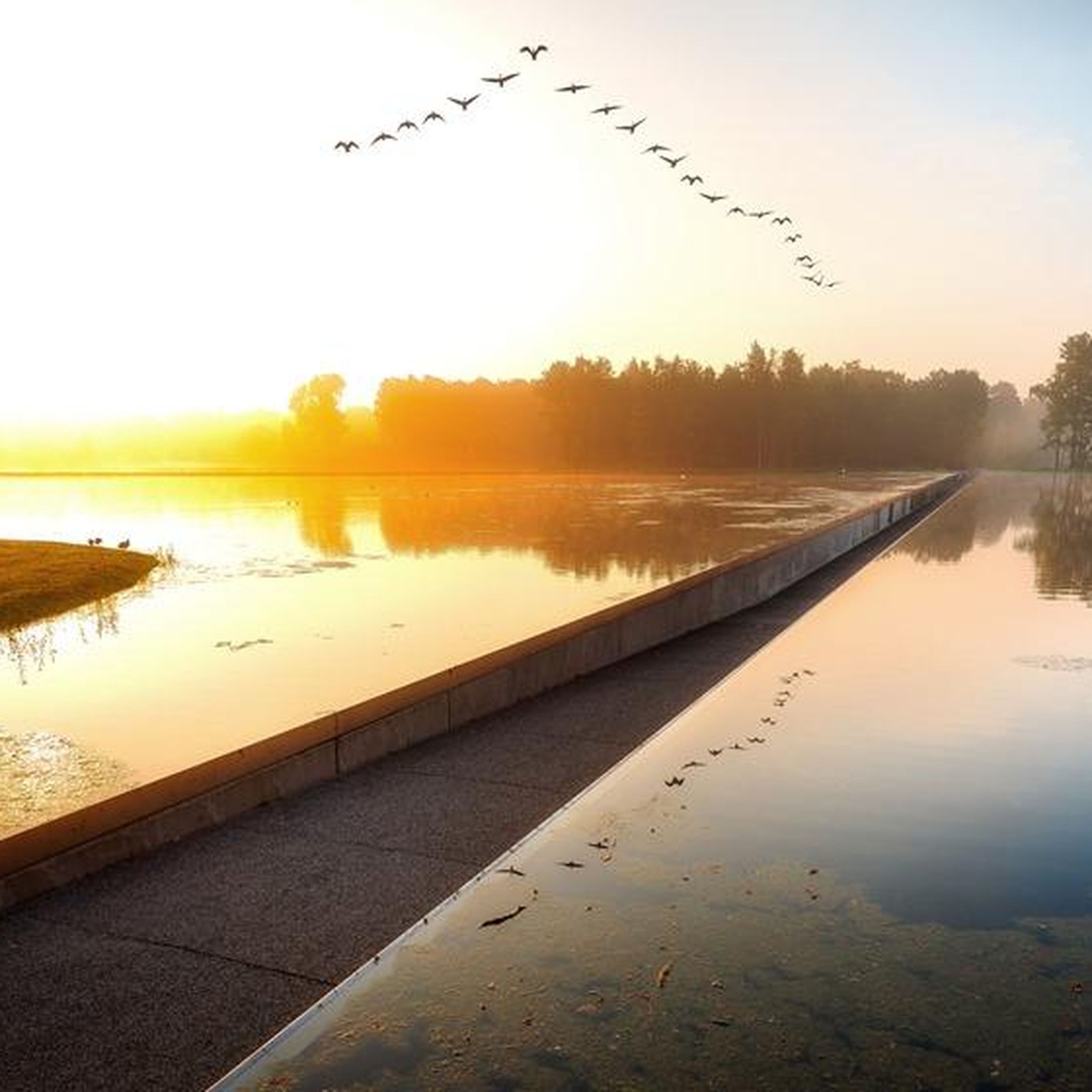
a new boardwalk was constructed to allow people to continue with dry feet.
3
0

Less than a year after the first visit, it now has a narrow but solid boardwalk.
7
0
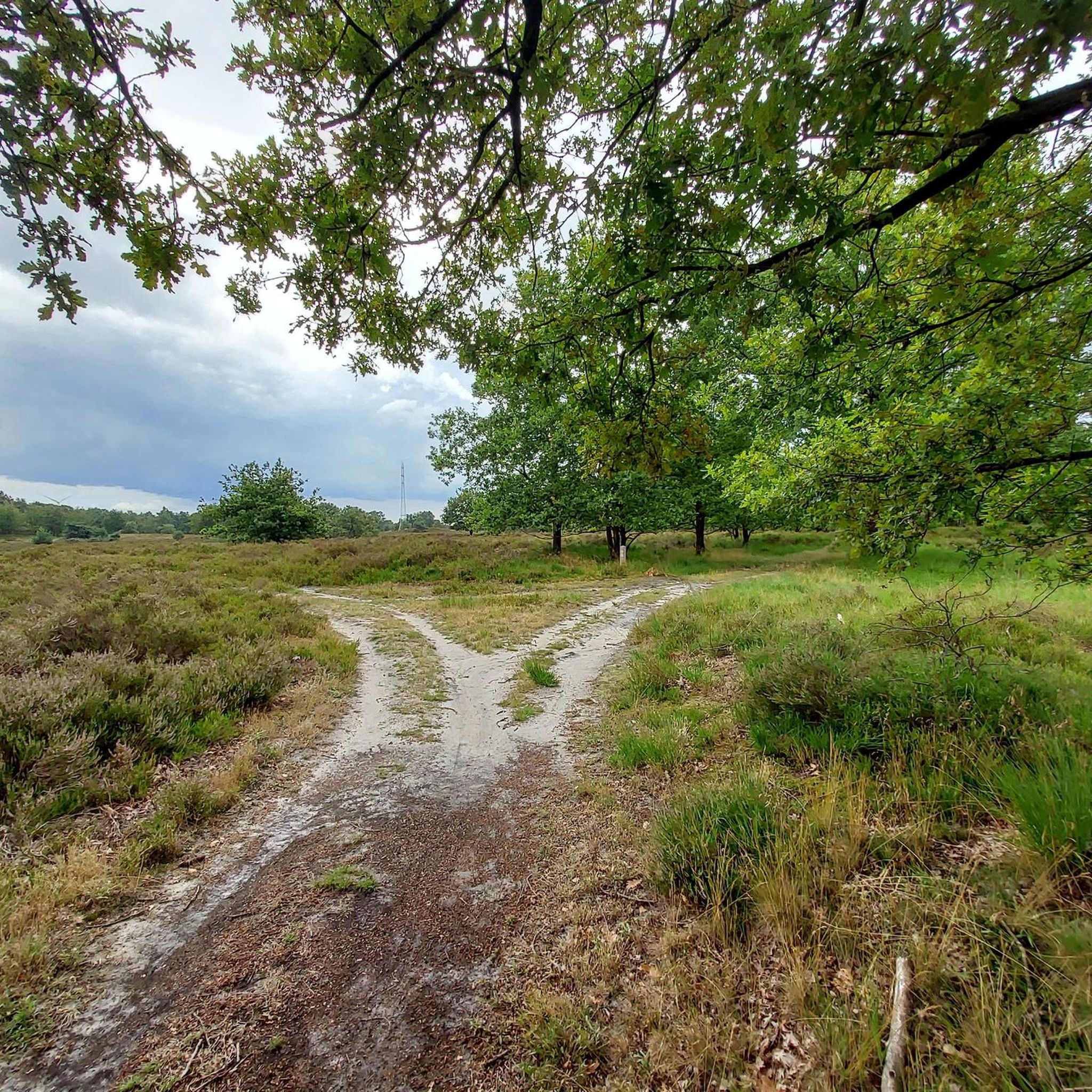
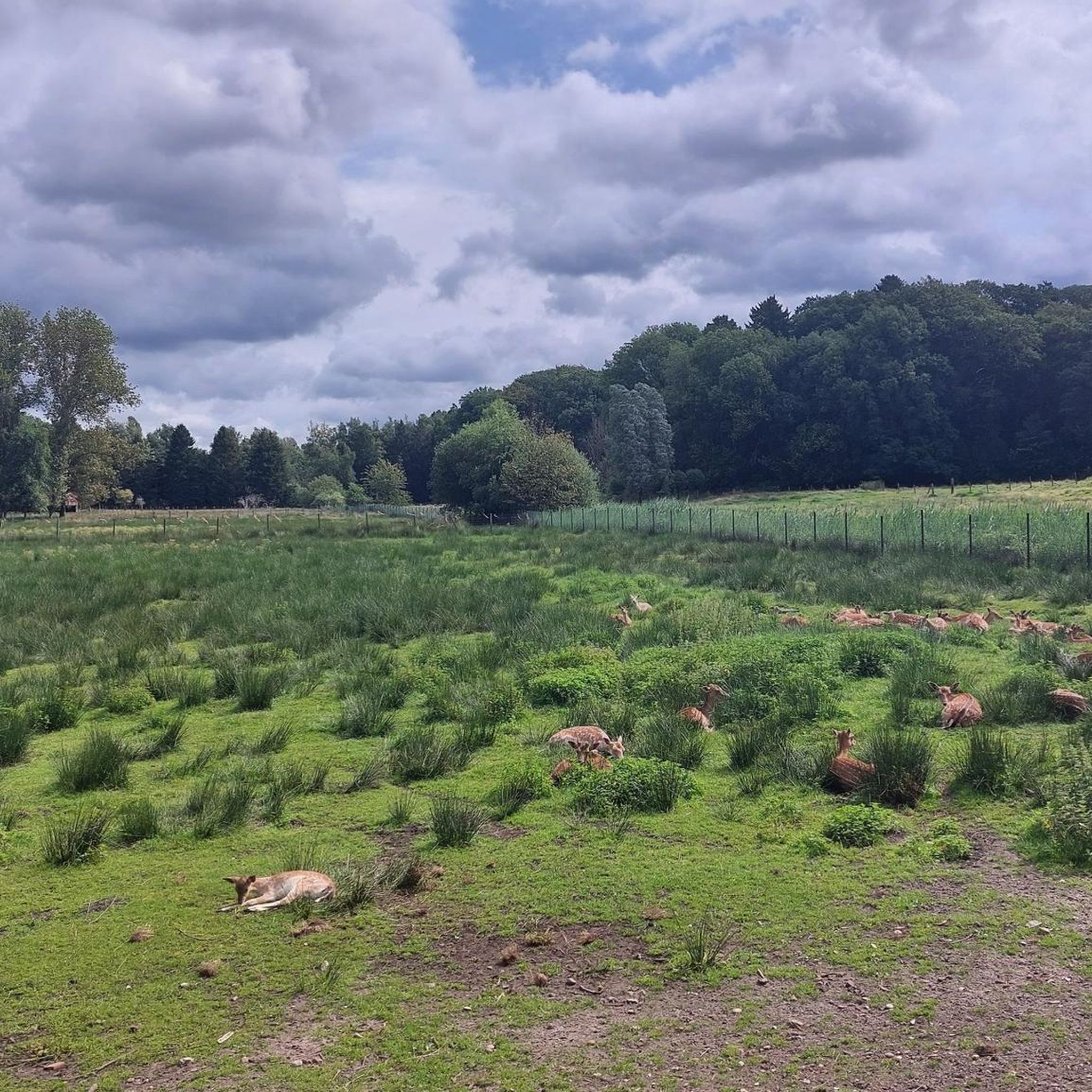
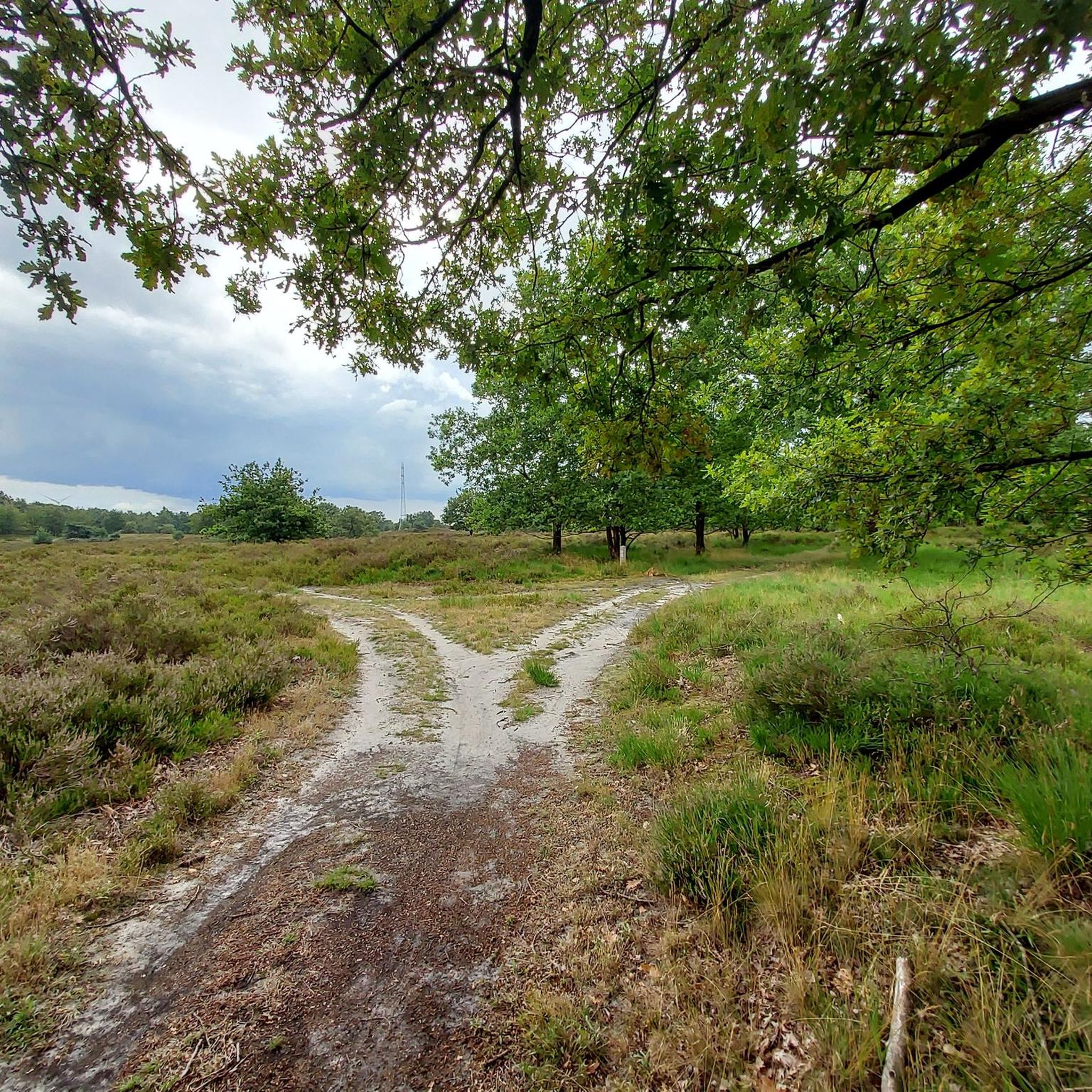
The paths through the Kempen heathland and sandy soils tend to be beautiful, especially with some slopes like here and for those who are very quiet with the occasional deer, hare or other critters nearby. With a bit of luck you will see the shepherd with his sheep or the sheep alone.
6
0
You are here in the valley of the Laambeek and the Huttebeek. These streams have their source area on the dry, sandy Kempen Plateau. They form important lifelines for this wet valley. Drainage ditches, dikes and sluices used to make hay land management possible in this region, where other forms of agriculture produced little results. To preserve numerous animals and plants, such as the spotted orchid and the snipe, the restoration of water management and good mowing management are very important today. The swamp forest, also called swamp forest, is created by ground, rain and stream water that cannot escape through the impermeable peat soil. Black alders dominate the somewhat gloomy appearance, but in the spring there is a beautiful play of colors here with aquatic plants. The maintenance of this forest mainly consists of small-scale felling of trees so that they can sprout again (coppice management). This creates places with trees of different ages, so that many animals and plants find their favorite spot somewhere.
8
0
The area, which covers approximately 360 hectares, contains heathland, forests and drifting sands and is managed by the Agency for Nature and Forests. Tenhaagdoornheide is located on the Kempen Plateau and its height exceeds 75 meters. The source area of the Laambeek and the Huttebeek is located here. A swampy area was formed there, while in the past the water was used to irrigate some hay fields with the help of ditches, dikes and sluices. Nowadays the spotted orchid and the snipe can also be found here.
8
0
Frequently Asked Questions
What are the main natural features of Vlaams Natuurreservaat Tenhaagdoornheide?
Vlaams Natuurreservaat Tenhaagdoornheide is characterized by its diverse landscapes, including extensive heathlands, forests, and sand drifts. It is also home to the source areas of the Laambeek and Huttebeek streams, which create unique marshy terrains and swamp forests. A notable feature is the highest land dune in Houthalen-Helchteren, reaching 87 meters.
What kind of wildlife can I expect to see in the reserve?
The reserve is known for its unique flora and fauna. You might spot species such as the dotted orchid and the snipe, particularly in the marshy areas. Sheep herds are also present, contributing to the ecological management of the heathlands. With a bit of luck and quiet observation, visitors may also encounter deer or hares.
Are there specific trails for hiking in Vlaams Natuurreservaat Tenhaagdoornheide?
Yes, numerous marked walking routes traverse the area, offering opportunities to explore its diverse landscapes. Popular options include the Donderslagse Heide – Tenhaagdoornheide Heide round trip and the Vijverzicht in Limburg round trip. You can also explore the unique Laambeek and Huttebeek Boardwalk through a swamp forest. For more hiking options, see our guide to Hiking in Vlaams Natuurreservaat Tenhaagdoornheide.
When is the best time to visit to see the heather in bloom?
The heather typically blooms in August and September. During these months, the heathlands, such as the Heather Fields of Tenhaagdoornheide Nature Reserve, transform into a vibrant purple landscape, offering a particularly scenic experience.
Are there family-friendly attractions or activities in the reserve?
Yes, the natural environment of Tenhaagdoornheide is generally family-friendly. The Heather Fields of Tenhaagdoornheide Nature Reserve and Tenhaagdoornheide Heathland are suitable for families to explore. The marked walking and cycling routes are also accessible for various ages, providing a great way to enjoy nature together.
What cycling opportunities are available near these attractions?
The region offers extensive cycling opportunities with numerous marked routes. You can find various tours, from easy to moderate, exploring the natural beauty around Tenhaagdoornheide. For detailed routes, refer to our guide on Cycling in Vlaams Natuurreservaat Tenhaagdoornheide.
What are the notable landmarks or viewpoints within the reserve?
Beyond the general heathlands, the Donderslag Heath is a significant area featuring heathland and fens like the Ruiterskuilen and Schaapsven. Another notable spot is the Star Spot "Mysterious Marshes", recognized for its beautiful marshy landscape and unique vegetation.
What is the terrain like for walking and hiking?
The terrain in Tenhaagdoornheide is varied, ranging from sandy paths through heathlands and forests to marshy areas along streams. Some paths, especially in the stream valleys, can be wet, and boardwalks are sometimes present to make them more passable. The area also features gentle slopes, including the highest land dune in the municipality.
Are there any historical or cultural sites nearby?
While Tenhaagdoornheide itself is primarily a natural reserve, it is part of the larger De Wijers Region, which is rich in history and culture. Nearby historical sites include the Herkenrode Abbey and historical parks such as Kelchterhoef, Hengelhoef, and Bovy, offering a blend of nature and cultural experiences.
What are the opening hours and entry fees for the reserve?
The reserve is generally accessible from half an hour before sunrise until half an hour after sunset. Entry to Vlaams Natuurreservaat Tenhaagdoornheide is free of charge, allowing visitors to enjoy its natural beauty without an admission fee.
What other natural areas or attractions are close to Tenhaagdoornheide?
To the north and east of Tenhaagdoornheide, you can find the Domains Kelchterhoef and Hengelhoef, which offer additional natural and recreational opportunities. The ecotunnel, constructed in 1999, also connects Tenhaagdoornheide with De Teut in Zonhoven, allowing wildlife to safely cross the A2/E314 highway and hinting at further natural exploration possibilities.
Most popular routes in Vlaams Natuurreservaat Tenhaagdoornheide

Get inspired with the komoot mobile app


Explore more
Still not found the Highlight you’re looking for? See guides of the top attractions in other regions:
