The best walks and hikes in Rammelaars
4.4
(5854)
35,391
hikers
1,377
hikes
Hiking trails in Rammelaars are primarily found within its nature reserves, characterized by flat terrain and minimal elevation changes. The region features a network of paths through wooded areas, open fields, and along tree-lined avenues. These trails offer opportunities to experience the local natural environment, including areas like the Broekbos Nature Trail. The landscape is generally accessible, making it suitable for various hiking abilities.
Best hiking trails in Rammelaars
- The most popular hiking route is De Rammelaars Nature Reserve –…
Last updated: July 4, 2026
4.5
(8)
52
hikers
Easy hike. Great for any fitness level. Easily-accessible paths. Suitable for all skill levels.
4.2
(6)
47
hikers
Easy hike. Great for any fitness level. Easily-accessible paths. Suitable for all skill levels.

Sign up for free
4.5
(6)
22
hikers
Easy hike. Great for any fitness level. Easily-accessible paths. Suitable for all skill levels.
36
hikers
2.78km
00:42
0m
0m
Easy hike. Great for any fitness level. Easily-accessible paths. Suitable for all skill levels.
34
hikers
2.79km
00:42
0m
0m
Easy hike. Great for any fitness level. Easily-accessible paths. Suitable for all skill levels.
Get access to more routes and recommendations from other explorers.
Sign up for free
Already have an account?
Our route recommendations are based on thousands of hikes, rides, and runs completed by other people on komoot.
Start today with a free account
Your next adventure awaits.
Login or Signup
Tips from the Community

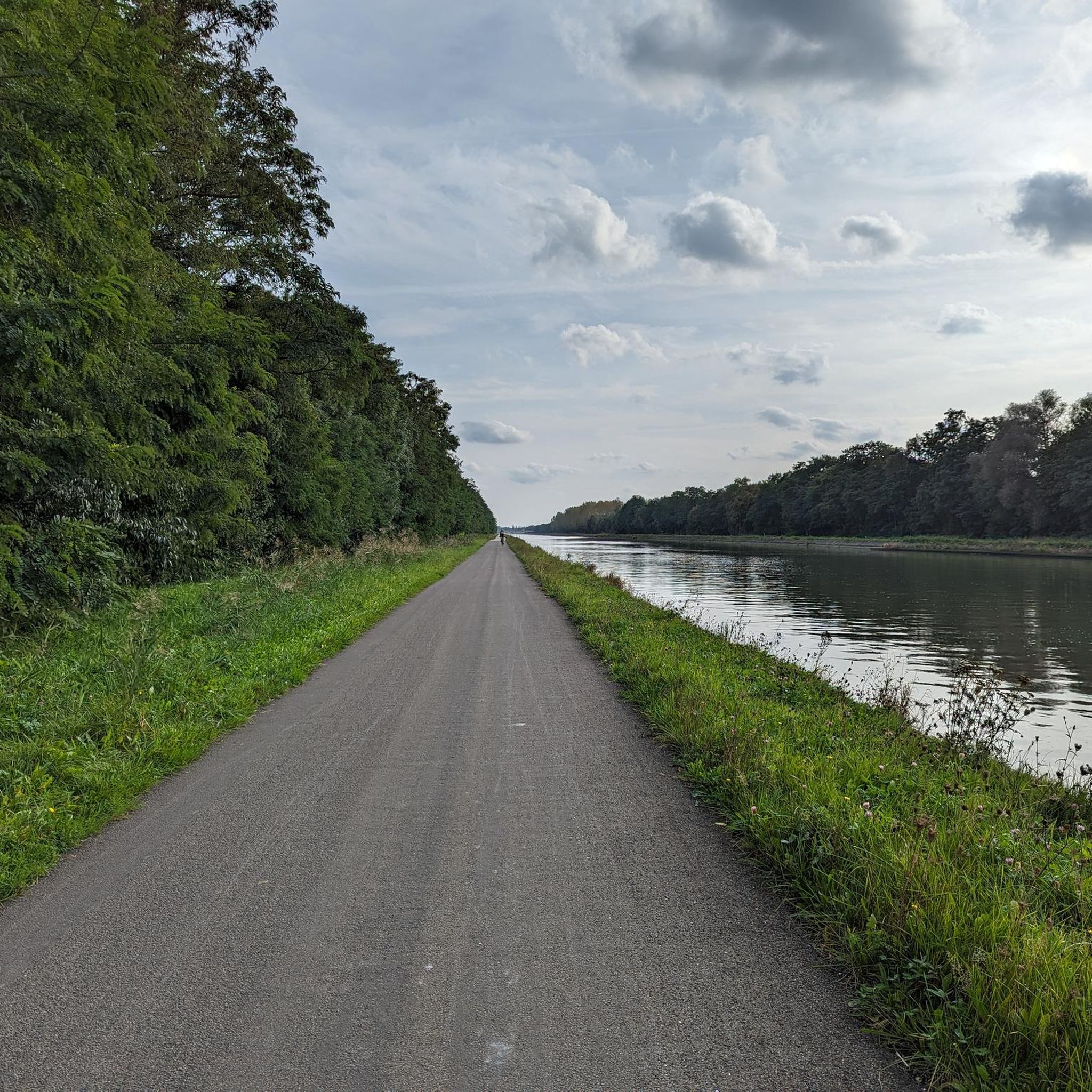
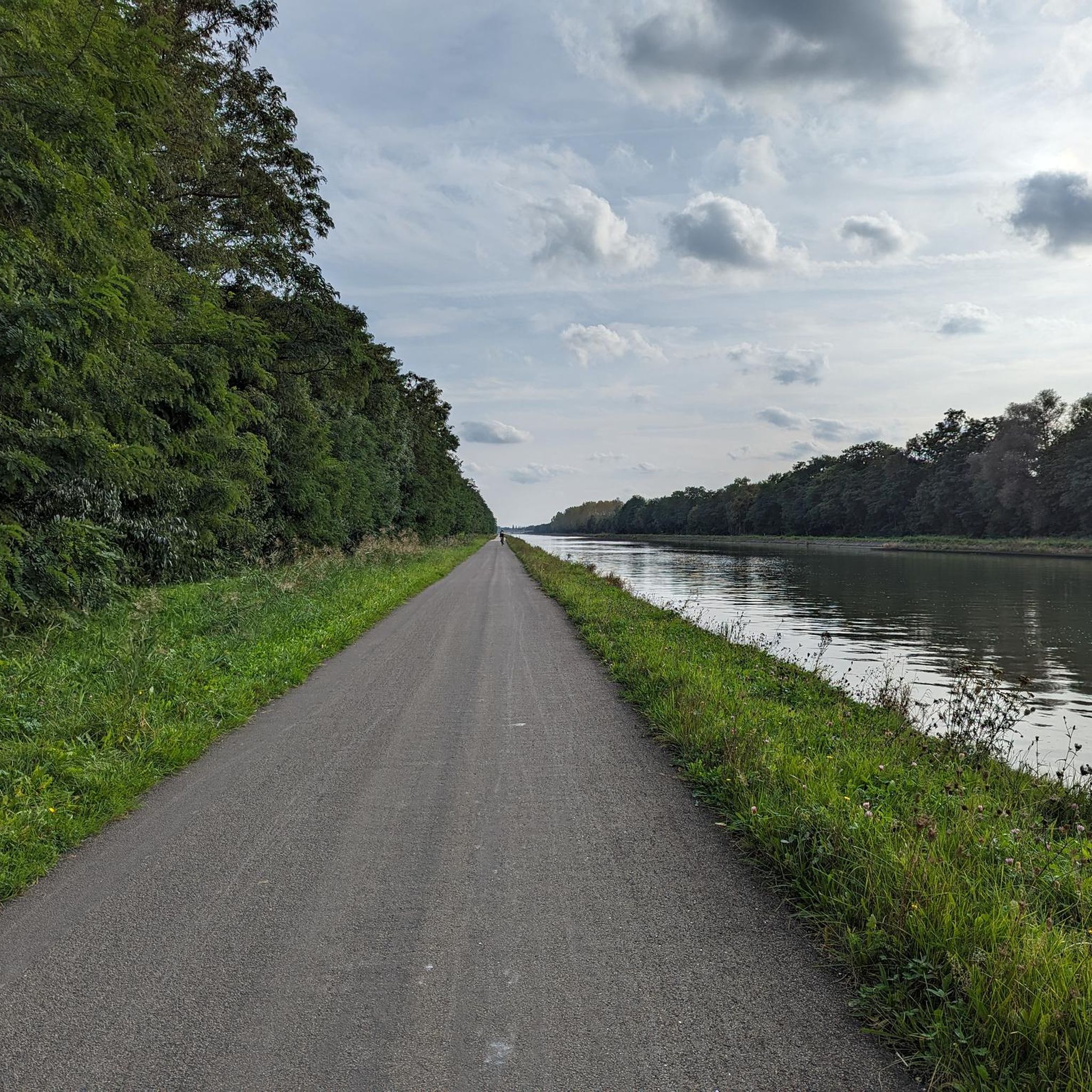
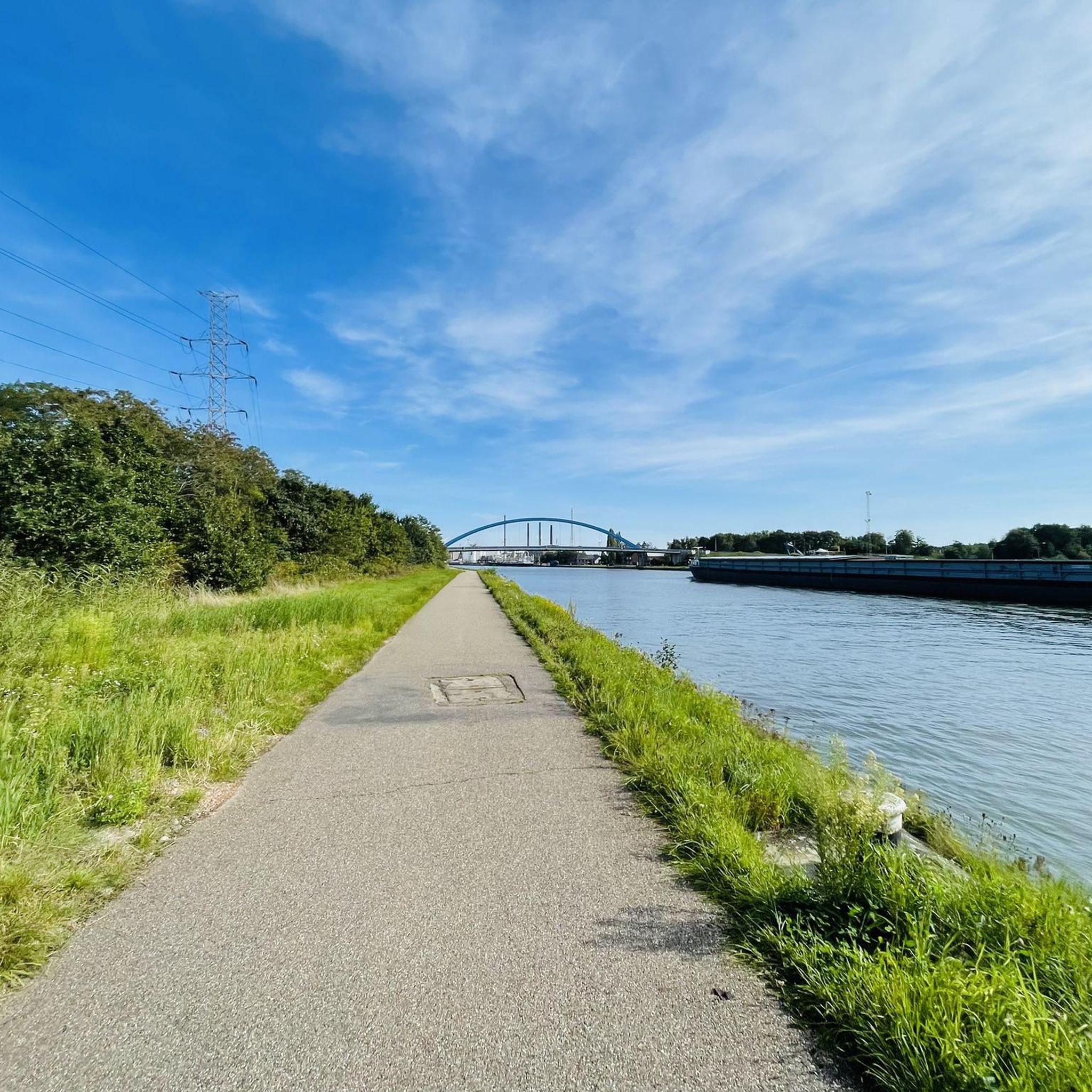
You will find more than just an alpaca meadow here (there are several). The meadows belong to Alpaca Pachmana. That is an alpaca farm with a shop (including wool), a cycling and walking café and numerous activities that you can participate in or book: from a guided tour to team building activities, photo shoots and of course walks. The AlpaCafé has a very spacious terrace where you can also enjoy a bite to eat. Of course, you can only do this at certain times of the year. Behind the parking lot of Alpaca Pachmana is also a pond with a well-maintained grass path that takes you to or from the canal. More information on https://www.alpaca-pachmana.be
7
0

The chapel with the blue door immediately stands out in the street...
11
2

The small brick chapel stands on Broekstraat in Kwaadmechelen
5
0
From the path along the marsh forest you can see the remains and traces of the old peat pits on the forest side. An older information board (look closely, you can easily walk past it gives you an explanation) about that past. As mentioned elsewhere, turg used to be stung here. The information board, titled "History draws the landscape" explains: ""Until 1940, people dug out the peat layer here for peat extraction. Peat is dried peat that served as fuel. The peat layer was created because dead plants in marshes were preserved in a wet, low-oxygen environment, instead of rotting away into humus". More on the board.
7
0
On sunnier days like today and in periods when it rained less, this path is no problem at all. Only the churned up earth of the horses and some remnants of mud here and there can make it a bit more difficult for you towards the end. And the mosquitoes but that's always in such an area :) Still better "safe than sorry" and be equipped.
8
0
One season drier than the other. In this area iron ore was mined and peat cut. At the end of the nineteenth century there were open iron ore mines. The ore was transported via a railway line from Gerhoeven over the stream to Hovesteen to go from there to the Ruhr area and the Liège smelting furnaces where rails were made from it. However, the iron content was small in this region (Beringen, Paal and Kwaadmechelen) and iron ore mining disappeared from the Kempen. At least that's what it says on the info board of Natuurpunt that you can find here. Scale and competition also appeared to play a role in the end of this iron mining. Wikipedia: "In the moist brook valley (ie De Rammelaars) small-scale human activities used to take place. There were hay meadows that were irrigated with nutrient-rich water from the brook. Coppice wood was also extracted. Peat was cut and iron ore was also produced on some scale. This was a profitable business especially in the 19th century, but from about 1900, given competition from large-scale iron ore mines, it was no longer profitable."
7
0
Frequently Asked Questions
What is the general difficulty level of hiking trails in Rammelaars?
Hiking trails in Rammelaars are primarily characterized by flat terrain with minimal elevation changes. The majority of routes are classified as easy or moderate, making the area accessible for various hiking abilities. Out of over 1,200 available routes, 781 are easy and 474 are moderate.
Are there easy hiking trails suitable for beginners in Rammelaars?
Yes, Rammelaars offers many easy trails perfect for beginners. For example, the Broekbos Nature Trail – Nature House De Rammelaars loop from Kwaadmechelen is an easy 3.2-mile (5.2 km) path through natural, wooded scenery. Another accessible option is the Nature House De Rammelaars – De Rammelaars Nature Reserve loop from Gervoort, which is 1.7 miles (2.8 km) long.
What are the typical distances of hiking trails in Rammelaars?
The hiking trails in Rammelaars vary in distance, catering to different preferences. You can find shorter loops, such as the Nature House De Rammelaars – De Rammelaars Nature Reserve loop from Gervoort at 1.7 miles (2.8 km), as well as longer routes like the De Rammelaars Nature Reserve – Tree-Lined Avenue loop from Kwaadmechelen, which spans 6.5 miles (10.5 km).
Are there family-friendly hiking options in Rammelaars?
Given the predominantly flat terrain and numerous easy trails, Rammelaars is very suitable for family hikes. Many routes, like the De Rammelaars Nature Reserve – Broekbos Nature Trail loop from Kwaadmechelen (3.3 miles / 5.3 km), are short and manageable for children, offering a pleasant experience in nature.
Can I bring my dog on the hiking trails in Rammelaars?
Many nature areas in Belgium, including Rammelaars, generally permit dogs on trails, often requiring them to be on a leash to protect wildlife. It's always recommended to check specific signage at trailheads within the nature reserves for any local regulations regarding dogs.
When is the best time of year to go hiking in Rammelaars?
Rammelaars can be enjoyed year-round. Spring brings blooming flora, summer offers lush greenery, and autumn provides beautiful fall colors. Even in winter, the flat terrain makes for accessible walks, though paths might be muddy. The region's gentle landscape is suitable for hiking in most weather conditions.
Is Rammelaars suitable for winter hiking?
Yes, Rammelaars is suitable for winter hiking due to its flat terrain and minimal elevation changes. The trails through wooded areas and open fields remain accessible, offering a peaceful experience. Be prepared for potentially muddy conditions and dress appropriately for the weather.
What can I see along the hiking trails in Rammelaars?
Along the hiking trails in Rammelaars, you can explore various natural and historical points of interest. Highlights include the expansive De Rammelaars Nature Reserve, the unique Broekbos Nature Trail, and the distinctive Boardwalk Through the Swamp Forest. You can also discover remnants of the region's industrial past, such as the Old Iron Ore Mining Pit and Peat Pits Remnants.
Are there circular hiking routes available in Rammelaars?
Yes, many of the hiking routes in Rammelaars are designed as circular loops, allowing you to start and end at the same point. Examples include the Our Lady Chapel 1864 loop from Kwaadmechelen and the De Rammelaars Nature Reserve – Tree-Lined Avenue loop from Kwaadmechelen.
What do other hikers enjoy the most about hiking in Rammelaars?
The hiking experience in Rammelaars is highly rated by the komoot community, with an average score of 4.4 stars from over 5,400 reviews. Hikers often praise the peaceful natural environment, the well-maintained trails through wooded areas and along tree-lined avenues, and the accessibility of routes for all skill levels.
How many hiking trails are there in Rammelaars?
There are over 1,200 hiking trails available in Rammelaars, offering a wide variety of options for exploring the region's nature reserves, forests, and open landscapes.
Most popular routes in Rammelaars
Most popular attractions in Rammelaars

Get inspired with the komoot mobile app


Explore more
Browse the best Hikes in other regions.
