The best road cycling routes in Vallei Van De Zeverenbeek
4.5
(232)
13,247
riders
357
rides
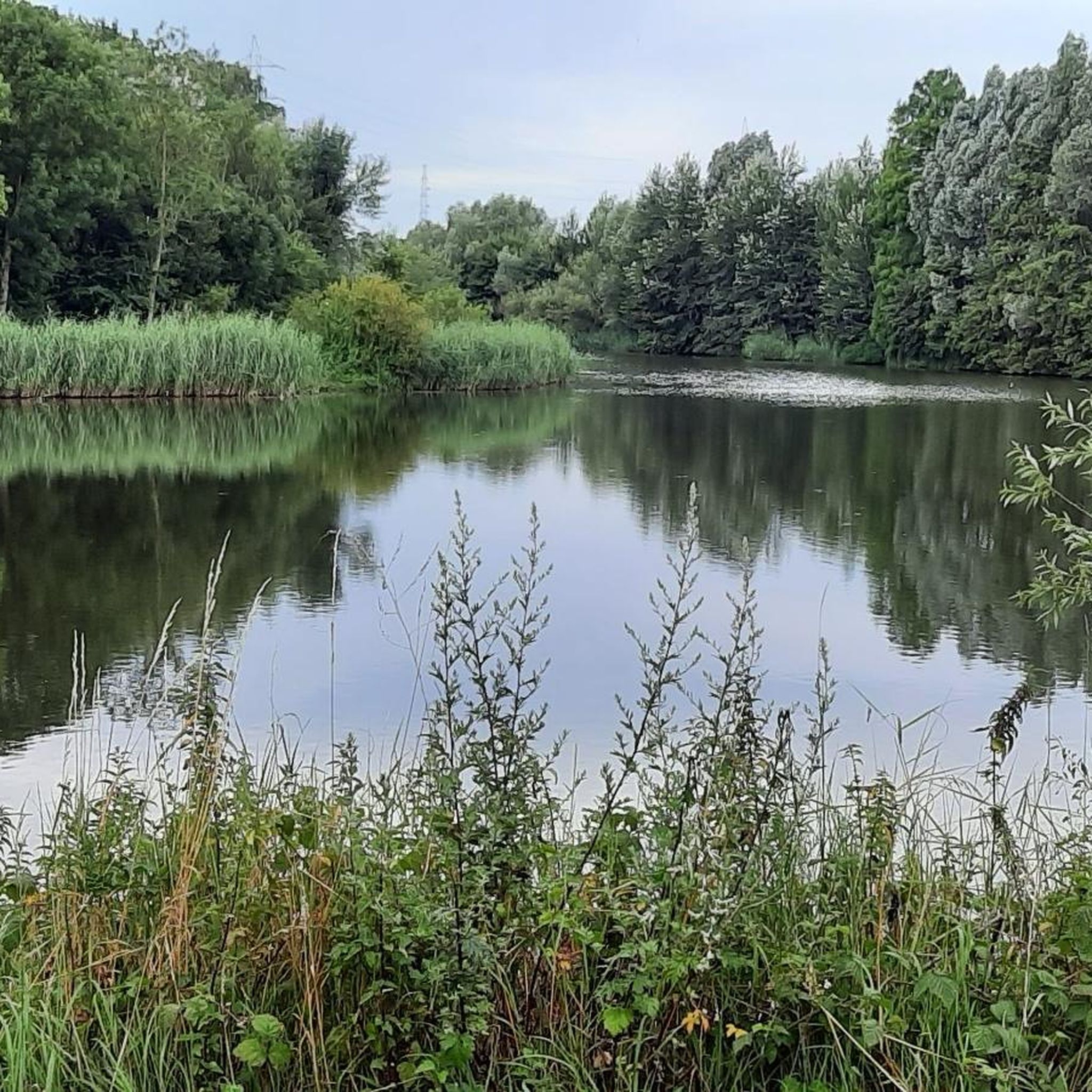
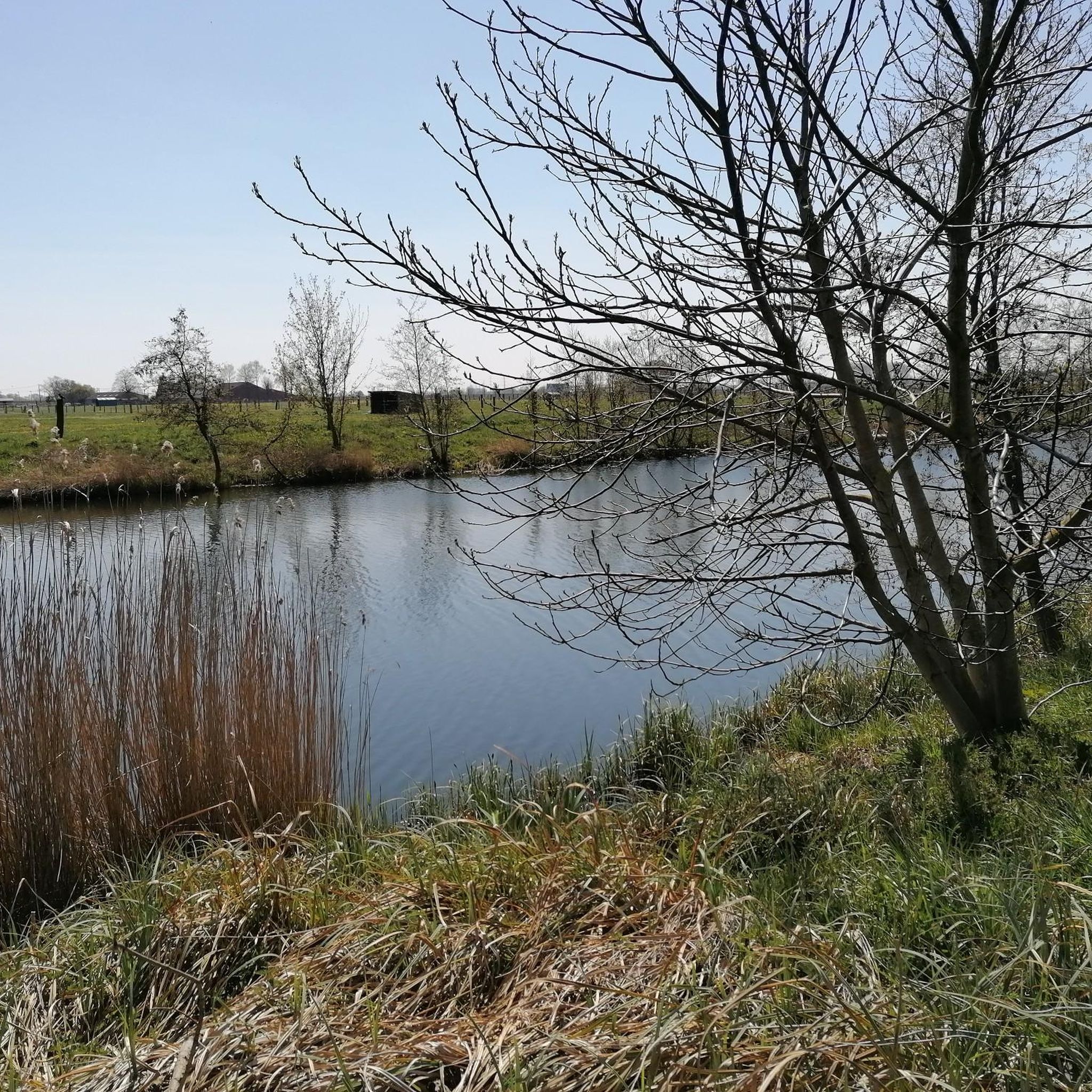
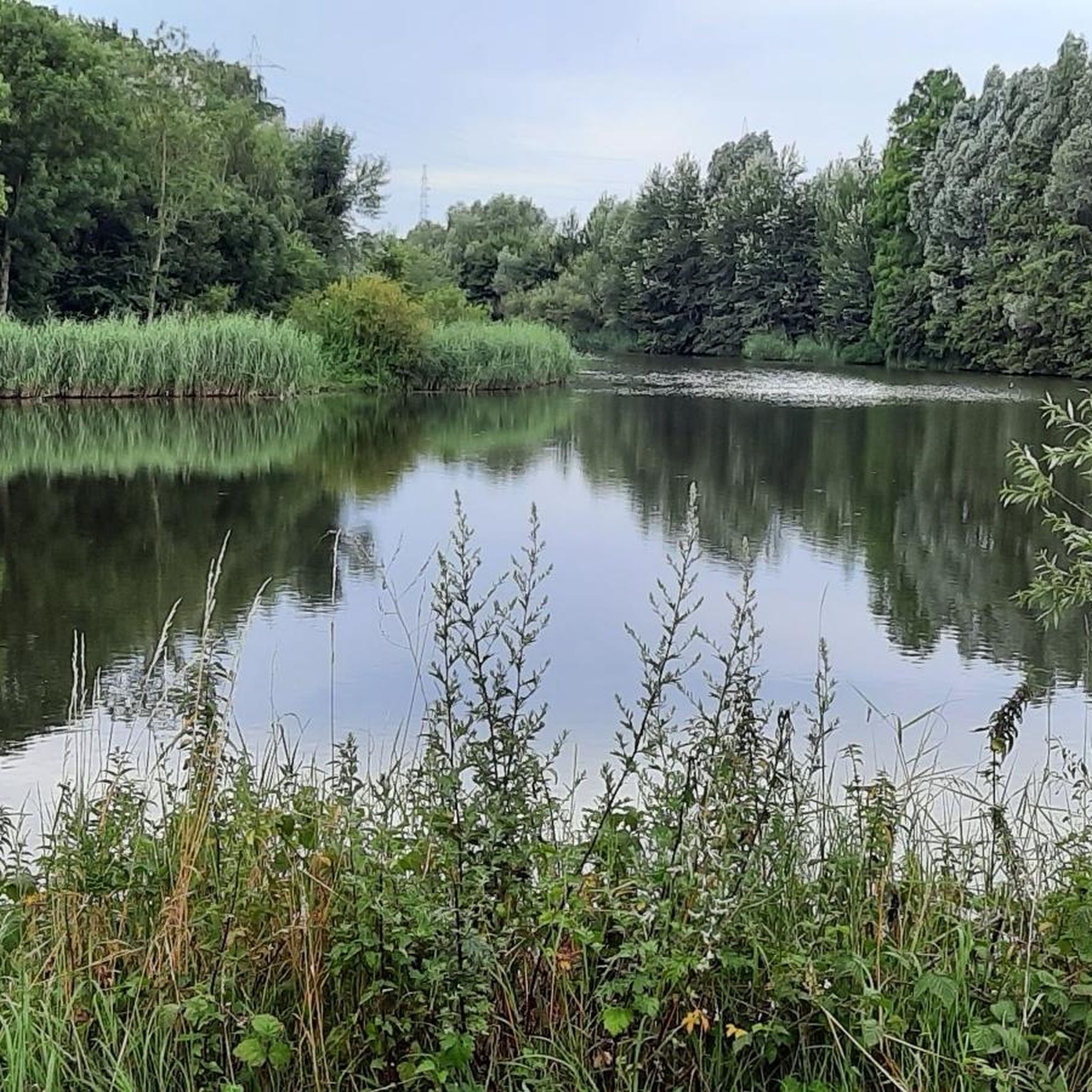
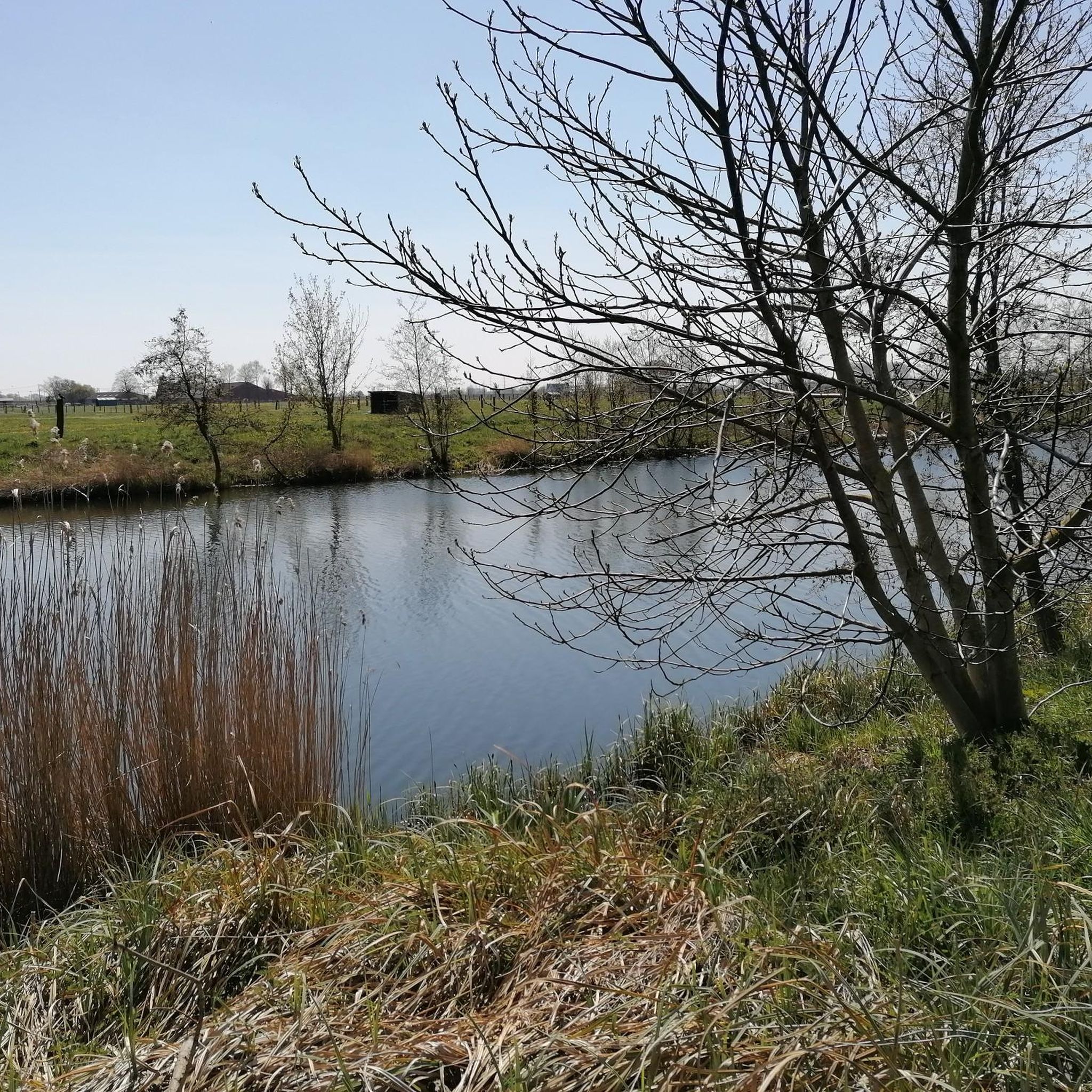
Road cycling in Vallei Van De Zeverenbeek and its surrounding region offers routes through a landscape characterized by wet grasslands, bog forests, and the nearby Leie River. While the core valley is a protected natural area, the broader Deinze municipality provides extensive cycling infrastructure with mostly paved surfaces. The terrain generally features gentle gradients, with some routes skirting the edges of the valley, offering views of its natural features. This region provides a tranquil environment for road cyclists.
Best road…
Last updated: July 8, 2026
5.0
(2)
51
riders
67.6km
03:14
110m
110m
Moderate road ride. Good fitness required. Some segments of this route may be unpaved and difficult to ride.
5.0
(5)
32
riders
43.0km
01:52
90m
90m
Easy road ride. Great for any fitness level. Mostly well-paved surfaces and easy to ride.

Sign up for free
4.5
(2)
233
riders
Moderate road ride. Good fitness required. Mostly well-paved surfaces and easy to ride.
4.3
(3)
213
riders
47.7km
02:47
80m
80m
Moderate road ride. Good fitness required. Some segments of this route may be unpaved and difficult to ride.
4.7
(3)
150
riders
88.5km
04:02
230m
230m
Moderate road ride. Good fitness required. Mostly well-paved surfaces and easy to ride.
Get access to more routes and recommendations from other explorers.
Sign up for free
Already have an account?
Our route recommendations are based on thousands of hikes, rides, and runs completed by other people on komoot.
Start today with a free account
Your next adventure awaits.
Login or Signup

Tips from the Community

Check the ferry schedule in advance: - During May, June, July, August, and September, and the Easter holidays: 7 days a week - from 9:00 AM to 12:00 PM and from 1:00 PM to 7:00 PM (or until sunset on shorter days of the year). - From October to April (excluding the Easter holidays) only on Saturdays, Sundays, and public holidays: same hours as above. The landing stage for one of these ferries is located along Dijkweg in Afsnee, near the St. John the Baptist Church on the right bank. A crossing is definitely worth the effort, as not only the Afsnee church but also the rectory and the village itself are protected gems. Further on, towards Sint-Denijs-Westrem and Sint-Martens-Latem, there are numerous hiking and cycling opportunities.
0
0


On the banks of the Leie River, in the heart of picturesque Afsnee, stands St. John the Baptist Church—a historic gem with roots dating back to the 10th century. The church has a Romanesque core from the 12th century and has been renovated and restored several times over the centuries, while retaining its character. Constructed of Tournai limestone, the building features a striking crossing tower and basilica-style nave, giving it a robust yet serene appearance. Inside, you'll find a baptismal font from 1601, a wooden statue of Christ from around 1700, and a beautiful stained-glass window depicting the baptism of Christ. The walled cemetery contains the gravestones of famous Ghent figures, including Count De Hemptinne and painter Karel De Bondt. I've included the dates.
3
0
In the idyllic village of Afsnee, you can take a charming crossing of the Leie River with the Afsnee Ferry. This electric ferry connects both banks and is only accessible to pedestrians and cyclists. The crossing is short but special: you'll sail among reeds, past ancient trees, and with views of picturesque waterfront houses. The ferry operates during the summer season and on weekends and public holidays during the winter months. It's a lovely place to take a break for hikers and cyclists who want to experience the rural character of the Leie region. Don't forget to take a moment to admire the tranquil view—time seems to pass a little slower here. An authentic highlight for those who love water, tranquility, and a touch of nostalgia.
1
0

Monument along a cool road
0
0
Only cycle path so watch out for oncoming traffic, the slope of the bridge is perfect
0
0

The Schipdonk Canal meanders for 56 kilometers from Deinze to Heist, where it flows into the North Sea. The canal serves as both an economic and a natural connection, forming the dividing line between the Meetjesland region, the Leie region, and the sea. The canal's construction in the nineteenth century was one of the first major infrastructure projects in the young Belgium. The canal played a strategic role during both the First and Second World Wars, serving as a key component of the military defenses. Today, it's especially enjoyable (and sometimes challenging) cycling!
2
0

Free ferry to Drongen-Baarle. The Baarleveer can carry fourteen pedestrians or seven cyclists at a time. It is also wheelchair accessible. The ferry operates during peak season (Easter holidays and May-September) from 7:30 AM to 12:30 PM and from 2:00 PM to 7:00 PM (or until sunset if it falls before 7:00 PM); on weekends from 9:00 AM to 12:00 PM and from 1:00 PM to 7:00 PM (even if sunset is not before 7:00 PM). Please note: from October to April, the ferry only operates on weekends and public holidays, from 9:00 AM to 12:00 PM and from 1:00 PM to 7:00 PM (or until sunset if it falls before 7:00 PM).
4
0
Frequently Asked Questions
What is the general terrain like for road cycling in Vallei Van De Zeverenbeek?
The Vallei Van De Zeverenbeek region is characterized by flat to gently rolling terrain, making it accessible for various fitness levels. While the core valley is a protected natural area, the surrounding roads offer mostly paved surfaces, providing a smooth cycling experience. You'll find routes that skirt the edges of the valley, offering views of its unique natural features.
Are there many challenging climbs for advanced road cyclists in the area?
The Vallei Van De Zeverenbeek region is generally known for its flat to gently rolling terrain, rather than significant climbs. Most routes feature minimal elevation gain, making it more suitable for leisurely rides or endurance training without steep ascents. For example, the Cycling route between Deinze and Maldegem has only about 109 meters of elevation gain over 67.6 km.
What kind of natural features can I expect to see while road cycling near Vallei Van De Zeverenbeek?
While the core of the Vallei Van De Zeverenbeek is a nature reserve best explored on foot, road cycling routes in the surrounding Deinze area often offer picturesque views of the countryside and skirt the valley's edges. You can expect to see wet grasslands, bog forests, and the tranquil Leie River, which the Zeverenbeek flows into. The region is rich in biodiversity, offering a serene green environment.
How many road cycling routes are available in Vallei Van De Zeverenbeek?
There are over 360 road cycling routes available in Vallei Van De Zeverenbeek and its surrounding region. These routes cater to various skill levels, with a significant number of easy and moderate options, ensuring there's something for every road cyclist.
What do other road cyclists enjoy most about the routes in Vallei Van De Zeverenbeek?
The routes in Vallei Van De Zeverenbeek are highly rated by the komoot community, with an average score of 4.4 stars from over 200 reviews. Cyclists often praise the tranquil environment, the extensive paved surfaces, and the scenic views of the surrounding countryside and natural features like the Leie River.
Are there any family-friendly road cycling routes in Vallei Van De Zeverenbeek?
Yes, the region offers many family-friendly road cycling options due to its generally flat to gently rolling terrain and extensive network of paved surfaces. Routes like the Briek Schotte Memorial Loop are classified as easy, making them suitable for families looking for a pleasant ride.
What is the best time of year to go road cycling in Vallei Van De Zeverenbeek?
The region is generally pleasant for road cycling from spring through autumn. During these seasons, the weather is typically mild, and the natural landscapes are at their most vibrant. While the core valley can be wet, the paved roads in the broader Deinze area remain accessible, offering enjoyable conditions for cycling.
Are there circular road cycling routes available in the Vallei Van De Zeverenbeek area?
Yes, many road cycling routes in the Vallei Van De Zeverenbeek region are designed as loops, allowing you to start and end your ride in the same location. An example is the Paved Pathways of Het Leen – Kromme Brug, Deinze loop from Deinze, which offers a convenient circular journey through the countryside.
Where can I find parking for road cycling routes in Vallei Van De Zeverenbeek?
The municipality of Deinze has invested significantly in cycling infrastructure, which often includes accessible parking options near popular starting points for routes. While specific parking locations aren't detailed for every route, you can typically find parking in and around Deinze, which serves as a common starting point for exploring the region's cycling network.
Can I access road cycling routes in Vallei Van De Zeverenbeek using public transport?
Deinze is well-connected by public transport, making it a convenient hub for accessing the surrounding road cycling routes. Many routes start from or pass through Deinze, allowing cyclists to reach the area by train or bus and then begin their ride. It's advisable to check local public transport schedules and bicycle carriage policies beforehand.
Are there any specific regulations or permits required for road cycling in Vallei Van De Zeverenbeek?
Generally, no specific permits are required for road cycling on the public roads and designated cycling paths in the Vallei Van De Zeverenbeek region. The municipality of Deinze actively promotes cycling and has developed extensive infrastructure for cyclists. However, always adhere to local traffic laws and respect any signage, especially when cycling near protected natural areas.
What is the longest road cycling route in the Vallei Van De Zeverenbeek area?
One of the longer road cycling routes in the area is the Poelbergmolen – Poelberg Windmill loop from Deinze, which spans approximately 88.3 kilometers. This route offers a substantial ride through the region's landscapes, suitable for cyclists looking for a longer endurance challenge.
Most popular routes in Vallei Van De Zeverenbeek

Get inspired with the komoot mobile app


Explore more
Browse the best Road cycling routes in other regions.
