The best walks and hikes in Vallei Van De Zeverenbeek
4.3
(4428)
23,990
hikers
806
hikes
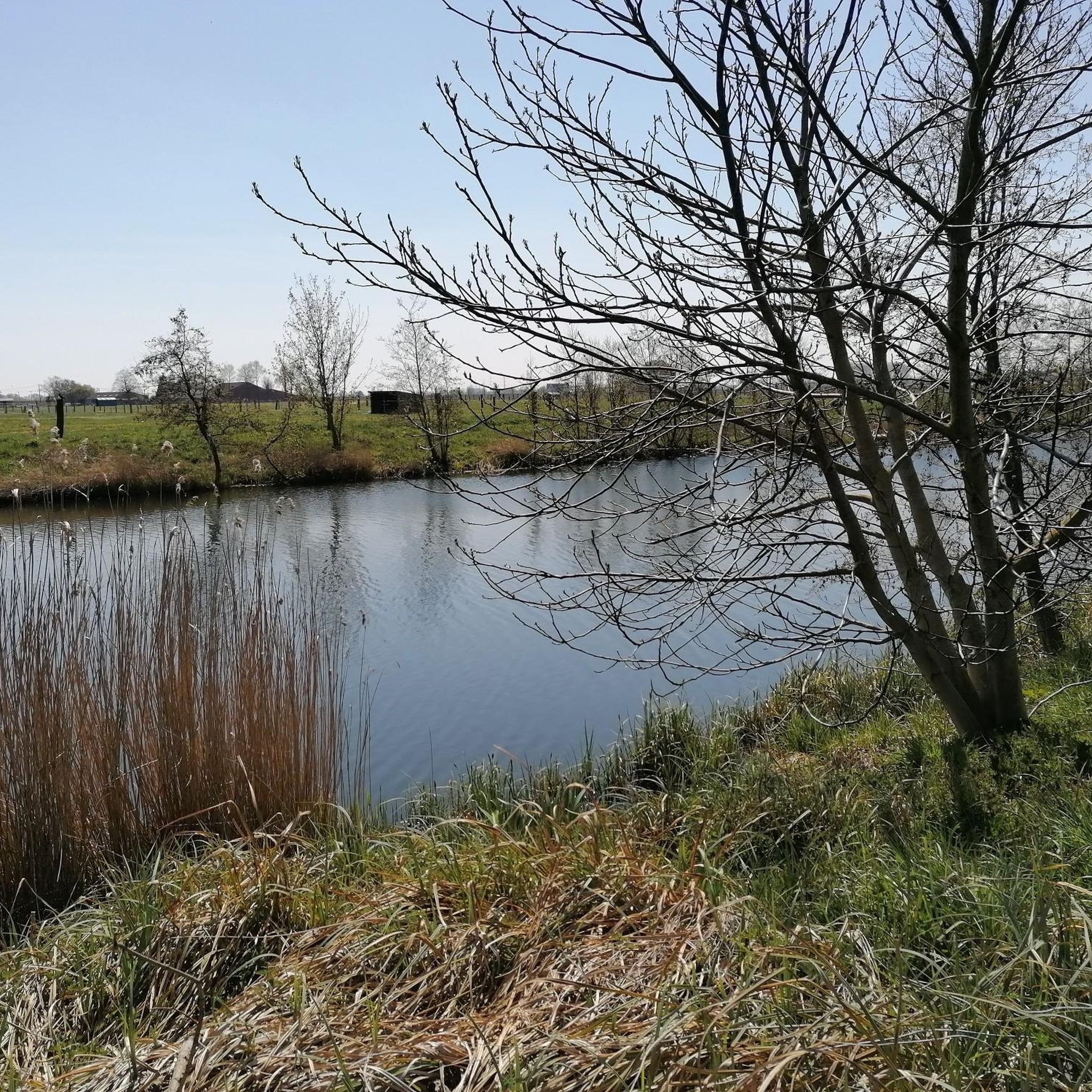
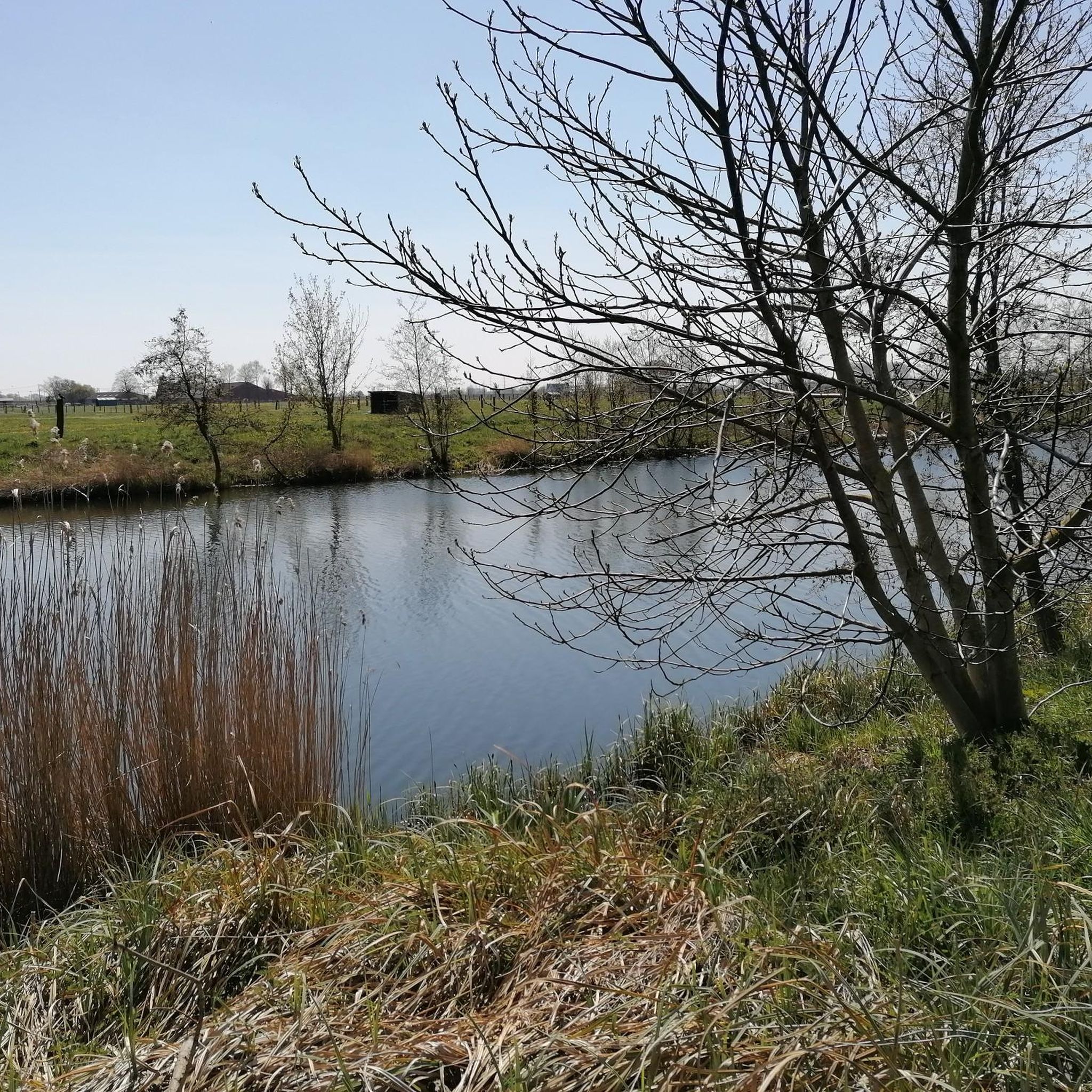
Hiking trails in Vallei Van De Zeverenbeek traverse a 200-hectare nature reserve characterized by diverse biotopes, including expansive meadows, buttercup hayfields, and alder-ash swamp forests. The terrain features unique peat layers, formed after the Ice Age, which retain significant water. Continuous groundwater seepage at the valley's edges maintains a high water table, supporting specific rare plant species.
Best hiking trails in Vallei Van De De Zeverenbeek
- The most popular hiking route is Boardwalk along the Oude Leie – Zeverenbeekvallei Boardwalk…
Last updated: October 18, 2026
4.2
(30)
189
hikers
Moderate hike. Good fitness required. Easily-accessible paths. Suitable for all skill levels.
4.1
(59)
209
hikers
5.82km
01:29
10m
10m
Easy hike. Great for any fitness level. Easily-accessible paths. Suitable for all skill levels.

4.1
(57)
184
hikers
4.57km
01:09
10m
10m
Easy hike. Great for any fitness level. Easily-accessible paths. Suitable for all skill levels.
4.6
(16)
25
hikers
Easy hike. Great for any fitness level. Easily-accessible paths. Suitable for all skill levels.
3.7
(3)
9
hikers
Moderate hike. Good fitness required. Easily-accessible paths. Suitable for all skill levels.
Get access to more routes and recommendations from other explorers.
Already have an account?
Our route recommendations are based on thousands of hikes, rides, and runs completed by other people on komoot.
Start today with a free account
Your next adventure awaits.

Tips from the Community

Just past this boardwalk, there is a nice bench to rest with a view of meadows.
0
0

The railway bridge is heritage! More info on the website of Wontergem.com. https://wontergem.com/erfgoed/#erf20
1
1

In the meadow of the farm at Wierookstraat 11, slightly set back from the road, you'll find this brick chapel of Our Lady with a datestone from 1905. It is in very poor condition. To prevent further damage, the doorway has been blocked off with barbed wire.
4
0
On the corner of Leeuwstraat with Hoenderveldstraat and Wierookstraat hangs this wooden chapel with a crucifix inside.
3
0
This pillory is a beautiful replica of the original pillory that was destroyed during the First World War and lay neglected for years in the Zeveren cemetery. In 1937, the Zeveren municipal council donated the remains of the original pillory to the then Art and Archaeological Society of Deinze (now Dunsa). The pillory now stands in the courtyard of the Museum of Deinze and the Leie Region. It has been there since the museum opened in 1981. Criminals used to be tied to the pillory for minor offenses. This was a decision made by the local court. According to tradition, the individuals were first bound to the pillory for eight days without food or drink. On the eighth day, freshly roasted sausage was brought and hung less than half a meter from the mouth. This happened three times a day until the offenders finally starved to death. The Zeveren pillory was used until the 19th century. Source: cultuurregioleieschelde.be
4
0
This memorial plaque directly opposite the church honors 4 military and 2 civilian victims of the First World War and 7 who died in the Second World War.
2
0
To the right of and parallel to the church stands the old rectory of the Saint Amandus parish. It dates from 1751, initially as a single-story house, later added with a second story. The building is only partially visible from the street. Source: Heritage Inventory
4
0
In 2021, the decision was made to withdraw the church from worship and repurpose it as a community center. The church building defines the village's image and identity, becoming the new public meeting place for Zeveren. The new community center will invite people to connect, relax, and experience the surroundings, while respecting the cemetery and local residents. The city will appoint a designer in 2024. The actual construction is scheduled for 2026 and 2027. Source: deinze.be
2
0
Frequently Asked Questions
What kind of terrain can I expect when hiking in Vallei Van De Zeverenbeek?
The Vallei Van De Zeverenbeek features a diverse landscape, including expansive meadows, buttercup hayfields, and alder-ash swamp forests. A unique aspect is the presence of several meters thick peat layers, which retain a lot of water. You'll encounter continuous groundwater seepage, especially at the edges, making some areas quite wet. Boardwalks (knuppelpad) have been installed to help traverse the wettest parts, but sturdy boots are recommended.
Are there many hiking trails available in Vallei Van De Zeverenbeek?
Yes, the Vallei Van De Zeverenbeek offers a wide selection of hiking opportunities. There are over 790 routes available, ranging from easy strolls to more challenging moderate hikes, ensuring options for various fitness levels.
What natural features or landmarks can I see along the trails?
Hikers can discover a rich variety of natural features. The valley is known for its diverse biotopes, including unique peatlands and historical hayfields like 'De Blekerij,' which blooms with rare plants. You might also encounter the 'Moerputten,' three overgrown ponds linked to a local legend, and small brick chapels that add cultural interest to the landscape.
What is the best time of year to go hiking in Vallei Van De Zeverenbeek?
The Vallei Van De Zeverenbeek is beautiful year-round, but the spring and summer months are particularly vibrant when the hayfields are in bloom with various flowers, including common marsh-orchids and ragged-robins. The wet meadows also serve as excellent wintering grounds for water birds, offering unique wildlife observation opportunities during colder months. Due to the often-wet ground, sturdy footwear is advisable regardless of the season.
Are the hiking trails in Vallei Van De Zeverenbeek suitable for families with children?
Many trails in Vallei Van De Zeverenbeek are suitable for families. The area offers a range of easy routes, such as the Quiet Country Road – Zeveren Planke Boardwalk loop from Deinze, which is 3.5 miles (5.7 km) long. The presence of boardwalks also makes exploring the unique peatland environment an engaging experience for children.
Can I bring my dog on the hiking trails?
The Vallei Van De Zeverenbeek is generally dog-friendly, but it's always best to keep your dog on a leash, especially given the sensitive nature of the reserve and the presence of wildlife. Always check local signage for specific rules regarding dogs in certain areas or during particular seasons.
What do other hikers enjoy most about Vallei Van De Zeverenbeek?
The area is highly rated by the komoot community, with an average score of 4.3 stars from over 3,800 reviews. Hikers often praise the diverse and often water-rich landscapes, the unique peatland environment, and the well-maintained boardwalks that provide close access to its natural features. The sense of discovering a hidden natural gem in Flanders is also frequently highlighted.
Are there any circular hiking routes in the valley?
Yes, the Vallei Van De Zeverenbeek offers several circular routes. A popular option is the Boardwalk along the Oude Leie – Zeverenbeekvallei Boardwalk loop from Deinze, an 11.2-mile (18.0 km) moderate trail. Another easy circular route is the Zeveren Planke Boardwalk – Little Bridge of Nothing loop from Zeveren, which is 4.0 miles (6.4 km) long.
How long are the typical hiking routes in Vallei Van De Zeverenbeek?
Hiking routes in the Vallei Van De Zeverenbeek vary in length. You can find shorter, easy paths like the Zeveren Planke Boardwalk – Quiet Country Road loop from Zeveren, which is 2.8 miles (4.6 km) and takes about 1 hour 9 minutes. Longer, moderate options, such as the Boardwalk along the Oude Leie – Zeverenbeekvallei Boardwalk loop from Deinze, can extend to 11.2 miles (18.0 km) and take over 4 hours.
Is there parking available near the hiking trails?
While specific parking areas are not detailed in the guide, the Vallei Van De Zeverenbeek is a well-known nature reserve. It is advisable to look for designated parking facilities in or around Deinze or Zeveren, which are common starting points for many routes, such as the Zeveren Planke Boardwalk – Little Bridge of Nothing loop from Deinze.
Are there any cafes or places to eat near the hiking routes?
The Vallei Van De Zeverenbeek is located near Deinze, a town that offers various amenities including cafes and restaurants where you can refresh yourself before or after your hike. While there are no direct facilities within the nature reserve itself, options are available in the nearby communities.
What makes the Vallei Van De Zeverenbeek unique for hiking?
The valley is unique for its diverse biotopes, including rare peat layers and continuous groundwater seepage that supports specific rare plant species. It's recognized as a protected European Natura 2000 habitat area, offering a chance to explore a rich and vibrant ecosystem with features like historical hayfields, swamp forests, and boardwalks that allow close access to its distinctive natural environment.
Most popular routes in Vallei Van De Zeverenbeek

Get inspired with the komoot mobile app


Explore more
Browse the best Hikes in other regions.
