The best MTB trails in Jongenbos
4.2
(655)
6,547
riders
250
rides
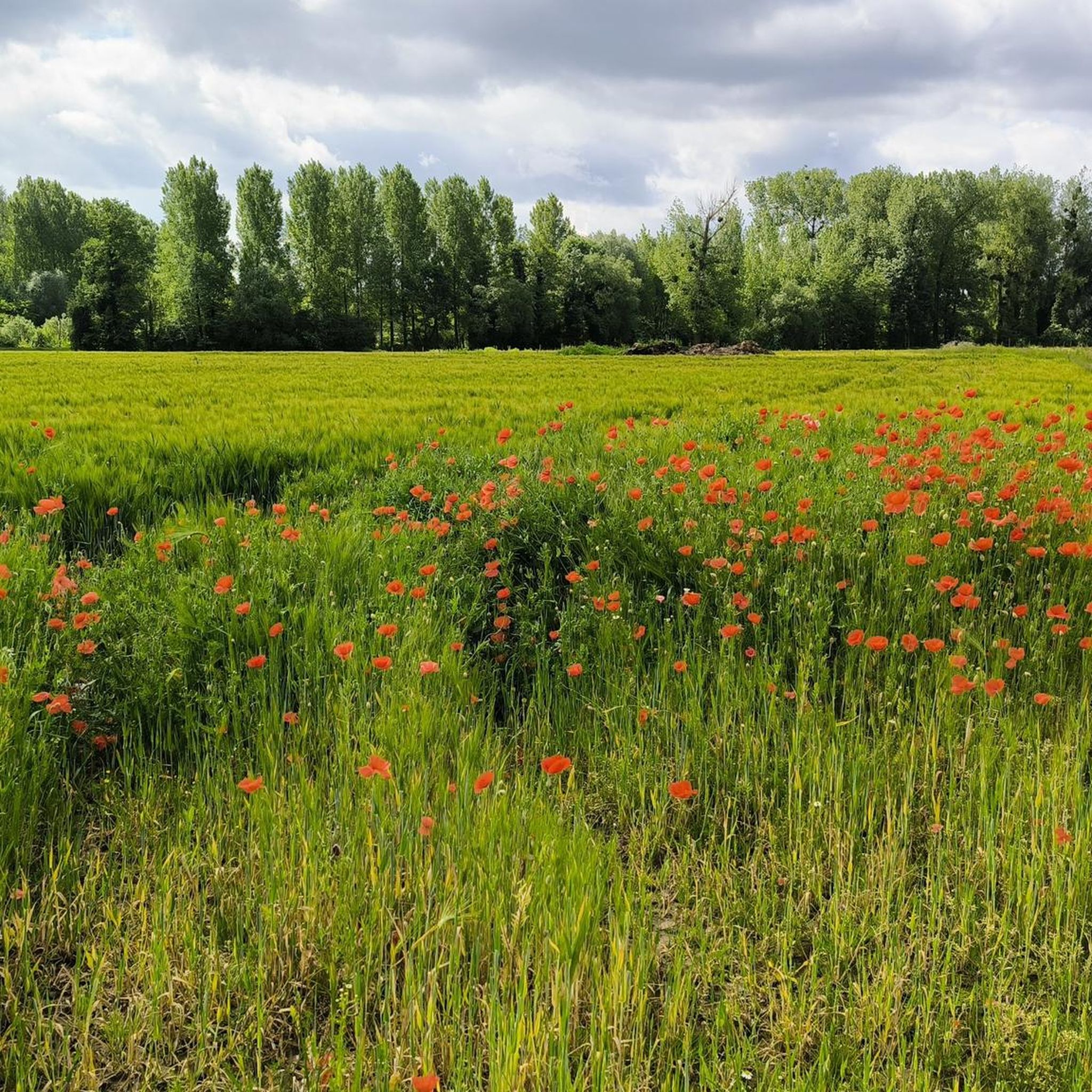
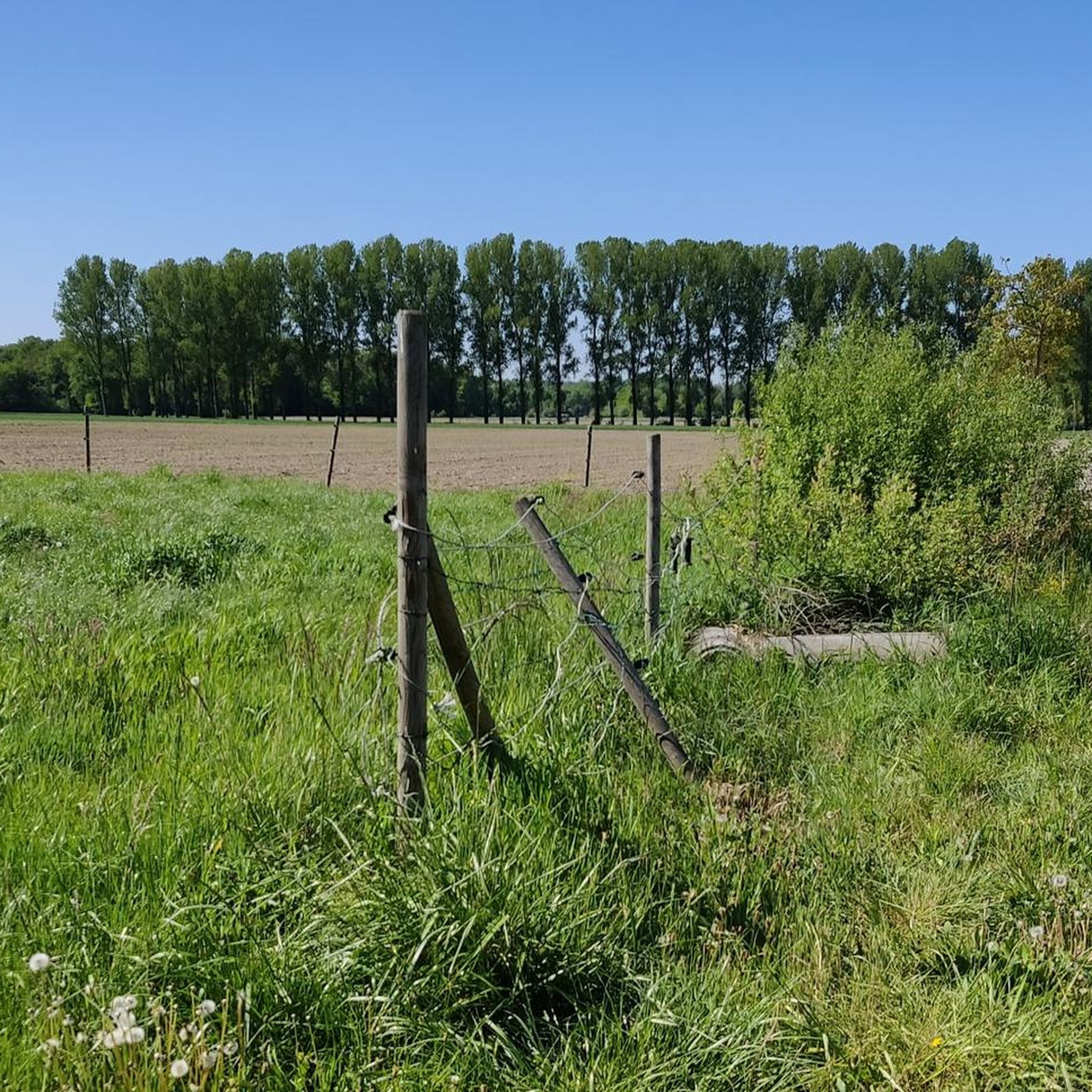
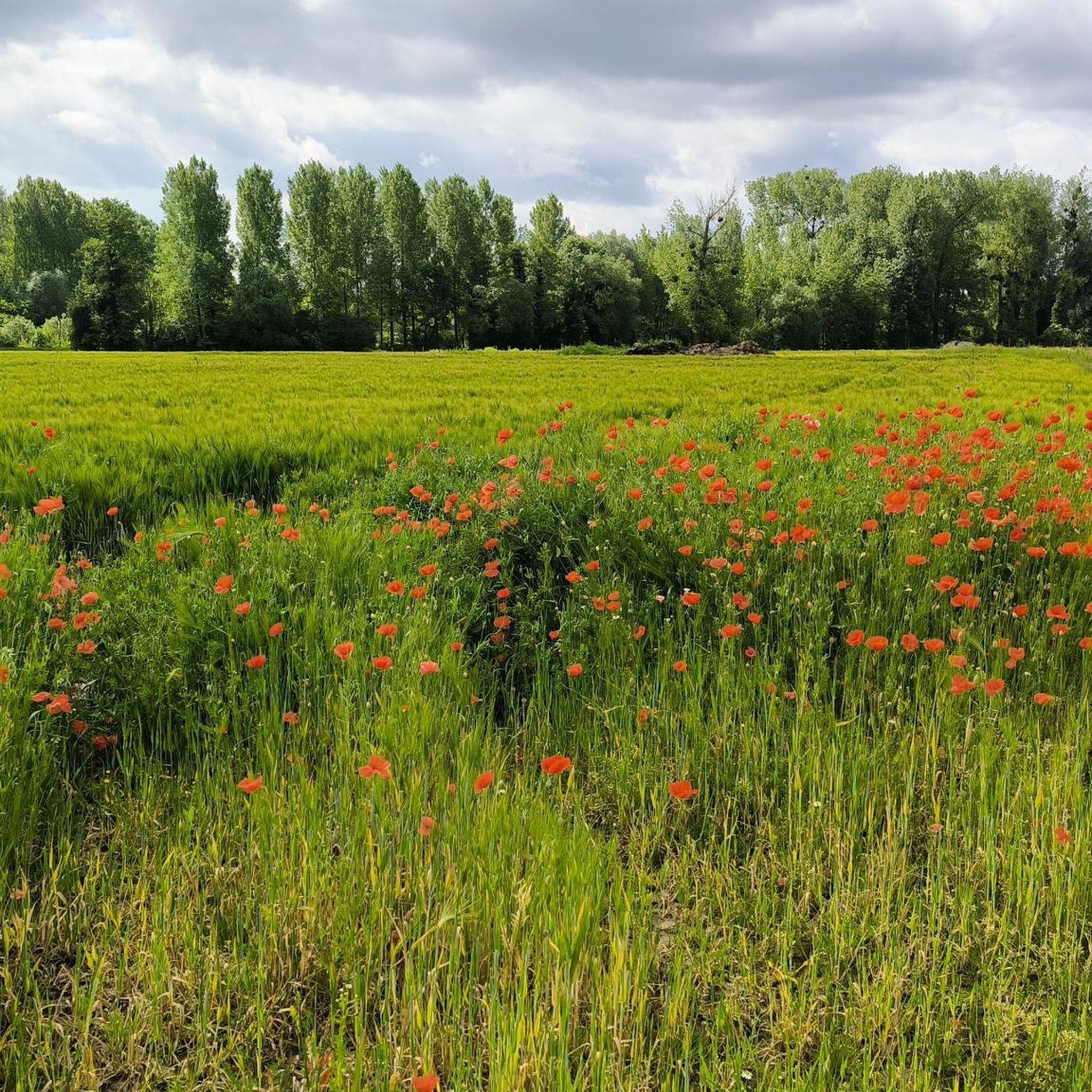
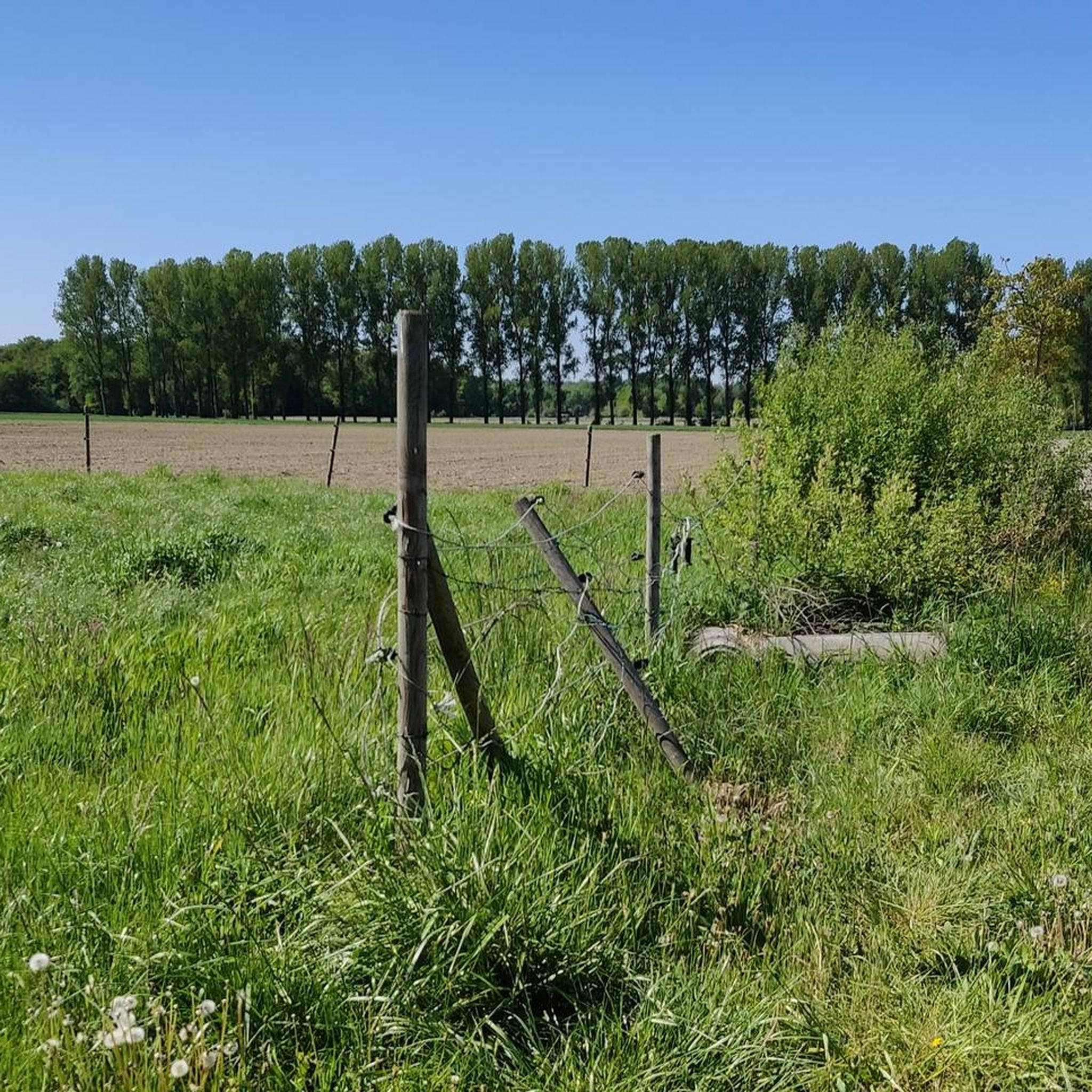
Mountain biking in Jongenbos offers routes through a verdant sanctuary characterized by sandy loam soils and unique geological formations like "donken" and clay deposits in its stream valleys. This protected area, part of the Natura 2000 network, features extensive forests and a diverse landscape at the transition zone between the sandy Kempen and the loamy Haspengouw. The terrain provides varied conditions for mountain bikers, from forest paths to more open areas.
Best mountain bike trails in Jongenbos
- The most popular…
Last updated: June 20, 2026
4.5
(15)
149
riders
45.0km
02:56
370m
370m
Moderate mountain bike ride. Good fitness required. Advanced riding skills necessary.
4.4
(21)
113
riders
43.4km
02:32
150m
150m
Moderate mountain bike ride. Good fitness required. Advanced riding skills necessary.

Sign up for free
5.0
(19)
31
riders
41.1km
02:46
180m
180m
Moderate mountain bike ride. Good fitness required. Advanced riding skills necessary.
24
riders
112km
06:45
770m
770m
Hard mountain bike ride. Very good fitness required. Advanced riding skills necessary.
4.0
(2)
13
riders
46.9km
02:27
90m
90m
Moderate mountain bike ride. Good fitness required. Suitable for all skill levels.
Get access to more routes and recommendations from other explorers.
Sign up for free
Already have an account?
Our route recommendations are based on thousands of hikes, rides, and runs completed by other people on komoot.
Start today with a free account
Your next adventure awaits.
Login or Signup

Tips from the Community

Beautiful view and wonderful bike path
0
0

At the highest point of Helshoven, you can now enjoy a breathtaking view over the Haspengouw landscape. Artist Frits Jeuris has created a unique work of art from dozens of felled fruit trees from the area. “Helsh(ea)ven”, a wooden work of art consisting of 90 standard cherry trees, each fifty years old, was hit by the cherry plague virus at the end of 2016, a contagious plant disease that causes small fruits on cherries. Now the felled trees are getting a second life. The work of art symbolizes the dynamic landscape of Haspengouw.
2
0
This transparent church, aptly named 'Reading Between the Lines', is a work of art by PIT, designed by the architectural duo Gijs Van Vaerenbergh. It symbolises the decay of the church. The ten-meter-high artwork consists of one hundred stacked layers of sheet steel in the shape of a church in Loon. Thanks to the unique construction, the beautiful Haspengouw landscape remains visible through the church. In 2012, this transparent church received the 'Building of the Year' award from the renowned website ArchDaily. It was the first time a Belgian project had received this honour. Enjoy the view; this is a place with one of the most breathtaking panoramas.
0
0
The cycle path through the water leads cyclists over a 212-meter-long and three-meter-wide concrete path, with water at eye level on both sides. Swans and other waterfowl swim along the banks, curiously watching the cyclists. Since its opening, interest in this unique cycle path has been enormous. On average, 800 visitors per day explore this unforgettable part of the Limburg cycle network, with peaks on Saturdays and Sundays, and on some days even up to 5,000 cyclists.
1
1

This section, together with the water lock and the outer bailey, belongs to the oldest parts: in the Apostles' House, remains of the late Gothic ordinance from the second half of the 16th century from the building campaign of Land Commander Wijnandt van Brijel have been preserved. The complex is located at the highest point of the domain, on the eastern side of the commandery. Seven avenues converge at the gate, symbolizing the Seven Sorrows and Joys of Mary. To the right of the gatehouse was the now disappeared Apostles' House; it was an L-shaped building of two storeys, with a chapel on the ground floor, and twelve rooms for needy men, hence the name Apostles' House; late Gothic core from the second half of the 16th century, enlarged and adapted in 1716-1726, under Commander Damian Hugo von Schönborn, as indicated by a facade stone. After World War II, the Apostles' House slowly deteriorated but has since been restored.
2
0
The Katteberg is said to owe its name to a quarry in the nearby Leten called 'In de Kat'. This nature reserve on the Demer is very varied with its fish ponds, species-rich meadows, rough areas, an orchard and a slope forest. The walking path that leads via the Leterweg to Alden Biesen follows the route of a vanished tram line. This was built in 1908-1910 to connect the industrial area of Liège with the Limburg coal mines. The tram line had to bridge a height of 25 meters here and crossed the Demer via a double arched bridge in masonry. The tram tracks were removed in 1952. The pond behind the tram bridge was created by the extraction of clay for the Belisia tile factory in the Zeepstraat.
5
0
Sunken roads only occur in hilly regions. They are typical of the loess region. They were created by human intervention. They were used as connecting roads between farm and field, and due to frequent use, loose sand was washed down the slope with every rain shower. In this way, the road became increasingly hollowed out. A sunken road has a mild temperature; the wind has no hold on it. The silence is also noticeable during a walk in the shelter of a deep lane.
4
0

The Katteberg follows the route of an old tramway. A climb not to be underestimated awaits you here. Historical context: This semi-hardened gravel path follows the route of the former tram line that connected the coal mines of Genk with the industrial area of Liège. The construction of the tram line began in 1908. To overcome the difference in altitude between the station and the hamlet of Leten, an earthen embankment was built over a distance of 700 meters, cutting straight through the Katteberg. A double arch bridge in masonry was built over the Demer river. The steam tram was put into operation in 1910 and caused a huge increase in passenger traffic in the region. The tram was definitively taken out of service in August 1948. The tram tracks were removed in 1952. Now, this is a route where recreational users, hikers, and cyclists can cross paths. Each at their own pace, enjoying together.
7
0
Frequently Asked Questions
How many mountain bike trails are available in Jongenbos?
Jongenbos offers a wide selection of mountain bike trails, with over 250 routes to choose from. These include options for various skill levels, with approximately 48 easy, 182 moderate, and 26 difficult trails.
What kind of terrain can I expect when mountain biking in Jongenbos?
The terrain in Jongenbos is characterized by sandy loam soils and extensive forests, situated in a transitional zone between the sandy Kempen and loamy Haspengouw. While generally nearly flat and accessible, you'll find varied conditions from forest paths to more open areas, including unique geological features like "donken" and clay deposits in stream valleys. It's ideal for a relaxed cycling experience rather than highly technical descents.
Are there any family-friendly mountain bike trails in Jongenbos?
Yes, Jongenbos is well-suited for family outings due to its 'nagenoeg vlak' (nearly flat) and easily accessible paths. Many of the 48 easy routes are perfect for families looking for a leisurely ride without significant technical challenges. The varied path network allows for enjoyable rides for all ages.
What are some notable landmarks or attractions I can see while mountain biking in Jongenbos?
You can explore several interesting points while riding. The area is historically significant, centered around Jongenbos Castle. You might also encounter the Avenue with a view of Jongenbos Castle or ride through the tranquil Jongenbos forest itself. The pond behind the castle is also a historical feature.
Are there any circular mountain bike routes in Jongenbos?
Yes, many of the mountain bike routes in Jongenbos are designed as loops. For example, the View of Guigoven Castle – Holloway Path loop from Vliermaal offers a moderate 45.2 km ride, allowing you to start and finish at the same point.
What is the difficulty level of mountain biking in Jongenbos?
Jongenbos offers a range of difficulty levels. While it's not known for extreme technical challenges, you'll find routes categorized as easy, moderate, and difficult. For instance, the Essers Singletrack – Forest Singletrack Descent loop from Diepenbeek is rated as difficult, while many others are moderate or easy, catering to different experience levels.
What do other mountain bikers say about the trails in Jongenbos?
The mountain bike trails in Jongenbos are highly regarded by the komoot community, with an average rating of 4.2 stars from over 600 reviews. Riders often praise the varied terrain, the extensive forests, and the overall enjoyable experience in this green oasis.
Is Jongenbos suitable for beginner mountain bikers?
Absolutely. With 48 easy routes and a generally 'nearly flat' landscape, Jongenbos is an excellent destination for beginner mountain bikers. The paths are typically well-maintained and do not present significant technical obstacles, making it a pleasant environment to gain experience.
What kind of wildlife can I expect to see on the trails?
Jongenbos is a green oasis with rich biodiversity. You might encounter species like the European pine marten and Bechstein's bat in the older parts of the forest. The open spaces at the forest's edge host rare flora and fauna such as the brown argus butterfly and devil's-bit scabious. In spring, the forest floor is carpeted with vibrant flora like wood anemones and wild hyacinths.
Are there any longer mountain bike routes for experienced riders?
Yes, for experienced riders looking for a longer challenge, the Roman Road – De Herkwinning viewpoint loop from Diepenbeek is a difficult route spanning over 113 km. This trail offers a significant distance and elevation gain for those seeking an extended adventure.
Where can I find parking for mountain biking in Jongenbos?
While specific parking locations are not detailed in the guide, the area around Jongenbos Castle is a common starting point for exploring the region, and parking facilities are typically available near such popular attractions. It's advisable to check local signage upon arrival.
What is a good moderate mountain bike trail to try in Jongenbos?
A great moderate option is the De Kuil (Zonhoven Sand Pit) – Forest Singletrack Descent loop from Diepenbeek. This route covers approximately 48.3 km and offers a balanced challenge through varied terrain, including forest singletrack.
Most popular routes in Jongenbos
Most popular attractions in Jongenbos

Get inspired with the komoot mobile app


Explore more
Browse the best MTB trails in other regions.
