Attractions and Places To See in Westliches Hollerland - Top 15
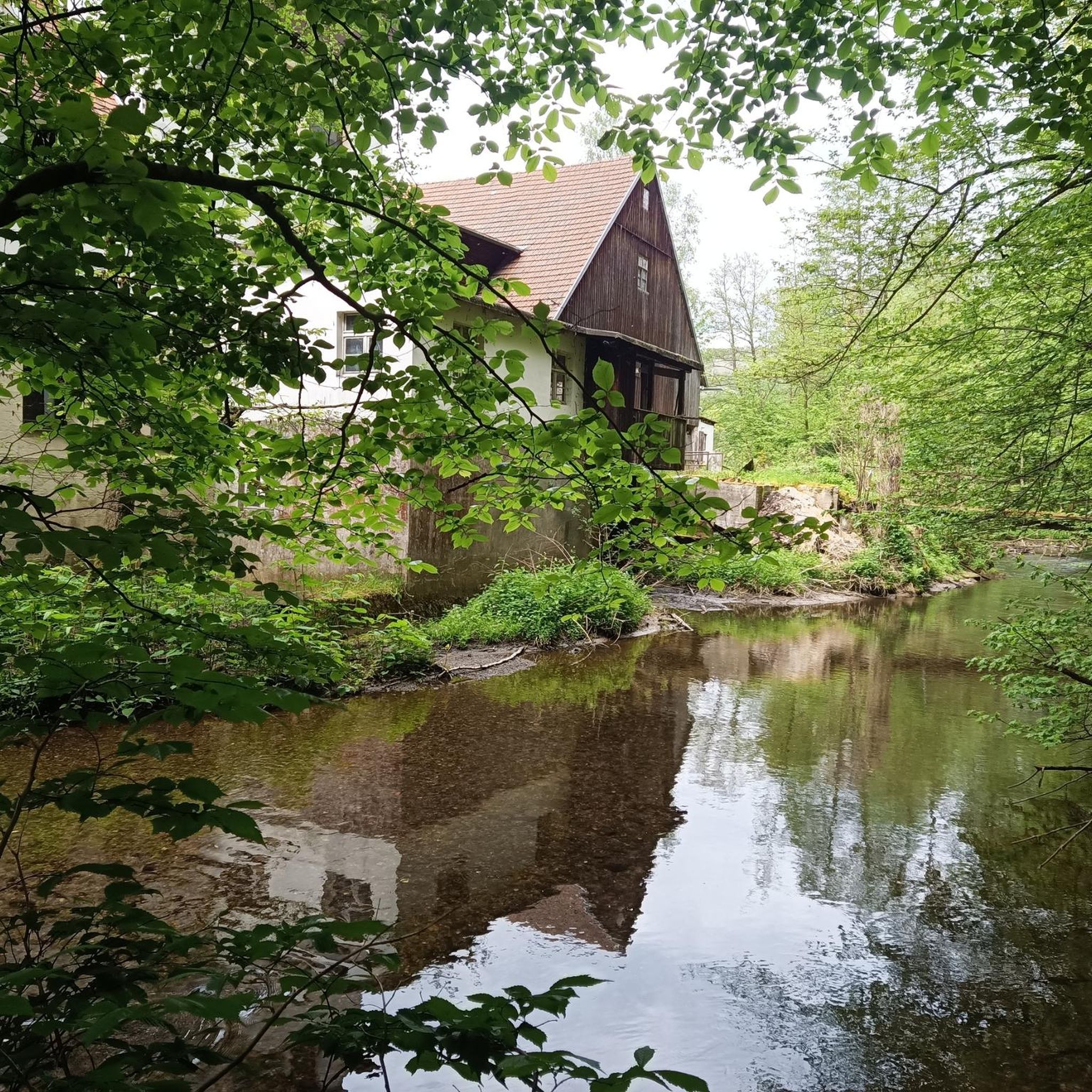
Best attractions and places to see in Westliches Hollerland, a wetland nature reserve on the outskirts of Bremen, Germany, offers a blend of natural beauty and historical significance. Originally cultivated by Dutch settlers in the 12th century, this area is now a protected landscape known for its diverse ecosystems and tranquil ambiance. The landscape is characterized by open green spaces, wet meadows, and various watercourses.
Best attractions and places to see in Westliches Hollerland
- The most popular attractions is View…
Last updated: July 5, 2026
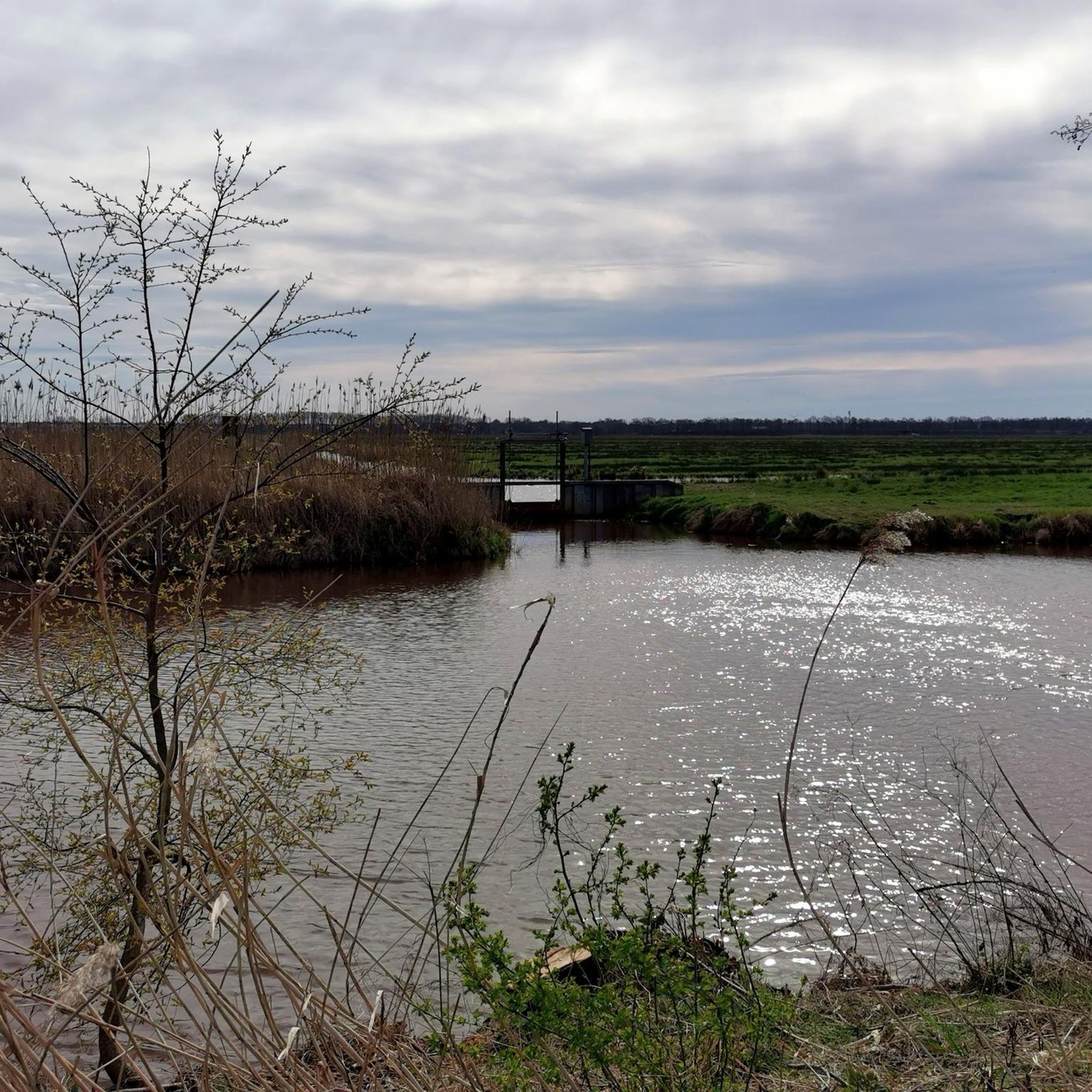
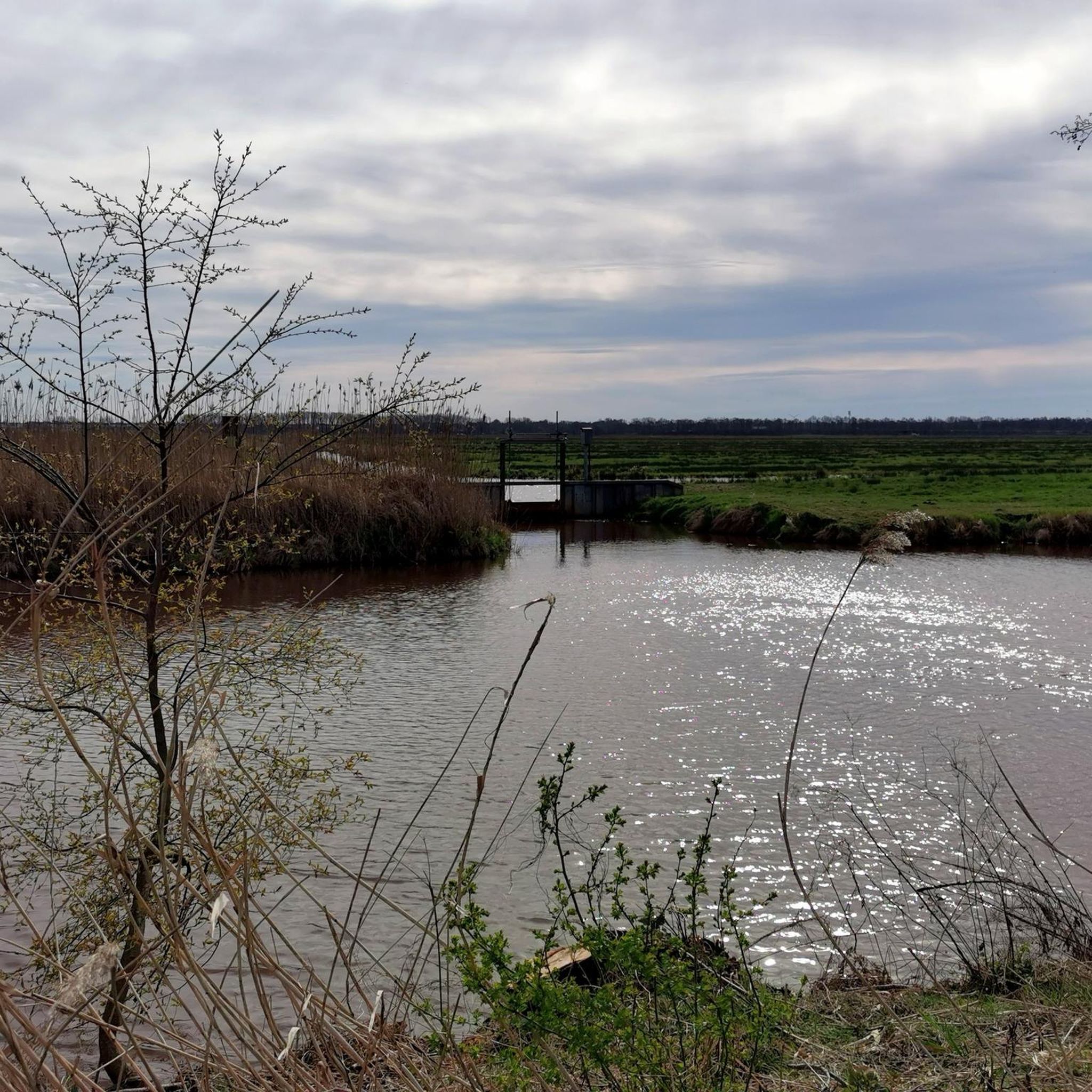
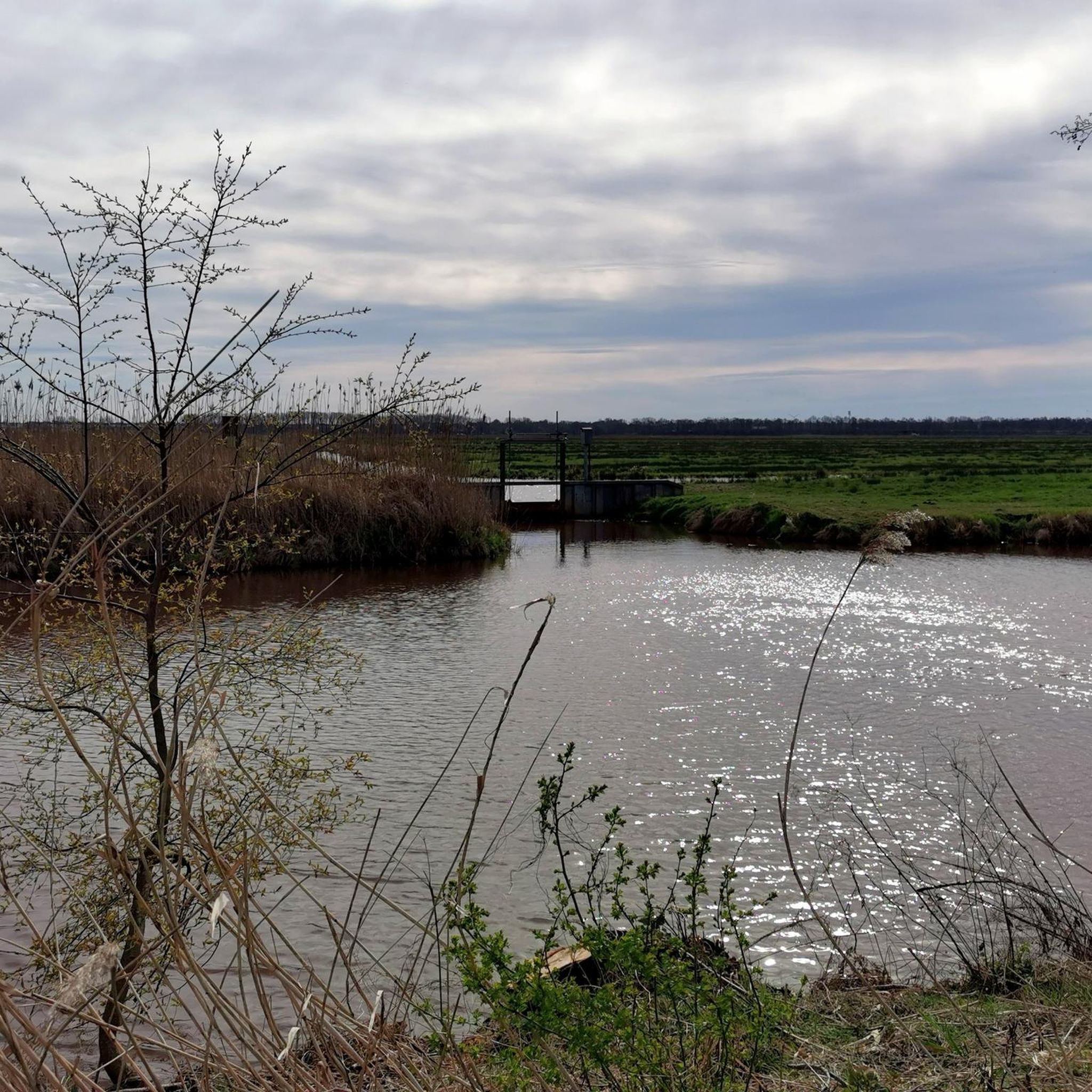
Kuhsiel Lock
Highlight • Structure
Translated by Google •
Tip by

Western Hollerland Nature Reserve
Highlight • Natural Monument
Hollerland originally referred to a cultural landscape in the north and east of Bremen that was reclaimed by Dutch settlers in the 12th century (the …
Translated by Google •
Tip by

Sign up now to discover places like this
Get recommendations on the best single tracks, peaks, & plenty of other exciting outdoor places.
Sign up for free
Jan Reiners Cycle Path
Highlight • Cycleway
Translated by Google •
Tip by

Jan Reiners Railway Path
Highlight • Cycleway
Translated by Google •
Tip by

Kuhgrabenweg
Highlight (Segment) • Cycleway
Translated by Google •
Tip by

Sign up for free to discover even more attractions in Westliches Hollerland.
Sign up for free
Already have an account?
Start today with a free account
Your next adventure awaits.
Login or Signup
Tips from the Community

Hopp's Holler rocks.
1
0
Pillegerade + zero gradient = railway line
3
0

The Jan Reiners cycle path is a popular cycle and hiking path that runs along the route of the former Bremen-Tarmstedt narrow-gauge railway. This narrow-gauge railway was in operation from 1900 to 1956 and was named in honor of Johann Reiners, the then chairman of the agricultural association in Lilienthal. The cycle path stretches from Bremen via Lilienthal to Tarmstedt and offers a scenic route through the Teufelsmoor in Lower Saxony. The route leads through idyllic landscapes and small villages, making it ideal for leisurely bike rides and long walks. The path is mostly asphalted and therefore offers good road conditions for cyclists. There are numerous opportunities to rest and refreshments along the way, as well as interesting sights such as the Truper Chapel and the artists' village of Worpswede. The Jan Reiners path is popular not only because of its historical significance, but also because of its scenic beauty and easy accessibility. It starts in Bremen and leads through the Bürgerpark and the Blockland before reaching Lilienthal and continuing to Tarmstedt.
1
0
The Western Hollerland is a nature reserve in Bremen that offers a fascinating mix of cultural and natural history. Originally reclaimed by Dutch settlers in the 12th century, the area has changed significantly over the centuries. Today it covers an area of 293 hectares and is known for its diverse flora and fauna, which are preserved through intensive protection measures. A particular highlight of the Western Hollerland is the varied landscape, which is ideal for hiking and cycling. The paths lead through open green spaces, wet meadows and along watercourses, which give the area its characteristic charm. A popular route is the Jan Weiners hiking trail, which winds through the reserve and offers wonderful views of the surrounding nature. Despite its proximity to the A27 motorway, the Hollerland offers quiet and idyllic walks, especially along the Kuhgrabenweg. The area is an important refuge for numerous animal and plant species, and there are well-signposted trails that lead nature lovers through this diverse landscape.
3
0


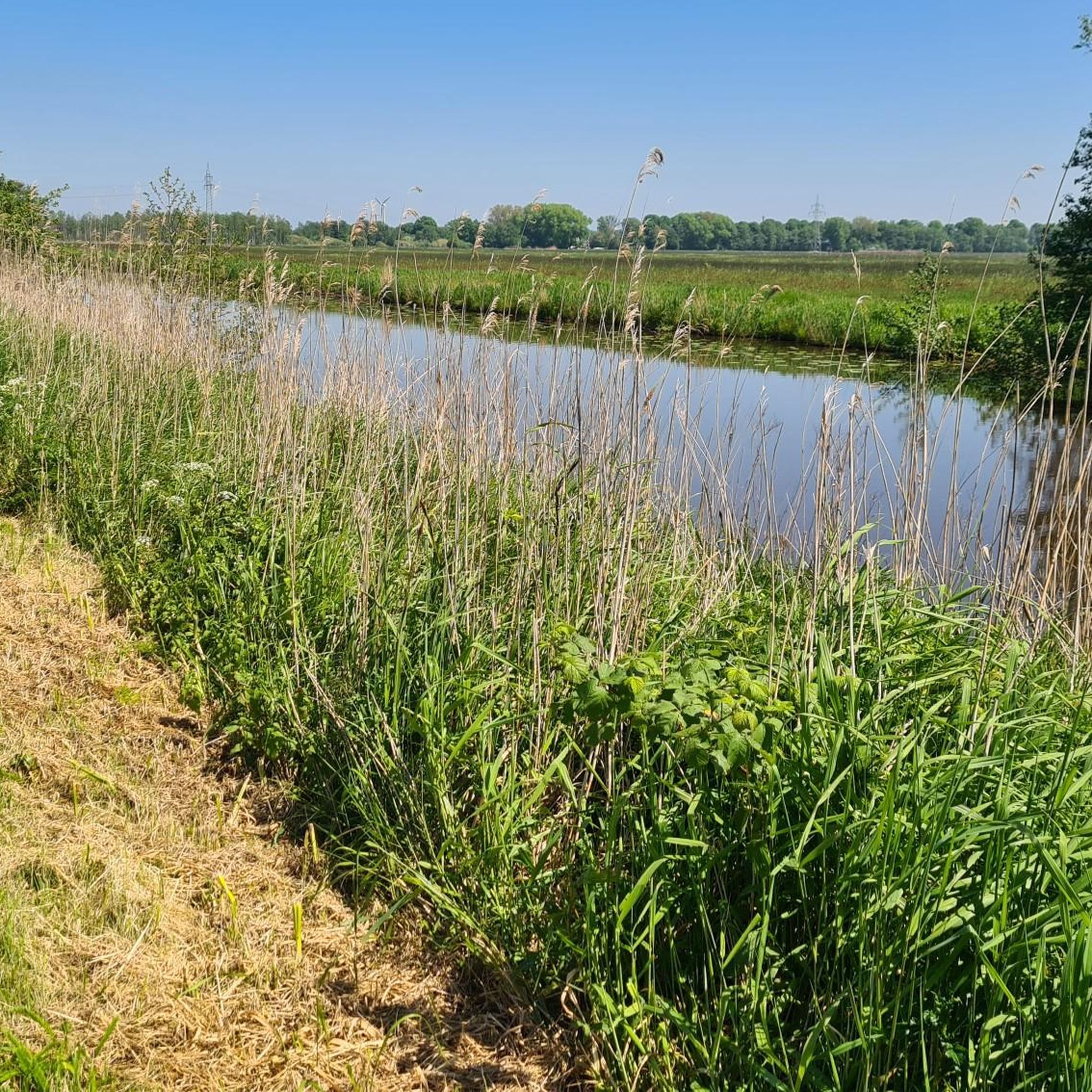
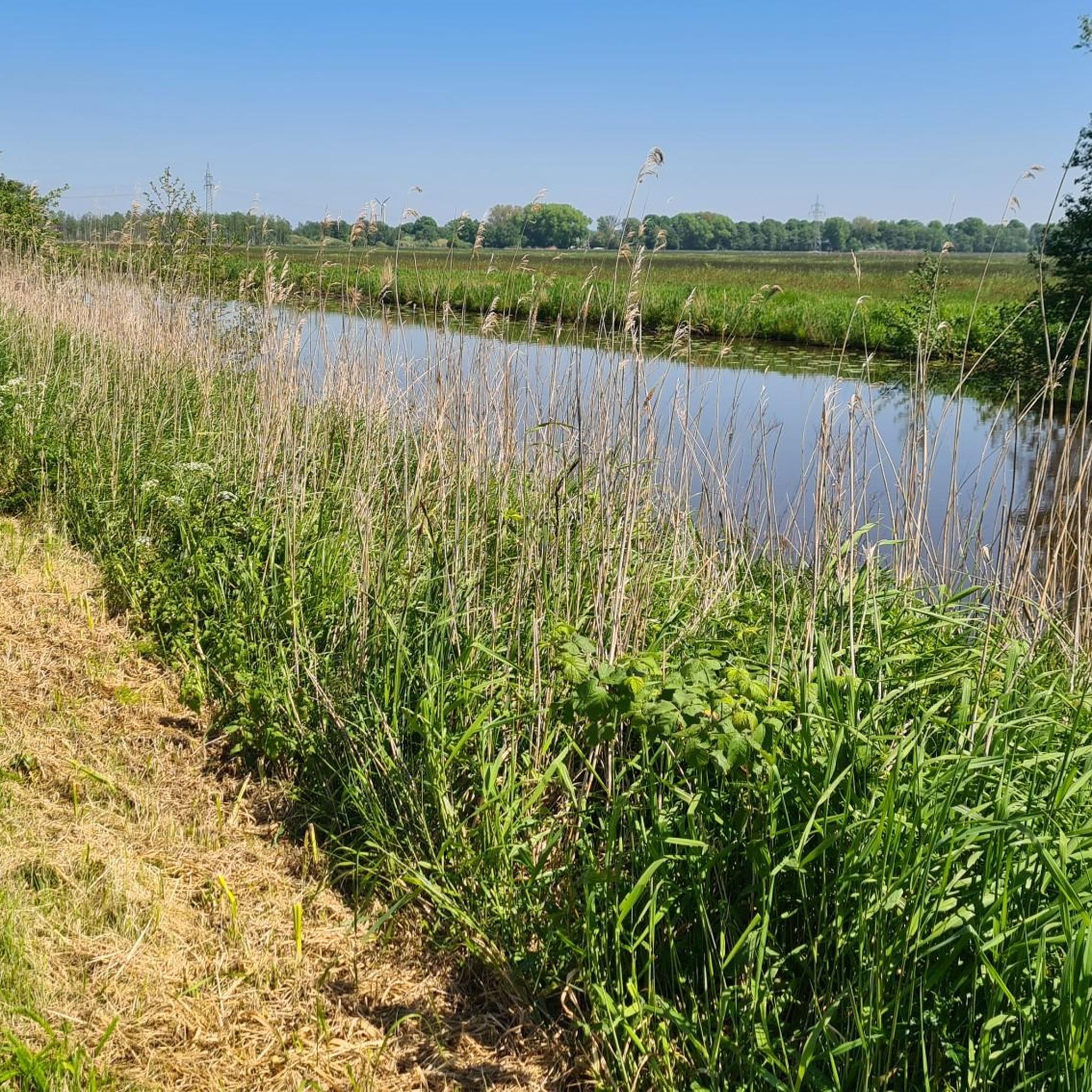
Very nice Jan Reiners cycle path along the former railway line.
1
0
Very nice view over the meadows with a drop tower.
1
0
Very nice cycle path along the former railway line.
2
0
Frequently Asked Questions
What natural features can I explore in Westliches Hollerland?
Westliches Hollerland is a serene wetland reserve known for its diverse natural beauty. You can explore a varied landscape of open green spaces, wet meadows, and numerous watercourses. The area is home to rare flora like white wool-grass, yellow marsh marigolds, and light purple cuckoo flowers, especially in spring. The 'Hollerwald' (Holler forest) also boasts a rich fungal flora. Keep an eye out for diverse wildlife, including herons, frogs, various bird species, and vibrant dragonflies. Cows are also a common sight in the Hollerland.
Are there historical or cultural aspects to discover in Westliches Hollerland?
Yes, Westliches Hollerland holds significant historical and cultural value. It represents a cultural landscape originally reclaimed and cultivated by Dutch settlers in the 12th century, a process known as 'Holler colonization.' Remnants of this reclaimed landscape persist today. You can also visit man-made structures like Kuhsiel Lock, which has facilitated barges since the Middle Ages and is part of the region's historical infrastructure.
What cycling routes are available in Westliches Hollerland?
Westliches Hollerland offers excellent cycling opportunities. A popular choice is the Jan Reiners Railway Path, which follows the former Bremen-Tarmstedt narrow-gauge railway line, providing a pleasant and historically significant route. Another great option is the Kuhgrabenweg, ideal for an afternoon cycle through the Blockland. For more cycling adventures, you can explore various routes in the region, including those found in the Cycling in Westliches Hollerland guide.
Are there good options for hiking in Westliches Hollerland?
Absolutely. The Western Hollerland Nature Reserve itself is ideal for hiking, with paths leading through open green spaces and wet meadows. The Kuhgrabenweg also offers quiet and idyllic walks. You can find a variety of hiking trails, including easy and moderate options, in the Hiking in Westliches Hollerland guide, such as the 'Wümme River – Jan-Reiners Hiking Trail loop from Kuhgrabensee'.
Are there any family-friendly attractions or activities?
Yes, Westliches Hollerland is very family-friendly. The nature reserve offers a peaceful escape for all ages, with easy paths suitable for walks and cycling. The Jan Reiners Railway Path is a popular choice for families due to its smooth surface and gentle gradients. Kuhsiel Lock is also a great spot for families to observe the waterways and enjoy the scenic surroundings.
What are some popular viewpoints in the area?
The region offers several scenic viewpoints, particularly along its waterways and open meadows. The area around Kuhsiel Lock is considered one of the most beautiful cycling routes near Bremen, offering expansive views. The Western Hollerland Nature Reserve also provides numerous spots to take in the characteristic landscape of green spaces and watercourses.
What do visitors particularly enjoy about Westliches Hollerland?
Visitors frequently praise the tranquility and unspoiled nature of Westliches Hollerland. Many appreciate it as a peaceful escape from urban life, where 'stress seems to dissipate amidst grasses, geese, and wind.' The scenic cycling routes, like those around Kuhsiel Lock, and the diverse flora and fauna of the Western Hollerland Nature Reserve are also highly valued.
Is Westliches Hollerland accessible for people with mobility challenges?
Many of the paths in Westliches Hollerland are well-suited for accessibility. For instance, the Jan Reiners Cycle Path and the Kuhgrabenweg are described as having smooth asphalt and good conditions, making them suitable for wheelchairs or strollers. The generally flat terrain of the wetland reserve also contributes to its accessibility.
What is the best time of year to visit Westliches Hollerland?
Westliches Hollerland offers beauty throughout the year, but spring is particularly vibrant with plants like yellow marsh marigolds and light purple cuckoo flowers in bloom. Winter and spring also see high water levels in certain areas, benefiting resting and breeding birds. The area is generally pleasant for outdoor activities from spring through autumn, with good conditions for cycling and hiking.
Can I bring my dog to Westliches Hollerland?
While the guide data doesn't explicitly state dog rules, nature reserves typically require dogs to be kept on a leash to protect wildlife. Given the diverse fauna and flora, it's advisable to keep your dog leashed and to clean up after them to preserve the natural environment.
Where can I find refreshments or cafes near the attractions?
The area around Kuhsiel Lock is known to have facilities, including cafes and restaurants, making it a convenient spot for refreshments during your visit. The Jan Reiners Railway Path also offers resting opportunities and refreshments along its route towards Lilienthal and Tarmstedt.
How can I reach Westliches Hollerland by public transport?
Westliches Hollerland is located on the outskirts of Bremen, making it accessible from the city. While specific public transport access points to individual trails are not detailed, the area's proximity to Bremen suggests that local bus or tram services would connect to its various entry points. For detailed routes, it's best to consult local public transport schedules from Bremen.
Are there specific trails for gravel biking in Westliches Hollerland?
Yes, Westliches Hollerland offers routes suitable for gravel biking. You can find several options, including 'View of the Wümmewiesen – Wümme Meadows loop from Borgfeld' and 'Ikensdamm Tree-Lined Avenue – Wümme River loop from University of Bremen'. For a comprehensive list and details, refer to the Gravel biking in Westliches Hollerland guide.
What kind of wildlife can I expect to see?
The diverse ecosystems of Westliches Hollerland support a variety of wildlife. You can expect to see numerous bird species, including herons, especially around the watercourses. Frogs and vibrant dragonflies are also common. The broad fleets (canals) are known to host large quantities of crayfish, and the Hollerwald is home to a rich singing bird fauna. Cows are also a characteristic sight grazing in the meadows.
Most popular routes in Westliches Hollerland

Get inspired with the komoot mobile app


Explore more
Still not found the Highlight you’re looking for? See guides of the top attractions in other regions:
