Attractions and Places To See in Fintlandsmoor Und Dänikhorster Moor - Top 8
Best attractions and places to see in Fintlandsmoor Und Dänikhorster Moor include extensive high moor landscapes and nature reserves in Lower Saxony, Germany. This region is characterized by its unique ecosystem, featuring distinct flora such as sundew and cotton grass, and re-wetted former peat cuttings. The area is designated as a nature reserve, preserving its natural features and providing opportunities for exploration.
Best attractions and places to see in Fintlandsmoor Und Dänikhorster Moor
- The most popular attraction is Fintlandsmoor and…
Last updated: July 5, 2026
Fintlandsmoor and Dänikhorster Moor
Highlight • Natural
The Dänikhorster Moor is a former nature reserve in the Lower Saxony communities of Bad Zwischenahn and Edewecht in the Ammerland district.
The nature reserve, designated NSG WE …
Translated by Google •
Tip by

Reihertief Wetland
Highlight • Natural
Translated by Google •
Tip by
Sign up now to discover places like this
Get recommendations on the best single tracks, peaks, & plenty of other exciting outdoor places.
Sign up for free
Fintlandsmoor Nature Reserve
Highlight • Natural Monument
The Fintlandsmoor and Dänikhorster Moor is a nature reserve in the Lower Saxony town of Westerstede and the municipalities of Bad Zwischenahn and Edewecht in the district of Ammerland.
Translated by Google •
Tip by
Shelter and information point at Dänikhorster Moor
Highlight (Segment) • Rest Area
Translated by Google •
Tip by

Dänikhorster Moor — View of Dead Birch Trees
Highlight • Natural
Translated by Google •
Tip by
Sign up for free to discover even more attractions in Fintlandsmoor Und Dänikhorster Moor.
Sign up for free
Already have an account?
Start today with a free account
Your next adventure awaits.
Login or Signup
Popular around Fintlandsmoor Und Dänikhorster Moor
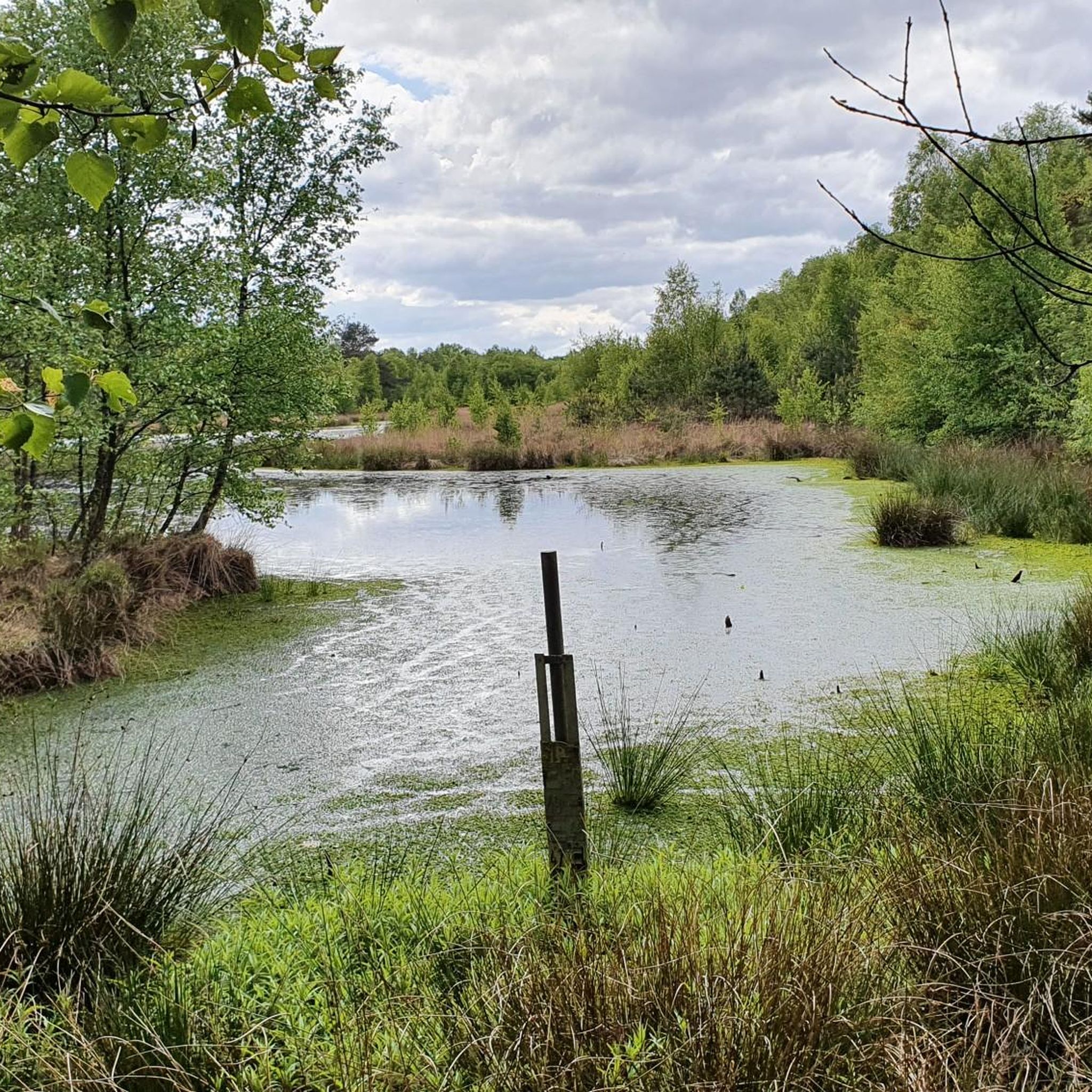
Cycling in Fintlandsmoor Und Dänikhorster Moor
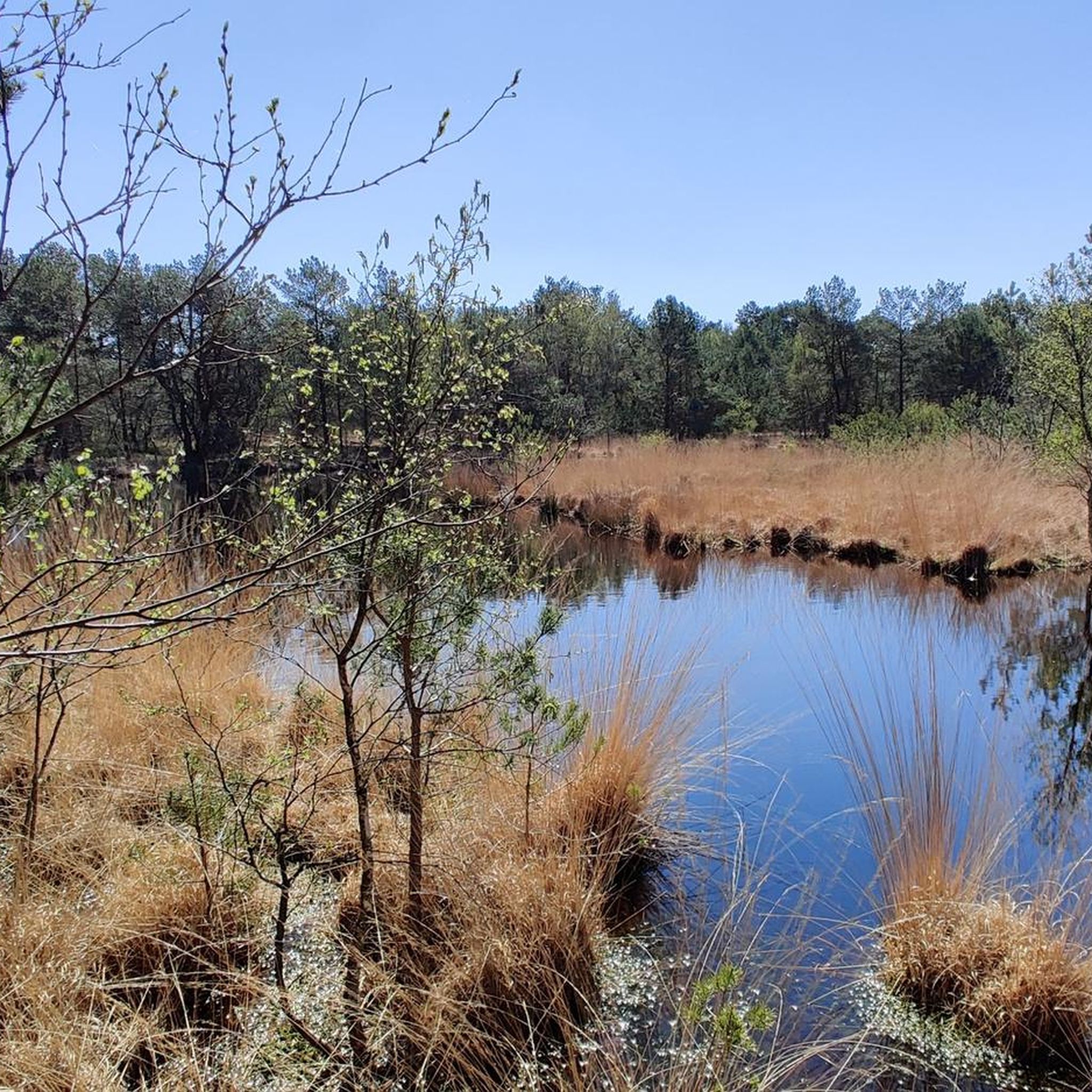
MTB Trails in Fintlandsmoor Und Dänikhorster Moor
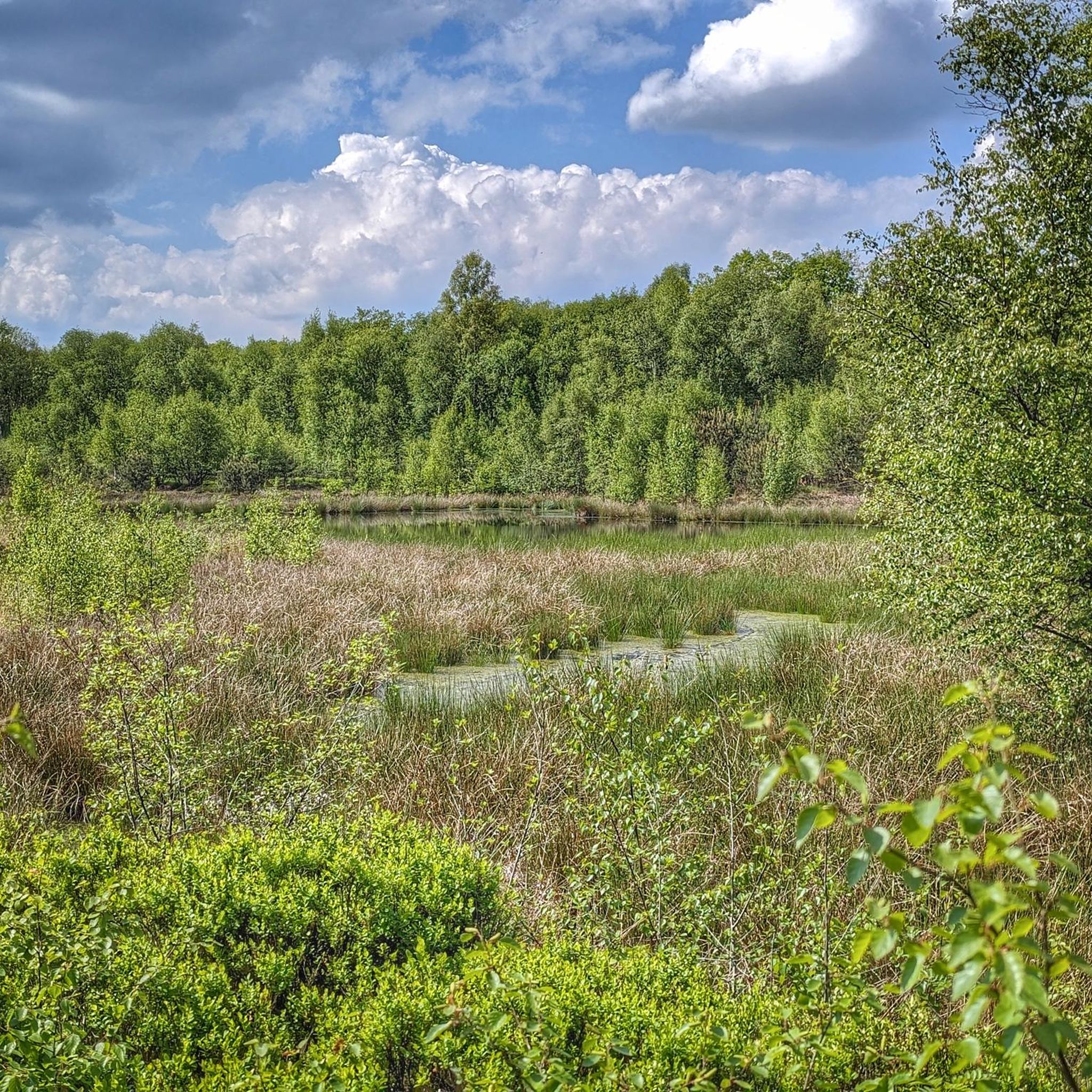
Road Cycling Routes in Fintlandsmoor Und Dänikhorster Moor
Gravel biking in Fintlandsmoor Und Dänikhorster Moor
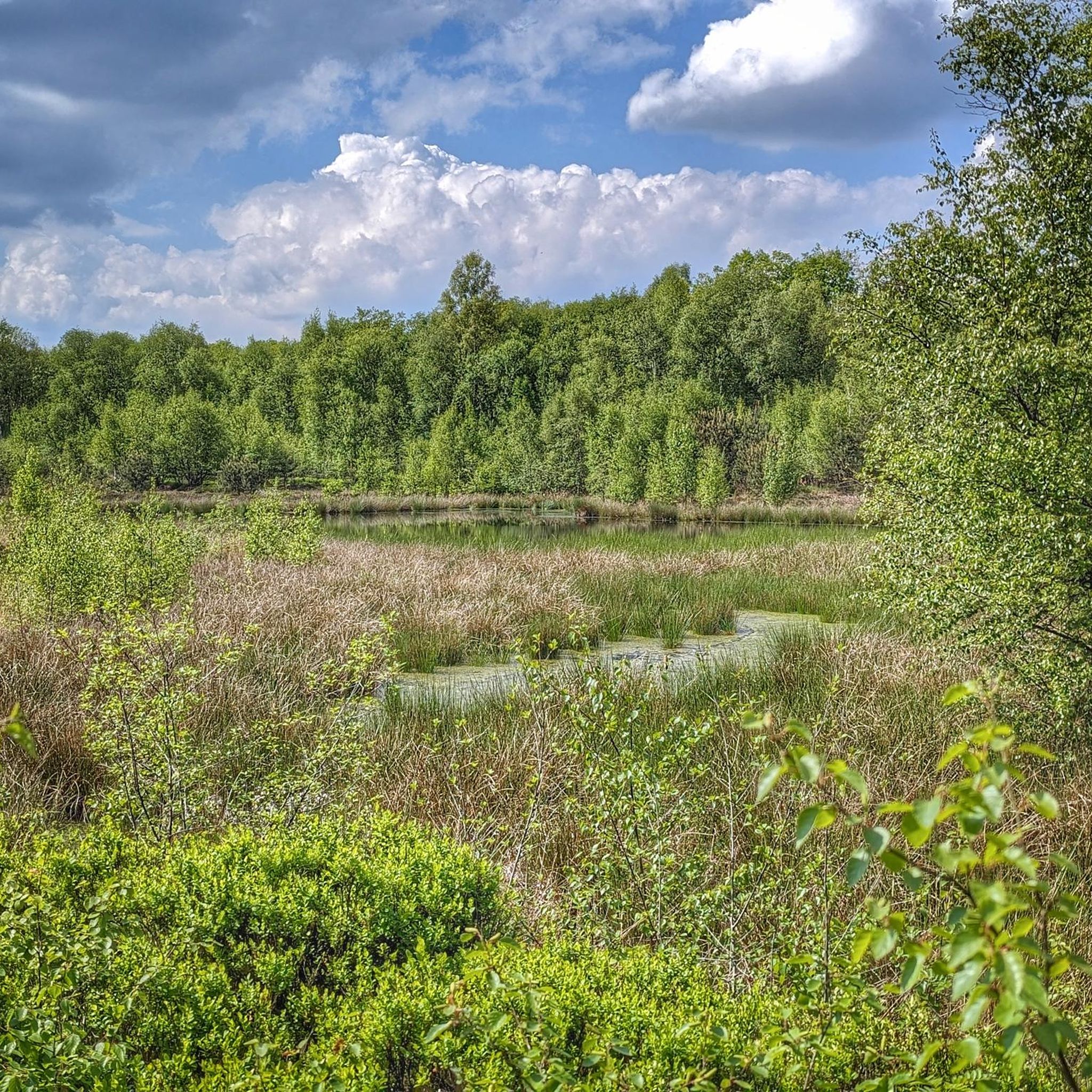
Hiking in Fintlandsmoor Und Dänikhorster Moor
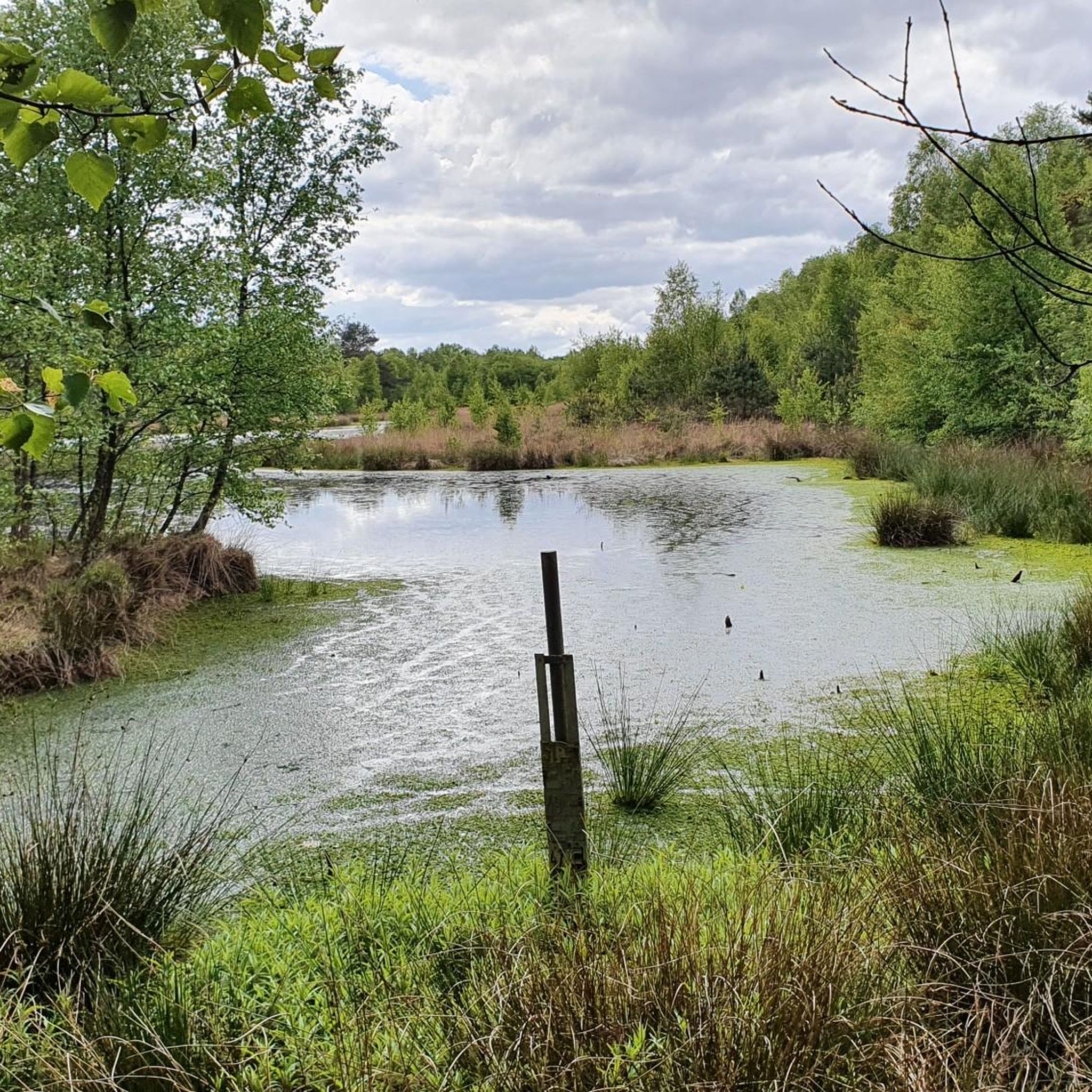
Running Trails in Fintlandsmoor Und Dänikhorster Moor
Tips from the Community

I think you should take a little time here and enjoy the nature 😌
2
0

The Fintlandsmoor is a drained and largely peat-extracted raised bog area in the Ammerland district of Lower Saxony. Part of the moor was designated as the "Fintlandsmoor" nature reserve in 1987, which was incorporated into the "Fintlandsmoor and Dänikhorster Moor" nature reserve in 2017.
4
1

A narrow path branches off from the middle dam and leads into the Fintlandsmoor. The path is accessible by bike. There are a few side paths that allow you to explore the moor on foot.
2
0

In addition to targeted grazing and controlled burning, decussing is a form of cultural landscape management for keeping open heaths, poor and dry grasslands, wet meadows and drained moor sites (moor heaths), which would develop into forests as a result of succession. This type of landscape management aims to preserve certain plant communities typical of a biotope. In drained moors, excessive evaporation from the trees should also be prevented. (Wikipedia) Nice place to rest and find out about life on and in the moor. A small educational trail leads from here along information boards to the moor.
2
0

Worth stopping.....very remarkable section with dead birch trees in the moor Absolutely worth seeing
6
1

This is where the protected “Dänikhorster Moor” begins, which was returned to nature years ago through rewetting. At the end of this idyllic path, where you can see a variety of wild animals depending on the season, there is a section of the path on the little-used “Fintland Road”, which is mainly used for agriculture, but is also often used by cyclists who want to enjoy nature. After a short while on the left you will see some farms and on the right you will continue to see the moorland, which is used for agricultural purposes. As soon as the street bends to the right, it turns into “Junkersdamm”. In this area you can impressively see the rewetting of the Fintlands and Dänikhorster Moors on the left side of the road. Dead birch trees protrude from the dammed water and create a mystical image. After a few hundred meters you turn right, again directly into the moor area.
14
1
In the neighborhood of Junkersdamm in the district of Dänikhorst in 26160 Bad Zwischenahn there are streets such as Am Ponyhof, Ahlriede, Drosselweg & Am Schürplatz.
14
2
In the Middle Ages, two monasteries were established in the area of the municipality of Moorweg. To the west of the Heron Deep was the monastery of Oldekloster, probably built as a Benedictine monastery in the 12th century, and to the east of the Heron Deep was the Monastery of Sconamora (a Premonstratensian monastery from the 13th century called Sconamora). Oldekloster had a Marian shrine and was a place of pilgrimage. After 1421, both monasteries were administered by Kloster Marienkamp near Esens and continued as agricultural outposts. With the secularization around 1530, both monasteries became the property of the East Frisian count and were continued as domains. On the map of East Friesland by David Fabricius 1589, both monasteries in Harlingerland are named. Around 1770 the Fehn colony Wagnersfehn was founded by Mrs. Adelheid Wagener from Esens in the swampy valley south of Esens. Palatinate people were initially settled here.
11
1
Frequently Asked Questions
What kind of natural landscape can I expect to see in Fintlandsmoor Und Dänikhorster Moor?
The region is primarily characterized by its extensive high moor landscape, designated as a nature reserve. You'll find unique ecosystems with re-wetted former peat cuttings, bog forests dominated by birch, and areas of heathland. The Fintlandsmoor and Dänikhorster Moor highlight offers a prime example of this environment.
What unique flora and fauna can be found in the nature reserve?
The high moor landscape supports distinct flora such as sundew, narrow-leaved and sheathed cotton grass, and white beak-rush. You can also observe common heather and bell heather in heathland areas. While dangerous animals are unlikely, slow worms might be seen, and the area provides habitat for various bog-typical plants and animals like dragonflies and meadow birds.
Are there any specific viewpoints or scenic spots worth visiting?
Yes, the area offers several scenic spots. The Dänikhorster Moor — View of Dead Birch Trees is a particularly striking and mystical sight, showcasing the effects of rewetting. There's also a Shelter and information point at Dänikhorster Moor which offers a good overview and educational insights into the moor.
What is the significance of the 'dead birch trees' in Dänikhorster Moor?
The 'dead birch trees' are a direct result of the rewetting efforts in the Dänikhorster Moor. As the area is restored to its natural bog state, water levels rise, causing the birch trees to die and stand as stark, mystical figures in the landscape. This sight at Dänikhorster Moor — View of Dead Birch Trees is a powerful visual representation of the moor's ecological recovery.
Are there hiking opportunities in Fintlandsmoor Und Dänikhorster Moor?
Absolutely. The moor can be explored via established sand paths, and solid footwear is recommended. There are various hiking routes available, including shorter loops like the 'Dänikhorster Moor Runde von Voßbarg' and a dedicated 'Naturlehrpfad Dänikhorster Moor' for an educational experience. You can find more details on hiking routes in the region on our Hiking in Fintlandsmoor Und Dänikhorster Moor guide.
Can I cycle or gravel bike in the Fintlandsmoor Und Dänikhorster Moor area?
Yes, the surrounding area offers opportunities for both cycling and gravel biking. While the moor itself is best explored on foot, nearby routes cater to cyclists. For cycling, you can find tours like the 'View of the Küstenkanal loop from Osterscheps'. Gravel biking options include routes such as 'Bridge Over the Süderbäke loop from Westerstede-Ocholt'. Explore more routes in our Cycling in Fintlandsmoor Und Dänikhorster Moor and Gravel biking in Fintlandsmoor Und Dänikhorster Moor guides.
Are there any historical or cultural sites in or near the Fintlandsmoor Und Dänikhorster Moor?
While the primary focus is natural, the Reihertief Wetland has historical significance. In the Middle Ages, two monasteries, Oldekloster and Sconamora, were located nearby. Oldekloster was a Benedictine monastery and a pilgrimage site with a Marian shrine. The moors themselves are also steeped in old tales and legends, including stories of will-o'-the-wisps.
Is Fintlandsmoor Und Dänikhorster Moor suitable for families?
Yes, the nature reserve is generally family-friendly, especially for walks on the established paths. The 'Naturlehrpfad Dänikhorster Moor' offers an educational experience for all ages. Highlights like Fintlandsmoor and Dänikhorster Moor and Fintlandsmoor Nature Reserve are categorized as family-friendly, providing opportunities for children to learn about nature.
What should I know about accessibility and terrain when visiting?
The moor can be traversed via established sand paths, but visitors are advised to stay on these paths due to the challenging terrain of the moor itself. Solid footwear is highly recommended for comfortable exploration. While some paths are relatively flat, the natural environment means not all areas may be suitable for wheelchairs or strollers.
What is the best time of year to visit Fintlandsmoor Und Dänikhorster Moor?
The moor offers a unique experience throughout the year. Spring and summer are ideal for observing the diverse flora, including sundew and cotton grass, and enjoying the heathland in bloom. Autumn brings beautiful colors to the bog forests. The re-wetted areas and 'dead birch trees' offer a striking landscape in any season, though conditions can be damp, so always check the weather and wear appropriate footwear.
Are there any facilities or information points available?
Yes, there is a Shelter and information point at Dänikhorster Moor. This spot provides a place to rest and learn more about the moor's ecosystem and conservation efforts. A small educational trail with information boards starts from here.
What do visitors enjoy most about Fintlandsmoor Und Dänikhorster Moor?
Visitors particularly appreciate the unique, tranquil high moor landscape and the opportunity to experience nature. The re-wetted areas with their distinct flora and the striking sight of the 'dead birch trees' are often highlighted. Many enjoy the peaceful hiking trails and the chance to observe the natural beauty and ecological restoration efforts.
Most popular routes in Fintlandsmoor Und Dänikhorster Moor
Most popular attractions in Fintlandsmoor Und Dänikhorster Moor

Get inspired with the komoot mobile app


Explore more
Still not found the Highlight you’re looking for? See guides of the top attractions in other regions:
