The best cycling routes in Großer Ronneberg-Bielstein
4.5
(907)
4,481
riders
220
rides
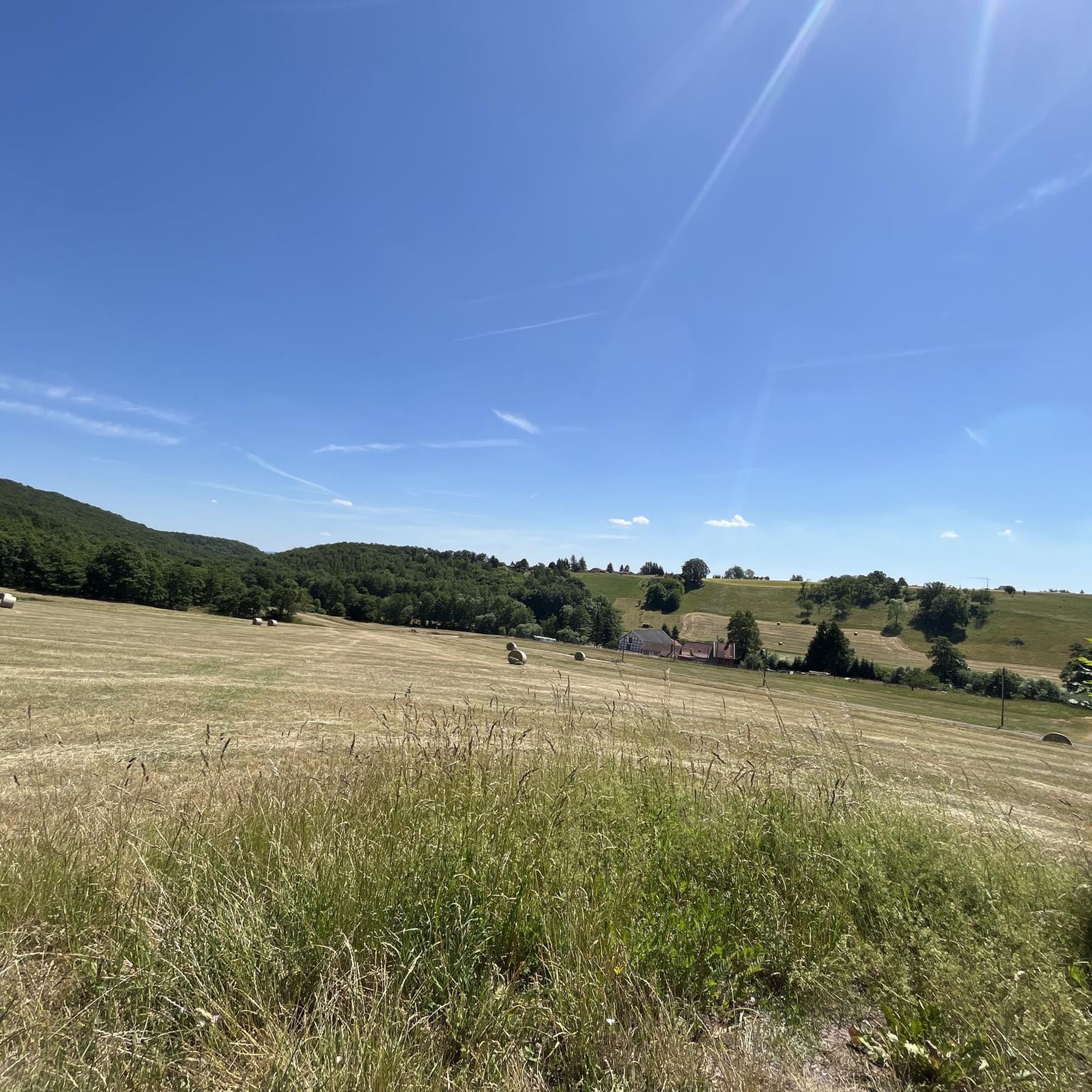
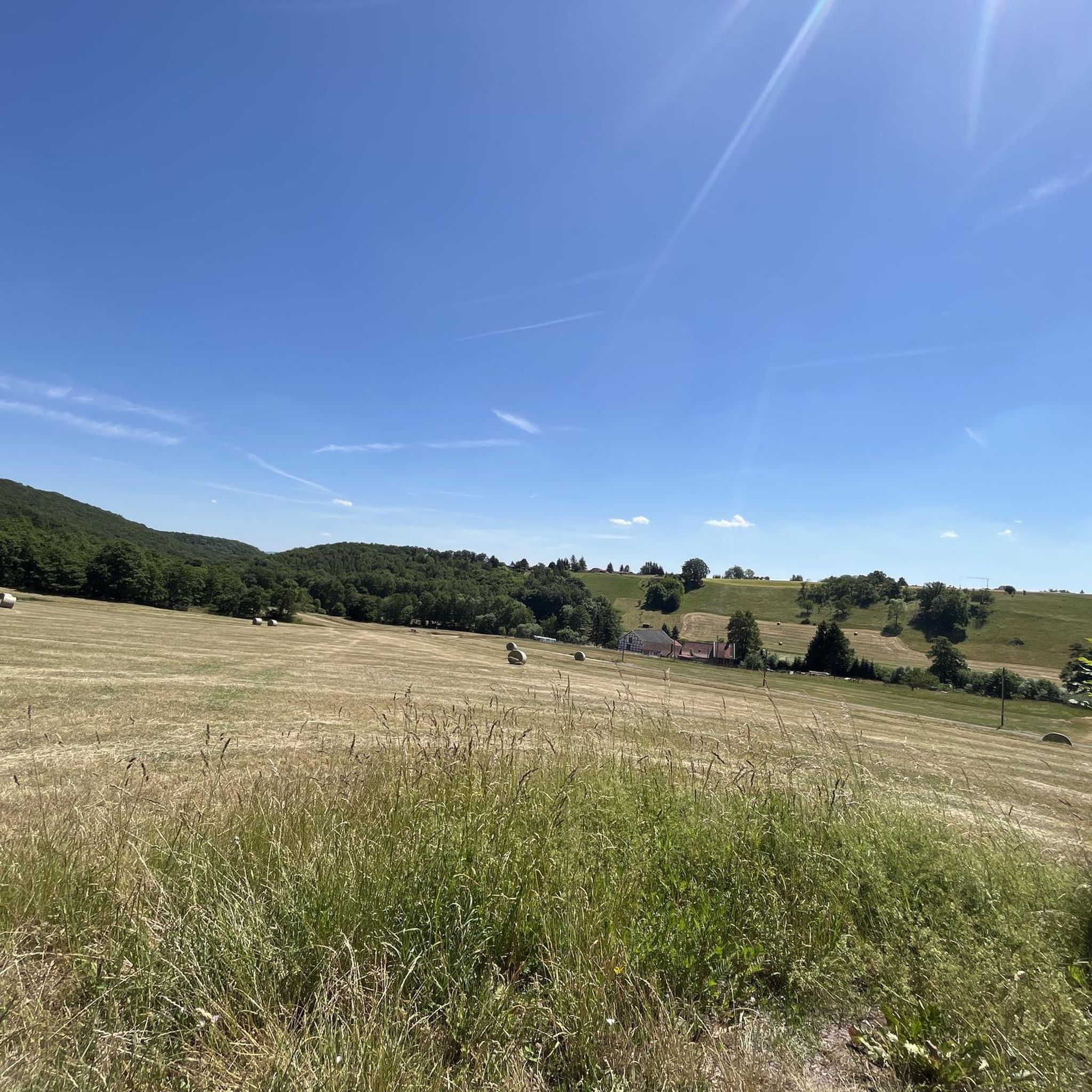
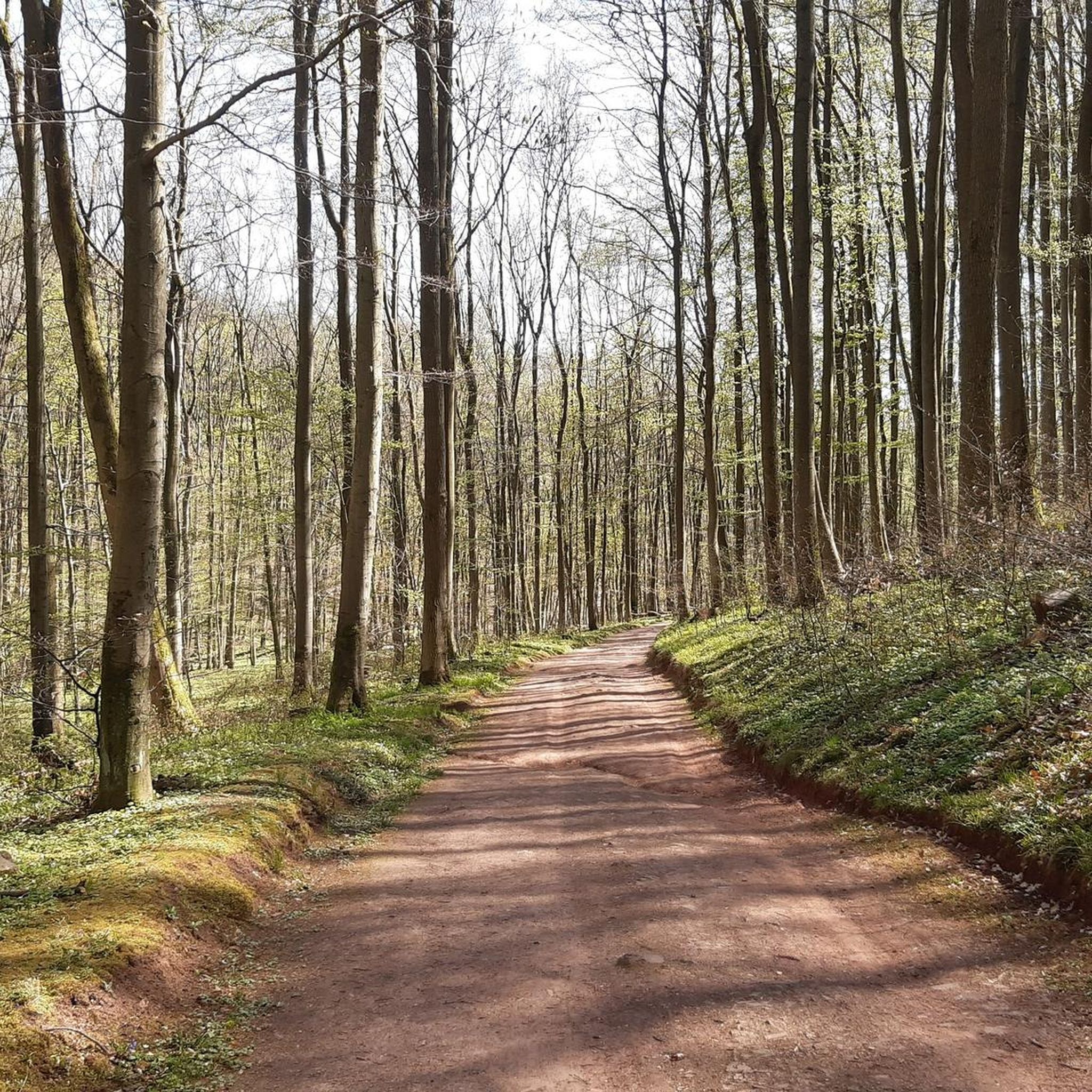
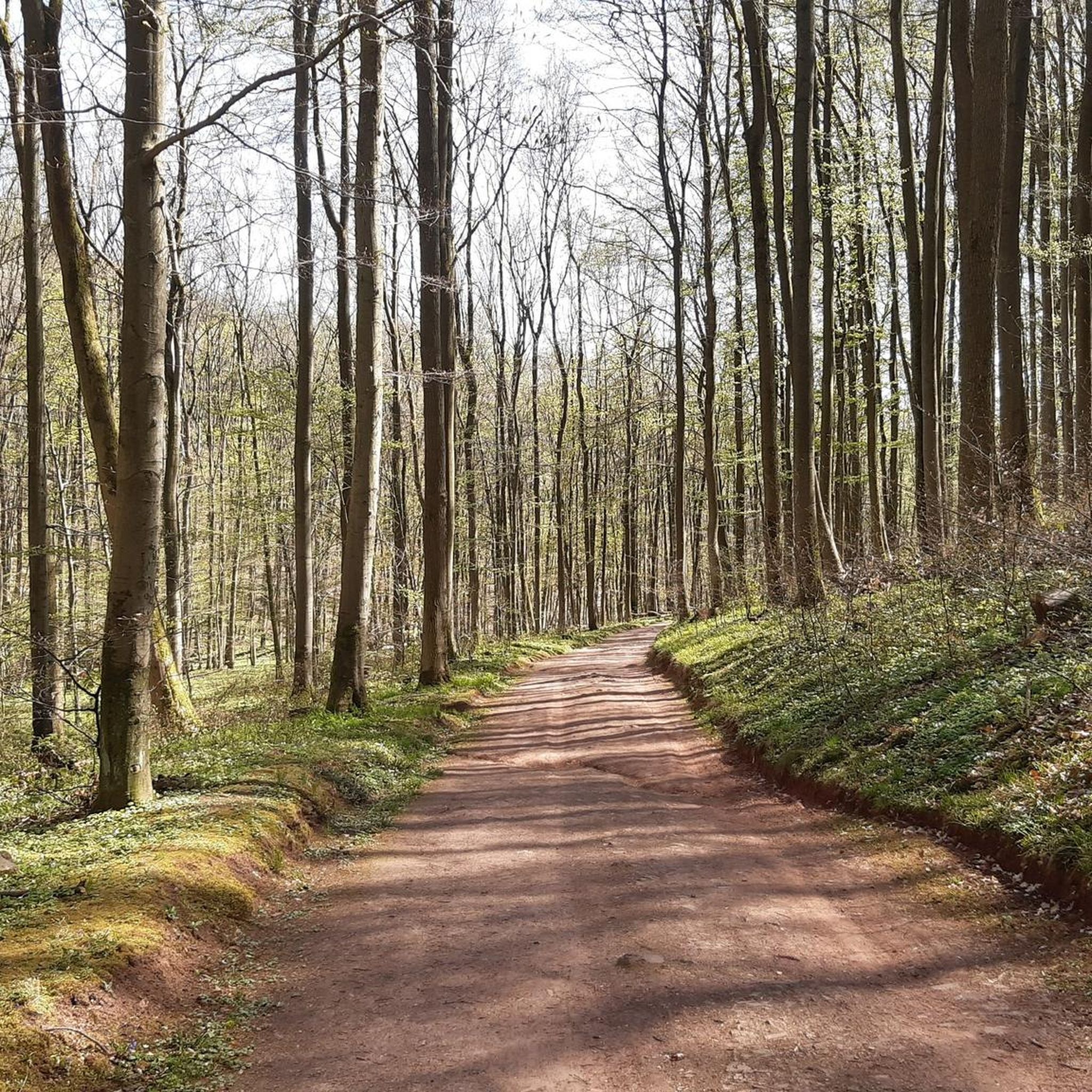
Touring cycling routes in Großer Ronneberg-Bielstein traverse a landscape characterized by near-natural forest stands, including mesophilic woodruff-red beech and mountain maple-ash gorge forests. The region features species-rich low mountain range meadows and the scenic Wolfstal, through which the Wolfsbach stream flows. This diverse terrain offers a mix of forest paths, gravel tracks, and narrower trails, providing varied experiences for cyclists. The area is integrated into larger protected landscapes, including the "Harz and Vorländer" and "Südharz" nature parks.
Best touring cycling…
Last updated: July 10, 2026
5.0
(1)
2
riders
Hard bike ride. Good fitness required. You may need to push your bike for some segments of this route.
4.3
(12)
60
riders
18.5km
01:10
130m
130m
Easy bike ride. Great for any fitness level. Mostly paved surfaces. Suitable for all skill levels.

Sign up for free
4.3
(9)
29
riders
Moderate bike ride. Good fitness required. Mostly paved surfaces. Suitable for all skill levels.
4.6
(8)
30
riders
Hard bike ride. Good fitness required. You may need to push your bike for some segments of this route.
4.6
(7)
29
riders
44.0km
02:45
410m
410m
Moderate bike ride. Good fitness required. Mostly paved surfaces. Suitable for all skill levels.
Get access to more routes and recommendations from other explorers.
Sign up for free
Already have an account?
Our route recommendations are based on thousands of hikes, rides, and runs completed by other people on komoot.
Start today with a free account
Your next adventure awaits.
Login or Signup

Tips from the Community

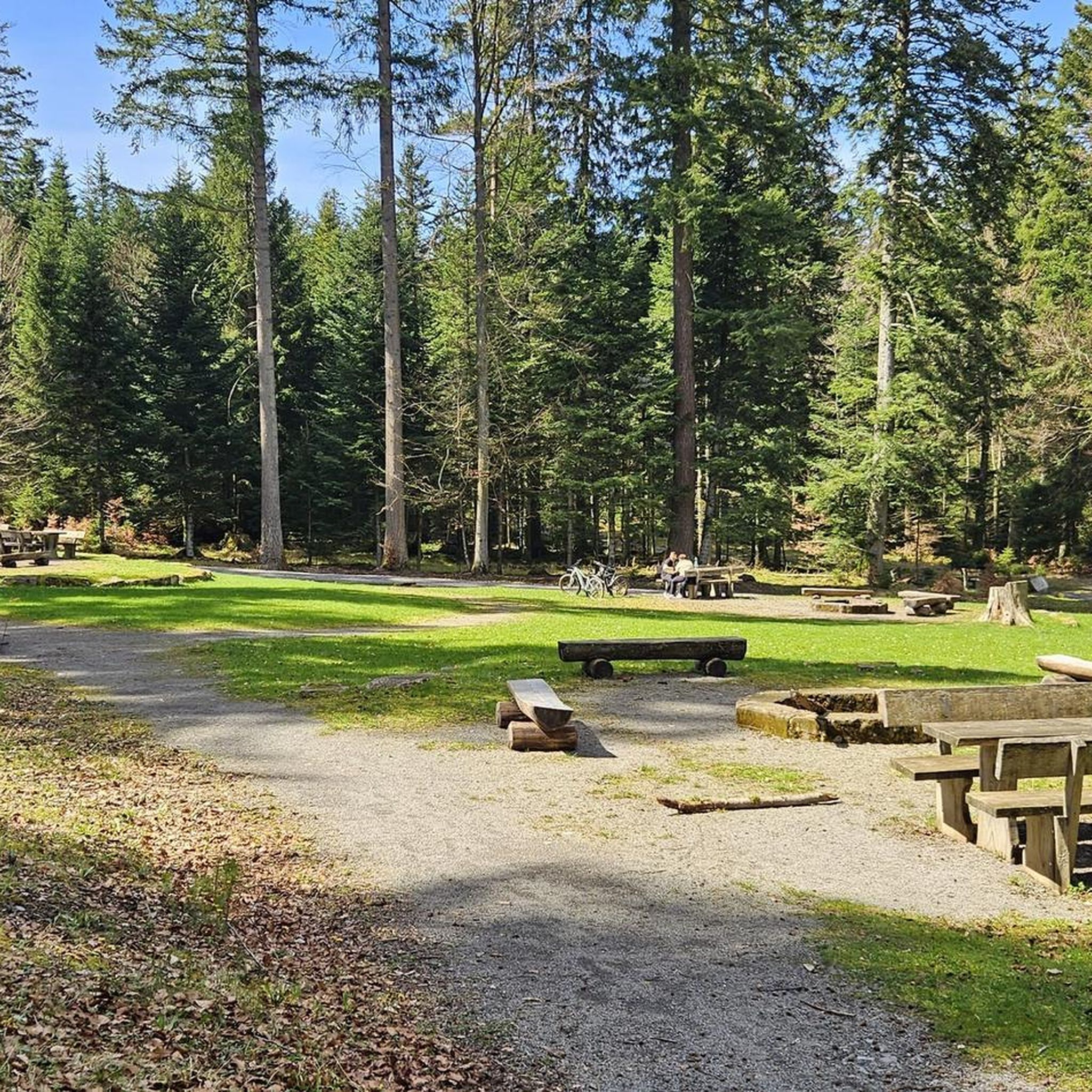
Parking lot with permanently closed catering
0
0

All traffic from Stolberg has to go through here, it is very narrow
2
0
It is an absolute highlight
2
0

In the village church, built in the Middle Ages, parts of the church tower, the east wall, and the chancel arch from this period have been preserved. Between 1732 and 1734, the church was built in the style of the period, incorporating the remains of its predecessor. The sugarloaf bell from the 12th century and a richly decorated bell from 1628, as well as the Baroque interior with the richly decorated pulpit altar, are of art-historical note.[1] (Source: Wikipedia)
0
0

The Sägemühle Inn has been permanently closed since 2025. Unfortunately, it must be said. But it's true. See also: https://www.thueringer-allgemeine.de/regionen/nordhausen/article242107216/Suedharzer-Traditionsgasthaus-vor-der-Schliessung.html
0
0

The Old Stolberg area consists predominantly of gypsum and anhydrite from the Zechstein. Due to the water solubility of this rock, one of the most beautiful karst landscapes in the southern Harz has emerged. The rock layers of the Old Stolberg are raised above their surroundings and rise over 100 m above the surrounding area. Rainwater sinks into the fissures. It collects in impermeable interlayers. The groundwater level in the area is therefore between 25 and 80 m deep. The Kalkhüttental valley cuts deep into the strata. This creates exposed fissures from which groundwater can escape during periods of high water pressure. This overflow is the Kalkhüttenquelle spring, the only spring in the Old Stolberg area. It only flows during periods of high water pressure and reacts to precipitation with a significant time delay. 500 m downstream lies the Urbachquelle spring, which flows year-round.
0
0

You can't decide at all 😅🙈
1
0

Beautiful view. Nature far and wide. Very quiet
1
0
Frequently Asked Questions
How many touring cycling routes are available in Großer Ronneberg-Bielstein?
Großer Ronneberg-Bielstein offers a wide selection of touring cycling routes, with over 200 options to explore. These routes cater to various skill levels, including 64 easy, 91 moderate, and 64 difficult trails.
What is the best time of year for touring cycling in Großer Ronneberg-Bielstein?
The region's diverse landscapes, featuring near-natural forest stands and low mountain range meadows, are particularly vibrant in spring and summer. Spring offers the sight of hollow-rooted larkspur, while autumn provides beautiful foliage. While cycling is possible year-round, spring through autumn generally offers the most pleasant weather conditions for touring.
Are there family-friendly touring cycling routes in Großer Ronneberg-Bielstein?
Yes, Großer Ronneberg-Bielstein has 64 easy touring cycling routes, many of which are suitable for families. These paths often traverse meadows and forests, providing a gentle and enjoyable experience. An example of an easy route is the Wolfsmühle Rodishain – Stolberg Market Square loop from Rodishain, which is 19.0 km long.
Are there any circular touring cycling routes in the area?
Many of the touring cycling routes in Großer Ronneberg-Bielstein are designed as loops, allowing you to start and finish at the same point. Examples include the challenging Schlossteich Rottleberode – Iberg Reservoir (Iberg Dam) loop from Rodishain (20.4 km) and the moderate Iberg Reservoir (Iberg Dam) – Stolberg Market Square loop from Herrmannsacker (26.0 km).
What kind of terrain can I expect on the touring cycling routes?
The terrain in Großer Ronneberg-Bielstein is varied, offering an engaging experience for touring cyclists. You can expect a mix of forest paths, gravel tracks, and narrower trails. The region is characterized by near-natural forest stands, including beech and mountain maple-ash gorge forests, as well as species-rich low mountain range meadows.
What do other touring cyclists say about the routes in Großer Ronneberg-Bielstein?
The touring cycling routes in Großer Ronneberg-Bielstein are highly regarded by the komoot community, boasting an average rating of 4.5 stars from nearly 1000 reviews. Over 4000 cyclists have used komoot to explore the area, often praising the diverse terrain and the natural beauty of the forests and meadows.
Are there options for advanced touring cyclists?
Yes, Großer Ronneberg-Bielstein offers 64 difficult touring cycling routes for those seeking a greater challenge. These routes often feature more significant elevation changes and technical sections. A challenging option is the Ratskeller Neustadt am Harz – Neustadt Town Gate loop from Rodishain, which covers 28.8 km.
Can I find longer touring cycling routes in the region?
For cyclists looking for longer rides, there are several options available. One notable route is the moderate Wolfsmühle Rodishain – Roland Statue of Questenberg loop from Rodishain, which spans 43.6 km and takes approximately 2 hours and 42 minutes to complete.
Are there any historical or cultural points of interest along the cycling routes?
The region has historical connections, notably a 21-kilometer section of the historic Lutherweg (Luther Trail) that connects Nordhausen to Stolberg. While specific highlights are not detailed in the provided data, many routes traverse areas with historical significance, allowing cyclists to experience both natural beauty and cultural heritage.
What kind of wildlife can be observed while cycling?
The nature reserve is a habitat for diverse wildlife. Cyclists might encounter various bird species like the stock dove and siskin, and if lucky, even larger animals such as the wildcat and fire salamander. The area is also home to endangered insects like the scarce fritillary and stag beetle.
Is Großer Ronneberg-Bielstein part of a larger protected area?
Yes, Großer Ronneberg-Bielstein is integrated into larger natural protected areas, including the "Harz and Vorländer" and "Südharz" nature parks. It also borders the Karstlandschaft Südharz Biosphere Reserve, highlighting its ecological significance and offering extensive natural areas for outdoor pursuits.
Most popular routes in Großer Ronneberg-Bielstein

Get inspired with the komoot mobile app


Explore more
Browse the best Cycling routes in other regions.
