Muschelkalkgebiet Am Oschenberg
Muschelkalkgebiet Am Oschenberg
Attractions and Places To See in Muschelkalkgebiet Am Oschenberg - Top 13
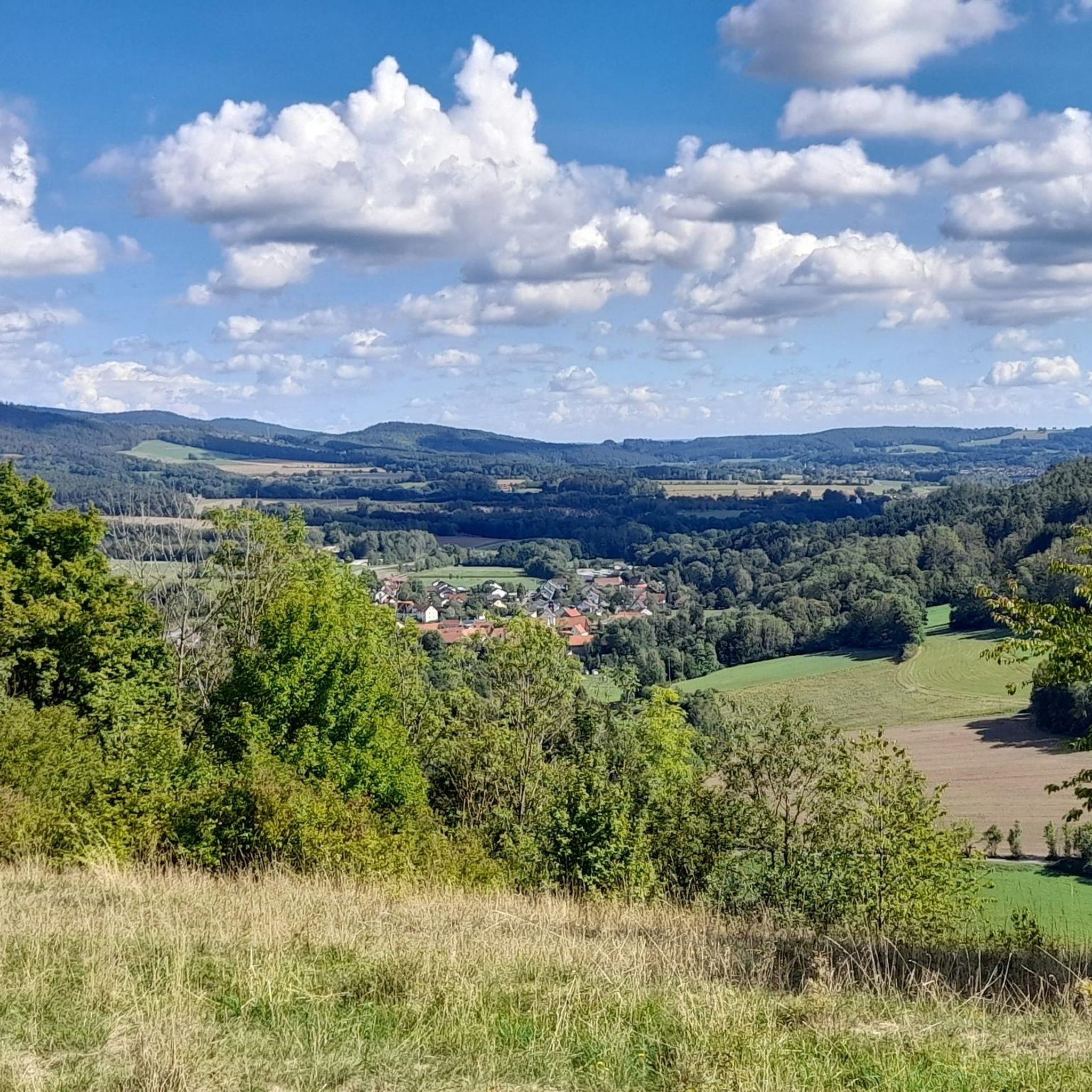
Best attractions and places to see in Muschelkalkgebiet Am Oschenberg include a unique geological landscape and diverse ecosystems. Located approximately 8 kilometers northeast of Bayreuth, this area is characterized by its Muschelkalk geology, forming a distinctive landscape with the 528-meter-high Oschenberg mountain. It features flatland hay meadows, semi-dry grasslands, and mixed deciduous forests, supporting a rich biodiversity including over 400 butterfly species. Historical points of interest, such as a former gypsum mine and ancient religious sites, add to the region's…
Last updated: July 5, 2026
Oschenberg Communication Tower
Highlight • Monument
Translated by Google •
Tip by

Muschelkalk Area at Oschenberg
Highlight • Natural Monument
In 1418 the mountain was mentioned as "Naschenberg", in 1419 as "aschenberg ob Leneck", and in 1692 as "Oschenberg". The …
Translated by Google •
Tip by

Sign up now to discover places like this
Get recommendations on the best single tracks, peaks, & plenty of other exciting outdoor places.
Sign up for free
Kreuzstein near Nemmersdorf
Highlight • Viewpoint
Translated by Google •
Tip by

Wooden Ant Sculptures in the Muschelkalkgebiet am Oschenberg
Highlight • Monument
Translated by Google •
Tip by
Great Ho Chi Minh Trail
Highlight (Segment) • Trail
This is the steeper trail of two Ho Chi Mingh Trails,
the so-called "large …
Translated by Google •
Tip by

Sign up for free to discover even more attractions in Muschelkalkgebiet Am Oschenberg.
Sign up for free
Already have an account?
Start today with a free account
Your next adventure awaits.
Login or Signup
Popular around Muschelkalkgebiet Am Oschenberg
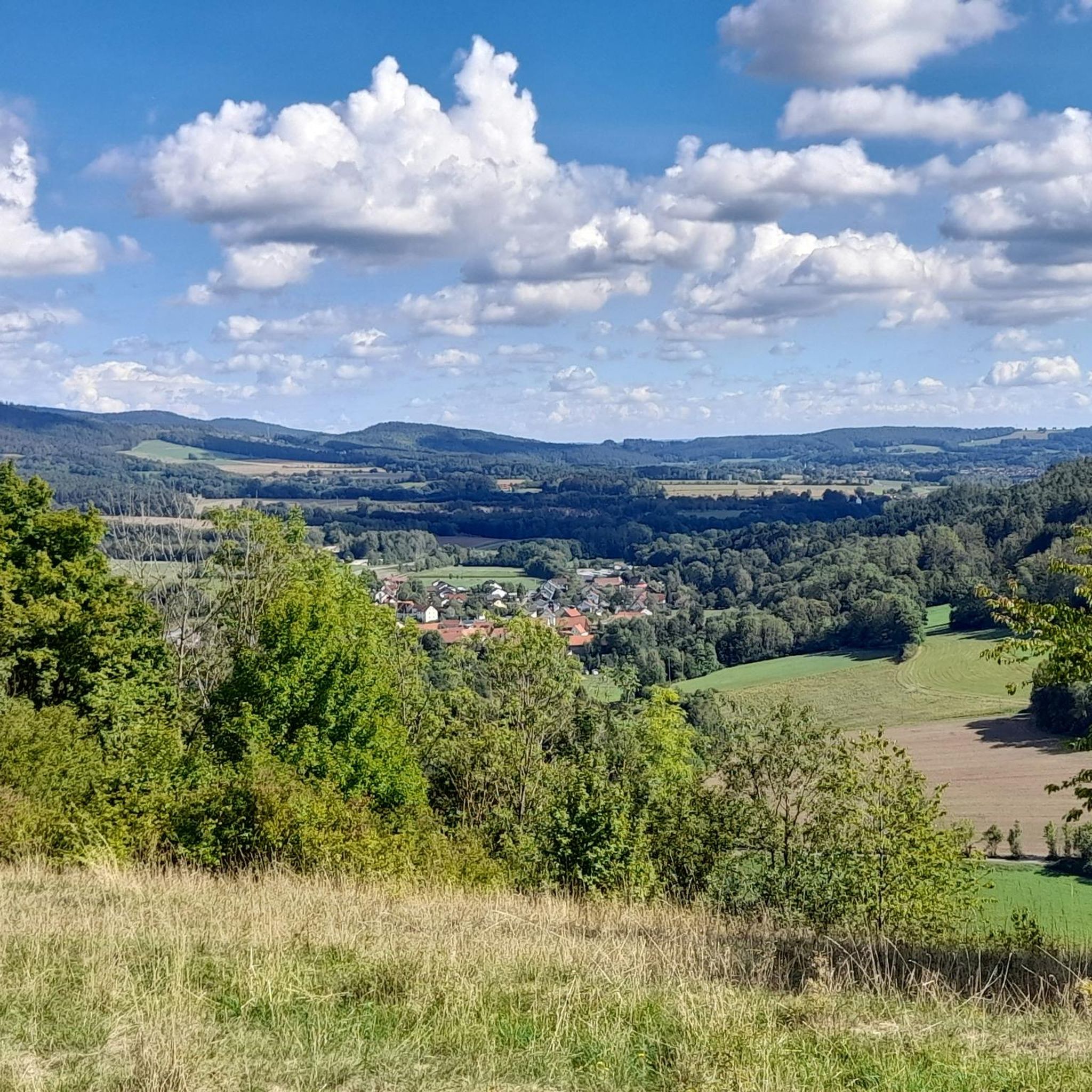
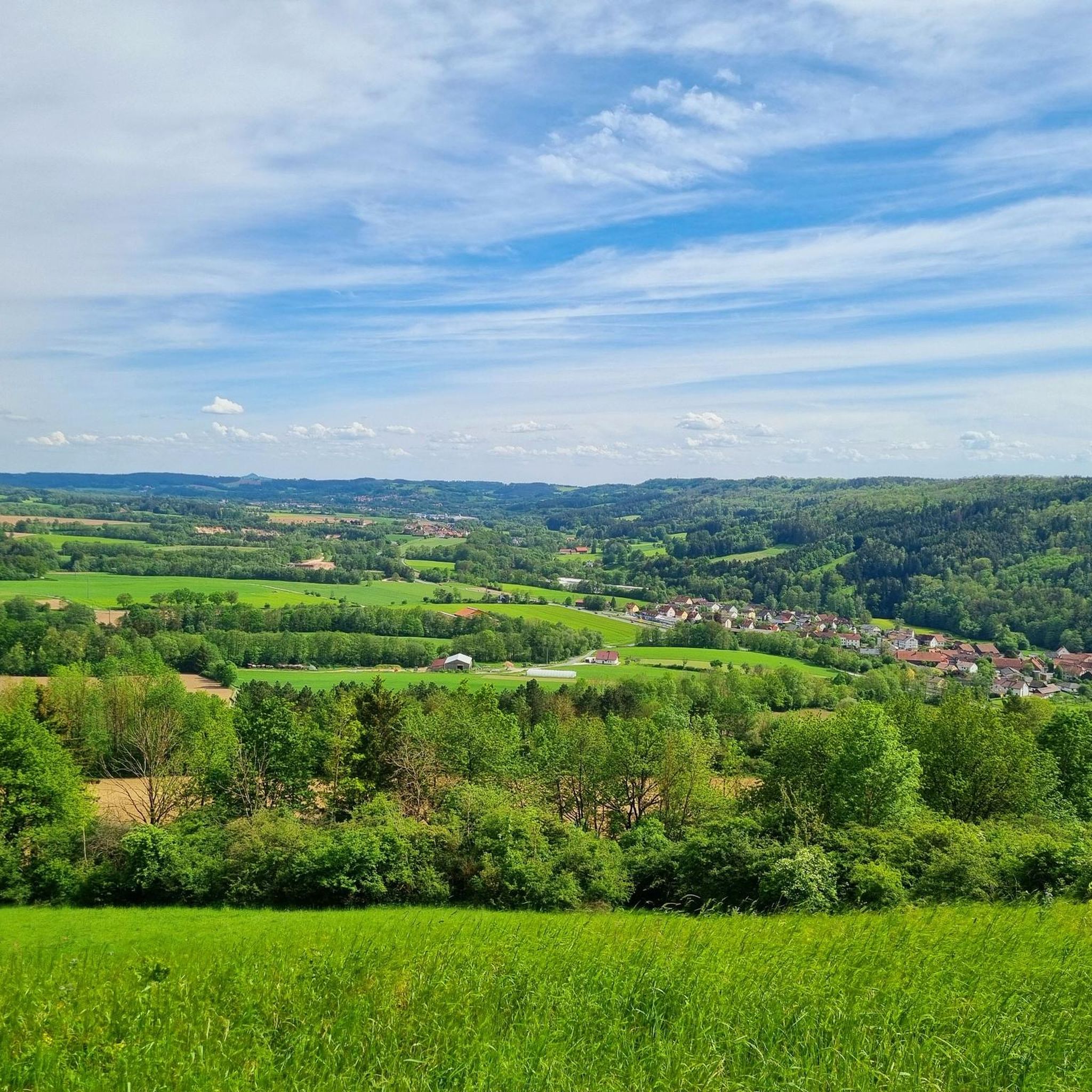

Tips from the Community

Unfortunately, the ant isn't in particularly good condition anymore. Hopefully, it will be restored soon. Nevertheless, it's still recognizable as an ant and still a good place for a quick detour. It's right on the trail, after all. ^^
0
0

The fallen trees have been removed. Clear travel 👍🏻
0
0

Large wooden sculpture at the fork in the road 🐜 🕸
0
0

The Oschenberg is located in the administrative district of Upper Franconia, partly on Bayreuth territory, about five kilometers north-east of the city center on the edge of the Friedrichsthal district, as well as in the municipality of Bindlach, the town of Goldkronach and the market town of Weidenberg. It is part of the Obermainisches Hügelland natural area. The highest point on the plateau, which was in the military restricted area until June 30, 2007, reaches a height of 528 m above sea level. NN. It is located in the Weidenberger area directly on the municipal border to Bayreuth. Source: Wikipedia
0
0
At the moment there are unfortunately three larger trees in the way!
2
1

Definitely nice going down, uphill with a gravel bike in muddy weather wasn't a good idea 😒😂
2
0

Can be kicked up well
2
1

The Oschenberg is quite easy to navigate and offers a great view. So up to the Oschenberg.
3
0
Frequently Asked Questions
What unique natural features define the Muschelkalkgebiet Am Oschenberg?
The region is named after its distinctive Muschelkalk geology, a shell-bearing limestone formation from the Triassic period, which has shaped the landscape. You can explore the Muschelkalk Area at Oschenberg, known for its geological formations and species-rich hay meadows. The area also boasts diverse ecosystems, including semi-dry grasslands maintained by sheep grazing, and mixed deciduous forests, all protected within the Muschelkalkgebiet am Oschenberg Nature Reserve.
Are there any historical or cultural sites to explore in the Muschelkalkgebiet Am Oschenberg?
Yes, the Oschenberg has a rich history. It was once believed to be an ancient religious cult site with a temple dedicated to Wodan or Odin. You can also find remnants of a historical gypsum mine that operated until 1998, and parts of the area were a military training ground until 2007. The Oschenberg Communication Tower is a notable modern landmark with historical context.
What kind of biodiversity can I expect to see in the Muschelkalkgebiet Am Oschenberg?
The Muschelkalkgebiet Am Oschenberg is a hotspot for biodiversity. It's home to over 400 butterfly species, including the endangered Scarce Large Blue. The semi-dry grasslands and meadows are rich in flora, featuring plants like meadow clary and fringed gentian. Keep an eye out for the sand lizard, which thrives in the sunny, dry spots.
What outdoor activities are popular in Muschelkalkgebiet Am Oschenberg?
The region is excellent for outdoor enthusiasts, offering numerous hiking and cycling opportunities. You can find a variety of routes, from easy to challenging, that provide panoramic views, especially towards the Franconian Alb. For specific cycling routes, explore the Cycling in Muschelkalkgebiet Am Oschenberg guide. If you prefer mountain biking, check out the MTB Trails in Muschelkalkgebiet Am Oschenberg guide, or for road cycling, see the Road Cycling Routes in Muschelkalkgebiet Am Oschenberg guide.
Are there family-friendly attractions or activities in the area?
Yes, the Muschelkalkgebiet Am Oschenberg offers attractions suitable for families. The Wooden Ant Sculptures in the Muschelkalkgebiet am Oschenberg are a unique and engaging art installation that children often enjoy. The diverse natural landscape also provides ample opportunities for family-friendly walks and exploring nature.
Where can I find the best viewpoints in Muschelkalkgebiet Am Oschenberg?
For excellent panoramic views, head to the Muschelkalkgebiet am Oschenberg Nature Reserve, which offers good all-round vistas. Another spot with a great view is Kreuzstein near Nemmersdorf, which provides a wide perspective of the surrounding landscape.
Is the Muschelkalkgebiet Am Oschenberg suitable for dog walking?
Yes, the natural landscape with its numerous trails and open spaces makes it a great area for dog walking. Many of the hiking routes are suitable for dogs, allowing you and your pet to enjoy the diverse ecosystems and scenic views together. Always ensure dogs are kept under control, especially in areas with wildlife or grazing sheep.
What is the best time of year to visit Muschelkalkgebiet Am Oschenberg?
The Muschelkalkgebiet Am Oschenberg is beautiful throughout the warmer months. Spring and summer are ideal for experiencing the rich biodiversity, particularly the blooming meadows and numerous butterfly species. Autumn offers stunning foliage. For outdoor activities like hiking and cycling, late spring to early autumn generally provides the most pleasant weather conditions.
Are there any easy hiking trails for beginners or those looking for a relaxed walk?
Yes, the region offers a range of trails, including easier options. While specific 'easy' trails are not individually highlighted, the overall landscape allows for relaxed walks through meadows and forests. Many of the cycling routes also have easy sections that can be enjoyed on foot. For detailed route information, consult the komoot guides for the area.
What is the significance of the Weidenbrunnen (Willow Well)?
The Weidenbrunnen is a historical well with local legends attributing healing properties to its water. In ancient times, it was a site of pilgrimage, where people would visit a sacred grove nearby to drink from its waters. This adds a touch of folklore and historical mystique to the natural surroundings.
What do visitors enjoy most about Muschelkalkgebiet Am Oschenberg?
Visitors particularly appreciate the area's natural beauty, diverse ecosystems, and the panoramic views it offers. The geological formations and the rich variety of flora and fauna, including over 400 butterfly species, are frequently mentioned. The historical elements, such as the former gypsum mine and ancient legends, also add to the unique experience.
Most popular routes in Muschelkalkgebiet Am Oschenberg

Get inspired with the komoot mobile app


Explore more
Still not found the Highlight you’re looking for? See guides of the top attractions in other regions:
